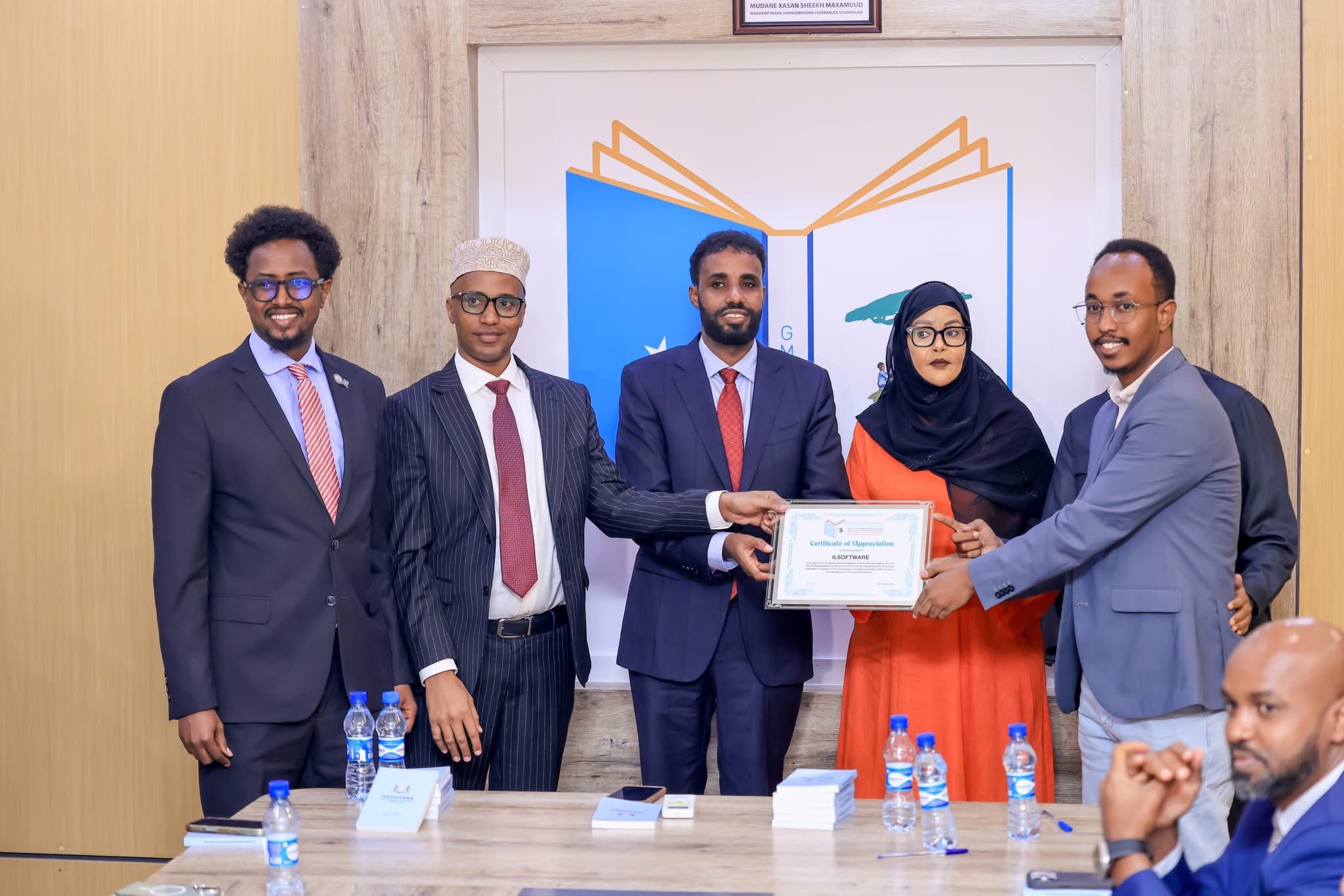
Somalia Unveils Printed Federal Constitution in Push to Broaden Public Access
Mogadishu(SONNA)-Somali parliamentary leaders, constitutional review officials and justice ministry representatives on Wednesday launched printed copies of the Federal Constitution…
SONNA
Latest
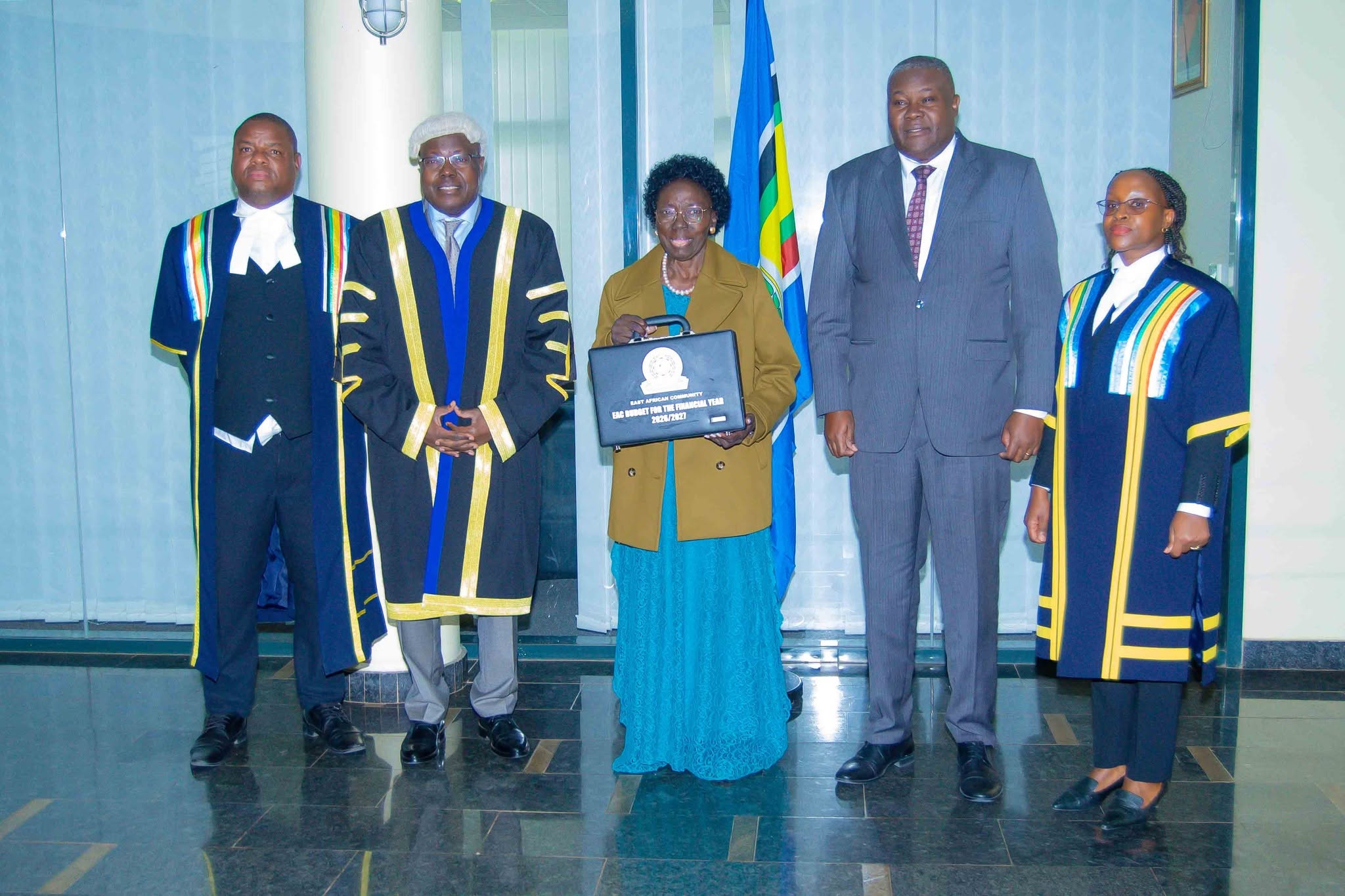
Somalia's EALA Delegation Joins Historic EAC Budget Session as East African Integration Deepens
Nine Somali parliamentarians participate in passing a supplementary budget and receiving the EAC's first financial plan under its new seven-year development strategy.
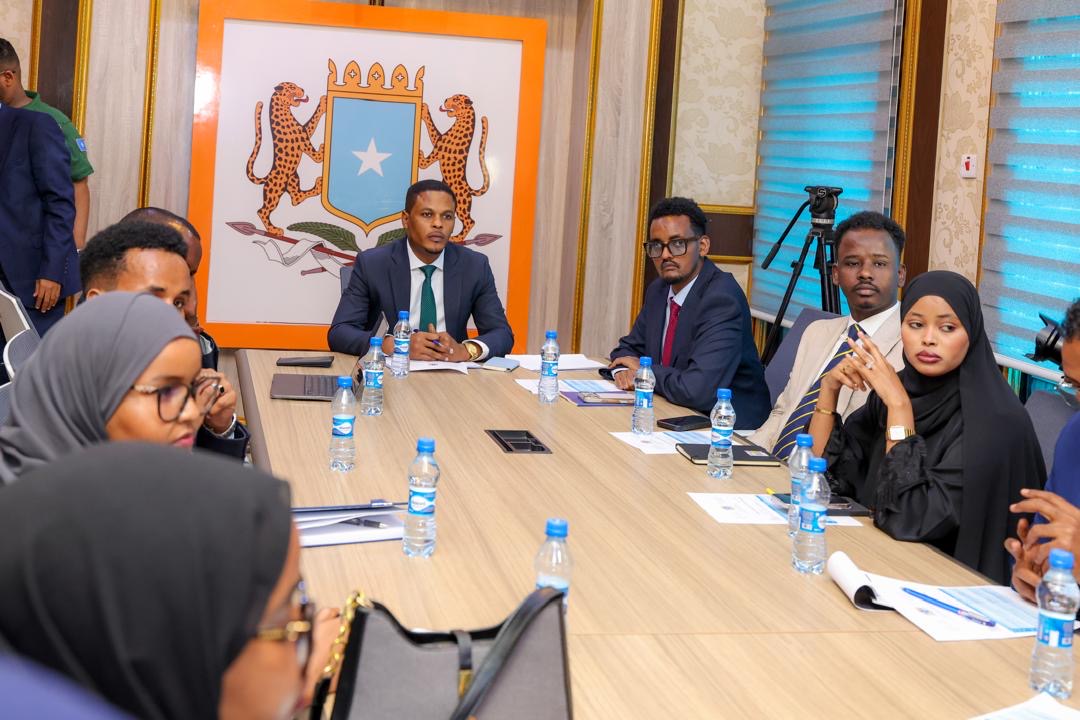
Information Minister Chairs Media Coordination Meeting Ahead of Independence Week
Mogadishu (SONNA) — The Minister of Information, Culture and Tourism of the Federal Republic of Somalia, H.E. Abdulfatah Kasim Mahamud, chaired the monthly coordination meeting of…
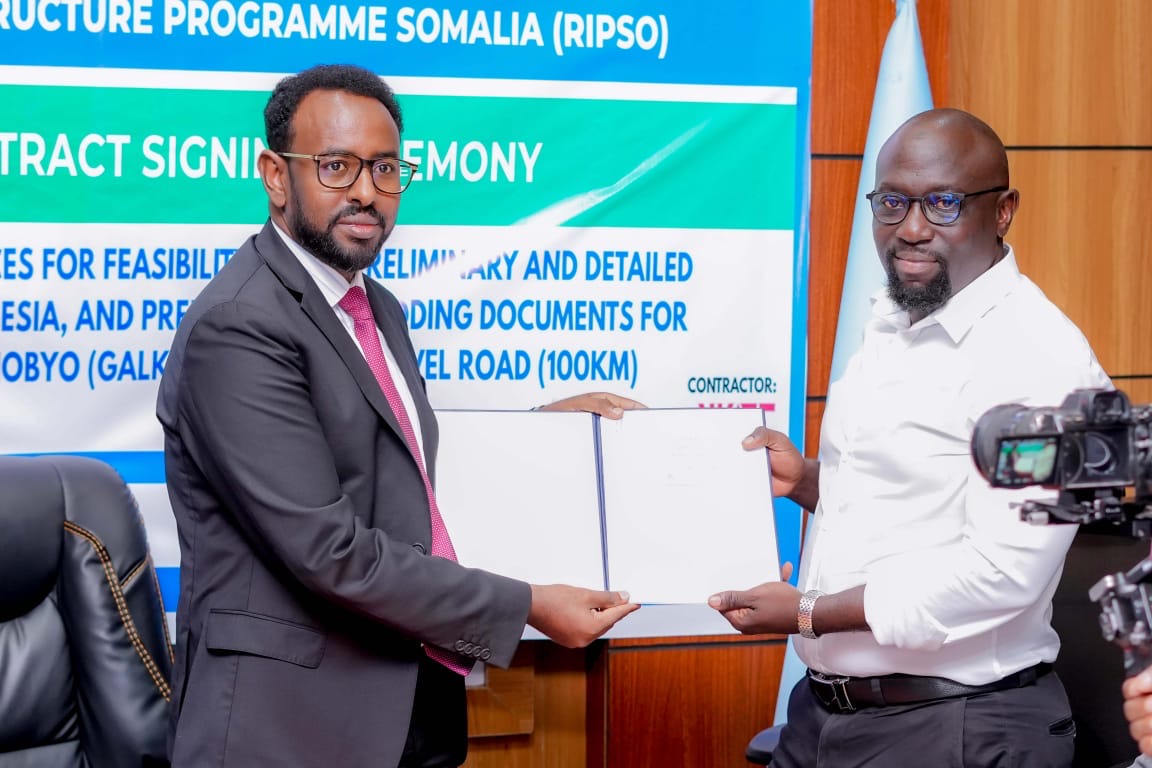
Ministry of Public Works Signs Strategic Engineering Contract for 100-Kilometer Galkayo–Elgula Road Project
Mogadishu, (SONNA) — The Ministry of Public Works, Reconstruction and Housing of the Federal Government of Somalia officially hosted a high-level signing ceremony today for the fea…
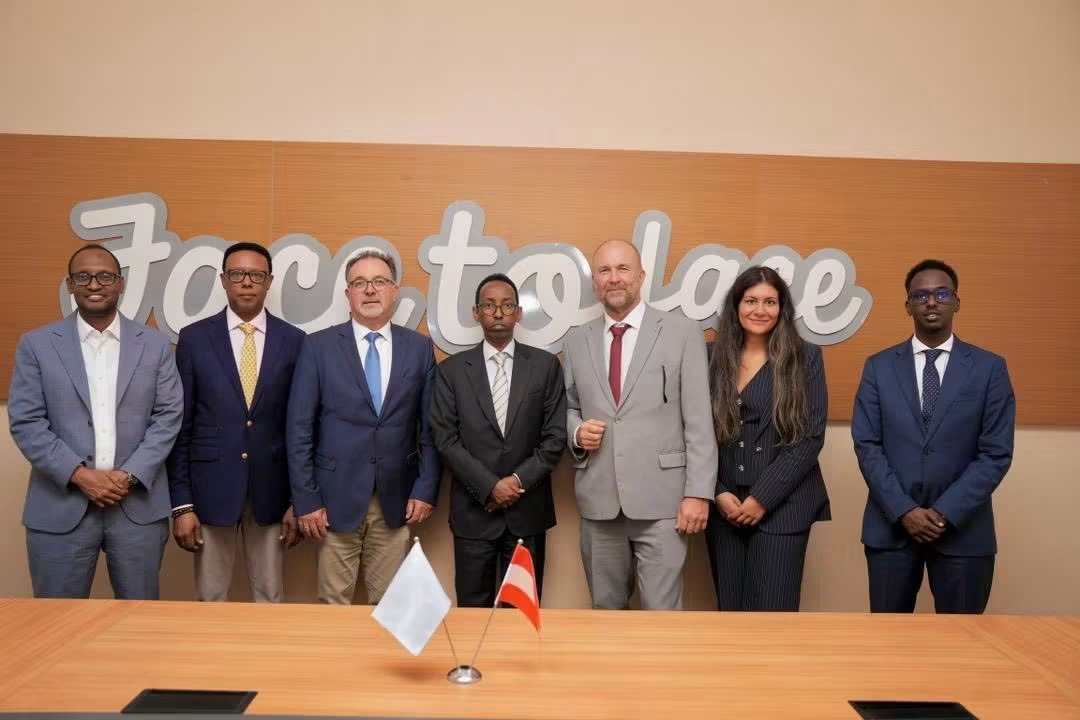
Somalia, Austria Immigration Authorities Discuss Enhanced Cooperation
Mogadishu, (SONNA) – The Director General of Somalia’s Immigration and Citizenship Agency (ICA), Mr. Hussein Qasim Yusuf (Iidow), on Tuesday held talks in Mogadishu with the Direct…
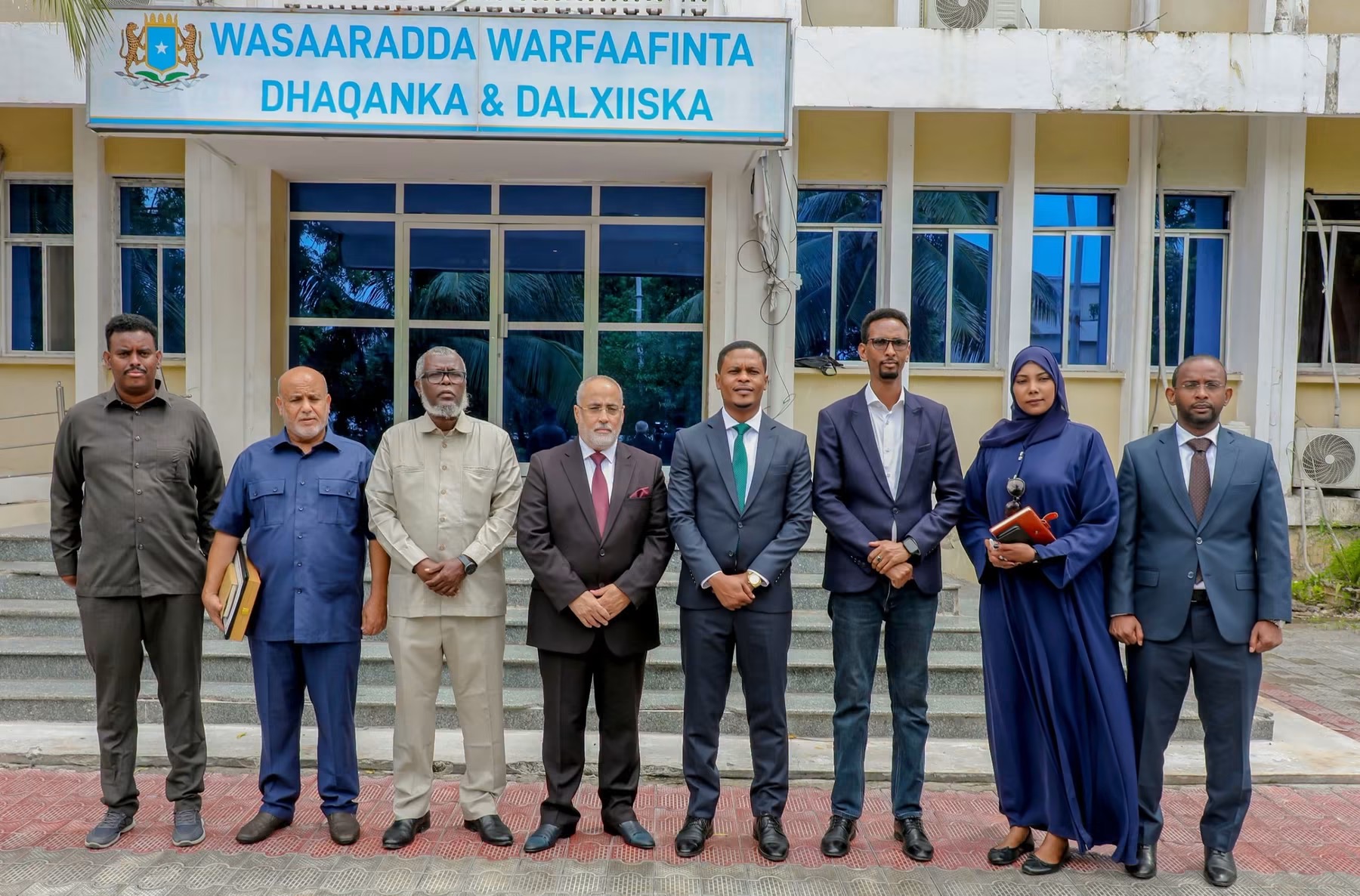
Minister of Information Receives Acting Libyan Ambassador to Somalia
Mogadishu, (SONNA) — The Minister of Information, Culture and Tourism of the Federal Government of Somalia, H.E. Abdifatah Qasim Mahmoud, on Tuesday received the Acting Ambassador…
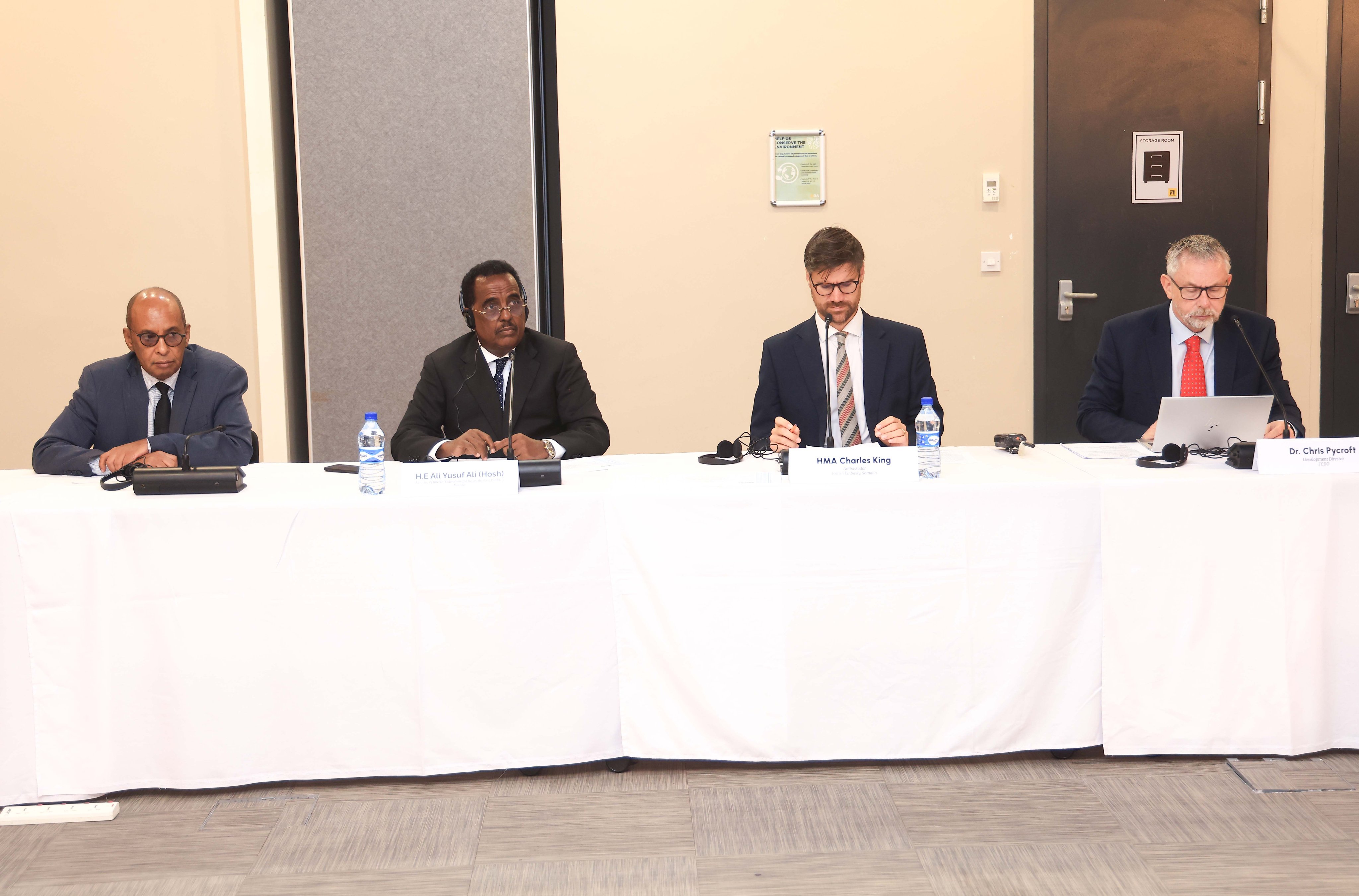
Interior Minister Co-Chairs Somali Stability Fund III Steering Committee Meeting
Mogadishu, (SONNA) — The Minister of Interior, Federal Affairs and Reconciliation of the Federal Government of Somalia, H.E. Ali Yusuf Ali Hosh, co-chaired the Somali Stability Fun…
World News
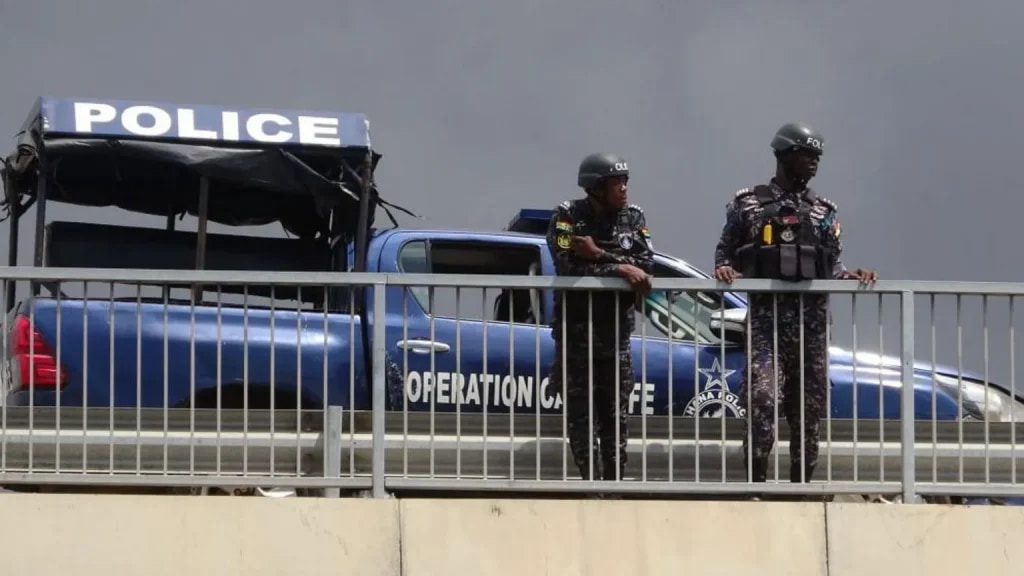
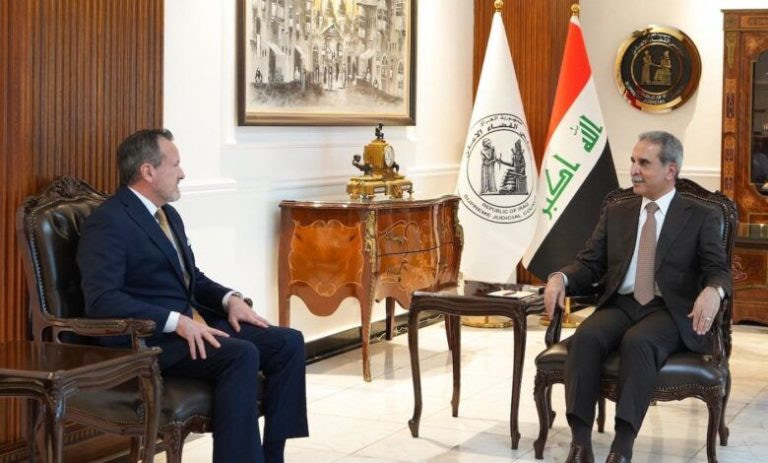
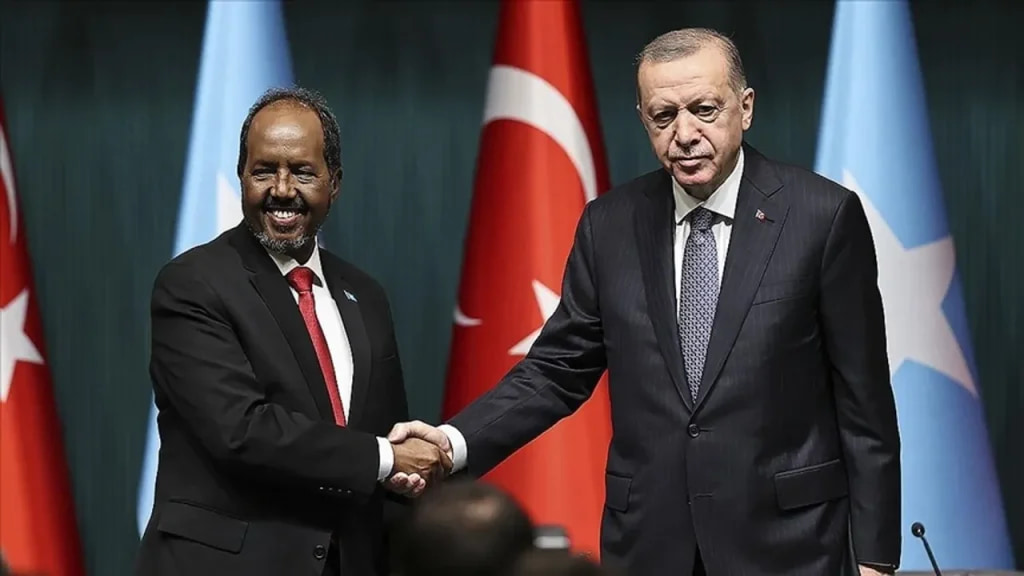

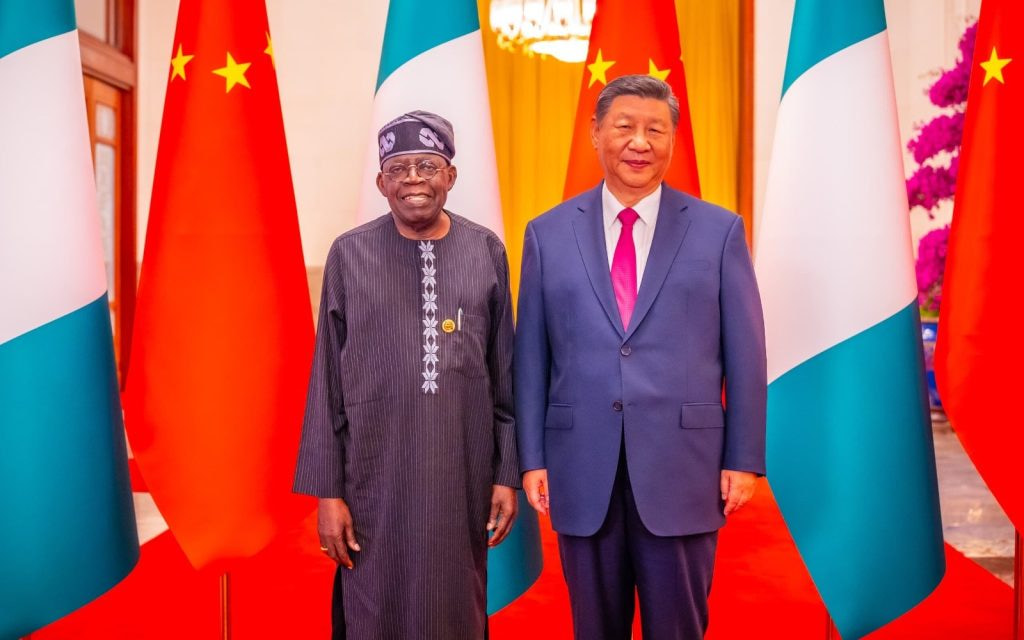
 Somalia Maintains Major Milestones in the War Against Terror and State-Building
Somali Maintains Major Milestones in the War Against Terror and State-Building By Daud Aweis The Federal Government of Somalia (FGS) has embarked on a transformative journey, makin…
- •Somalia's Historic First Appearance at the EAC Heads of State Summit Marks a New Era of Regional Unity and Progress
- •Russia-Africa Partnership Forum in Sochi: The Potential Benefits of the Russia-Africa Partnership for Somalia
- •FM meets Minister of Investment of Saudi Arabia
- •Official Statement on the Trilateral Summit between Somalia, Eritrea, and Egypt
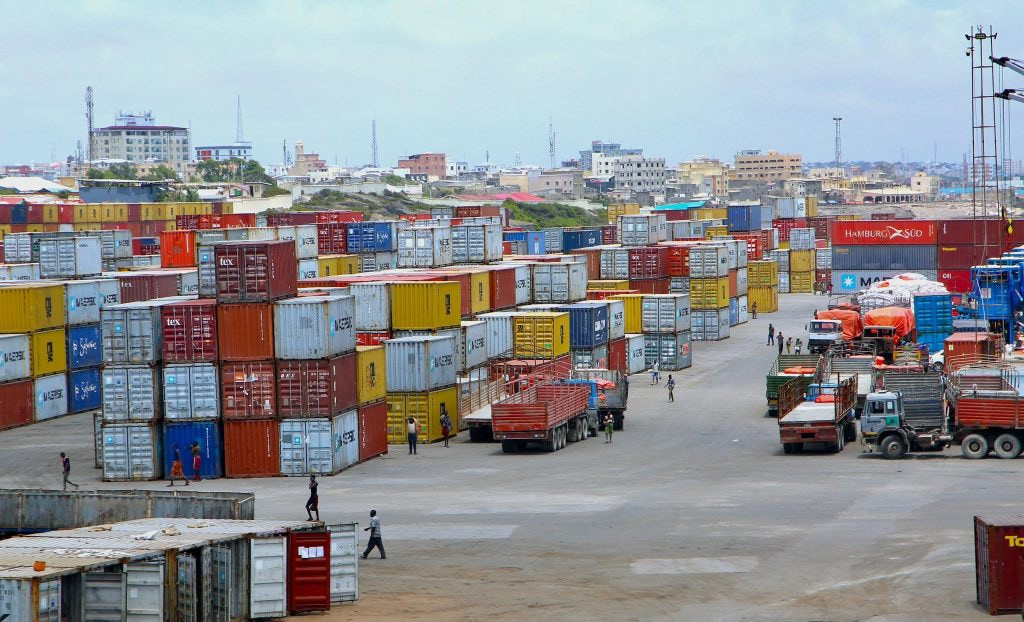
 The Fiscal Cannibalism of Africa: How Punitive Taxation is Driving Industrial Capital to Asia and The Case for A Somali Industrial Revolution
MOGADISHU, SONNA — The global race for manufacturing dominance is won on the spreadsheets of corporate chief financial officers, and right now, mainstream African fiscal policy is…
- •America's Tariff Weaponization: An Economic Analysis of 500% Tariffs and the Inevitable Bipolar Bifurcation
- •Somalia Unveils the Blueprint for a Modern and Sustainable Mogadishu
- •Djibouti Launches $57.4 Million Youth Entrepreneurship Project to Combat Climate Change
- •FM meets Minister of Investment of Saudi Arabia
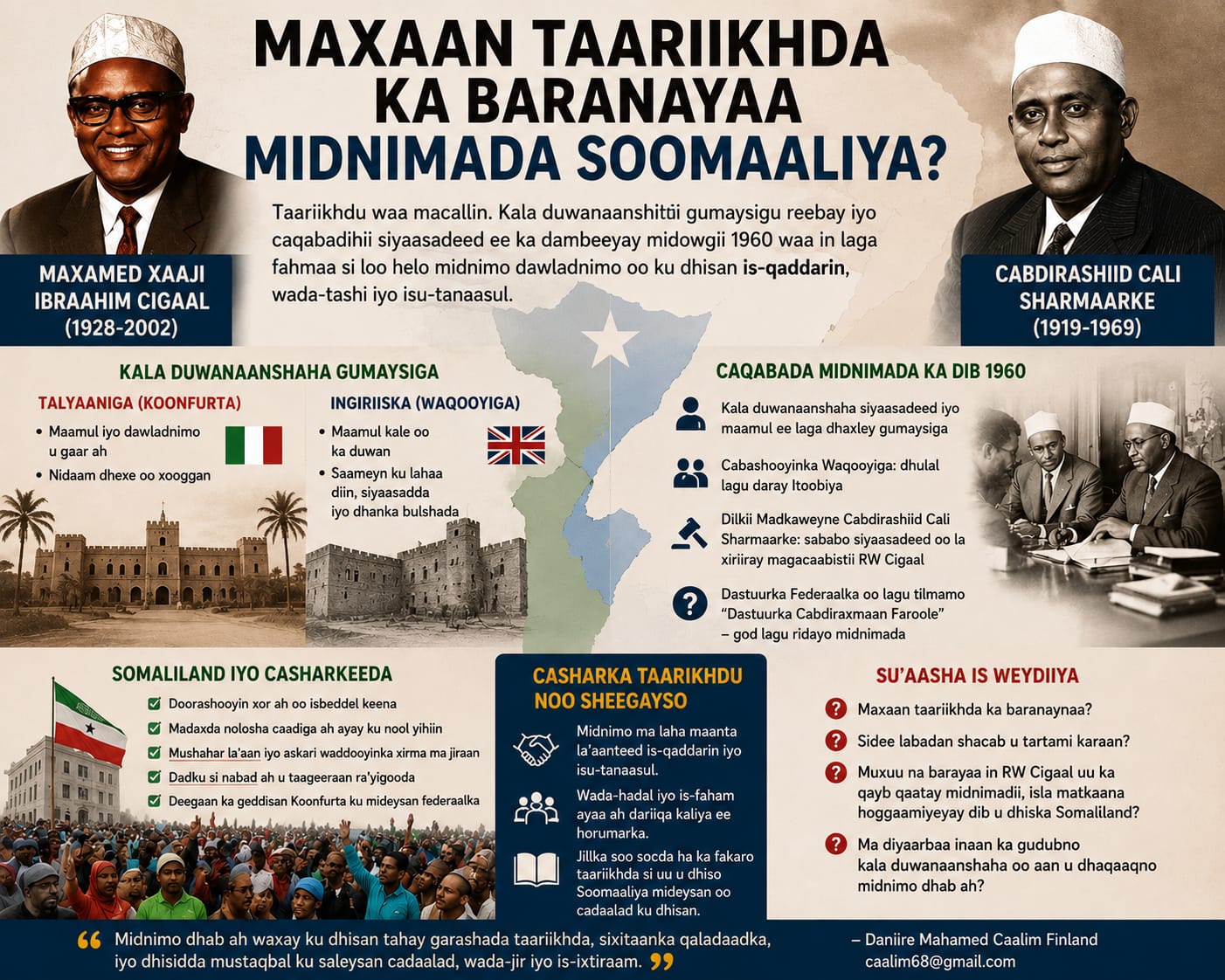 Two Colonies, One Nation: What History Teaches Us About Somali Unity
A reflection on the colonial roots of Somalia's divided idea of statehood — and what the next generation must learn if unity is to be rebuilt on mutual respect.
- •The Shifting Continental Perspective: How African Media is Reassessing Somalia's Security and Leadership Trajectory
- •Al-Shabaab Mafia Inc.: The Groundbreaking Somali-Led Revelation That Shattered the Terrorist Group’s Secrecy
- •Navigating the Abyss: The collapse of the Somali State, adoption of federal system and Pathways to State-Building
- •Nation First, Politics Later: PM Hamza Appeals to Youth Amid Growing Political Tensions
 How Somalia’s First Oil Strike Reshapes Global Energy and East African Power
MOGADISHU, SONNA — The traditional map of global energy is burning. From the enduring instability in Venezuela to the heavy supply restrictions born of the Russian embargo, the wor…
- • Ode to Yan’an: How a Song Inspired Chinese Youth During Wartime
- • Official Reopening of the Ministry of Foreign Affairs Archives
 Diaspora welcomes 'hero awards initiative
Minnesota, U.S(SONNA)-As the event of hero awards celeberation gets prepared, Some of Somalia diaspora intellectuals encouraged, the idea of promoting social hardworking figures fr…
- • Somalia’s Political Leaders Forge a Path to Democracy
- • VOS : Somali Hero Awards Will be held in Minneapolis
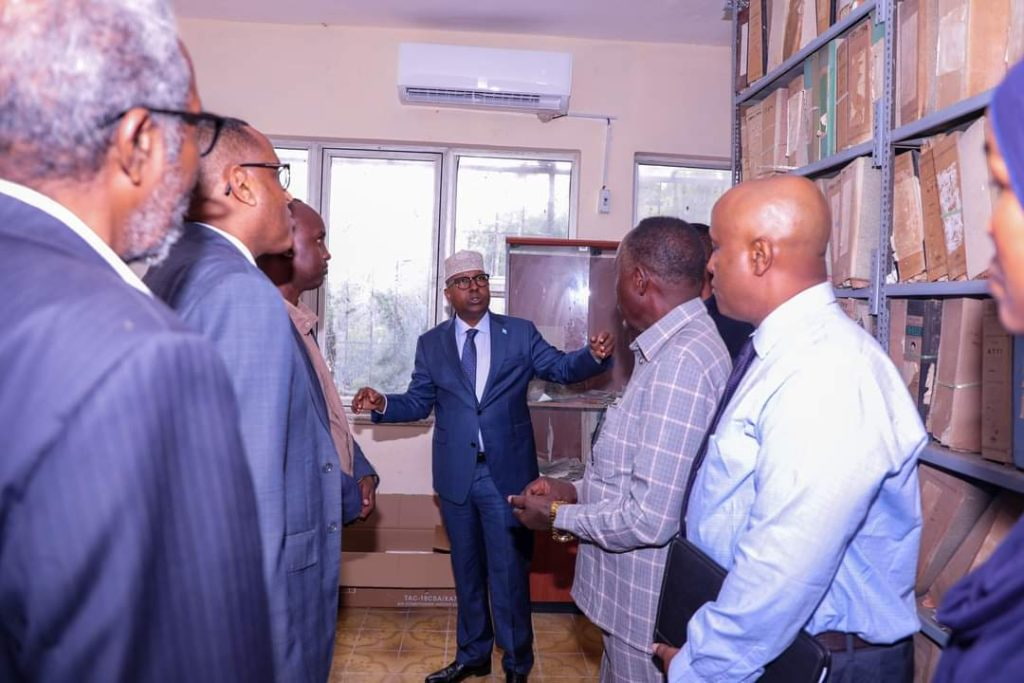 Official Reopening of the Ministry of Foreign Affairs Archives
Mogadishu, SONNA: Foreign Minister Ambassador Ahmed Moalim Fiqi officially reopened the Ministry of Foreign Affairs archives, closed for over 30 years following the civil war. This…
- • QFFD Signs MOU with Somalia's Ministry of Education to Provide Education to 57,000 Children
- • UNICEF secures $2.9m to bolster education in northern Somalia
EAC News
Burundi to Host World Swahili Language Day and KAKAMA Conference, Somalia Among Participating States
EAC Advances Development of a Regional Mobile Roaming Framework to Enhance Cross-Border Connectivity and Trade
Somalia’s Submarine Fiber Networks Ready to Power a Unified East African Marketplace
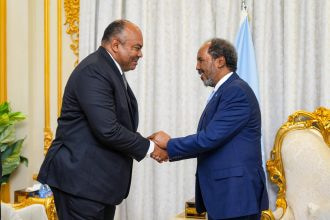
A Historic Partnership: Tanzania and Somalia Forge New Diplomatic Ties:
Articles
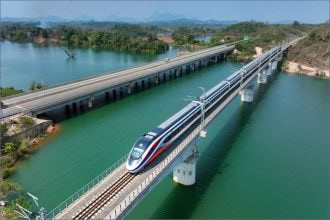
The Golden Artery: How The China-Laos Railway is Re-Engineering Regional Trade and Infrastructure Economics
6 June 2026
The Fiscal Cannibalism of Africa: How Punitive Taxation is Driving Industrial Capital to Asia and The Case for A Somali Industrial Revolution
6 June 2026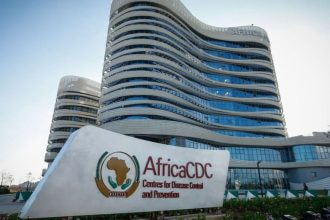
PROPOSED US-KENYA EBOLA QUARANTINE PROTOCOL TRIGGERS REGIONAL BIOSECURITY ALARMS FOR SOMALIA
29 May 2026
Mogadishu: A City Once Defined by Insecurity, Now Safer Than Washington D.C.
25 May 2026Mogadishu: A City Once Defined by Insecurity, Now Safer Than Washington D.C.
25 May 2026Mogadishu: A City Once Defined by Insecurity, Now Safer Than Washington D.C.
25 May 2026Mogadishu: A City Once Defined by Insecurity, Now Safer Than Washington D.C.
25 May 2026Mogadishu: A City Once Defined by Insecurity, Now Safer Than Washington D.C.
25 May 2026Mogadishu: A City Once Defined by Insecurity, Now Safer Than Washington D.C.
25 May 2026Somalia At A Glance
Mogadishu is the largest city in Somalia and its nation's capital. Located in the coastal Banadir region on the Indian Ocean, the city has served as an important port for millennia.
Institutional Framework
Federal Member States
Statistical Facts
Mogadishu is the largest city in Somalia and its nation's capital. Located in the coastal Banadir region on the Indian Ocean, the city has served as an important port for millennia. As the seat of the Federal Government, it is the centre of Somali politics, commerce, and culture.
Regional Stream
Banadir
- Politics
Mogadishu Hosts Federal Cabinet on Digital ID Rollout
Ministers reviewed nationwide registration targets as enrollment centres expand across Banadir.
- Economy
Port of Mogadishu Records Highest Monthly Cargo Throughput
Customs officials report a surge in container traffic linked to regional trade agreements.
- Security
Banadir Police Launch Community Policing Initiative
New patrol units aim to strengthen security coordination in commercial districts.