EAC
Burundi to Host World Swahili Language Day and KAKAMA Conference, Somalia Among Participating States
Third international conference of the East African Kiswahili Commission to focus on Kiswahili, multilingualism and artificial intelligence.
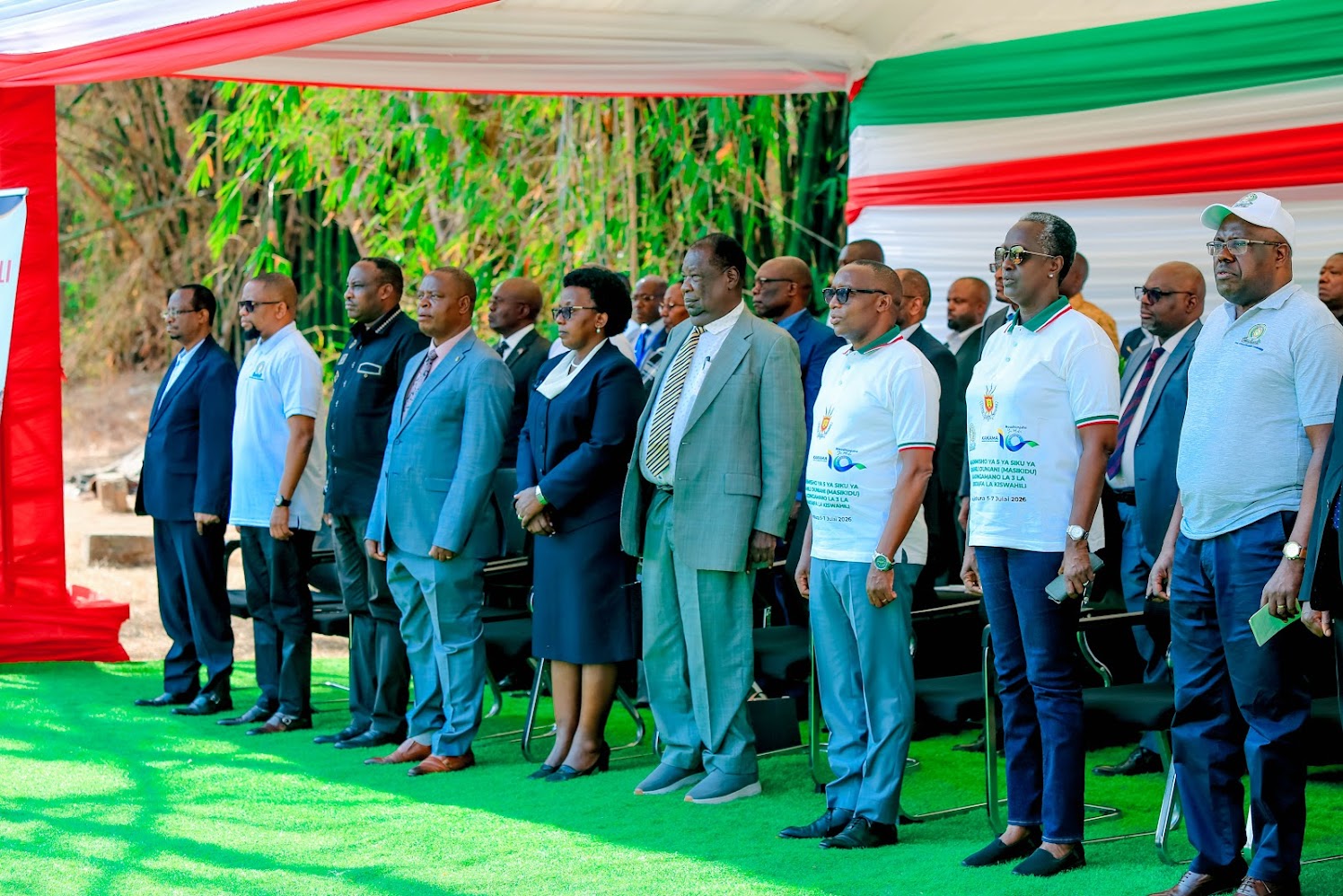
MOGADISHU, June 21, 2026 (SONNA) — Burundi will host the fifth World Swahili Language Day celebrations and the third international conference of the East African Kiswahili Commission (KAKAMA) from July 5 to 7, bringing together delegates from across East Africa and beyond, including Somalia, to discuss the future of Kiswahili in the era of artificial intelligence.
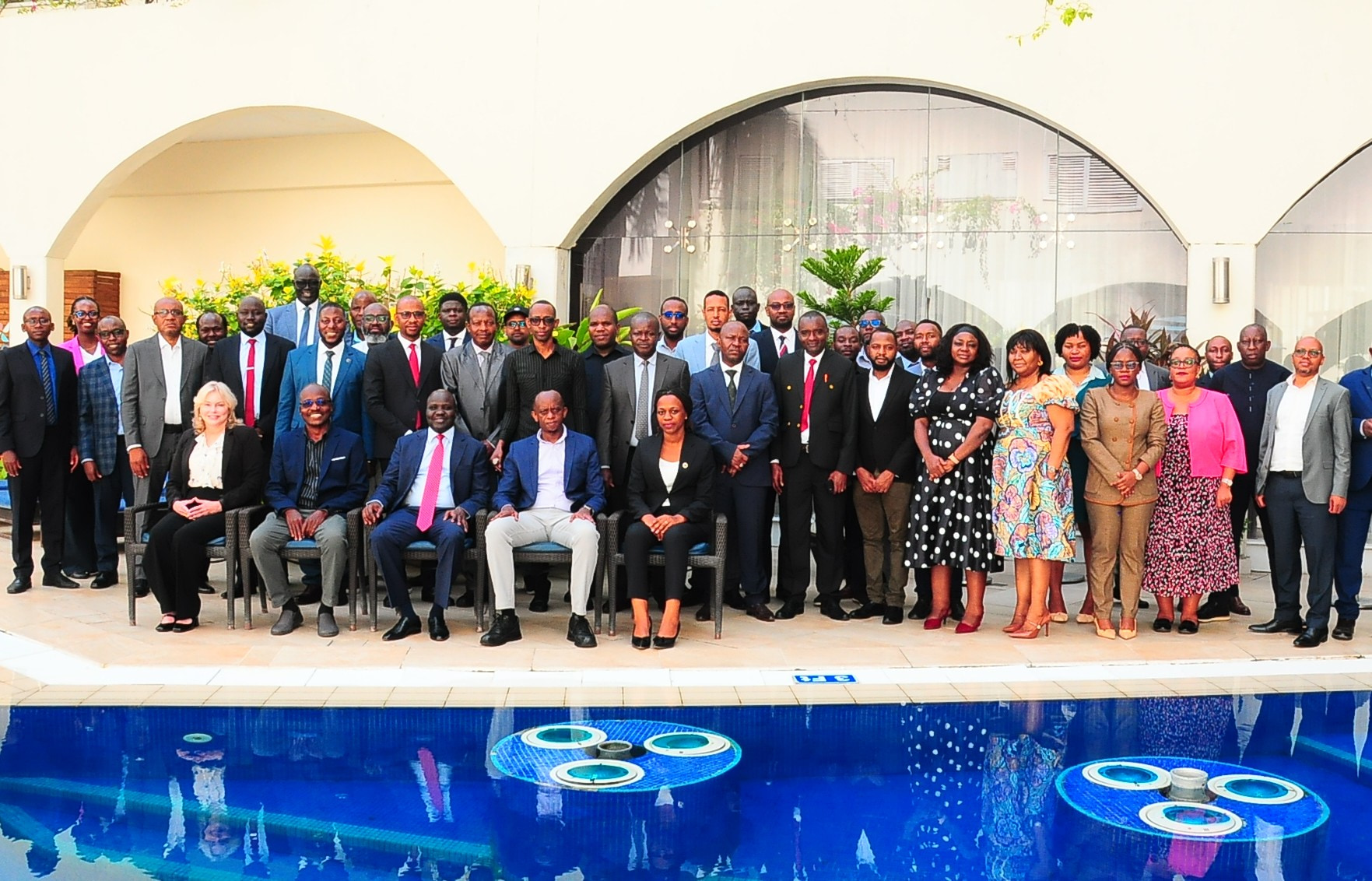
The conference, which precedes World Swahili Language Day on July 7, will gather representatives from East African Community member states including Burundi, Uganda, the Democratic Republic of Congo, Kenya, Somalia, South Sudan and Tanzania, alongside international organisations, diplomats, academics, civil society and private sector stakeholders.
This year's theme, "Kiswahili, Multilingualism and Artificial Intelligence," reflects growing regional efforts to expand the role of African languages in emerging technologies such as machine translation, speech recognition and large language models.
KAKAMA Executive Secretary Dr Caroline Asiimwe said the commission's conferences, held every two years, provide member states with a structured platform to engage on language policy, integration and development. She noted that Kiswahili has been recognised as a language of international standing with the potential to contribute to development across EAC member states, enabling investors and entrepreneurs alike to access regional markets.
"Kiswahili also enables even entrepreneurs and businesspeople in rural areas to choose the language they want through artificial intelligence tools, allowing them to communicate effectively," Dr Asiimwe said.
The commission warned, however, that despite being spoken by tens of millions of people, Kiswahili remains underrepresented in digital systems and artificial intelligence tools, raising concerns over digital inequality. Without action, millions risk being excluded from digital education, e-commerce, financial services and e-government platforms due to language barriers.
Discussions in Bujumbura will focus on language rights in digital spaces, data ownership, ethical AI use, cultural preservation, and the role of youth and the private sector in advancing language technologies. Expected outcomes include a Bujumbura Declaration on Kiswahili and artificial intelligence, policy recommendations for integrating African languages into AI systems, and a regional roadmap for language technology development.
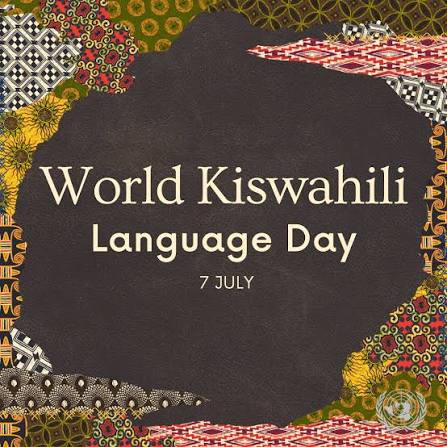
World Swahili Language Day, observed annually on July 7, was first proclaimed by UNESCO in 2021, making Kiswahili the first African language to receive an international day within the United Nations system, later endorsed by the UN General Assembly in 2024. Kiswahili is now an official language of both the African Union and the East African Community.
KAKAMA, headquartered in Zanzibar, is a body of the East African Community mandated to promote and coordinate the development and use of Kiswahili across member states.