Local News
Somalia has recovered its international voice, President tells Parliament
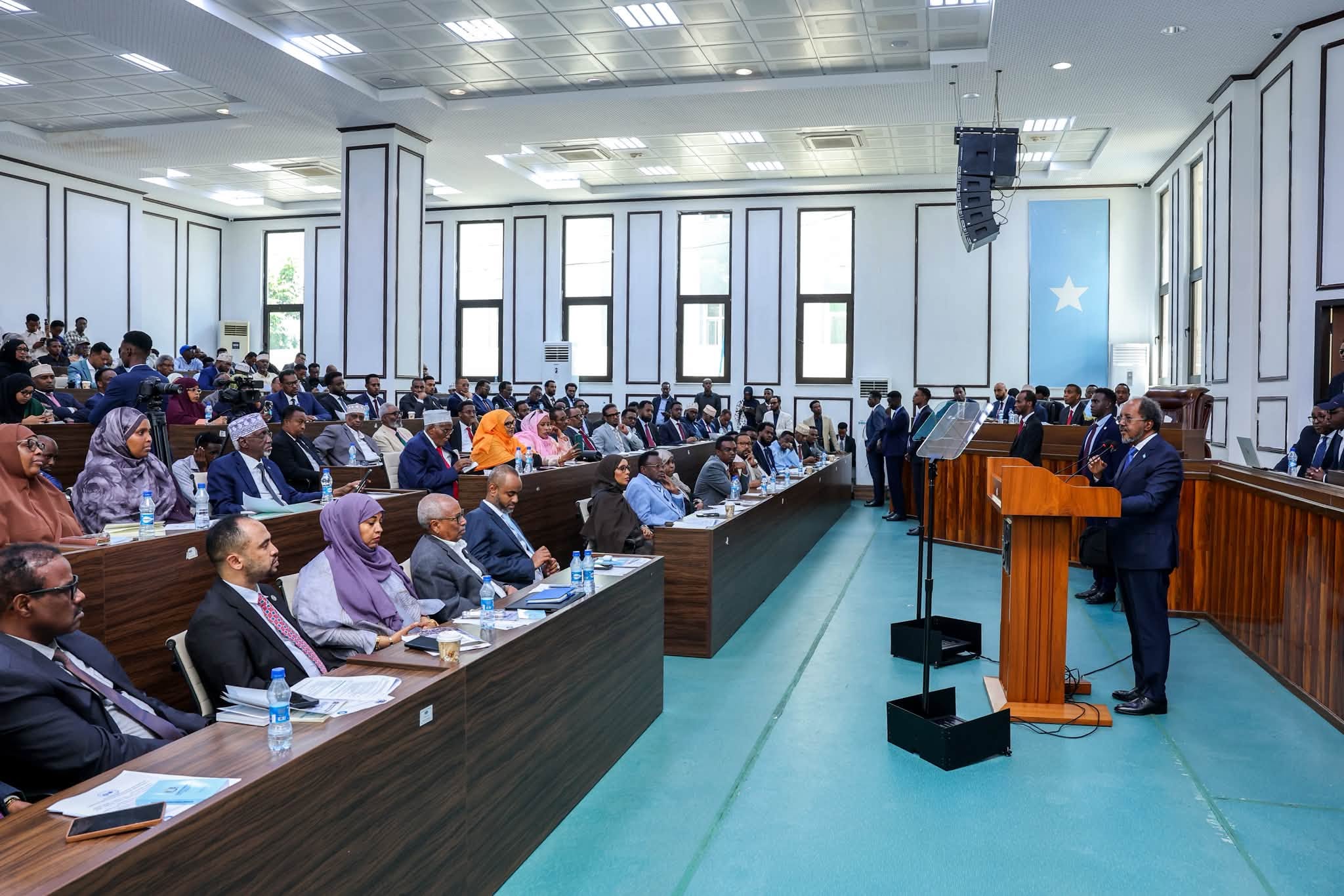
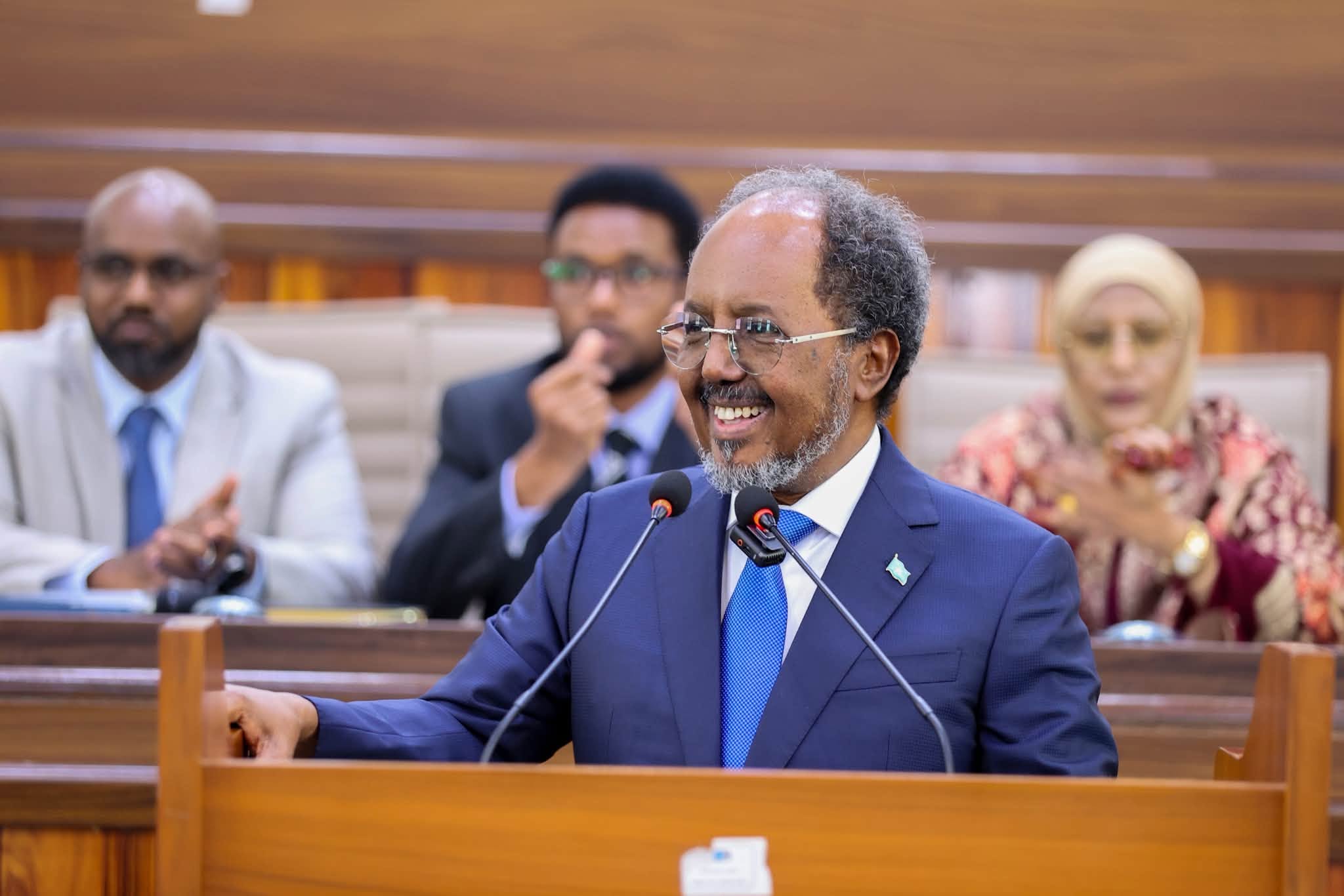
Opening the eighth session of the Federal Parliament, Hassan Sheikh Mohamud set out the government’s foreign policy record, restated Somalia’s rejection of Israeli encroachment on its territory, and called on the country’s political forces to compete through programmes the public can read rather than through the weakening of national institutions.
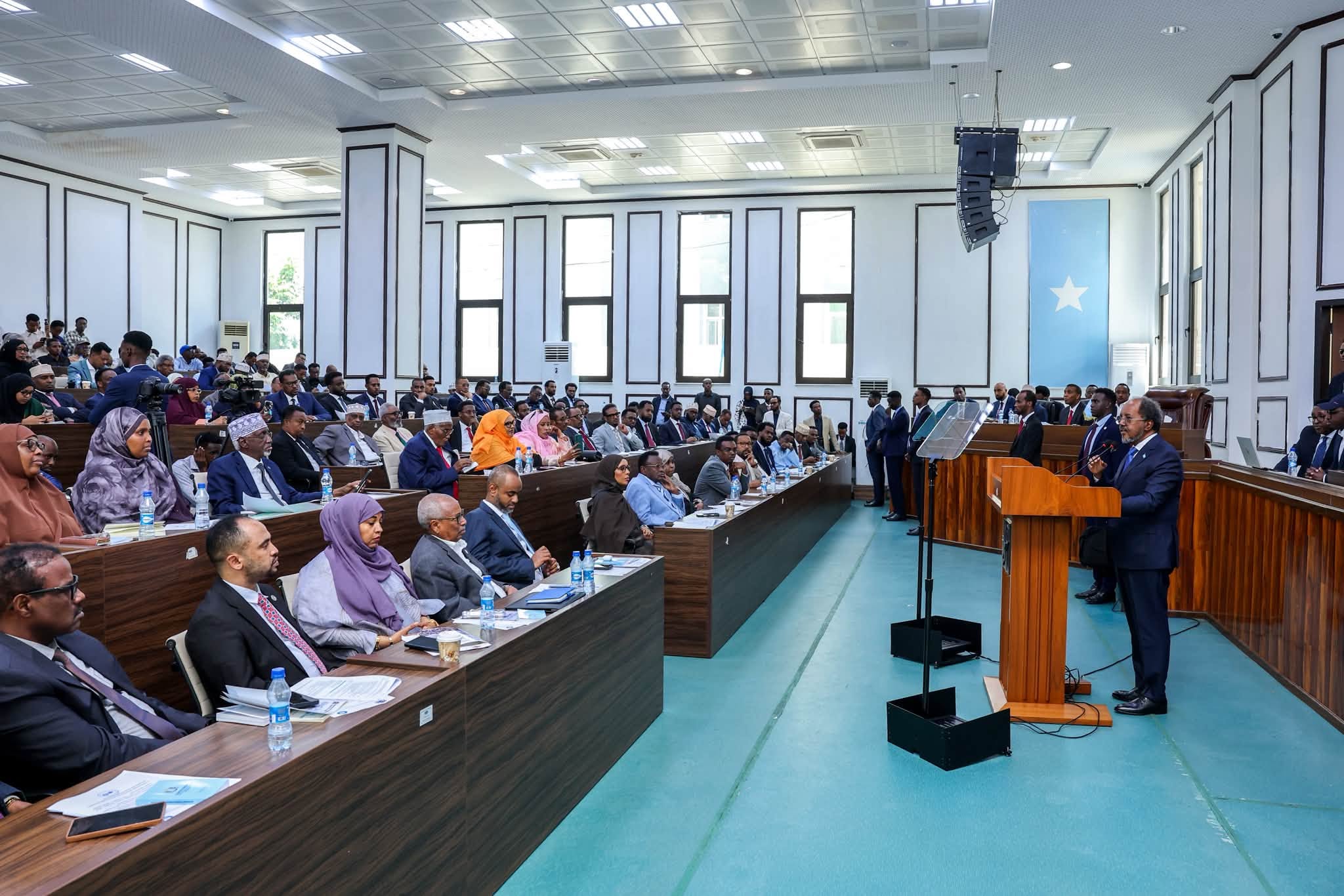
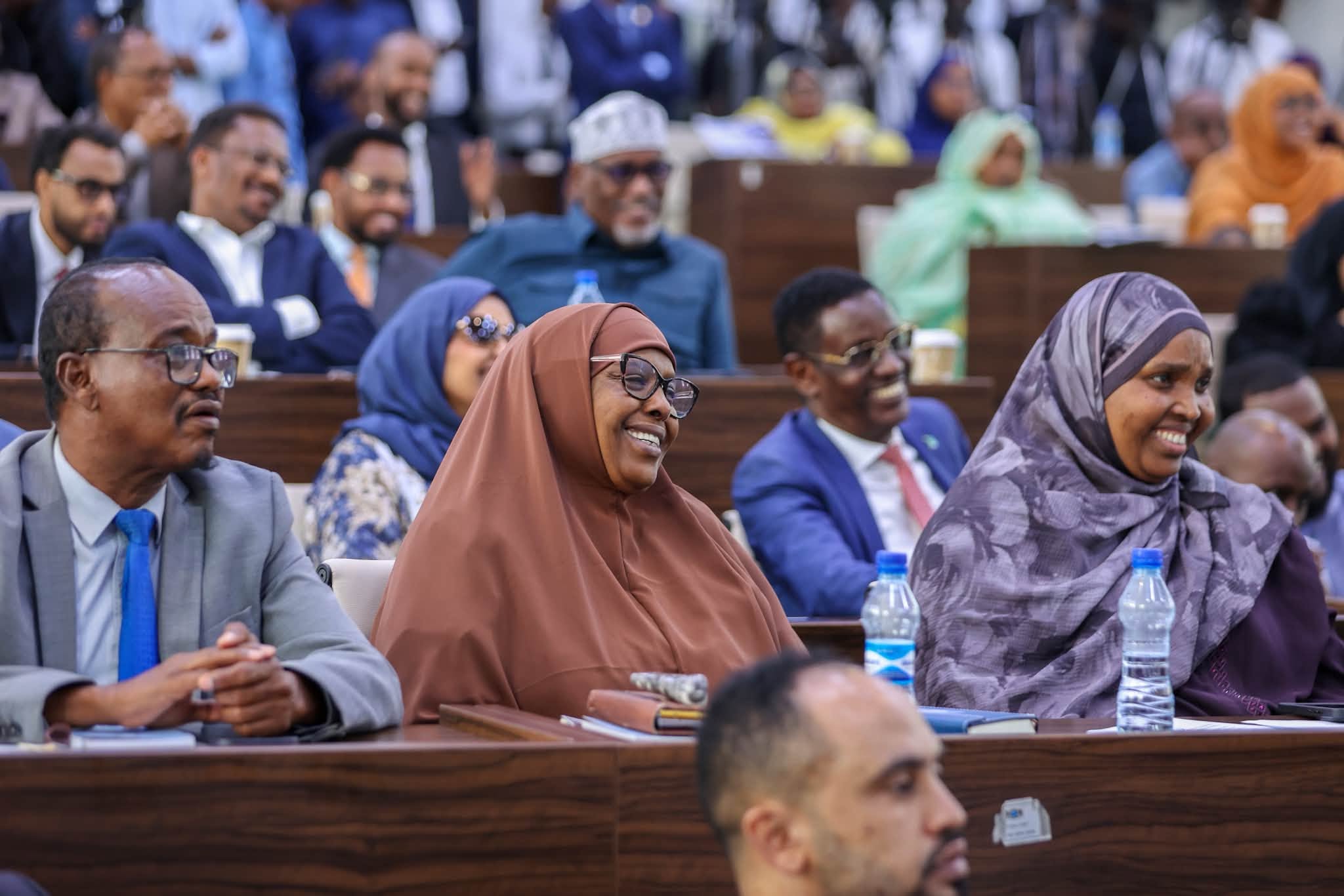
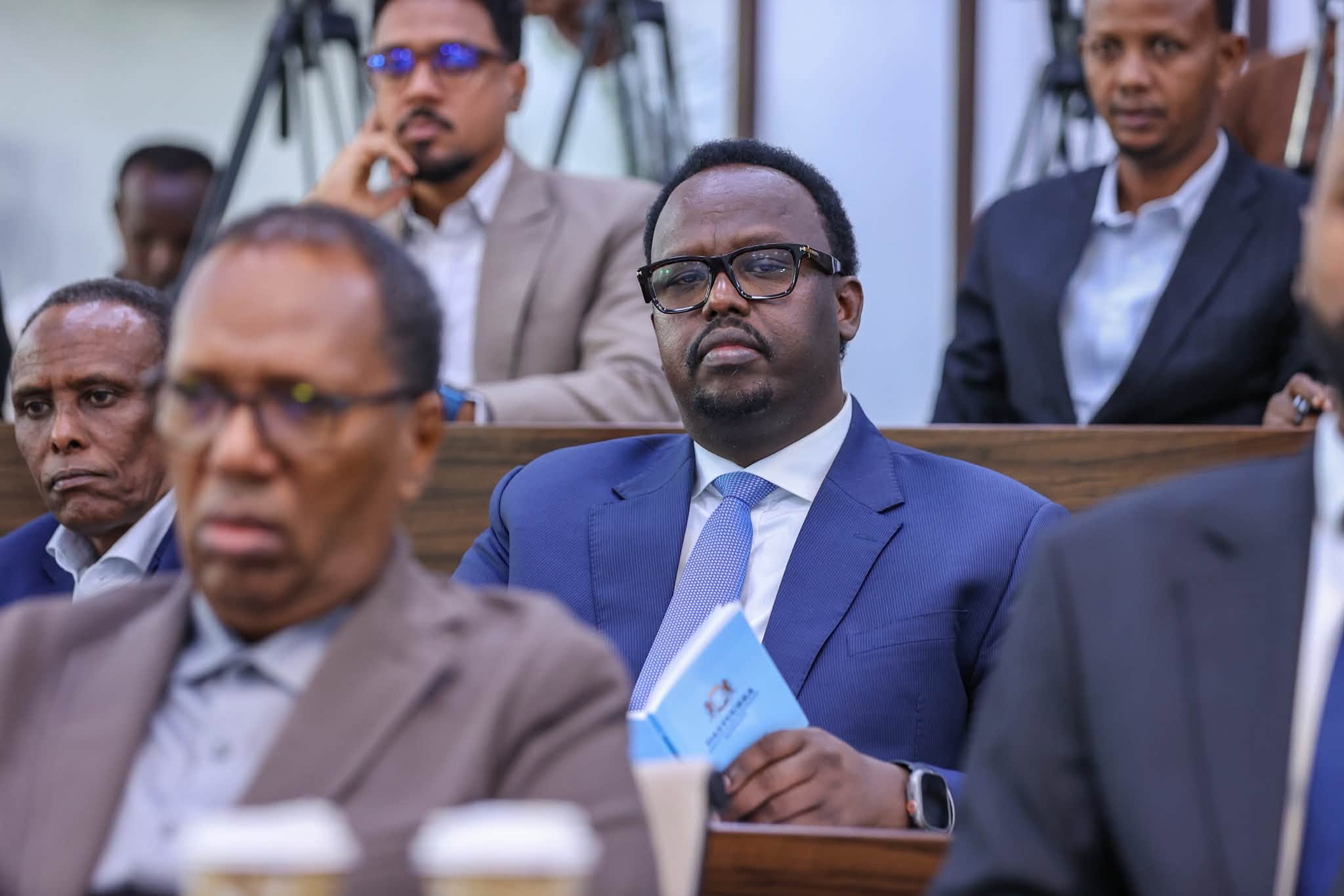
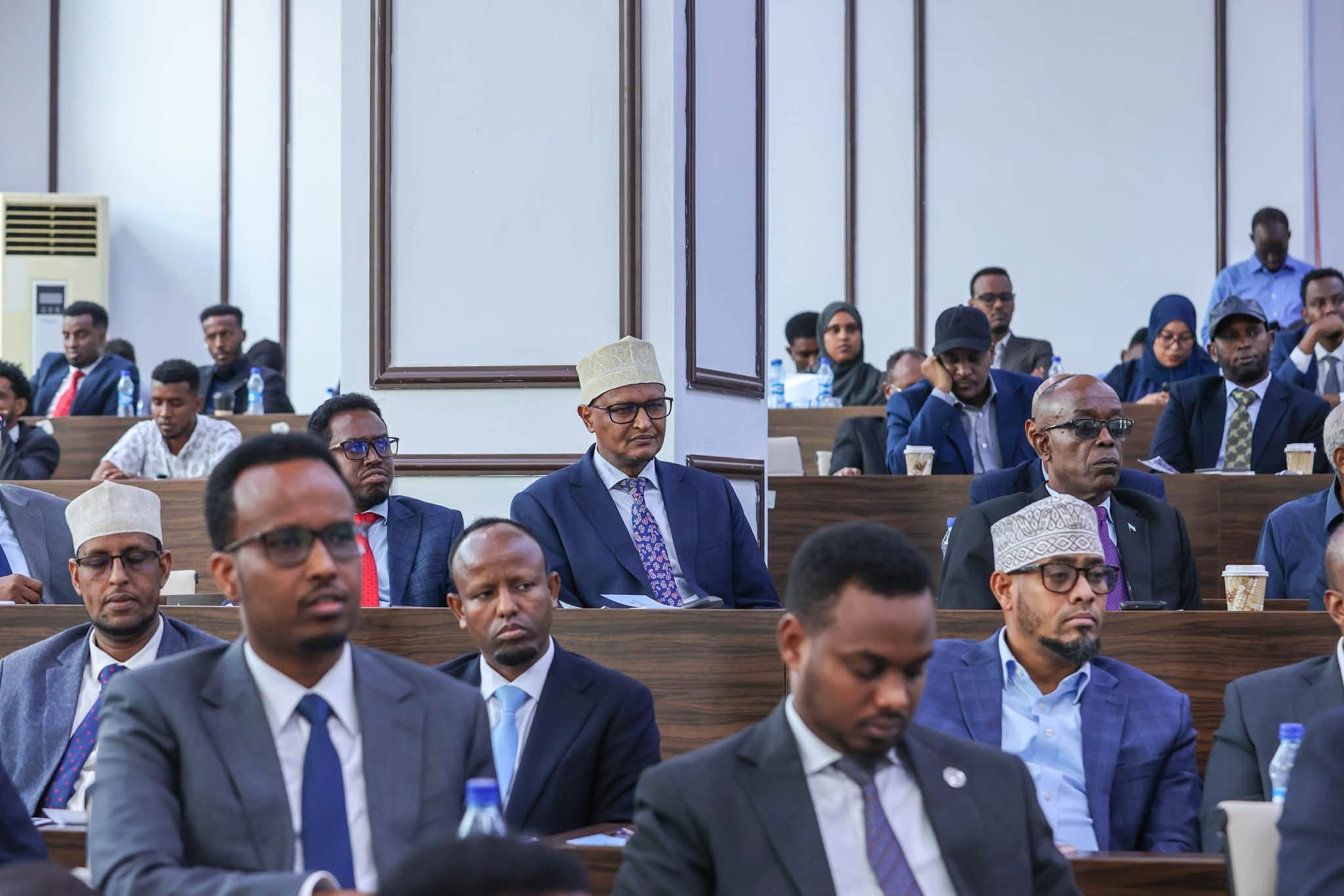
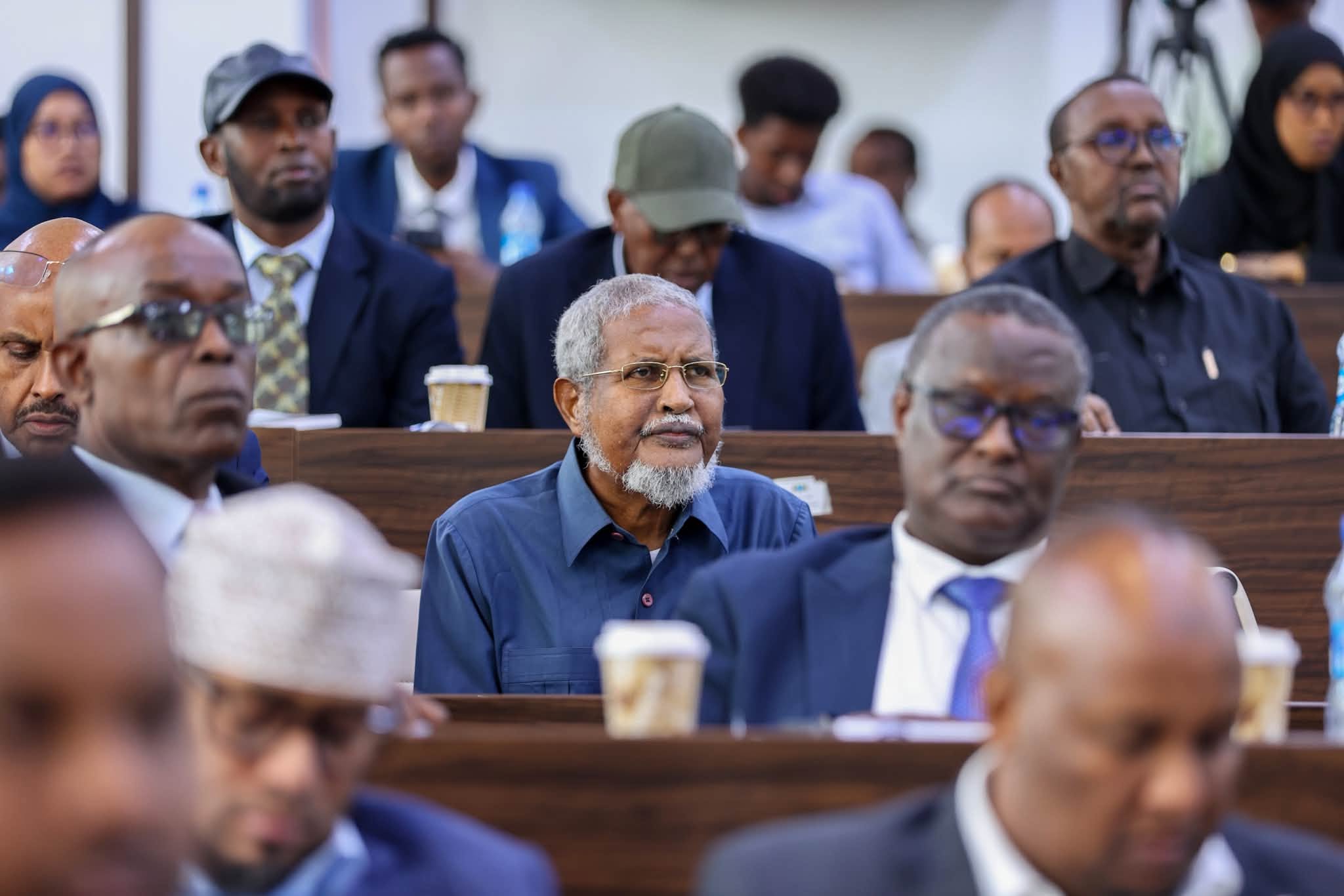
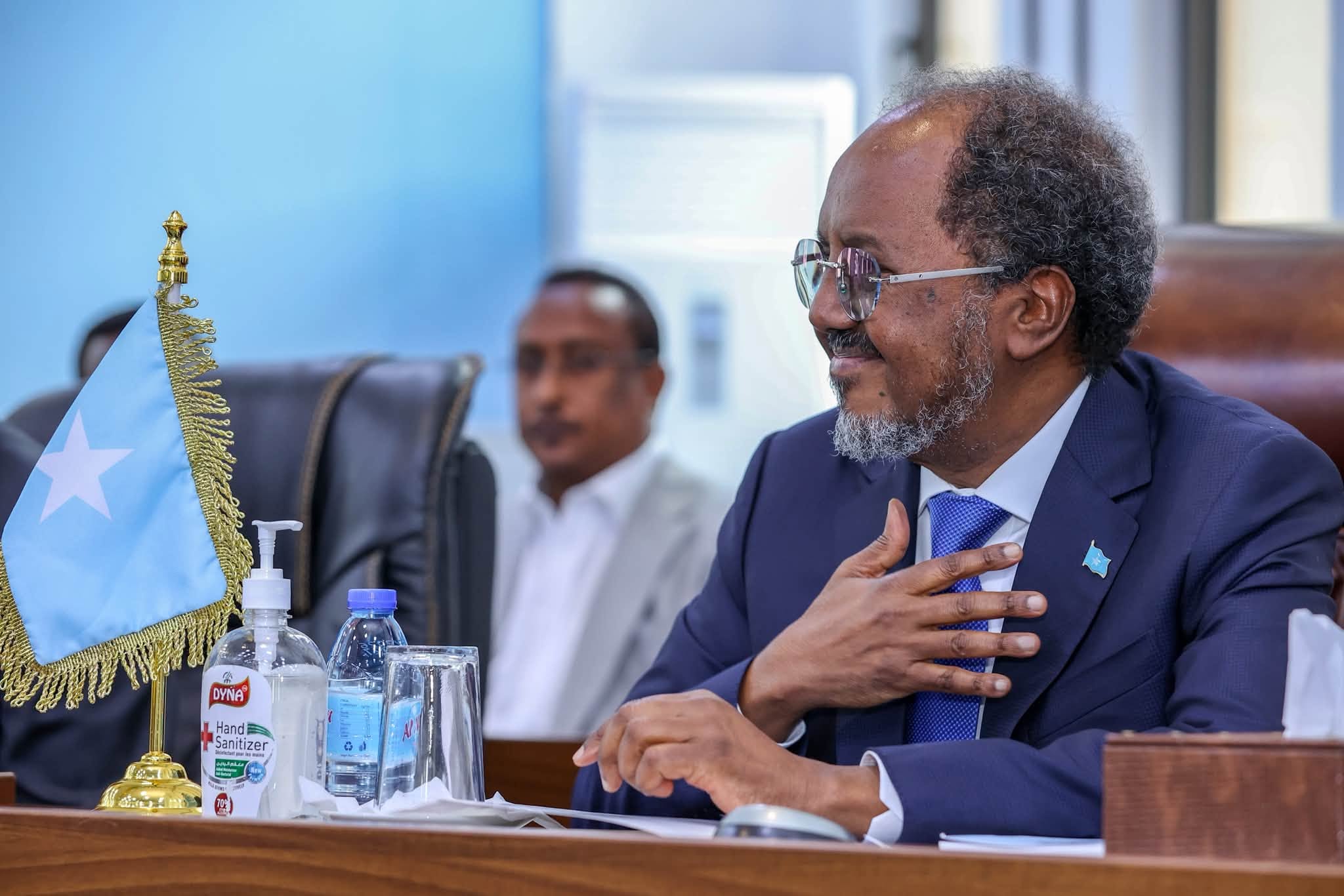
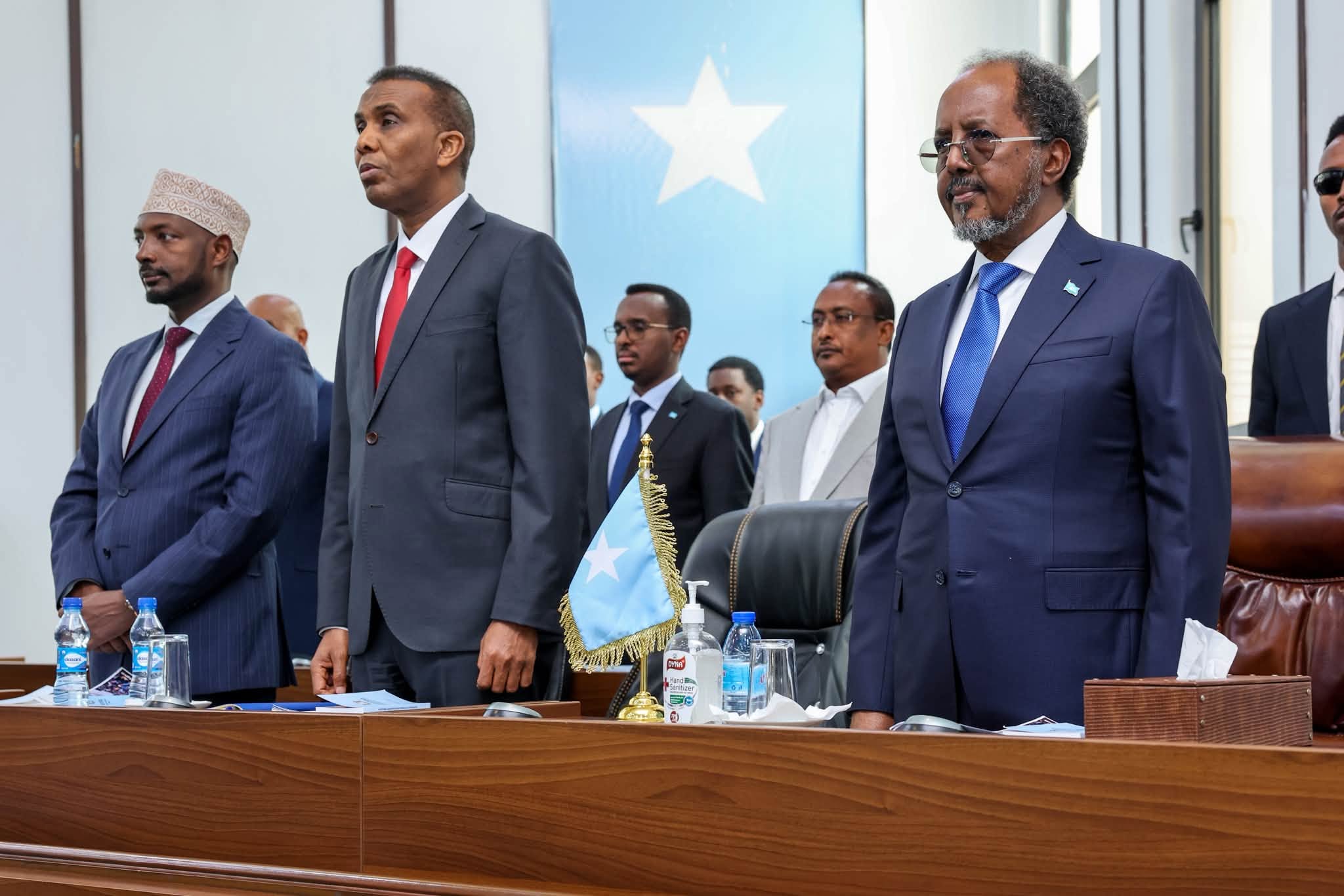
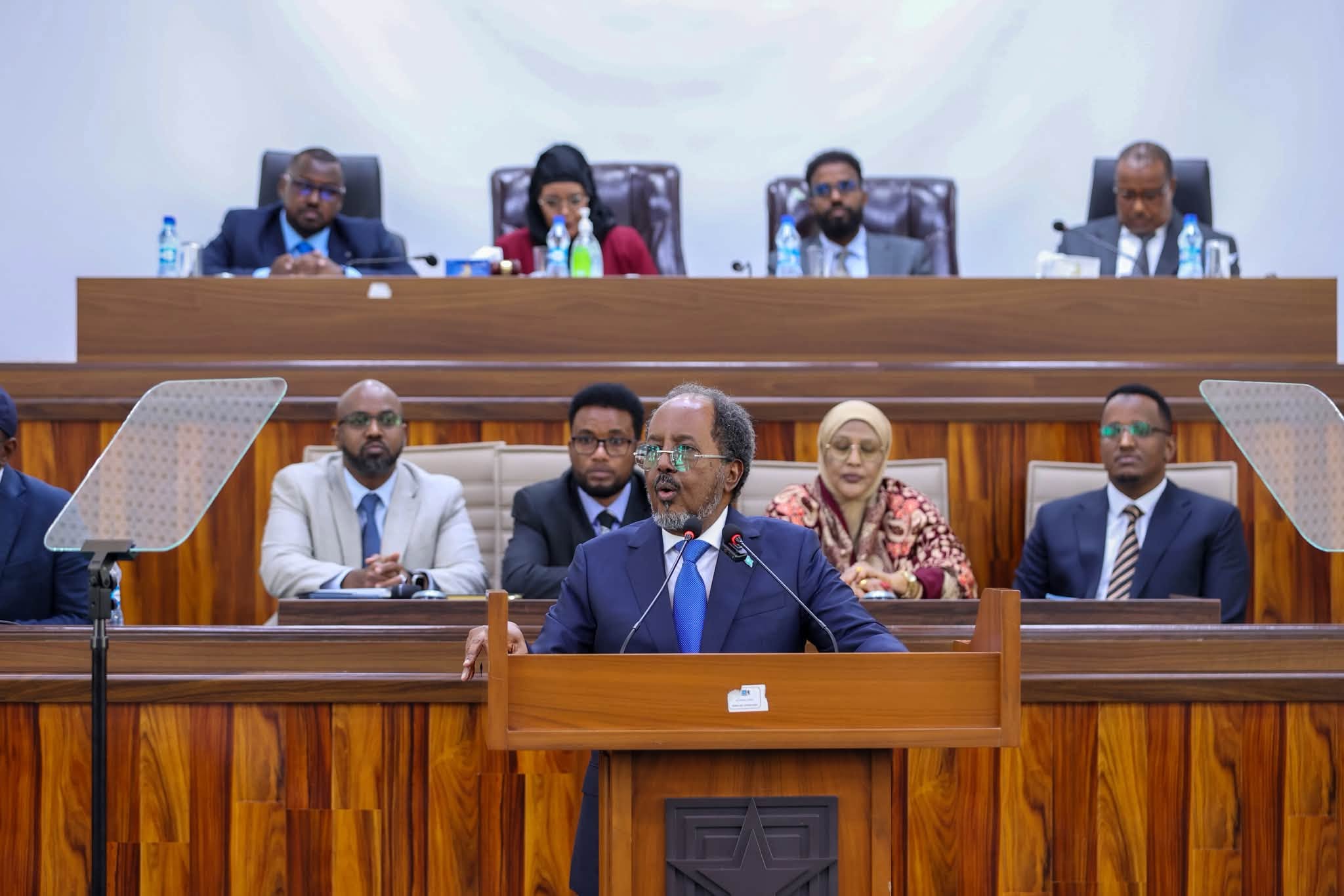
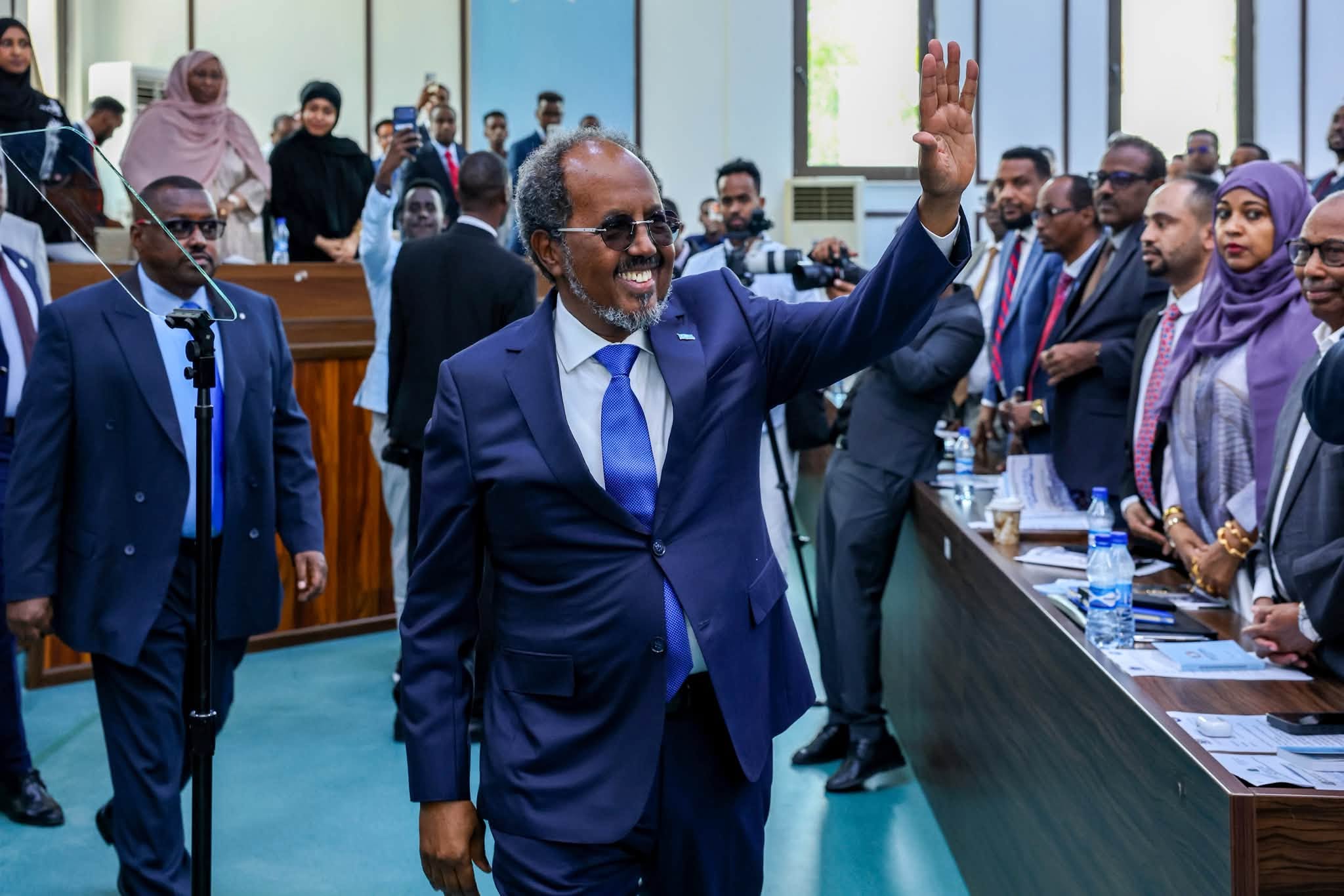
MOGADISHU (SONNA): President Hassan Sheikh Mohamud has opened the eighth session of the Federal Parliament with an address on the safeguarding of statehood, the conduct of political competition and the position Somalia now holds internationally.
The President said Somalia has recovered its international standing, and described the change in the country’s foreign policy as among the most significant achievements of the past four years. Somalia was for a long time a country that was mostly talked about, he said, present in name and appearance alone. Today it is a country that speaks.
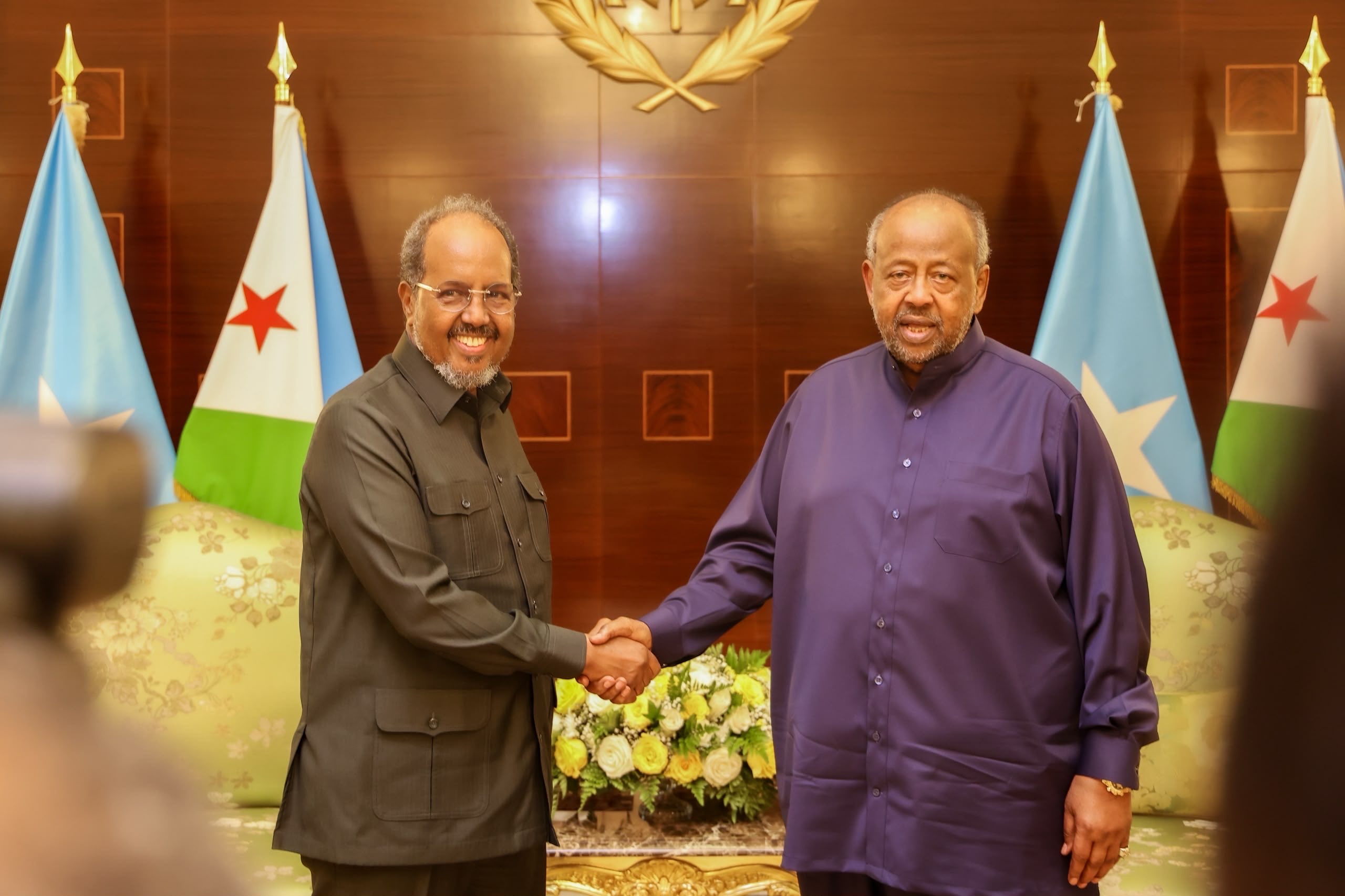
He said decisions about Somalia’s future were at times taken beyond its borders while the country was absent, and on occasion without it at the table at all. It now has representation and a voice on questions affecting the region and the wider world, and takes part in decisions concerning both. The government, he said, will continue working to strengthen international relations, defend national interests and raise Somalia’s standing in regional and international forums.
On the matter that has occupied much of that diplomacy, the President said Somalia is using strength, strategy, diplomacy and international cooperation to counter Israeli encroachment on Somali territory. He said the country has rejected it openly and has not concealed its position, and has stated that position in every international forum and to its own people.
Somalia will not accept the transfer of Middle Eastern conflicts into the Horn of Africa, he said. Taking a conflict that has run for close to a century in the Middle East and bringing it into the Horn is not a simple matter, and the government is working to prevent it taking hold. He said Somalia sees nothing in an Israeli presence that serves the interests of the Somali people or of the region, and that its message on the subject has been consistent and brief, that Israel should leave.
Turning to domestic politics, the President called on all the country’s political forces to compete through stated vision and clear programmes that Somalis can read and see for themselves. He urged them not to compete in the disabling of national institutions, not to compete in the breaking of public confidence, and not to compete in misleading the public.
He set that appeal against a comparison with earlier periods. The Somalia of today, he said, is not the Somalia in which politicians’ homes were raided, the people inside them killed, and the bodies buried in open country. Every person is now free to speak, he said, so long as they do not endanger public security and are not carrying a weapon.
The President said the authority to carry weapons, and to act on that authority, was given to the state by law. The law sets the limits of it, the government does not exercise it as it pleases, and the government works to avoid circumstances in which it is needed.
He closed by saying that Somali foreign policy rests on the protection of sovereignty, on regional peace and on international cooperation, and that the diplomatic effort to safeguard security and stability in the Horn of Africa will continue.
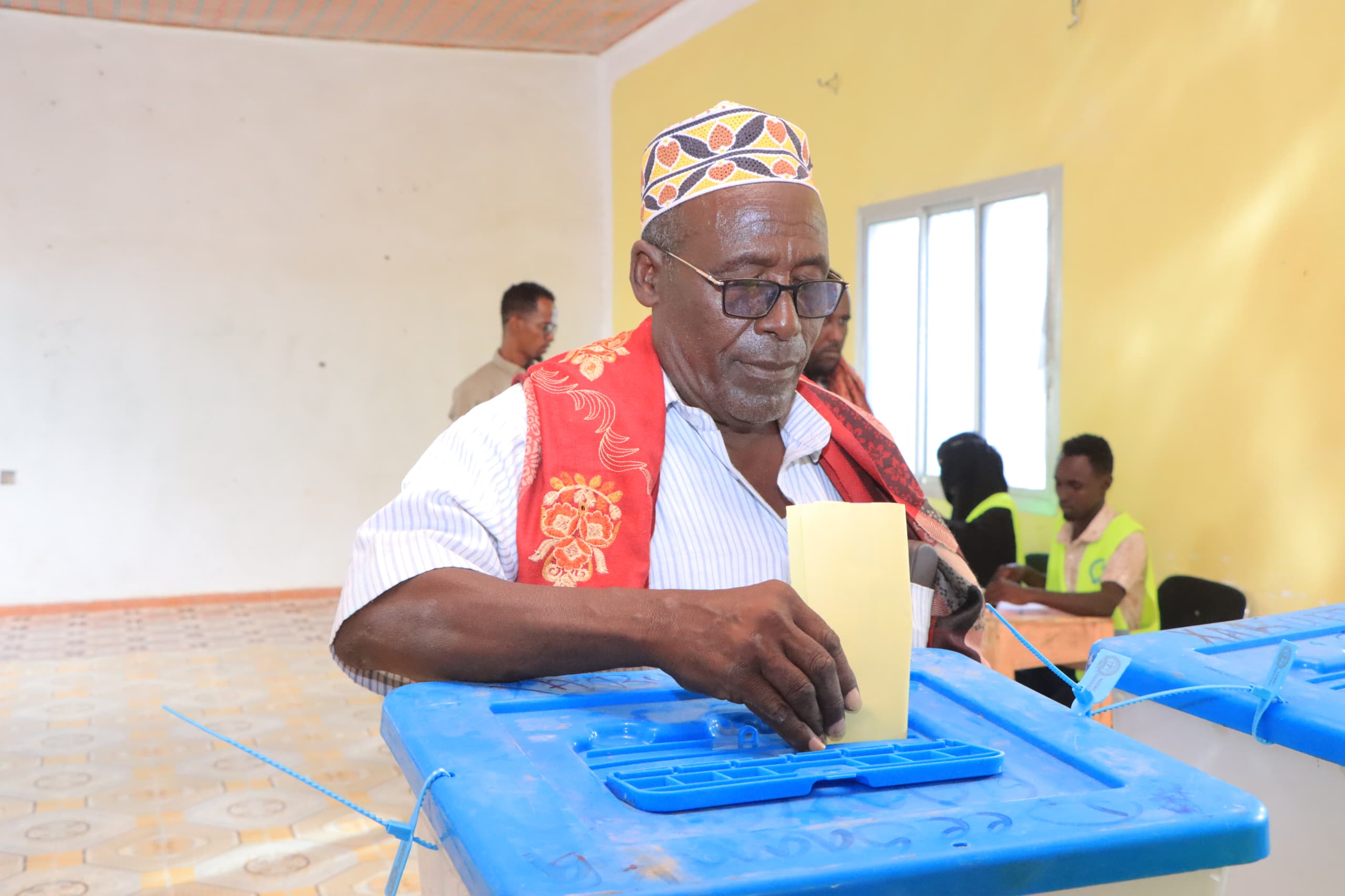
The three parts of the address share a single argument. A state that speaks for itself abroad, that settles its politics through programmes rather than through force at home, and that reserves the use of weapons to the law, is the description of a country that has moved from being administered by others to governing itself. Whether the description holds is contested, and much of it rests on undertakings rather than on completed work. What is not in dispute is that the address was delivered two days after voters in Galmudug elected their own representatives at a ballot box, which is the clearest test yet of the second of those propositions.