Local News
Rights commission raises plight of Somalis in Libya at Benghazi conference
A delegation from Somalia’s National Independent Human Rights Commission set out the toll of irregular migration on young Somalis and their families, and the Libyan bodies hosting the conference undertook to work with the Commission on assisting those in difficulty in the country.
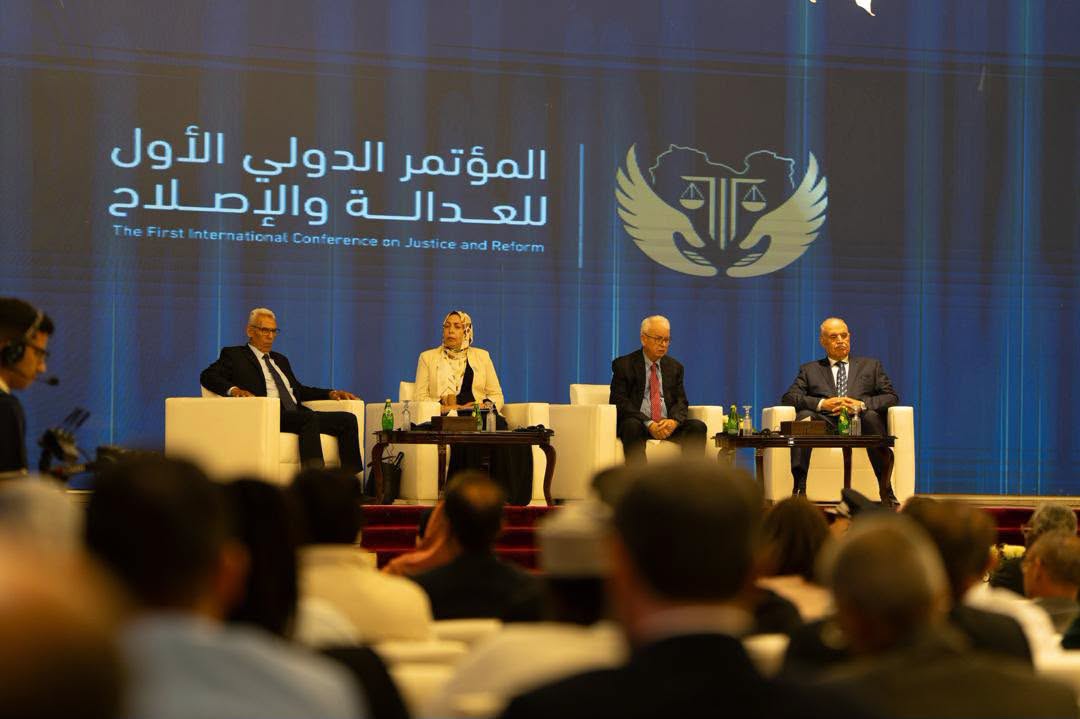
MOGADISHU (SONNA): A delegation from Somalia’s National Independent Human Rights Commission has attended a conference in Benghazi, Libya, which brought together human rights institutions, judges, experts and lawyers from a number of countries.
The delegation was led by the Commission’s Acting Chairman, Mohamed Harun Mahmoud, and attended from 28 to 31 July. The conference addressed the strengthening of justice and the judiciary, the treatment of prisoners and detainees, measures against irregular migration, and how the institutions represented might cooperate on that work.
The Somali delegation concentrated on irregular migration, setting out the harm it does to young Somalis, to the families and parents left behind, and to the country. The Libyan human rights commission and the body responsible for monitoring prisons and detainees, which organised the conference, received the delegation separately and undertook to work closely with the Commission and with the Somali government on assisting young Somalis in difficulty in Libya.
The Commission itself is new. Legislation establishing Somalia’s first national human rights body was signed into law by President Hassan Sheikh Mohamud in December 2025, after approval by both houses of the Federal Parliament and the Council of Ministers. The nine members elected their leadership in Mogadishu in February, with Dr. Maryam Qasim Ahmed as Chairperson. The Commission is mandated to document violations, support those affected and advise the government.
Its creation completed a transfer that had been under preparation for several years. The mandate of the United Nations Independent Expert on the human rights situation in Somalia ended in October 2025 at the government’s request, under a Human Rights Transition Plan intended to move oversight from international mechanisms to a national institution. The Commission is that institution, and the Benghazi conference is among its first appearances abroad.
The subject it chose to press is one of the most difficult facing Somalis outside the country. Libya is a principal transit point for migrants from the Horn of Africa attempting to reach Europe across the central Mediterranean, and Somalis travelling that route have been documented in detention, both in official facilities and in the hands of trafficking networks that hold people for ransom paid by relatives at home.
The International Organization for Migration reported last year that more than 1,500 Somali migrants were stranded in Libya, many in precarious conditions, and has assisted several hundred to return home under a partnership with the Federal Government and the European Union. In April this year, Somalia and Libya agreed in talks in Tripoli to repatriate around 400 Somali nationals held in Libyan detention facilities, an agreement reached when the Foreign Minister met his Libyan counterpart.
What the Commission secured in Benghazi is narrower than that. No numbers were announced, no cases were named and no mechanism was described. An undertaking by two Libyan bodies to work closely with a Somali institution is a starting position rather than an outcome, and its value will depend on whether it produces access to detention facilities, information on who is held and where, and a route by which families in Somalia can find out what has happened to relatives who left.
The Commission has the mandate to pursue that. Whether it has the reach is the question its first year will answer, and the Somalis held in Libya are among the people with most at stake in it.