EAC
East African States Rally Behind Kiswahili as Region Confronts Language's Place in the Age of Artificial Intelligence
Ministers, diplomats and language authorities closed the fifth World Kiswahili Language Day in Bujumbura with a coordinated push to entrench Kiswahili as a working instrument of regional integration, from a new AI certification standard to a renewed campaign for recognition at the United Nations, with Somalia warning that African languages absent from digital systems risk being left behind.
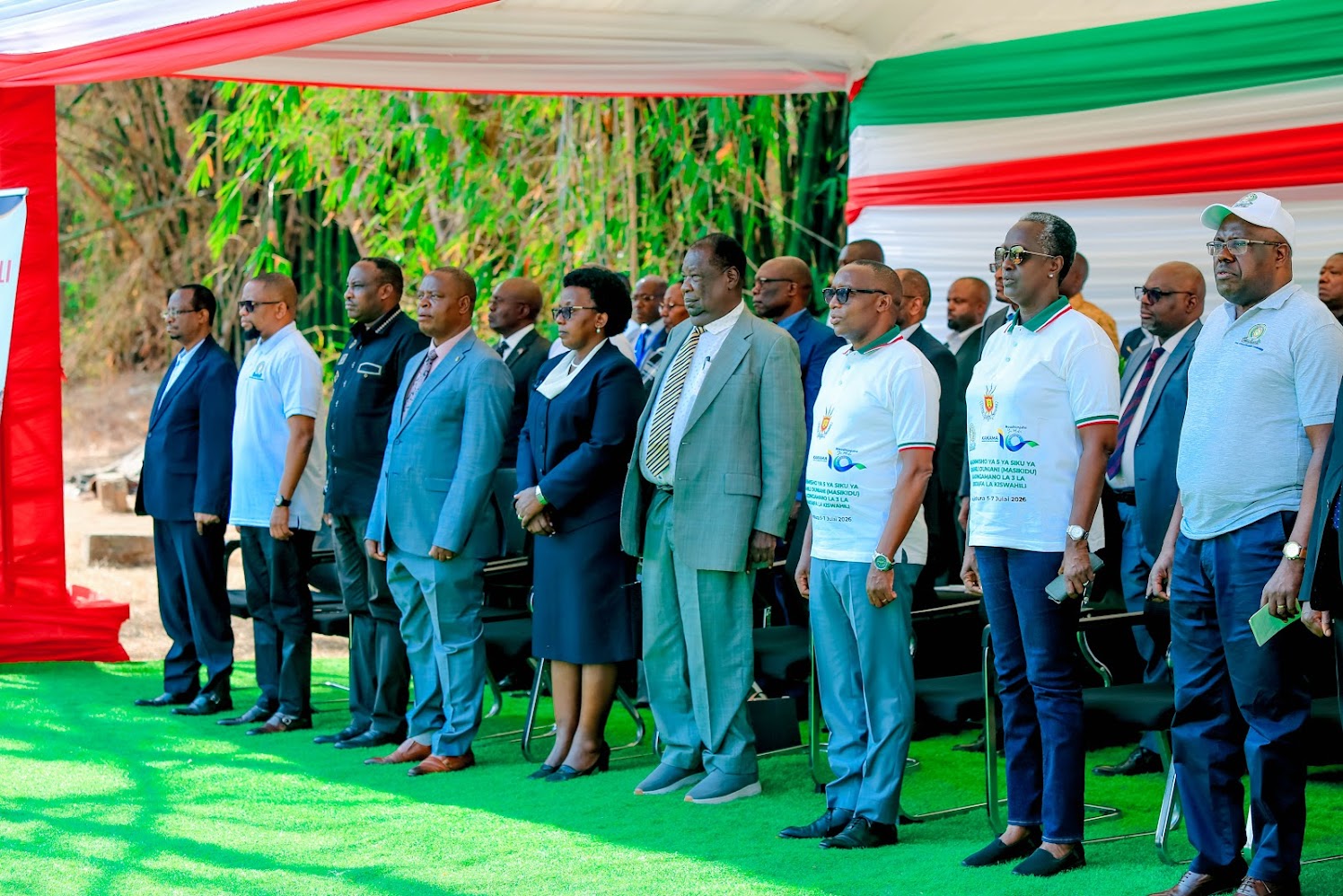
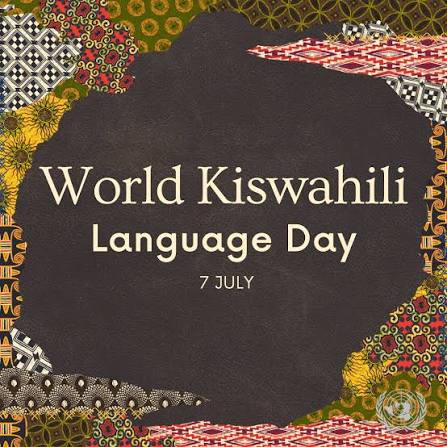
BUJUMBURA (SONNA): East African Community member states closed the fifth World Kiswahili Language Day in the Burundian capital on Monday with a coordinated push to entrench Kiswahili as an official language of regional integration and, increasingly, as a language that must claim its place in the digital and artificial intelligence systems now reshaping global communication.
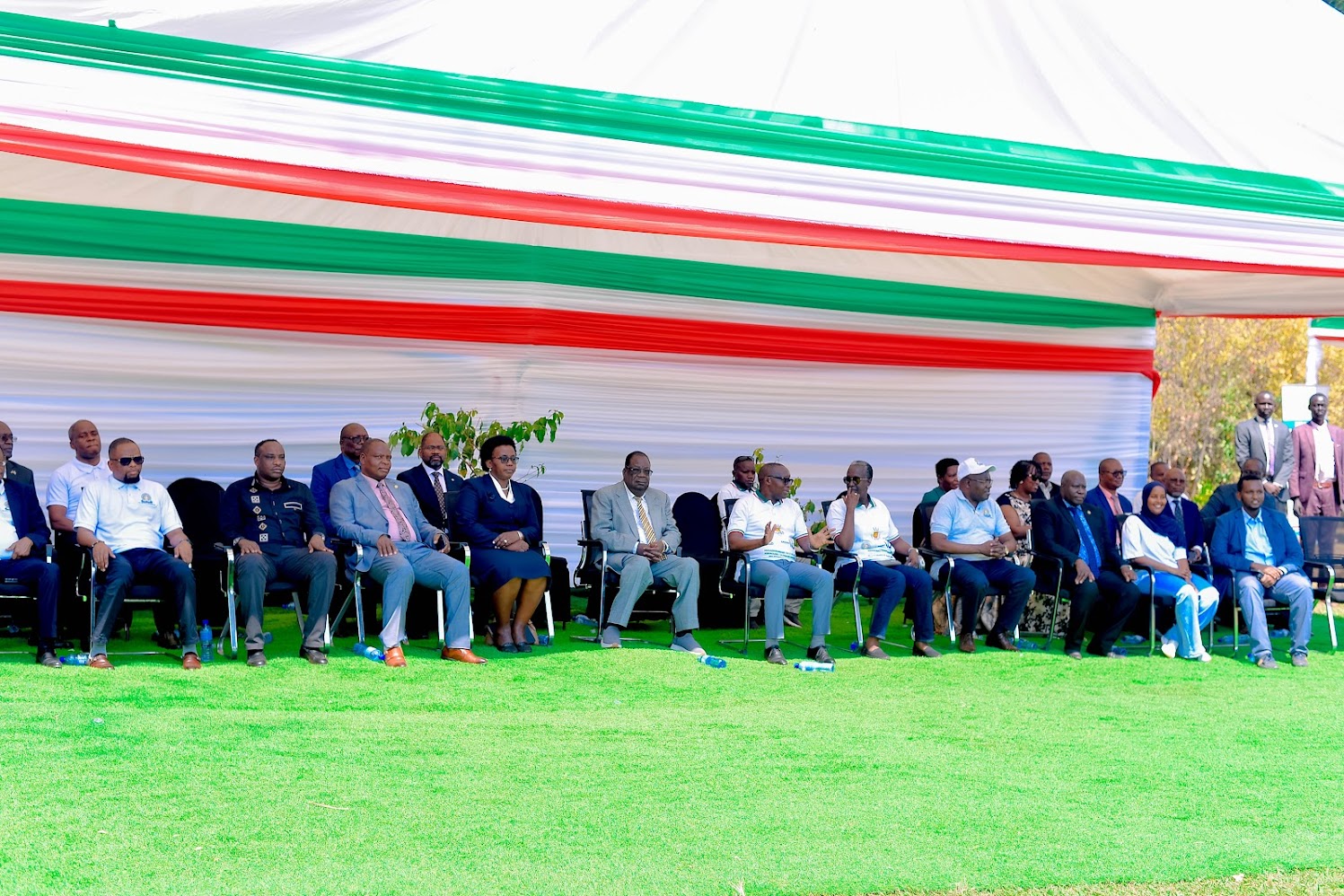
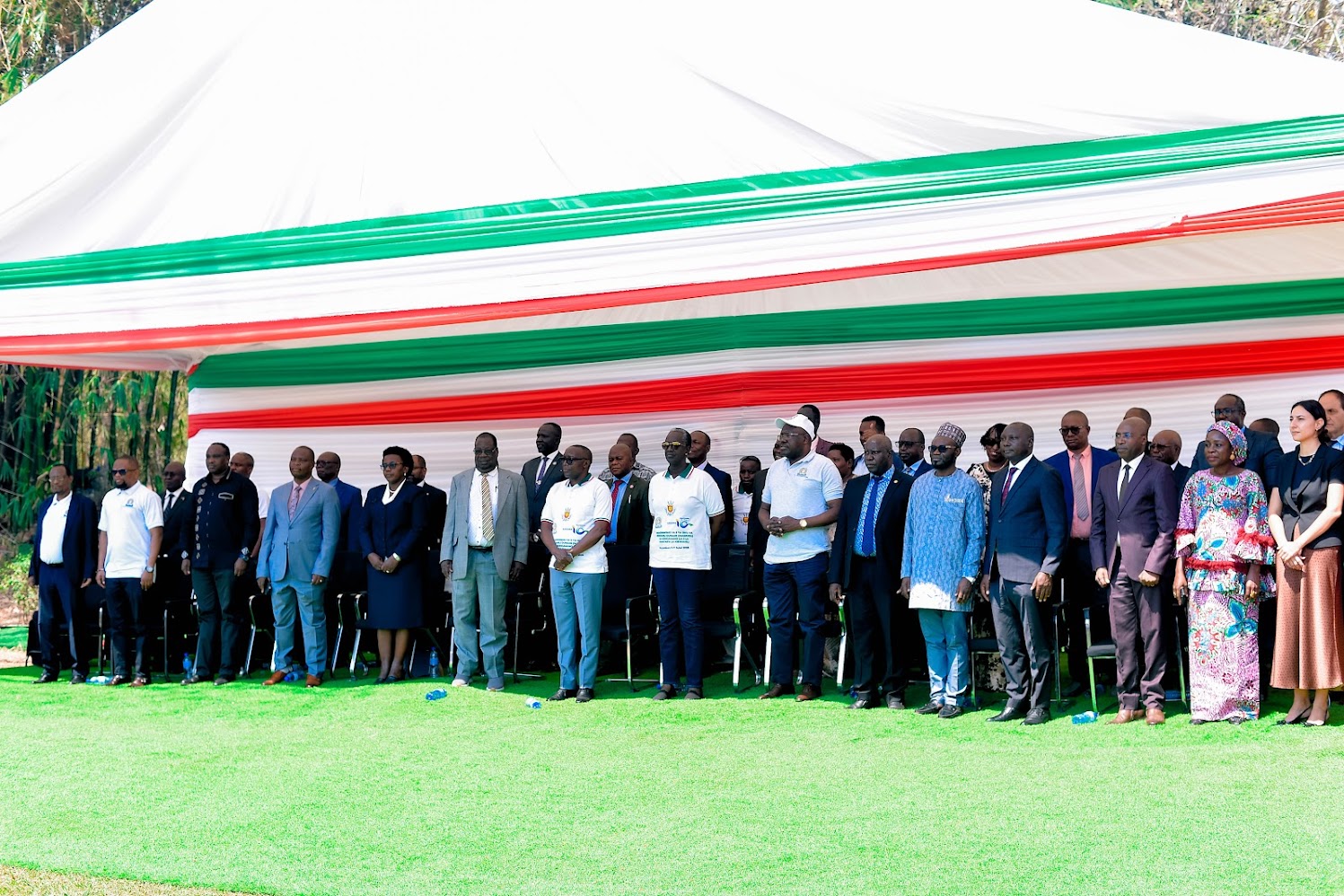
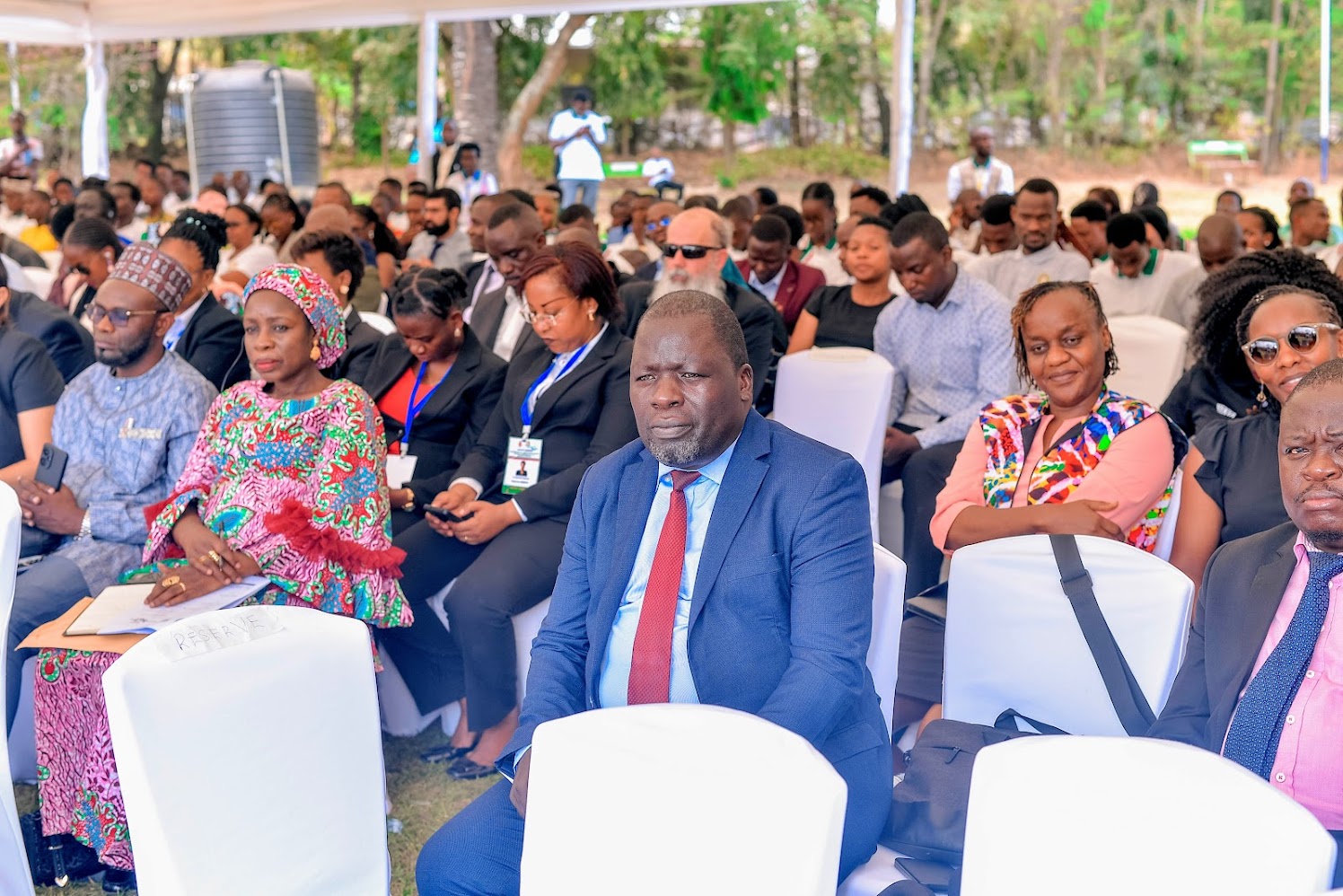
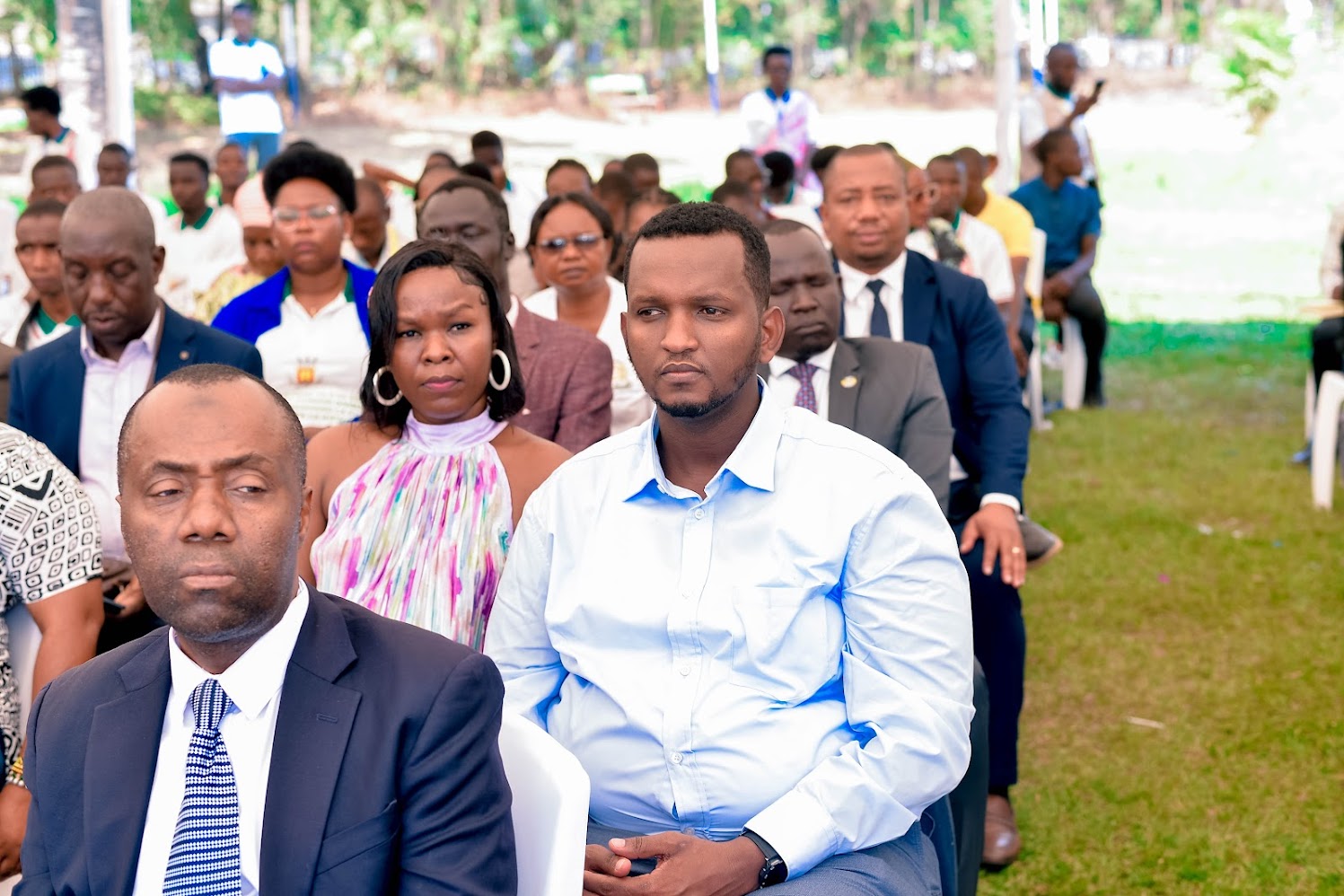
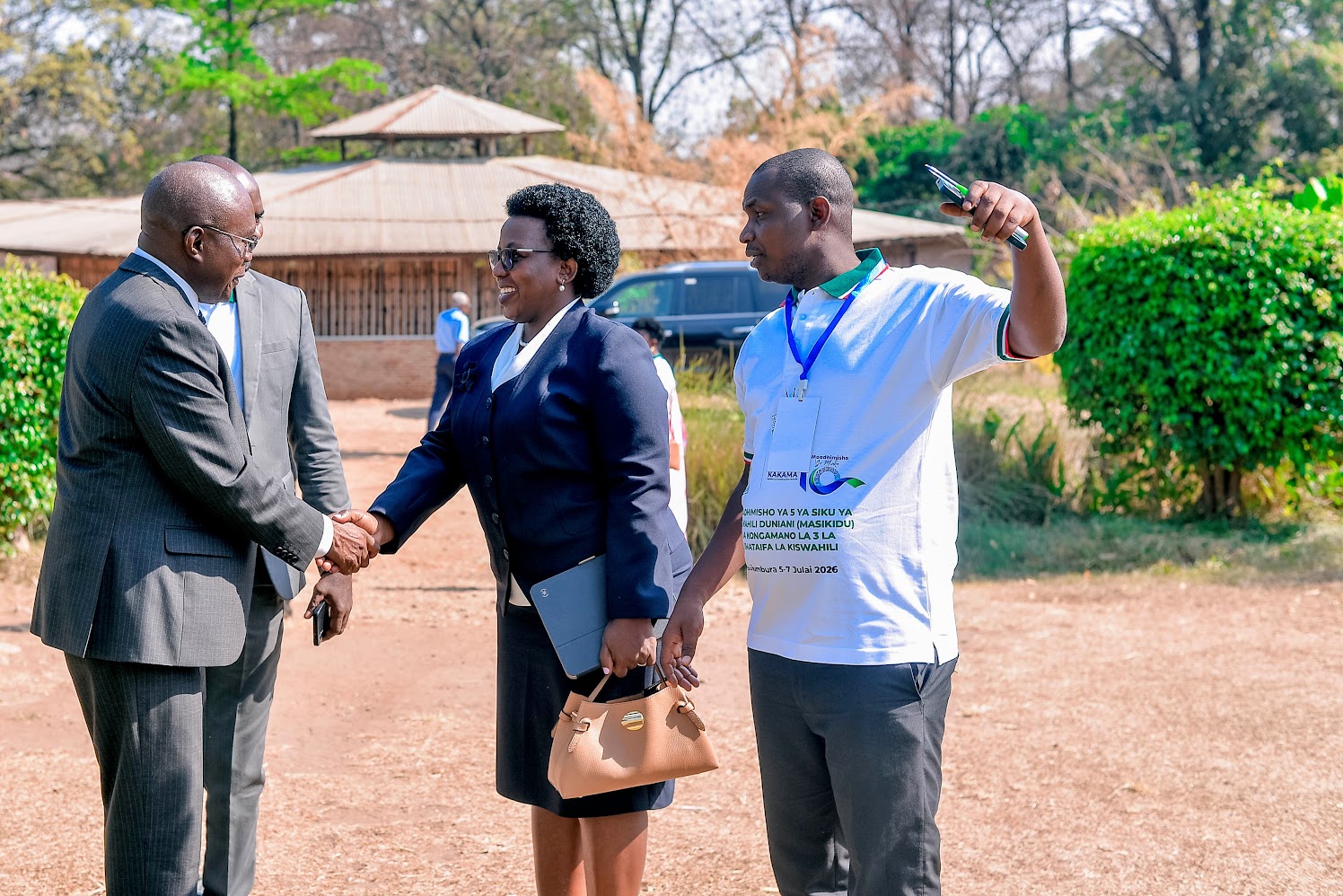
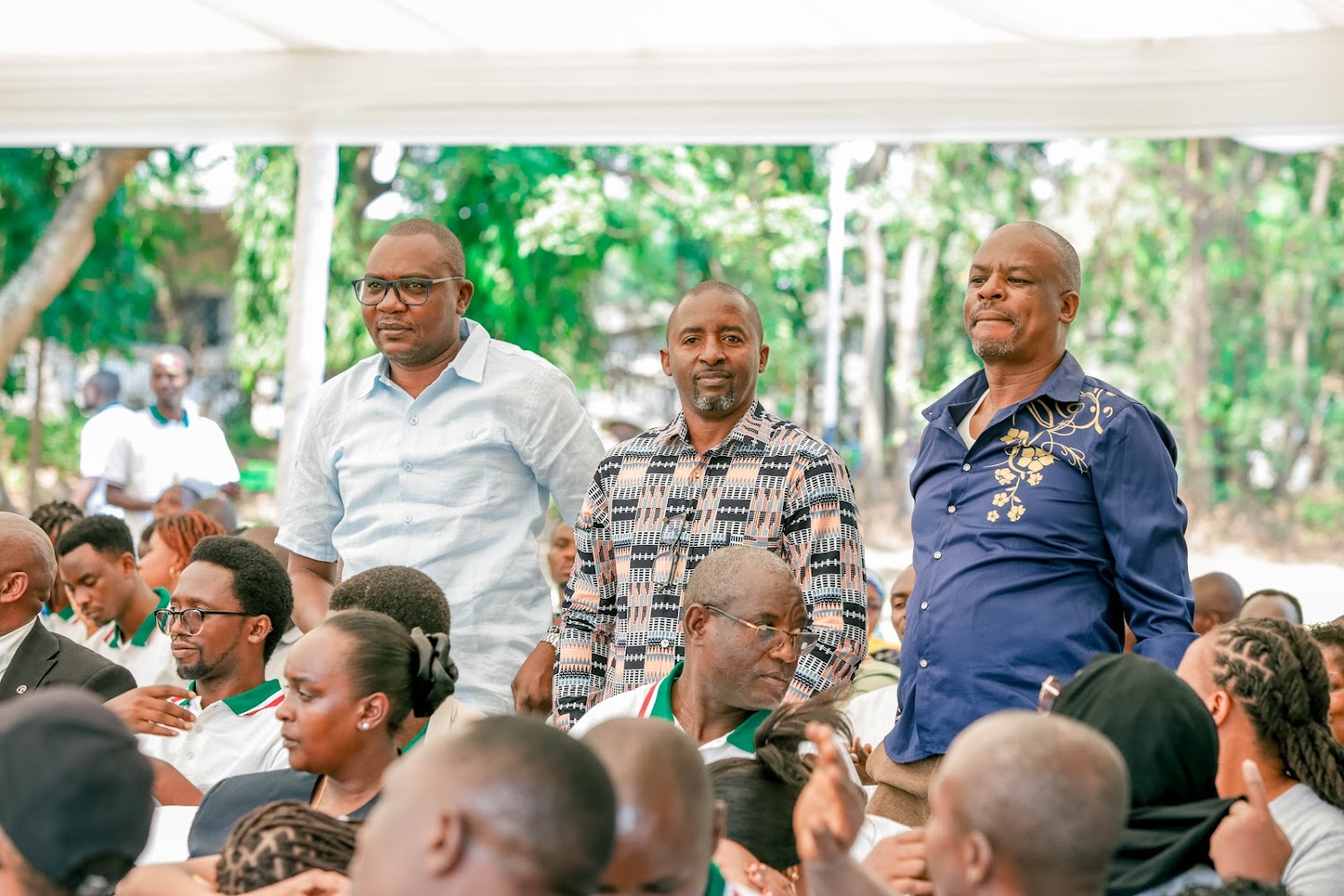
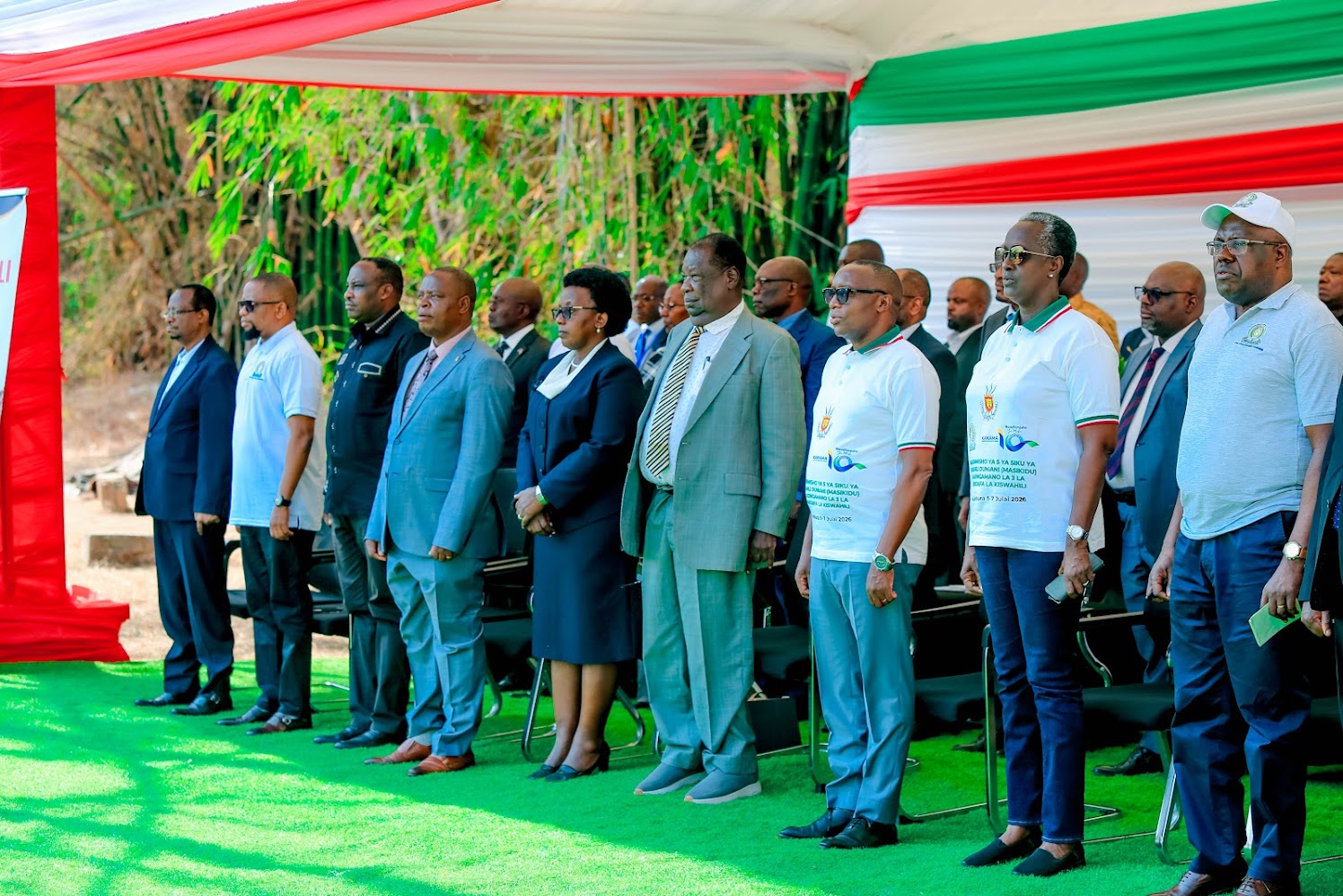
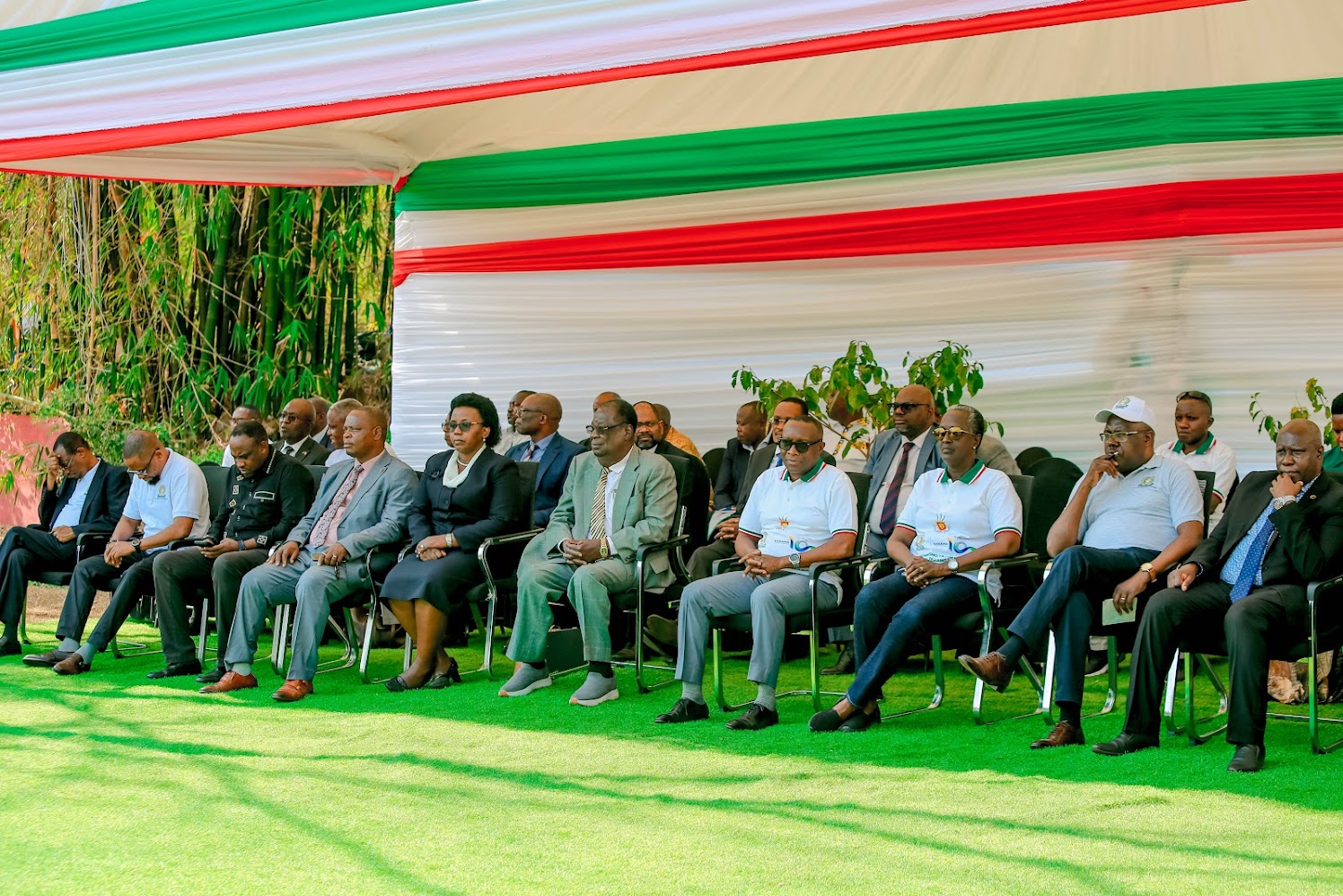
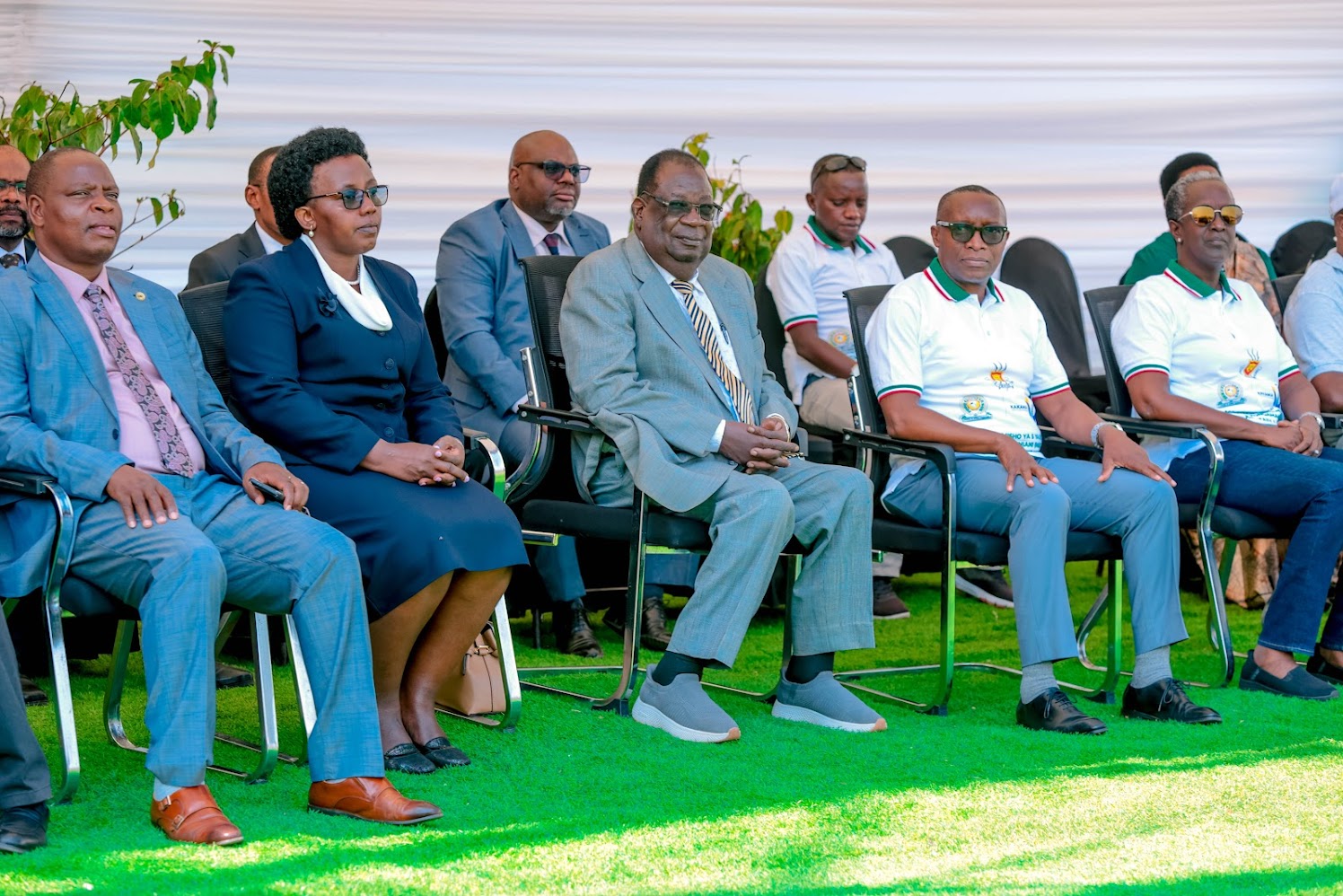
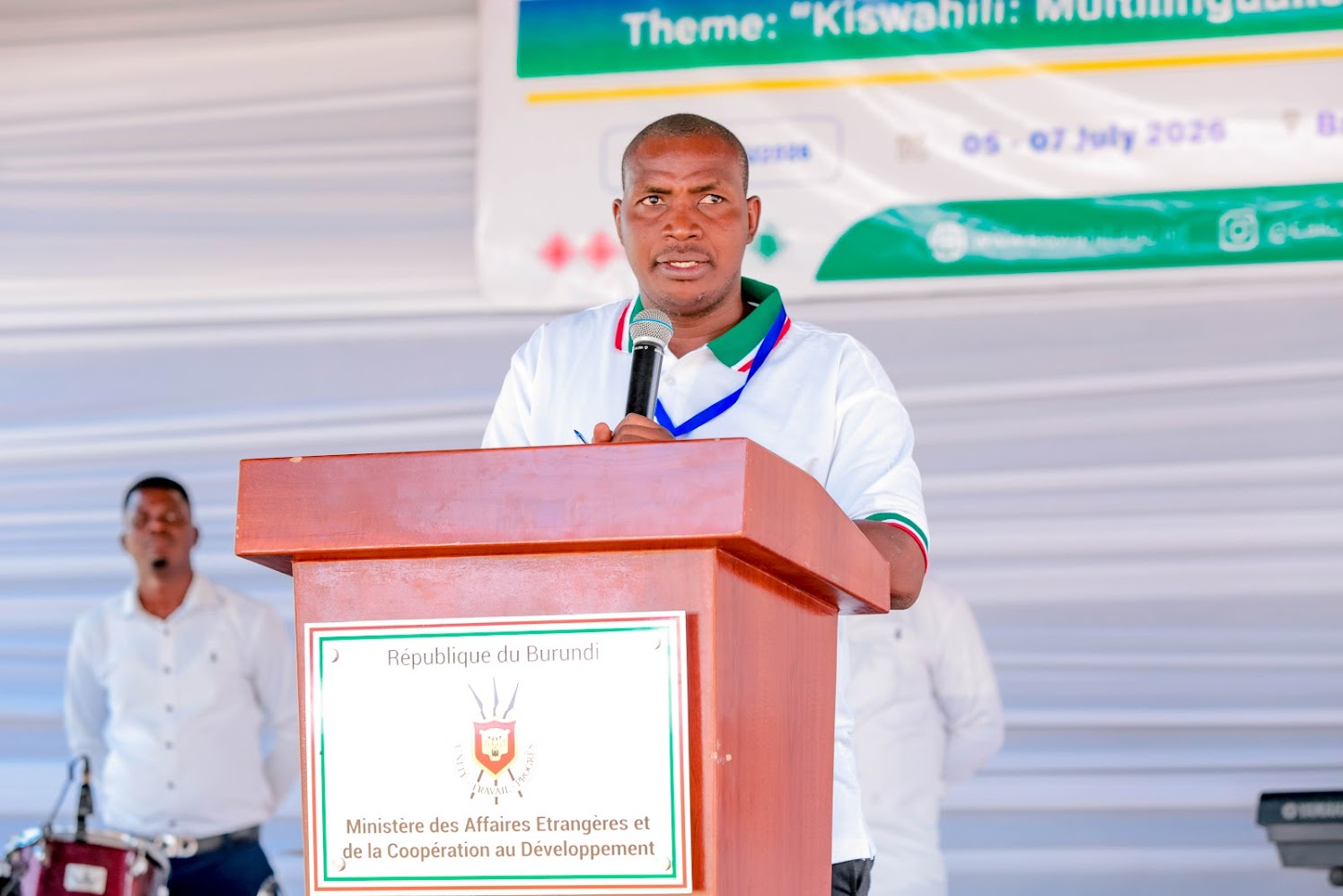
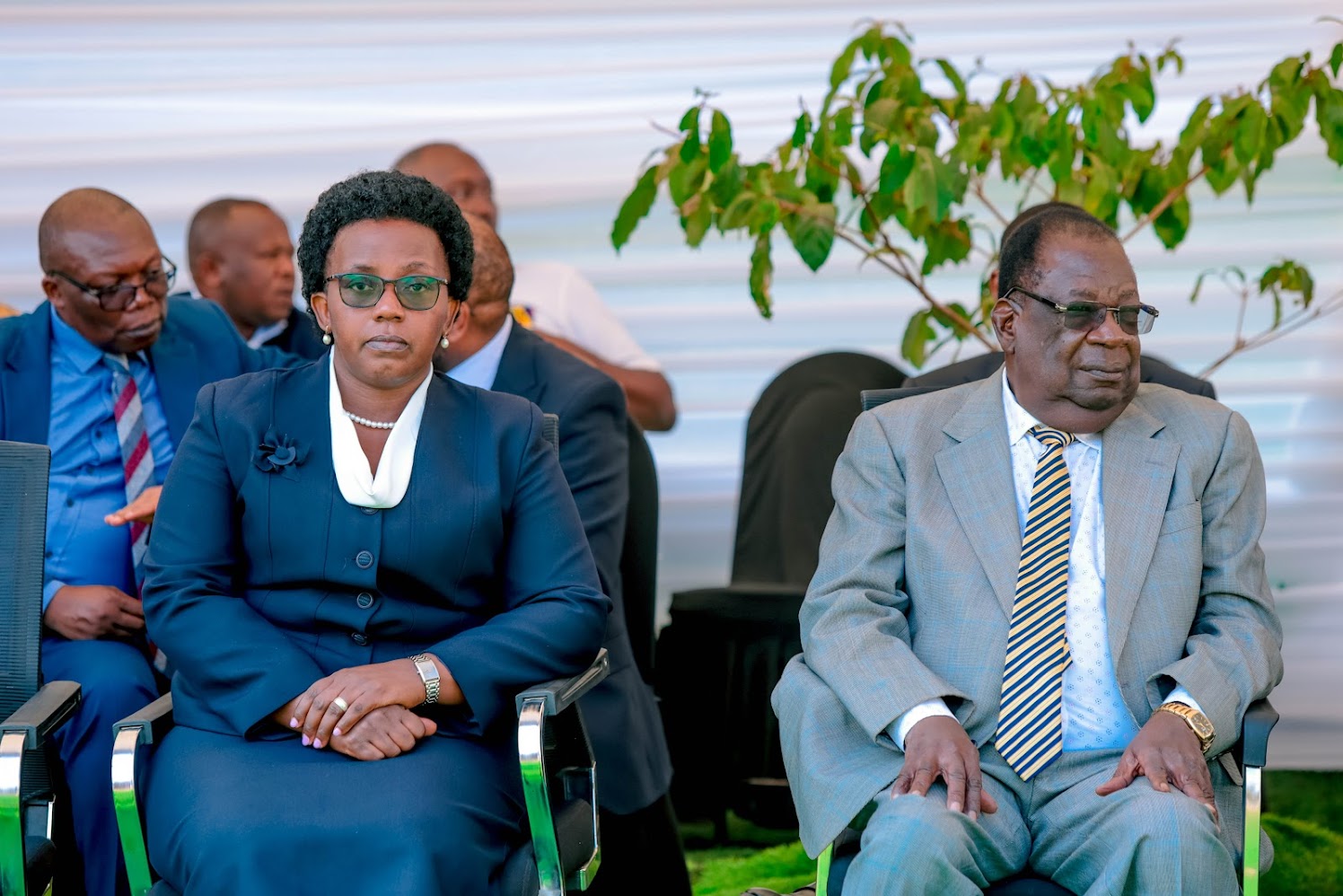
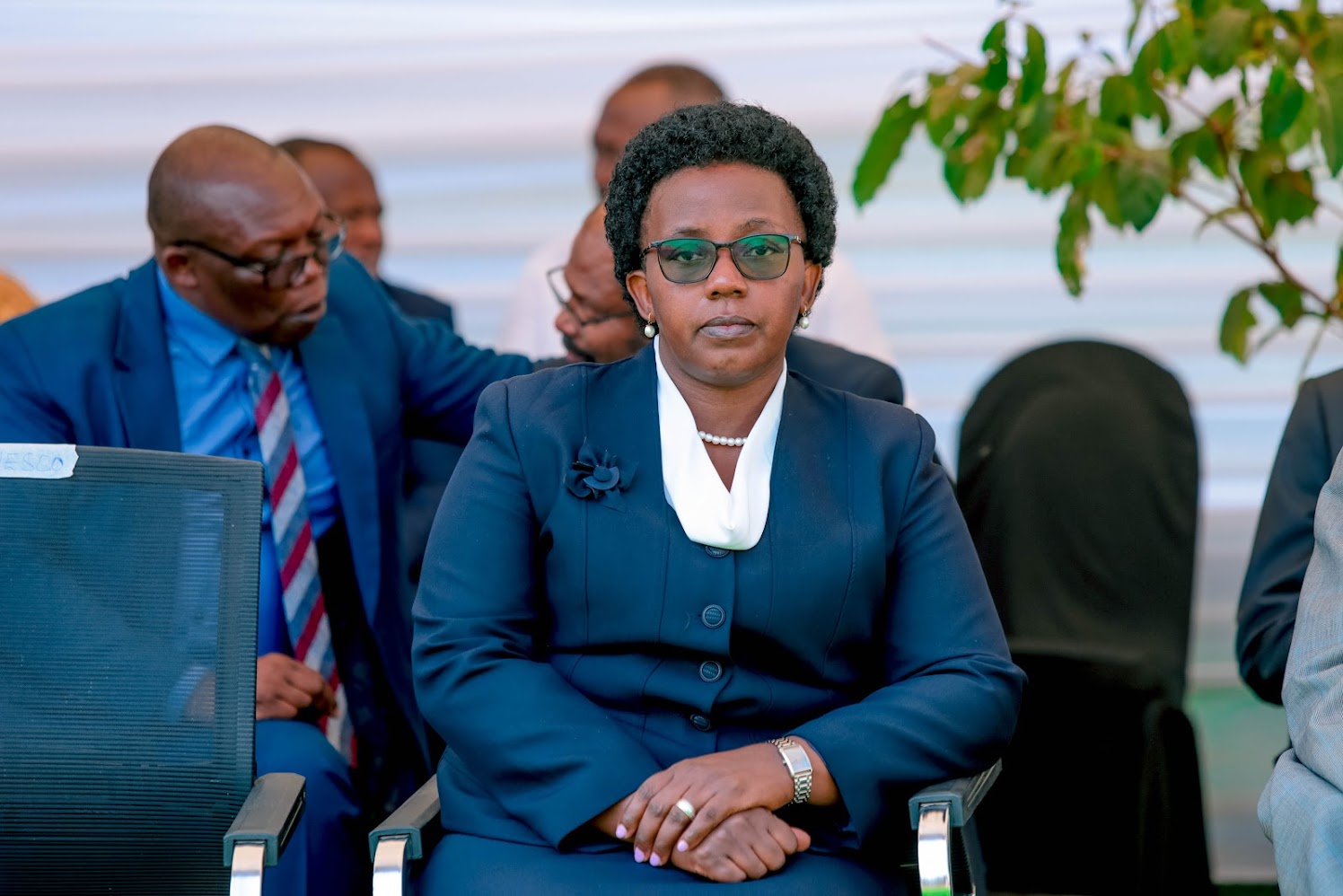
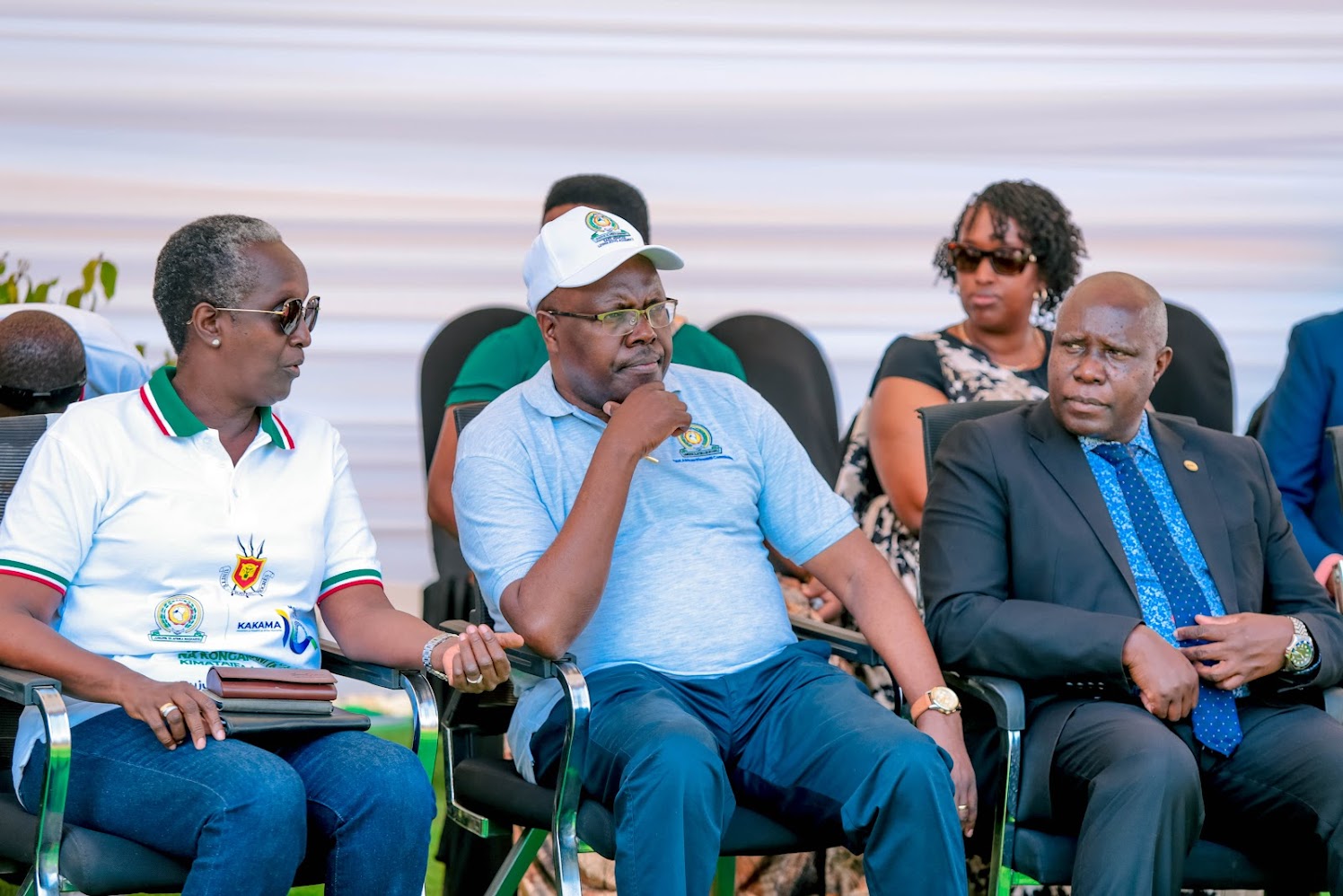
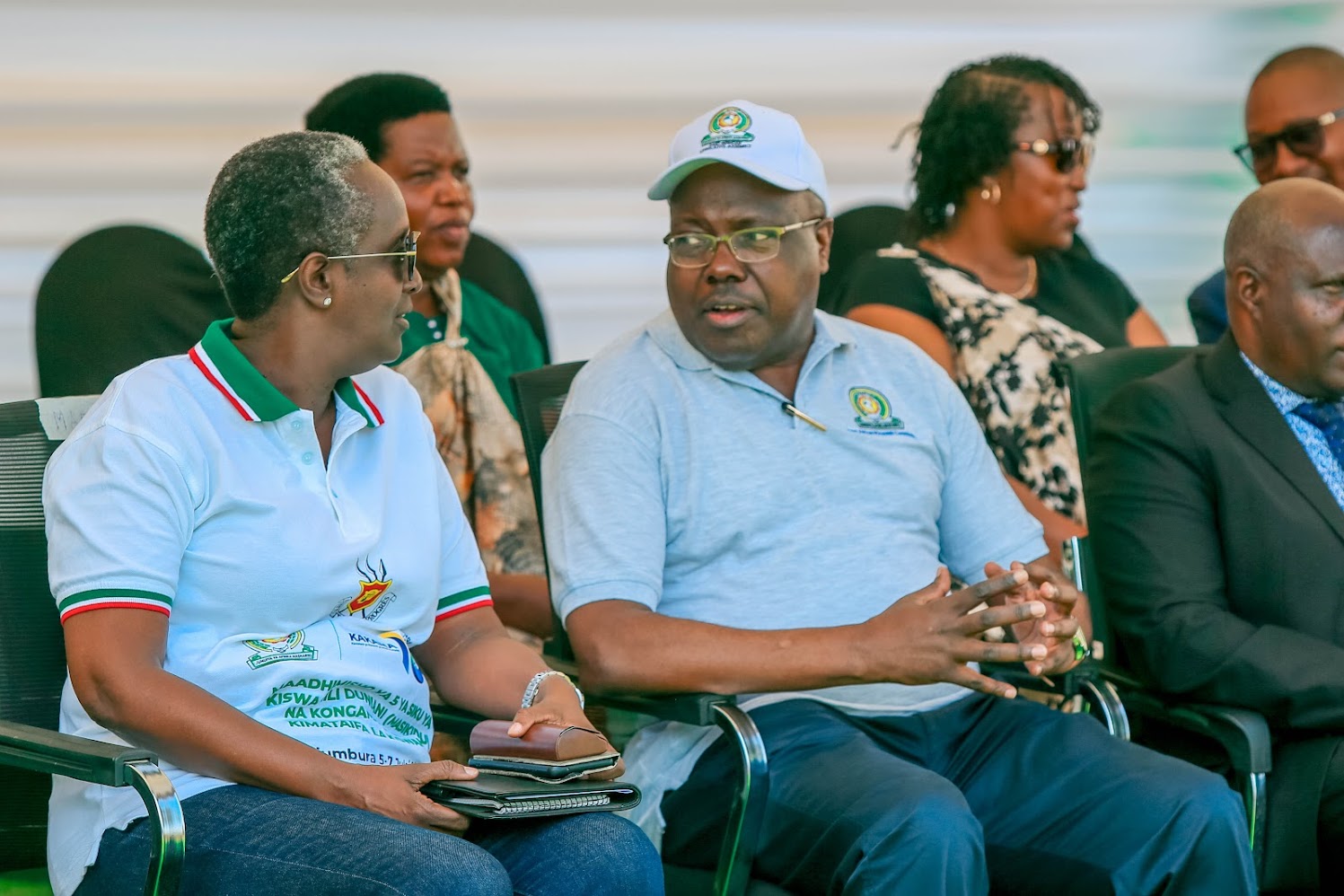
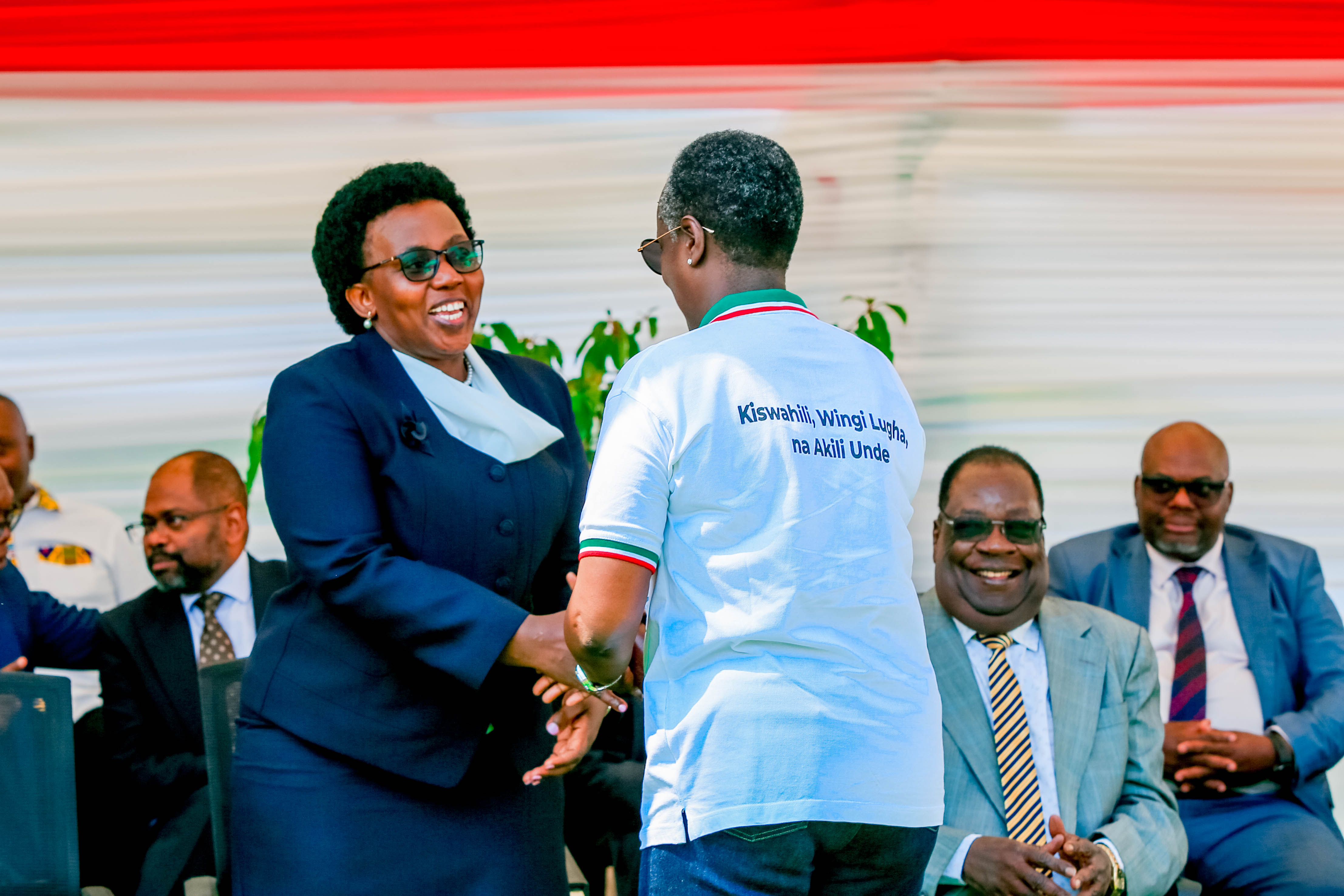
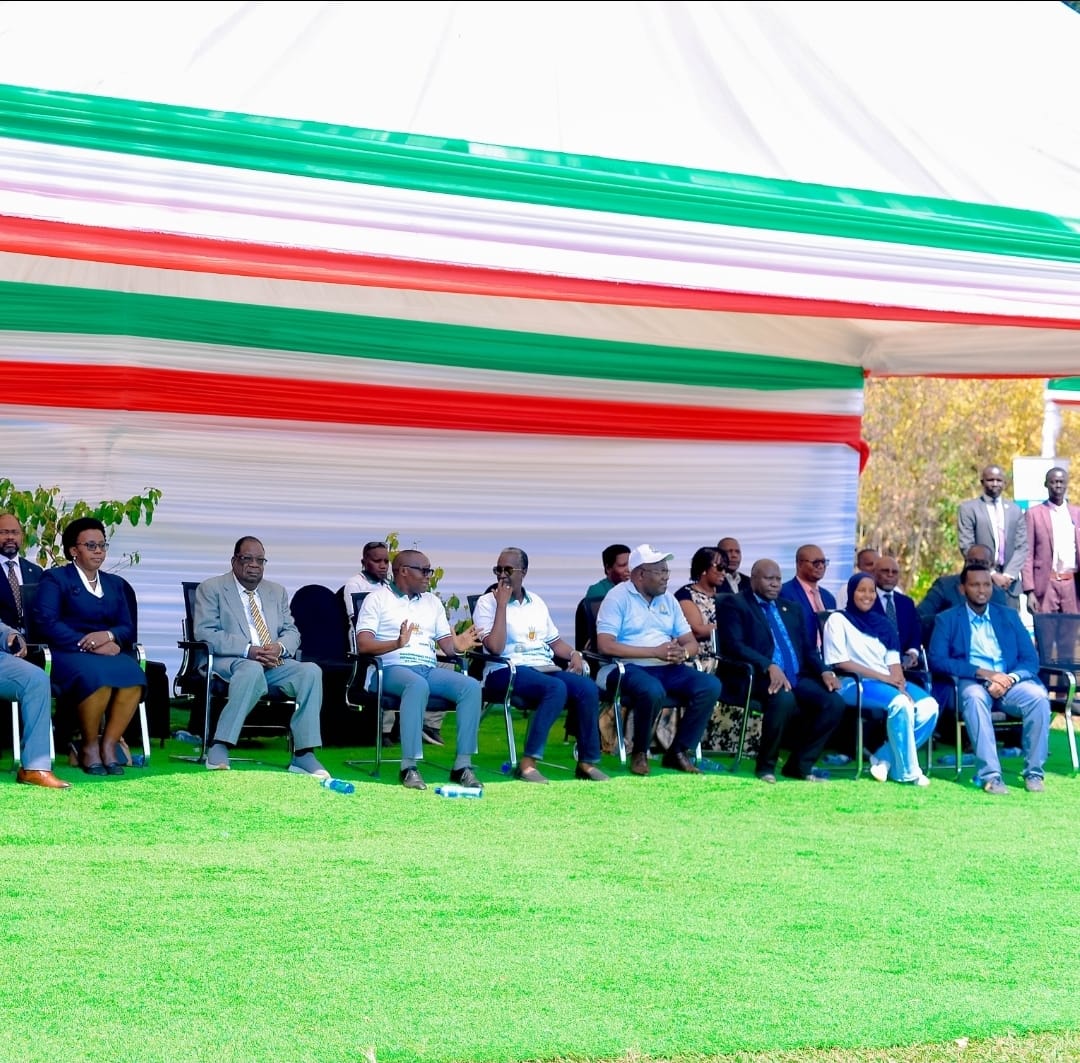
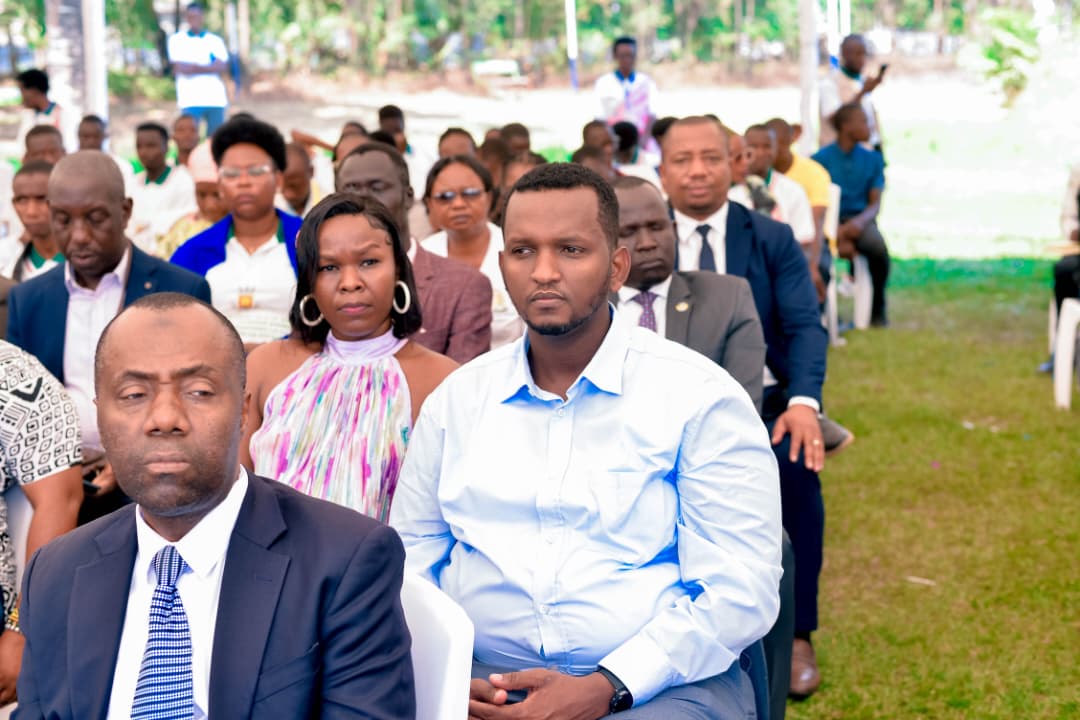
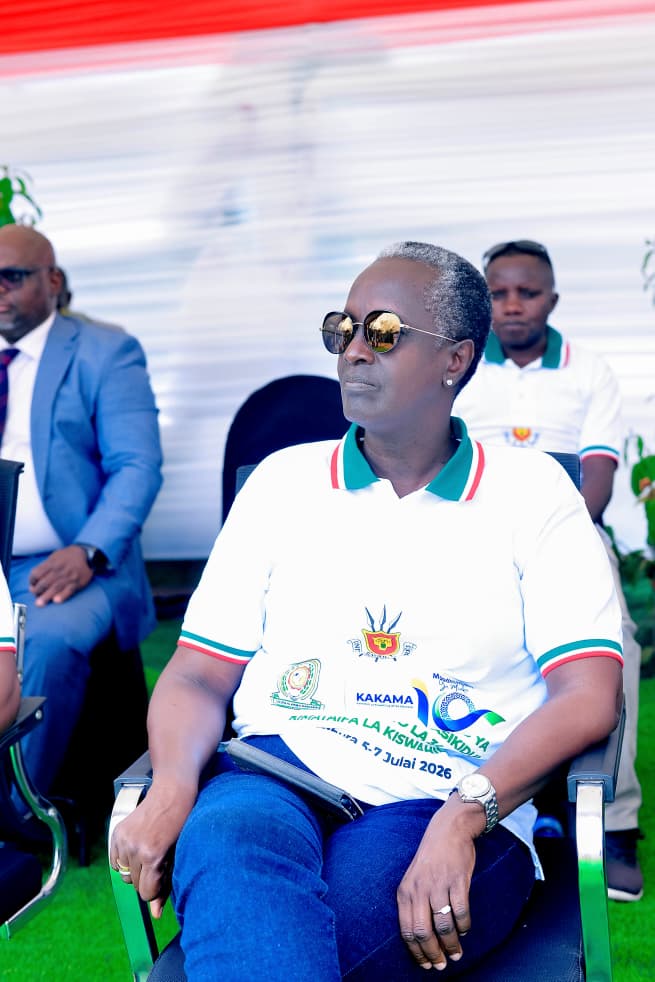
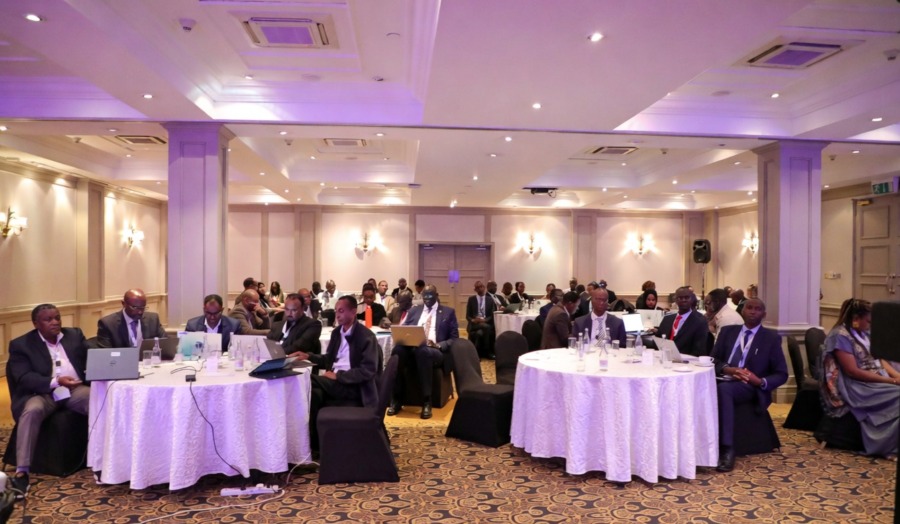
The commemoration, held at Jardin Public in Bujumbura under the theme Kiswahili, Multilingualism and Artificial Intelligence, drew ministers, diplomats, academics and language authorities from across the bloc. It marked the closing day of a gathering that ran alongside the third International Kiswahili Conference convened by the East African Kiswahili Commission.
The host nation opened proceedings with an account of how Kiswahili took root in Burundi, arriving through radio broadcasts and music during the region's liberation years before the government formally adopted it for public administration and, later, education. Officials outlined a long-term ambition for national leadership to reach working fluency in the language over the coming decades, presenting political example as a driver of public uptake.
Delivering a keynote on institutional coordination, Prof. Idris Rai, Acting Executive Secretary of the Inter-University Council for East Africa, said the region's universities and specialised agencies stood behind the conference theme and would formalise cooperation agreements to advance Kiswahili across member institutions in a coordinated way, rather than in isolation.
National delegations then set out their positions in a series of country statements. Rwanda framed Kiswahili as an economic bridge central to cross-border technology, tourism and sustainable development. The Democratic Republic of the Congo reported the language in use across a dozen of its provinces, in its parliament and throughout its education system. Uganda acknowledged that mainstream fluency still lagged but affirmed a ministerial commitment to expand instruction, while South Sudan noted that its current fluency rests largely on returning diaspora citizens, with structured schooling still to come.
Kenya used its intervention to address the pressures on formal Kiswahili from urban youth speech, reaffirming that the language remains a compulsory subject in primary education as an anchor for the standard form. Kenya also reported movement toward legislation addressing the intersection of artificial intelligence and language.
Tanzania, whose national life has long been organised around Kiswahili, championed the language as the primary force uniting more than a hundred ethnic communities and urged the assembly to press for Kiswahili's recognition as a working language of the United Nations.
For Somalia, one of the Community's newest members, the message centred on the digital future. The Somali delegation emphasised the urgent need for African languages, and the dialects within them, to secure a footprint in digital and artificial intelligence systems, warning that languages absent from these technologies risk being left behind, and their communities excluded from the digital economy. The position aligns with Somali academic work presented at the accompanying conference, including a paper on multilingual AI governance, dialect diversity and narrative security contributed by SIMAD University of Mogadishu.
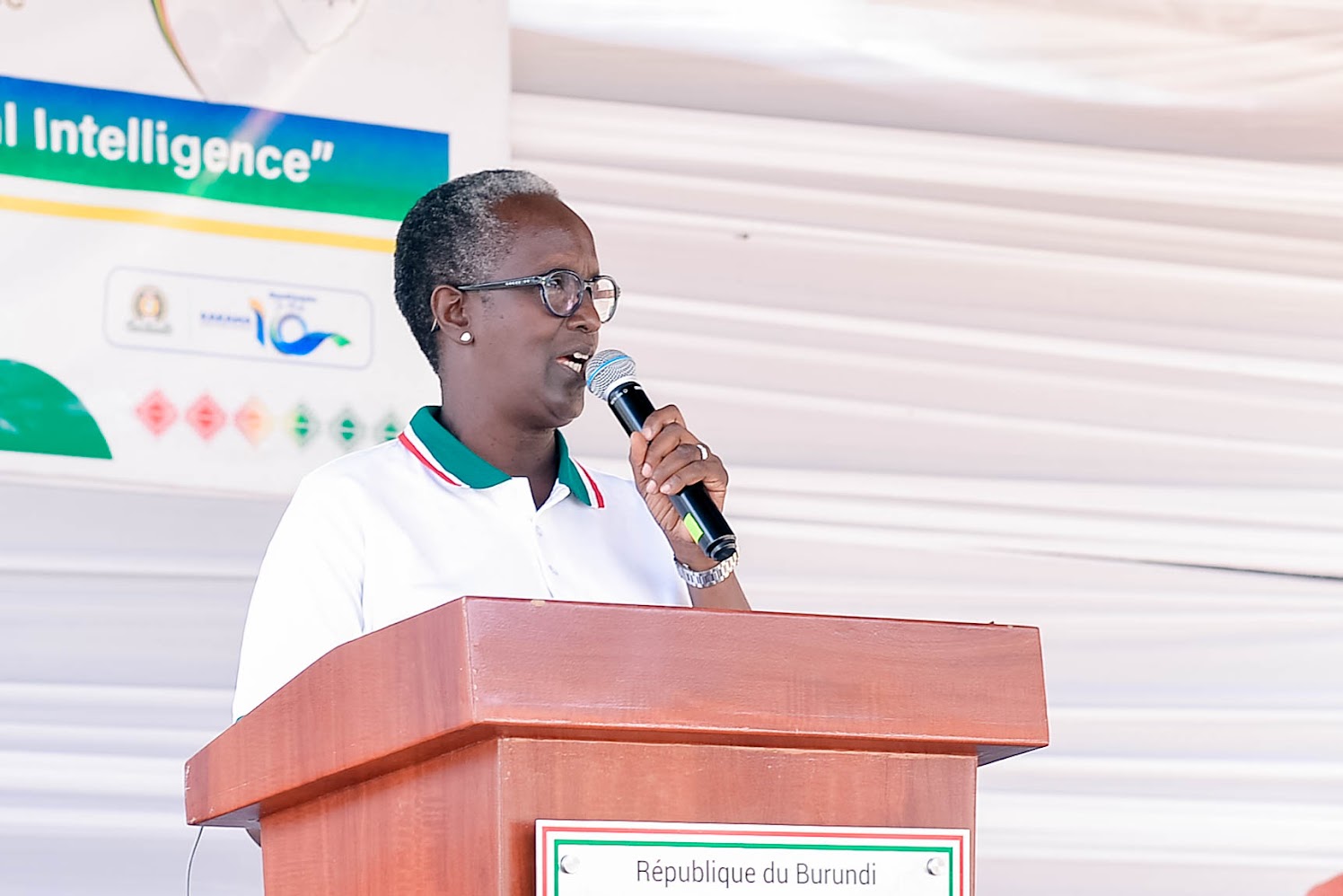
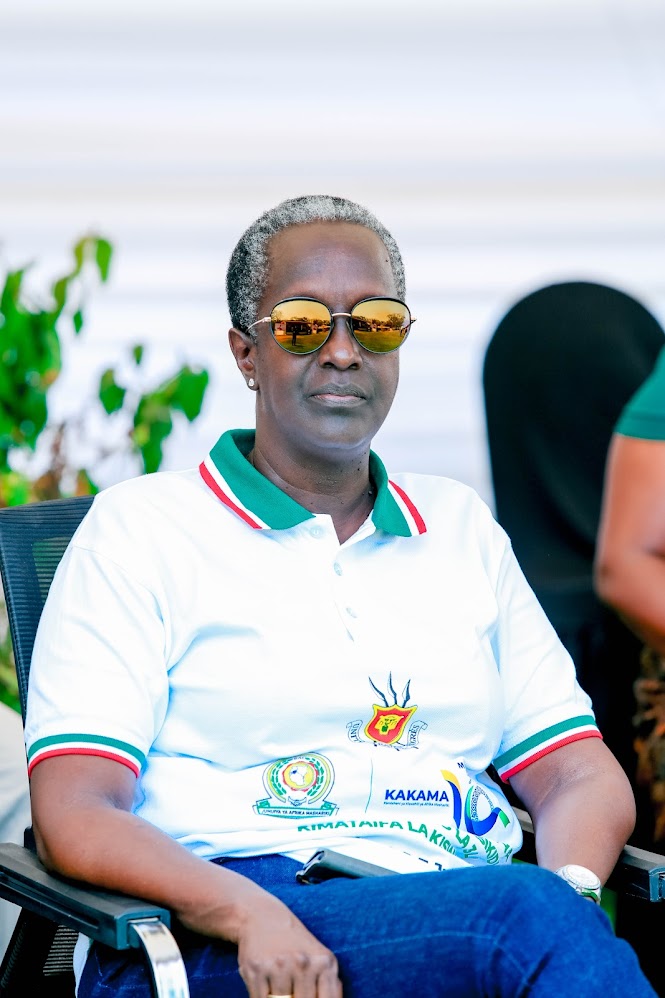
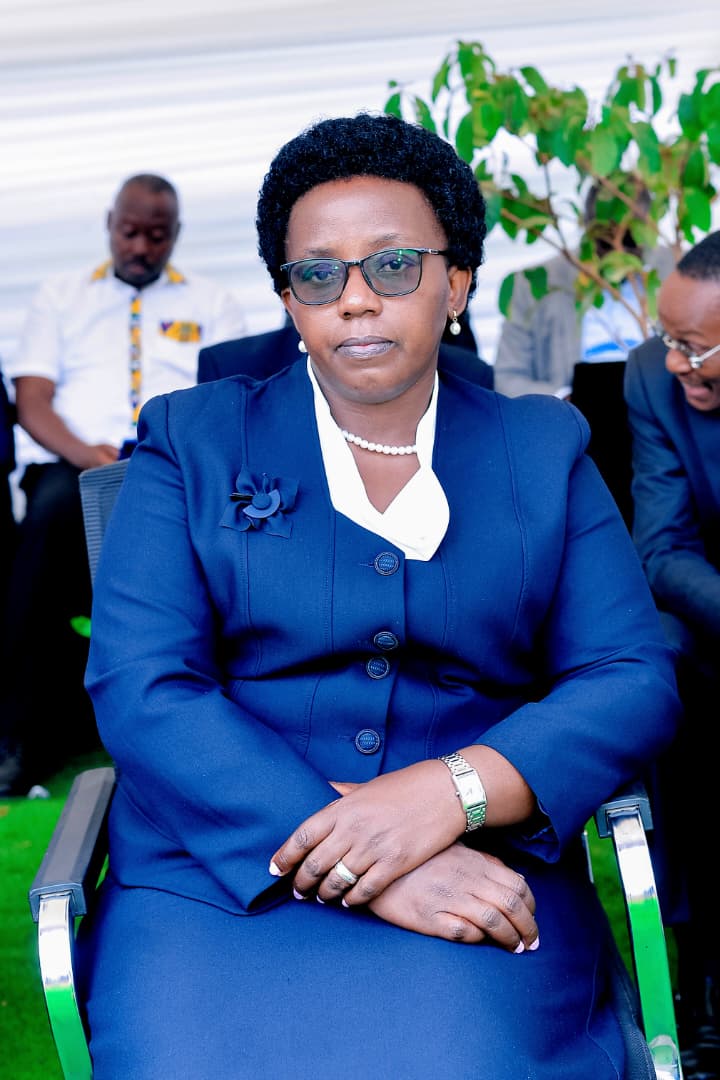
The Commission's Executive Secretary, Dr. Caroline Asiimwe, used her address to press member states on implementation. She recalled directives from successive EAC Heads of State summits establishing Kiswahili as an official language of the bloc, and pointed to the gap between those decisions and action on the ground. She warned that a failure to integrate Kiswahili into artificial intelligence systems would see the language bypassed as the technology advances globally.
Dr. Asiimwe announced several concrete steps, including a localised version of a UNESCO crisis-management manual adapted for regional media, and the launch of an academic journal focused on technology and education. She also confirmed a partnership with the German development agency GIZ to develop a Kiswahili Trustmark, a certification standard intended to assess the Kiswahili competence of artificial intelligence and digital applications. She cited staffing shortages at the Commission as a significant constraint on delivering these commitments.
In the closing high-level session, the Speaker of the East African Legislative Assembly committed parliamentary support to extending Kiswahili beyond the Community to serve as a pan-African language of trade and education. The Chair of the EAC Council of Ministers set aside a prepared English-language address to speak in Kiswahili, a gesture read on the floor as a signal of changing official practice. The guest of honour, representing the host government, closed the commemoration with a direct appeal for the language's formal recognition at the United Nations and a call for regional experts to lead its adaptation to science and technology.
The Bujumbura commemoration reflected a region moving to consolidate Kiswahili not only as a marker of shared identity but as a working instrument of integration, and increasingly, as a test of whether African languages will shape the digital systems of the coming decades or be shaped by their absence from them.