Local News
Somalia's EALA Delegation Joins Historic EAC Budget Session as East African Integration Deepens
Nine Somali parliamentarians participate in passing a supplementary budget and receiving the EAC's first financial plan under its new seven-year development strategy.
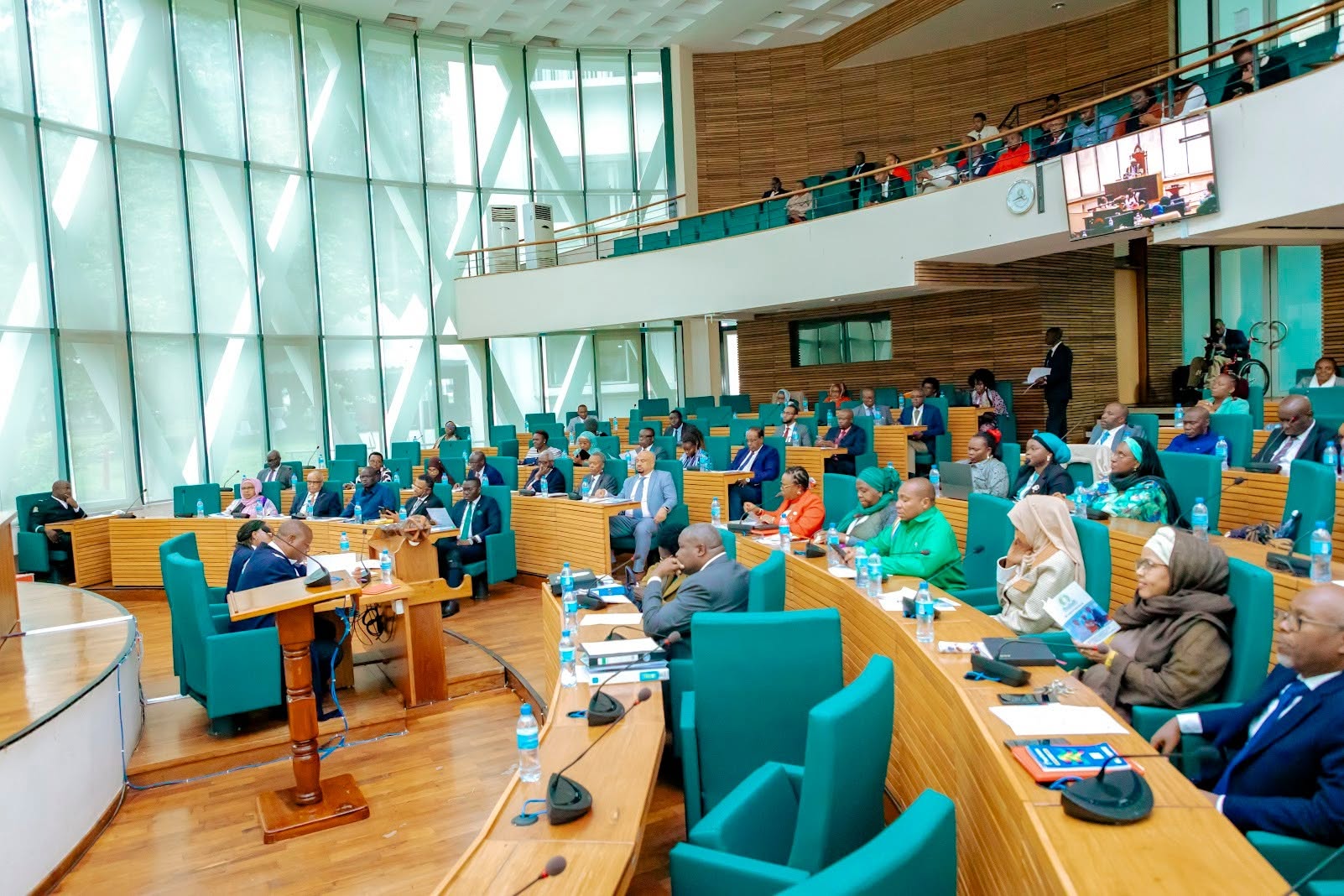
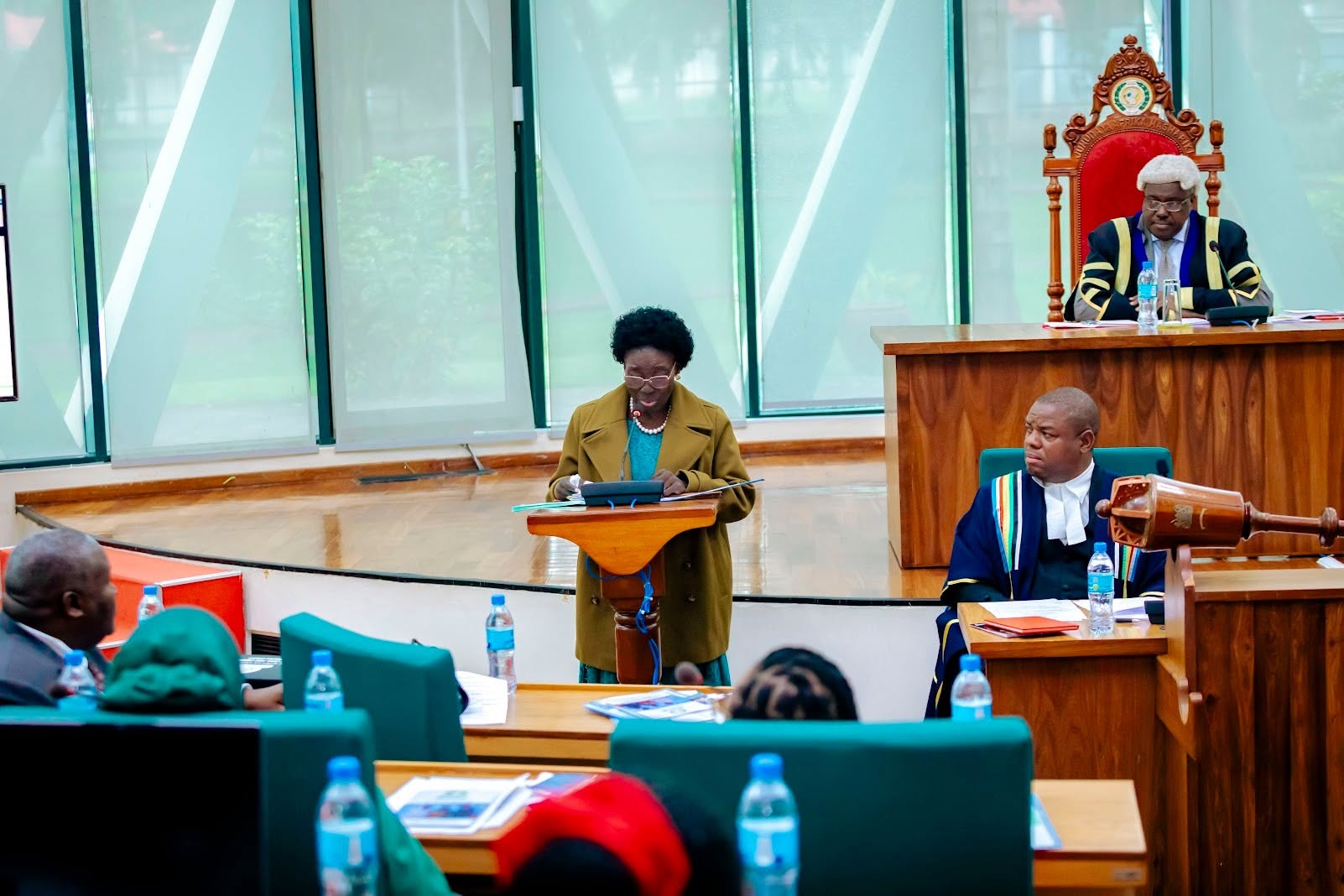
ARUSHA, Tanzania, June 23, 2026 (SONNA) — Somalia's nine-member delegation to the East African Legislative Assembly (EALA) participated Monday in a landmark budget session in Arusha, Tanzania, as the regional parliament passed a supplementary appropriation bill for the financial year 2025/2026 and received the East African Community (EAC) budget for FY 2026/2027, the first financial plan under the newly adopted 7th EAC Development Strategy.
The session marks one of the most significant demonstrations of Somalia's deepening integration into the EAC since the country's formal admission to the bloc, with Somali legislators actively present and participating in decisions affecting the Community's financial architecture and regional priorities.
Somalia's Parliamentary Delegation
Somalia was represented at the session by all nine of its EALA members, appointed through the Ministry of Foreign Affairs and International Cooperation of the Federal Government of Somalia. The delegation comprises Hon. Dr. Abdusalam Hadliye Omar, Hon. Ms. Fahma Ahmed Ali, Hon. Amb. Fatuma Abdullahi Mohamud, Mr. Abdirahman Bashir Sharif, Hon. Amb. Abukar Abdi Osman, Hon. Amb. Sahra Ali Hassan, Hon. Mr. Faisal Abdi Roble, Hon. Mr. Hussein Hassan Mohamed, and Hon. Ms. Ilhan Ali Gassar.
Their full presence at Monday's session underscores the Federal Government's commitment to active and constructive engagement within East African regional institutions.
Supplementary Budget Passed
EALA passed the Supplementary Appropriation Bill for FY 2025/2026, authorising an additional USD 4,742,293 in spending above the original approved EAC budget of USD 109,047,861 for the current financial year. The supplementary allocation remained within the legal ceiling of 4.4 percent of the total budget, as required under the EAC Budget Act.
The largest share of the additional funds, USD 2,258,128, went to the EAC Secretariat to finance pandemic response, trade and regional integration activities, ICT improvements, and global environmental engagements. The Lake Victoria Fisheries Organization received USD 1,369,662 for fisheries management and food security, the Lake Victoria Basin Commission was allocated USD 470,075 for climate resilience, and the East African Science and Technology Commission received USD 644,428 for innovation, digital skills, and youth and women entrepreneurship programmes.
The Assembly's Committee on General Purpose noted concerns about the Community's heavy reliance on development partners, who account for nearly 88 percent of the supplementary funding, and called on the Council of Ministers to reduce donor dependency and strengthen internal resource mobilisation over time.
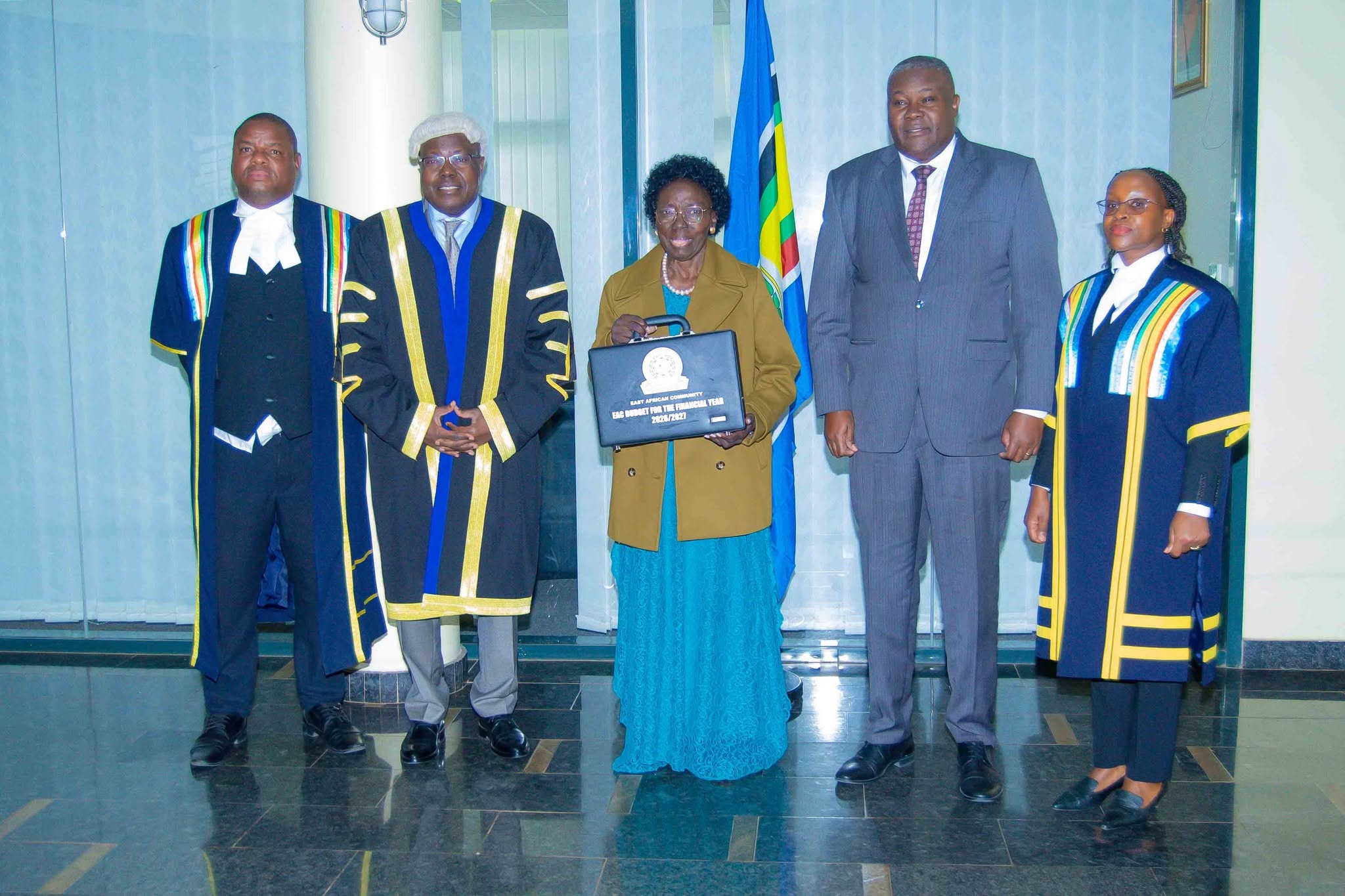
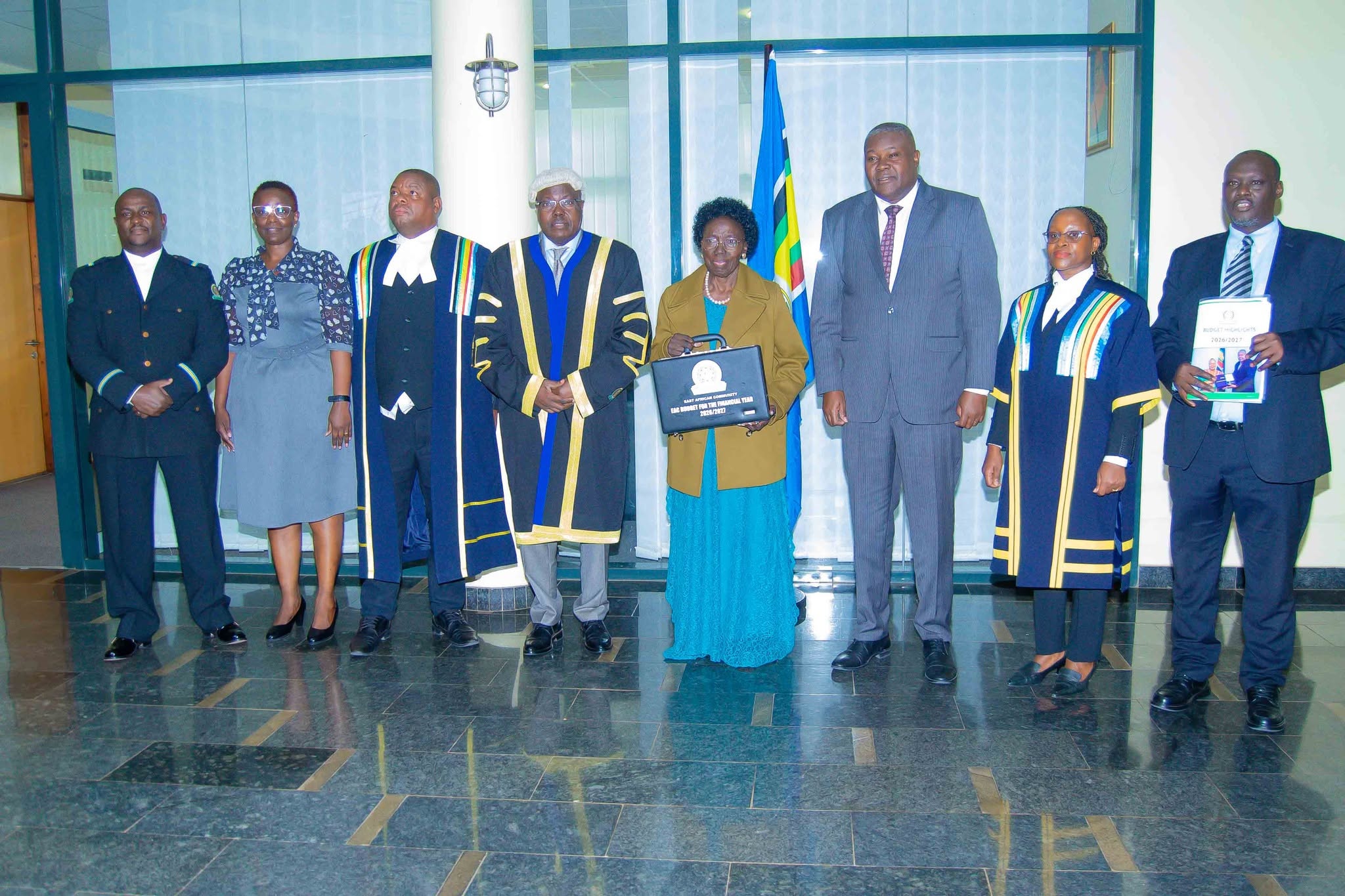
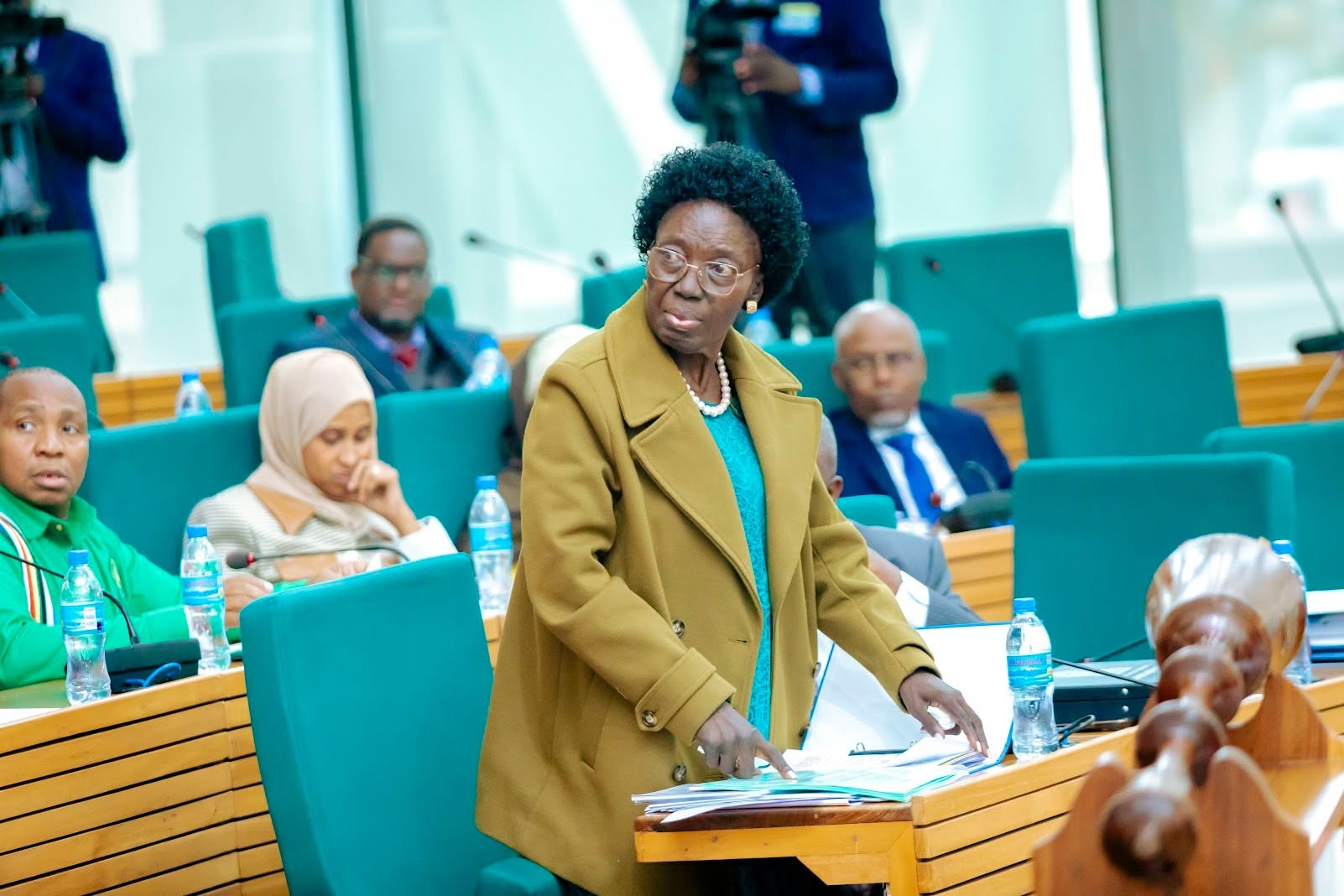
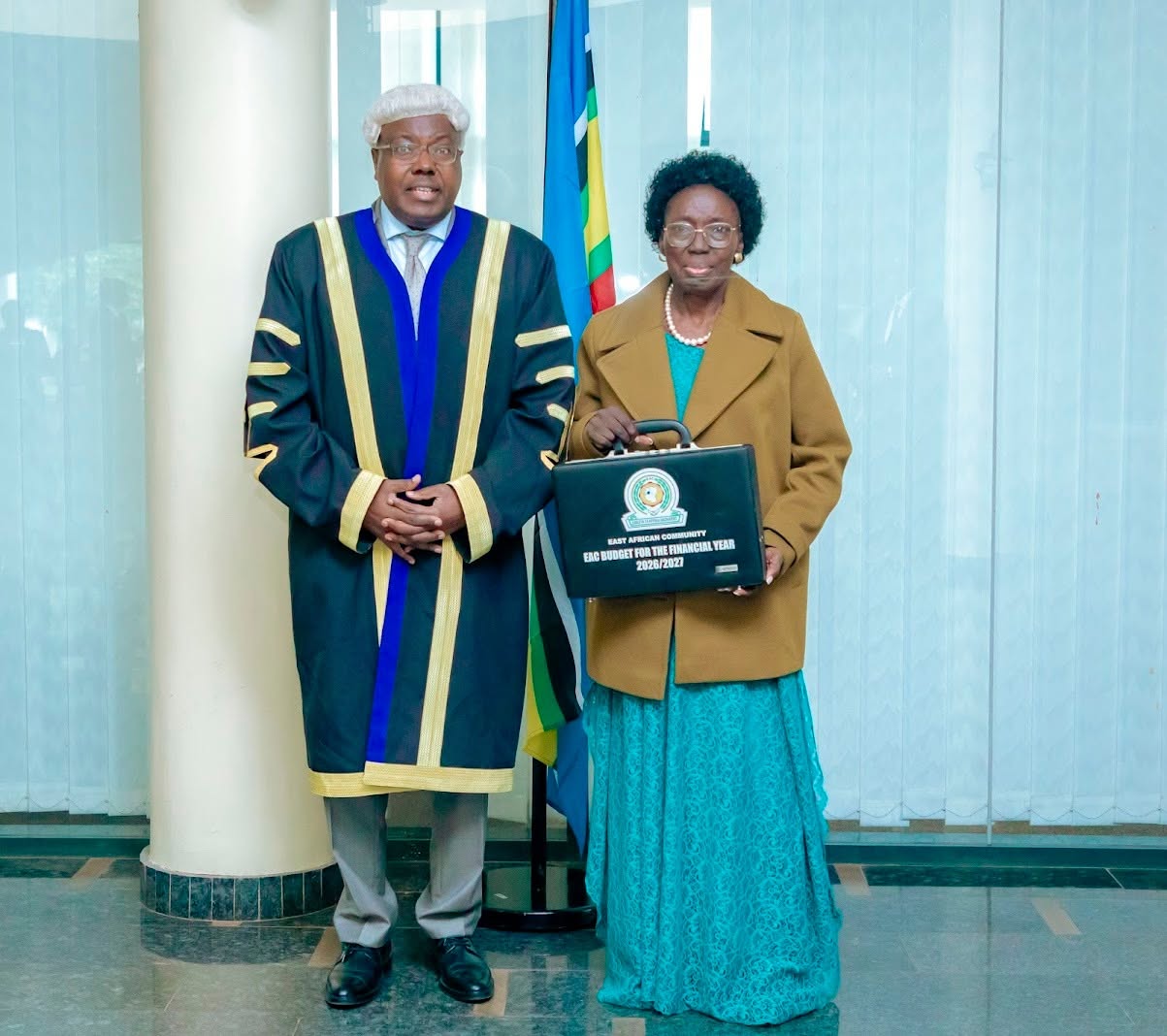
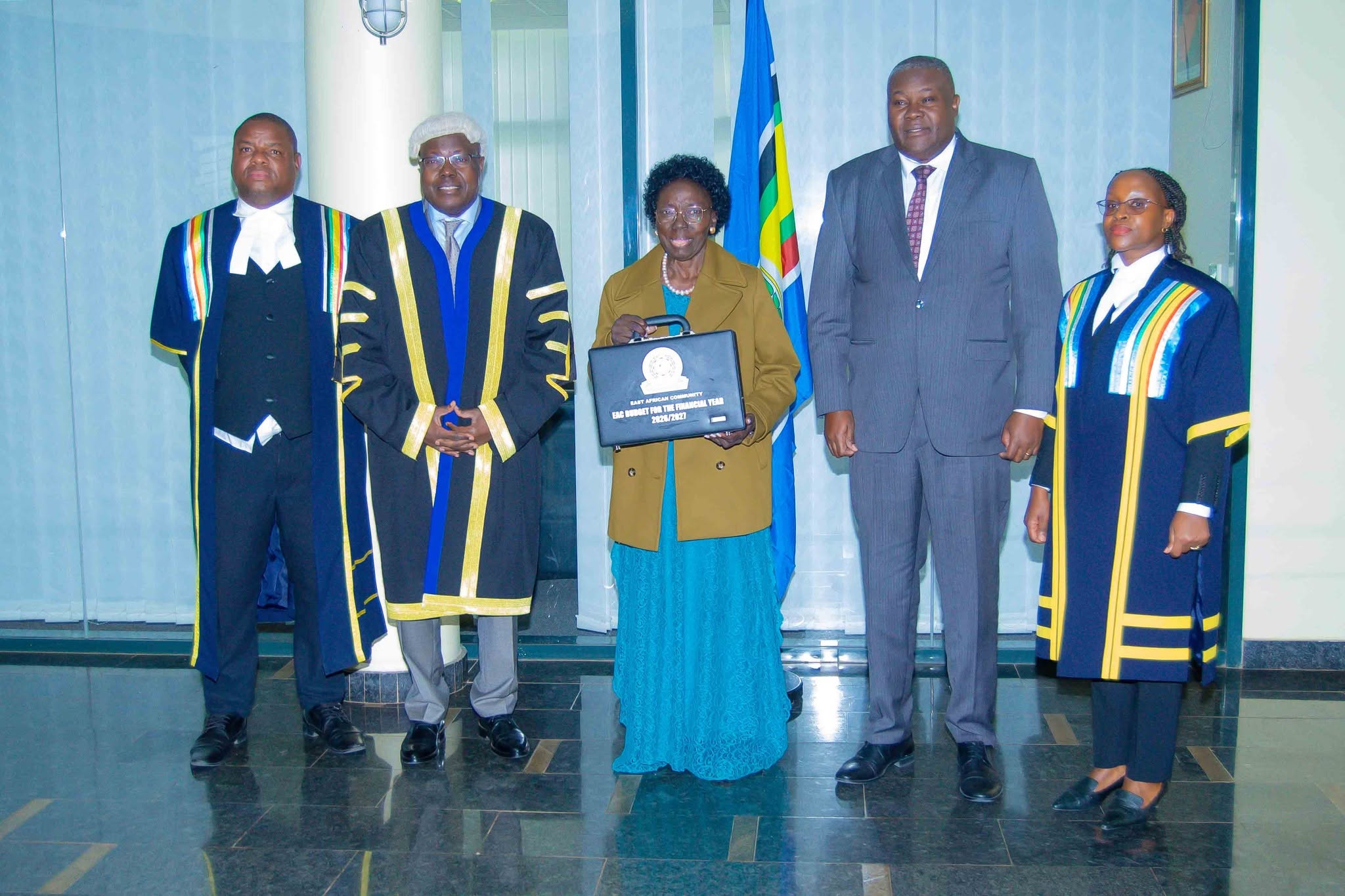
In the same sitting, Rt. Hon. Rebecca Alitwala Kadaga, Chair of the EAC Council of Ministers, formally laid before EALA the EAC budget for FY 2026/2027, amounting to USD 110,863,576. The budget is the first financial plan under the 7th EAC Development Strategy for the period 2026/27 to 2030/31, which carries the theme "Deepening Integration for Improved Livelihoods of EAC Citizens."
Rt. Hon. Kadaga described the budget as a defining moment for the region. The Assembly is expected to deliberate on and pass the proposed budget in detail when the House resumes Tuesday.
Somali Judge on the East African Court of Justice
Monday's session also highlighted Somalia's presence within the EAC's judicial arm. Hon. Justice Abdiwahid Warsame Abdullahi, Somalia's representative on the First Instance Division of the East African Court of Justice, was present at the Arusha proceedings, further demonstrating the breadth of Somalia's institutional footprint across all three pillars of the EAC: the legislative, the executive, and the judicial.
The concurrent presence of Somali legislators and a Somali judge at the same EAC session is a first of its kind and reflects the pace at which Somalia has moved from observer status to full, active participation in the East African Community's governance structures.
Somalia's Place in the EAC
Somalia's active legislative presence at Monday's session, with all nine parliamentarians in attendance, reflects a broader pattern of engagement that now extends beyond diplomacy into the institutional mechanics of the East African Community. Somali legislators are now participating directly in shaping regional budgets, oversight frameworks, and policy priorities that affect trade, climate, food security, and integration across the bloc's member states.
The Federal Government of Somalia has consistently positioned EAC membership as a strategic pillar of its foreign policy and economic diplomacy, and Monday's session in Arusha provided concrete evidence of that commitment translating into active regional participation.