Mogadishu(SONNA)-Mogadishu is gaining renewed recognition across Africa after being ranked 29th among the 54 capital cities assessed in the 2026 Africa Safety Ranking published by The Global Herald — a milestone many observers say reflects the city’s remarkable security transformation and rapid urban development.
Once widely associated with decades of conflict, Mogadishu is now increasingly being viewed as one of East Africa’s fastest-changing capitals, where improved security, economic growth, and large-scale reconstruction are reshaping everyday life.
The report evaluated African capitals using indicators such as personal safety, crime levels, political stability, law enforcement effectiveness, infrastructure, and community confidence in security institutions. Mogadishu’s placement at 29th position signals a growing international acknowledgment of the progress achieved in Somalia’s capital.
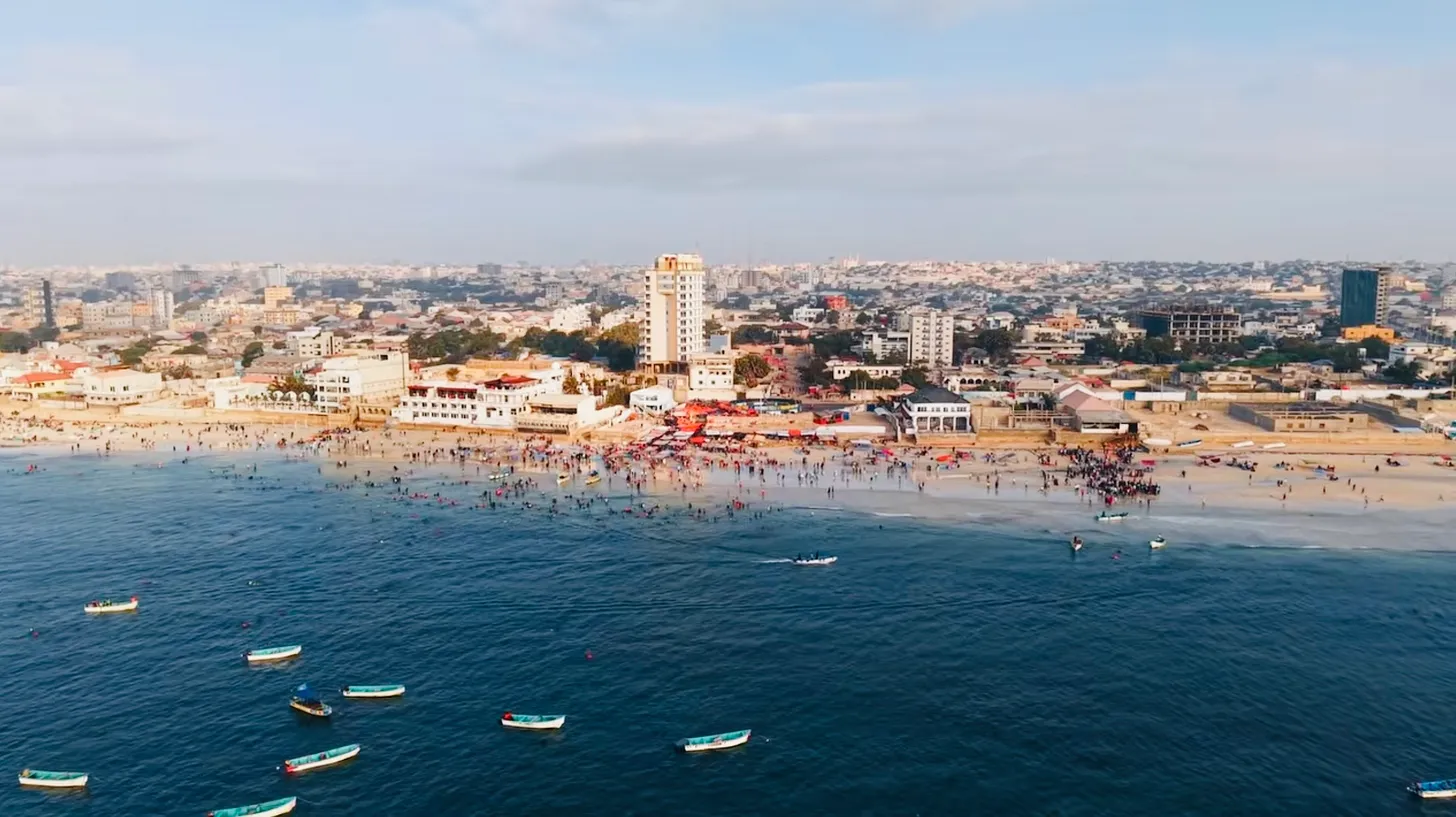
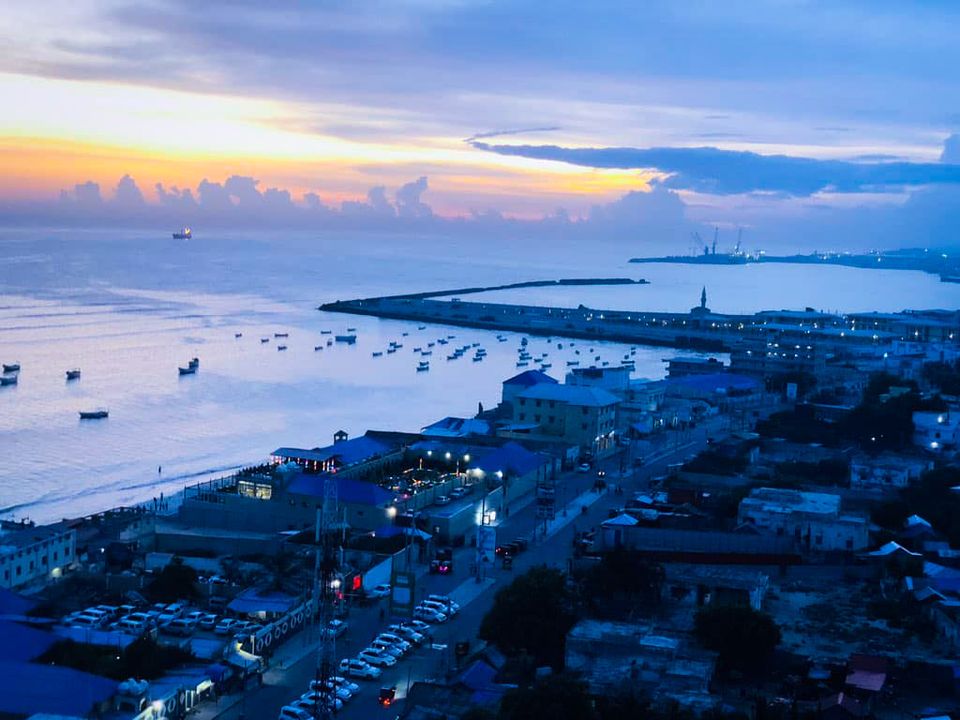
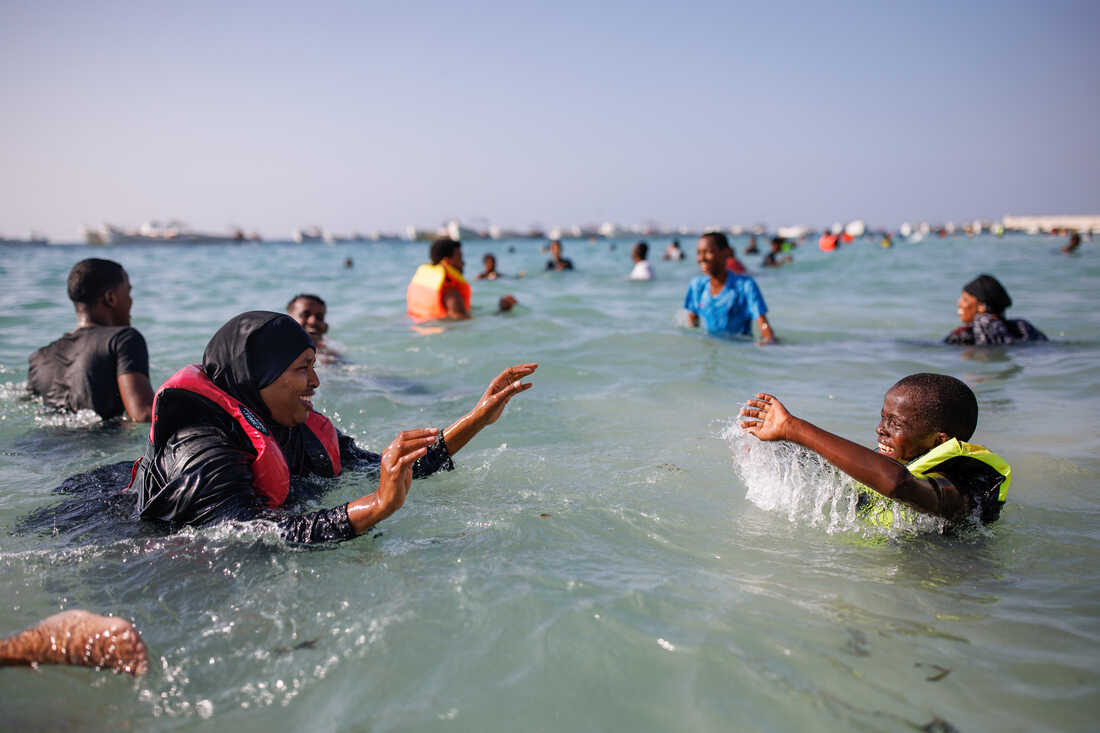
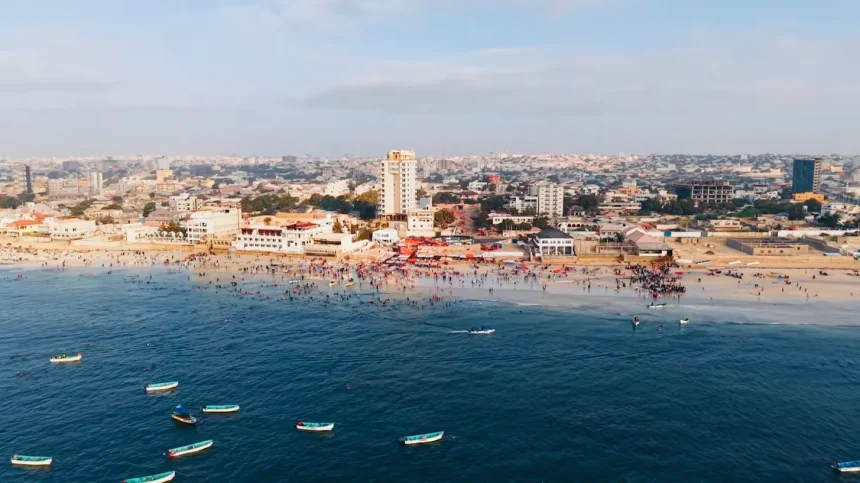
Residents and business owners say the difference in the city is visible both day and night. Areas that were once considered unsafe are now bustling with commerce, traffic, new construction projects, and vibrant nightlife. Hotels, restaurants, shopping centers, and seaside businesses remain open late into the evening, while citizens increasingly move freely without fear.
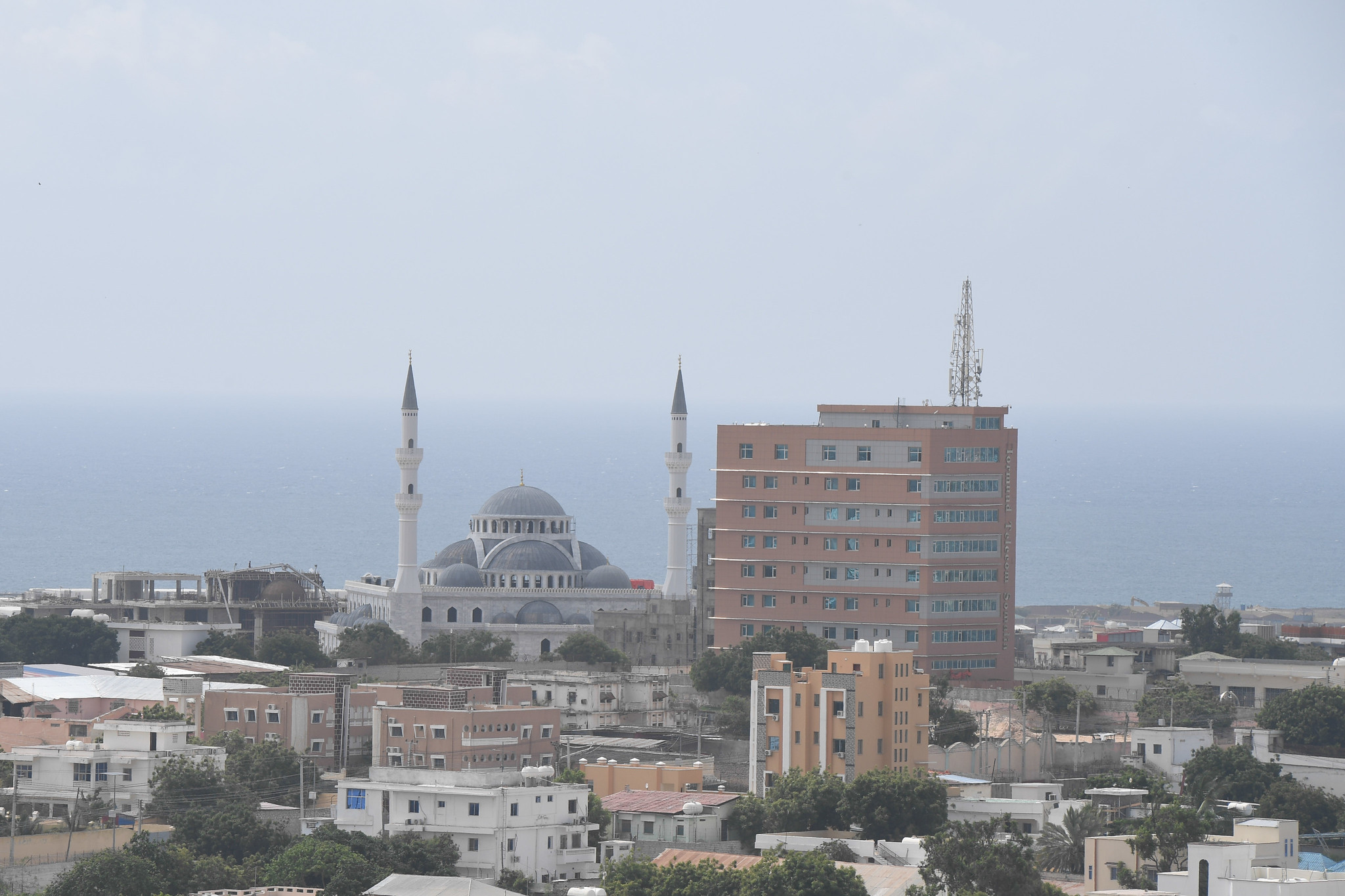
The city has also witnessed a sharp rise in investment and diaspora-led development projects. New roads, modern buildings, improved public spaces, and expanding businesses are changing the skyline of Mogadishu and boosting confidence in the capital’s future.
Security experts attribute the progress to intensified efforts by Somali security forces, supported by close cooperation from local communities. Authorities have strengthened intelligence-sharing, increased security operations, and expanded public engagement initiatives aimed at protecting neighborhoods and preventing attacks.
“The transformation of Mogadishu’s security is significant,” local residents said following the publication of the report. “The city now attracts people from around the world, criminal activity has reduced dramatically, and businesses and nightlife continue to grow without people living in fear.”
International visitors and members of the Somali diaspora have also increasingly returned to Mogadishu, encouraged by the city’s improving stability and economic opportunities. Analysts say the growing confidence in the capital could further accelerate foreign investment, tourism, and infrastructure development in the coming years.
Despite ongoing challenges, Mogadishu’s latest ranking is being celebrated by many Somalis as a symbol of resilience and recovery — and as evidence that the capital is steadily emerging from years of instability into a safer, more dynamic, and rapidly developing African city.