Articles
How Somalia’s First Oil Strike Reshapes Global Energy and East African Power
MOGADISHU, SONNA — The traditional map of global energy is burning. From the enduring instability in Venezuela to the heavy supply restrictions born of the Russian embargo, the world’s legacy energy pipelines are choking. The recent devastating disruptions following conflicts involving Iran, which saw targeted attacks on vital Gulf energy facilities and the looming threat over the Strait of Hormuz, have paralyzed the international market. The world is desperately searching for secure, unobstructed energy sources outside active conflict zones. Into this massive global vacuum steps the Federal Republic of Somalia, transitioning from a strategic geopolitical frontier into a vital stabilizing force for international energy security.
The arrival of the Turkish deep-water drilling vessel, the Cagri Bey, in Somali waters marks the physical execution of this new reality. With Ankara announcing the anticipated extraction of the first oil in exactly ten months, Somalia is bypassing the world’s most dangerous maritime chokepoints. Somali crude will flow directly into the unhindered expanse of the Indian Ocean, offering an economic relief valve to a global market starved of reliable supply lines. This operation positions Somalia not as a developing nation hoping for incremental growth, but as an immediate and necessary solution to a global supply crisis.
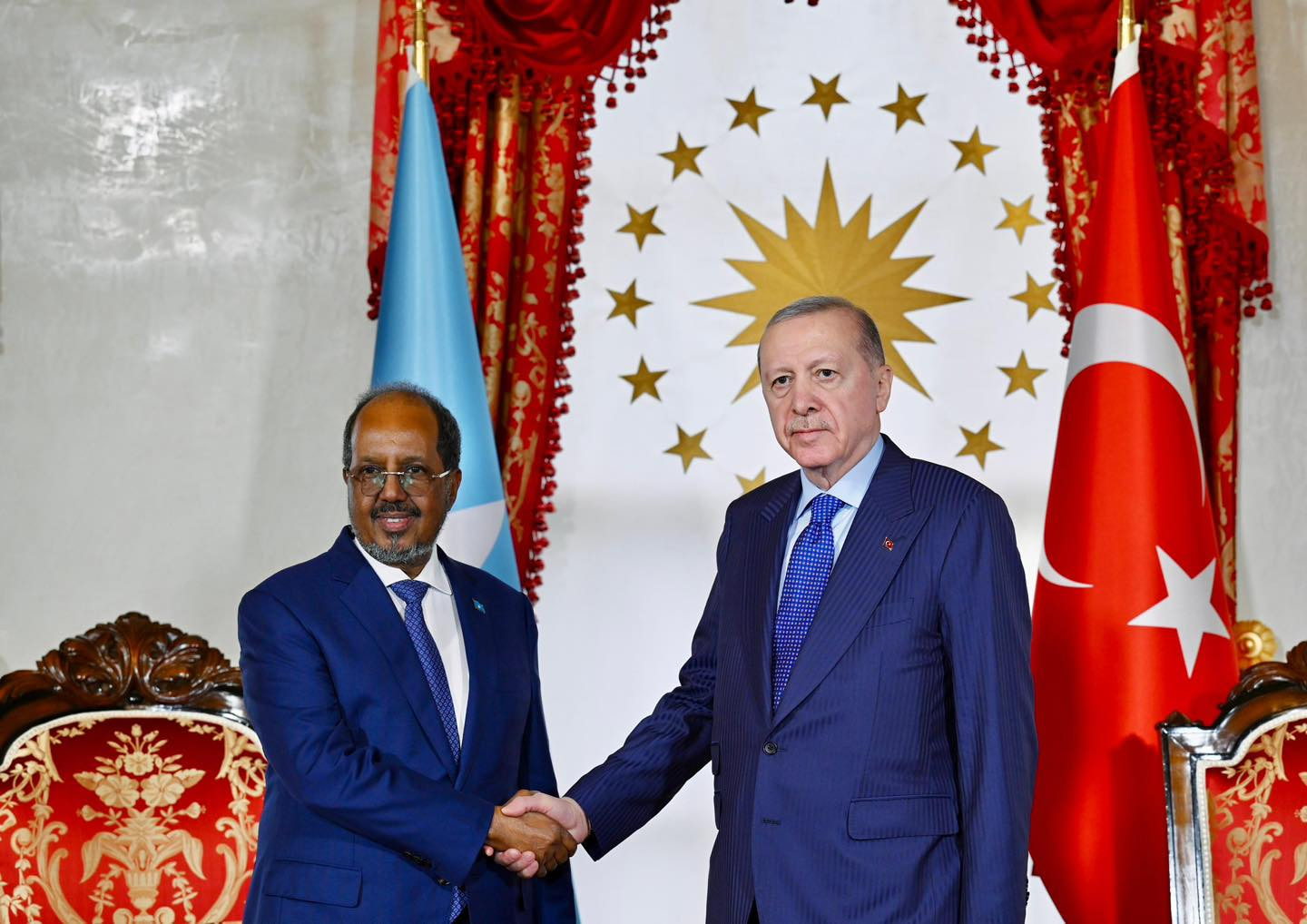
This historic offshore drilling campaign represents a highly strategic symbiosis between Mogadishu and Ankara. By absorbing the immense exploration risks and deploying advanced naval assets to secure the operation, Turkey aims to establish an independent energy pipeline to cure its own macroeconomic vulnerabilities. Securing Somali oil slashes Turkey's heavy reliance on volatile foreign imports, directly attacking its inflation crisis while elevating state-owned enterprises to compete directly with Western supermajors in deep-water extraction. For Somalia, this partnership guarantees the immediate technical infrastructure required to monetize its sovereign wealth without the predatory delays often associated with traditional international oil companies.
While the global implications are vast, the regional shockwaves will fundamentally rewrite the East African power structure. For decades, the economic and diplomatic gravity of the region has been monopolized by Nairobi and Addis Ababa. In international forums, Somalia has frequently been treated as a security file rather than an economic peer. Sovereign oil wealth shatters that outdated dynamic immediately. As Somalia transitions from an aid-dependent state to a net energy exporter, the financial center of gravity inevitably shifts toward the Somali coastline.
Somalia is on the verge of controlling the exact resource its neighbors desperately require to fuel their own national industrialization blueprints. This sovereign wealth grants the Federal Government unprecedented leverage in regional trade agreements, infrastructure corridors, and political integration within the East African Community. Mogadishu is no longer operating on the periphery of East African economic development; it is moving directly into the driver's seat, armed with the capital to dictate terms, drive regional cohesion, and command absolute diplomatic parity.
Domestically, this resource extraction serves as the ultimate sovereign arsenal. The revenue generated from these offshore blocks provides the Federal Government with the independent capital necessary to finance the Somali National Army, completely bypassing the historical reliance on international stipends. Economic power remains the most effective weapon against insurgency and instability. Furthermore, the national profit-sharing architecture guarantees that this wealth serves the entire population rather than creating regional monopolies, funding the modernization of deep-water ports, digital technology hubs, and expanding agricultural export lines.
The ten-month countdown has begun. When the drillship strikes its target, Somalia will not just extract oil; it will extract absolute economic sovereignty. The nation is securing its economic independence, proving to the world that it is fully prepared to capitalize on its massive natural resources and claim its rightful position as an economic powerhouse on the global stage.
About Author
 Abdiqani Abdullahi Ahmed is a geopolitical analyst and the Senior Strategic Consultant for the Somali National News Agency (SONNA). Serving as a Senior Advisor on Communication and International Relations since 2017, he directs state-level media strategy for the Federal Government. He is Somalia's lead representative to the East African Community's Kiswahili Commission (EAKC), serves on the jury for the IGAD Media Awards, and is an expert in global energy markets, regional economic integration, and digital governance.
Abdiqani Abdullahi Ahmed is a geopolitical analyst and the Senior Strategic Consultant for the Somali National News Agency (SONNA). Serving as a Senior Advisor on Communication and International Relations since 2017, he directs state-level media strategy for the Federal Government. He is Somalia's lead representative to the East African Community's Kiswahili Commission (EAKC), serves on the jury for the IGAD Media Awards, and is an expert in global energy markets, regional economic integration, and digital governance.Share