Articles
Why Brazil Can Feed Mogadishu and Balcad Cannot
A frozen bird is raised, slaughtered, packed and shipped twelve thousand kilometres, and it still undercuts anything a Somali farmer can produce. The reason is printed on my electricity bill, and it explains rather more than poultry.
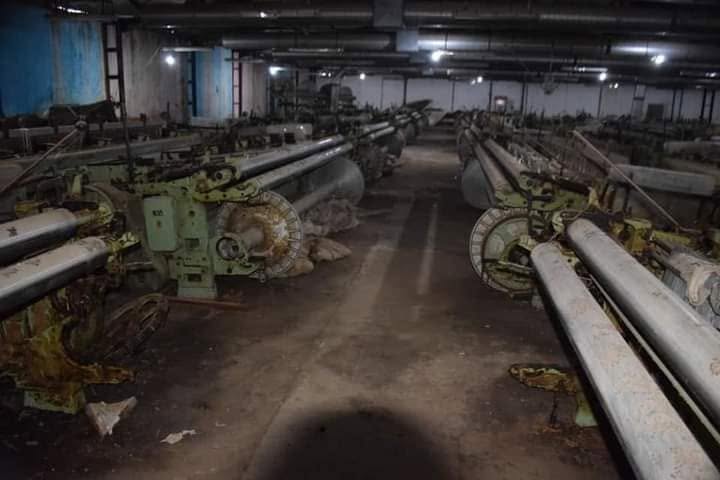
Mogadishu,(SONNA): Walk into a supermarket in Mogadishu and look in the freezer. The chicken is from Brazil, or sometimes from the United Arab Emirates. Wholesale it goes for around four dollars a kilo and on the shelf for about five. It was raised on the other side of the Atlantic, slaughtered, frozen, trucked to a port, shipped across an ocean, cleared through customs and kept below freezing every hour of that journey, and it still arrives cheaper than a bird raised an hour outside the city.
This is worth sitting with, because on the face of it it makes no sense. Somalia has land, sun, water along the Shabelle, and a young workforce looking for work. Nobody would claim Somalis cannot raise chickens. So what exactly is the Brazilian producer better at?
The answer is not agriculture. It is refrigeration, and refrigeration is electricity.
Forty-one cents
I have an electricity bill in front of me. It is for an apartment in Mogadishu, dated 29 July this year, metered by BECO and invoiced through the building office. The meter moved from 1,188.93 to 1,670.33 kilowatt hours over the period, and the rate charged was forty-one cents per kilowatt hour.
Set that against what other people pay. American households pay somewhere around sixteen or seventeen cents. Kenyans pay roughly twenty to twenty-five. Ethiopians, whose grid runs on hydropower, pay under five. A Somali paying forty-one cents is paying about two and a half times the American rate and something close to eight times the Ethiopian one. And this is not a diesel generator in a rural settlement. This is a metered supply in the capital city.
Now think about what a poultry operation actually requires. A hatchery holding incubators at a constant temperature. Sheds with ventilation and cooling running continuously, because birds die quickly in Somali heat without them. A feed mill grinding and mixing. A slaughterhouse with chilling. Refrigerated transport to market. Cold storage at the other end, running twenty-four hours a day whether or not anyone is buying.
Every one of those stages is a meter turning. A Brazilian producer pays perhaps a tenth of what a Somali producer pays at each of them, and the cost difference compounds down the chain until it is larger than the entire cost of crossing an ocean. The Brazilian is not a better farmer. He is a farmer with cheap electricity, competing against a farmer without it.
Eggs make the point more sharply still, because eggs cannot be shipped economically over long distances. There is no Brazilian competitor to blame. If Somali egg production falls short of Somali demand, that shortfall is caused entirely at home, by the cost of running incubators, lighting and cooling. The problem cannot be exported.
The demand is rising, which makes it worse
There is a change underway in how Somalis eat, and it makes this constraint more expensive by the year.
Somalis returning from the diaspora have brought back dietary habits formed elsewhere, and one of them is a shift away from red meat toward white. In a country whose economy has been built on camels, cattle, sheep and goats, that is a significant cultural change, and it is spreading beyond the returnees. Fish is one answer and it is abundant, though our fisheries land far less than they could. The other answer is poultry.
So Somali demand is moving toward precisely the protein Somalia is least equipped to produce. The market signal is clear and rising, and the supply cannot respond, because the constraint is not agricultural knowledge or capital or land. It is the price of a kilowatt hour. Every additional Somali who decides to eat less red meat this year is, in effect, placing an order with a farm in Brazil.
The list
A year ago the journalist Muse Oldoon published a list of the industrial enterprises operating in Somalia before 1991. There were sixty-six of them, thirty-six state-owned and thirty private.
The individual entries are interesting. The composition is more interesting still, because it is not the profile of a country that received a few donor projects. It is the profile of an economy that had decided to process what it produced.
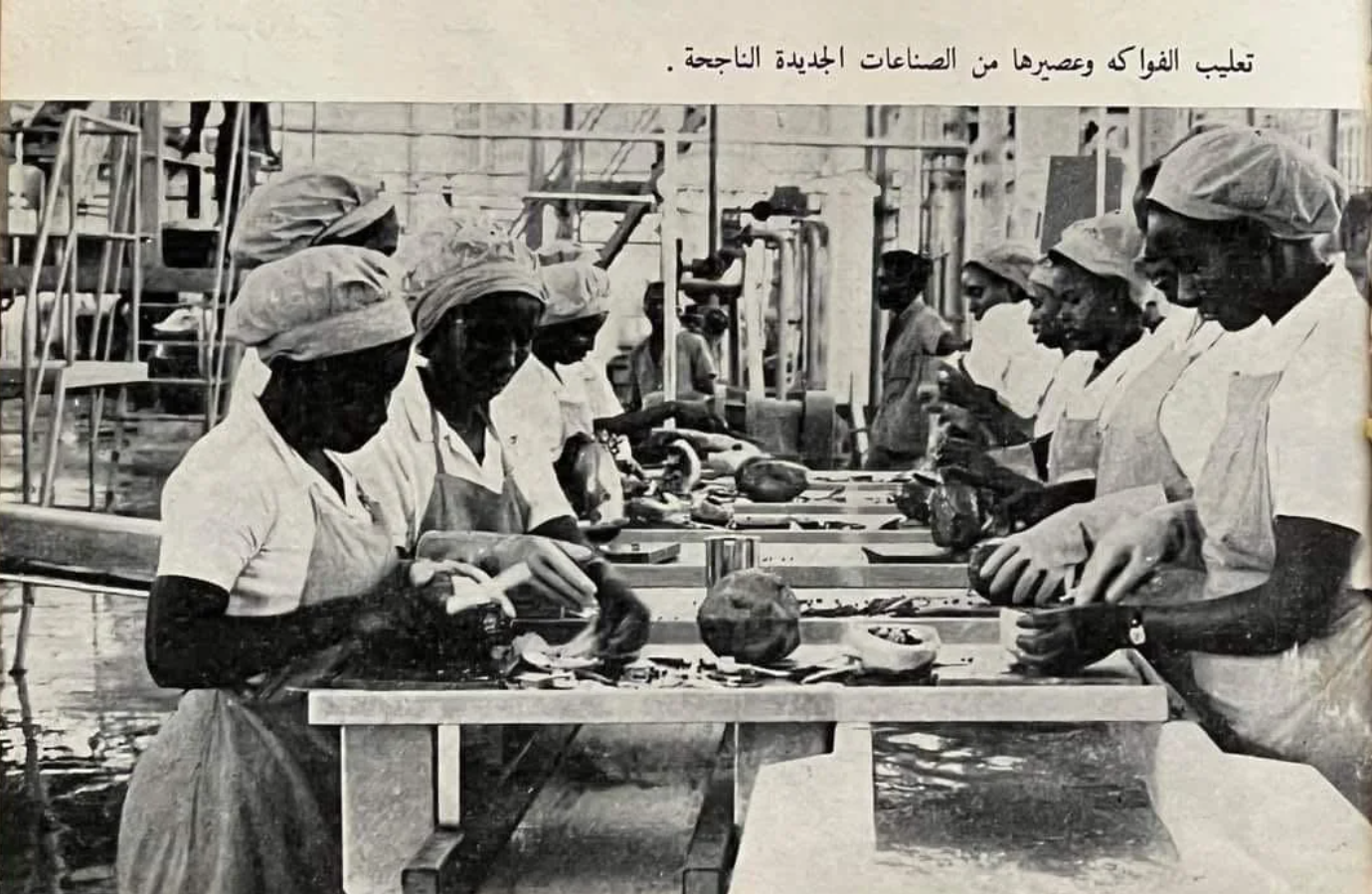
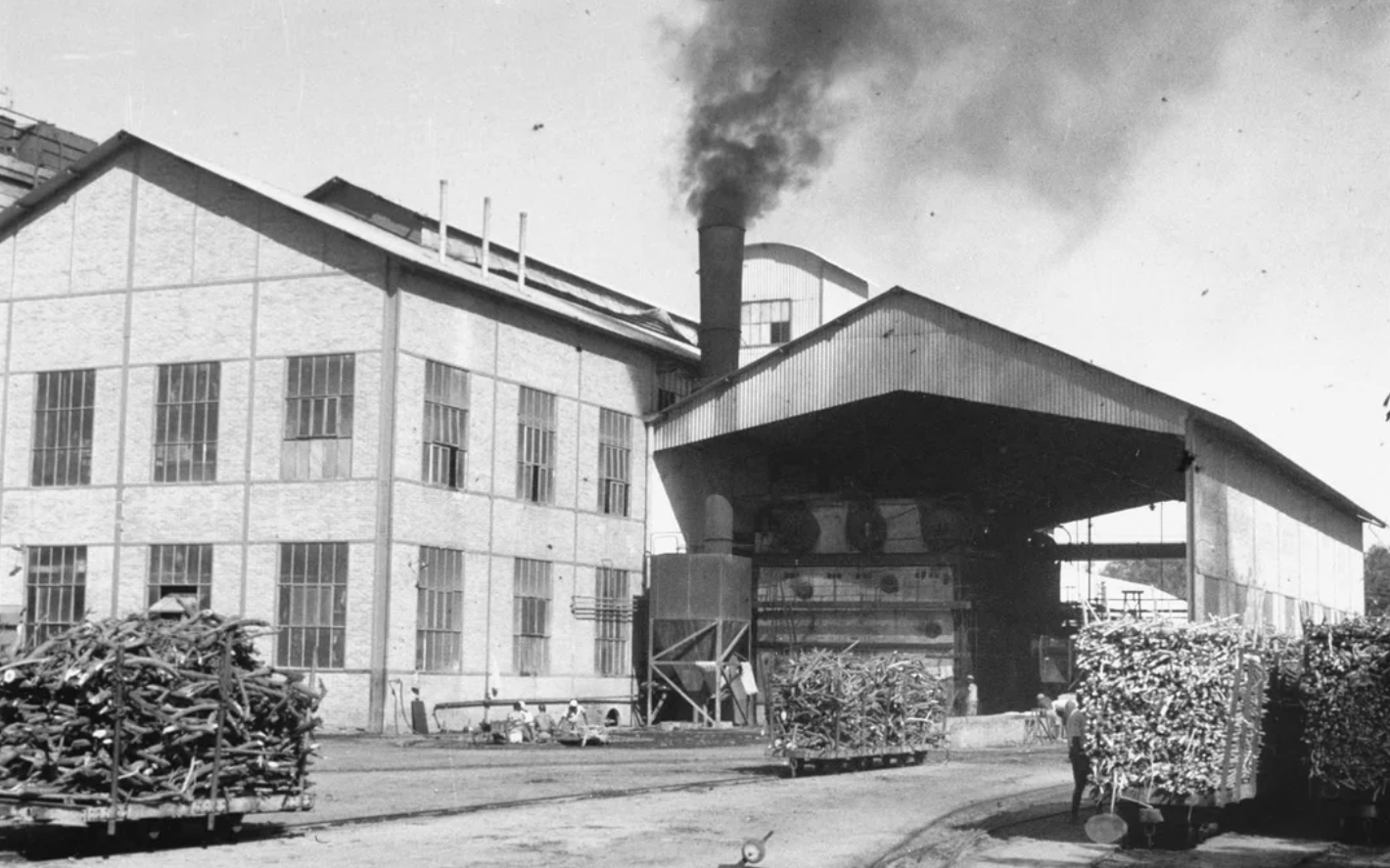
There were five tanneries: at kilometre seven in Mogadishu, the Somali Hides operation, and plants at Kismayo, Hargeysa and Burco. Five leather works is what a livestock country builds when it stops exporting raw hides. There were grain mills at Hargeysa, Baidoa, Burco, Kismayo and Mogadishu, and a flour and pasta plant in the capital. There were fish canneries at Las Qoray, and at Qandala and Habo on the northern coast. There was cement at Berbera, gypsum at Berbera, and an Eternit plant there too. There was a petroleum refinery in Mogadishu, a steel foundry, a milk plant, a pharmaceutical works, a match and cigarette factory, a fertiliser plant and a plastics and cardboard operation at Jamaame. Alongside the state enterprises sat thirty private firms making juice, bottled water, confectionery, paint, aluminium, marble, roof tiles, shoes, sacks and soft drinks under licence.
And the last entry on the state list is the National Electricity Agency.
That placement is accidental, but it is not trivial. Every enterprise above it depended on the item below it, and it is the only one on the entire list that Somalia has never rebuilt in any comparable form.
What you can still stand in
Two of these places are within ninety kilometres of Mogadishu and both can still be visited.
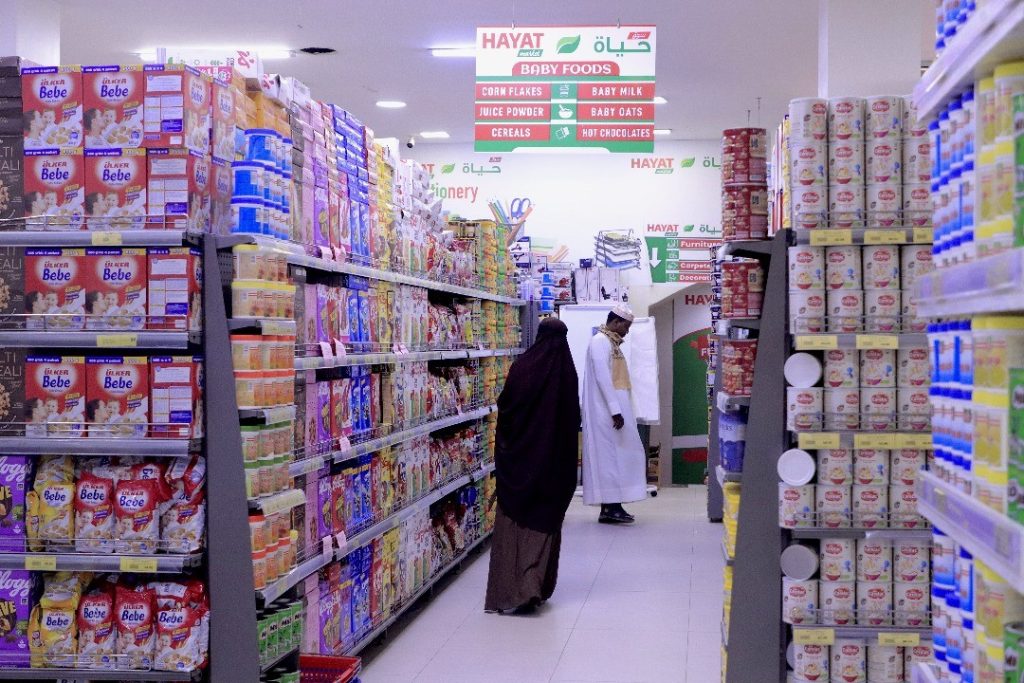
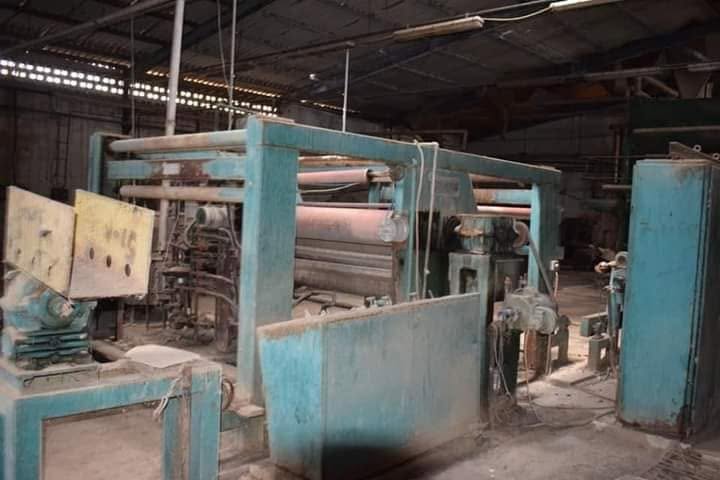
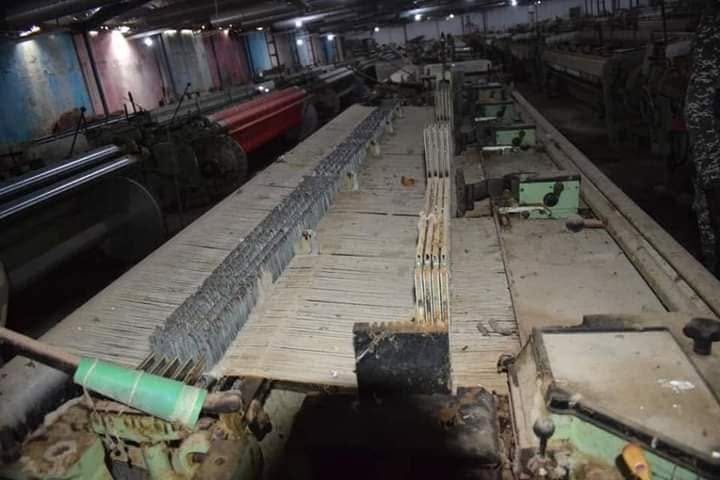
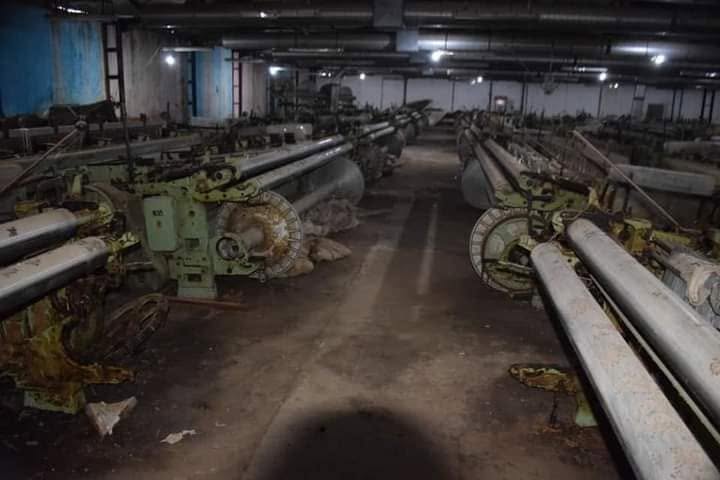
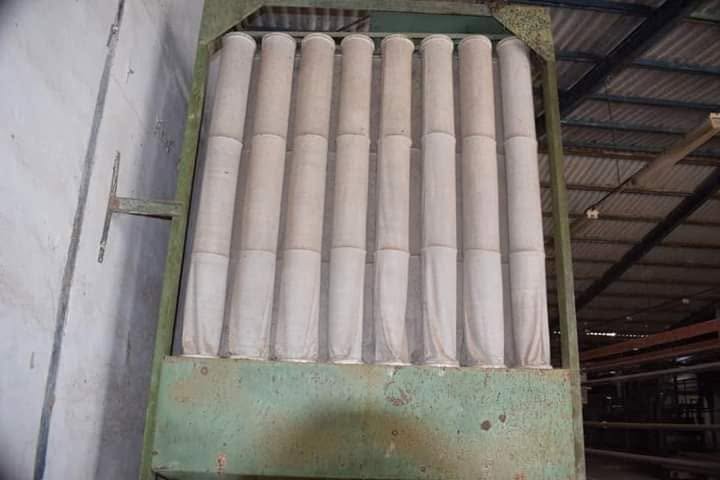
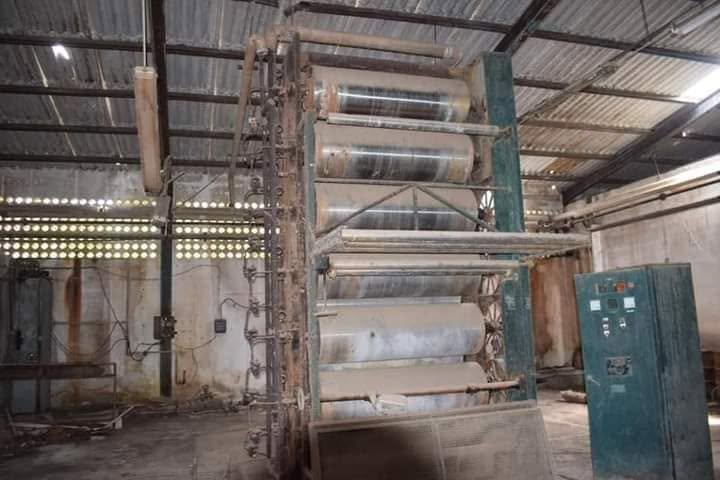
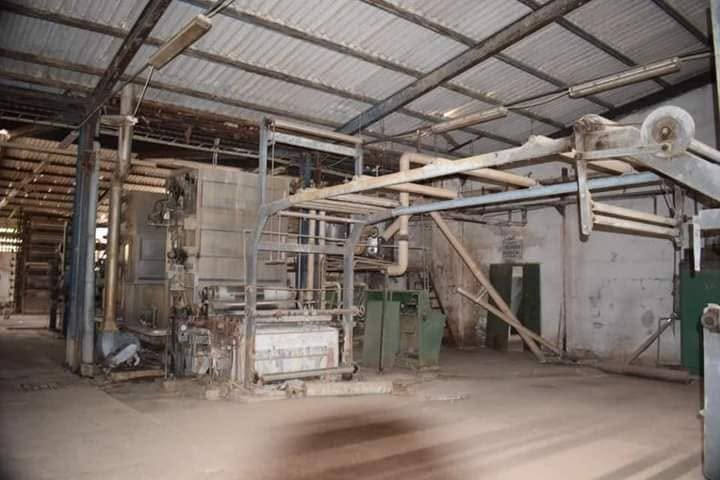
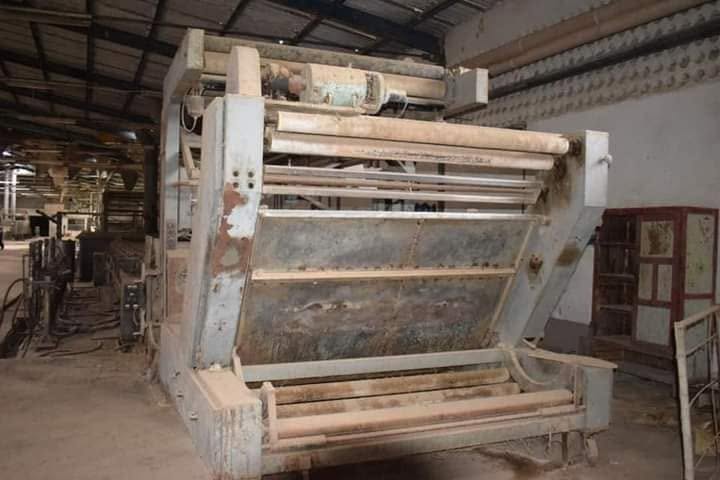
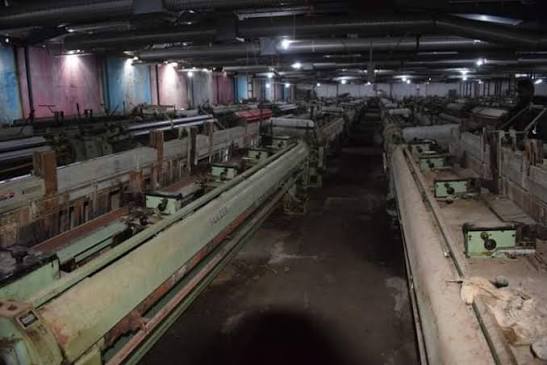
At Balcad in Middle Shabelle stand the remains of SomalTex, an integrated textile complex built in the nineteen-seventies to spin and weave Somali cotton. It was upgraded with West German technical support and was, by the standards of the region at the time, among the best equipped plants of its kind. It was not built for export. It was built to supply the domestic market and end our dependence on imported cloth. Local people in Balcad have kept an eye on what remains of the machinery for more than three decades, which tells you something about what the place meant to them.
Further up the same river at Jowhar stood the SNAI sugar complex, and about sixteen kilometres from the town sits the Sabbuun barrage, the water infrastructure the surrounding agriculture depended on. Jowhar today is one of the greener and more orderly Somali towns, with functioning administration, new roads and government buildings going up.
What these two places describe together is not a scattering of factories but a corridor: cotton and textiles at Balcad, sugar and irrigated agriculture at Jowhar, both feeding a port ninety kilometres away. The logic of that corridor has not changed. The river is still there. The barrage is still there. The land is among the most fertile in the country. What has changed is the price of running a machine.
The question that has to be asked honestly
There is an objection to all of this and it deserves to be put rather than avoided.
Thirty-six of those sixty-six enterprises were state-owned, and they existed under a planned economy that wanted them to exist. It is entirely possible that some were never commercially viable, that they were sustained by government decisions rather than by customers, and that they would have struggled even without a war. Countries across Africa and beyond built state industries in that era that could not survive contact with an open market. Somalia may well have built some of those.
I do not know the answer, and nor, so far as I can establish, does anyone else, because the cost accounts of those enterprises have not been examined in any serious way since they stopped operating. That is itself a finding. A country debating its industrial future is doing so without knowing whether its industrial past worked.
But two things can be said. Whatever the commercial health of individual plants, they were not killed by competition. They were killed by state collapse, which removed the power, the security, the supply chains and the workforce all at once. And the composition of the list is not what a purely political programme produces. Tanneries in a livestock economy, mills in the grain towns, canneries on the fishing coasts and cement where the limestone is: that is an economy processing its own inputs, which is what economies do when the arithmetic works.
How the arithmetic gets fixed elsewhere
It is worth looking at how a country that has solved this problem actually did it, because the answer is less glamorous than people expect.
China is currently building thirty-nine nuclear reactors, half of all construction worldwide, at a time when the United States is building none. More striking than the number is the cost. Research by a consortium of American universities puts Chinese construction at around two dollars per watt of capacity, against roughly four in France and as much as fifteen in the United States, more than seven times higher. The Fuqing plant went from first concrete to commercial operation in about five and a half years. The first new reactor at Vogtle in the United States took ten, for a design that had already been built twice.
The reason is standardisation. China developed a single reactor design, Hualong One, and has now built or begun more than forty of them. The components are made domestically. The design elements repeat from one site to the next, so engineering work done once is used again rather than commissioned afresh. One analyst summarised the requirement as repeatability, clear guidelines and speed of approval. Another put the underlying principle more plainly: do not reinvent the wheel every single time.
Somalia will not be building a nuclear reactor and there is no purpose in pretending otherwise. But the transferable lesson has nothing to do with nuclear power. It is that the cost of infrastructure falls when you stop treating every project as a new problem. We currently design, procure, engineer and finance each school, clinic, feeder road, landing site and substation as though it were the first one ever attempted in the country. The saving available from doing otherwise is larger than most of the grants we spend our time applying for, and it requires no external permission at all.
It is also worth noting what motivated the Chinese programme. Analysts who follow it closely say the priority was not primarily carbon reduction but energy independence, and that the war in the Middle East has made that priority sharper. A country that imports its fuel and pays for it in foreign currency will recognise that reasoning immediately.
The reversal
Set the two pictures side by side and the shape of what happened becomes visible.
Before 1991 Somalia tanned its own hides, milled its own grain, canned its own fish, wove its own cloth, refined its own fuel and made its own cement. Today we export live animals and raw fish, and import cement, cooking oil, pasta and frozen chicken. We have moved from selling processed goods to selling unprocessed ones and buying back the processing.
That is not a story about ambition or the lack of it. Somali entrepreneurs built a payments system during a period when the state did not exist, which is not the behaviour of a people short of enterprise. It is a story about arithmetic. At forty-one cents a kilowatt hour, processing anything in Somalia costs more than importing it already processed, and no amount of investment promotion, tax incentive or industrial policy changes that sum. Every factory on Muse Oldoon’s list would face the same calculation today, and most of them would lose it.
The last item on that list was the National Electricity Agency. It is the only one that was never rebuilt, and it is the one on which every other entry depended. Somalia is not a country learning to industrialise for the first time. It is a country that industrialised once, lost it in a war, has restored a great deal of what it lost, and has not yet restored the thing that made the rest possible.
The chicken in the freezer is not a failure of Somali farming. It is a bill for something we have not built.
About the author
Abdiqani Abdullahi Ahmed is Senior Advisor for Communication and Analysis at Somalia's Ministry of Information, Culture and Tourism. He is Somalia's national focal point to the East African Kiswahili Commission, a juror for the IGAD Media Awards, and lead facilitator of the IGAD Youth Peace and Security Series. He writes here in a personal capacity.