Local News
Somalia and Russia open cultural cooperation at Saint Petersburg forum
Information, Culture and Tourism Minister Abdulfatah Kasim Mohamud held talks with Russia’s Culture Minister on heritage, the arts, theatre and exchanges between artists, at a forum drawing official delegations from more than fifty countries.
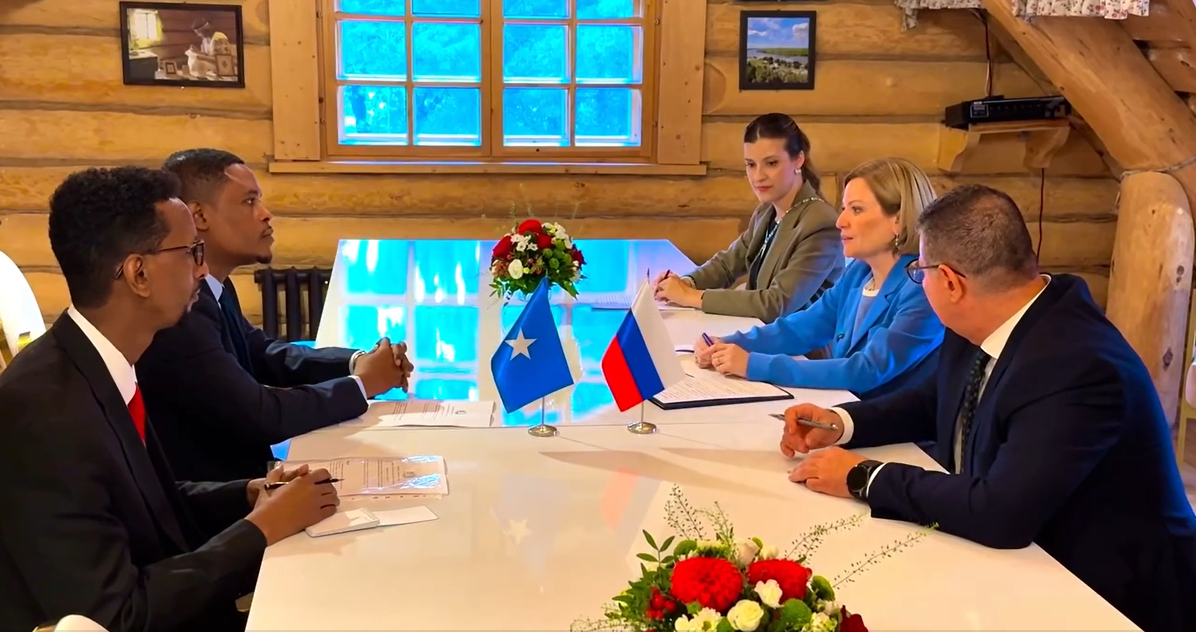
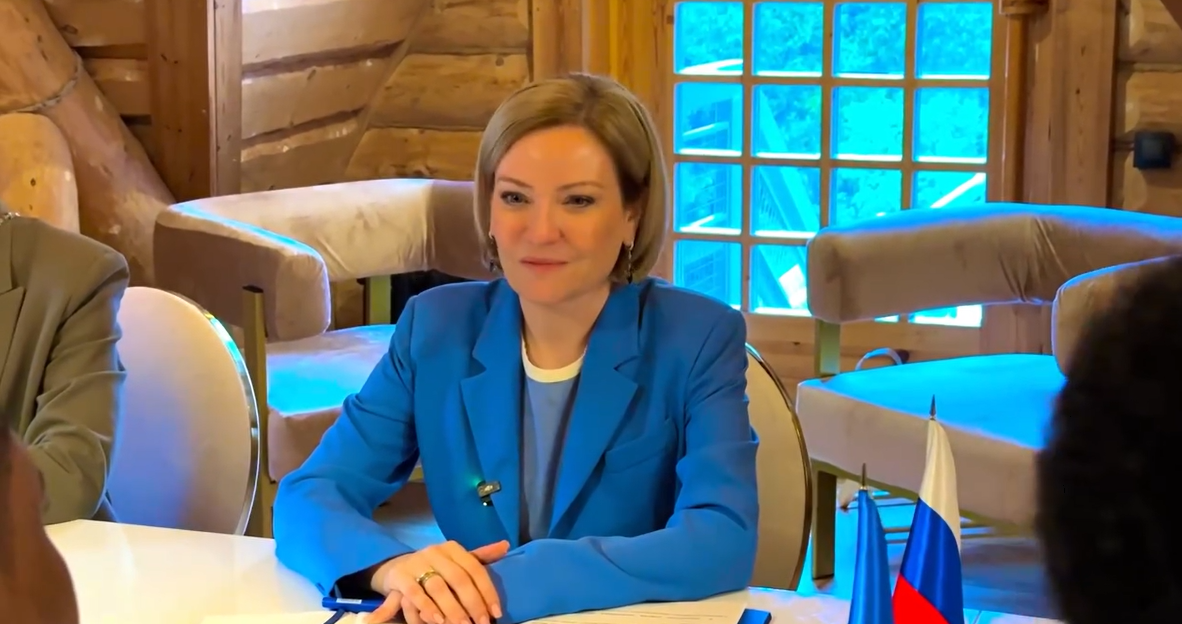
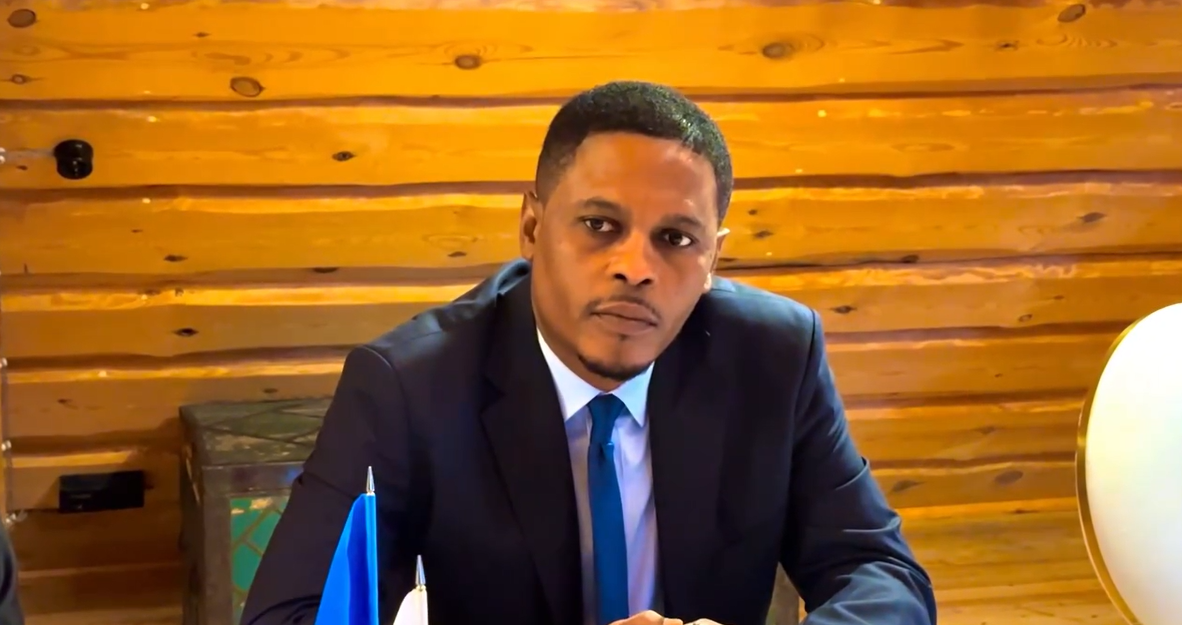
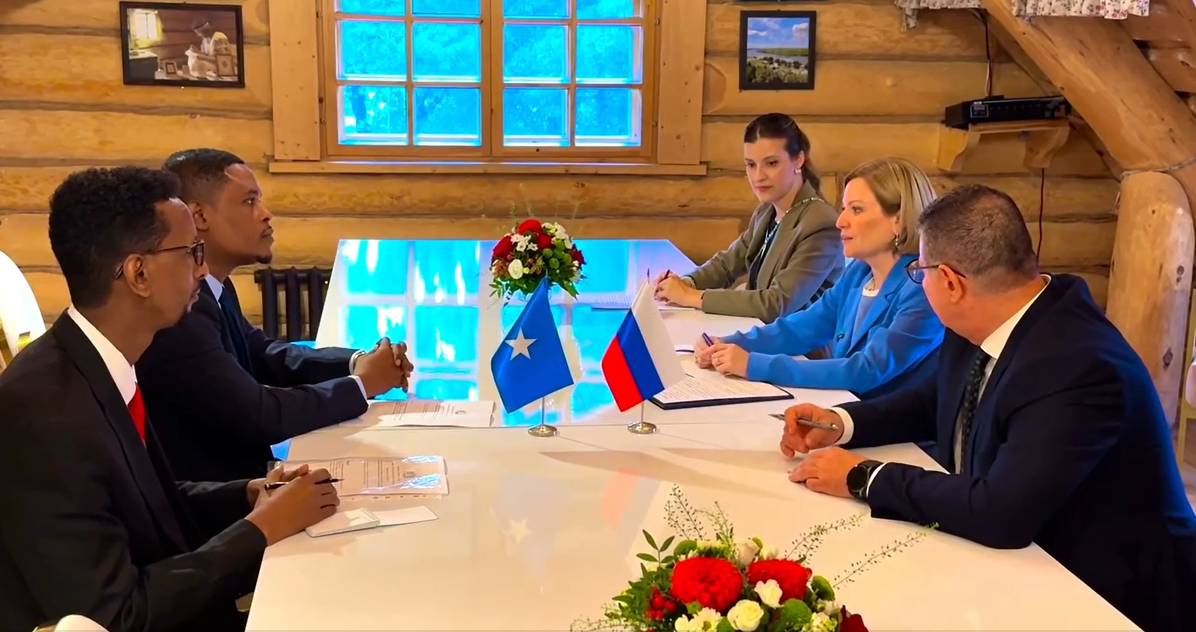
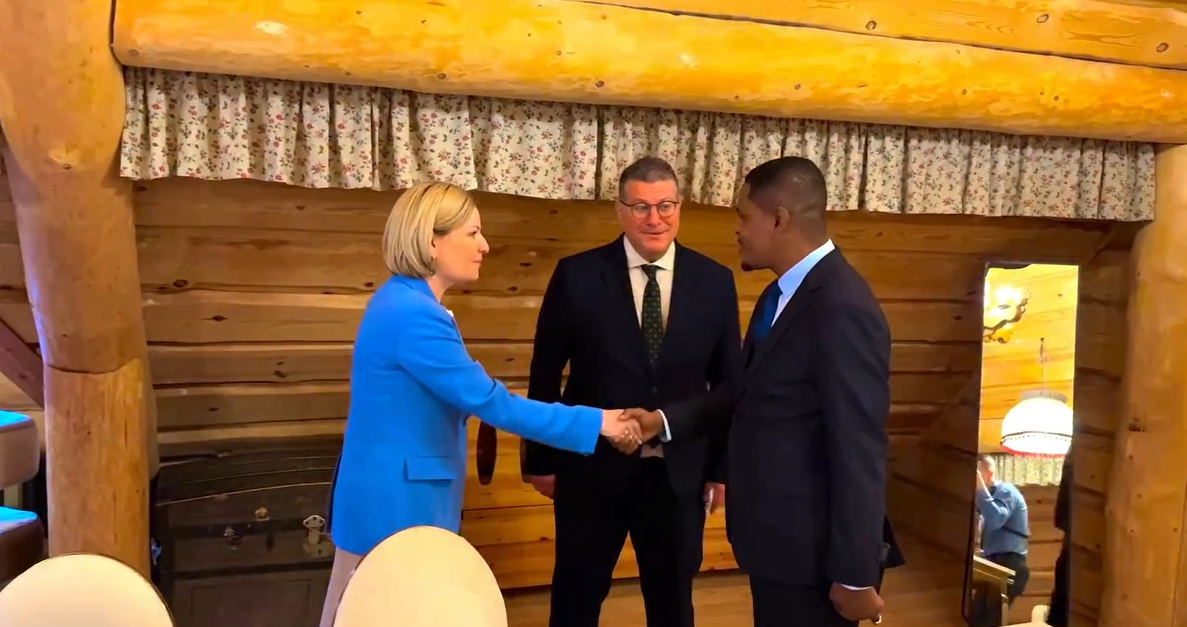
SAINT PETERSBURG (SONNA): The Minister of Information, Culture and Tourism, Abdulfatah Kasim Mohamud, has held bilateral talks with the Minister of Culture of the Russian Federation, Olga Lyubimova, in Saint Petersburg.
The discussion covered cooperation between the two countries on the preservation and development of heritage and culture, the arts, literature, theatre, research, exchanges of experience between artists, and the development of cultural centres, along with how lasting cooperation might be built between the cultural institutions of the two countries.
The Somali Minister set out the importance his country attaches to the development of culture and the arts, and the part culture plays in preserving national identity, holding a society together and building ties between the peoples of the two countries. The Russian Minister said strengthening links between their cultural institutions matters and that new openings should be created for effective cooperation, and undertook continued work and support. Both sides discussed how to move from agreement to programmes and projects with results the two countries can see.
The talks were held at the twelfth Saint Petersburg International United Cultures Forum, which runs from 24 to 26 September under the theme of united cultures and shared values. The forum has been held since 2012 and draws official delegations from more than fifty countries alongside figures from culture and the arts, government bodies, international organisations and the media, with ten thematic sections and an accompanying festival programme of more than 117 events.
Culture is a recent addition to the international work of the Somali ministry, and the Minister has been building it. In August he led the Somali delegation to the seventh Forum on China-Africa Media Cooperation in Beijing. This month he told a meeting of Somali film companies and associations that two draft laws, on film and on copyright, had been withdrawn after the Ministry found filmmakers had not been consulted on them, and undertook to bring the Somali Film Agency back into operation. At the premiere of a Somali television series in Mogadishu he said a film made by young Somalis being screened in the capital was itself a measure of how much the security situation had changed.
He also signalled this visit in advance. Speaking to filmmakers on 4 September, he said he would travel to Russia in September, that the trip was not his own ministry’s but that film-making formed a substantial part of its purpose, and he connected it to cultural diplomacy and to the scholarships and training Somali filmmakers had asked for.
The cultural file has been running alongside a broader argument the Minister has made about culture and national survival. At the launch of a book on Somali history this month he said books of that kind are a defence of Somali culture, that culture rests on the language, and that if the language is lost the culture follows and the existence of the nation with it. He said Somalis have been an oral society and now need to record their history in writing so that later generations have a reliable reference.
That argument has appeared elsewhere in the region in the same period. At Djibouti’s first national forum on artificial intelligence this month, the Minister Delegate for the Digital Economy said Somali, Afar and Arabic must have a place in the artificial intelligence systems now being built or their speakers will face digital exclusion.
The Minister is to hold further meetings in Russia with ministers and officials attending the forum.