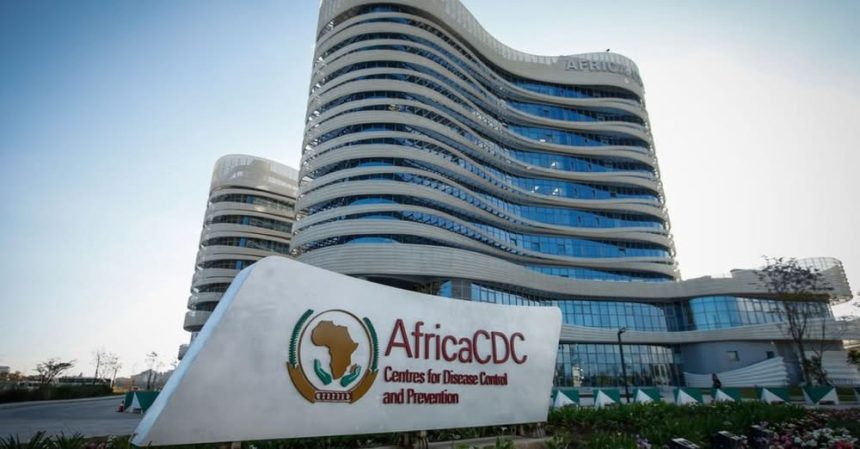
MOGADISHU, SOMALIA (SONNA) — A controversial proposal to establish an Ebola quarantine and treatment facility in Kenya for American personnel has sparked intense regional biosecurity concerns, drawing sharp warnings from the Africa Centres for Disease Control and Prevention (Africa CDC) as East African nations assess their collective vulnerability. The plan, which involves transferring individuals exposed to the highly lethal virus to a regional logistical hub, emerges at a critical juncture when international funding for the active Bundibugyo Ebola strain outbreak is experiencing a severe collapse.
Africa CDC Director General, Dr. Jean Kaseya, publicly raised the alarm regarding the extreme pressure the arrangement would place on Kenya’s domestic healthcare architecture, which is already under strain from the ongoing regional health crisis. Dr. Kaseya pointed out that sophisticated containment facilities require exceptionally advanced systems for infection prevention, intensive care, and hazardous waste disposal. He noted that international financial commitments for the outbreak response have unexpectedly plummeted from 498 million dollars to just 219 million dollars, leaving a massive resource deficit across the continent. The head of the Africa CDC issued a strict one-week ultimatum to international organizations that have reduced their funding pledges before publicly identifying them, though he commended the World Bank and the African Development Bank for successfully reallocating budgets to support continental defenses.
For Somalia, which is rapidly consolidating its commercial and border integration within the East African Community (EAC), the prospect of a high-consequence pathogen hub being established in neighboring Kenya introduces unprecedented cross-border risks. The current outbreak is driven by the Bundibugyo strain, for which there is currently no proven effective vaccine or therapeutic solution, as existing vaccines only target the Zaire variant. Regional epidemiological data highlights that misdiagnosis has already accelerated early transmission among healthcare workers in the Democratic Republic of Congo, where patients were initially treated for severe malaria after an early testing failure on May 5.
Despite these vulnerabilities and an active civil lawsuit filed by the Katiba Institute in Nairobi to legally halt the bilateral arrangement, Kenyan medical officials have vigorously defended the plan. Kenya’s Medical Services Principal Secretary, Dr. Ouma Oluga, stated that the country has a global obligation to health security and possesses the requisite emergency response capabilities to manage the center safely. However, public health experts in Mogadishu warn that any systemic failure or accidental breach within Kenya’s healthcare perimeters would instantly cascade across the highly fluid airspace and land borders connecting Nairobi to the Somali capital, threatening national security and disrupting vital maritime and land trade routes.