Articles
They Came in Peace: The Day Somalia's Military Showed Up for Its Children
For years, the sight of a military truck on a Mogadishu street meant one thing to most Somali families. On Thursday, it meant something else entirely.
MOGADISHU, 26 June 2026 (SONNA) — There is a particular way a Somali mother holds herself when she hears military vehicles on the street. A stillness. A breath held just a moment too long. It is not panic. It is something quieter than that, something learned over years of living in a city where the sound of engines in uniform has meant operations, checkpoints, and sometimes the kind of news that does not come with good news attached.
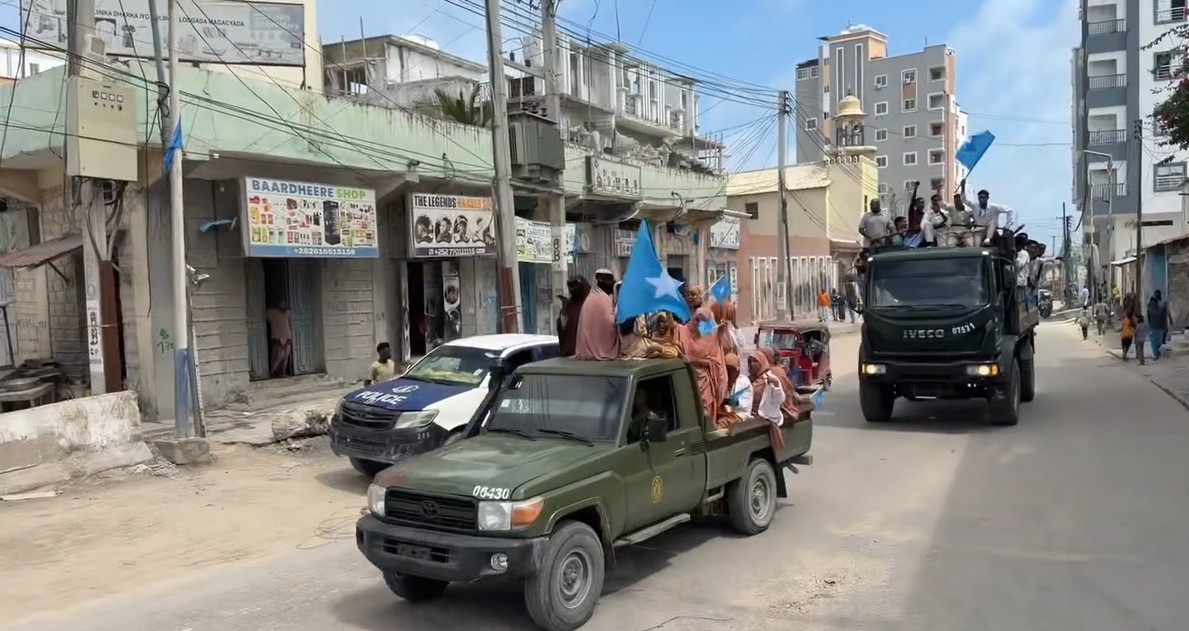
On Thursday in Mogadishu, those same trucks came back. But this time, they were carrying her children home.
Somalia's Grade 12 students completed their national final examinations on Thursday, the last day of an examination cycle that reached more than 44,300 students across the country, including in remote areas served for the first time by government helicopter logistics. It was, by any measure, a day worth celebrating.
What nobody quite expected was how the celebration would look.
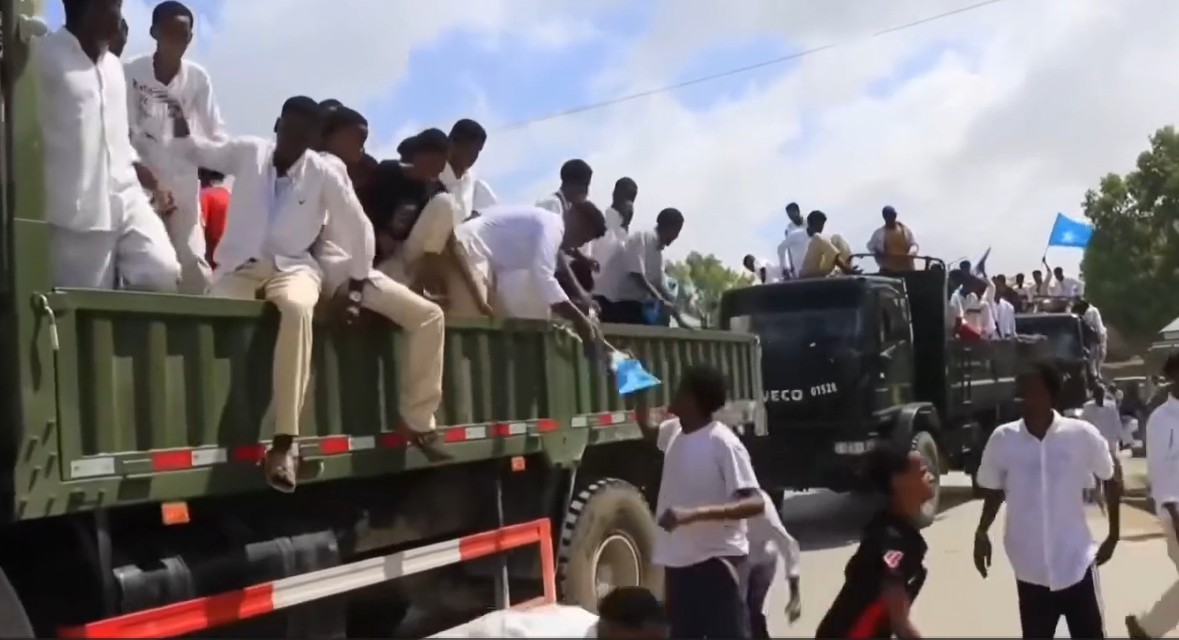
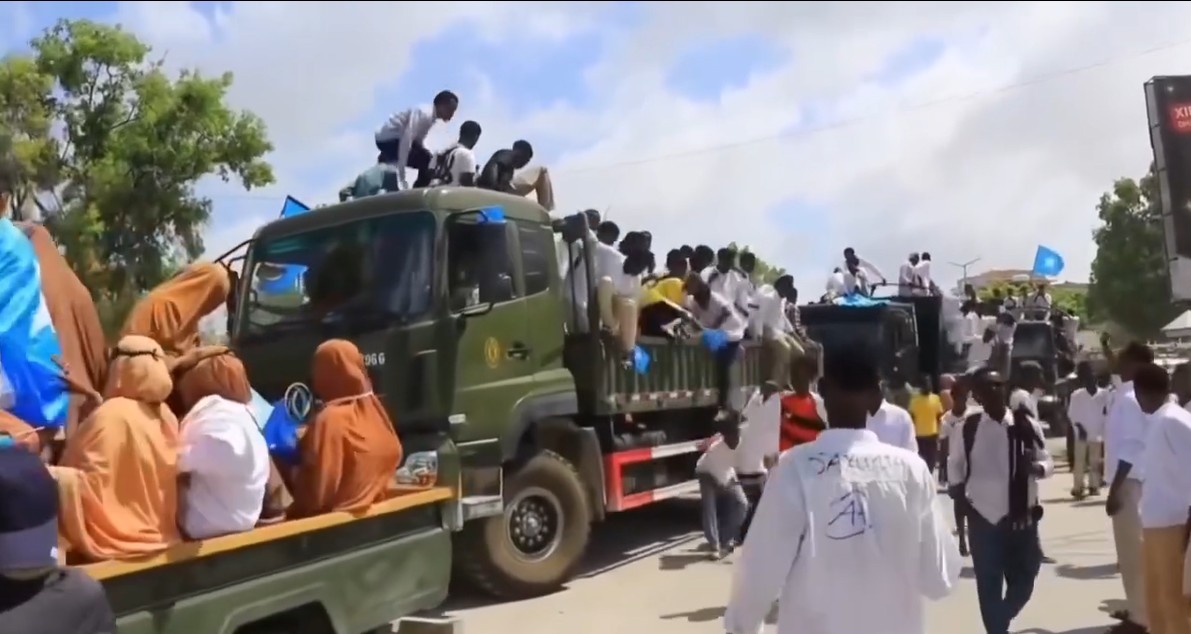
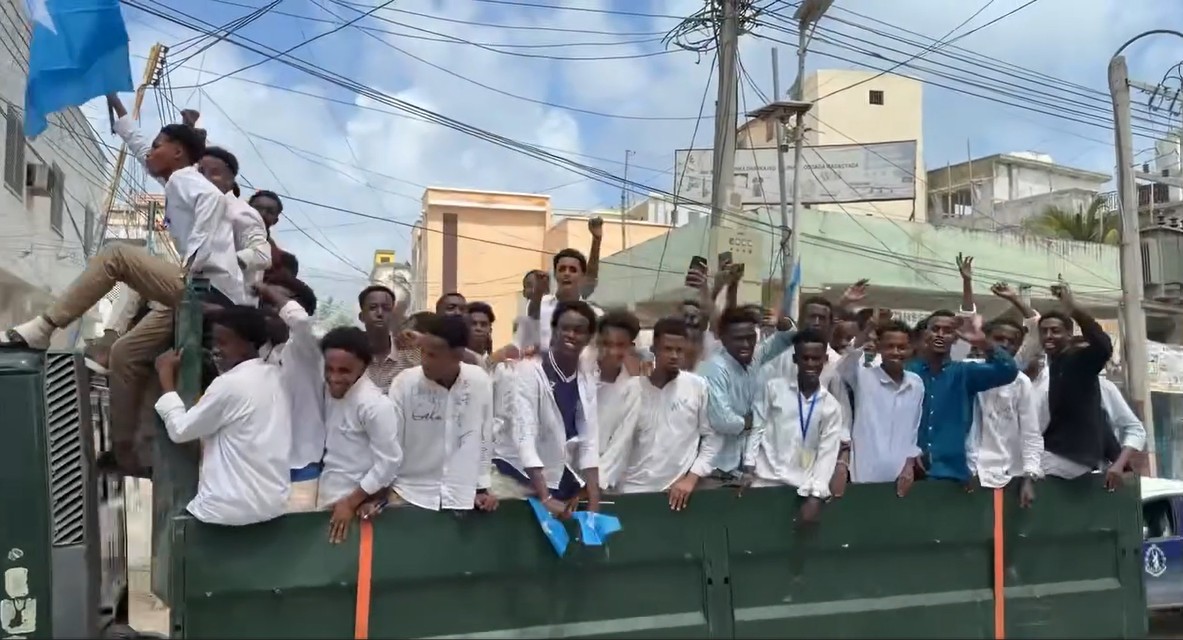
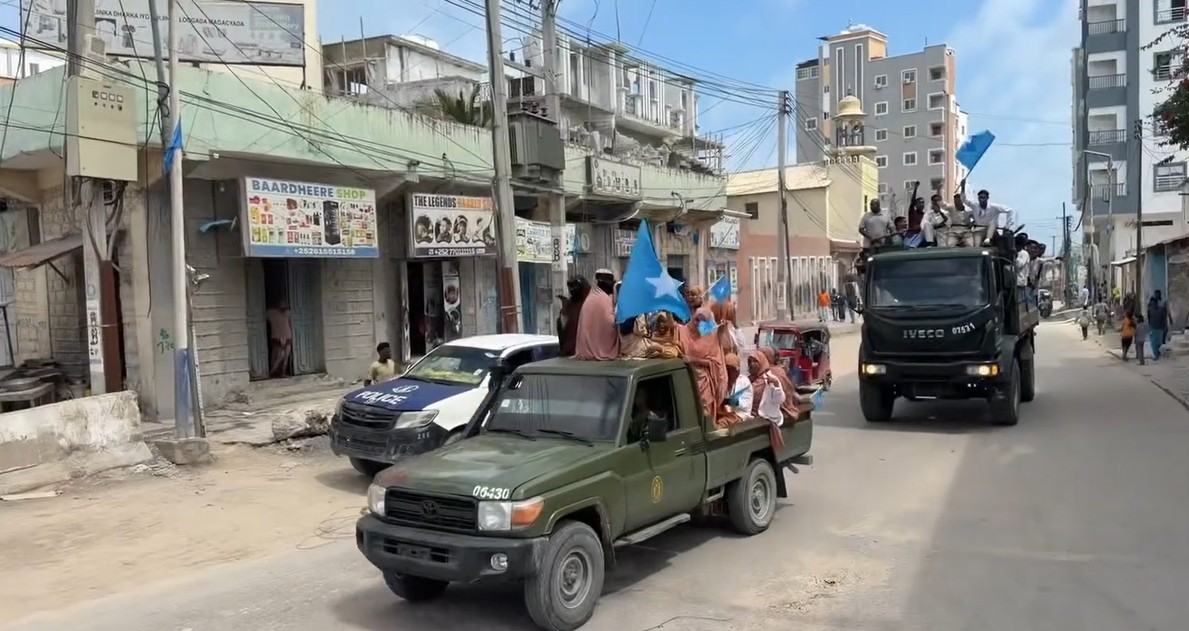
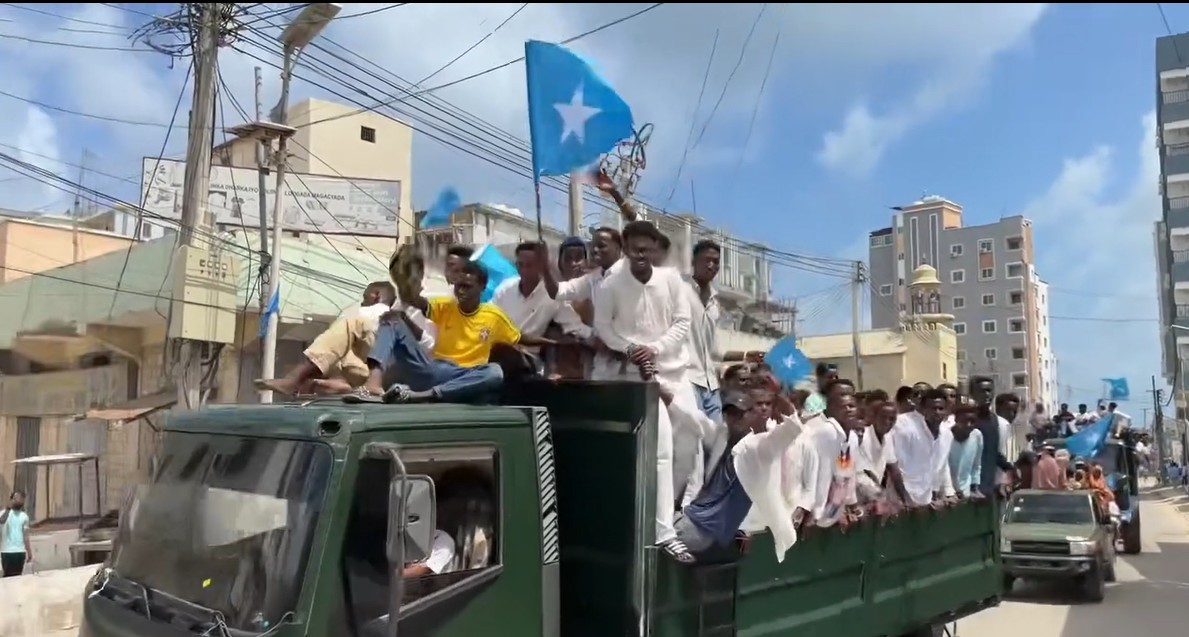
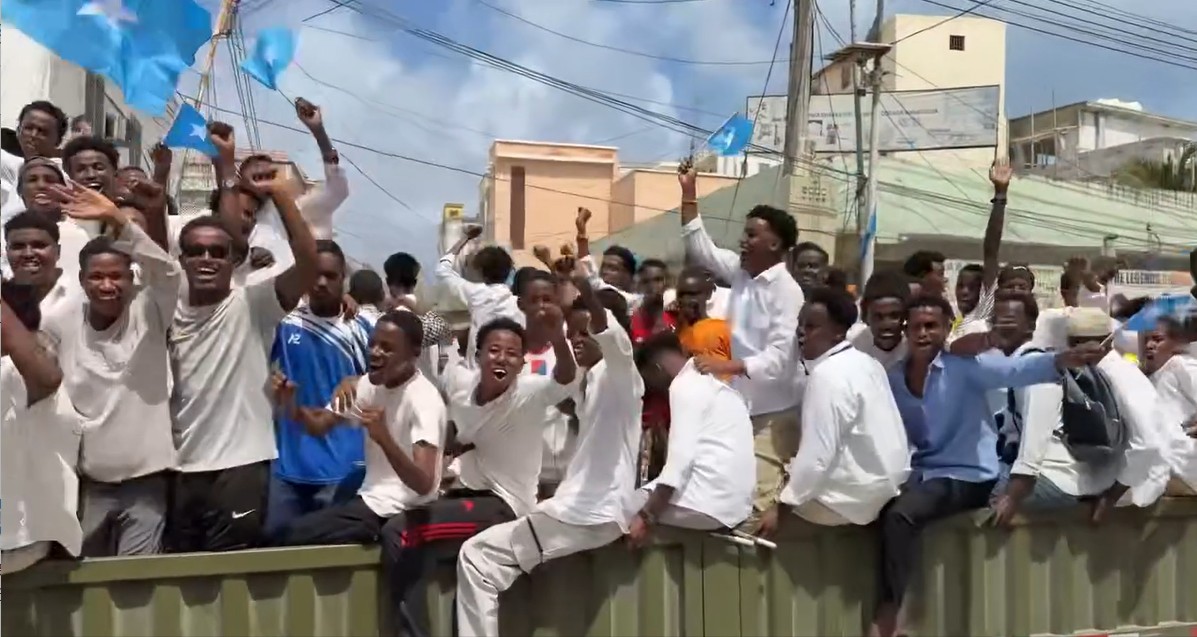
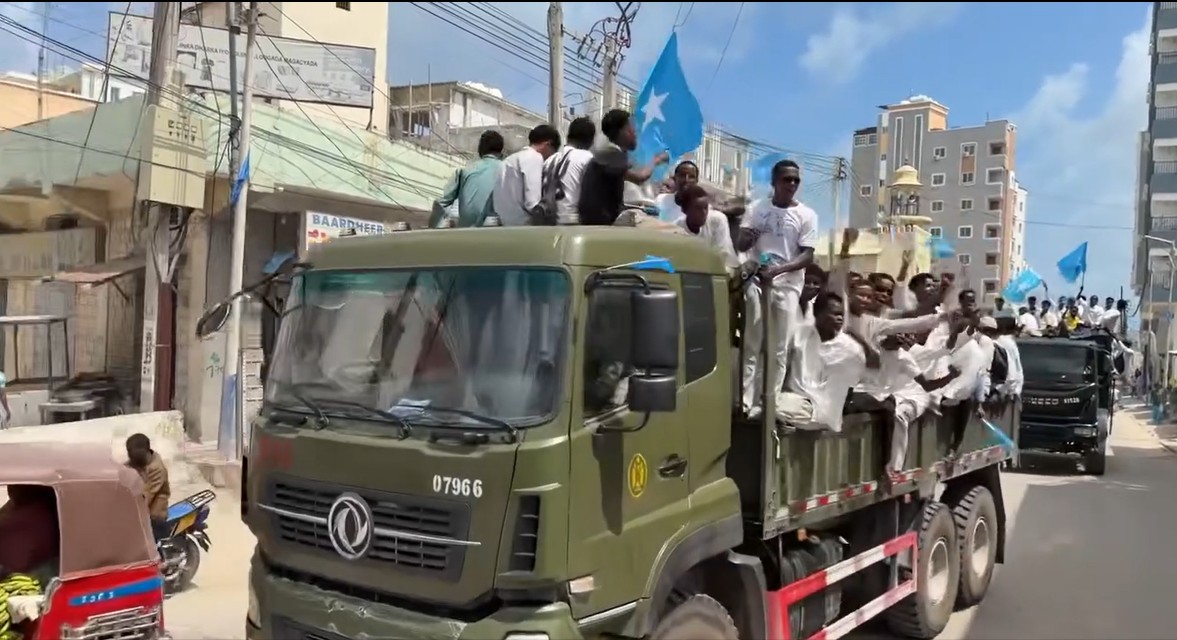
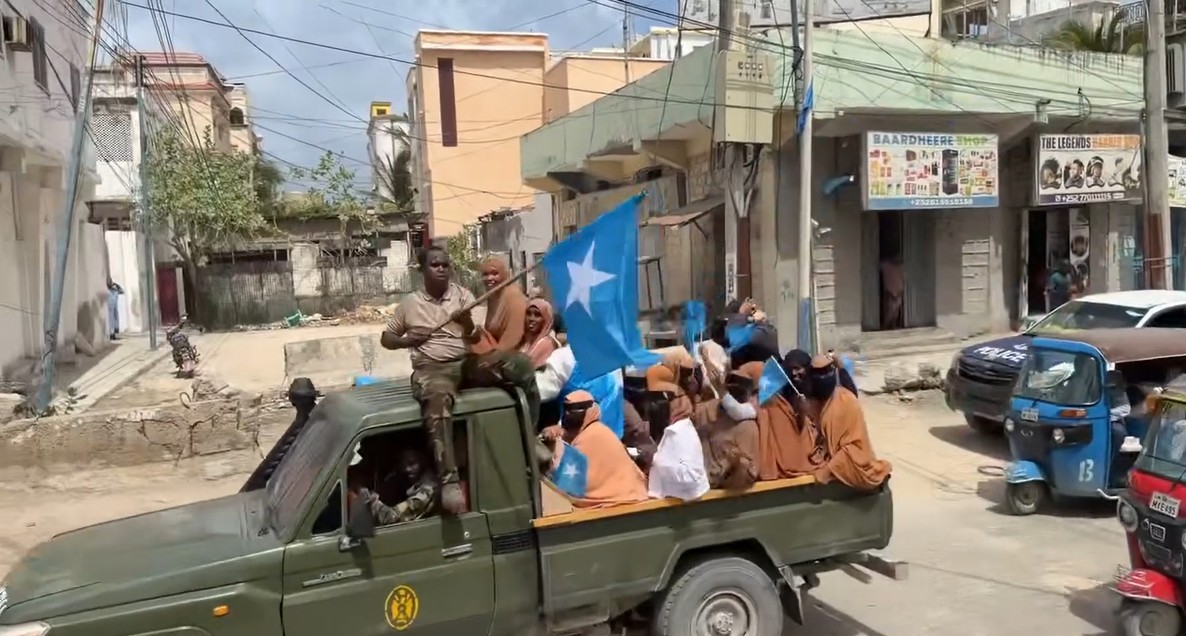
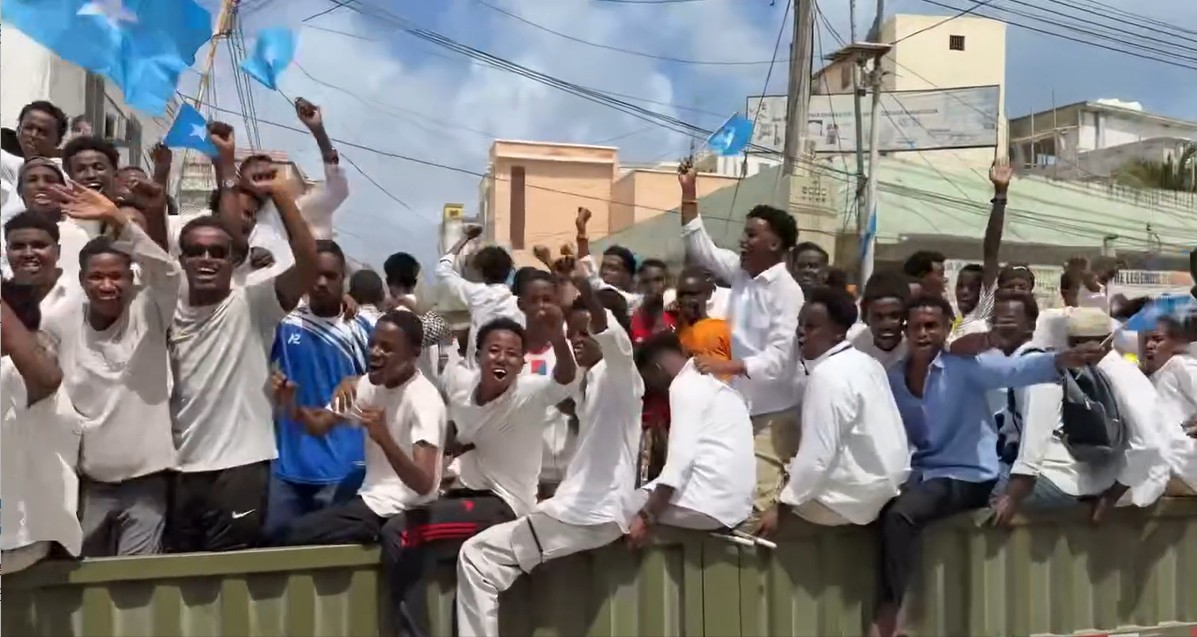
Somali National Army trucks rolled through the capital's streets and pulled up at examination centres across Mogadishu. Soldiers climbed out, not to secure a perimeter, not to enforce a curfew, but to open the doors and invite the graduates in. Students piled onto the trucks, flags in hand, and the convoy moved toward Daljirka Dahsoon Square, horns sounding, young voices rising above the engine noise.
For many of the students riding those trucks, it was the first time they had been this close to the military for a reason that had nothing to do with fear.
To understand what Thursday meant, you have to understand what the military has represented in this city for the better part of a generation.
Somalia's security forces have fought Al-Shabaab on the front lines, conducted security operations in neighbourhoods where insurgents once moved freely, and held ground that many said could not be held. They have done this at enormous cost, in lives and in the exhausting, grinding work of keeping a fragile peace from collapsing. Parents in Mogadishu know this. They have watched it. Some of them have lost brothers and cousins and neighbours to it.
The image of a soldier, for a family that has lived through the last two decades of Somali history, is not a simple one. It carries weight. It carries memory.
Which is precisely why Thursday looked the way it did, and why it mattered.
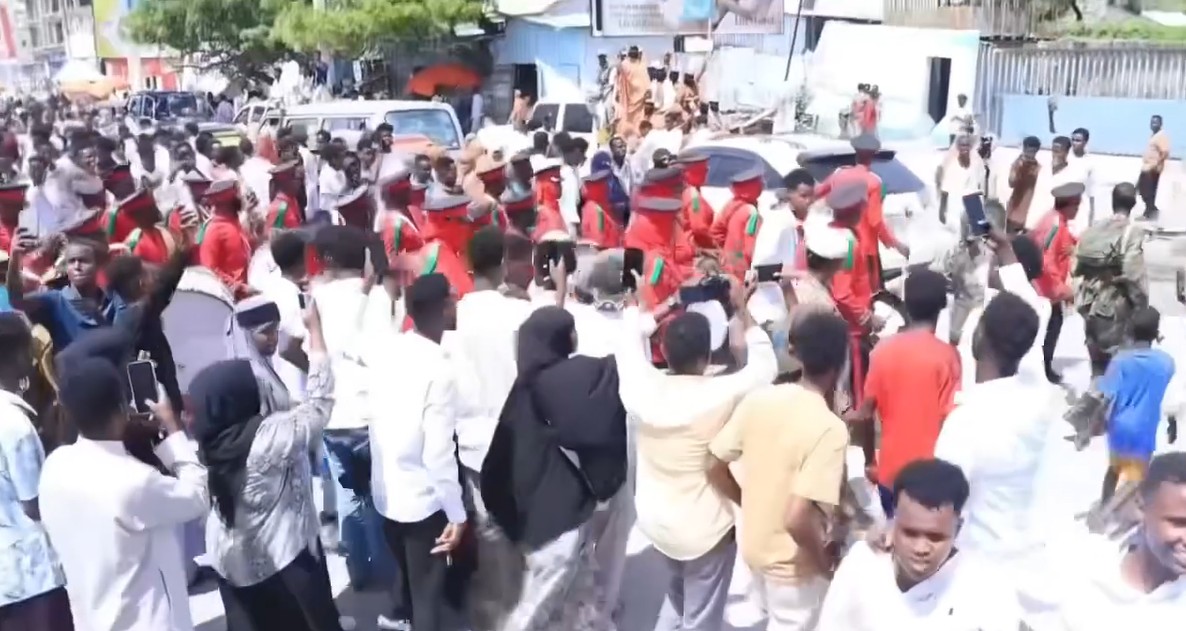
At Daljirka Dahsoon Square, bands from the Somali National Army, the Somalia Custodian Police, and the Somali Police Force performed live for the graduates. Boys and girls in uniform stood alongside boys and girls in school clothes, all of them facing the same direction, all of them part of the same moment. The music carried across the open grounds and out into the streets beyond.
Somalia's National Police Chief Brigadier General Asad Osman Abdullahi stood before the graduates and spoke not about security or operations but about parents. He congratulated the families of the students directly, acknowledging the sacrifices mothers and fathers had made to get their children to this day. He described the occasion as significant for Somalia on every level, pointing to the secured capital, the public confidence now visible in the streets, and the eve of the country's 66th Independence Day as proof of what this nation has been building toward.
Banadir Regional Police Commander Senior Colonel Mahdi Omar Mumin was there too, moving through the crowd, congratulating students in person. At one point he stopped and spoke directly to the young people around him, urging them to use social media responsibly and warning that those who target Somali girls with indecent content online would face consequences. It was a serious message delivered in the middle of a celebration, without a podium or a press release. That is the kind of message that actually lands.
There is a version of this story that could have looked very different.
The security forces could have been present on Thursday in the way they are often present in a capital still adjusting to peace: watchful, at a distance, holding a perimeter. That would have been understandable. That would have been normal. Instead, they drove the students to the party. They played the music. They stood in the crowd and shook hands and waved flags.
What that choice communicated, without a single press release, was this: we are not separate from you. Your children's achievements are our achievements. Your joy is something we can share.
For a generation of young Somalis who have grown up knowing the military as the force that stands between their city and those who want to destroy it, Thursday offered a different and equally true picture. The same institution that fights on the front lines also shows up at your graduation. The same uniform that patrols the night also plays saxophone for you in the afternoon sun.
That is not a small thing to carry into adulthood.
Genuine patriotism, the kind that lasts and that people actually feel rather than perform, is not built through declarations or anthems or flags raised on official occasions. It is built in moments like Thursday, when a young person looks around and sees that the country's institutions showed up for them on one of the most important days of their life.
More than 44,300 students completed their examinations this cycle. Every one of them now carries a memory of what happened next. They rode through Mogadishu on military trucks with flags in their hands on the eve of Independence Day, and the soldiers drove carefully, and everyone arrived safely, and the bands played.
That generation will not forget it. And they should not.
by Abdiqani Abdullahi Ahmed