Articles
Somalia and China Sign Zero-Tariff Fisheries Protocol, Boosting Blue Economy and Jobs:
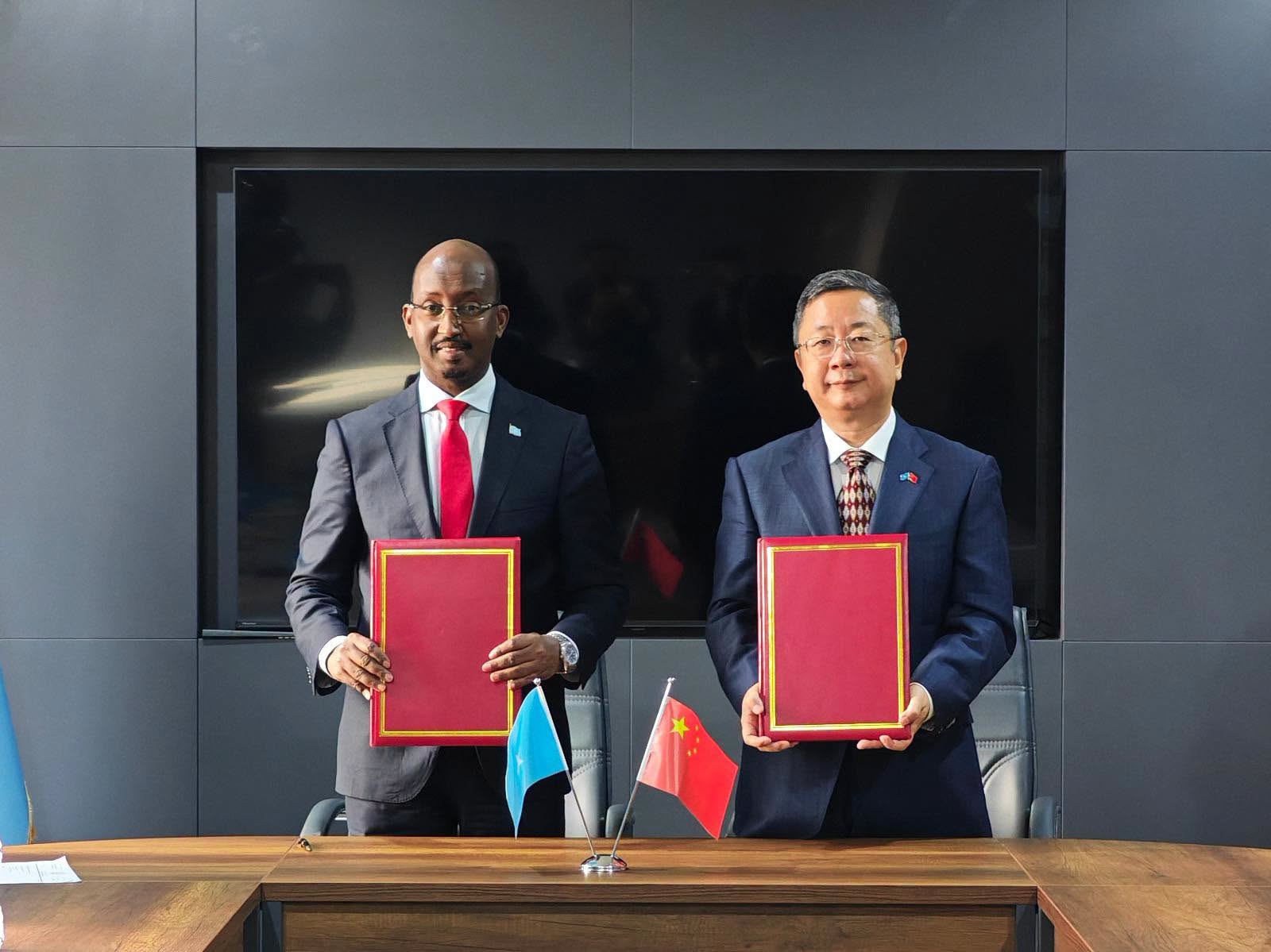
In a historic stride toward economic progress and regional collaboration, Somalia and China have officially signed a pioneering protocol that grants all Somali fishery products full duty-free access to the Chinese market. This significant milestone was formalized in Mogadishu by Somalia’s Minister of Fisheries and Blue
Economy, H.E. Ahmed Hassan Aden, and Chinese Ambassador to Somalia, Wang Yu. Beyond reinforcing the enduring partnership between the two nations, this groundbreaking agreement heralds a new chapter for Somalia’s burgeoning blue economy, promising transformative socio-economic benefits across the country.
Harnessing Somalia’s Vast Marine Potential:
Boasting the longest coastline in mainland Africa, stretching over 3,300 kilometers, Somalia is endowed with an immense and largely untapped reservoir of marine
resources. Despite historical challenges including inadequate infrastructure, outdated fishing vessels, and limited access to international markets this protocol presents a rare opportunity for Somalia to leverage its oceanic advantages. It paves the way for developing a sustainable, lucrative, and globally competitive fisheries industry that can serve as a cornerstone for national growth.
Advantages of the Agreement: Access to the World’s Largest Consumer Market.
With the removal of tariffs, Somali fishery exports now have direct entry into China’s vast consumer base of over 1.4 billion people. This opens enormous prospects for increasing revenue for local fishers and exporters, while also encouraging economic diversification beyond traditional sectors such as pastoralism and agriculture.
Driving Economic Growth and Industry Development:
This protocol is expected to attract significant private sector investment into Somalia’s fisheries sector. Such investments are likely to fund modernization efforts renewing fishing fleets, establishing robust cold chain logistics, and building fish processing facilities. Improving infrastructure will enhance product quality and competitiveness, positioning Somalia as a regional hub for fisheries and seafood exports with higher value-added products.
Job Creation and Socioeconomic Upliftment:
An expanded fisheries industry promises to generate thousands of new jobs across various segments from fishing and processing to transportation and marketing. This growth is especially vital for Somalia’s youth, addressing persistent unemployment challenges and fostering inclusive economic development that benefits all segments of society.
Advancing the Blue Economy and Strategic Regional Presence:
This agreement aligns perfectly with Somalia’s broader Blue Economy framework,which promotes sustainable management of ocean resources, maritime security, and maritime trade. The government’s ongoing efforts to upgrade port infrastructure, logistics networks, and maritime capacity are instrumental in
transforming Somalia into a pivotal regional maritime hub. Such developments will bolster the country's position within the Indian Ocean region, emphasizing strategic and economic significance.
Global Context and Future Prospects:
The Somali China fisheries agreement joins a global trend among developing nations aiming to tap into lucrative Asian markets through strengthened trade relations. Somalia’s geographical location, combined with its rich marine biodiversity, gives it an advantageous position to emerge as a leading regional fisheries and maritime services center. Continued international cooperation,
policy reforms, and targeted investments will be critical in unlocking the full potential of Somalia’s blue economy transforming its maritime resources into sustainable drivers of growth, employment, and regional stability.
The 2024 high level meeting between H.E. Hassan Sheikh Mohamud President of the Federal Republic of Somalia and H.E. Xi Jinping, President of the People’s Republic of China, held during the China-Africa Cooperation Forum in Beijing,marked a pivotal moment in strengthening bilateral relations. This summit elevated Somalia-China partnership to a strategic level, paving the way for enhanced cooperation across economic, infrastructural, and developmental sectors. These concerted efforts align with Somalia’s national priorities and its ambitious Blue Economy initiatives, fostering long-term growth and regional integration.
Building on this momentum, Somalia’s visionary National Transformation Plan (NTP) underscores the country’s commitment to economic diversification and sustainable development. The Somalia China duty free fisheries protocol exemplifies a defining milestone in Somalia’s journey toward resilience and regional influence. By opening access to one of the world’s largest markets, the agreement provides an extraordinary opportunity to generate employment,attract sustainable investments, and harness Somalia’s maritime resources responsibly.
As Somalia initiates on this transformative chapter, it must prioritize sustainable fishing practices, infrastructural modernization, and inclusive growth to realize the full spectrum of benefits. With strategic international partnerships and a steadfast national vision, Somalia’s blue economy holds the promise of becoming a sustainable engine of prosperity, regional stability, and socio economic upliftment for generations to come.

By Said Mire
Director of Asia and Australia at the Ministry of Foreign Affairs and International Cooperation