Articles
Somalia’s Diplomatic Reawakening: Rebuilding Institutions and Advancing the National Interest
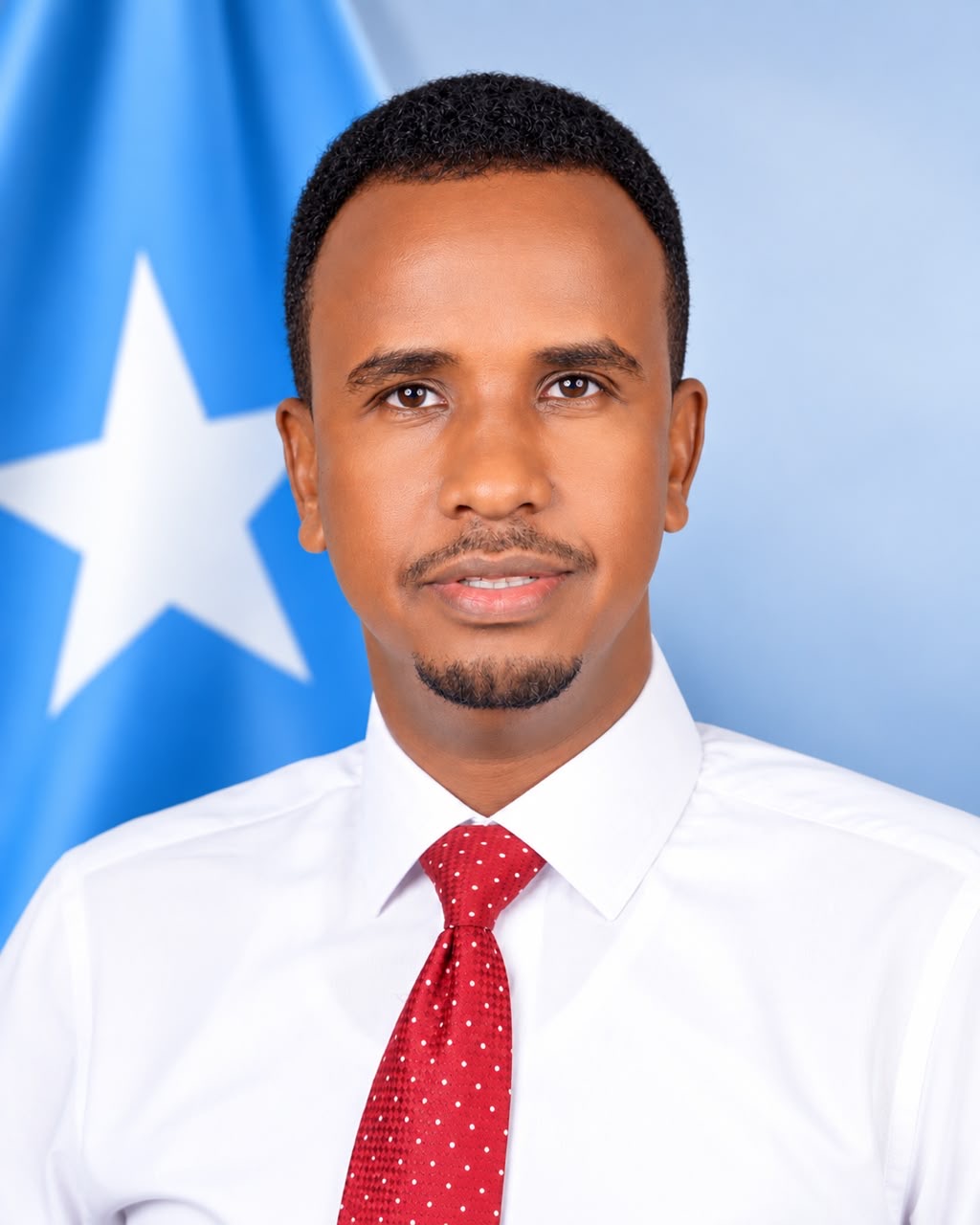
A diplomat and legal expert with a particular interest in state-building and an advocate for judicial independence.
Introduction
Somalia’s diplomatic future must be understood within the broader national effort to rebuild the state after decades of institutional challenges, conflict, and political fragmentation. The country has made meaningful progress over the past two decades, and its international engagement continues to expand. The central opportunity now is to further strengthen this engagement through a coherent, professional, and nationally owned foreign policy capable of representing Somalia effectively and advancing its long-term interests.
This requires more than participation in international meetings. It requires strong diplomatic institutions, qualified personnel, clear priorities, effective representation in global forums, and a credible national narrative that communicates Somalia’s needs, opportunities, resilience, and strategic importance.
Rebuilding Somalia’s Diplomatic Institutions
The continued development of Somalia’s diplomatic institutions should be treated as a central pillar of state-building. A country’s influence abroad depends substantially on the strength of its institutions at home. Professional ministries, capable embassies, an independent judiciary, an accountable civil service, and effective coordination between domestic and foreign-policy institutions are essential to national credibility.
Somali missions abroad should not be viewed only as consular offices. They should serve as strategic instruments for political engagement, economic diplomacy, investment promotion, citizen protection, coordinated public communication, and the development of bilateral and multilateral partnerships.
The country also has an important opportunity to draw upon Somali academics and professionals specializing in foreign policy, international law, international relations, geopolitics, economics, and regional affairs. Their expertise can help the state formulate sound policies, assess international developments, and communicate Somalia’s position with greater clarity and authority.
Representing Somalia in the International System
Somalia’s presence in international forums should continue to be accompanied by a clear diplomatic purpose. At the United Nations, AU, EU, regional organizations, financial institutions, human-rights forums, and other multilateral platforms, Somalia should present coherent positions based on defined national priorities and supported by evidence, legal reasoning, and constructive diplomacy.
The objective is to build constructive engagement with the international community while advancing Somalia’s national priorities. A capable diplomatic policy should identify areas of cooperation, manage differences respectfully, and ensure that international partnerships produce practical benefits for the Somali people.
Diplomacy is most effective when it connects international engagement with domestic priorities. Security, economic recovery, trade, investment, education, technology, maritime affairs, and development should all be reflected in Somalia’s external relations.
Friends, Partnerships, and the National Interest
A responsible foreign policy should recognize the importance of international friendships and strategic partnerships while ensuring that Somalia’s national interests remain at the heart of its foreign relations. Somalia’s relationships with international partners have developed over many years and continue to provide opportunities for cooperation, development, peace, security, and mutual benefit.
During the years of state recovery, several partners provided Somalia with significant political, humanitarian, financial, security, and institutional support. The United States, the European Union, African Union, and a number of Arab countries deserve particular recognition for their contributions. Their support, alongside their broader international cooperation with Somalia, has played an important role in the country’s recovery and development efforts and merits continued appreciation.
Türkiye holds a particularly prominent position in Somalia’s recent diplomatic history. Since its humanitarian engagement in 2011, at a time when Somalia and its people faced urgent humanitarian needs, the relationship has expanded across humanitarian assistance, development, education, infrastructure, security, and political cooperation. Türkiye has consequently become one of Somalia’s important and influential partners.
Somalia’s growing network of international partnerships provides an opportunity to strengthen cooperation across multiple areas while advancing shared interests. Maintaining and deepening constructive relationships with partners around the world can help Somalia expand opportunities in trade, investment, development, security, education, technology, and diplomatic cooperation.
There may be different priorities among international partners as global circumstances evolve; however, Somalia can continue to build lasting relationships through trust, reciprocity, mutual respect, and strategic clarity. A mature foreign policy should seek to strengthen these partnerships while ensuring that they contribute to Somalia’s long-term national development.
Somalia’s Regional Role
Somalia’s location gives it an important role in the Horn of Africa, the Red Sea, the Gulf of Aden, and the wider Arab and Indian Ocean neighbourhood. These regions are experiencing significant strategic, economic, security, and political developments. Somalia has an opportunity to play a constructive role in these developments while advancing its own national priorities.
At the same time, Somalia should continue strengthening cooperation with regional and international partners to promote peace, stability, economic integration, maritime security, and shared development.
An effective regional policy requires close coordination between the presidency, parliament, relevant ministries, diplomatic missions, and non-state actors. Domestic and foreign policy should reinforce one another. Strong national coordination can further enhance Somalia’s ability to engage constructively with regional and international partners.
A Foreign Policy for a Changing World
The international environment is changing rapidly. Strategic relationships are evolving, alliances are being reassessed, and international institutions continue to address complex political, security, and economic challenges. These developments require Somalia to maintain a mature, informed, and adaptable diplomacy.
Somalia should continue engaging constructively with the international community while strengthening its capacity to work with multiple partners, advance its legal and political interests, and build coalitions around shared priorities. This demands policy research, professional negotiation, legal expertise, timely analysis, and disciplined public communication.
A forward-looking Somali foreign policy can build upon the country’s existing partnerships while creating new opportunities for cooperation. By engaging a diverse range of countries and institutions, Somalia can further expand its diplomatic, economic, security, educational, and development partnerships.
Conclusion
Somalia’s diplomatic renaissance will depend on the quality of the institutions it continues to build, the professionalism of the people who represent it, and the clarity of the national interests it pursues. The country has many valued partners and should continue to appreciate each relationship according to its contribution, history, shared interests, and mutual benefit.
Somalia’s international partnerships provide an important foundation for continued progress. By strengthening cooperation with long-standing friends while developing new partnerships, the country can expand opportunities for investment, development, security, education, trade, and diplomatic engagement.
By aligning domestic rebuilding with foreign-policy priorities, investing in diplomatic expertise, and presenting Somalia’s interests with consistency and dignity, the country can move from diplomatic recovery to stronger strategic partnerships. Its objective should be clear: to transform international engagement into lasting cooperation, stronger institutions, greater national respect, and meaningful opportunities for the Somali people.
Authored by Avv. Abdishakur Alasow Mohamud