Local News
Somali audit office joins international working group on corruption and money laundering
Membership was confirmed at a meeting in Arusha of the body that writes the international standards for auditing public procurement, tracing stolen assets and detecting corruption in government spending.
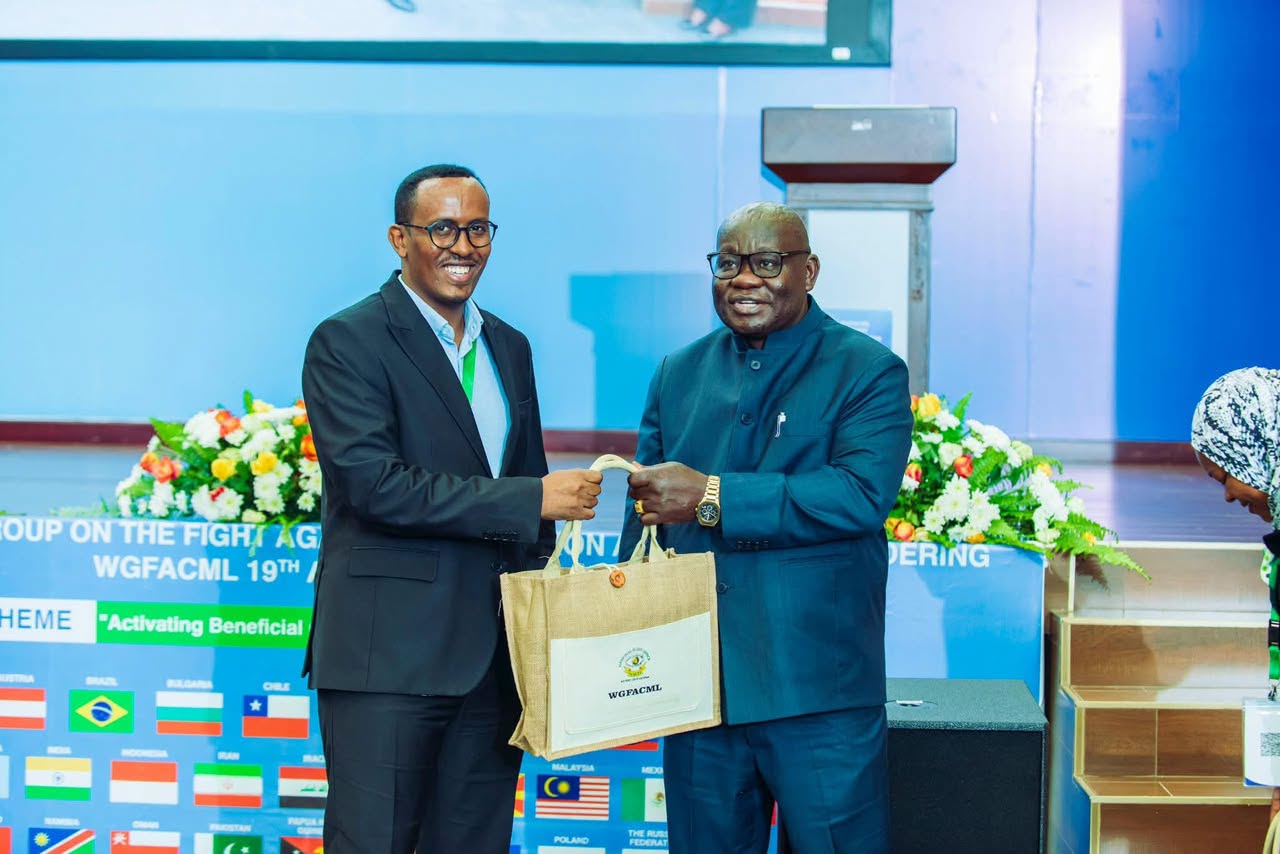
MOGADISHU (SONNA): The Office of the Auditor General of Somalia has become a member of the Working Group on the Fight Against Corruption and Money Laundering, which operates under the International Organisation of Supreme Audit Institutions, known as INTOSAI.
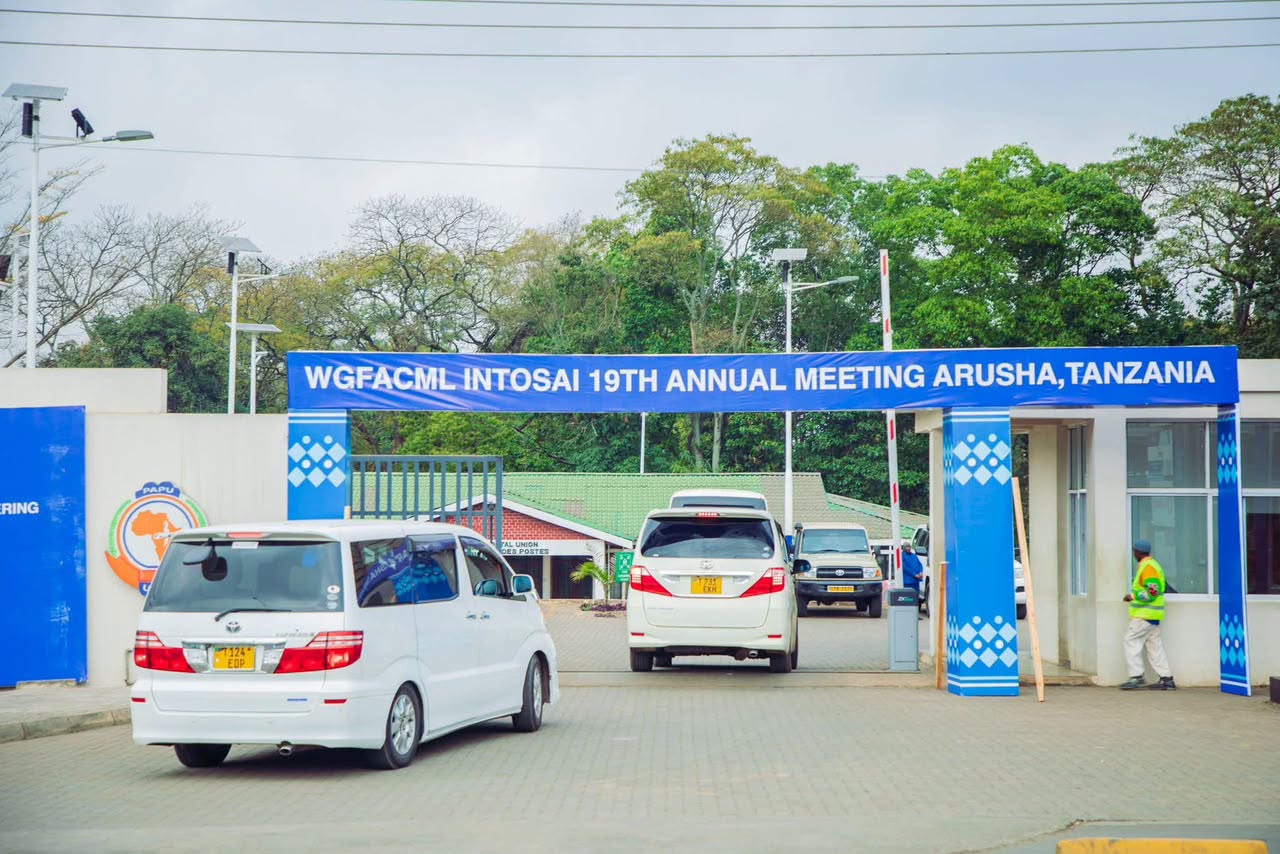
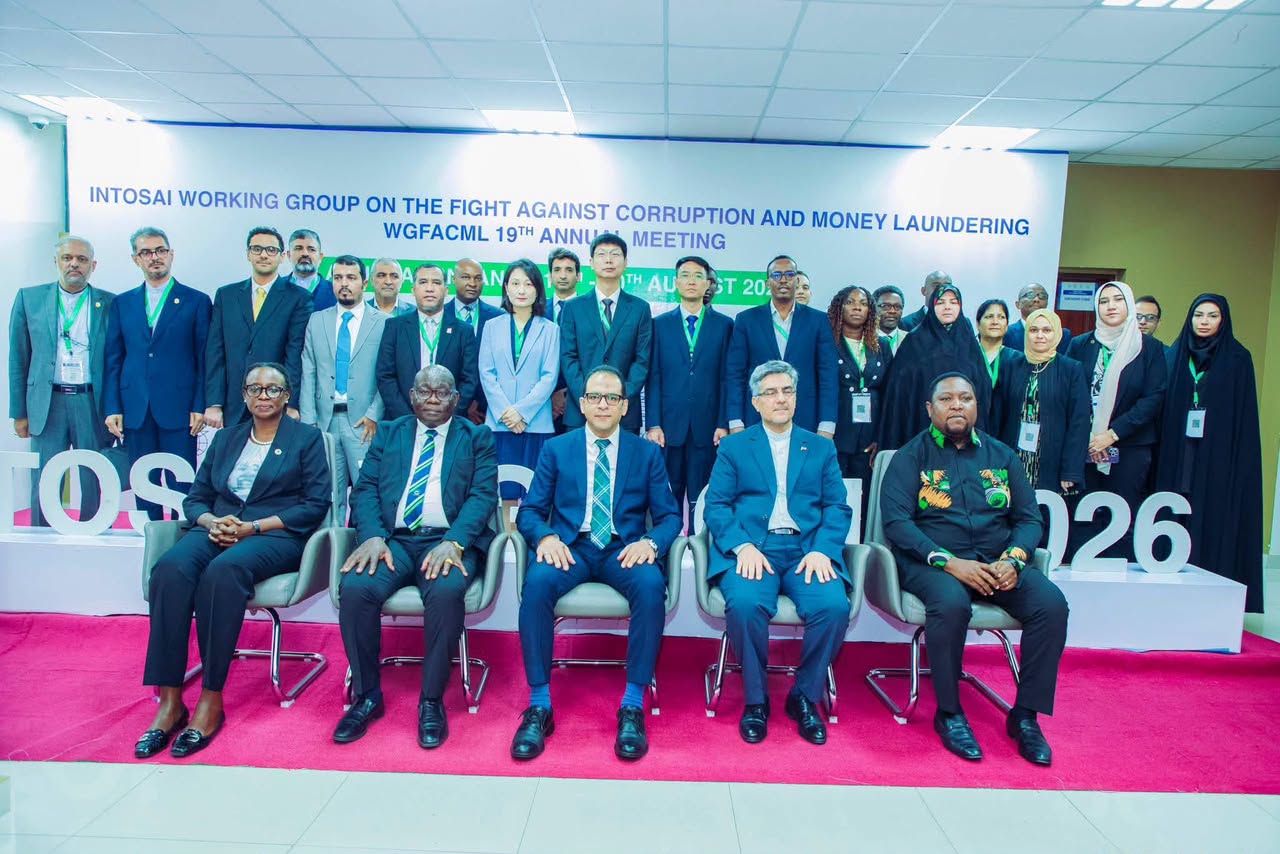
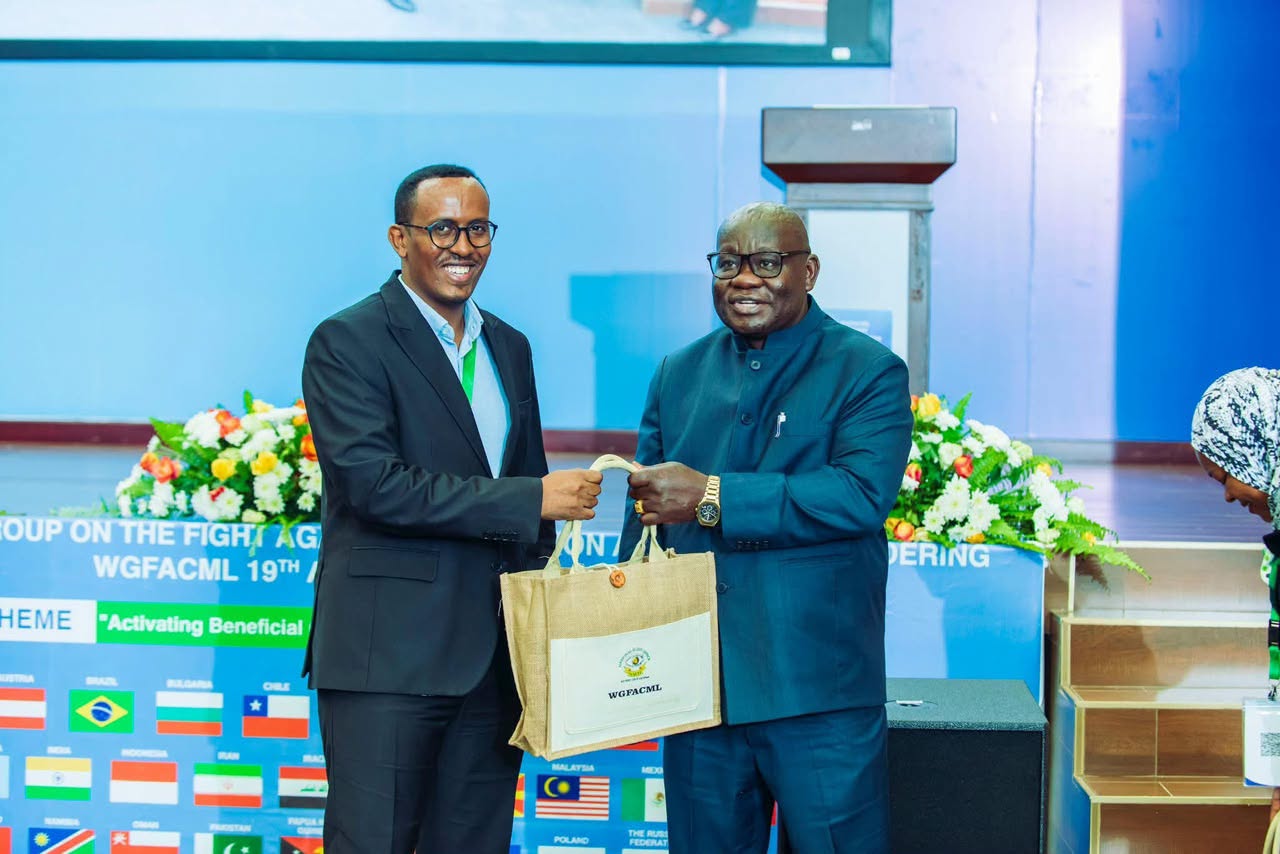
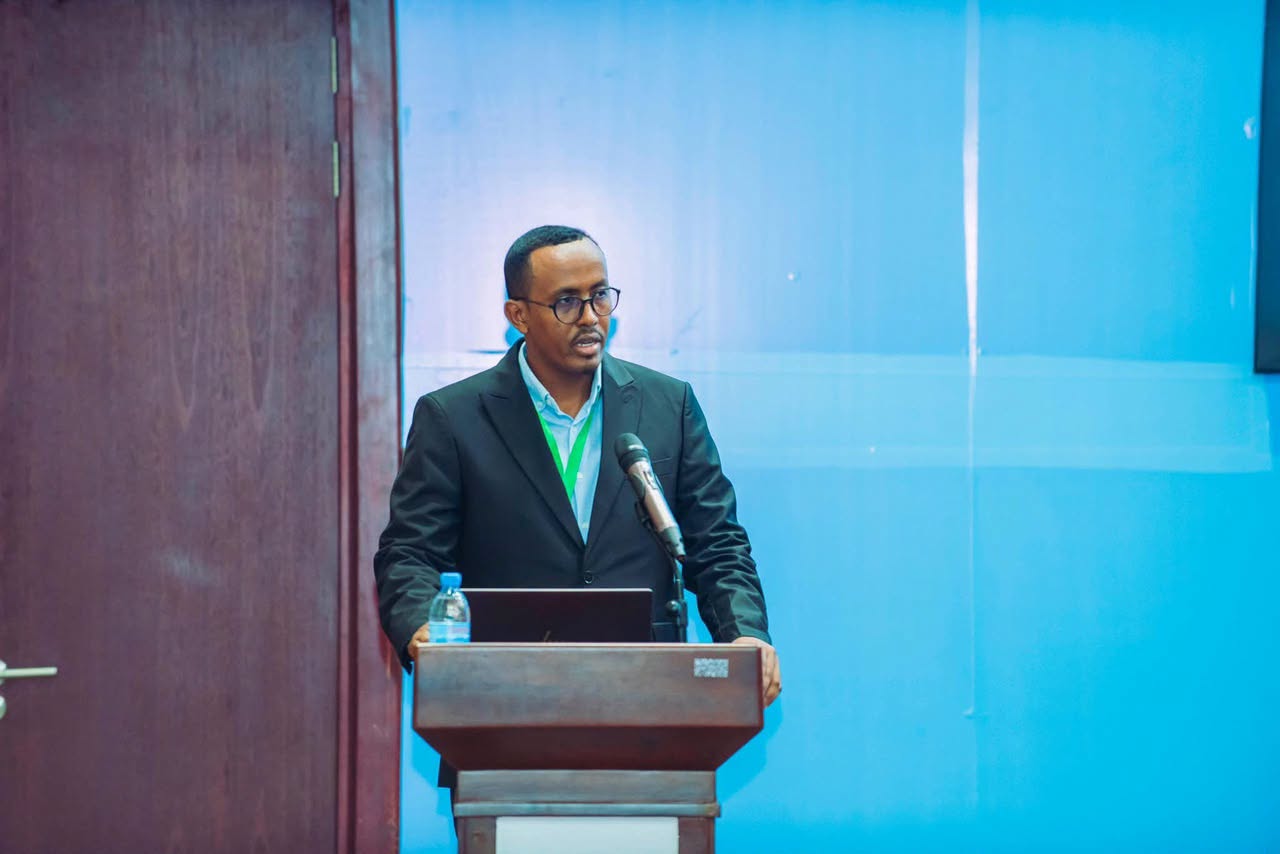
The membership was confirmed at the group’s 19th meeting, held in Arusha, Tanzania, from 18 to 20 August. Somalia was represented by the Office’s Director of Compliance Audit, who addressed the meeting and thanked members for the admission.
INTOSAI is the umbrella body of the national audit institutions that examine how governments spend public money. Its working group on corruption and money laundering was established in 2007 and is chaired by the Accountability State Authority of Egypt. It develops the professional guidance that member institutions apply, runs training programmes and maintains a record of audit practice across its membership, which numbered more than thirty institutions when it last published a figure.
The guidance it produces is the substance of what Somalia has joined. Two of its guidelines were adopted at the INTOSAI congress in 2022, one on the recovery of stolen assets and one on auditing the prevention of corruption in public procurement, and its secretariat has run training with the World Bank on forensic audit and on fraud in works projects and consultancy contracts.
The meeting in Arusha covered the transparency of beneficial ownership information, the oversight of government procurement and contracting, and the management of corruption, fraud and money laundering risks.
Each of those bears directly on questions Somalia is working through. Beneficial ownership, meaning the identification of the real individuals behind a registered company, is the mechanism by which contracts can be traced to the people who benefit from them. Procurement oversight is where most public money is lost in most countries. The Office said membership allows it to work closely with audit institutions internationally and to develop the professional skills its auditors need for work of that kind.
The admission also sits within a wider pattern of Somali institutions taking places inside international technical bodies. The Central Bank has been working to align supervision, payment systems and statistical frameworks with East African Community standards, and took part in the 29th meeting of the Community’s Monetary Affairs Committee in Kampala last month. The Rules of Origin Bill approved by the Council of Ministers on 6 August was drawn to meet the requirements of the African Continental Free Trade Area, which Somalia ratified on 31 July.
What connects them is that each involves a Somali institution accepting an external standard and being measured against it. That is a different proposition from receiving assistance, and it is slower, but it is the process by which an institution acquires standing that other institutions recognise.
The Office has not said what it intends to draw from the membership first, and no timeline has been published. What has changed is that the audit institution now sits inside the body where the standards for this work are written, rather than receiving them at second hand.