Local News
One Person One Vote Reaches Harardhere as NIEBC Launches Voter Card Collection in the Mudug Coastal District
Three years after the district returned to government hands, residents of Harardhere have begun collecting their voter cards, bringing Somalia's direct electoral process to a coastal community once known for insurgency and piracy and now preparing to cast ballots.
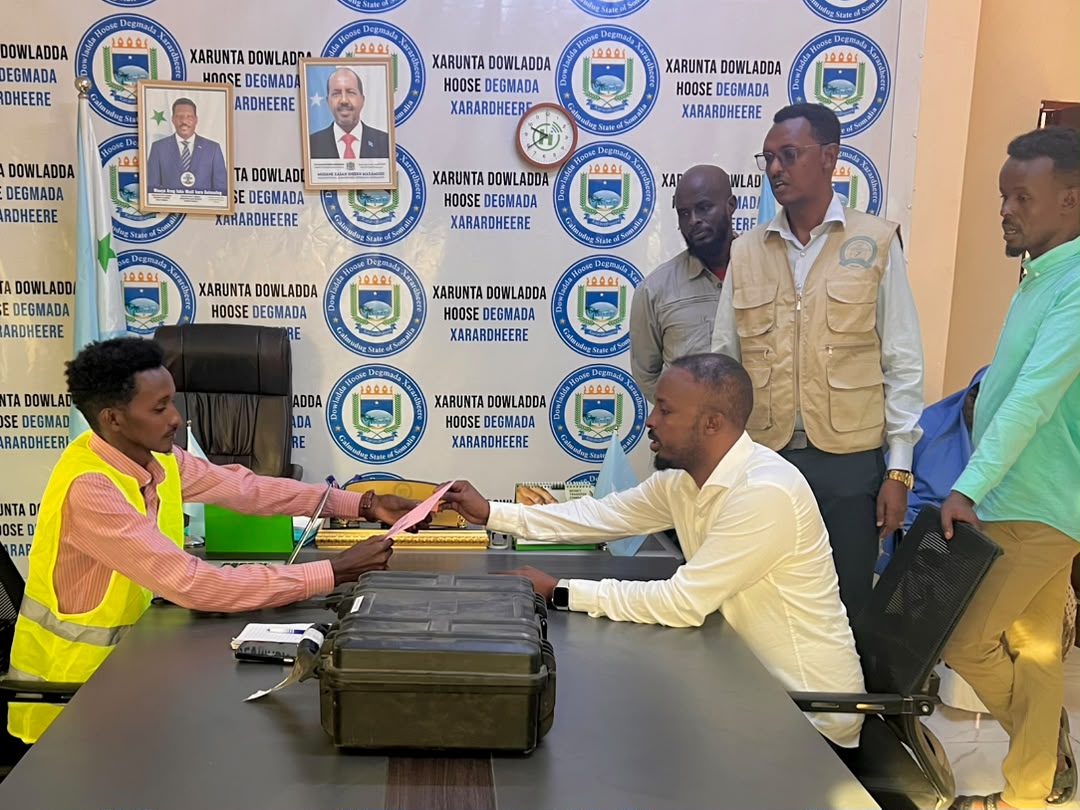
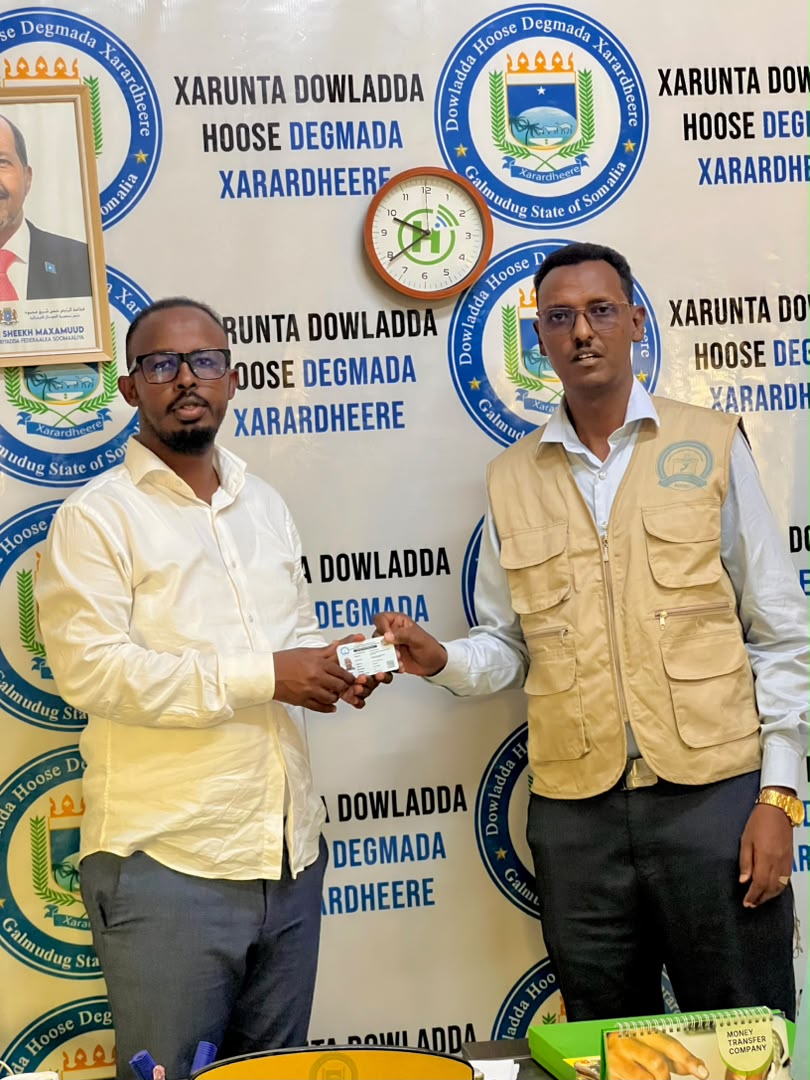
HARARDHERE (SONNA): The National Independent Electoral and Boundaries Commission (NIEBC) on Wednesday launched the collection of one person one vote voter cards in Harardhere district, Mudug region, extending Somalia's direct electoral process to one of the most closely watched districts in Galmudug State.
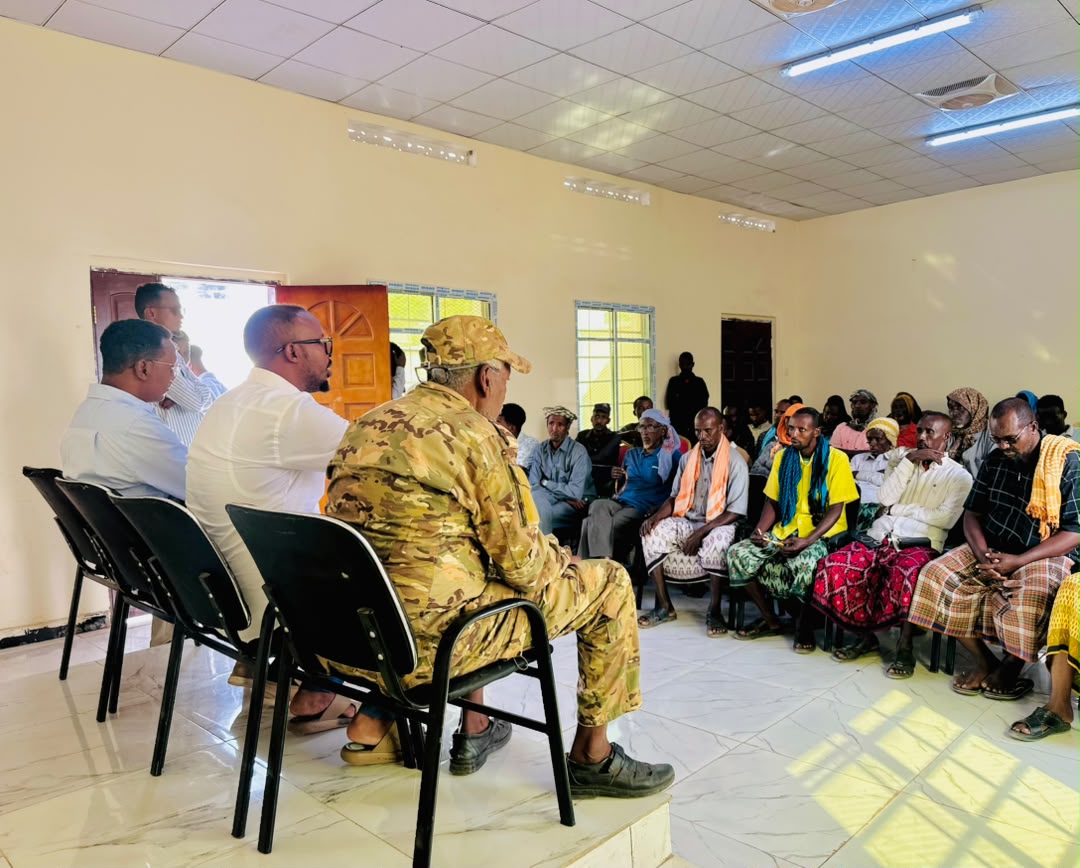
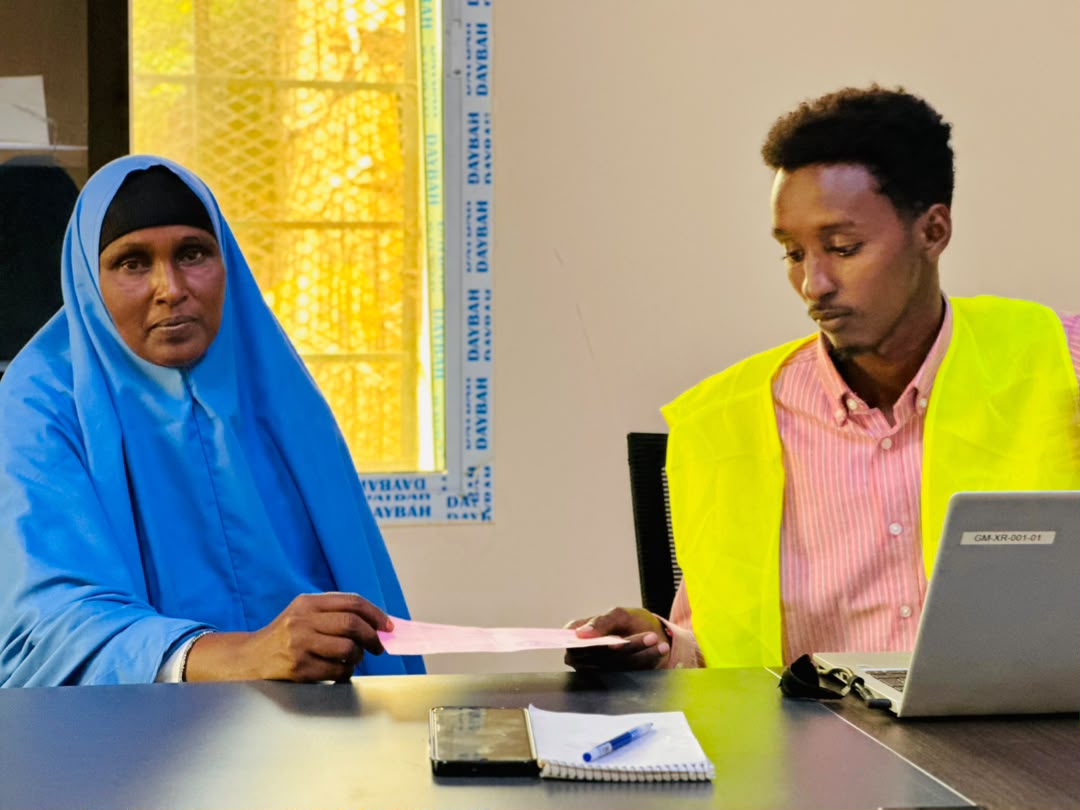
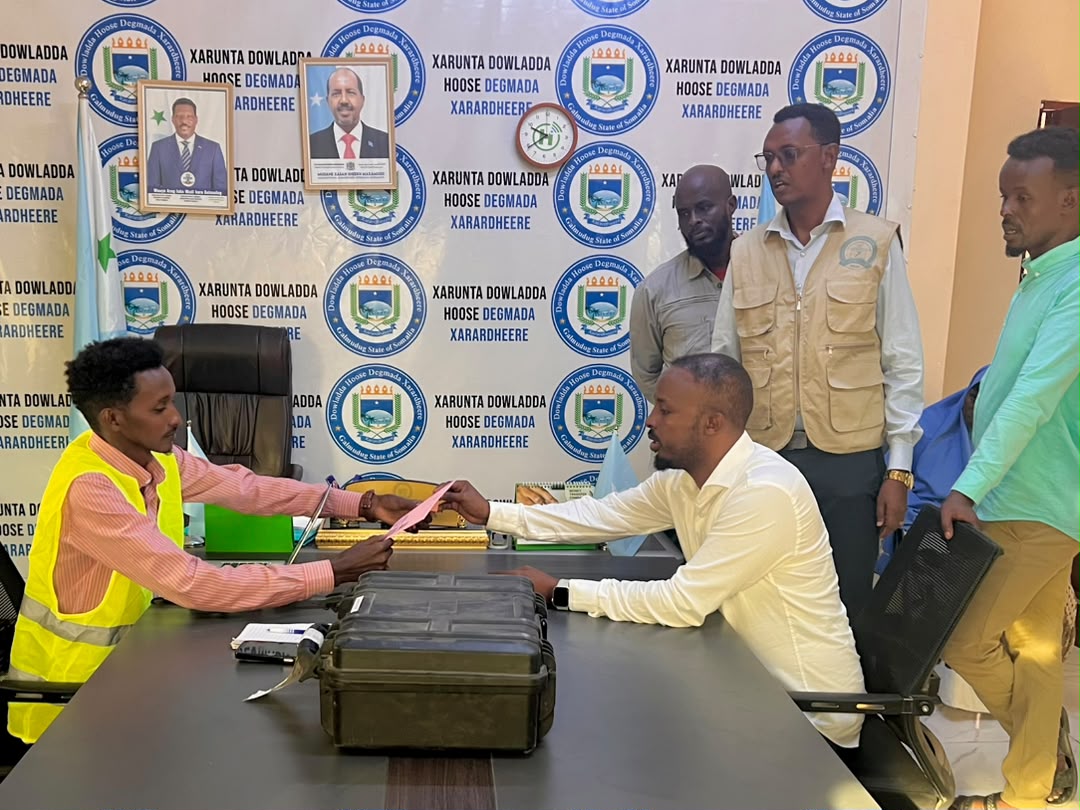
The launch ceremony was opened by the District Commissioner of Harardhere Aseyr Ibrahim and officially inaugurated by the Galmudug Regional Elections Director Mahad Hassan Warsame, who oversaw the handover of the first cards to registered residents at the district headquarters. Officials of the district administration and electoral staff were present as the exercise got underway.
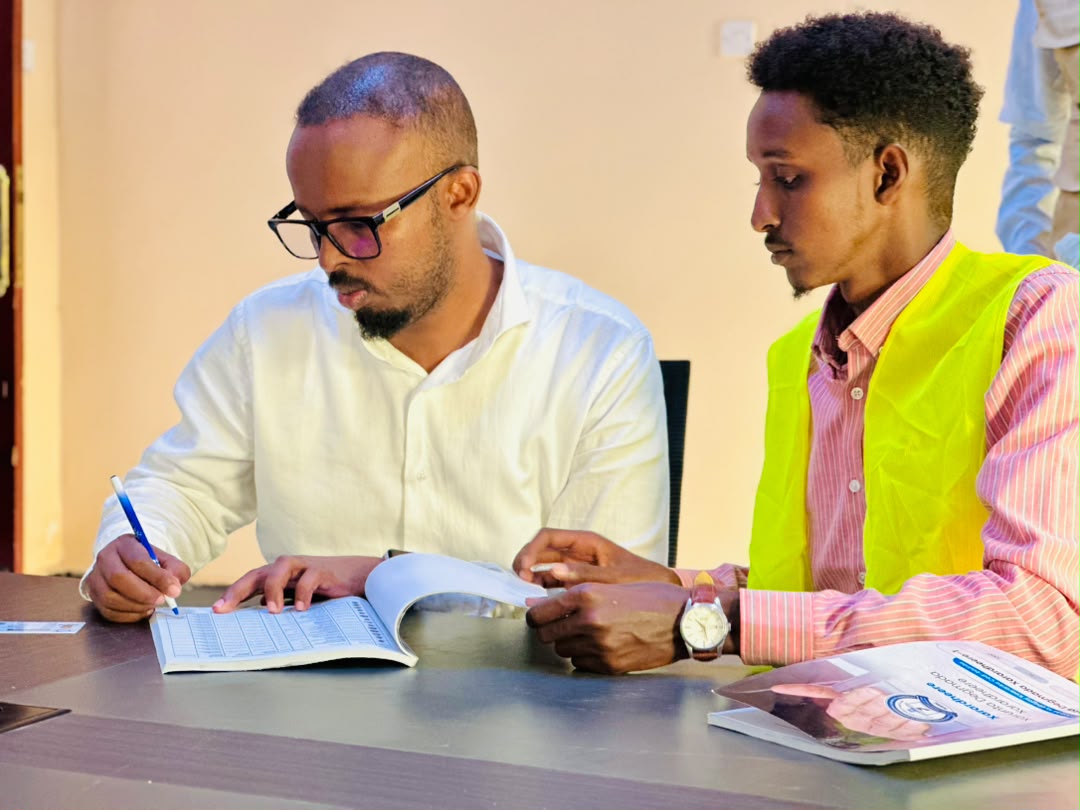
The distribution of voter cards is the stage of the electoral cycle that follows registration, placing in the hands of each registered citizen the document that entitles them to cast a ballot in forthcoming direct elections. For the residents of Harardhere, the cards represent the first tangible instrument of universal suffrage the district has known.
The significance of the location is difficult to overstate. Harardhere, a coastal district in the southern reaches of Mudug region, spent years beyond the reach of state institutions. It was known internationally in the late 2000s as a hub of piracy off the Somali coast, and it later fell under the control of Al-Shabaab, which governed the district until Somali National Army forces and allied local fighters recaptured it in January 2023 during the national offensive against the group.
In the three years since its recovery, the Federal Government and the Galmudug State administration have worked to restore public services, local governance and security in the district. The arrival of the NIEBC and the start of voter card collection mark the clearest signal yet that Harardhere has moved from stabilisation to participation, taking its place in the democratic transition that the Federal Government has set as a national priority.
Somalia is in the midst of a generational shift from the indirect, delegate-based electoral model that governed its politics for decades to direct elections founded on the principle of one person one vote. The NIEBC has been carrying out voter registration and card distribution in phases across the country, beginning in the capital Mogadishu and progressively extending into the Federal Member States. Each new district brought into the process widens the base of citizens who will choose their representatives directly for the first time.
The expansion of the process into Galmudug's coastal districts also carries a security dimension. Extending electoral infrastructure into areas recovered from Al-Shabaab consolidates the authority of legitimate institutions and offers residents a stake in the political future of their district, a factor that officials across the federal and state governments regard as central to preventing any return of the insurgency.
The NIEBC is expected to continue the rollout of voter card collection across further districts of Galmudug and the other Federal Member States in the coming period as the country prepares for direct elections.