Articles
Somalia's Strategic Path in a Resurgent China-Africa Partnership
Mogadishu, SONNA: The recent elevation of bilateral ties between Kenya and the People’s Republic of China to an "All-Weather Kenya-China Community with a Shared Future for the New Era" marks a significant evolution in Africa's engagement with the Asian giant. This landmark development, celebrated by Kenyan leadership as reflective of robust trust and a common vision, offers a compelling backdrop to examine China's burgeoning role across the African continent and, crucially, to explore the immense potential for Somalia within this dynamic geopolitical landscape. From a Somali perspective, understanding and strategically navigating this partnership holds the key to unlocking new avenues for stability, development, and prosperity.
Over the past two decades, China's engagement with Africa has transformed dramatically, moving far beyond traditional diplomatic exchanges to encompass a multifaceted partnership spanning infrastructure, trade, investment, and extensive people-to-people interactions. What began as a focus on resource acquisition has matured into a broader framework centered on mutual development, often articulated through the concept of "win-win cooperation." This approach has seen China become Africa's largest trading partner and a primary source of foreign direct investment.
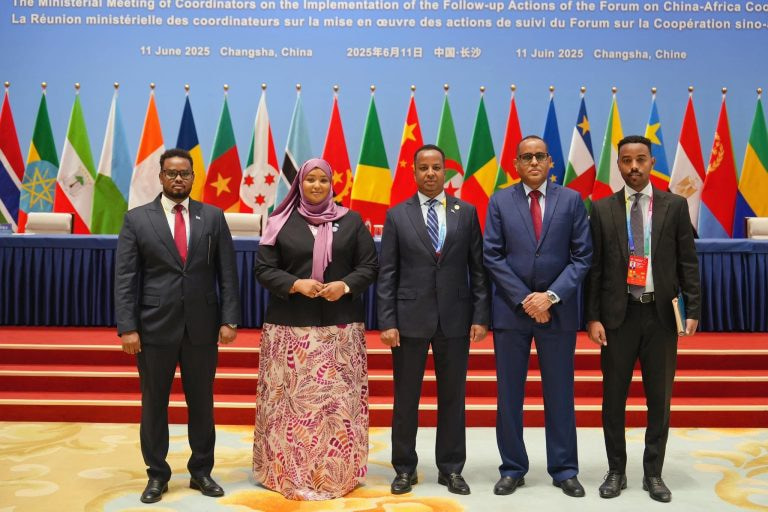
Across the continent, Chinese-funded projects have reshaped landscapes, from railways connecting landlocked nations to modern ports facilitating global trade. Beyond the tangible infrastructure, China has heavily invested in human capital development, offering thousands of scholarships, vocational training programs, and capacity-building initiatives aimed at empowering African professionals. The Forum on China-Africa Cooperation (FOCAC) has served as the premier platform for regular high-level dialogues, guiding the contours of this evolving partnership and setting ambitious targets for collaboration in various sectors.
The elevation of Kenya-China relations is particularly instructive. Kenyan President William Ruto highlighted the upgraded relationship as a concrete demonstration of mutual commitment to cooperation, respect, and the pursuit of outcomes that benefit both sides. This enhanced status reflects a deepening of trust and strategic alignment, offering a possible template for other African nations keen to maximize the benefits of their partnerships with Beijing. It signals a readiness from China to forge enduring, comprehensive relationships that adapt to changing global dynamics.
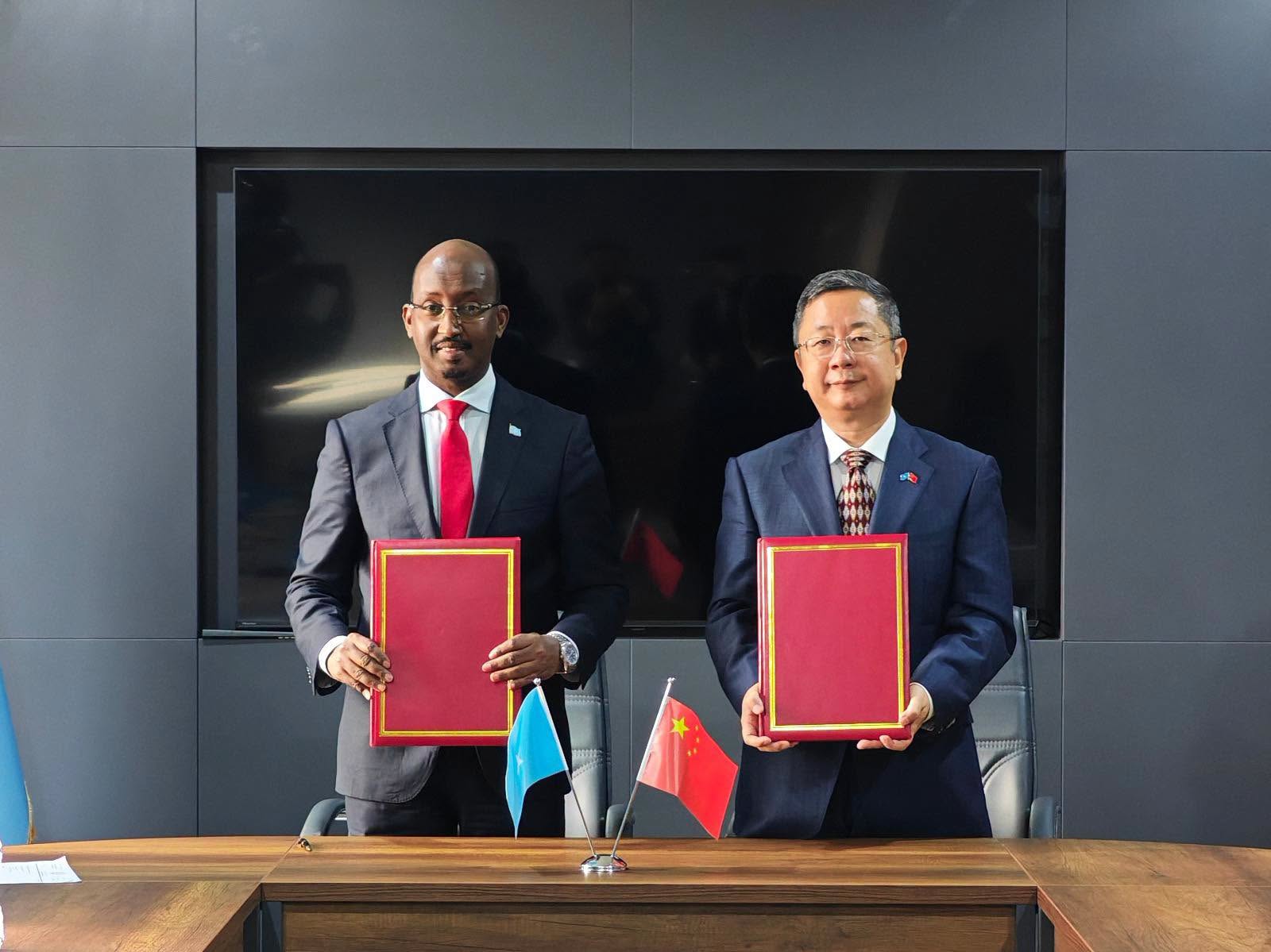
Somalia possesses a long and dignified history of diplomatic relations with China, dating back to the early years of both nations' independence. Despite the prolonged periods of internal strife and challenging circumstances Somalia has faced, China has consistently maintained its presence and provided vital support. This enduring engagement forms a valuable foundation upon which a more robust and mutually beneficial partnership can be constructed in the new era.
China's commitment to Somalia has manifested in several crucial ways:
- Humanitarian Assistance: China has been a reliable partner in providing humanitarian aid to Somalia, offering regular provisions to address the needs arising from natural disasters and other crises. This assistance has played a role in mitigating suffering and supporting recovery efforts in vulnerable communities.
- Educational Scholarships: A pivotal aspect of China’s support has been its generous offering of educational scholarships to Somali students. Hundreds of young Somalis have had the opportunity to pursue higher education and specialized training in diverse fields across China. These programs are vital for cultivating the next generation of Somali leaders, professionals, and innovators, directly contributing to the nation's human capital development.
- Institutional Building and Capacity Development: Beyond individual scholarships, China has also been active in institutional capacity building. This includes providing equipment and comprehensive training programs for Somali government employees across various ministries and agencies. Such initiatives are invaluable for strengthening state institutions, enhancing governance, and improving the efficiency of public services, which are critical for Somalia's ongoing reconstruction.
- Economic Engagement: While less pronounced during periods of instability, China's economic interest in Somalia has always been present. As Somalia continues its path towards stability and economic recovery, the potential for Chinese investment in key sectors, building upon earlier engagements, becomes increasingly relevant.
- Critical Infrastructure Development: Somalia's long-term recovery and economic integration hinge on robust infrastructure. China's unparalleled expertise and capacity in constructing modern roads, ports, and energy facilities could be game-changing. Investments in upgrading the Port of Mogadishu, rehabilitating existing road networks, and developing renewable energy sources (solar, wind) are areas where Chinese partnership could provide rapid and significant progress, connecting remote regions and facilitating trade.
- Economic Diversification and Trade Expansion: Somalia’s economy is largely driven by livestock, agriculture, and remittances. A stronger partnership with China could facilitate diversification. This involves attracting Chinese investment into value-added industries such as fisheries (processing and export), livestock product processing, and light manufacturing. Furthermore, exploring opportunities to increase Somali exports to the vast Chinese market beyond traditional commodities could create new revenue streams and employment opportunities.
- Technological Transfer and Digital Transformation: China is at the forefront of technological innovation, particularly in telecommunications, digital finance, and artificial intelligence. Somalia stands to benefit immensely from strategic collaborations in these areas. Access to affordable and advanced Chinese technology can accelerate Somalia’s digital transformation, improving connectivity, facilitating e-commerce, and enhancing public service delivery through digital platforms. This could also involve training Somali youth in emerging technologies, preparing them for the jobs of the future.
- Enhanced Human Capital Development: Building upon existing scholarship programs, Somalia can advocate for an expansion of opportunities for its youth and professionals in China. This includes not only university education but also specialized vocational training in technical fields relevant to Somalia’s development priorities, such as engineering, healthcare, and urban planning. Fostering greater academic and cultural exchange can build lasting bonds and facilitate knowledge transfer.
- Agricultural Modernization and Food Security: Somalia faces significant challenges related to food security and climate variability. Chinese expertise in modern agricultural techniques, irrigation systems, and drought-resistant crops could significantly enhance Somalia's agricultural productivity and resilience. Joint ventures in agribusiness can not only improve food security but also create large-scale employment in rural areas.
- Climate Resilience and Environmental Protection: As a nation highly susceptible to climate change impacts, Somalia can benefit from China's growing focus on green development and renewable energy solutions. Collaborations on climate adaptation projects, sustainable land management, and environmental protection initiatives can help Somalia build resilience against droughts, floods, and desertification.
- Aligning with National Priorities: Ensuring that all Chinese investments and projects are meticulously aligned with Somalia's own national development plans and strategic objectives. This requires strong internal coordination and a clear articulation of Somalia’s needs.
- Ensuring Transparency and Sustainability: Advocating for transparent contractual agreements and prioritizing financially sustainable projects that do not place undue burden on Somalia’s future. Lessons from other African nations can inform this approach, emphasizing long-term viability over short-term gains.
- Strengthening Somali Institutions: A strong, capable, and accountable government in Somalia is the greatest asset in managing and maximizing the benefits of any foreign partnership. Continued efforts in institutional building, governance reforms, and anti-corruption measures will ensure that external support translates into tangible improvements for the Somali people.
- Promoting Local Content and Job Creation: Negotiating for projects that prioritize the use of local labor, materials, and expertise, thereby fostering job creation and building domestic capacities within Somalia.
- Diversifying Partnerships: While strengthening ties with China, Somalia should continue to cultivate and diversify its international partnerships, ensuring a balanced approach to foreign relations that serves its national interests comprehensively.
article by Abdiqani Abdullah Ahmed
Share