Death of Ali Mohamed Hirabe, Somalia’s First Minister of Information and Pioneer of Independence
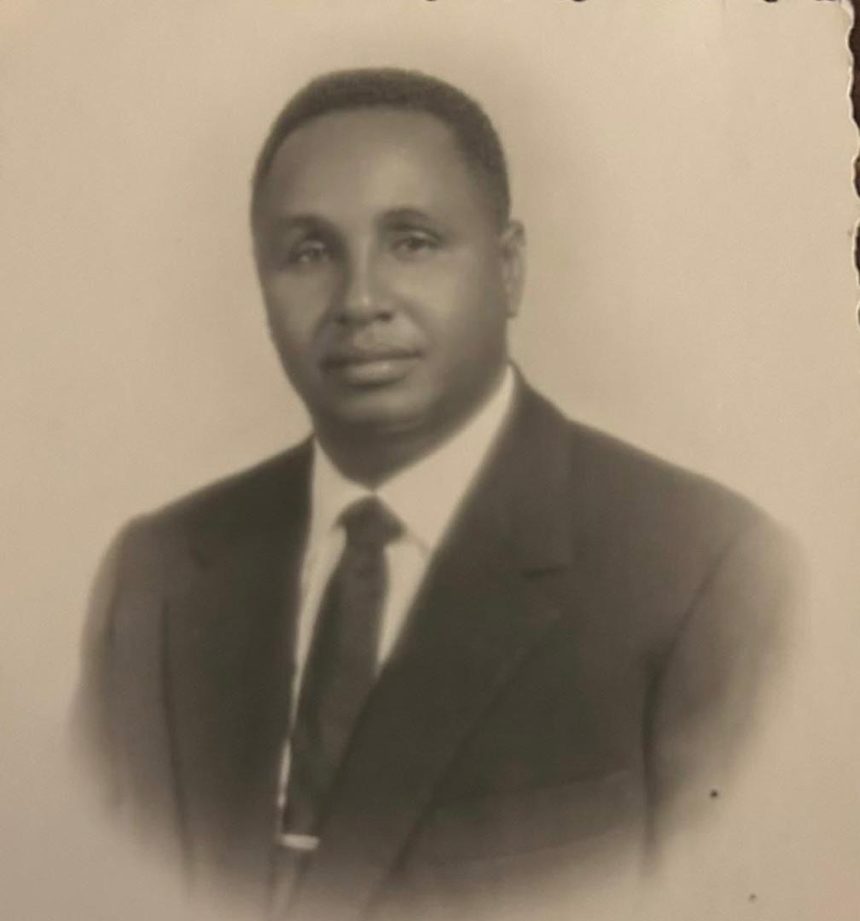
Ali Mohamed Hirabe, widely known as “Ali Hagarey,” a towering figure in Somali political history and the nation’s first Minister of Information, passed away on Monday in Canada at the age of 107. He was among the last surviving members of Somalia’s first Parliament and Cabinet following the country’s independence in 1960.
A Founding Father of Somali Independence
Born in the coastal town of Adale in the Middle Shabelle region, Hirabe began his education by memorizing the Qur’an under Sheikh Ahmed Gabyoow, known as “Wacdiyow.” His nickname “Hagarey,” meaning “one who accelerates learning,” reflected his early dedication to teaching peers and mastering knowledge quickly. Later, he moved to Mogadishu to further his studies in religious knowledge and general education.
Hirabe joined the Somali Youth League (SYL) in 1943 and quickly became an active member, learning Italian and political science to prepare for leadership roles. He rose to become Secretary-General of the SYL, a position from which he played a central role in advocating Somalia’s independence at the United Nations Trusteeship period alongside Abdullahi Issa Mahmoud.
Parliamentary and Ministerial Contributions
In 1950, Hirabe began his parliamentary career in the 60-member legislature.
In 1960, he was elected to the 90-member Parliament of Southern Somalia, later merged with representatives from Northern Somalia to form a 123-seat Parliament.
Following independence, he was appointed Minister of Information and Tourism in the first civilian government led by Prime Minister Abdirashid Ali Sharmarke.
During his tenure, Hirabe:
Sponsored 205 Somali students for education in Europe, covering aviation, media, and tourism sectors.
Signed Somalia’s first Memorandum of Understanding with China on media cooperation.
Established three national newspapers published in Italian, English, and Arabic.
Promoted governance based on fairness, merit, and equality, avoiding clan-based or personal favoritism.
He also served as Minister of State in the Presidency and remained a respected parliamentary figure until the 1969 military coup.
Exile and Continued Influence
After the collapse of the central government, Hirabe relocated to Canada. He continued to be active in Somali politics, co-founding the Somali Salvation Front (SSF), later SSDF, in 1978, and the United Somali Congress (USC) in 1989. He participated in drafting major political manifestos in 1990 and remained a voice for national unity and the preservation of Somali history.
Legacy and Family
Ali Mohamed Hirabe leaves behind children, grandchildren, and a nation that honors him as a pioneer of Somali sovereignty. His enduring legacy includes:
Advocacy for national independence
Development of Somalia’s state institutions and media
Mentorship of thousands of Somali youth
Exemplary public service, honesty, patriotism, and dedication to fairness
Current Minister of Information, Culture, and Tourism, Daud Aweis, expressed condolences, saying: “May God have mercy on the late Ali Mohamed Hirabe, one of the leaders of the SYL and a dedicated public servant whose passing affects the entire Somali nation. We extend our heartfelt condolences to his children, family, and all Somali people.”
Hirabe’s death marks the loss of one of the last direct links to the generation that secured Somalia’s independence, leaving a permanent mark on the nation’s political and cultural history.