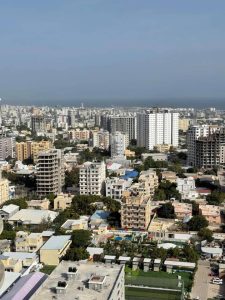
MOGADISHU, Somalia – For members of the Somali diaspora returning home after a hiatus of only a few years, the first glimpse of Mogadishu from the aircraft window offers a startling revelation. Where low-rise structures and open spaces once dominated the sandy coast, a new vertical city is emerging with breathtaking speed. The skyline, once defined by its historic white-washed architecture and the scars of conflict, is now punctuated by towering cranes and multi-story apartment complexes, signaling an urban metamorphosis that is fundamentally reshaping the capital’s identity.
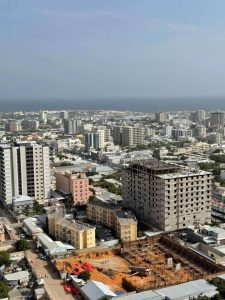
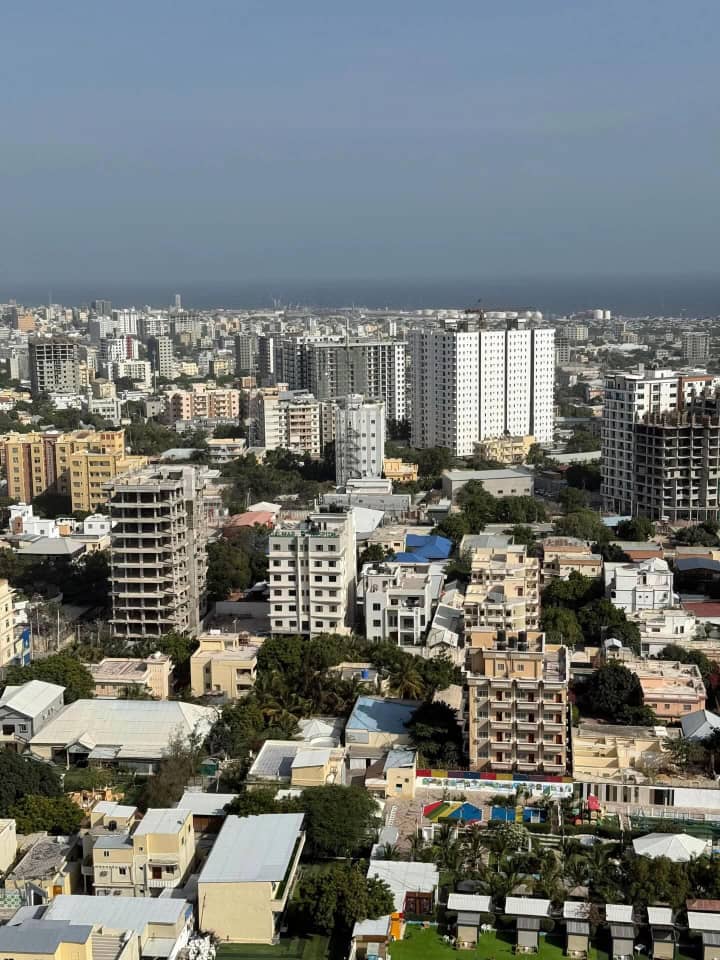
This is not merely a cosmetic update but a profound structural shift that has led experts to identify Mogadishu as one of the fastest-growing cities in the world. The transformation is so rapid that the city’s geography is effectively being rewritten month by month, making neighborhoods that were familiar just a few years ago nearly unrecognizable to returning visitors. From the rooftop vantage points of the city, the view is one of a dense urban fabric where the concrete skeletons of future skyscrapers stand side-by-side with completed modern residences, stretching out toward the blue waters of the Indian Ocean.
The primary engine driving this construction renaissance is the tangible improvement in the capital’s security architecture. As the Federal Government of Somalia continues to consolidate gains against instability and secure the capital, investor confidence has surged to unprecedented levels. The relative peace and stability enjoyed over the past few years have unlocked capital that was previously dormant or held offshore. Business leaders, real estate developers, and local landowners are now betting heavily on Mogadishu’s future, pouring resources into infrastructure that caters to a booming population and a rising middle class.
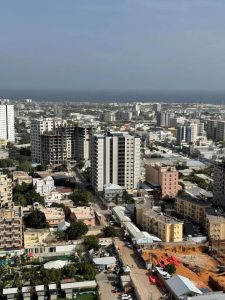
The architectural evolution is evident in the rise of multi-story complexes that seek to maximize the prime real estate of the peninsula. Images of the current cityscape reveal a dense grid of modern high-rises replacing the horizontal sprawl of the past with a vertical ambition. Construction sites are ubiquitous, with scaffolding and steel reinforcing bars becoming permanent fixtures of the street level, while the upper floors offer panoramic views of a city that is aggressively reclaiming its status as a commercial hub.
This physical reconstruction mirrors the psychological rebuilding of the nation. Every new foundation laid represents a vote of confidence in the permanency of peace and the economic potential of the country. While the rapid urbanization presents new challenges for city planners regarding infrastructure and service delivery, the momentum is undeniable. Mogadishu is shedding its past image, standing today as a vibrant metropolis where the sounds of construction have replaced the sounds of conflict, offering a new narrative of resilience and growth in the Horn of Africa.