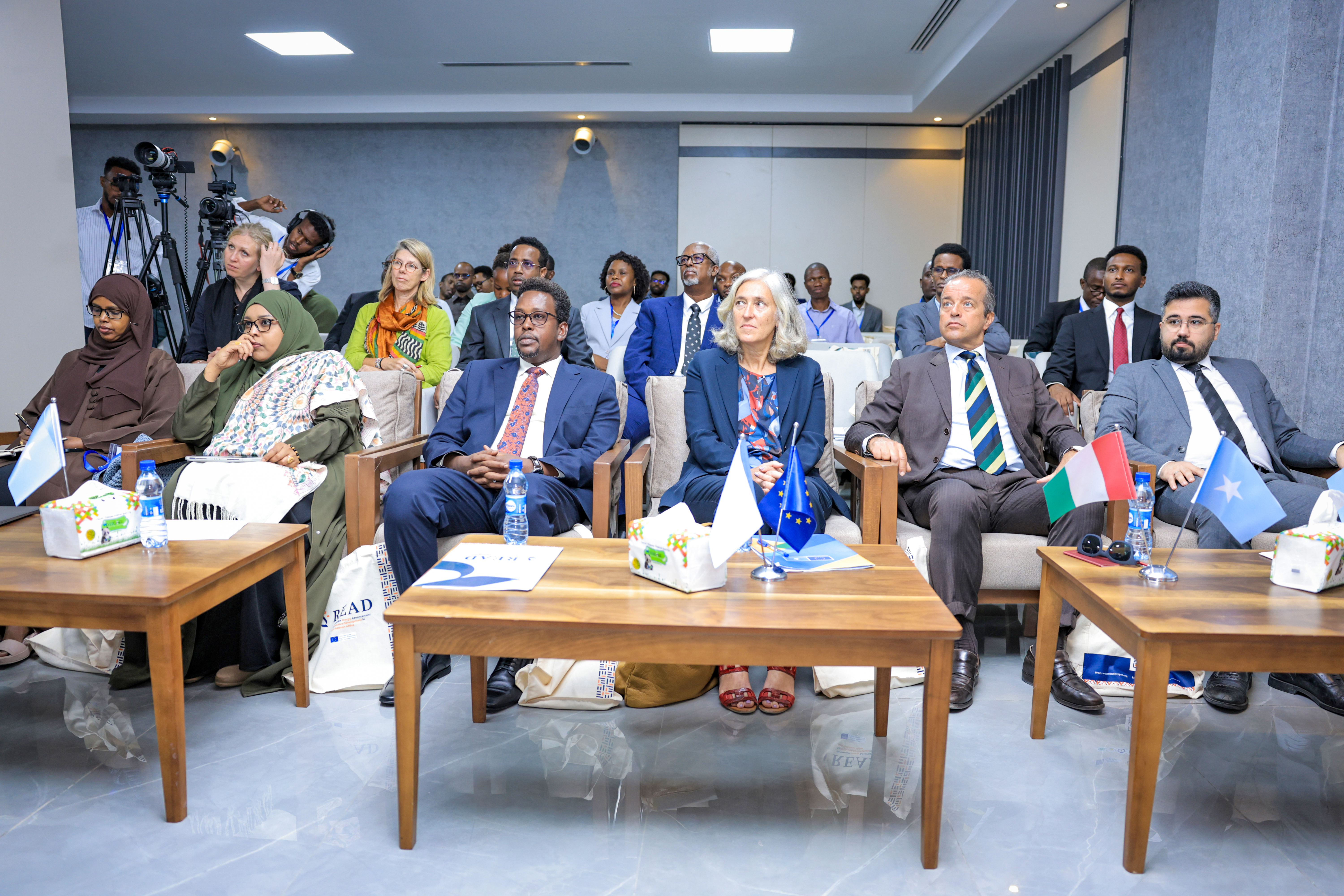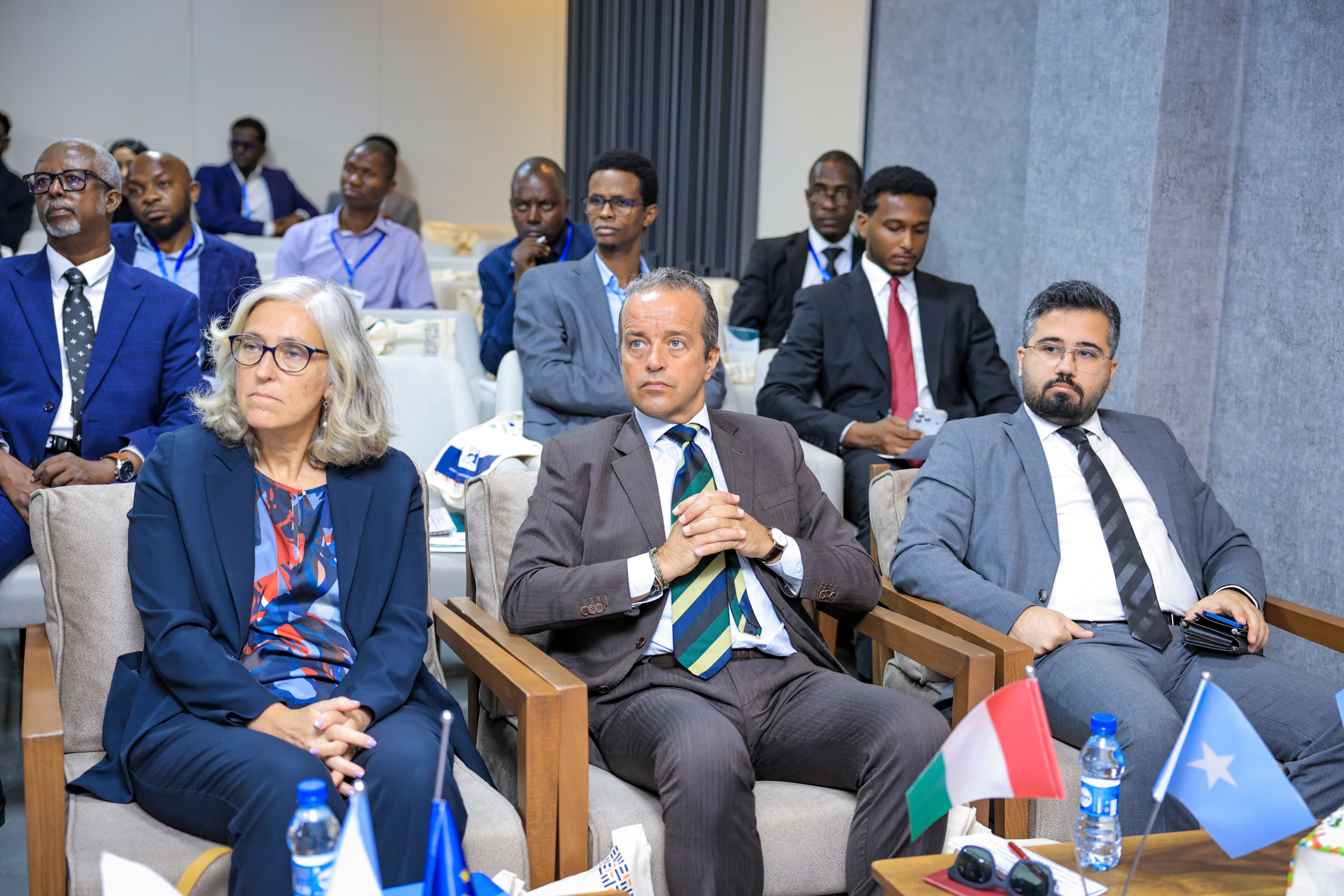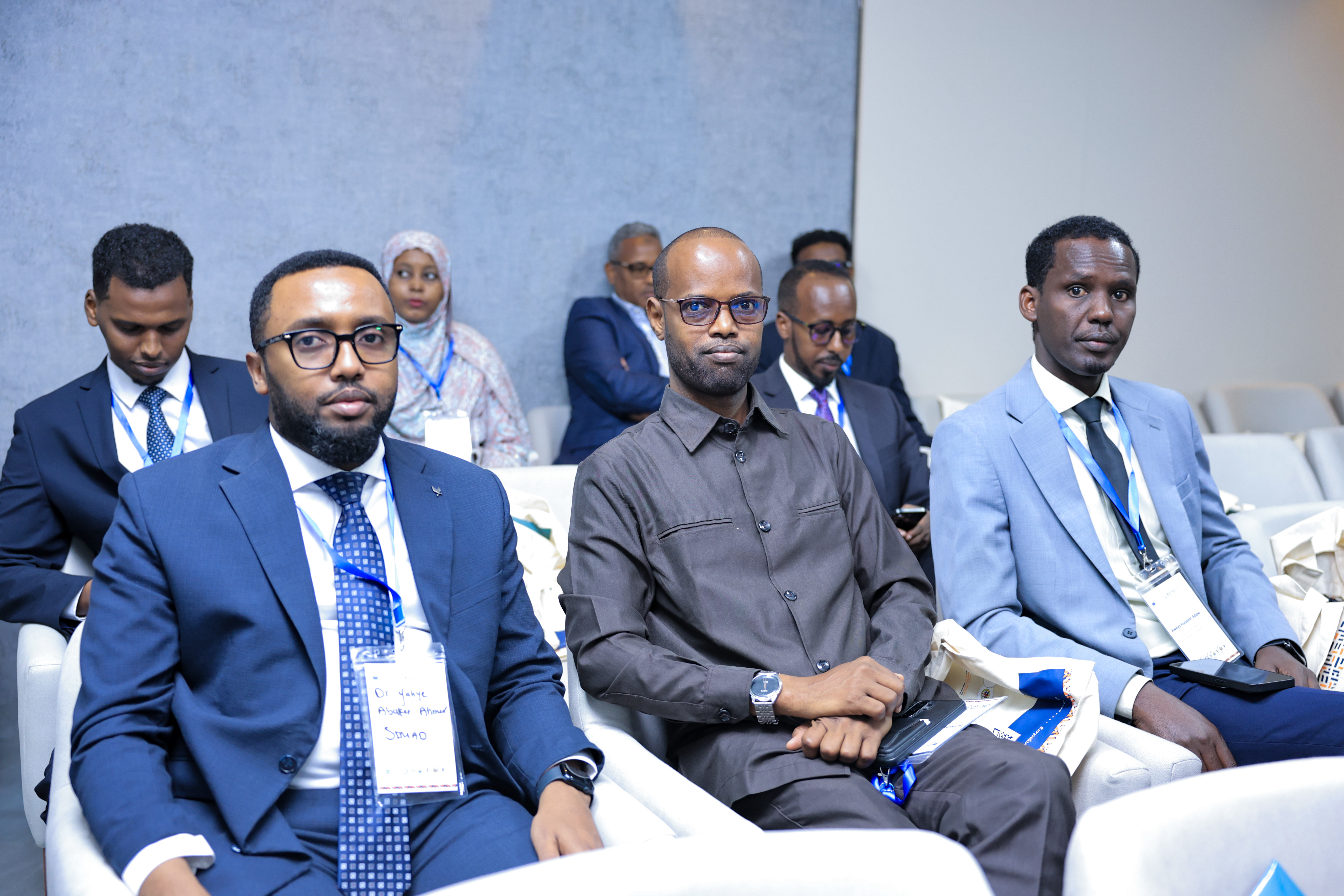
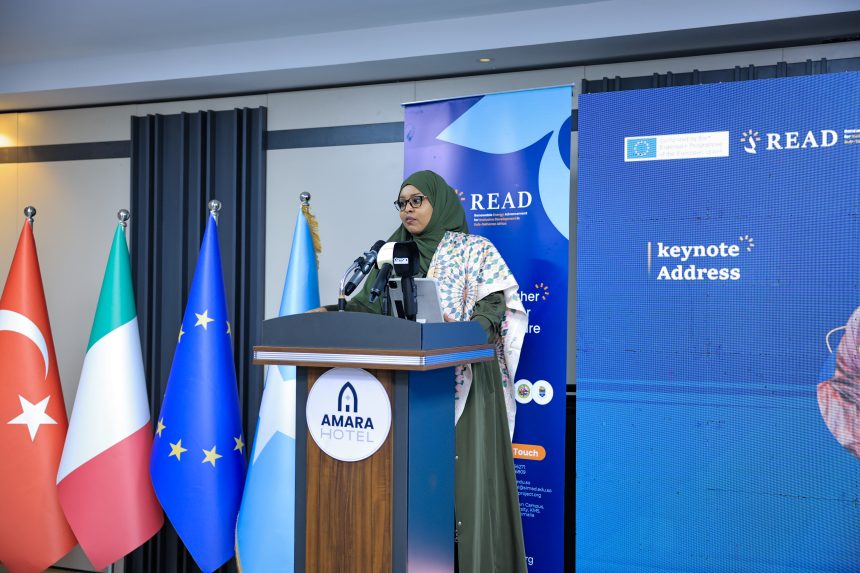
Mogadishu(SONNA)-A new European Union–funded higher education initiative aimed at strengthening renewable energy skills and supporting climate-resilient development in Sub-Saharan Africa was officially launched on Monday in Somalia’s capital, Mogadishu.
The Renewable Energy Advancement for Inclusive Development Sub-Saharan Africa (READ) Project, co-funded under the EU’s Erasmus+ Capacity Building in Higher Education programme, brings together universities from Africa and Europe to modernize renewable energy education, boost applied research, and improve institutional capacity in climate-vulnerable regions.
The launch took place during a high-level kick-off meeting running from Jan. 12 to 14, attended by the Ambassadors of the European Union, Italy, and Türkiye, as well as senior officials from Somalia’s Federal Government, including ministers responsible for climate change, energy, education, and culture.
“Access to reliable and sustainable energy is one of the defining development challenges of our time,” said an EU representative at the event. “Through projects like READ, the European Union is investing in education, skills, and partnerships that will empower young people and institutions to drive the green transition.”
Bridging Skills and Energy Gaps
Across much of Sub-Saharan Africa, limited energy access, outdated academic programmes, and weak links between universities and industry continue to slow economic growth and climate adaptation. Project partners say READ is designed to directly address these challenges by aligning higher education with fast-changing renewable energy markets.
“Universities must be at the center of the energy transition,” said Somalia’s Minister of Energy and Water Resources. “This project will help ensure that our graduates have the skills and practical knowledge needed to support national energy priorities and sustainable development.”
READ focuses on curriculum modernization, faculty training, applied and needs-based research, and stronger collaboration between universities, government institutions, and the private sector.
Africa–Europe Academic Partnership
The project is coordinated by SIMAD University in Somalia and implemented in partnership with universities from Italy, Türkiye, Tanzania, and Malawi, alongside several Somali higher education institutions. Organizers say the collaboration is intended to promote long-term knowledge exchange and locally driven innovation.
“This partnership reflects a shared commitment between Africa and Europe to invest in people and institutions,” said a representative from one of the European partner universities. “By working together, we can develop solutions that are both globally informed and locally relevant.”
Expected Long-Term Impact
Over its implementation period, READ is expected to improve the quality and relevance of renewable energy education, strengthen institutional research and digital learning capacity, and enhance youth employability in the growing green economy. The project also aims to support national energy transition strategies and climate adaptation efforts across participating countries.
“READ is not just an academic project; it is a strategic investment in people, institutions, and the future of sustainable development in our region,” said Dr. Abdikarim Mohaidin Ahmed, Rector of SIMAD University and the project’s coordinating lead. “By strengthening renewable energy education today, we are preparing African universities and young people to lead tomorrow’s energy transition with confidence, competence, and impact.”
Organizers said the project places a strong emphasis on inclusion, resilience, and sustainability, ensuring that renewable energy education translates into tangible benefits for communities and national development goals.