Local News
UK-Funded ILO Initiative Strengthens Journalists' Capacity for Responsible Migration Reporting Across Eastern Africa
Mogadishu, (SONNA) — Journalist leaders from across Eastern Africa have reaffirmed their commitment to promoting ethical, balanced and evidence-based reporting on migration and labour mobility following the conclusion of a regional meeting in Mombasa, Kenya.
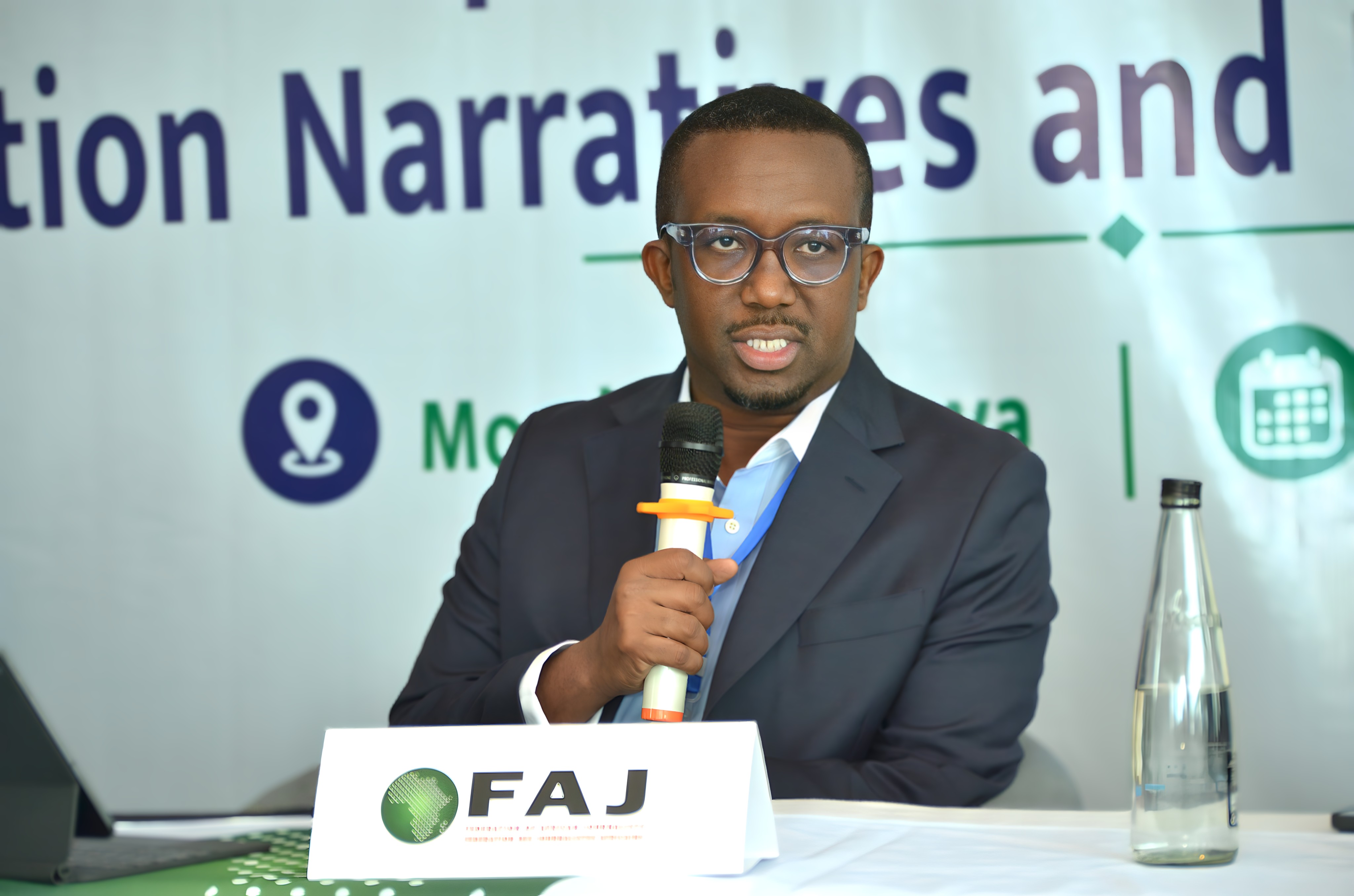
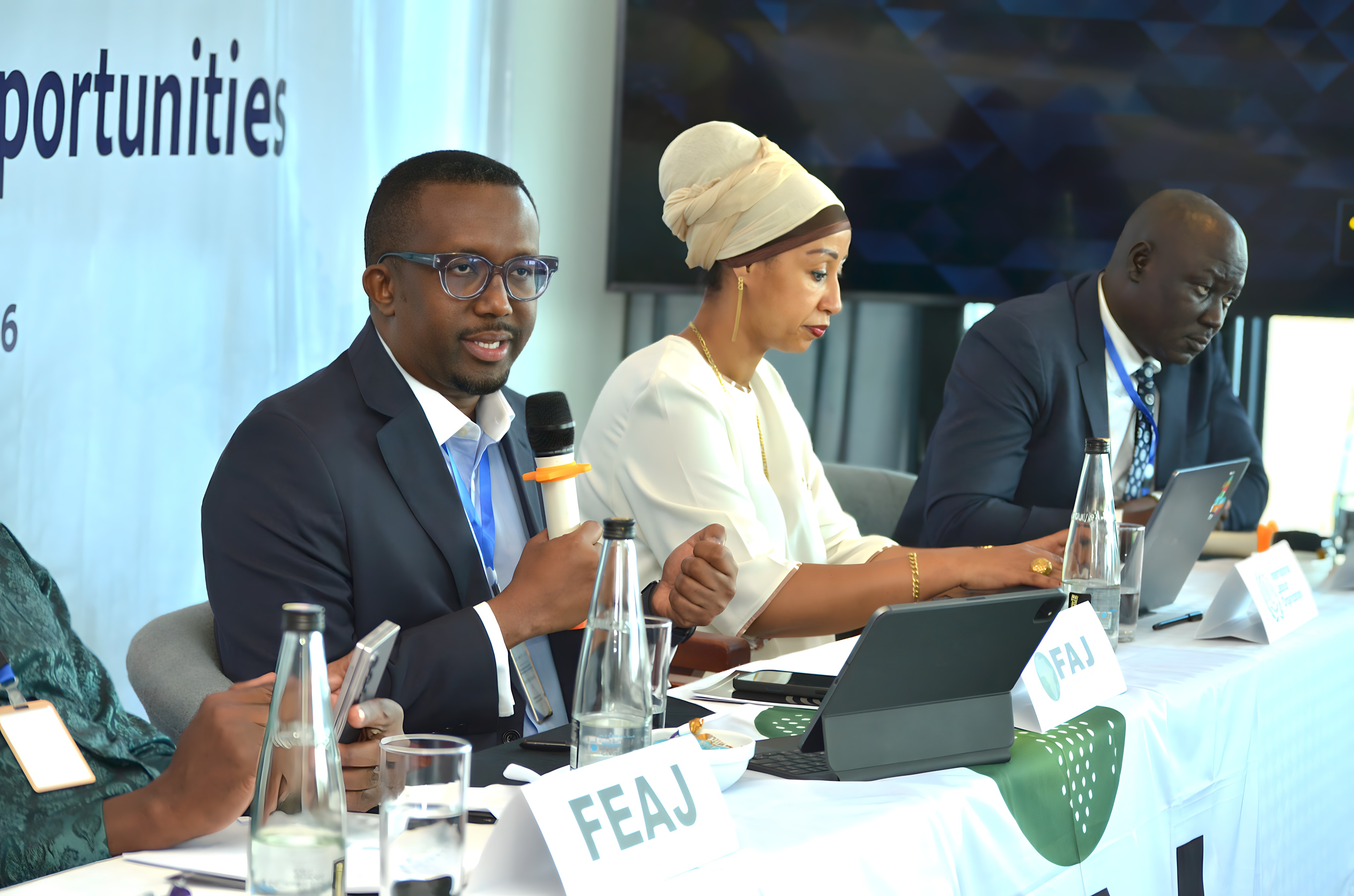
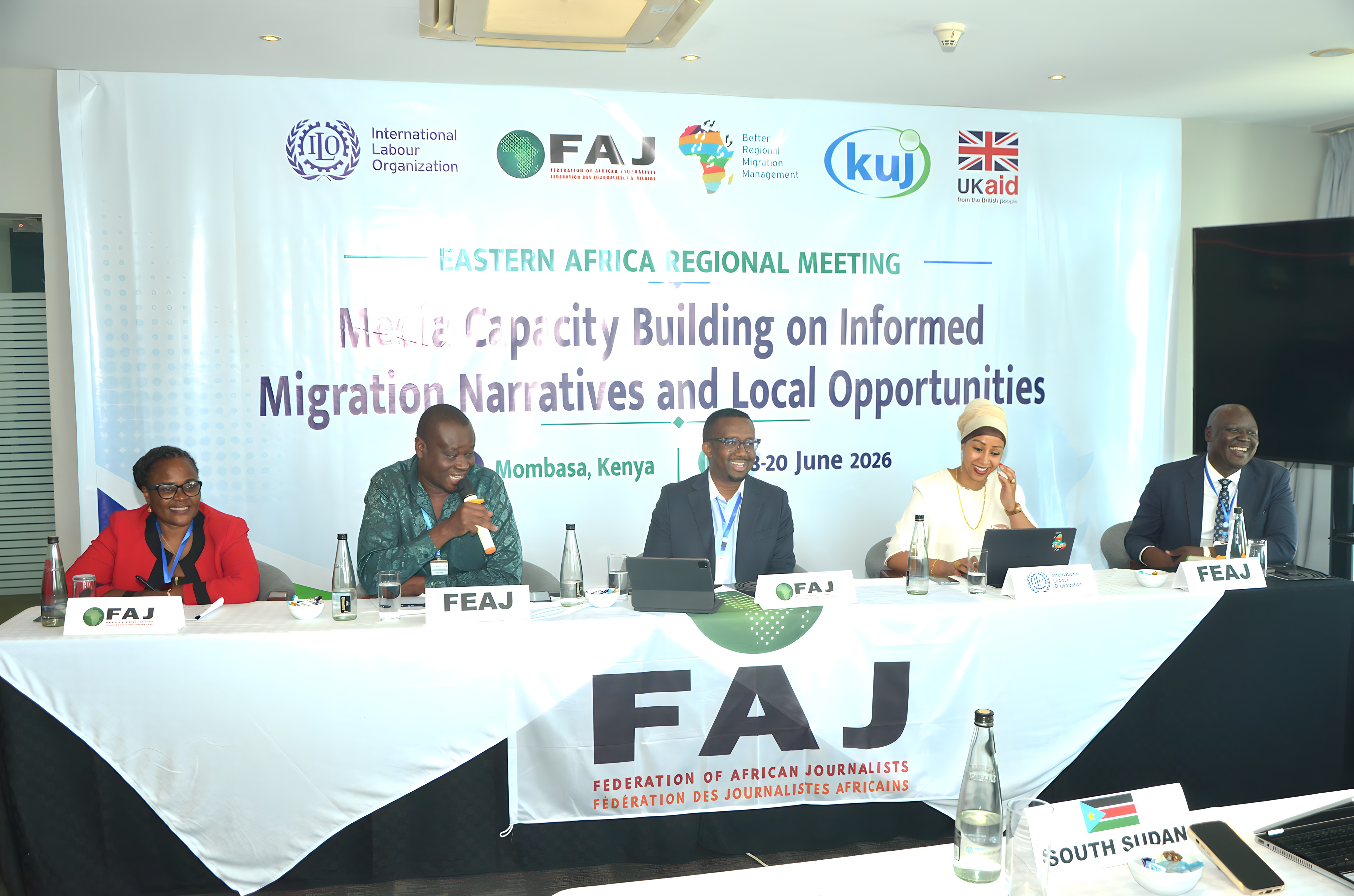
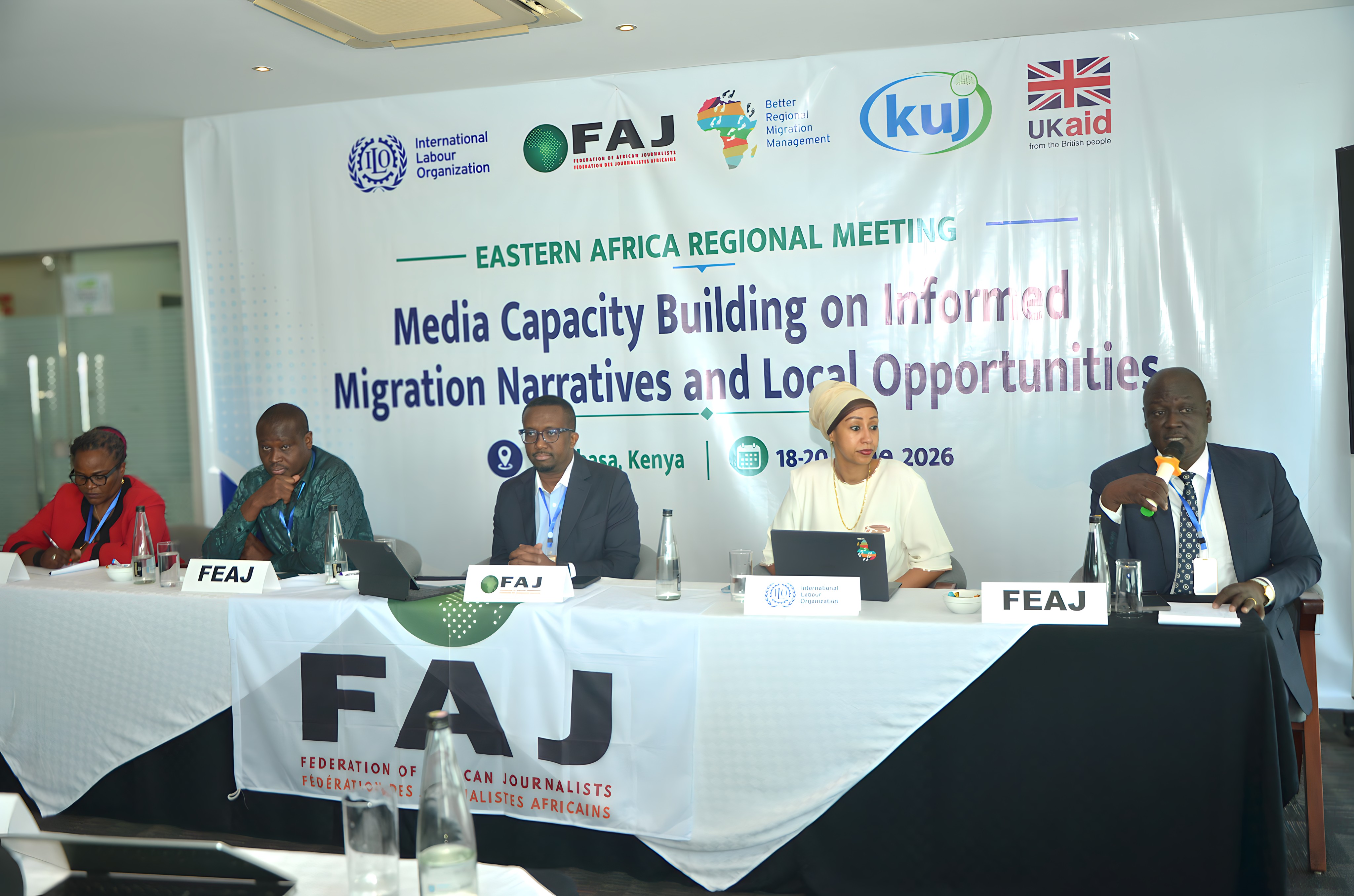
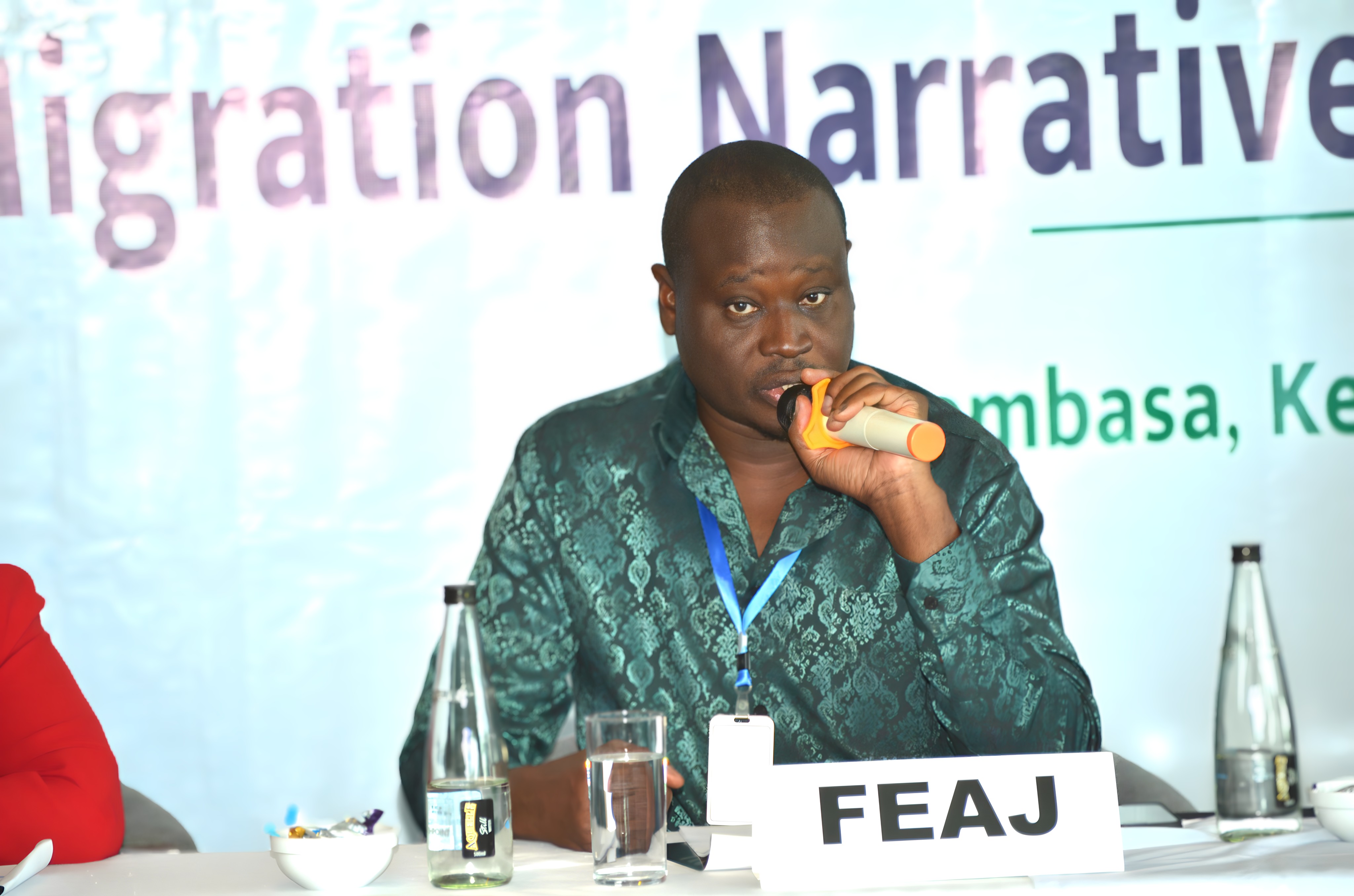
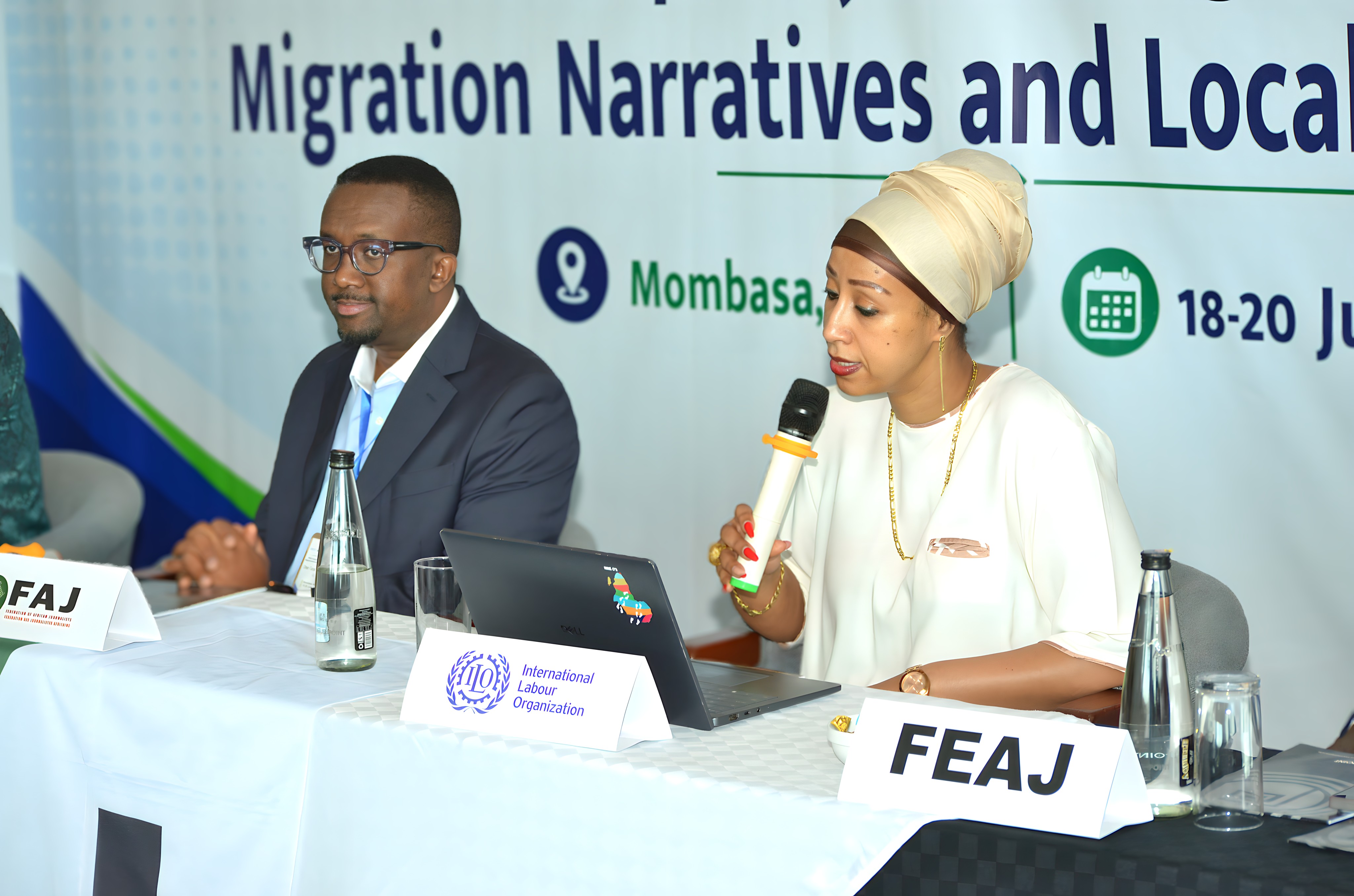
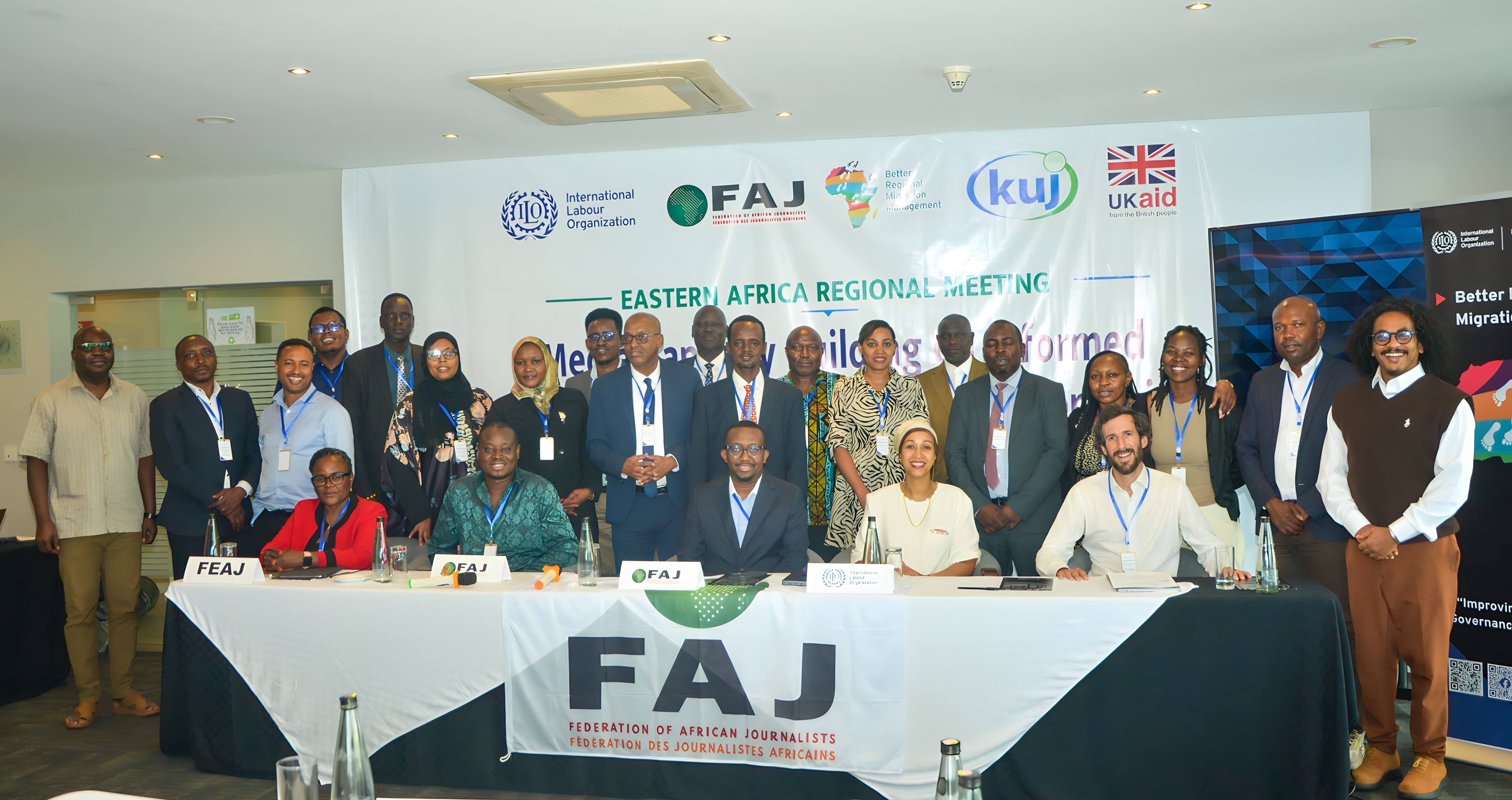
The Eastern Africa Regional Meeting on Media Capacity Building on Informed Migration Narratives and Local Opportunities was organised by the Federation of African Journalists (FAJ) in collaboration with the Federation of Eastern Africa Journalists (FEAJ) and held from 18 to 20 June 2026. The forum was supported by the International Labour Organization (ILO) through the Better Regional Migration Management (BRMM) Programme, funded by the United Kingdom's Foreign, Commonwealth and Development Office (FCDO), and hosted by the Kenya Union of Journalists (KUJ). The meeting brought together journalists' union leaders and media professionals from Comoros, Djibouti, Ethiopia, Kenya, Rwanda, Somalia, South Sudan, Sudan, Tanzania and Uganda to strengthen professional journalism on migration and labour mobility while enhancing regional cooperation among media organisations.
Among the participants were three journalist leaders from Somalia representing the National Union of Somali Journalists (NUSOJ), who joined colleagues from across Eastern Africa in discussions on strengthening responsible migration reporting and promoting fact-based journalism on labour mobility and migration issues.
The gathering forms part of ongoing efforts by FAJ and its affiliates to implement commitments contained in the Dakar Communiqué on Labour Migration Reporting and the African Narrative, developed in 2024 with the support of the African Union, the ILO and the International Organization for Migration (IOM). It also builds on the outcomes of the Kigali Action Plan on Communicating Labour Migration and Mobility in Africa adopted in Rwanda in January 2025.
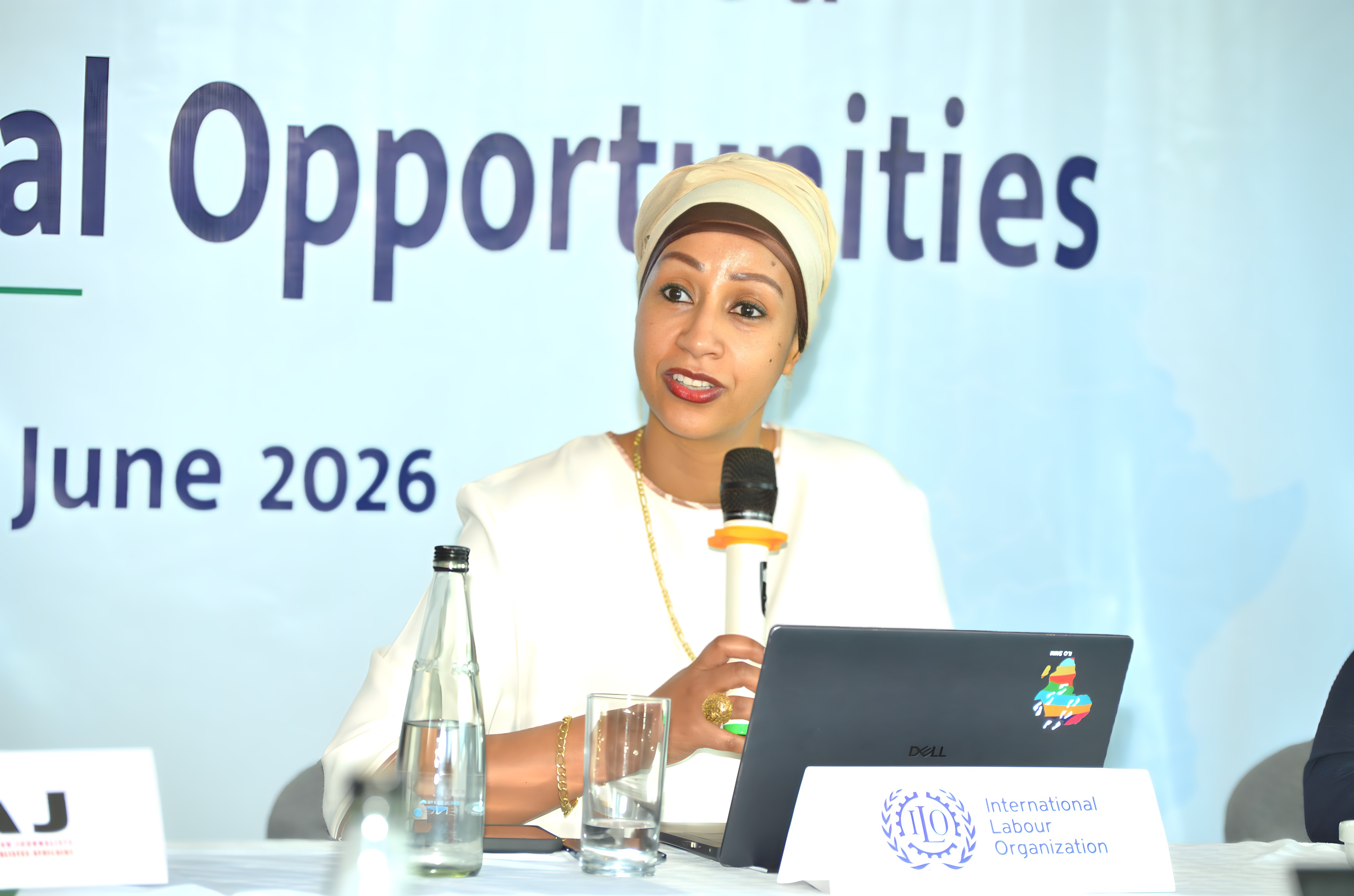
Eastern Africa remains one of the continent's most important migration corridors, with countries serving as places of origin, transit and destination for migrants and migrant workers. Migration continues to influence labour markets, economic development and regional integration, making it a major issue of public interest across the region. Speaking during the meeting, ILO Better Regional Migration Management (BRMM) Chief Technical Advisor Aida Awel said the initiative was helping strengthen professional reporting on migration and employment matters
“This regional media training marks an important step in strengthening informed, balanced and evidence-based reporting on labour migration and employment issues across Eastern Africa. By equipping journalists with the knowledge and tools to report accurately and responsibly, we are contributing to greater public awareness, accountability and regional cooperation on issues that affect millions,” Awel said. FAJ President Omar Faruk Osman said journalists have a responsibility to ensure migration is reported accurately and in the public interest.
“Migration is one of the most significant public interest issues facing Africa today. Journalists have a responsibility to report it accurately and responsibly by exposing the risks of irregular migration, horrendous abuses and exploitations while highlighting opportunities available within our countries and across the region,” Osman said. “In an age of rampant misinformation and disinformation, public interest journalism, where information integrity is consciously preserved, is essential to ensuring that migration narratives are guided by facts rather than false promises and unrealistic expectations,” he added.
Throughout the three-day forum, participants examined migration trends, labour mobility patterns and the socio-economic factors that influence migration decisions across Eastern Africa. Discussions focused on how journalism can contribute to greater public understanding of migration and encourage informed debate on issues affecting migrants, migrant workers and host communities. A key highlight of the meeting was the regional launch of the ILO Toolkit on Migration Reporting, which provides practical guidance for journalists covering migration and labour mobility issues. Participants explored how the resource can support more accurate, ethical and context-sensitive reporting throughout the region.
The forum also addressed the dangers associated with irregular migration, forced labour and human trafficking. Participants stressed the need for reporting that protects vulnerable communities, avoids sensationalism and helps audiences understand the realities facing migrants. Recognising the growing influence of false information online, journalists received training on fact-checking, verification techniques and information integrity. Participants emphasised that credible reporting is essential in countering misinformation and disinformation surrounding migration issues.
The meeting further encouraged greater media attention to fair recruitment practices, employment opportunities, entrepreneurship, vocational training, skills development and legal labour mobility pathways within Eastern Africa. Participants noted that balanced reporting should highlight both opportunities and challenges to enable communities to make informed decisions.
In addition to migration reporting, leaders of journalists' organisations discussed media freedom, journalists' safety and regional advocacy priorities. The discussions explored opportunities for cross-border reporting initiatives, professional exchanges and stronger collaboration among journalists' unions across the region.
The regional gathering agreed at the end to adopt the Mombasa Statement on Responsible Migration Reporting, which reaffirms the commitment of journalists and media organisations to ethical, balanced and evidence-based reporting on migration and labour mobility. The statement also calls for strengthening information integrity, editorial independence and regional solidarity among media professionals.
Participants said responsible journalism remains essential in ensuring that migration reporting serves the public interest, promotes informed public discourse and contributes to a more balanced understanding of migration, labour mobility and opportunities across Africa.