EAC
Somalia joins five-country push to connect Eastern Africa’s digital systems
A three day workshop in Nairobi brought together the East African Community, IGAD and the World Bank to move the region beyond national digital projects that stop at the border.
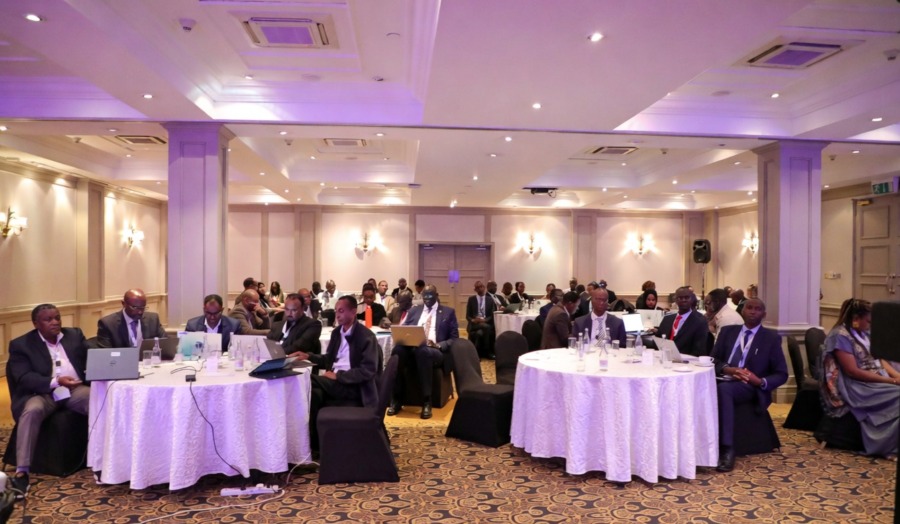
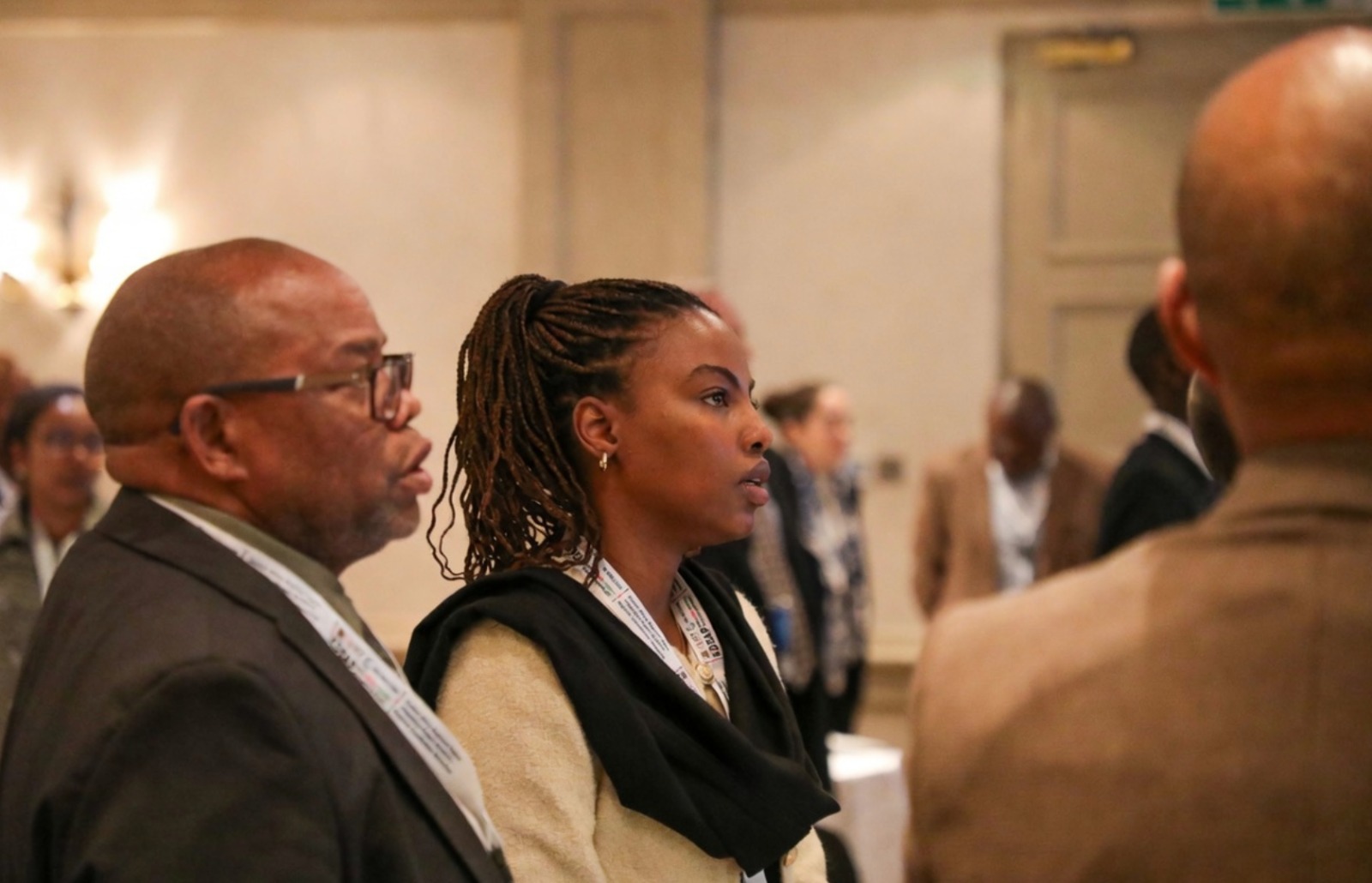
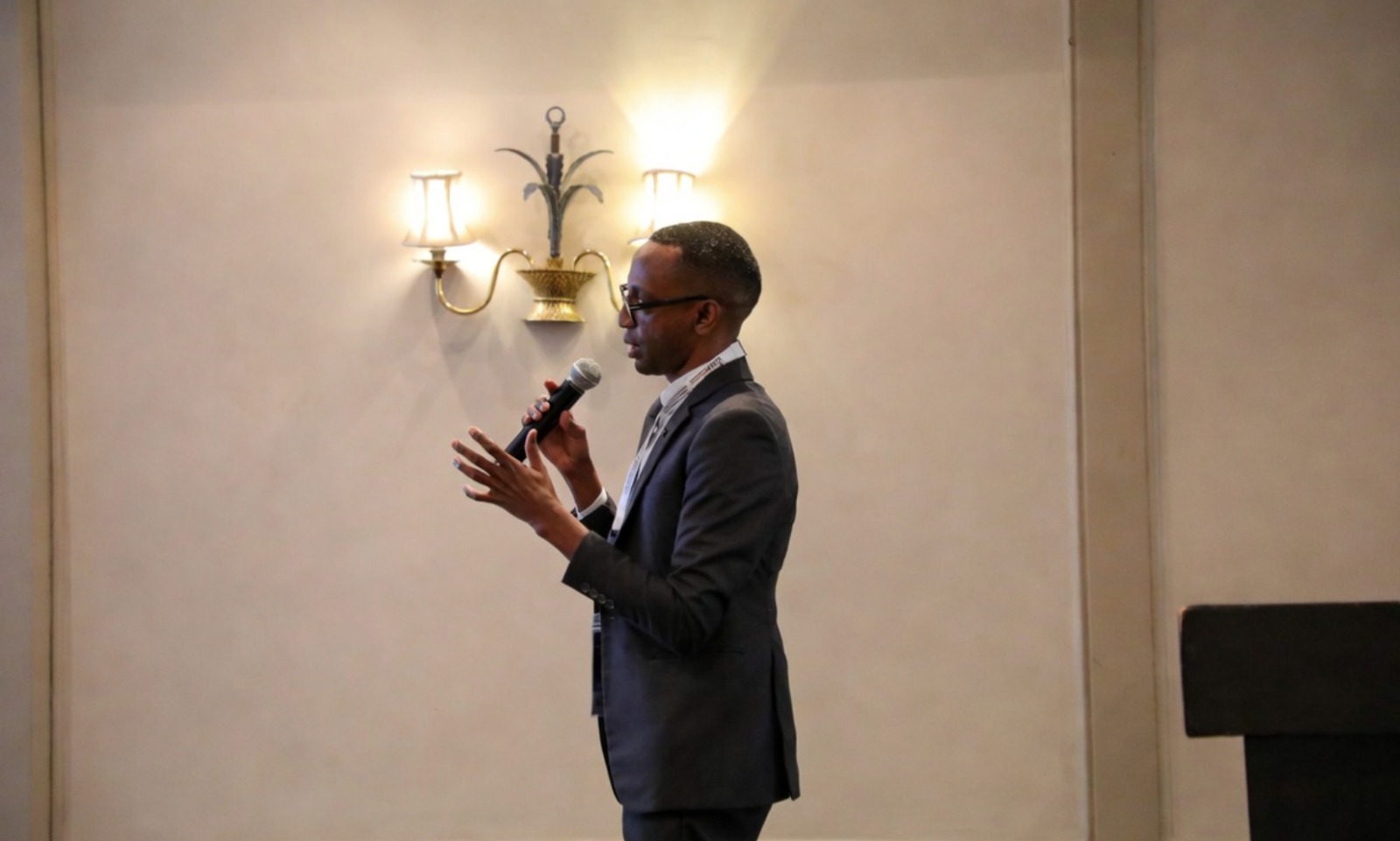
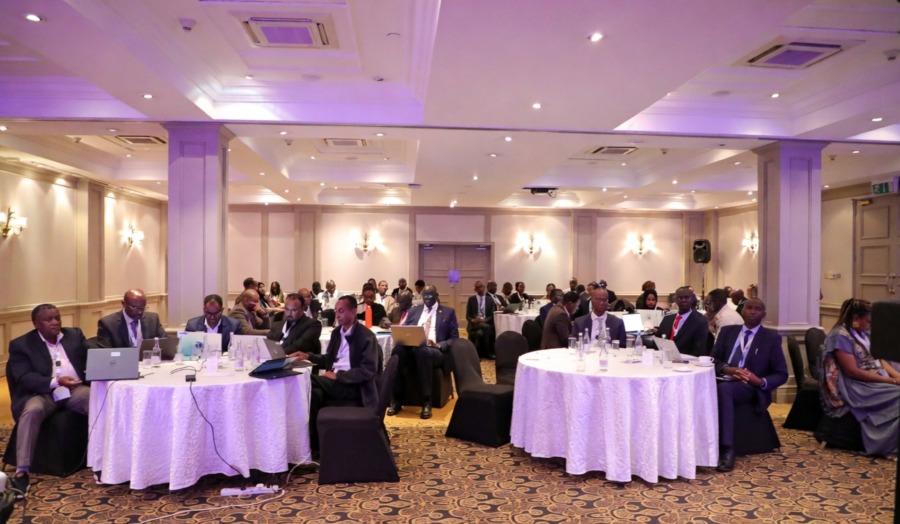
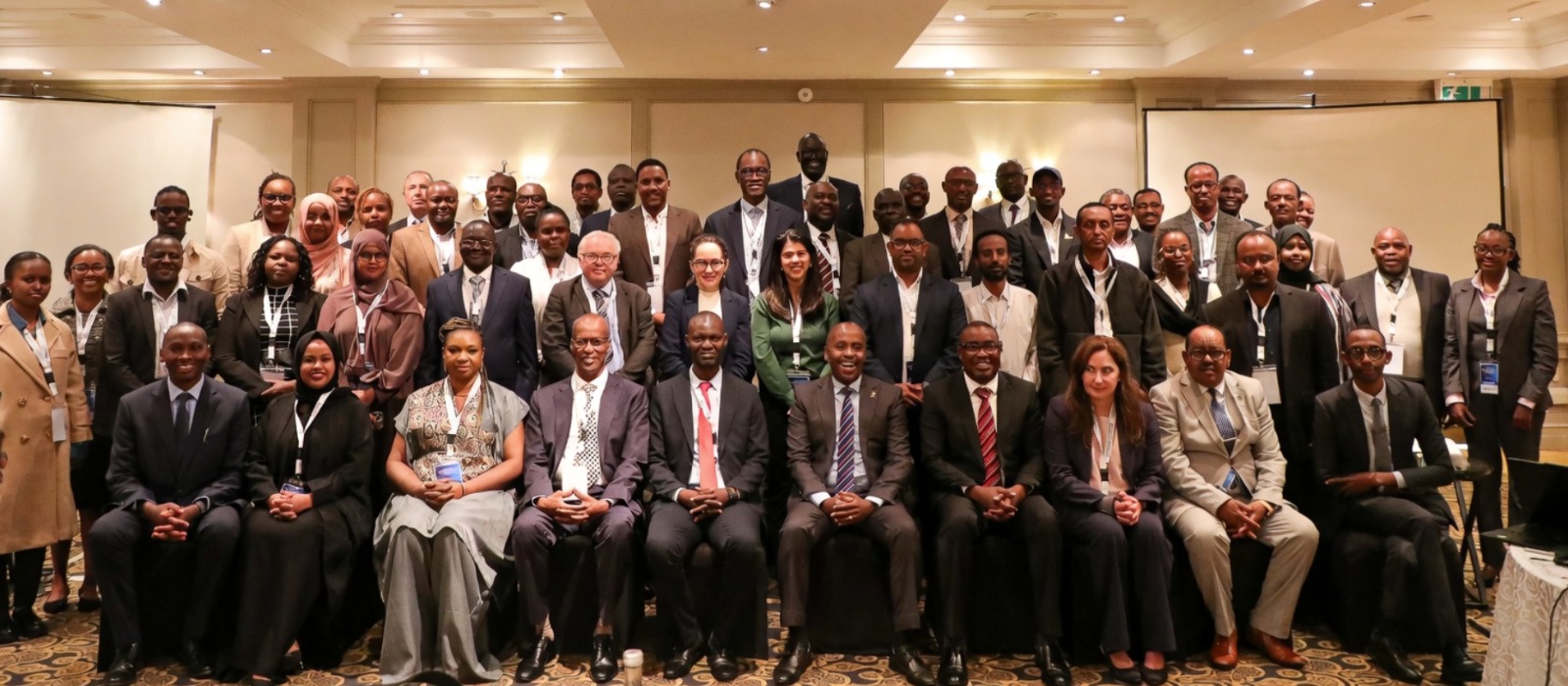
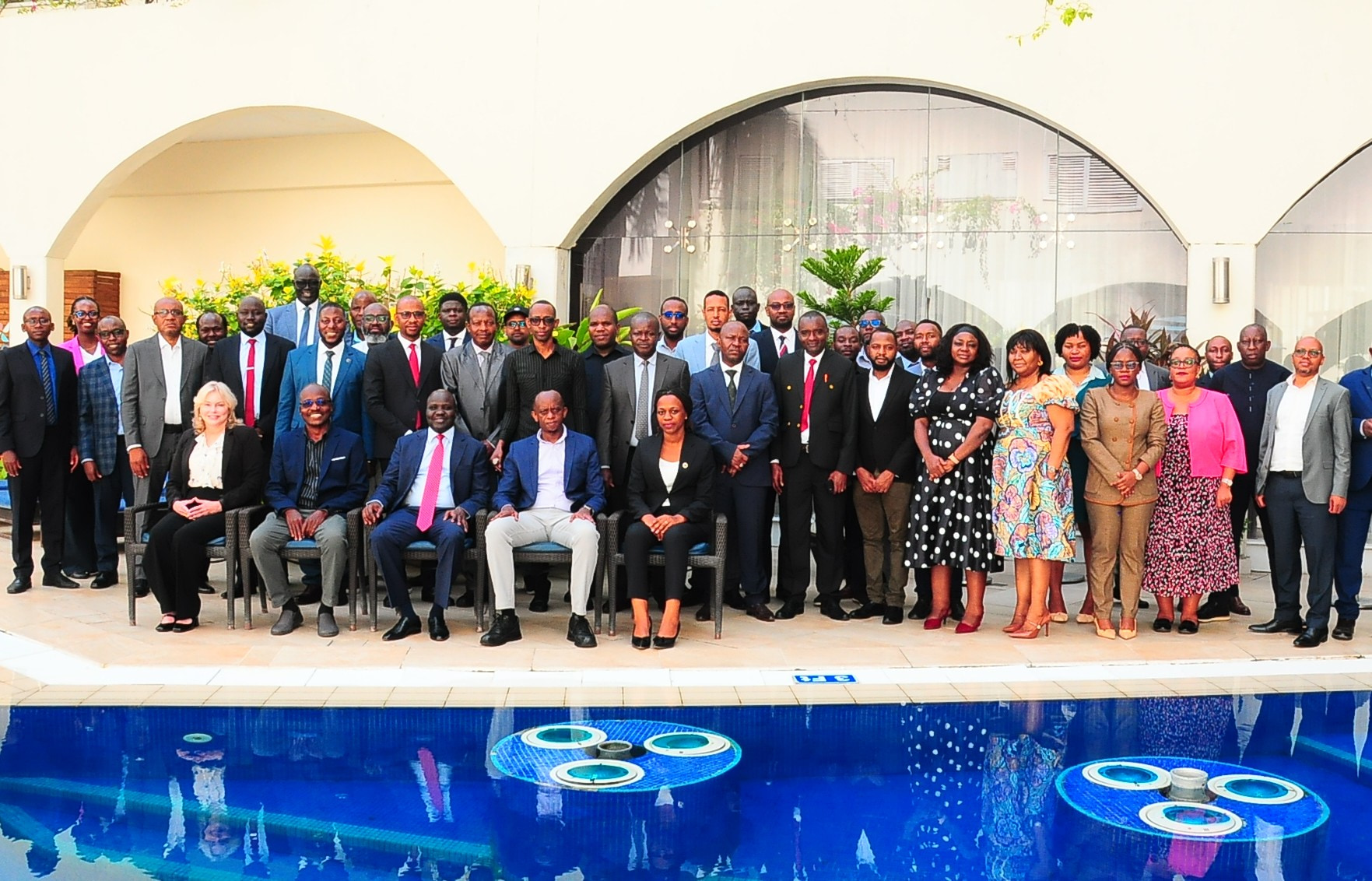
MOGADISHU (SONNA): Somalia is among five Eastern African countries taking part in a regional coordination workshop in Nairobi aimed at accelerating cross-border digital connectivity, held by the East African Community with the Intergovernmental Authority on Development and the World Bank.
The workshop, running from 22 to 24 September, brings together representatives of Djibouti, Ethiopia, Kenya, Somalia and South Sudan. It is focused on five areas: expanding connectivity, building digital public infrastructure and services, strengthening regional cooperation on cyber security, promoting cross-border digital trade, and deepening coordination between the participating countries and the two regional bodies.
Somalia, Djibouti, Ethiopia and South Sudan are implementing World Bank financed national projects under the Eastern Africa Regional Digital Integration Project, the Community’s flagship digital programme. Kenya, which is not a direct beneficiary of that project, takes part through its own World Bank supported Kenya Digital Economy Acceleration Project, which the Secretariat described as closely aligned with the regional agenda.
The argument put at the opening was that national approaches pursued separately produce systems that stop at the border. Participants called for coordinated solutions capable of delivering connectivity that runs across frontiers, digital services that work with one another, and digital environments that can be trusted between countries.
That is a narrower and more practical proposition than it sounds. A payment made in one country should clear in the next. An identity verified in one system should be recognised in another. A fibre route should not terminate at a customs post. Each of those requires two governments to agree on standards before either can offer the service, which is why the work is done in rooms like the one in Nairobi rather than in national ministries alone.
For Somalia the meeting sits within a year of steady movement on the same questions. The National Communications Authority has signed a cyber security law and established a centre to respond to internet security incidents, and runs an annual National Cyber Security Forum with Mogadishu University, which last month launched the country’s first bachelor’s degree in cyber security and artificial intelligence. The Central Bank has been aligning its payment systems and supervision with East African Community standards, and took part in the Community’s Monetary Affairs Committee in Kampala in July.
The regional picture is moving at the same time. Djibouti held its first national forum on artificial intelligence this month, where its Minister Delegate for the Digital Economy set out a readiness assessment conducted with UNESCO and warned that Somali, Afar and Arabic must have a place in the systems being built or their speakers will face digital exclusion. Djibouti’s Minister of the Economy told the same forum that twelve submarine cables land in the country with three more in progress.
Participants in Nairobi are also reviewing what earlier work has produced, including harmonisation efforts, knowledge-sharing platforms and the bilateral agreements that have supported cross-border links to date.
The Secretariat said the outcomes are expected to contribute to a more connected Eastern Africa in which citizens, businesses and governments can reach secure digital services, take part in regional markets and benefit from the opportunities of the digital economy.
Somalia’s participation reflects a wider pattern of the past three months, in which Somali institutions have taken places inside the regional and international bodies that set the standards they work to. The Central Bank at the Monetary Affairs Committee, the Office of the Auditor General in the INTOSAI working group on corruption and money laundering, the Ministry of Commerce chairing the first Horn of Africa Initiative trade ministers meeting in Addis Ababa this month, and now the digital file. In each case the country is at the table where the rules are agreed rather than receiving them afterwards.