Local News
Government accounts receive a clean audit opinion for the first time
The Prime Minister told the Council of Ministers that the Office of the Auditor General has given the highest opinion available to the management of public finances, as the Ministry of Finance presented the 2025 annual accounts and growth of 3.1 percent.
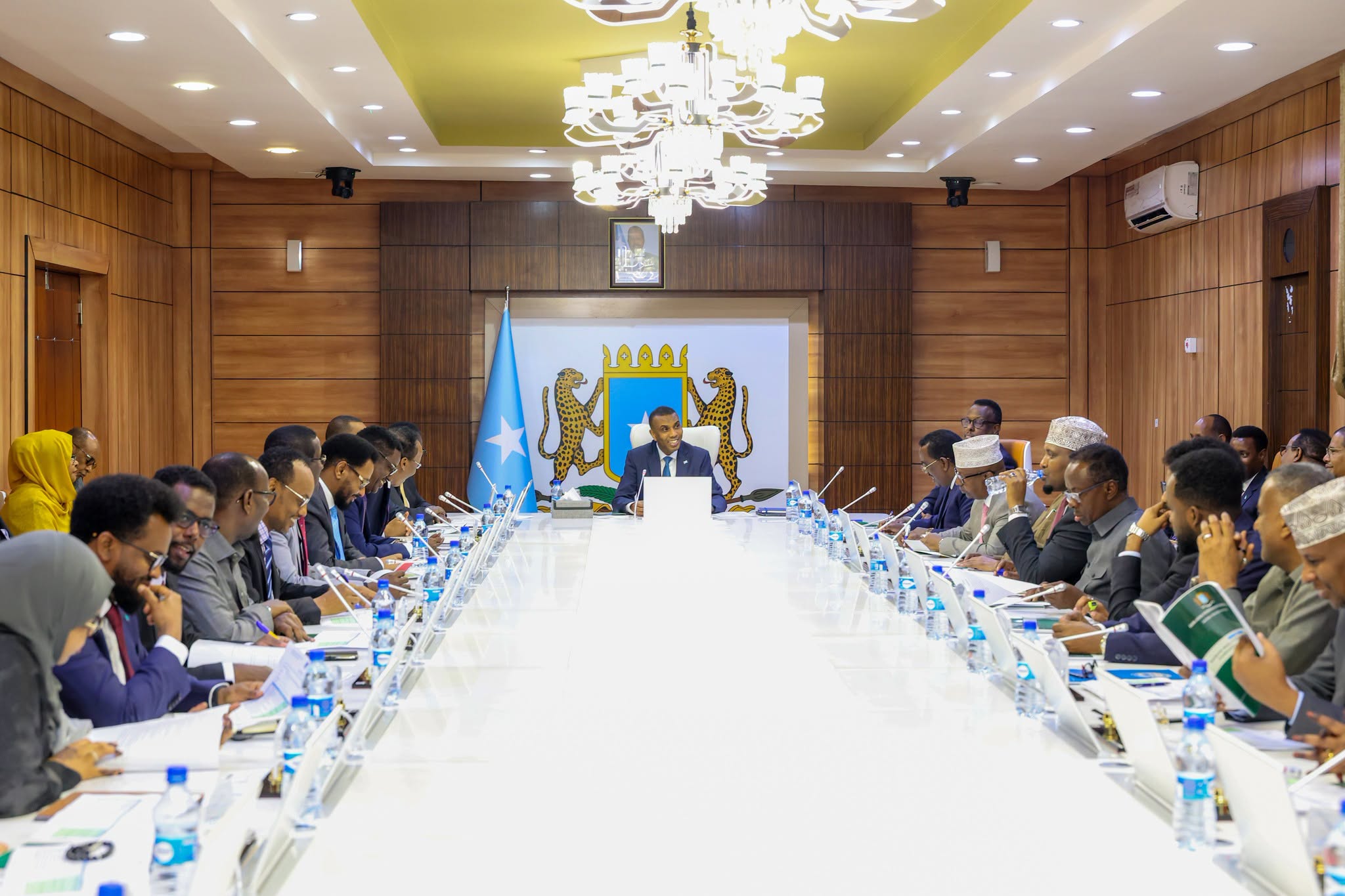
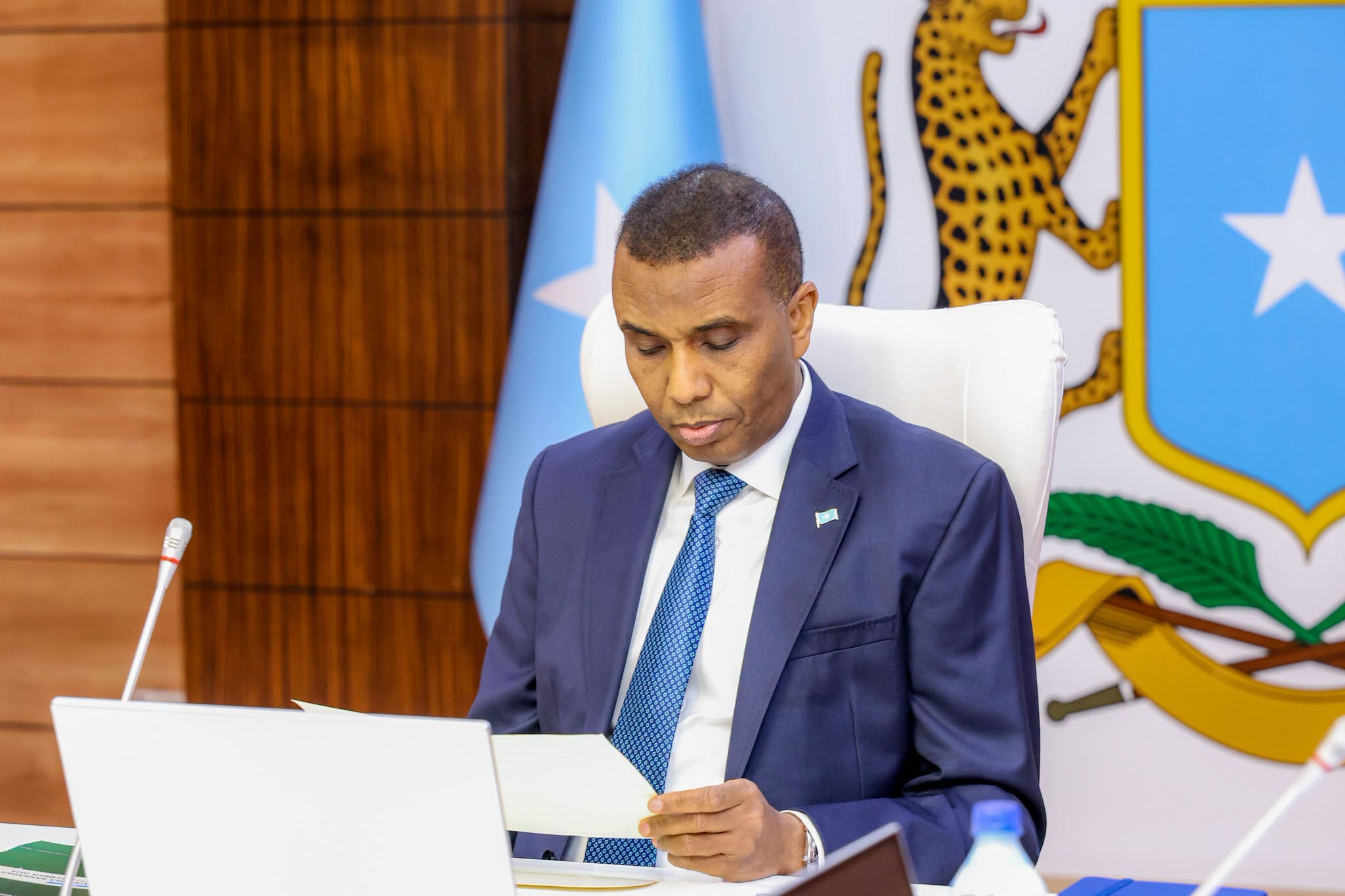
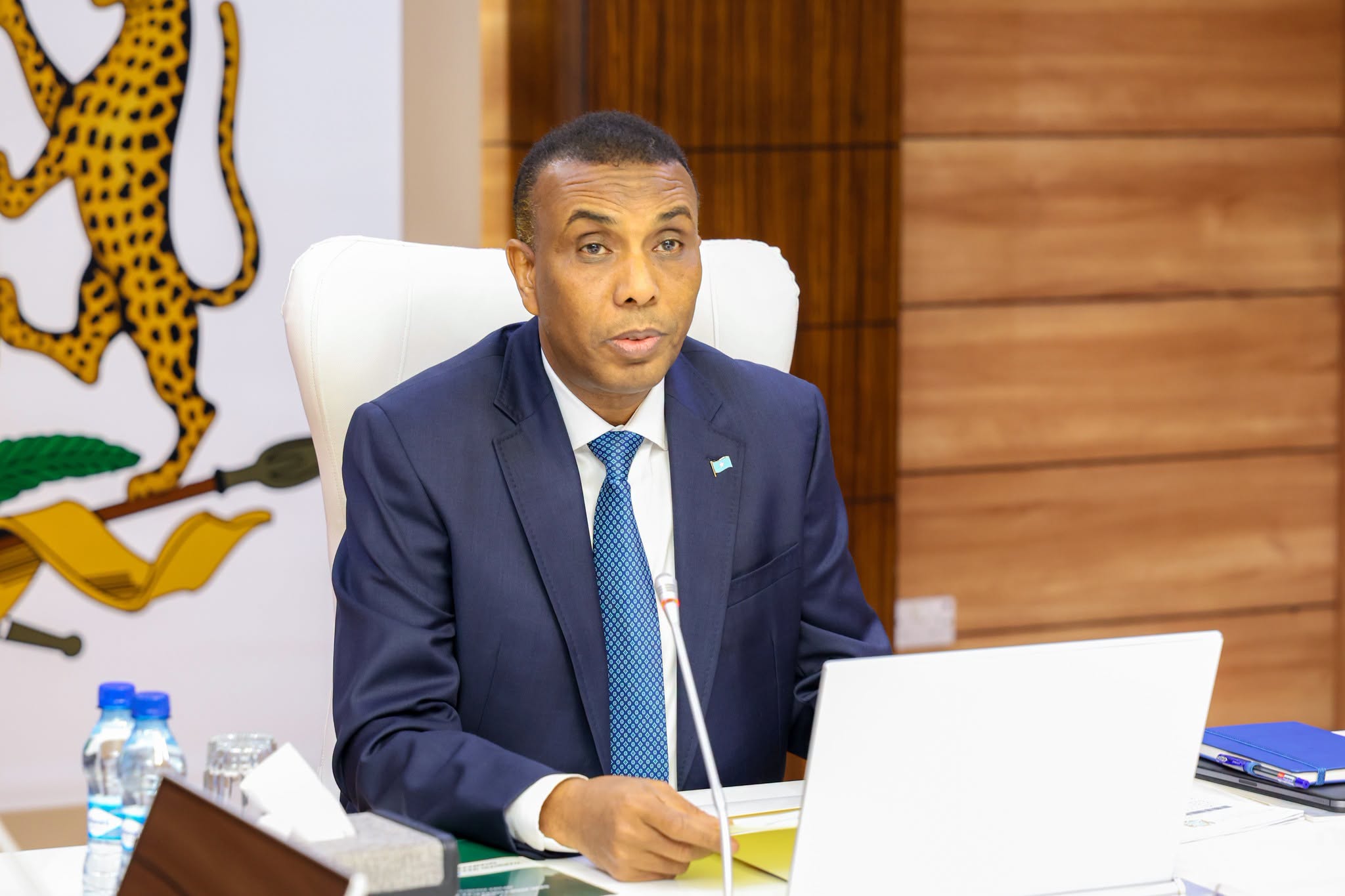
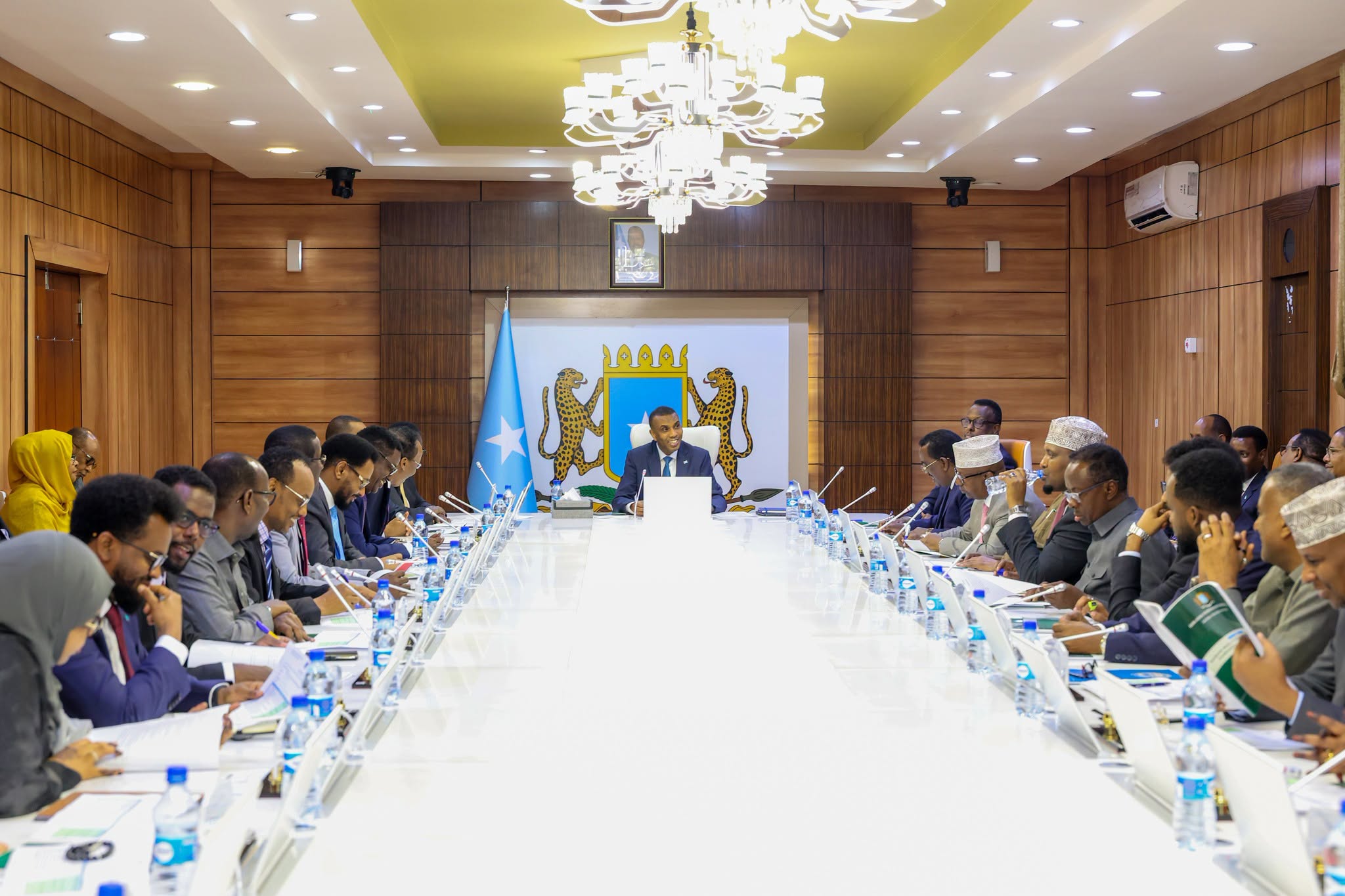
MOGADISHU (SONNA): The management of Somalia’s public finances has received a clean audit opinion from the Office of the Auditor General for the first time, Prime Minister Hamza Abdi Barre told the weekly meeting of the Council of Ministers in Mogadishu.
The Council received the Ministry of Finance’s report on the annual accounts for 2025, covering economic development, domestic tax collection and financial reform. The report recorded growth of 3.1 percent in gross domestic product.
An unqualified opinion, described in the Somali as a clean view, is the highest an auditor can issue. It means the auditor found the accounts to present a true and fair view of the finances without material reservation. For a government receiving one for the first time it is a statement about record keeping and control rather than about how much money was spent or on what, and it is the assessment external partners examine before deciding what weight to place on a country’s own figures.
The Prime Minister commended the Ministry of Finance on the result. He said Somalis need to reach economic self-sufficiency through the use of domestic production and the country’s other resources, through wider domestic revenue collection, through the encouragement of investment, and through greater transparency and accountability in public finance and the protection of capital. He said the economy is recovering substantially and that the country will reach a self-sufficiency that removes the need for foreign assistance, which he attributed to the resilience of the Somali public.
The opinion comes from an institution that has this week taken a place in the body that sets international standards for this work. The Office of the Auditor General became a member of the Working Group on the Fight Against Corruption and Money Laundering of the International Organisation of Supreme Audit Institutions at a meeting in Arusha, Tanzania, which closes today. The working group develops the guidance member institutions apply on auditing public procurement, tracing stolen assets and detecting corruption in government spending.
The two developments describe the same process from different ends. An audit institution acquiring standing inside the international body that writes the rules, and the accounts it audits meeting the standard those rules set, are the two halves of an oversight system beginning to function.
The growth figure sits alongside another recently given. The Governor of the Central Bank, Abdirahman Mohamed Abdullahi, put growth at 2.6 percent when he spoke at the Bank’s economic forum last month, describing it as below the level of the preceding two years but still positive. The Ministry’s 3.1 percent for 2025 and the Governor’s estimate may refer to different periods or different measures, and neither institution has published a reconciliation.
The Council also received a report on security, which set out recent operations by the armed forces and described advances at the front lines and losses inflicted on Khawaarij.
What the accounts establish is narrower than the language of self-sufficiency suggests. A clean audit opinion concerns whether the books are accurate, not whether the revenue is adequate, and Somalia’s domestic collection remains a fraction of what its expenditure requires. The significance of the opinion is that the figures the government publishes can now be relied upon as a starting point, which is where any argument about self-reliance has to begin.