Local News
Twenty nine years later, thousands gather in Middle Shabelle for three days of poetry and dance
People travelled from across the Shabelle regions and from Mogadishu to Haaji Ali in Adale district for an assembly elders say has not been held since before the years of war and displacement.
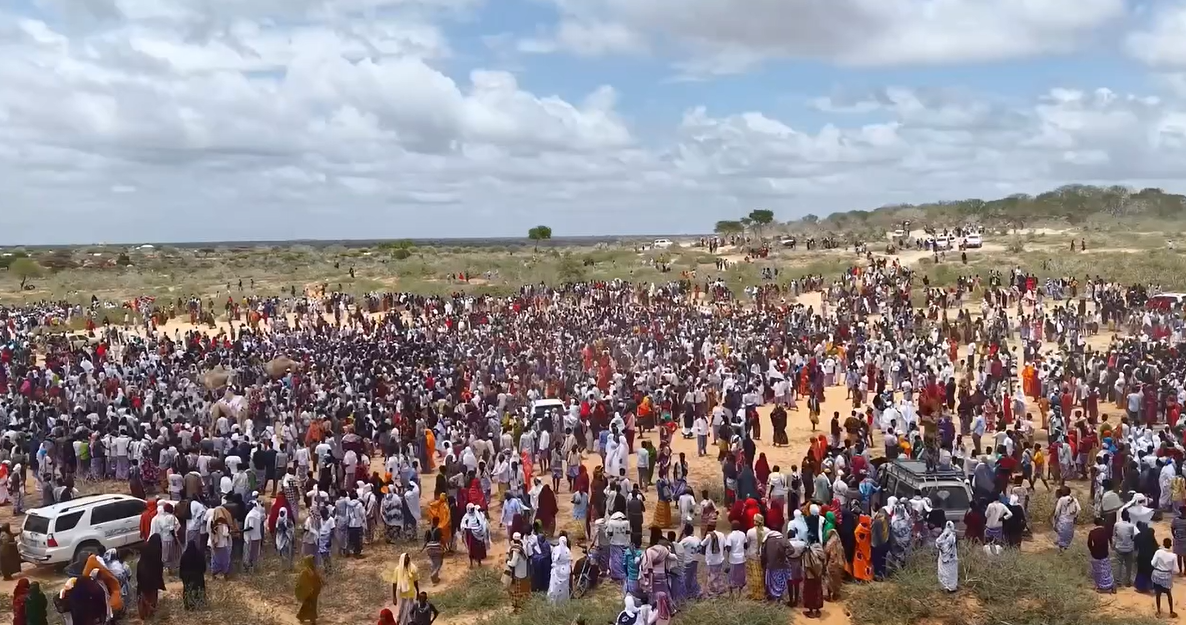
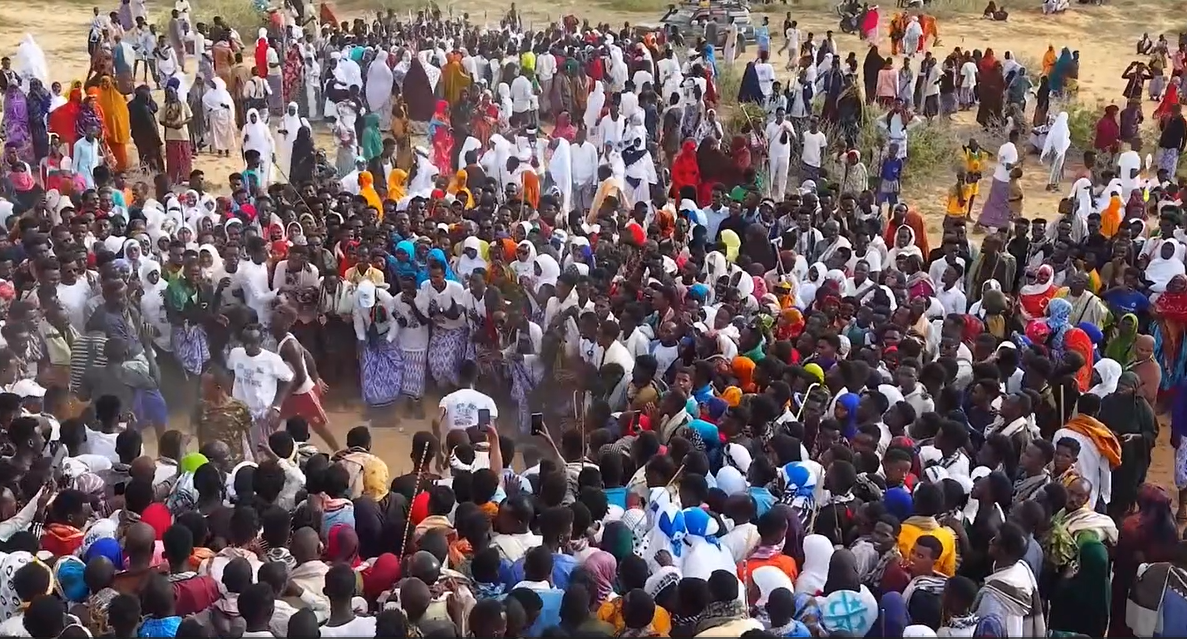
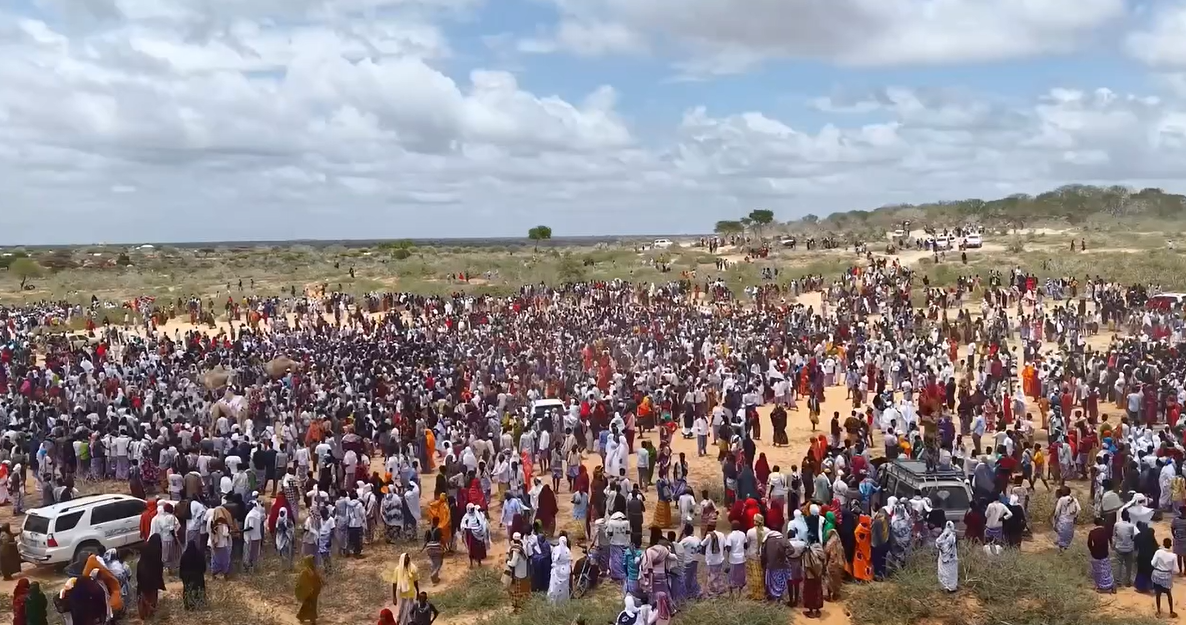
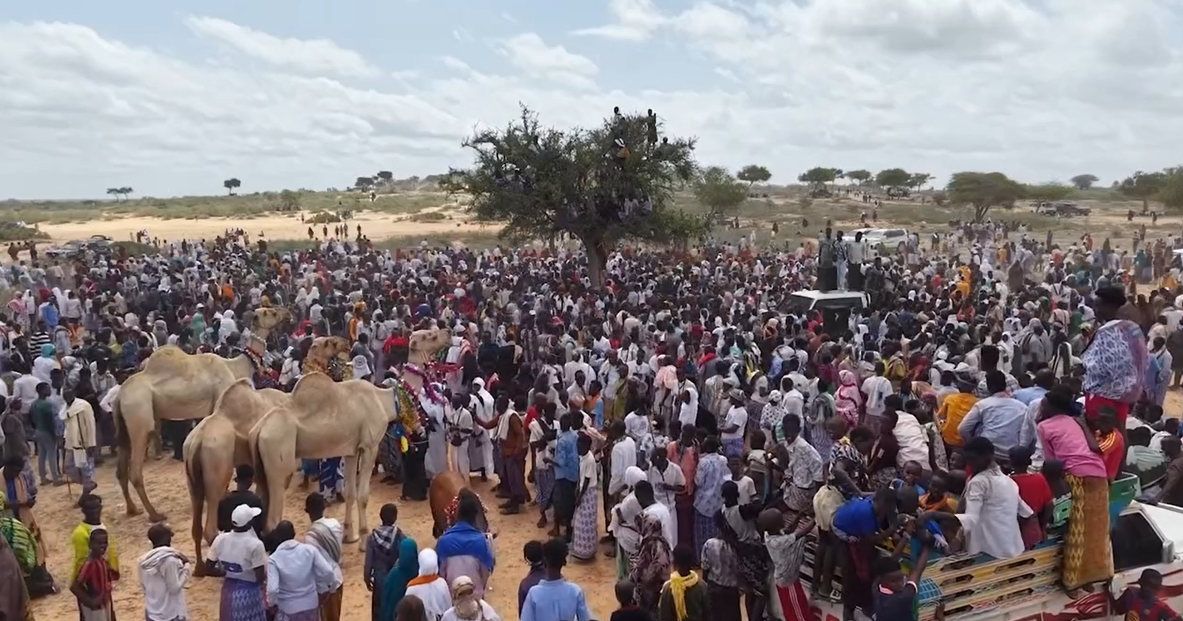
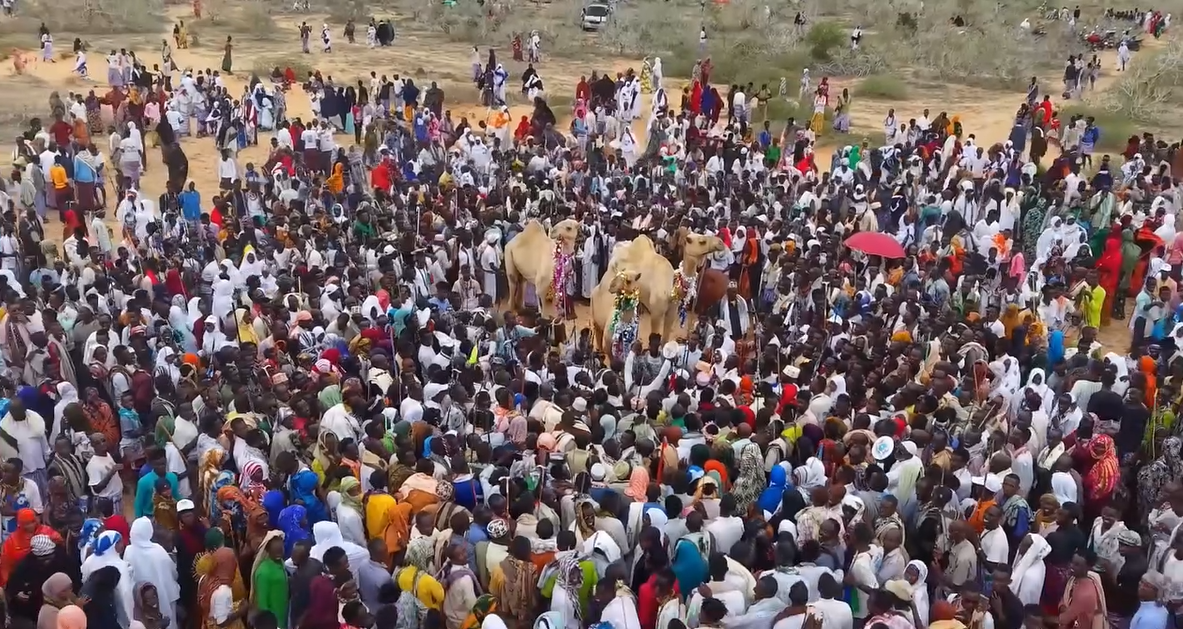
HAJI ALI, Middle Shabelle (SONNA): Thousands of people have gathered at Haji Ali, in Adale district of Middle Shabelle, for a three day assembly that elders of the community say is the first of its kind to be held in twenty nine years.
People travelled from across the Shabelle regions and from Mogadishu to attend. Organisers convened the gathering to spread peace and to revive cultural practices the area was once known for, and it is the largest assembly the area has hosted in living memory for most of those present.
What is being revived
The programme is built around four forms. Shirib, baraanbur, guurow and suurow are poetic and dance traditions of the region, performed in company rather than by individuals, and each requires numbers of people who know the words and the movements to carry it. They are the kind of practice that survives by being performed and is lost within a generation when it is not.
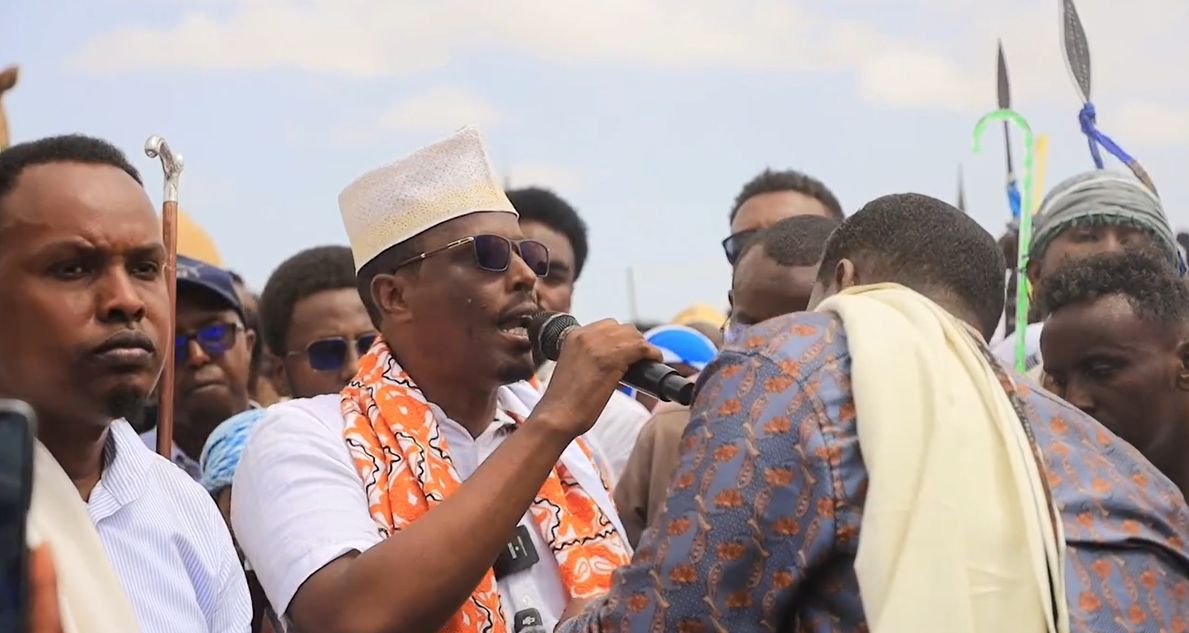
Mahmoud Faqay, one of the elders of the area, said the community holds a range of such traditions and that people come from the surrounding districts and from everywhere to take part. The forms are performed alongside religious observance, he said, with zikri and supplication part of the gathering rather than separate from it.
That combination is worth noticing. The practices being revived are communal, public and performed in the open, and they are being performed in a region where public gathering of that kind has not been straightforward for a long time.
Twenty nine years
The elder was specific about the gap. It has been twenty nine years since the community last held a gathering of this kind, he said, and while assemblies of various sizes have taken place, the last one comparable in scale and in form was held twenty nine years ago.
The period that followed is what the interval describes. He listed civil war, displacement and upheaval as what the country passed through in those years. A gathering that requires thousands of people to travel, to camp for three days and to perform together is among the first things such a period ends and among the last things to return.
He attributed the possibility of holding it now to the security situation. Without security in the world nothing can be done, he said, and it is the security the country now has that has made it possible for the community to assemble at Xaaji Cali. He credited the government of President Hassan Sheikh Mohamud with the effort put into security.
A peace appeal, not a celebration
The organisers framed the gathering around a specific request rather than around the performances. The community is calling on neighbouring communities to forgive one another, to live together, and to set aside anything capable of producing hostility, division or bloodshed between people who are related to one another.
That is the older function of assemblies of this kind, and it is why they were held. Communal performance brings people into one place and gives them a reason to stay there, and the reconciliation is conducted in the space that creates. The poetry and the dance are the occasion. The settlement of grievances is the purpose.
Where it is being held
Adale sits on the coast of Middle Shabelle, a region where Somali forces and their partners have been conducting operations against Khawaarij through this year and where parts of the interior remain contested. Twelve fighters were killed in an operation at Bur Saruur in the same region this week, according to the National Intelligence and Security Agency, and the Somali National Army destroyed sites used to collect illegal levies in the Madax Gisi and Golaley areas earlier this month.
Adale itself has featured in that record. The area was the site of an operation at Sumadaale in July, and the district has been among those where forces have worked to secure the coastal strip.
The gathering is taking place in that setting, in the open, over three days, with people arriving from Mogadishu and the surrounding districts and with district officials present. Attendance on that scale in that location is a fact about the region, and readers can weigh what it indicates for themselves.
What it could become
There is an argument, made by some of those attending, that an assembly of this size is worth more than the three days it occupies. Somalia has very little in the way of recurring cultural events that draw people across regions, and a gathering with four named performance traditions, thousands of participants and a twenty nine year story behind it has the elements of one.
The Ministry of Information, Culture and Tourism has been building a cultural portfolio through this year, taking part in the China-Africa media forum in Beijing, opening talks with Russia on heritage and the arts in Saint Petersburg, and withdrawing two draft laws on film and copyright for consultation with the industry. The Minister has argued that Somali culture rests on the Somali language and that recording and sustaining it is a condition of the nation continuing to exist.
A revived assembly in Middle Shabelle is the practical form of that argument, conducted by the community that owns the traditions rather than by a ministry. Whether it recurs, and whether it draws support, will determine whether this is the first of a series or the second in fifty eight years.
Still under way
The gathering is scheduled to continue for three days. No figure has been published for attendance, and the organisers have not said whether they intend to hold it again.