Local News
Central Bank Governor joins East African monetary talks in Kampala
Abdirahman Mohamed Abdullahi attended the 29th Ordinary Meeting of the East African Community Monetary Affairs Committee, where the Bank says Somalia reaffirmed its commitment to regional monetary integration in due course and to aligning supervision, payment systems and statistics with Community standards.
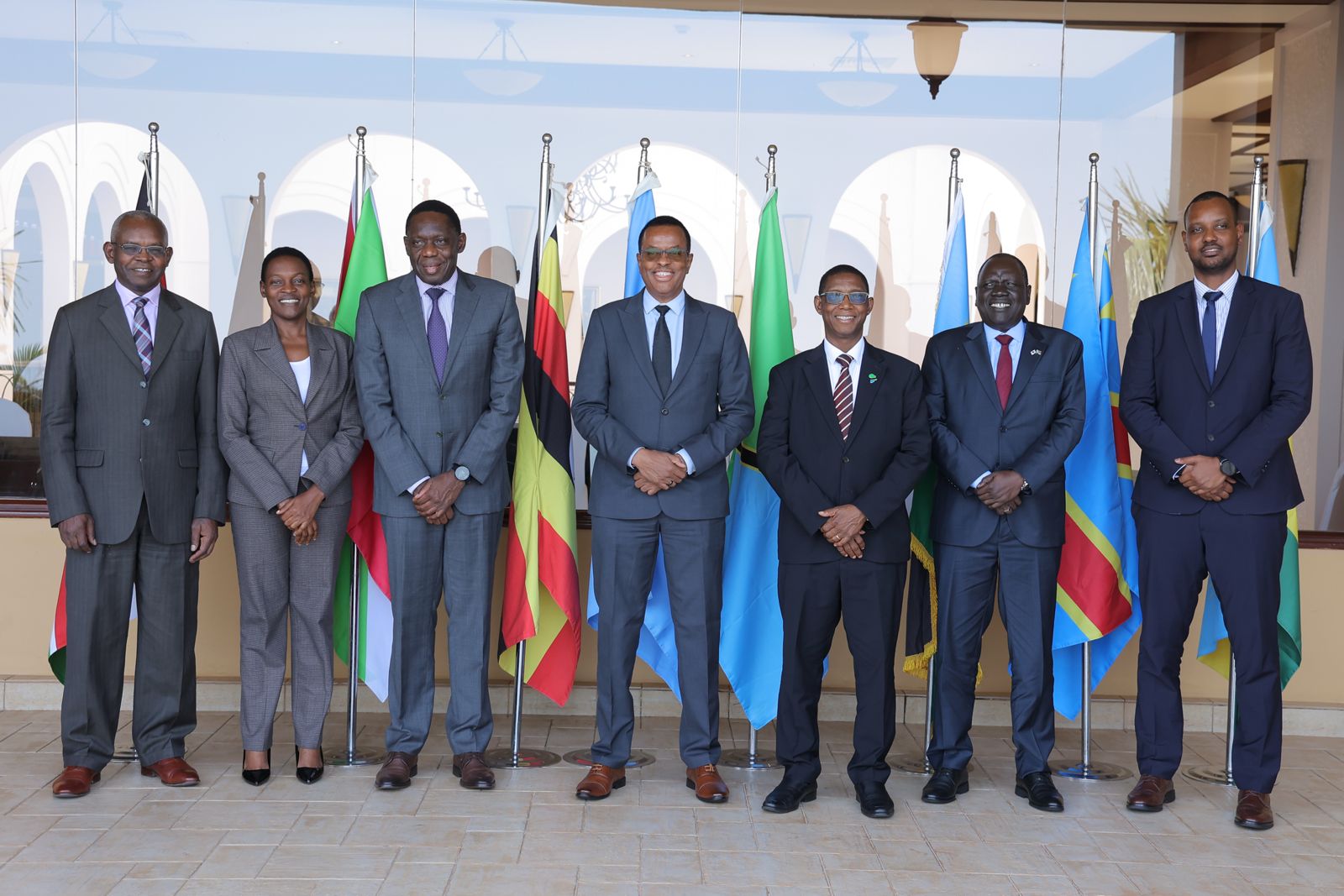
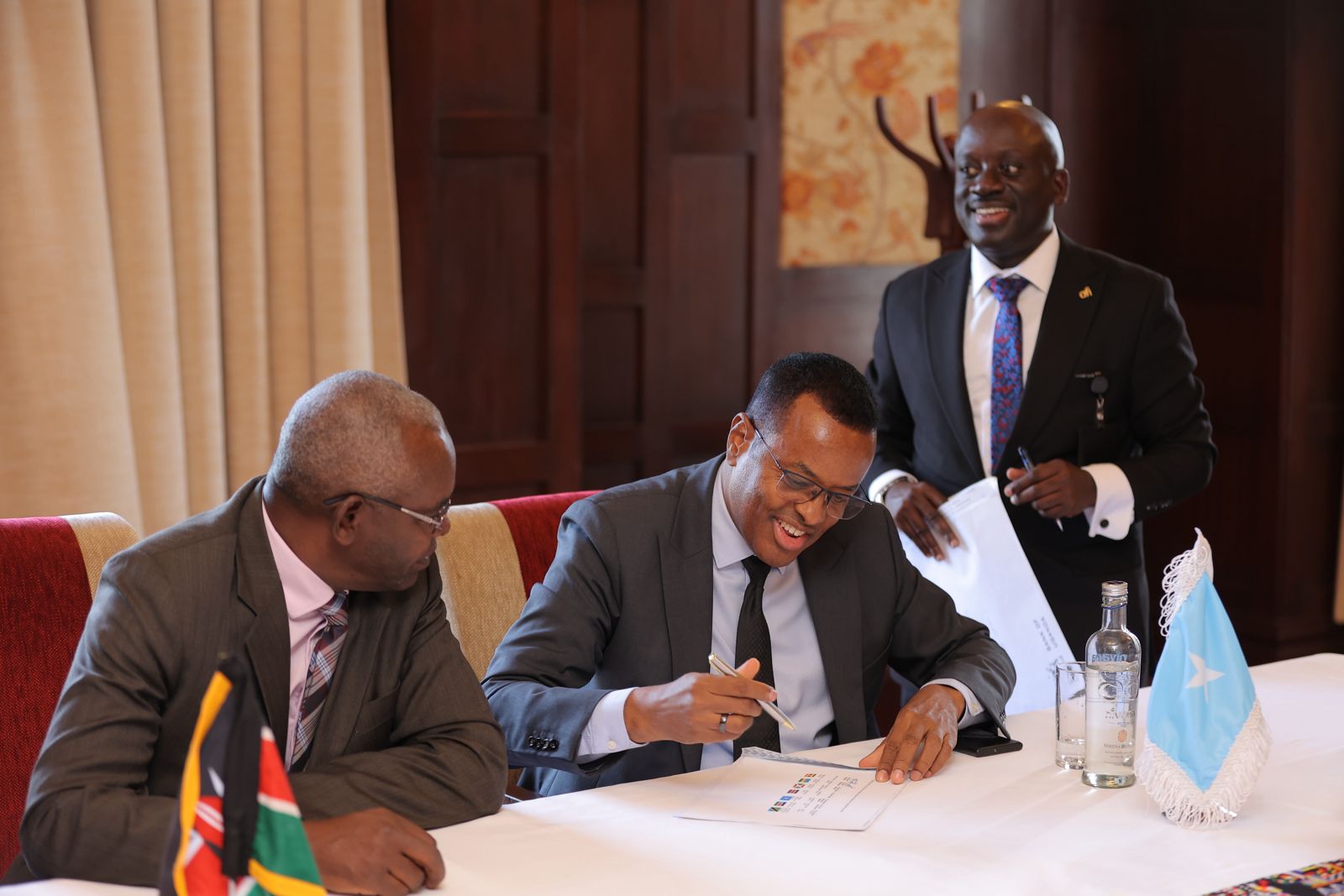
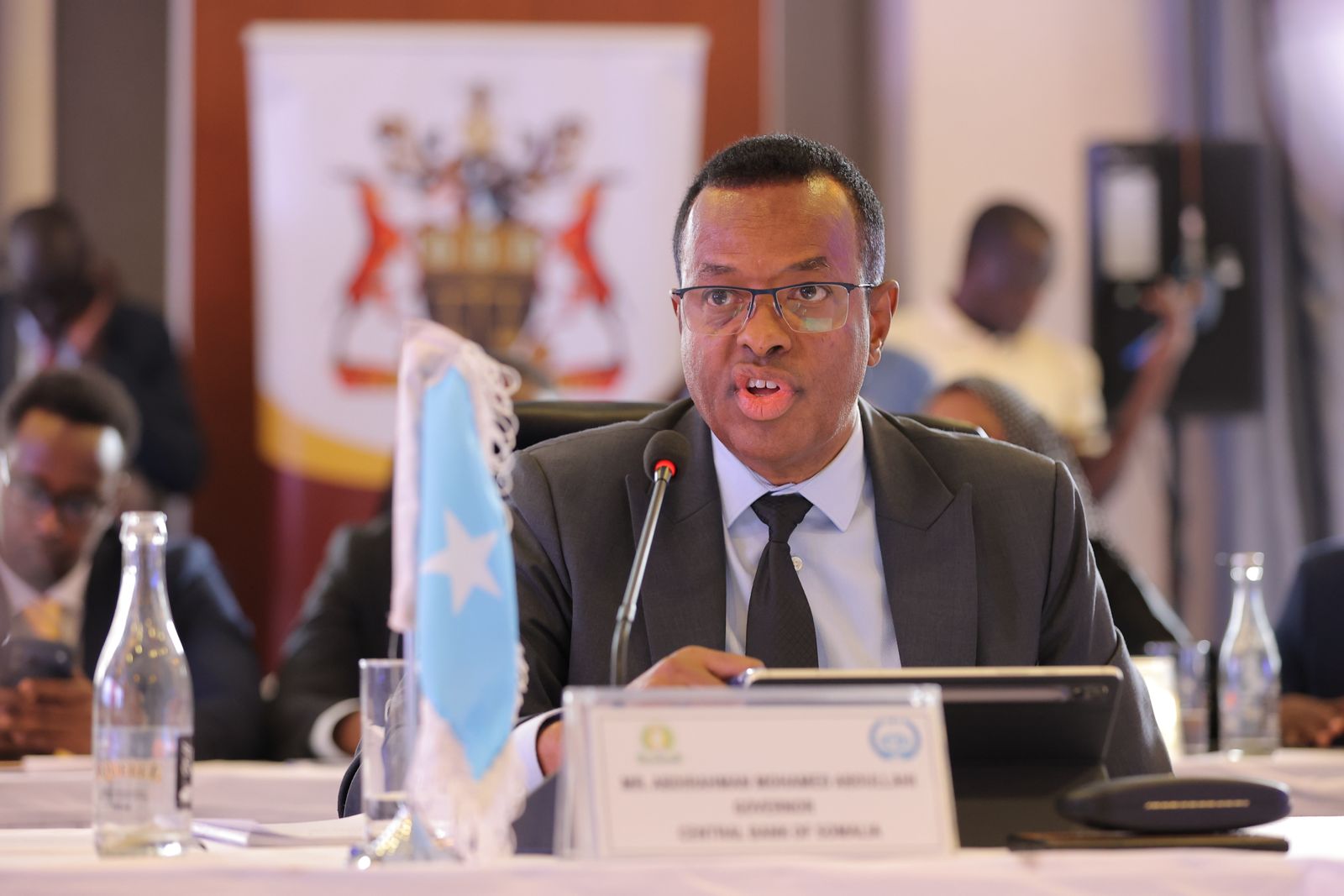
MOGADISHU (SONNA): Central Bank of Somalia Governor Abdirahman Mohamed Abdullahi has taken part in the 29th Ordinary Meeting of the East African Community Monetary Affairs Committee, held in Kampala, Uganda, from 20 to 24 July.
The Central Bank said the Governor reaffirmed Somalia’s commitment to regional monetary integration in due course, to stronger macroeconomic management, and to the harmonisation of financial supervision, payment systems and statistical frameworks with East African Community standards.
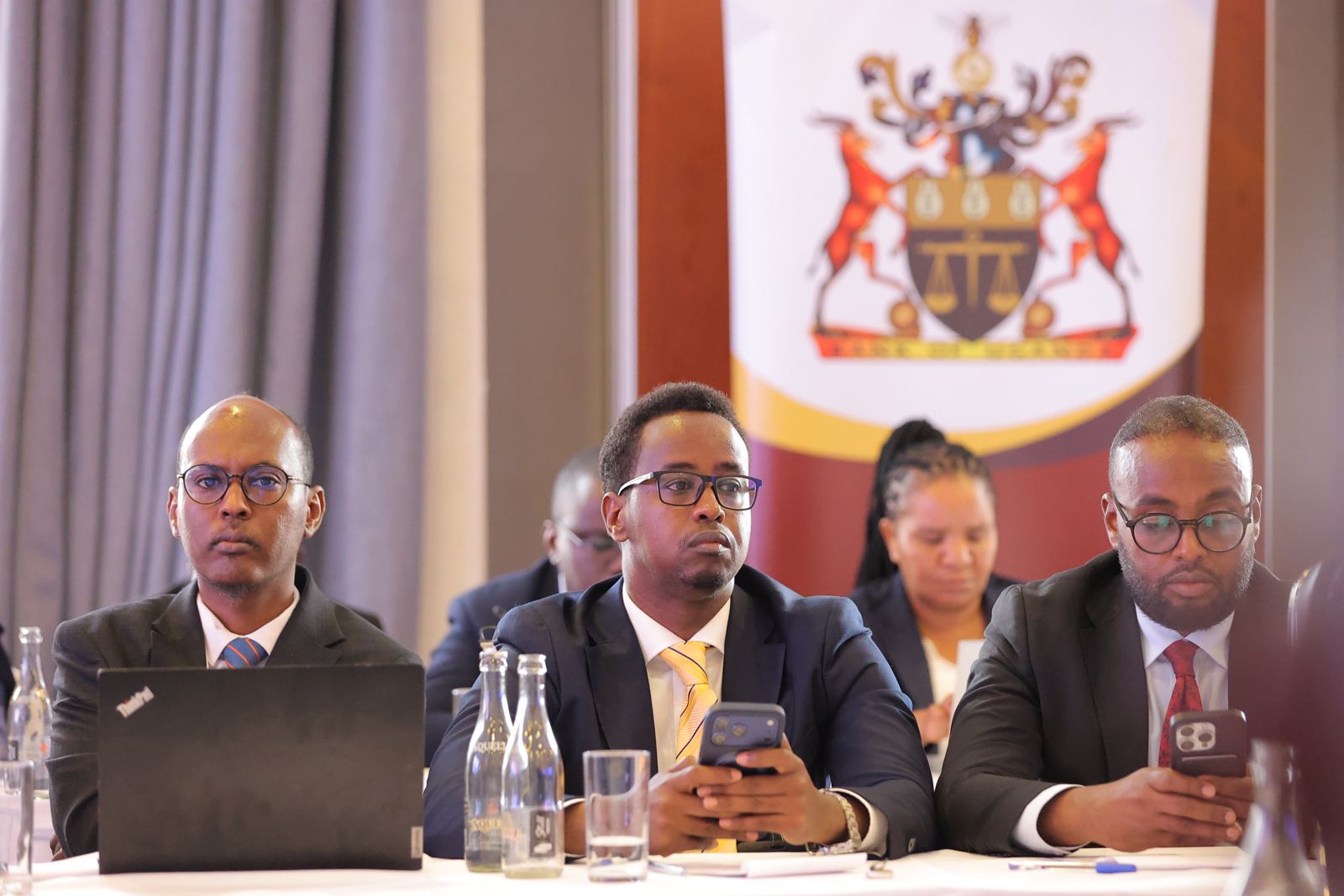
The Monetary Affairs Committee brings together central bank governors, deputy governors and senior officials from the Community’s partner states. Its meetings review regional economic developments, work on the coordination of monetary policy across the bloc, and carry forward preparations for the East African Monetary Union. The Kampala session closed with the adoption of a joint communique setting out measures on policy coordination, financial stability and regional financial integration.
The monetary union is the furthest reaching of the Community’s integration projects, and would eventually place partner states under a single currency and a common monetary policy. The Bank of South Sudan, reporting on the same meeting, said its representative signed the joint communique and reaffirmed that country’s commitment to establishing the union by 2031. That target belongs to the Community’s own timetable rather than to any commitment announced by Somalia.
Somalia is the newest member of the East African Community, and the practical weight of its position lies in the harmonisation agenda rather than in currency arrangements. Supervision, payment infrastructure and statistical reporting are the areas where a member state’s systems either speak to those of its neighbours or do not, and they are the areas the Central Bank named.
On payments, that work is already visible at home. The Central Bank launched the Somalia Instant Payment System in January 2025, built on the ISO 20022 international messaging standard, and plans to expand it to connect 14 commercial banks with eight mobile money and electronic wallet providers on a single network. The Bank has said it is working to link the system to the Pan-African Payment and Settlement System before the end of 2026, which would allow payments to cross borders without routing through correspondent banks abroad.
Supervision and statistics are less visible but carry similar weight. A regional financial system depends on member states examining their banks against comparable standards and reporting economic data on a comparable basis, since neither policy coordination nor cross-border banking can rest on figures compiled to different definitions.
The Bank has not set out a timetable for Somalia’s own convergence, and its statement was carefully drawn. Where other partner states have named a year for the monetary union, the Central Bank of Somalia spoke of integration in due course, a formulation that commits the country to the direction without committing it to the schedule.
That distinction is unlikely to be accidental. Somalia joined the Community while rebuilding the domestic financial architecture that monetary convergence assumes, and the sequence the Central Bank has described puts national payment infrastructure, supervision and statistics ahead of any discussion of currency. On that reading, Kampala was less a step towards the monetary union than a step towards the standards that would make participation in it meaningful, which is the slower of the two routes and the more durable one.