Education
Forty Somali students published in international journals honoured at first research forum
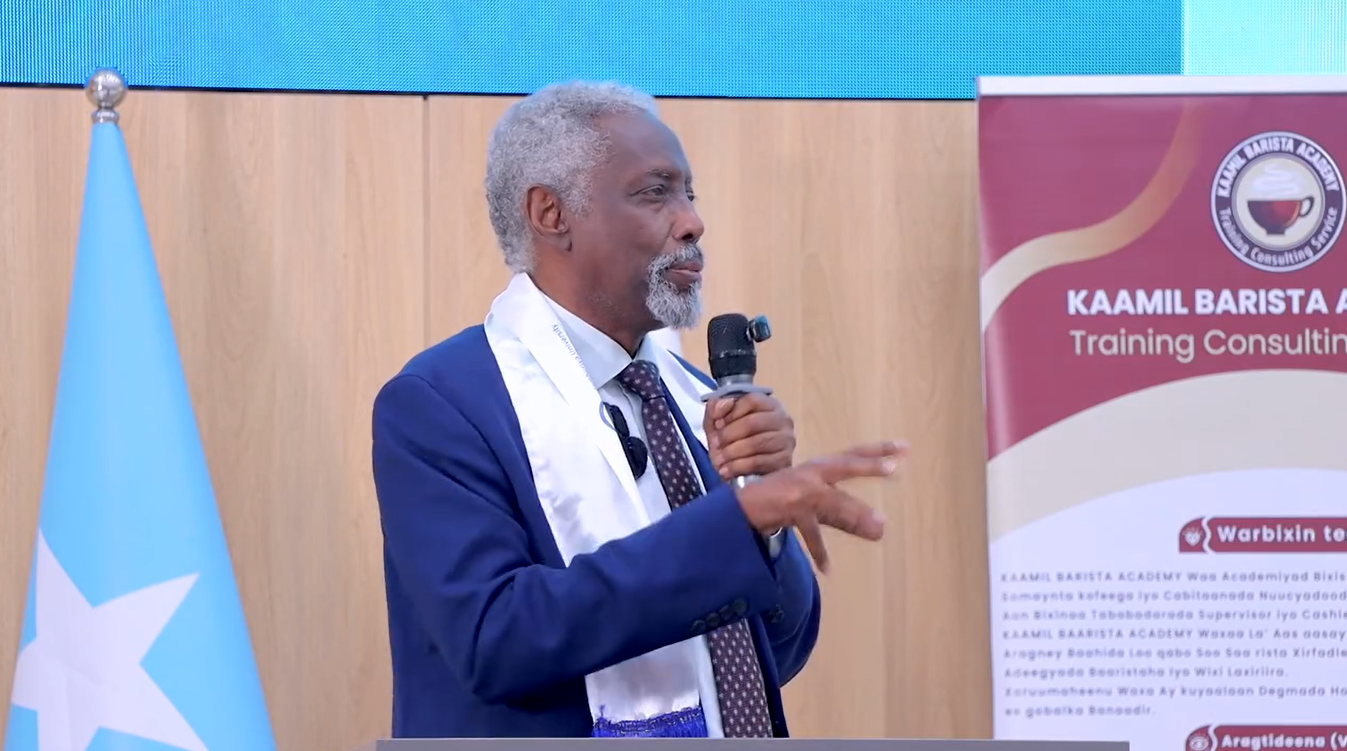
Research in Somalia was once the work of men with grey hair and is now being done by young people, the State Minister for Education told the Somali Research and Innovation Forum at Somali National University.
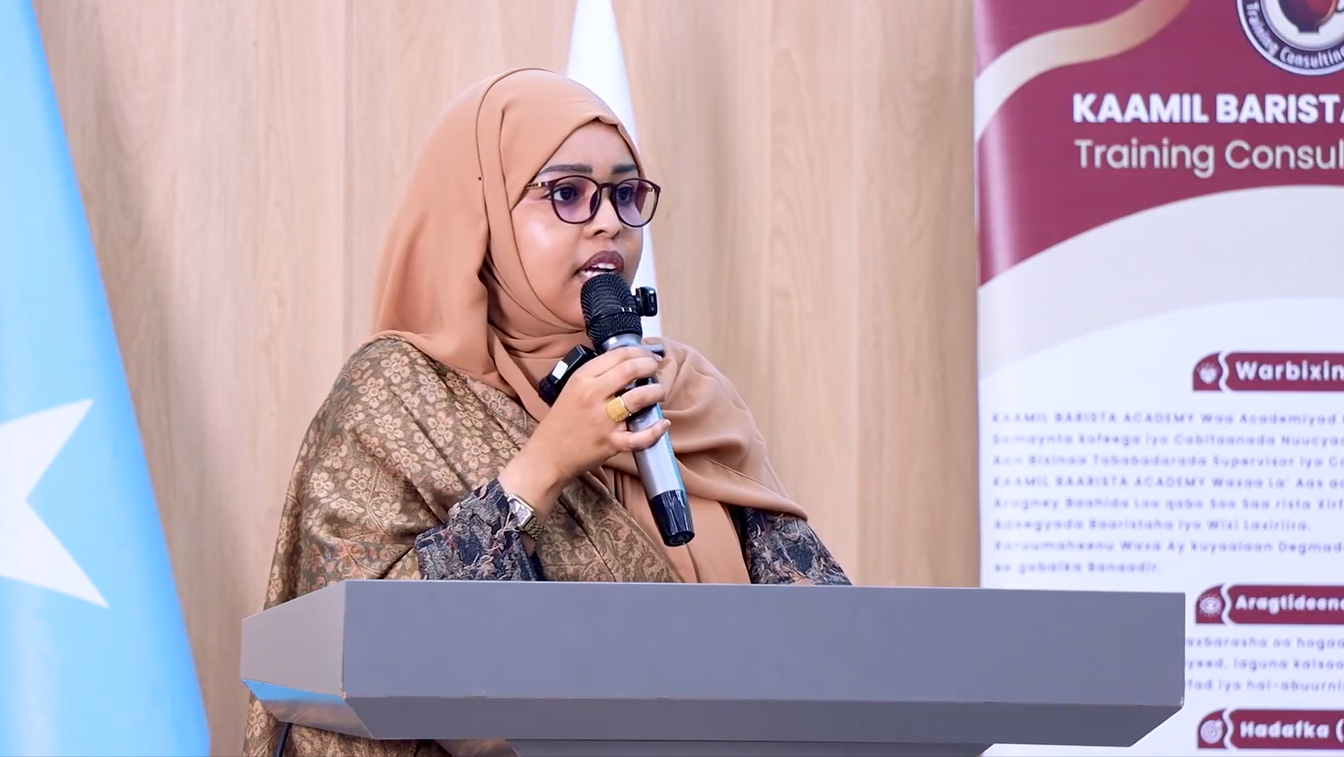
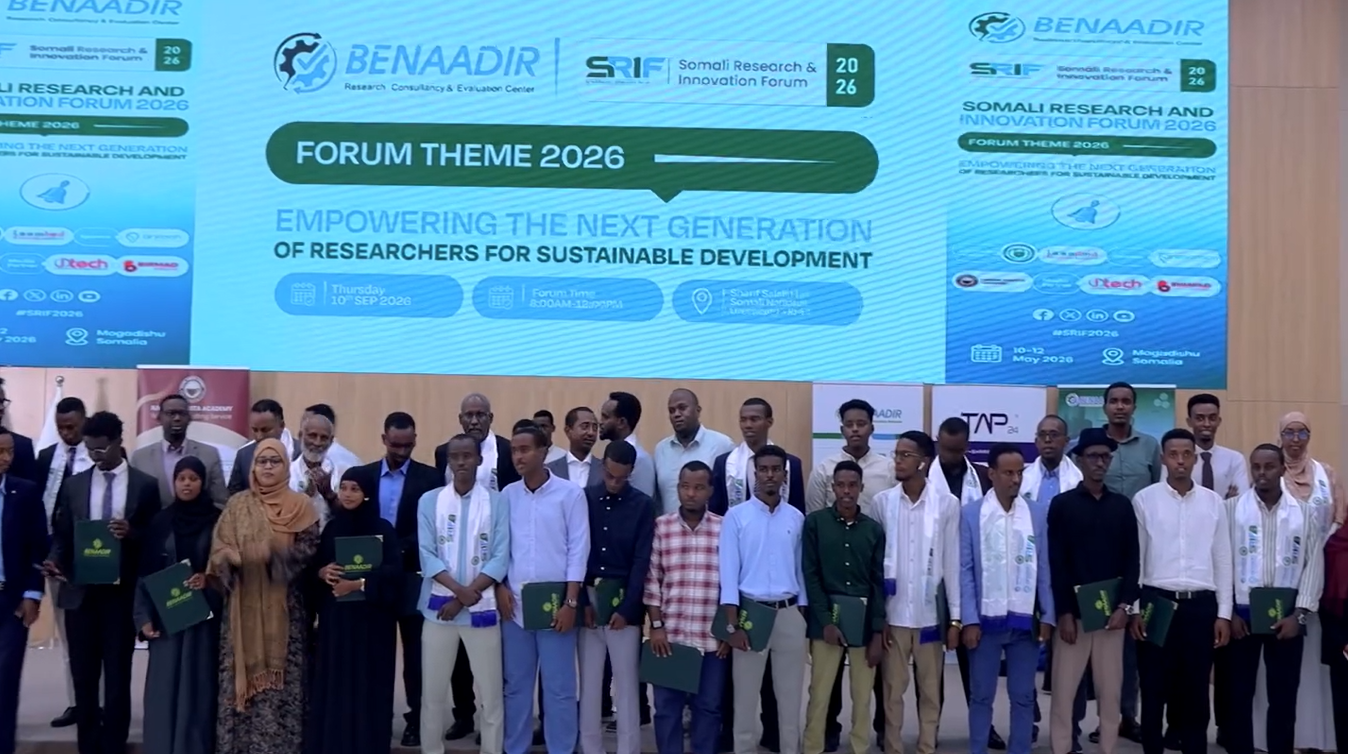
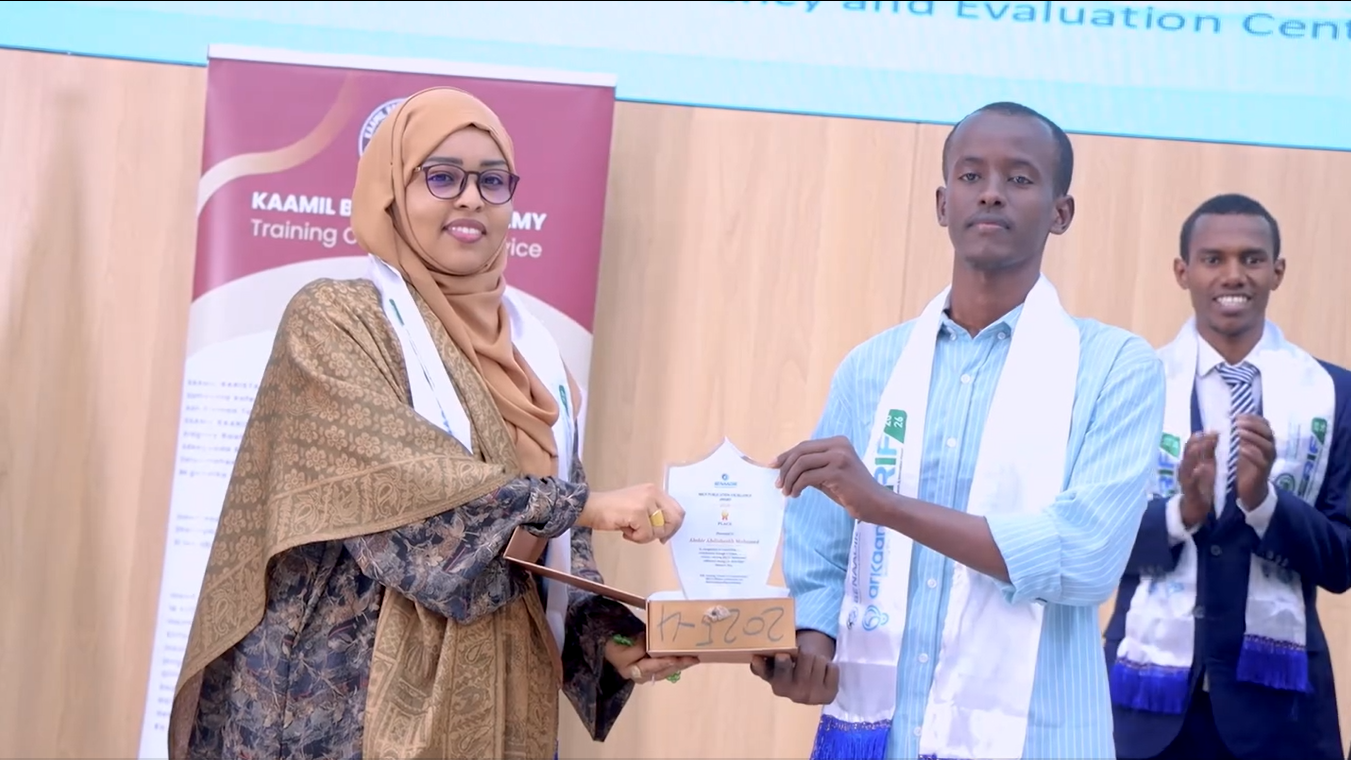
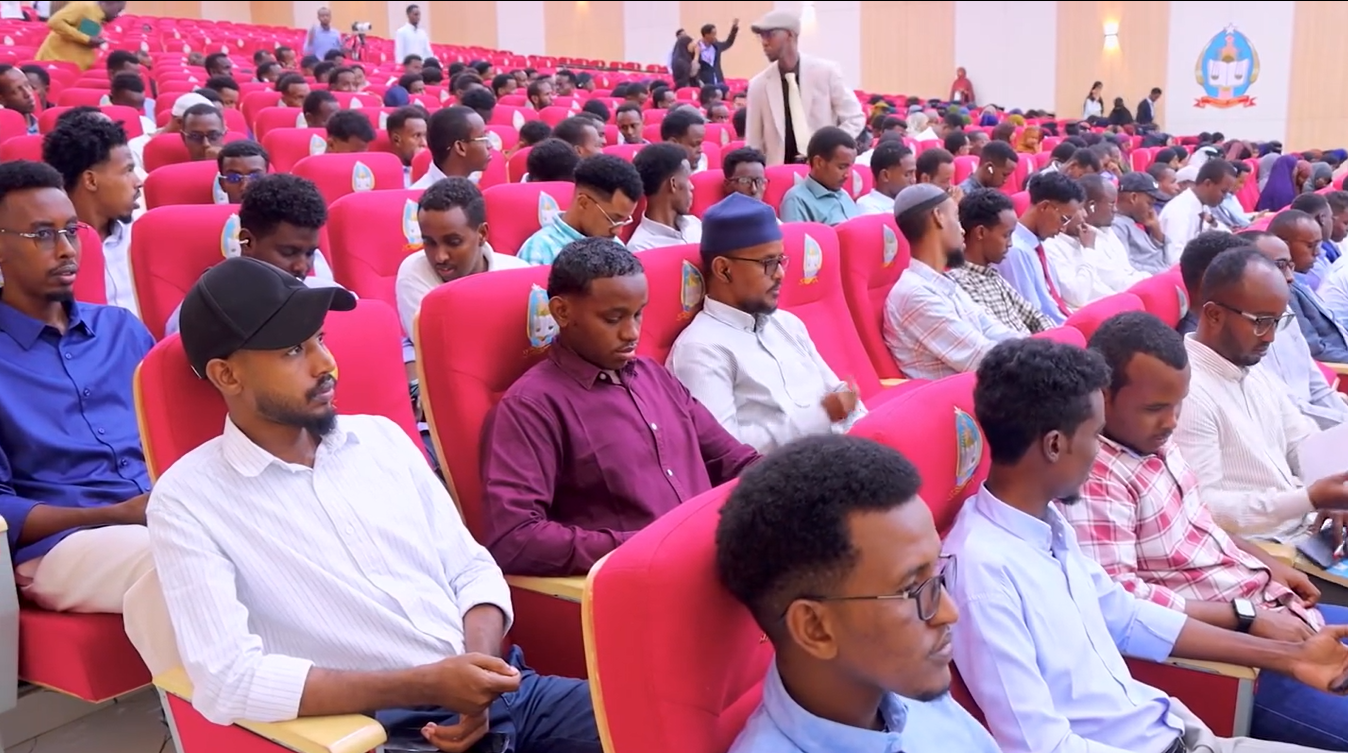
MOGADISHU (SONNA): Forty Somali students who have published research on Somalia in international journals were recognised at the first Somali Research and Innovation Forum, held at the Sharif Salah Theatre of Somali National University in Mogadishu.
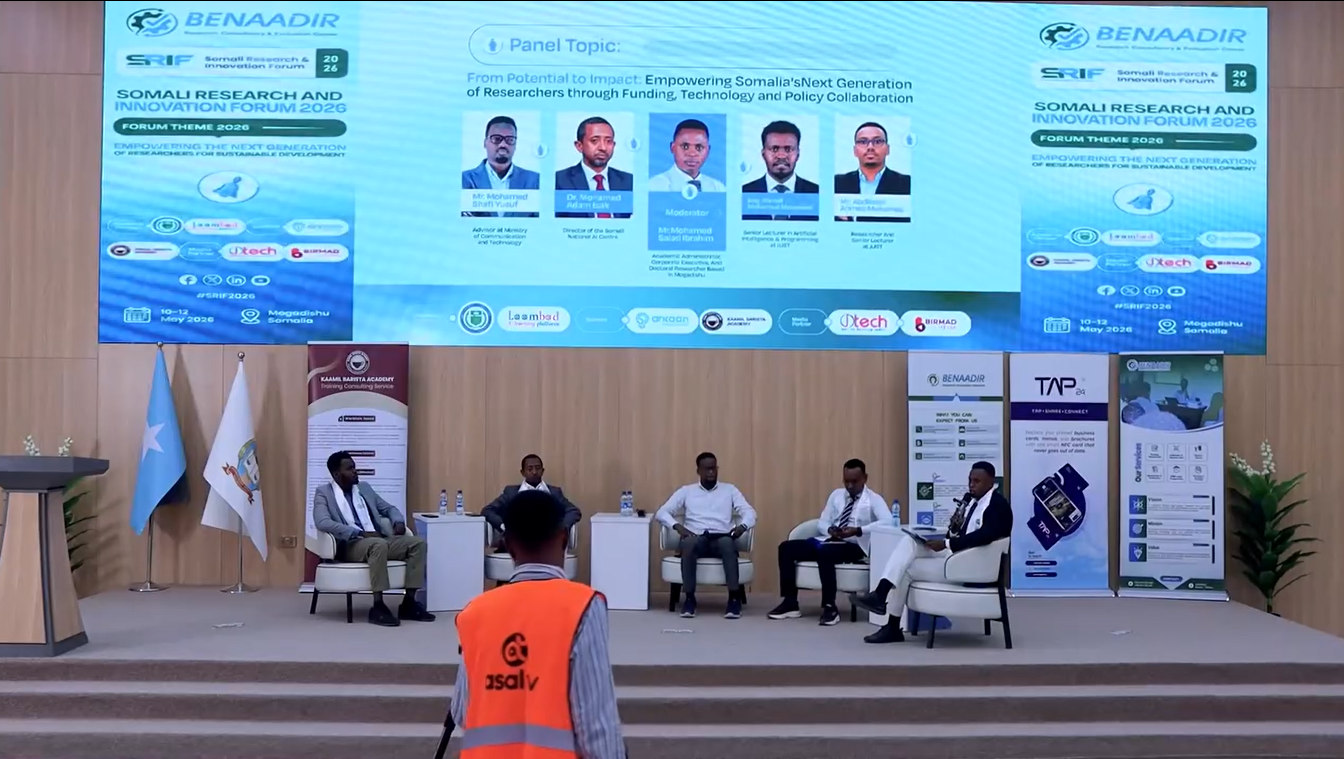
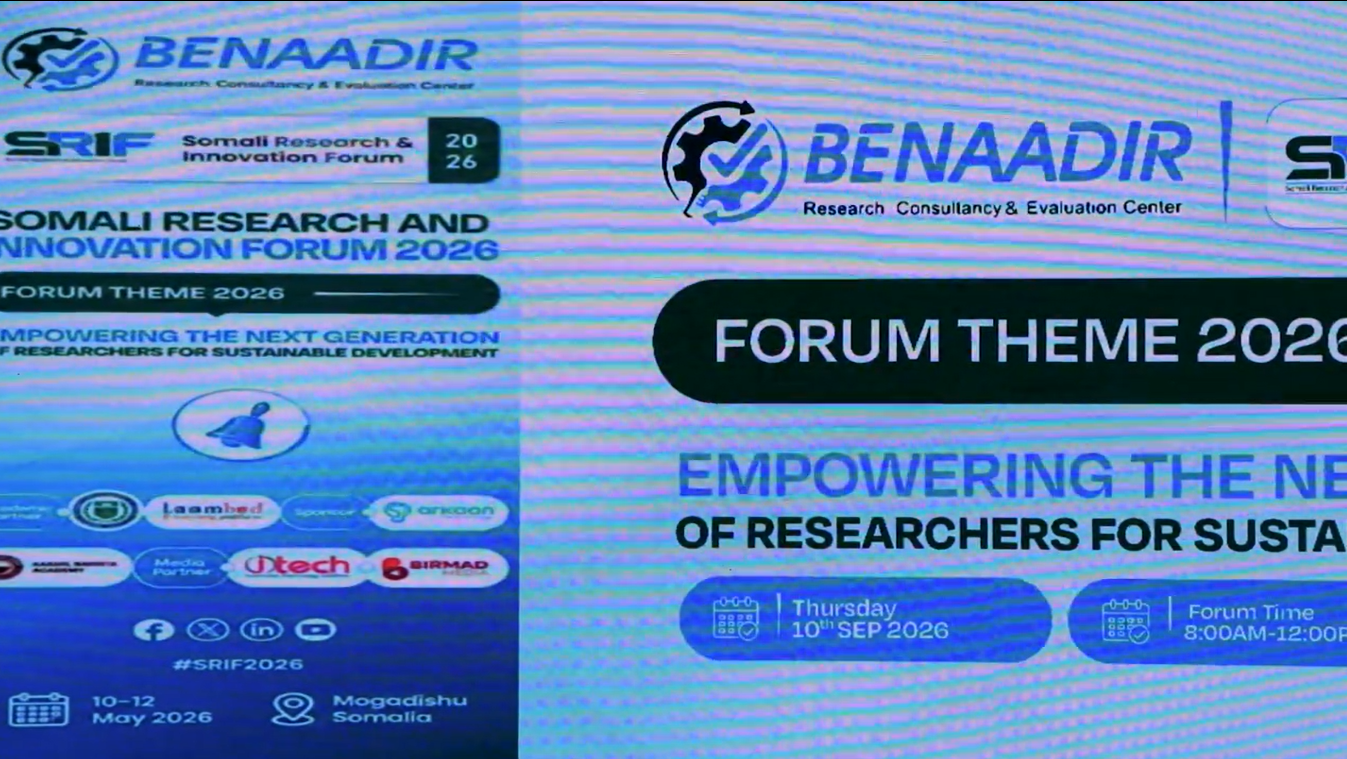
The forum was organised by the Benaadir Research, Consultancy and Evaluation Center under the theme Empowering the Next Generation of Researchers for Sustainable Development, and drew researchers, academics, university leaders, politicians, teachers, students and organisations working on education, together with the State Minister for Education, Culture and Higher Education.
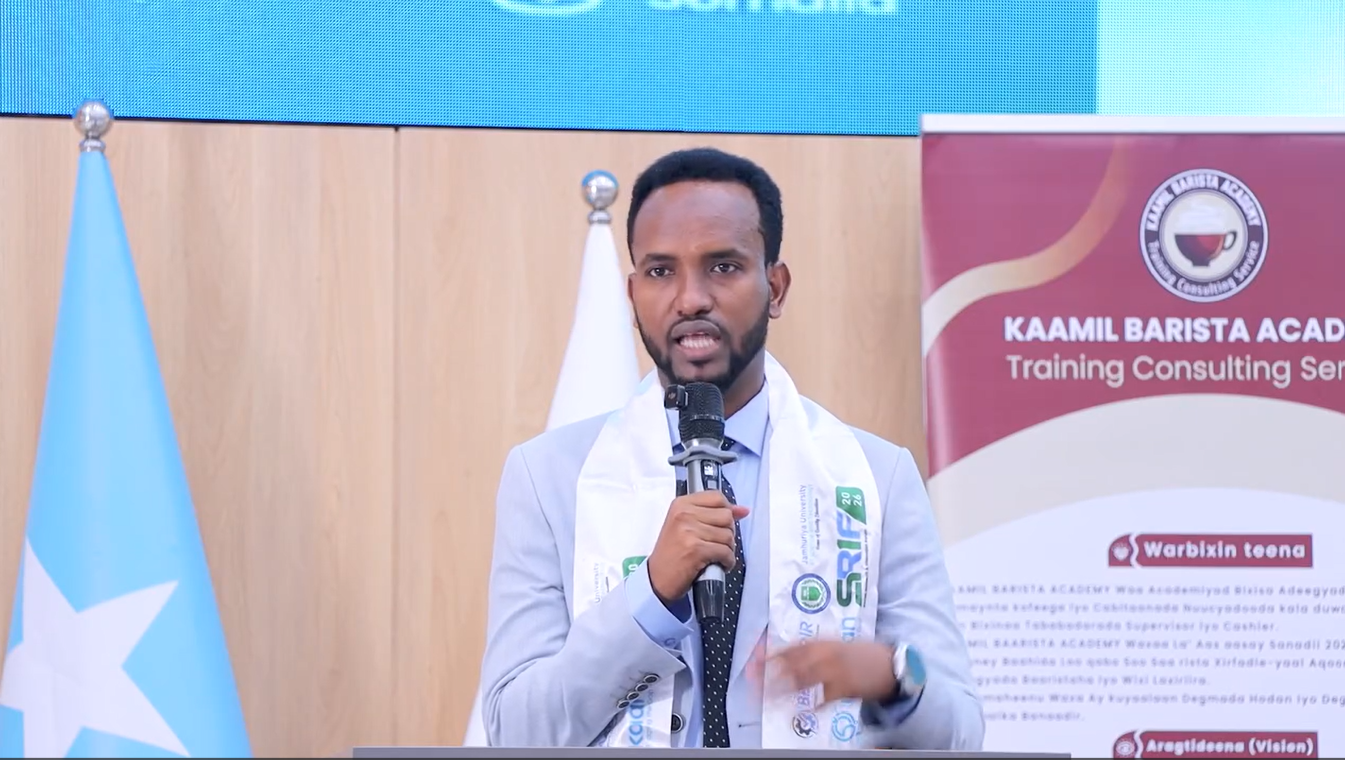
The Center’s Director General, Eng. Abdinur Abukar Ahmed, known as Eng. Walanwal, said the forum begins this year and is intended to encourage and give support to young people working in research. He said awareness of the value of research is taking hold in the country and that the purpose is to build on it.
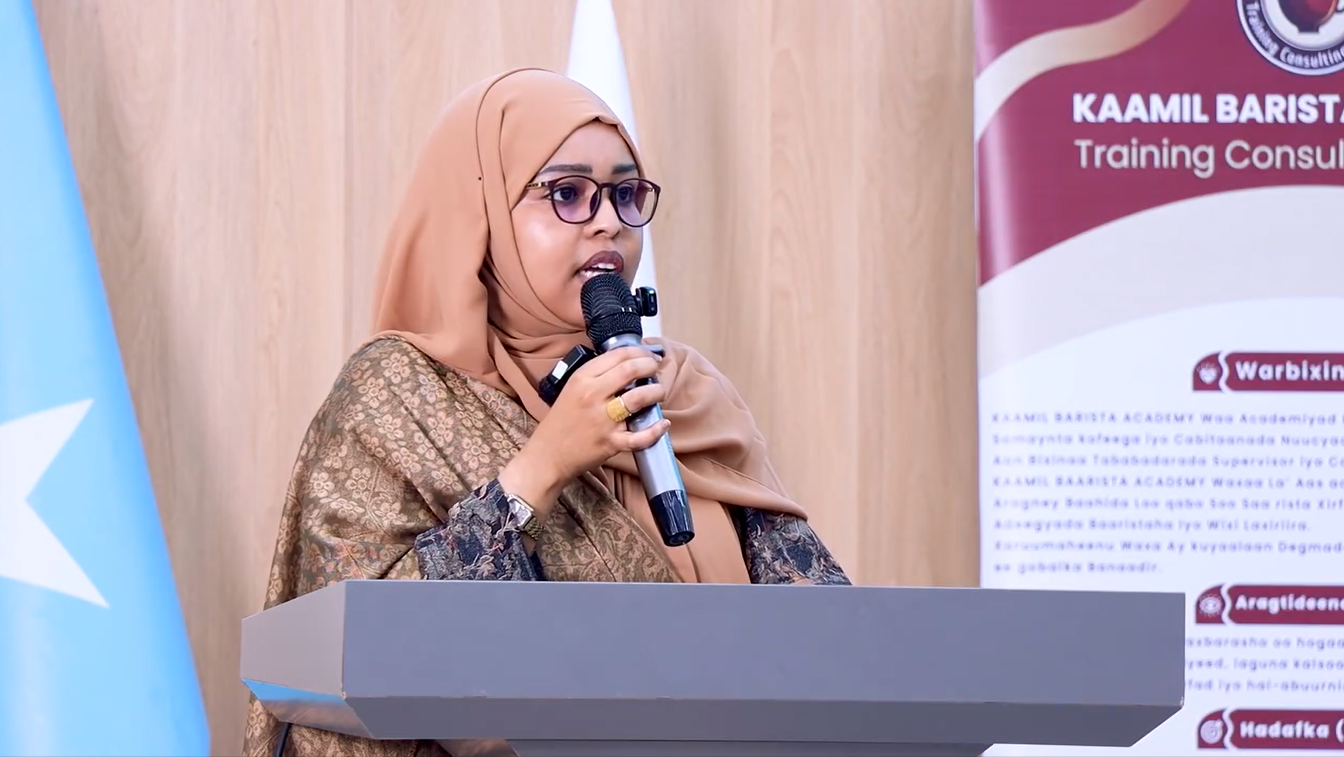
Closing the forum, the State Minister for Education, Culture and Higher Education, Nur Mustaf Mukhtar, made the observation that gave the morning its shape. Research in Somalia used to be done by men with grey hair, she said, and it is now being done by young people.
She put a specific example behind it. The online system through which the Ministry issues its certificates, its smallest and most routine service, was built and set up by young Somalis. That, she said, is evidence that once the technical support a country needs is provided for, the rest of the work can be done by Somalis themselves, and it reflects on the universities and teachers who produced them.
The recognition of the forty students is the more substantial fact. Publication in an international journal requires a piece of work to survive review by specialists who have no interest in where the author is from, and forty Somali students clearing that bar in the same period is a measurable thing rather than an aspiration. It is also the form in which research on Somalia becomes available to anyone studying the country, including Somalis.
Participants raised what stands in the way. One said young researchers have needs that are not being met and that a great deal is missing. Another put the sharper question, that teaching research method is now under way but the question of what should be researched, and to what end, remains open. A third argued that decisions on matters of national consequence should rest on formal research and on evidence.
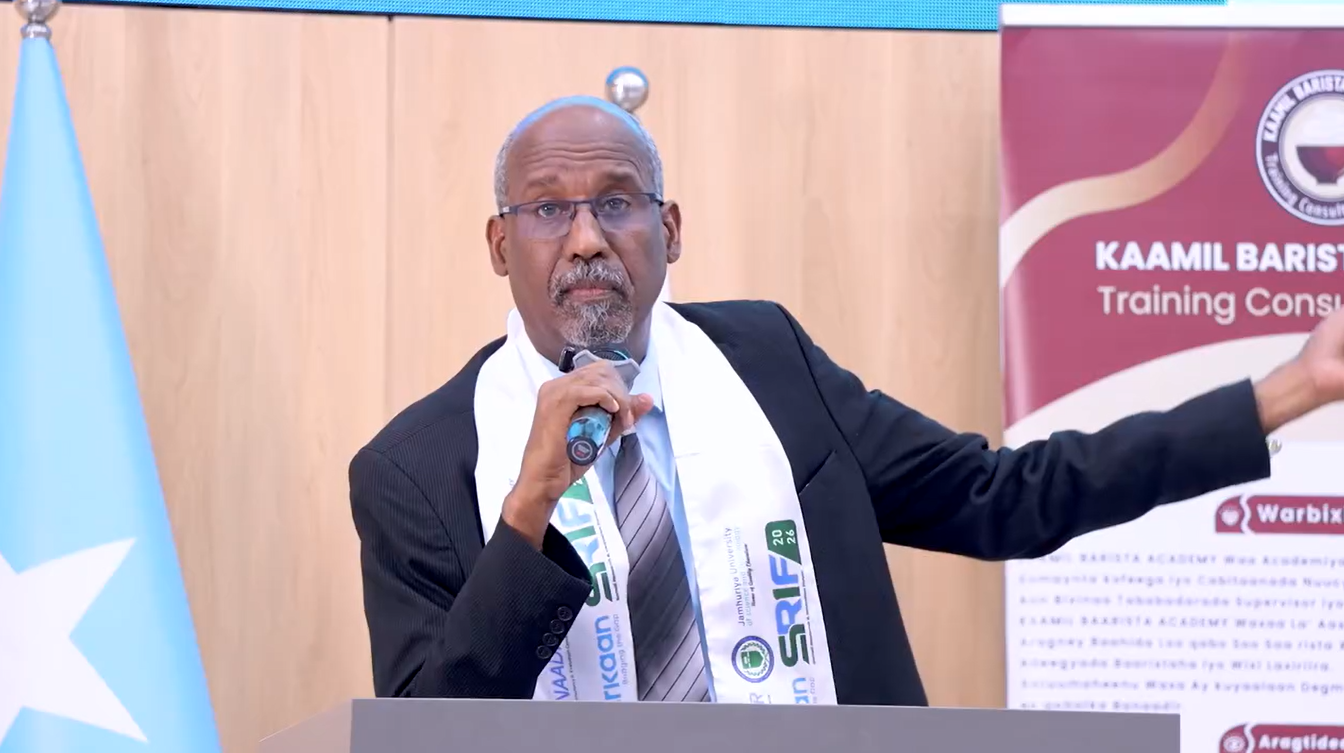
University leaders at the forum said sustained and complete research is the pillar on which the development of education in the country rests, and that a body of work reflecting Somali education is what gives that development substance.
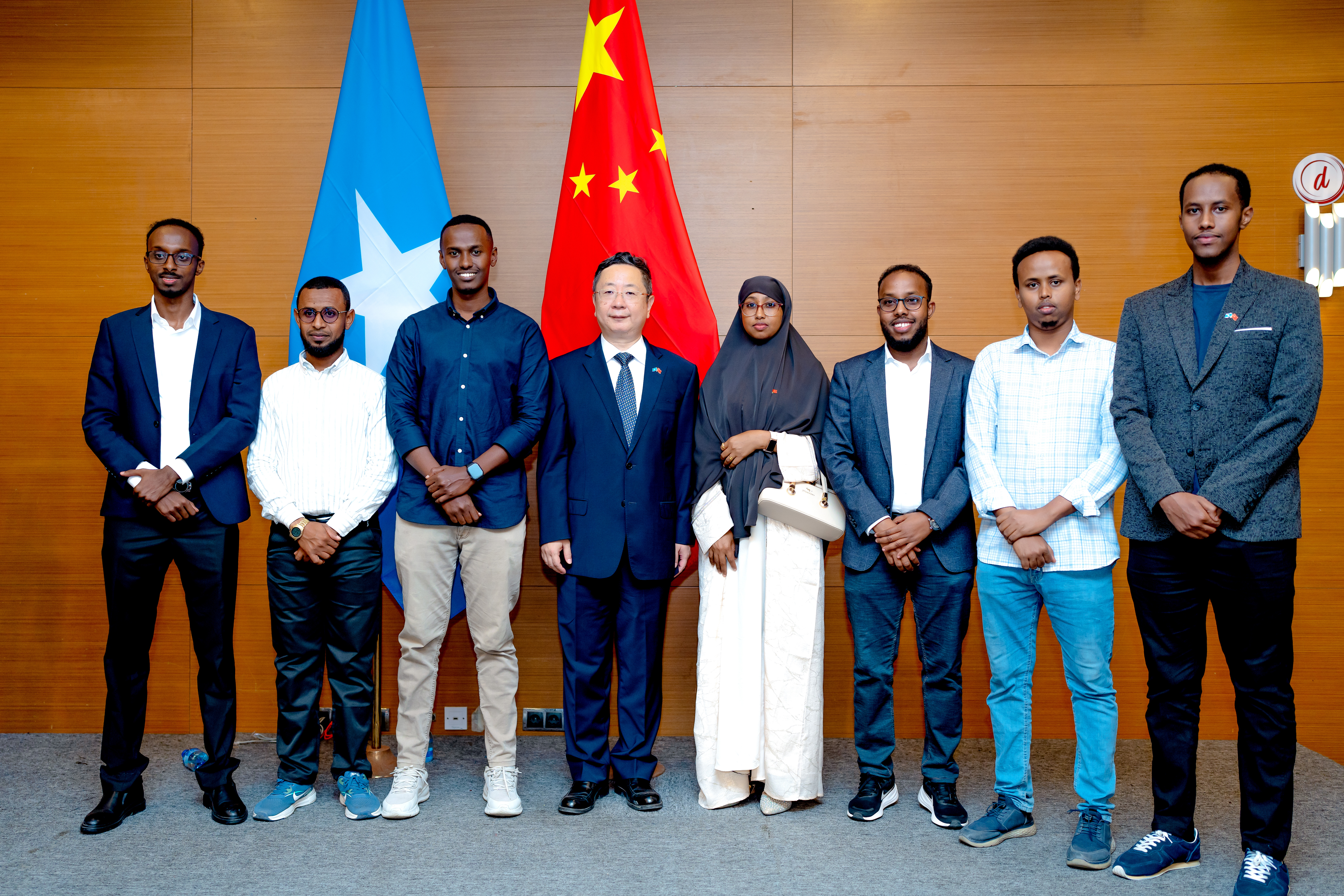
The forum sits within a wider movement in Somali higher education this year. Mogadishu University launched the country’s first bachelor’s degree in cyber security and artificial intelligence last month, the China Somalia Friendship Scholarship has been awarded to students at Somali National University, and more than 150 Somalis took up Chinese government scholarships this year, the largest intake on record. Somali institutions are producing graduates, and the question the forum was convened to address is whether they produce knowledge.
What the organisers have established is a first meeting and a name. The Somali Research and Innovation Forum is to be held annually, and the forty students recognised at this one are the standard the next will be measured against.