Local News
Somalia and the Maldives Renew Direct Diplomatic Ties as Ambassador Odowa Presents Credentials in Malé
The accreditation of Somalia's ambassador to the Indian Ocean nation restores a relationship first established in 1988, and extends the widening reach of Somali diplomacy across the region.
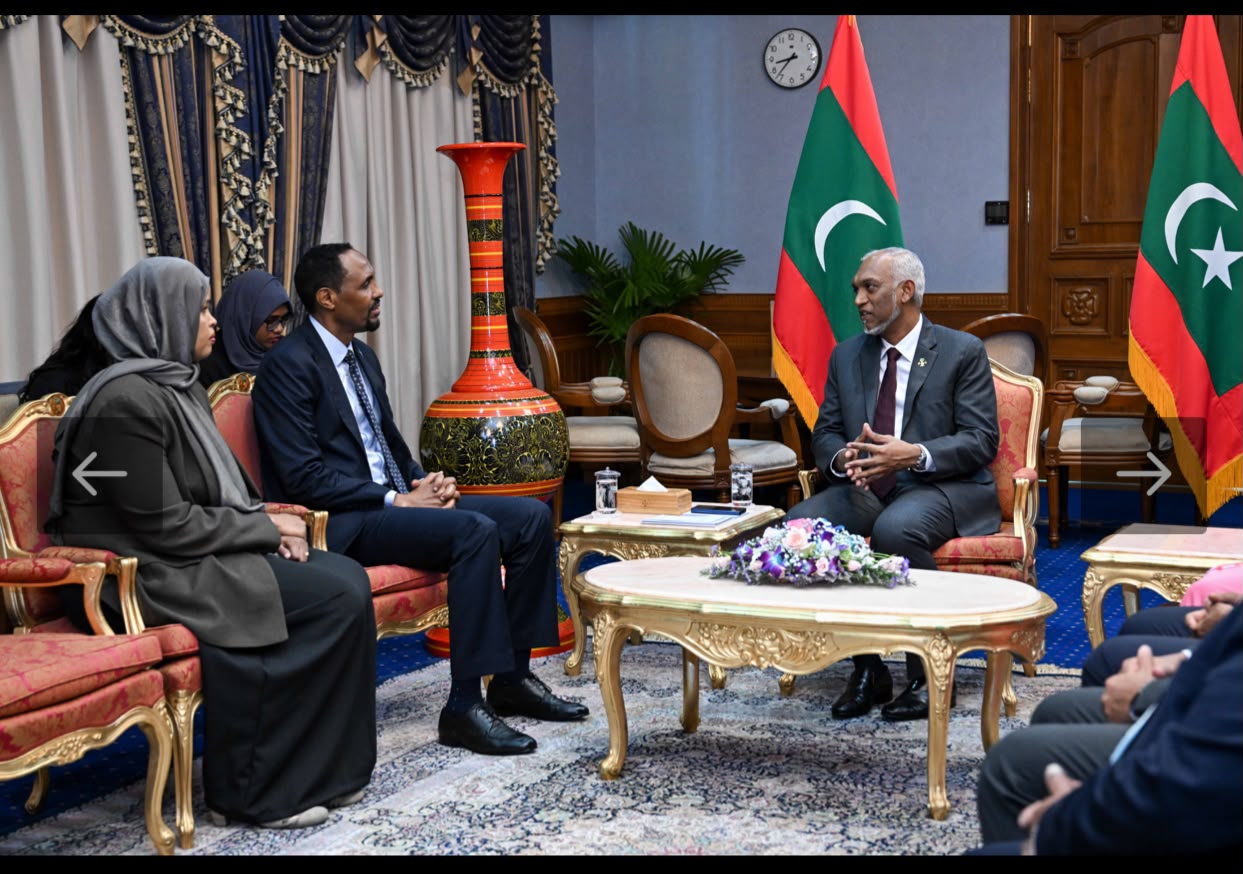
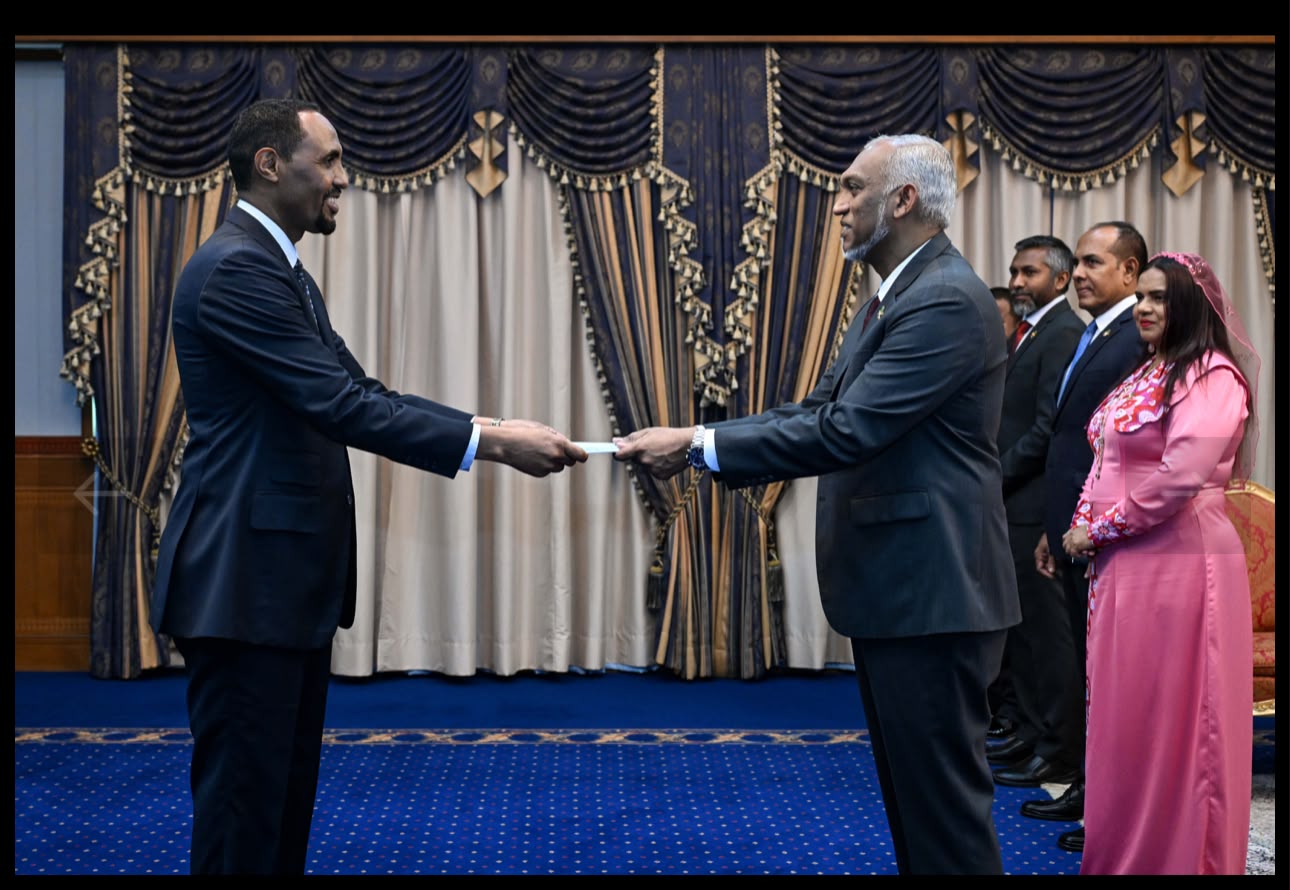
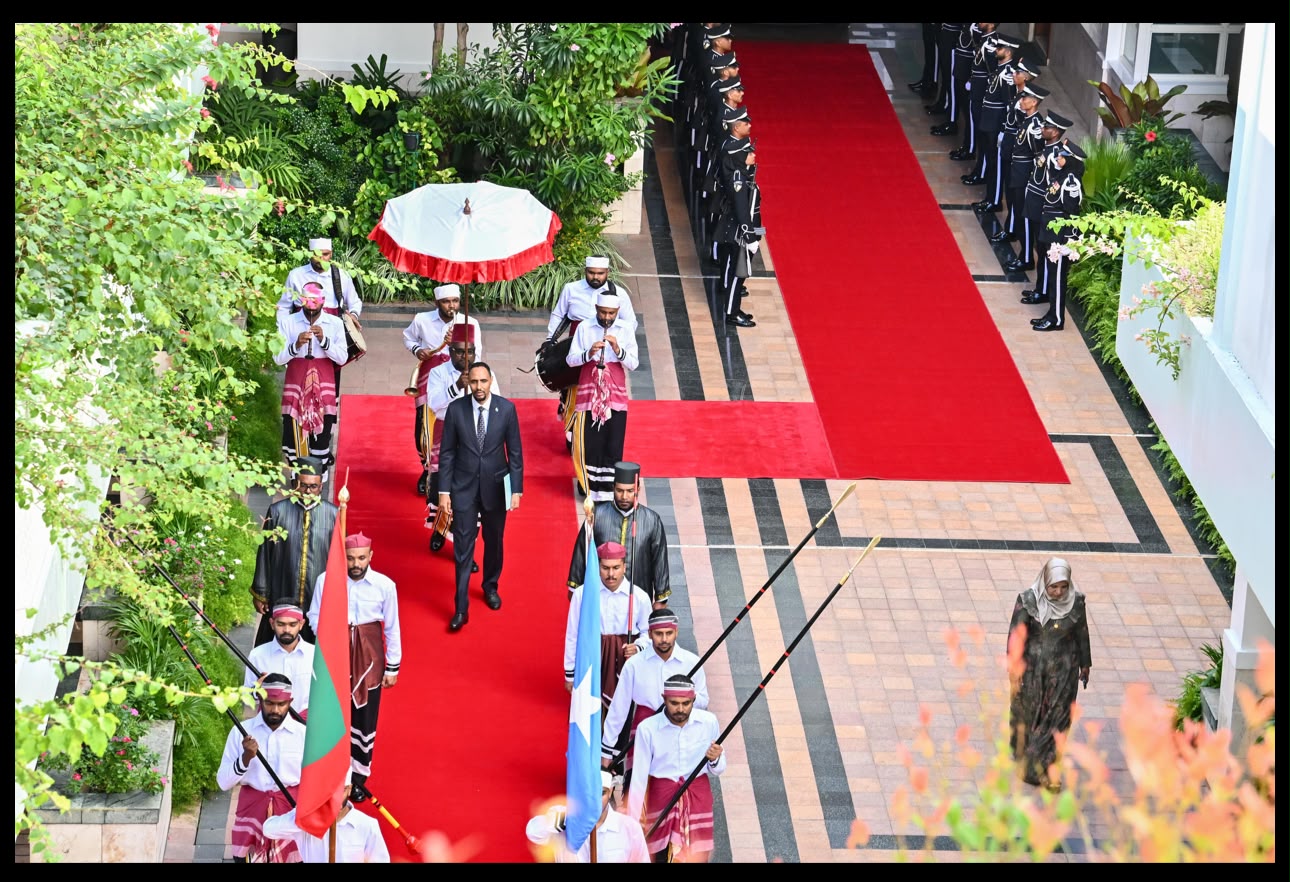
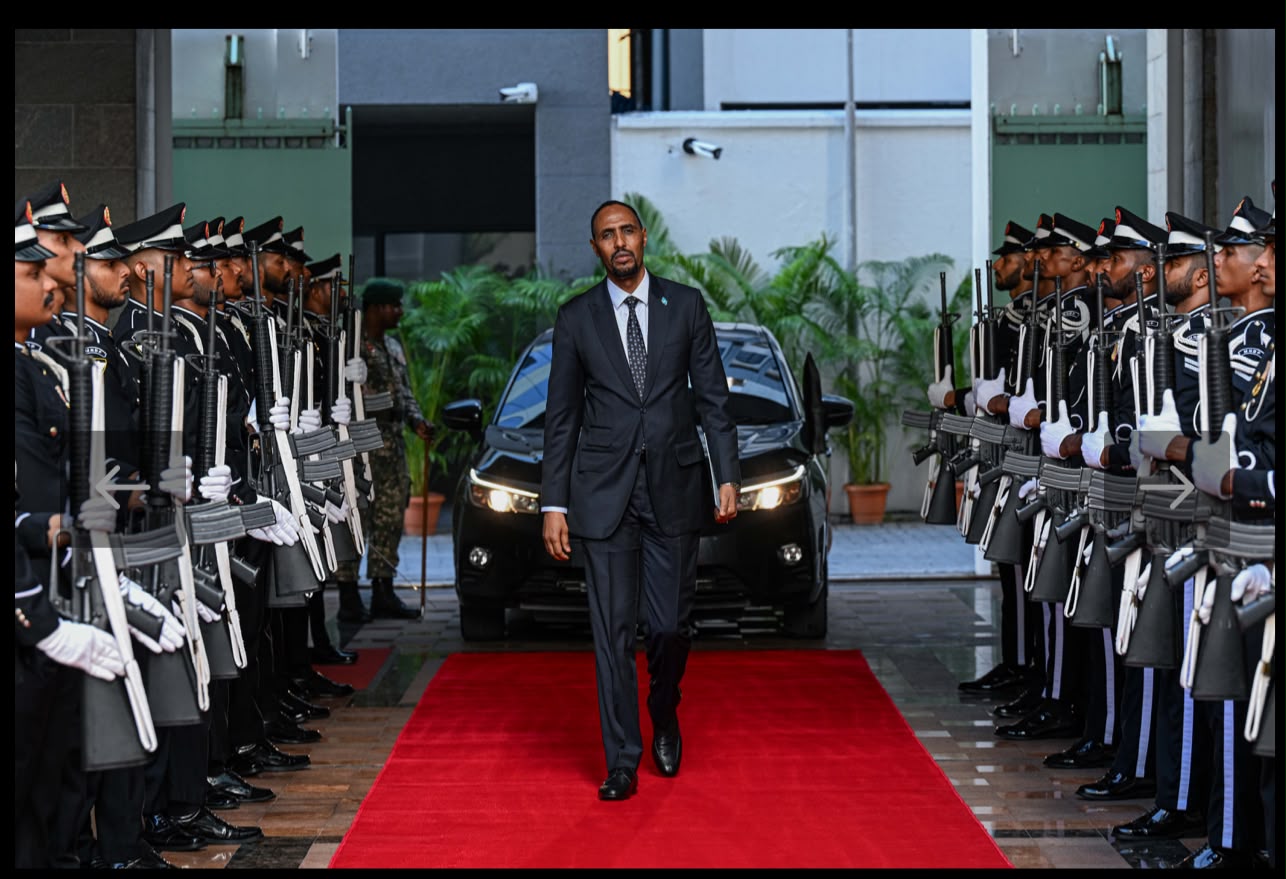
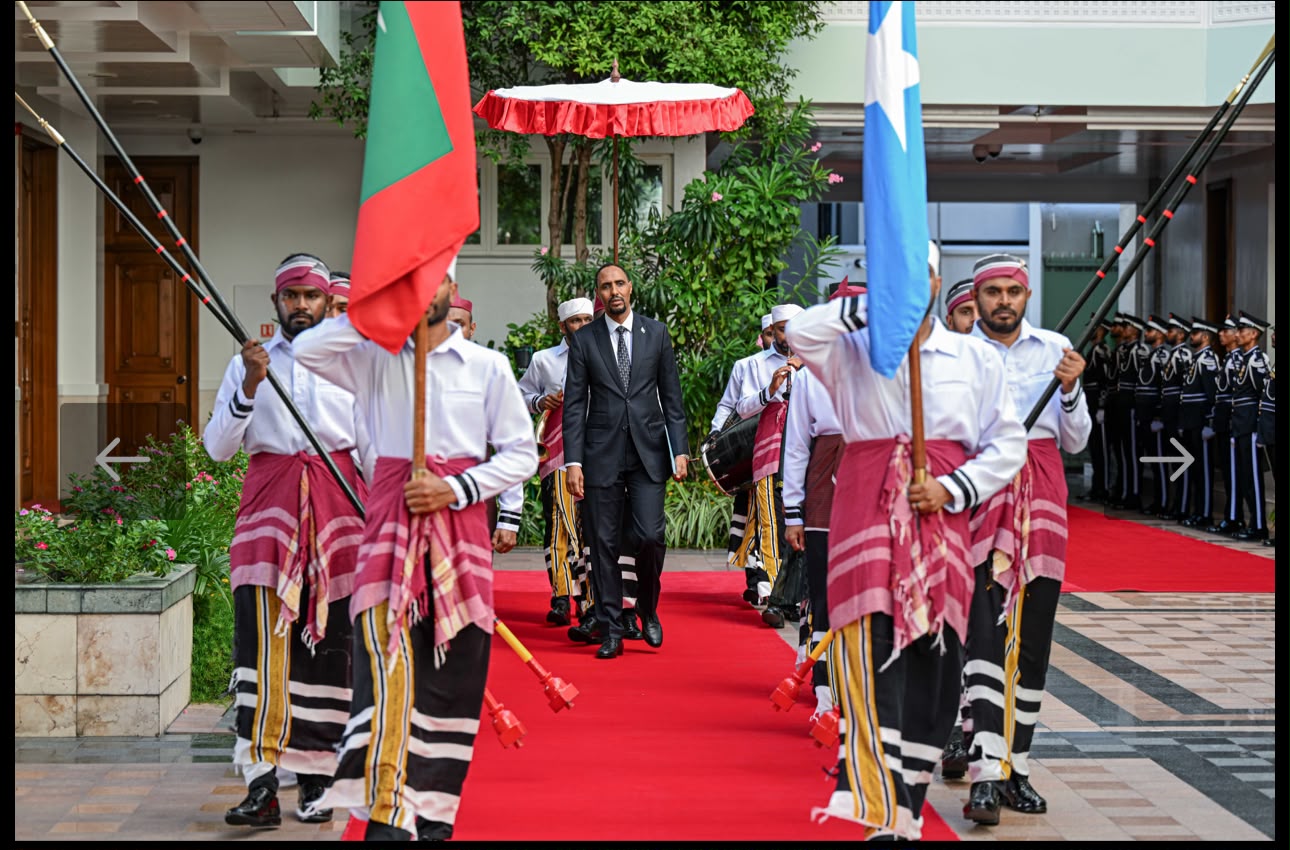
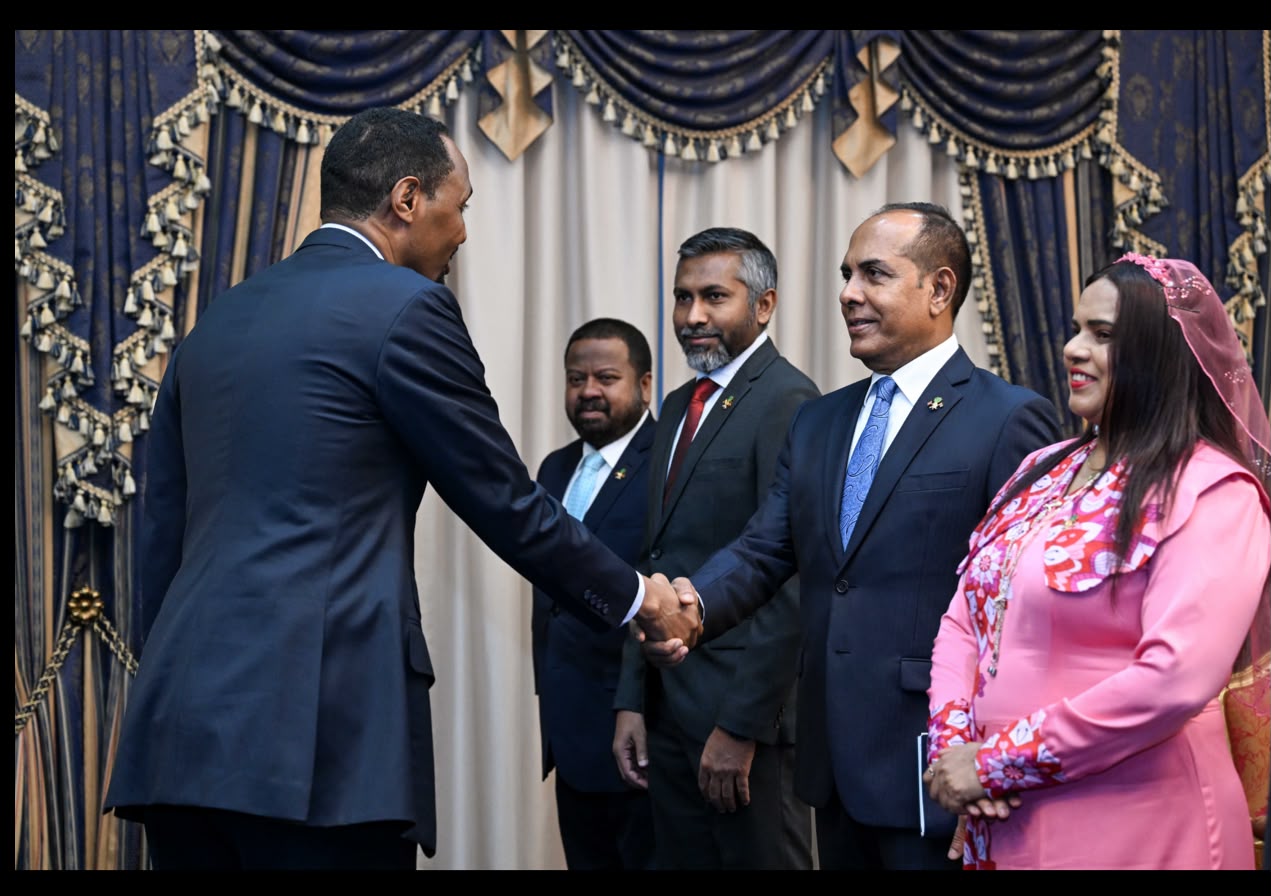
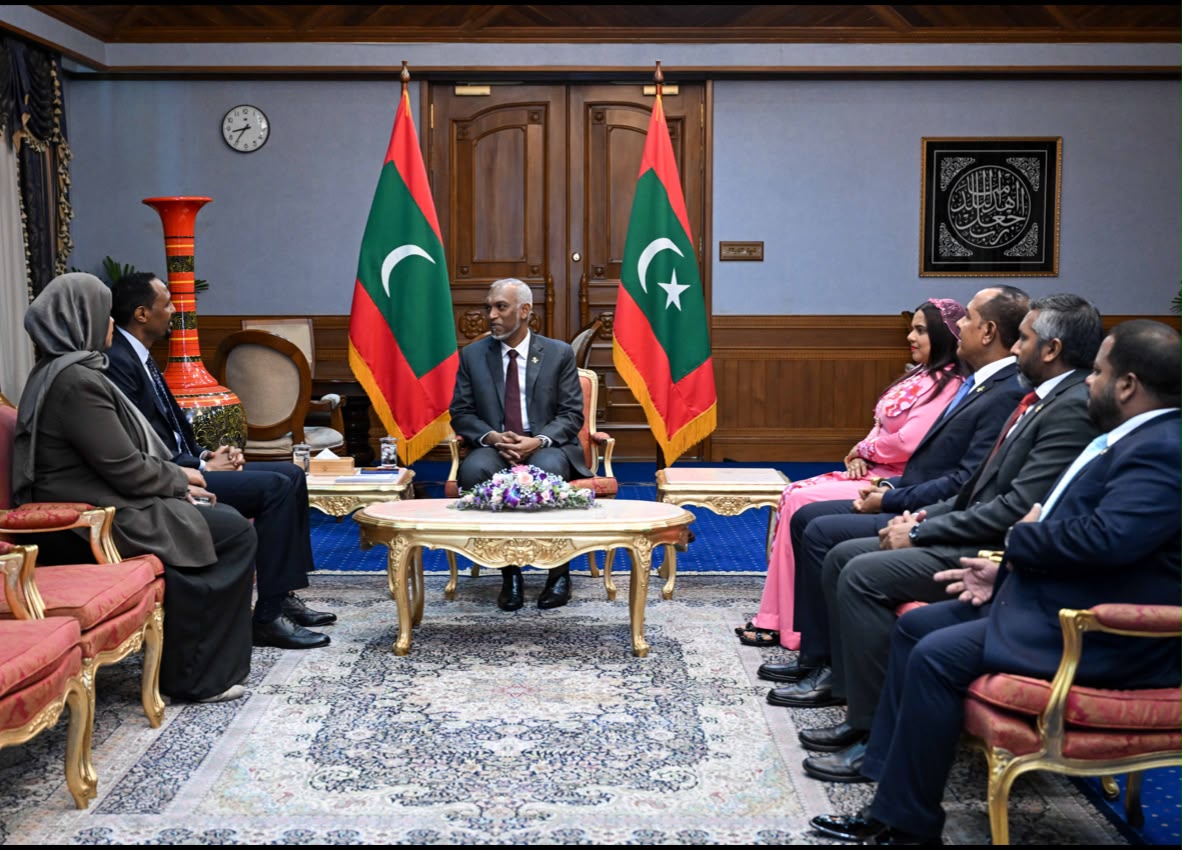
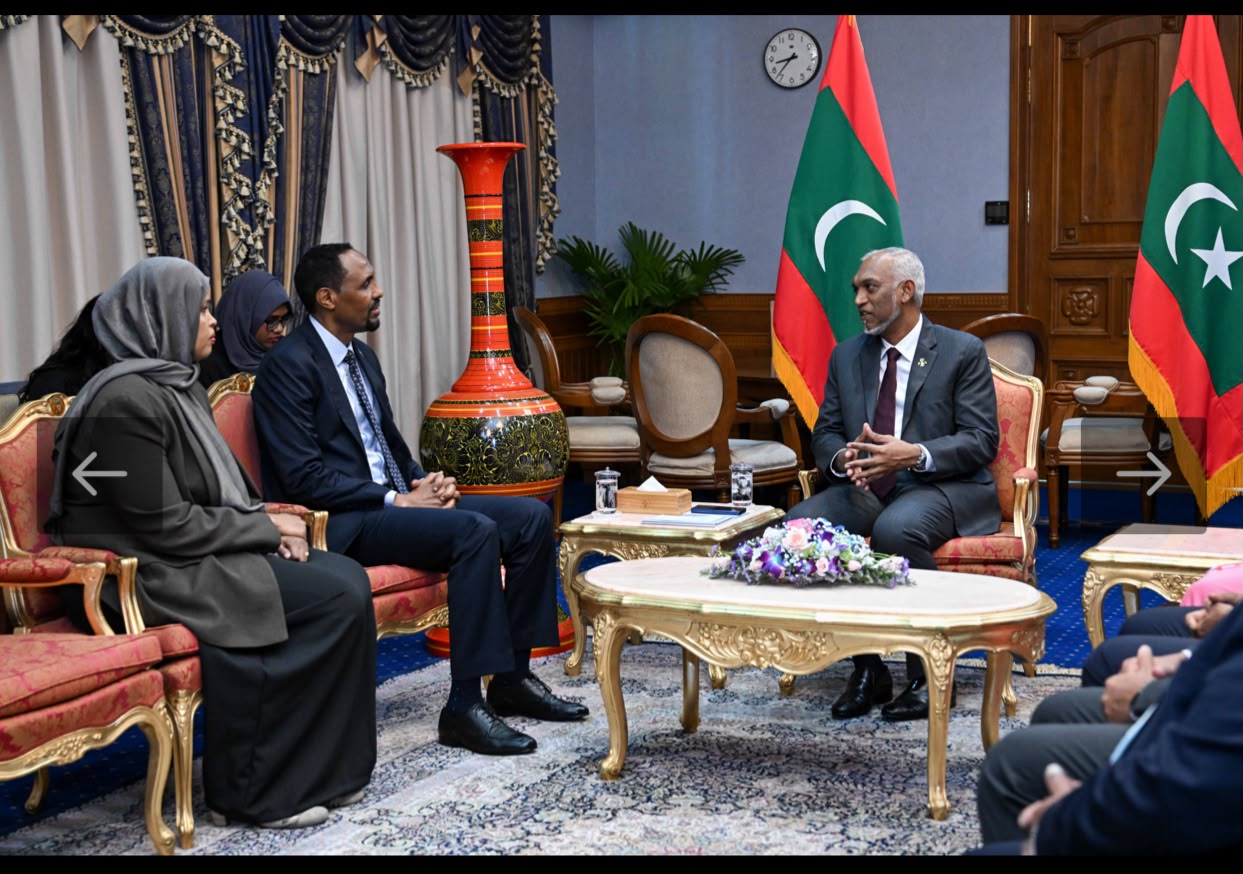
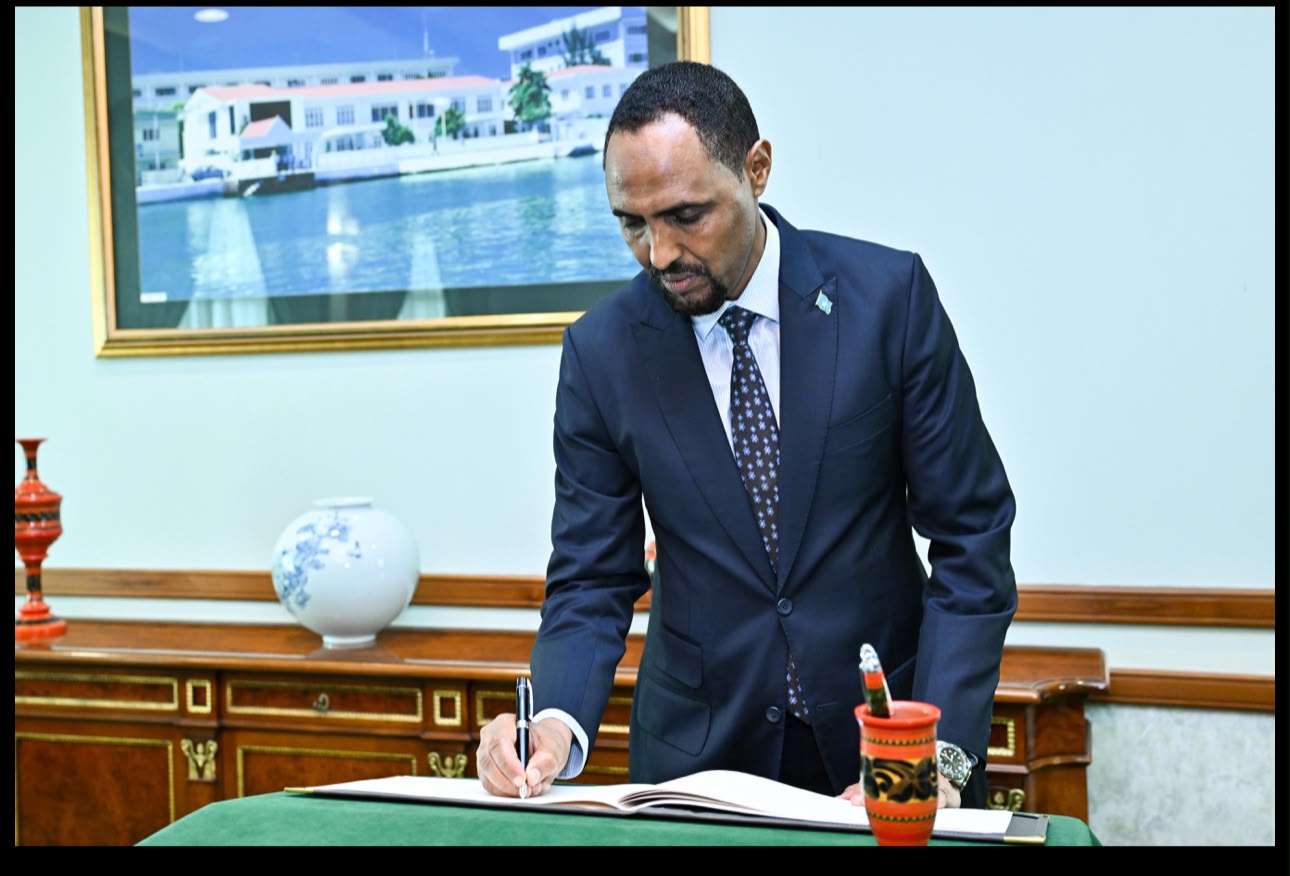
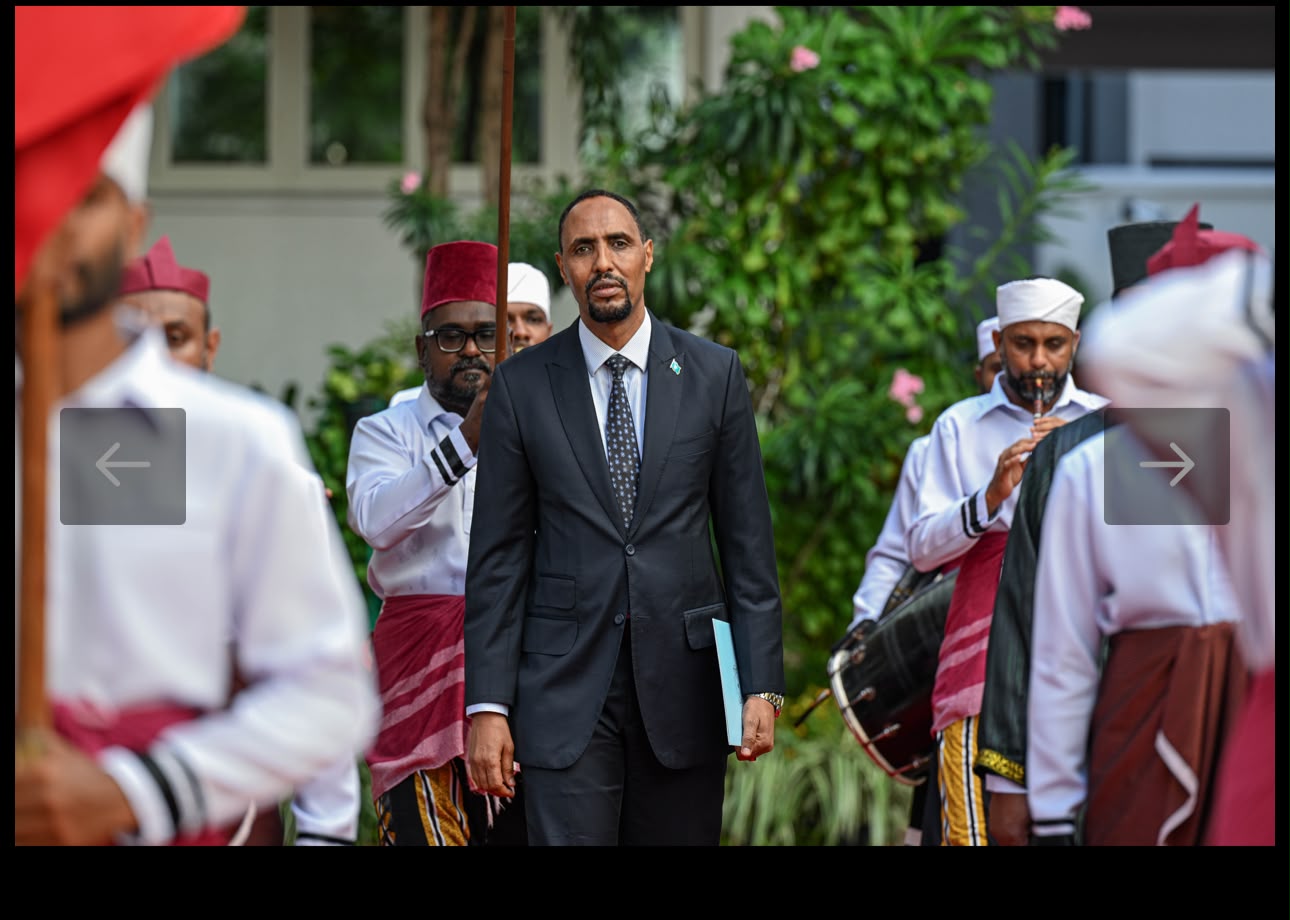
MALÉ (SONNA): The Ambassador of the Federal Republic of Somalia to India and non-resident Ambassador to Sri Lanka and the Maldives, Amb. Dr. Abdullahi Mohamed Odowa, has presented his credentials to the President of the Maldives, H.E. Dr. Mohamed Muizzu, at the presidential palace in Malé, formally restoring direct diplomatic engagement between the two countries.
The ceremony was attended by the First Counsellor of the Somali Embassy in India, Ms. Ayan Mohamoud Sheikh Hamid. In their discussions, the Ambassador and the President welcomed the return of direct diplomatic relations between Somalia and the Maldives, which were first established on 10 March 1988. Ambassador Odowa thanked the President for the warm reception extended to him at the presidential palace, and said Somalia stands ready to work with the Government of the Maldives to strengthen relations between the two countries.
The renewal closes a long interruption in a relationship that began in the final years before Somalia's state collapse. Established in 1988, ties between Mogadishu and Malé had little opportunity to develop before the civil war dismantled Somalia's diplomatic network, and for the decades that followed, the two countries, despite their shared faith, their membership of the Organisation of Islamic Cooperation and their common life as Indian Ocean maritime nations, dealt with one another only at a distance. The presentation of credentials in Malé restores the direct channel that history withheld.
The appointment reflects the practical architecture through which Somalia is rebuilding its diplomatic reach. Rather than opening costly resident missions in every capital, the government has accredited its ambassadors to neighbouring and regional states on a non-resident basis, with Ambassador Odowa covering Sri Lanka and the Maldives from New Delhi. The model, used by established diplomatic services the world over, allows a recovering foreign service to be present in more capitals than it could otherwise afford, and to upgrade its presence as relationships and resources grow.
The restored relationship also carries a natural agenda. Somalia and the Maldives are both maritime nations whose futures are bound to the Indian Ocean, with shared stakes in fisheries, shipping, the blue economy and the security of the sea lanes on which both depend. As Somalia deepens its engagement on maritime security with a widening circle of partners, and as the Maldives navigates its own position in an increasingly contested ocean, the two countries have more to discuss than at any point since their relations began.
The accreditation adds to a season of visible motion in Somali diplomacy. In the past week alone, the Council of Ministers approved new ambassadorial appointments, the Foreign Minister held talks in Cairo with the senior United States adviser for African affairs, and the ministry's own training institute opened a programme to prepare the next generation of Somali diplomats. Each step is modest on its own. Together they describe a foreign service steadily reassembling the global presence that a generation of crisis took from it, one credential ceremony at a time.
For Somalia and the Maldives, the measure of the restored relationship will be what is built through it in the years ahead. Its beginning, an ambassador received with warmth in Malé and a channel reopened after nearly four decades, is the necessary first step, and it has now been taken.