Local News
Six million in acute food insecurity as UK minister visits Mogadishu
Kirsty McNeill met the President, toured a World Food Programme warehouse with the Deputy Prime Minister and was briefed on figures showing a credible risk of famine in five areas by late 2026. The Deputy Prime Minister told her the worst affected districts are among the most peaceful in the country.
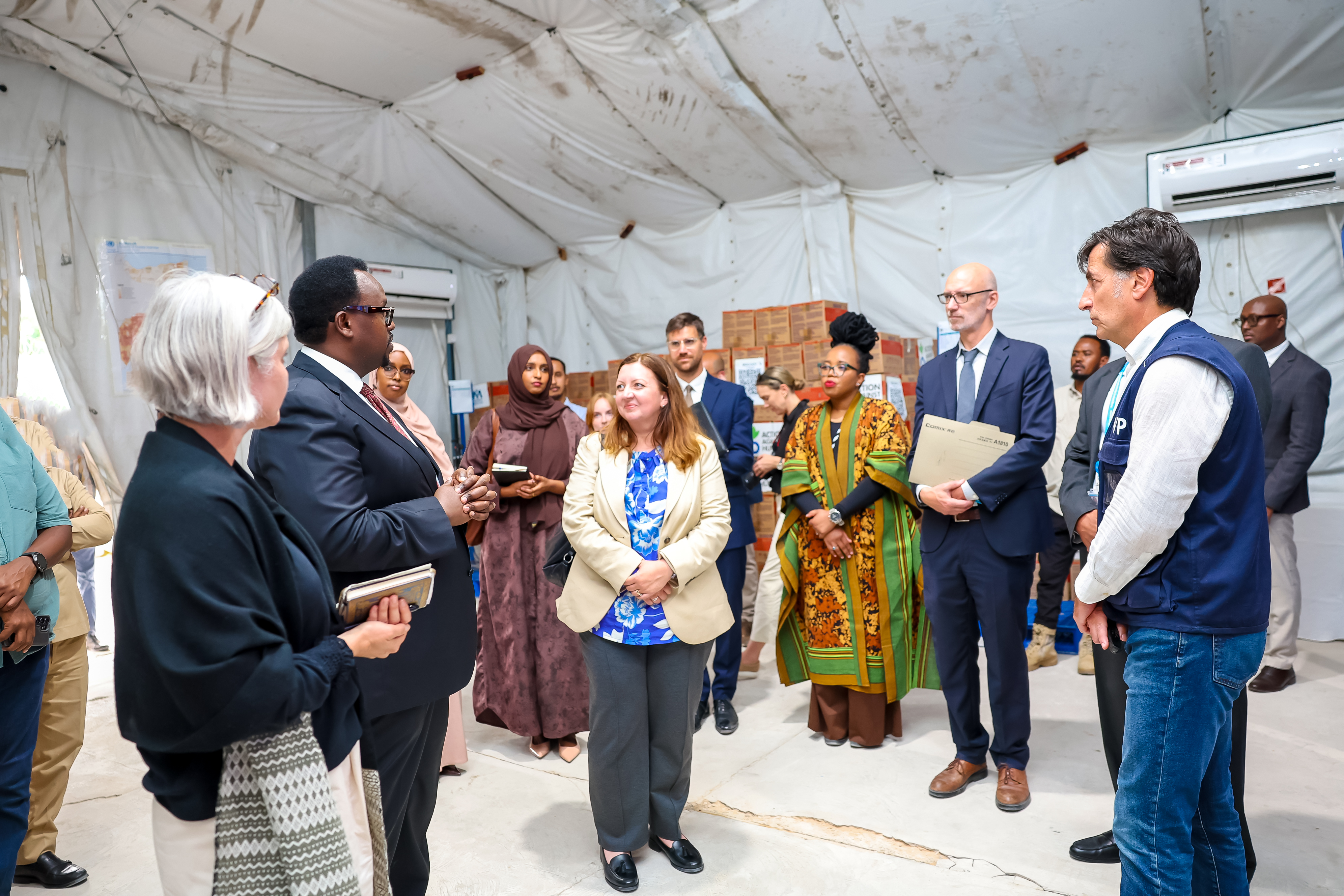
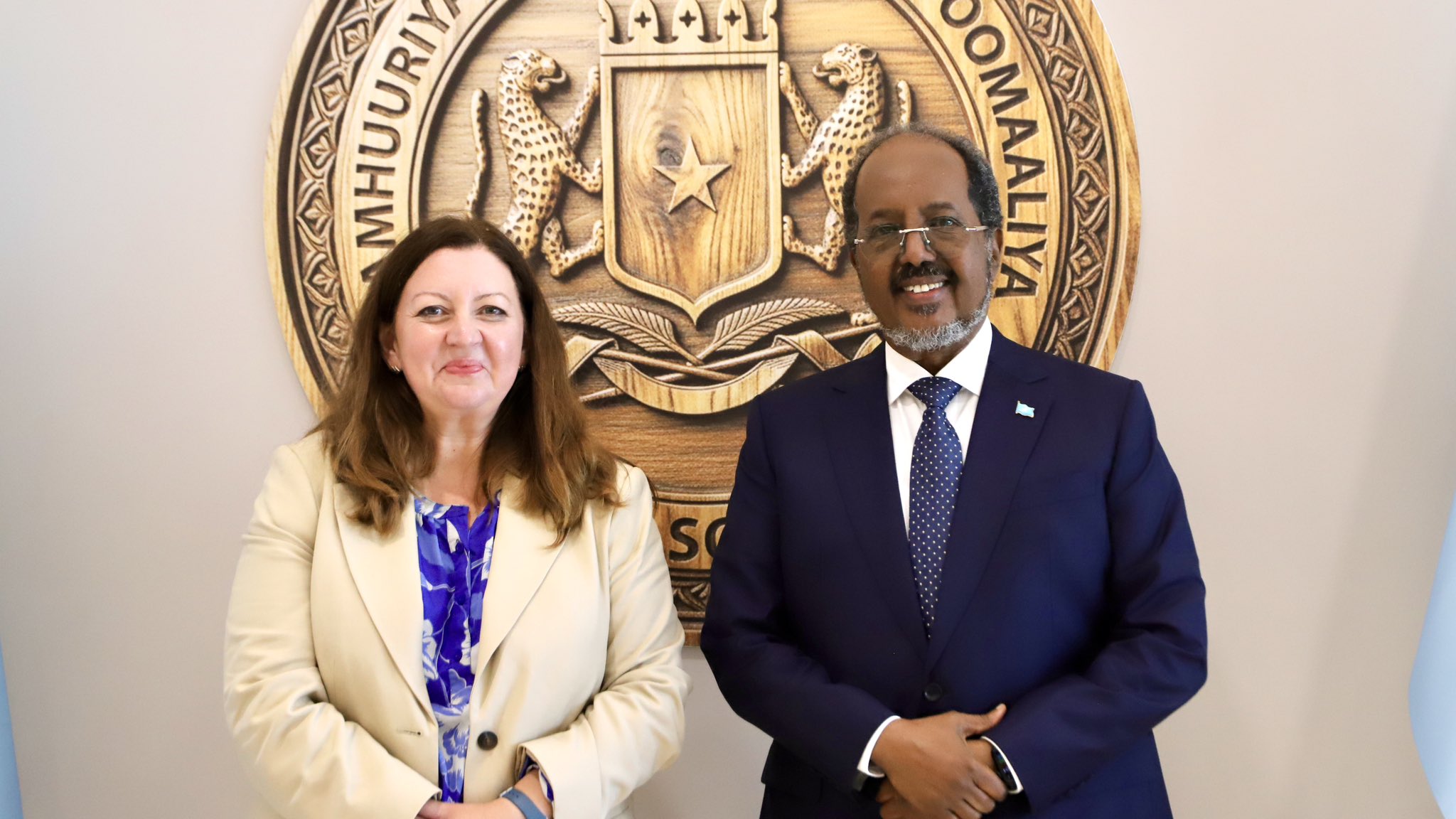
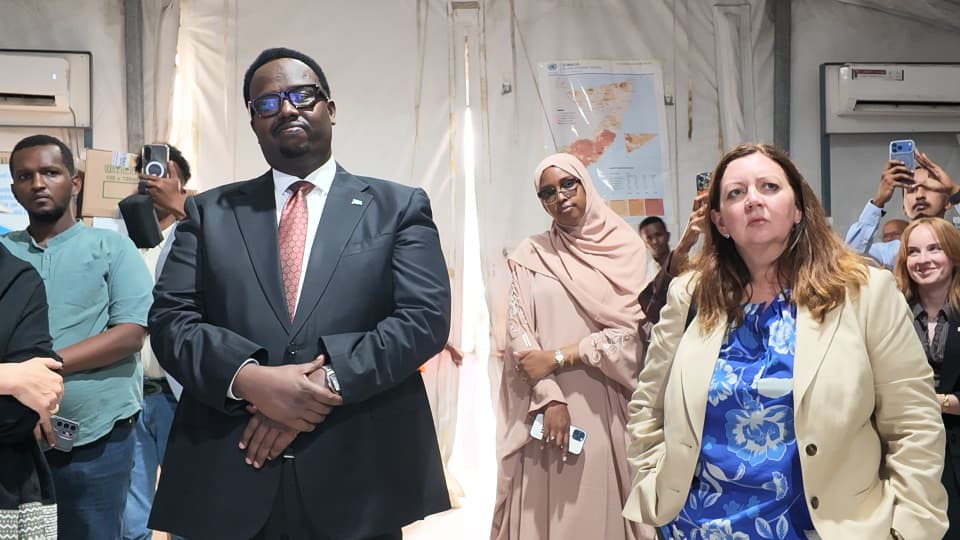
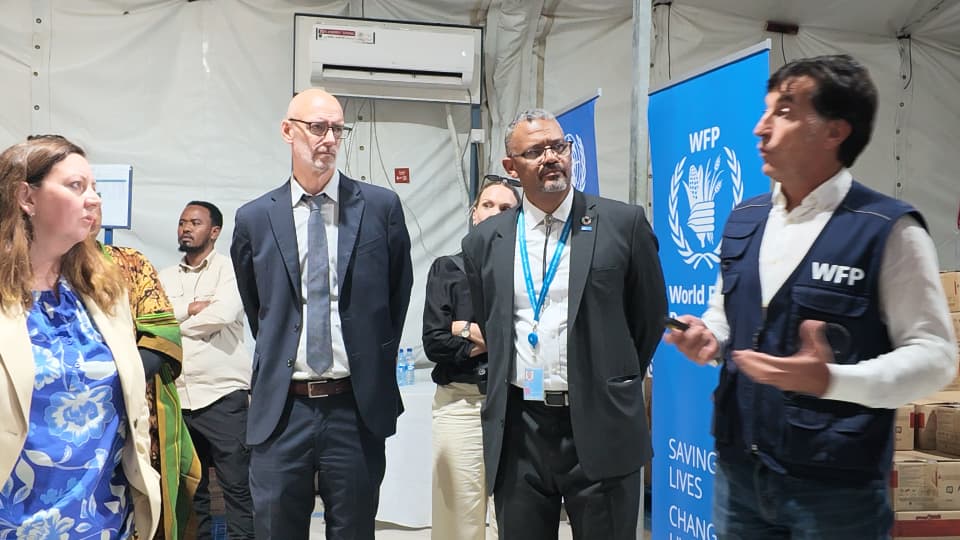
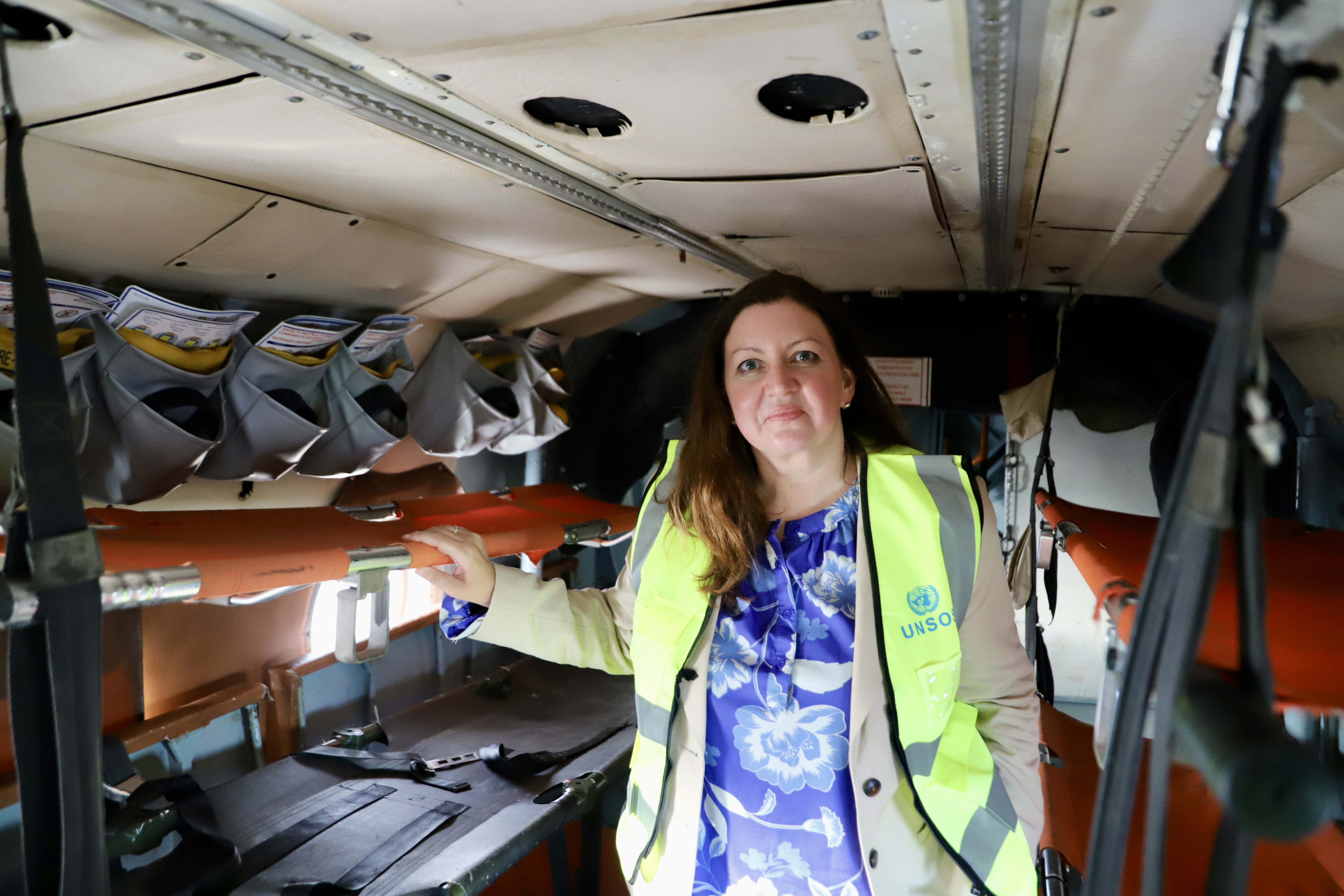
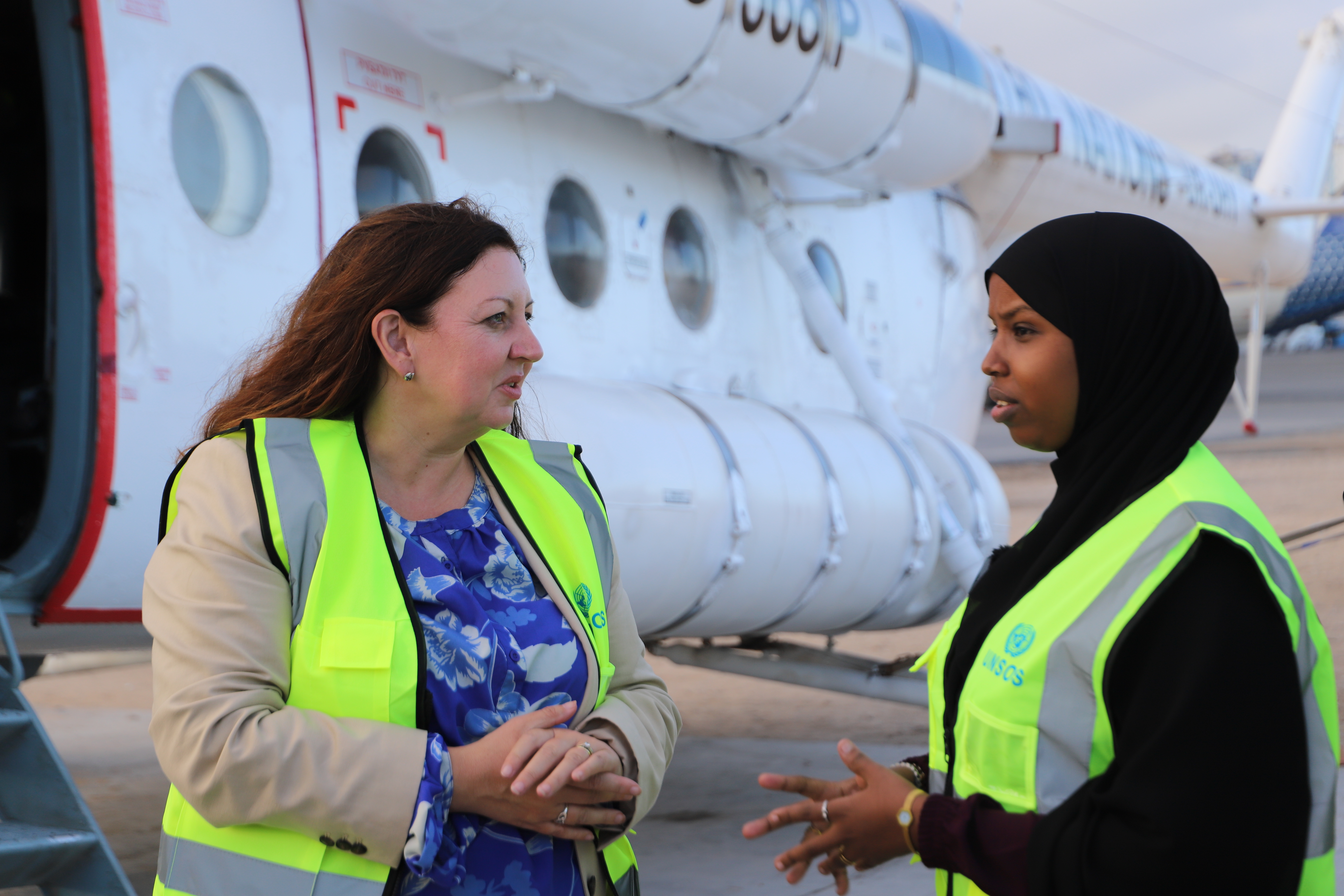
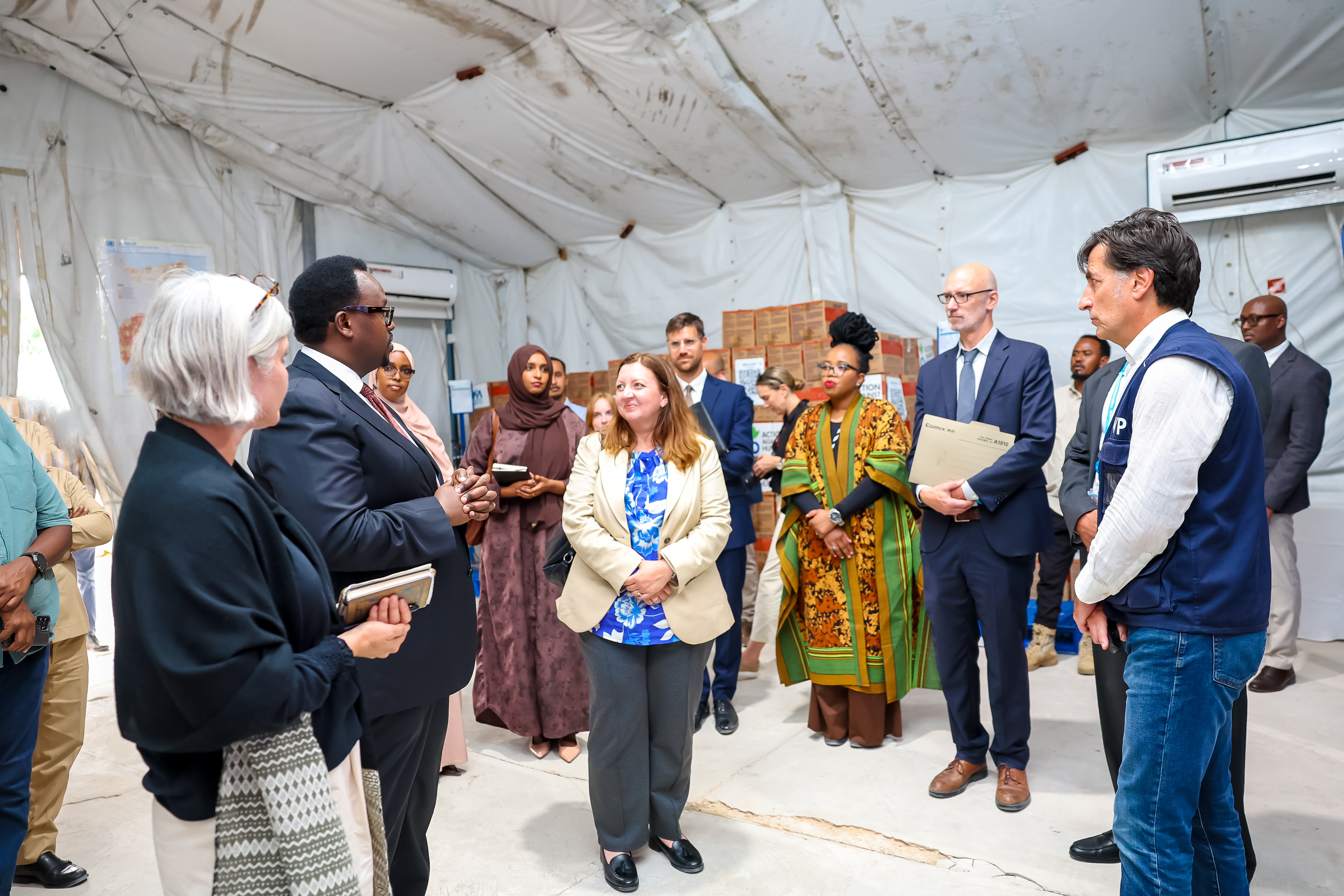
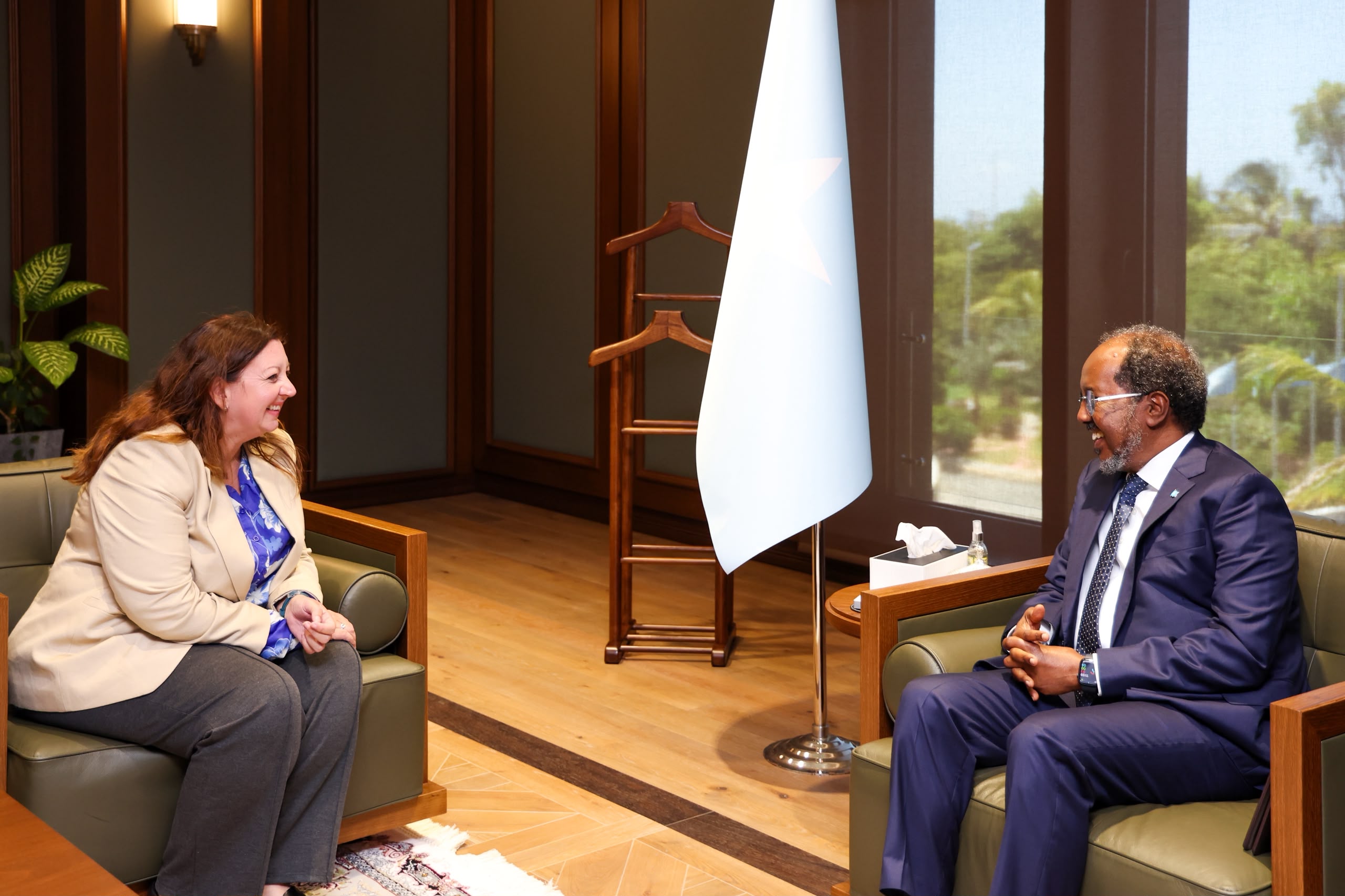
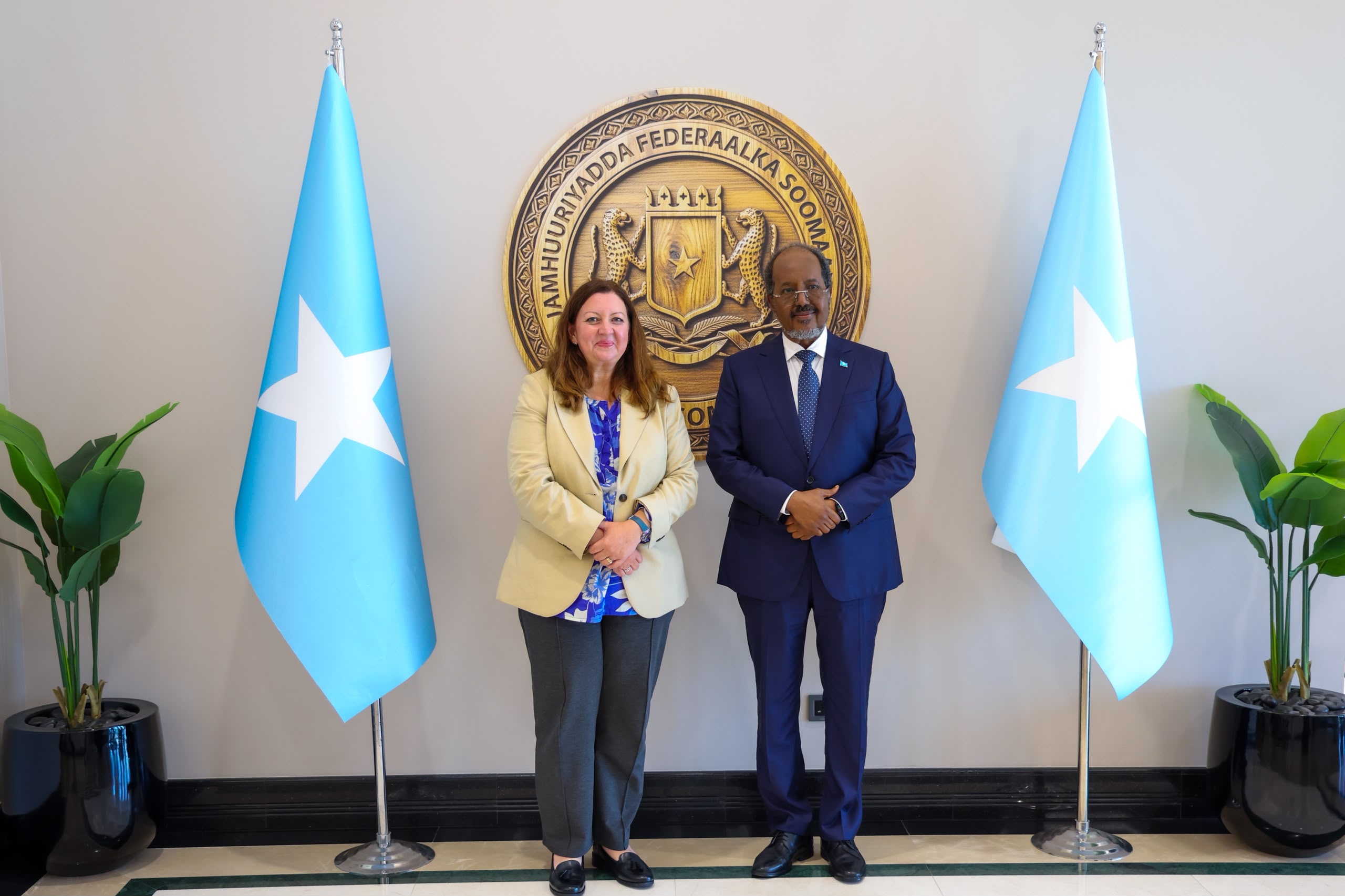
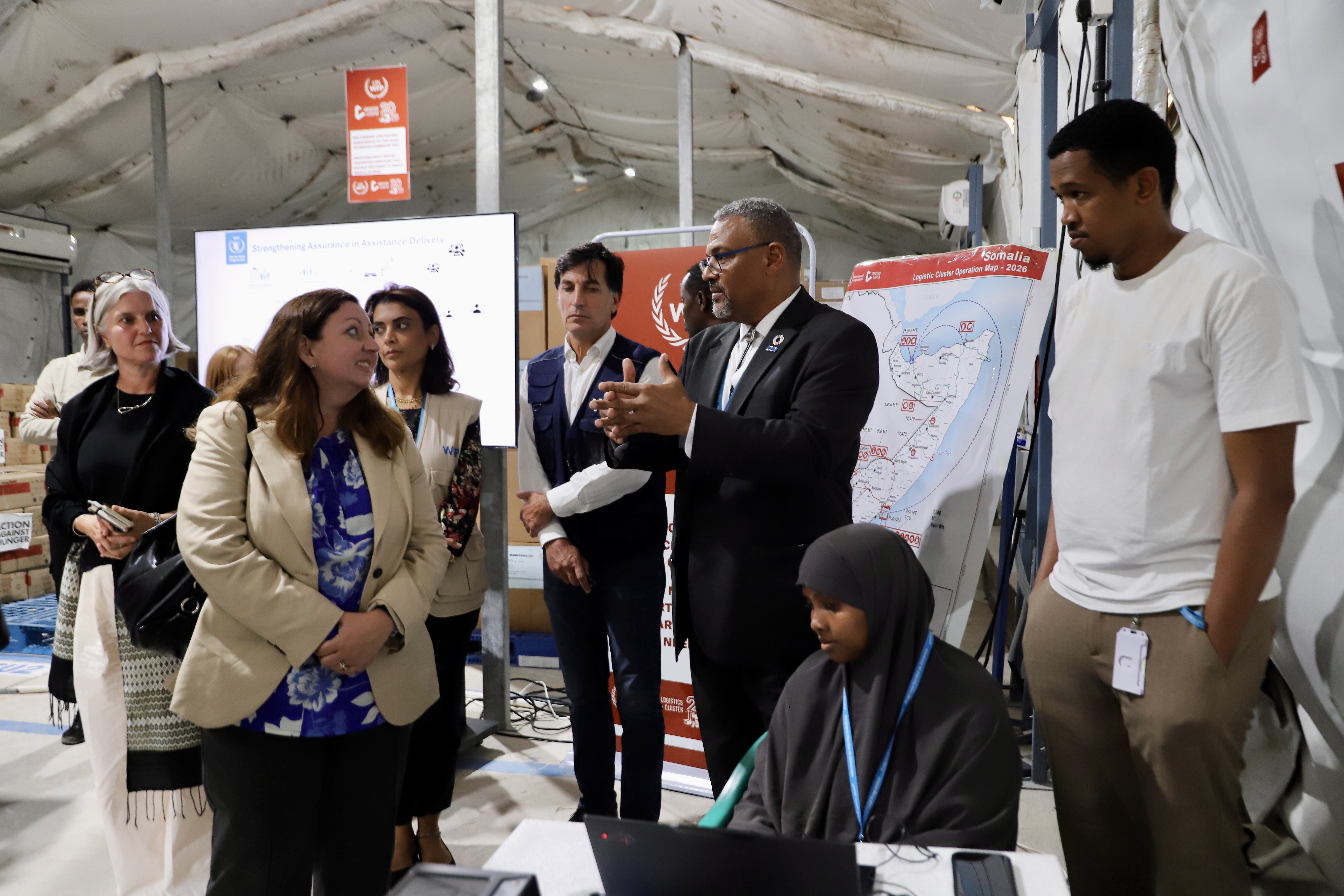
MOGADISHU (SONNA): The United Kingdom’s Minister for Development and Africa, Kirsty McNeill, has made her first visit to Somalia, meeting President Hassan Sheikh Mohamud and touring a World Food Programme warehouse in Mogadishu with Deputy Prime Minister Salah Ahmed Jama.
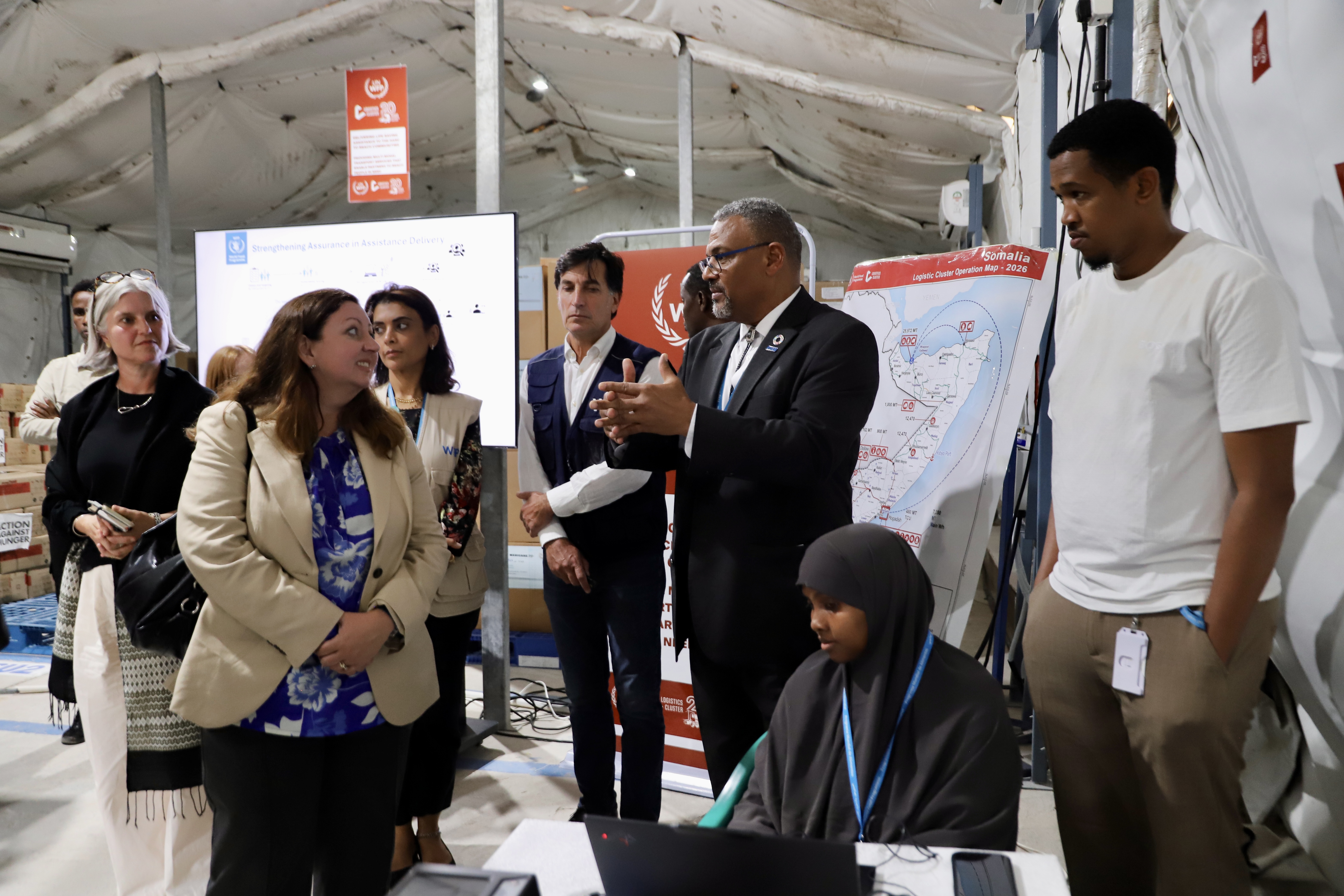
At the warehouse the two were briefed on the state of food security in the country. The World Food Programme presented figures putting six million people, 31 percent of the population, in acute food insecurity at level three or above on the Integrated Food Security Phase Classification, the scale used internationally to assess hunger. The assessment for April to June places 4.1 million in crisis and 1.9 million in emergency, with 1.9 million children aged between six and 59 months acutely malnourished this year.
The presentation set out a risk of famine by the end of 2026. WFP said FEWS NET, the famine early warning system, assesses a credible famine risk in Bay, Bakool, Gedo, Hiiraan and the northern and central pastoral areas by late this year, and that global acute malnutrition in Buur Hakaba has passed 30 percent, above the threshold associated with famine.
The trajectory behind those figures runs back two years. The Gu rains of 2025 failed, leaving a fragile recovery and drought in places. The Deyr that followed was among the driest on record and brought widespread loss of livestock and other assets. The Jilaal dry season of 2026 was entered with those assets already depleted. This year’s Gu brought average rains and limited relief after consecutive poor seasons, and the country now sits in a harsh Hagaa dry season rebuilding on an incomplete recovery, with El Niño flooding identified as a risk for the coming Deyr.
Deputy Prime Minister Salah Ahmed Jama put a particular argument to the visitors about how the crisis should be understood. The worst affected areas, he said, are among the most peaceful in the country, and security is not the factor driving what is happening there. The situation results from weather shocks accumulated across successive seasons. He said Somalia has adopted the IPC protocol used to assess food security everywhere, so that a crisis anywhere is measured against the same standard, and that the government will formally launch the Jowhar storage project next month.
WFP’s own presentation listed four drivers, being conflict, insecurity and political instability, climate shocks, shrinking humanitarian funding, and economic pressures including the effect of conflict in the Middle East. The Deputy Prime Minister’s point was not that conflict plays no part in Somalia, but that in the districts now closest to famine it is not the operative cause, which is a distinction with consequences for where assistance is directed and how quickly it can move.
The visitors were also shown how assistance is tracked. Every person registered has their biometric details recorded and receives a verified card recognised across United Nations agencies, so that a family registered by one agency is known to the others. WFP described the system as strengthening assurance in the delivery of assistance. Its supply chain in Somalia runs through five entry points and thirteen hubs with 80,000 tonnes of storage capacity.
The scale of the logistics operation was set out alongside it. Between January 2025 and July 2026 the Logistics Cluster transported 1,517.2 tonnes of cargo across 288 rotations, stored 2,760.6 tonnes, and moved a further 230.2 tonnes by road, supporting 38 partner organisations and reaching 24 hard to reach locations. Nutrition accounted for 69 percent of humanitarian cargo transported and 78 percent of cargo received into common storage.
The Minister’s meeting with the President covered Somalia’s political and security priorities and the transition to Somali-led security. She encouraged leaders across the country to engage in dialogue that strengthens national unity and builds consensus on Somalia’s future, and said continued progress on political dialogue and on the security transition will be important in maintaining international confidence and support.
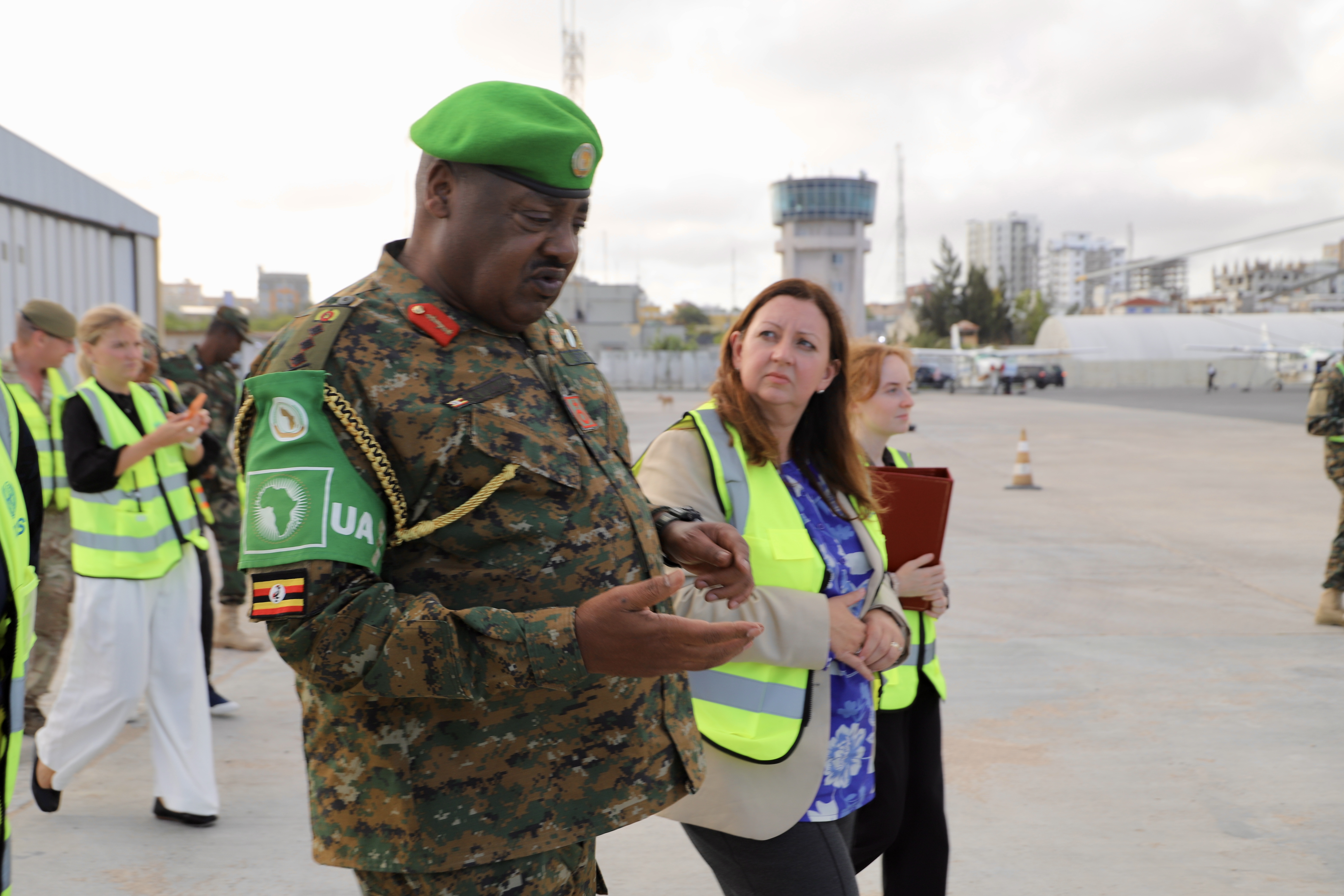
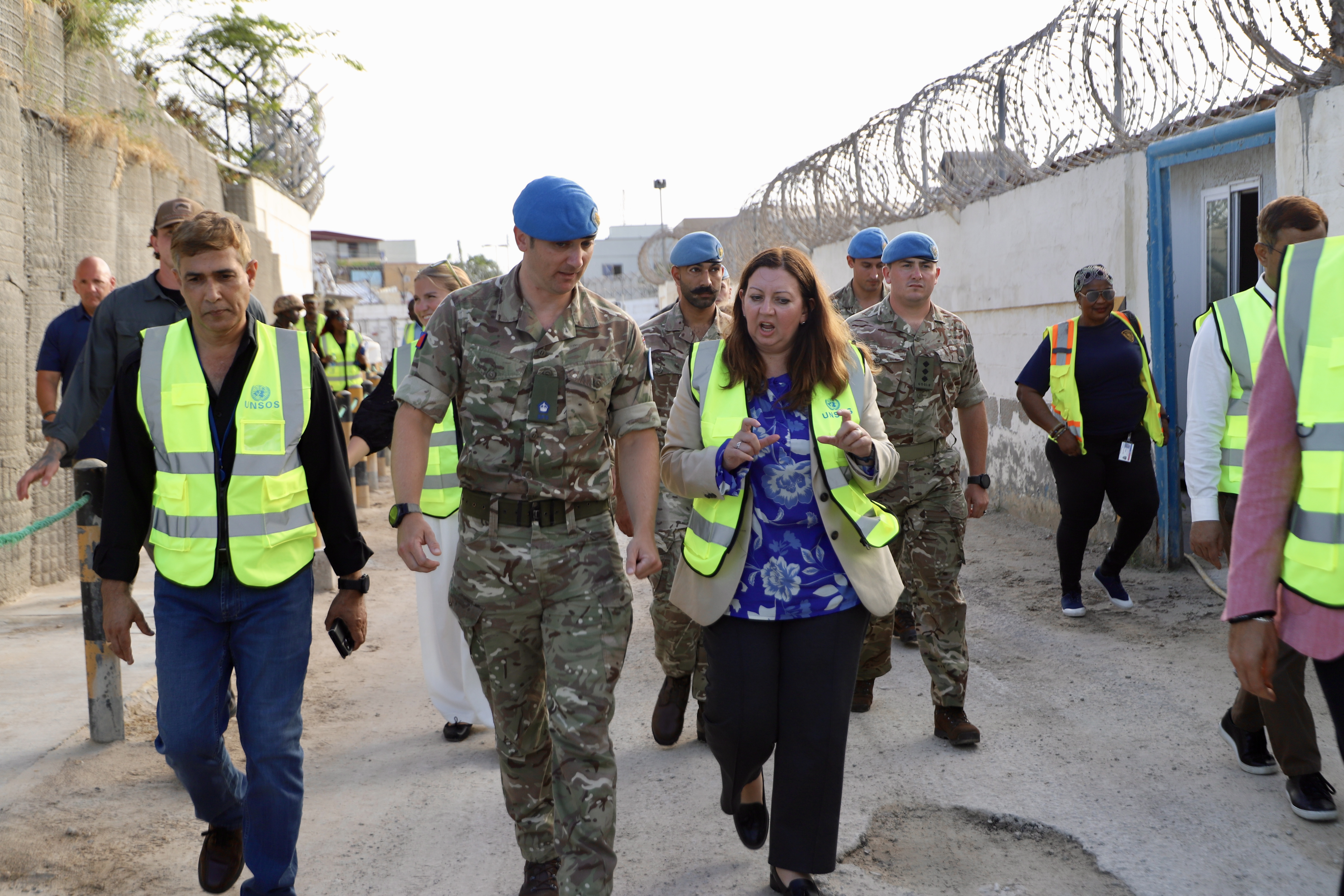
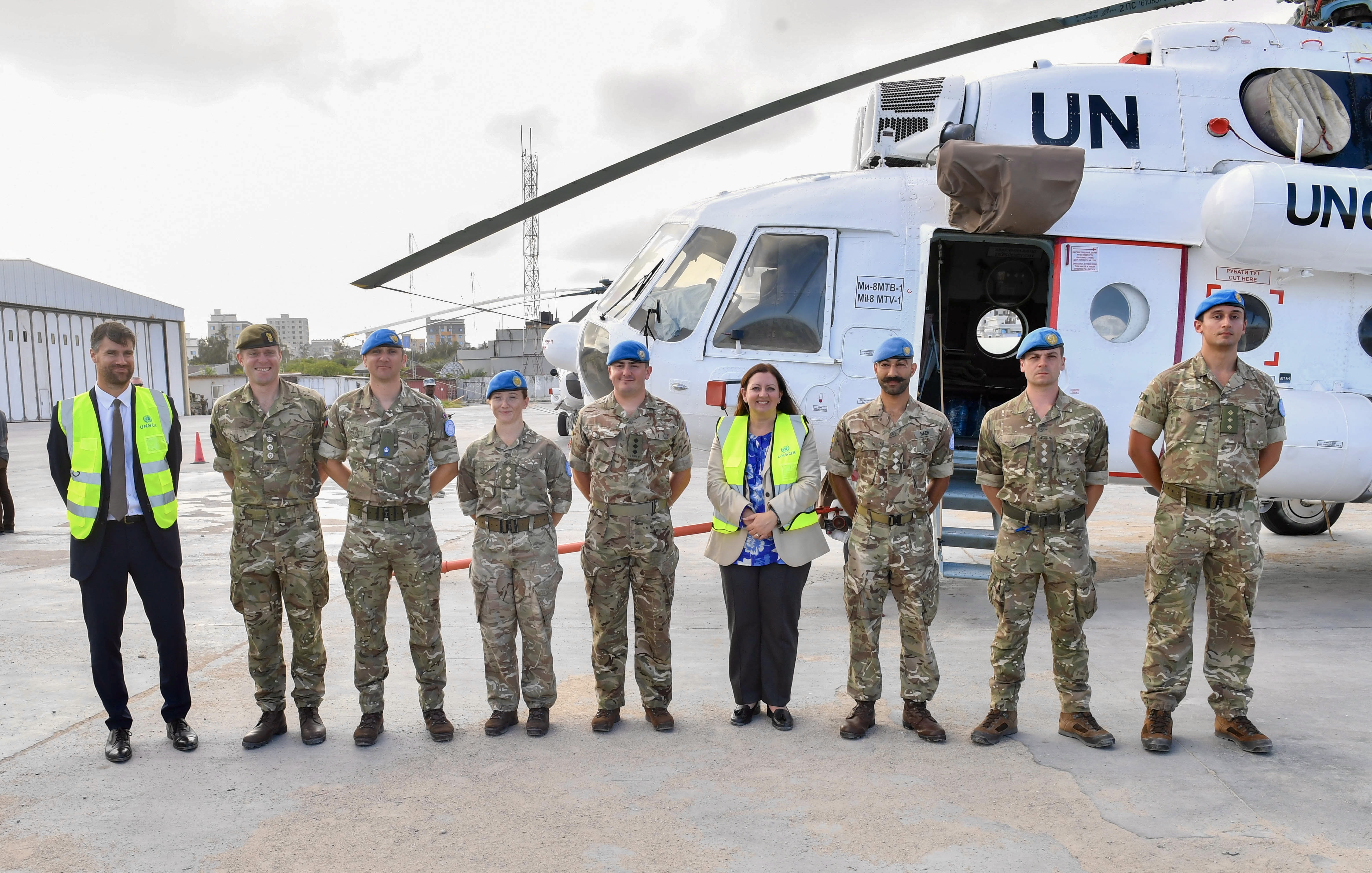
She also met the leadership of the United Nations Support Office in Somalia and of the African Union Support and Stabilisation Mission in Somalia. The United Kingdom provides non-lethal assistance to Somali forces through UNSOS, including food rations, tents, medical supplies and casualty evacuation, and said it stands ready to provide further support. It said progress on political dialogue between Somali leaders and on plans for the security transition will be important in confirming future support.
That formulation, published in the United Kingdom’s own statement, links future assistance to political progress inside Somalia. It arrives while the financing of the African Union mission remains unresolved, a question Egypt raised with the Somali Foreign Minister in a telephone call last week, pressing for the mission to be adequately funded.
The United Kingdom said it reached more than 950,000 people in Somalia with humanitarian and climate resilience support last year.
Set against the figures presented at the warehouse, that is the shape of the problem. Six million people are in acute food insecurity, the funding available to reach them is shrinking, and the seasons ahead carry a flood risk on top of an incomplete recovery from drought. The Deputy Prime Minister’s argument that the affected districts are peaceful is, in that context, an argument that the obstacle is money and logistics rather than access, and that is a problem with a known solution. Whether it is solved before late 2026 is what the FEWS NET assessment turns on.