Local News
President Hassan Sheikh says UAE is fuelling divisions in Somalia
Two days before the Council of Ministers ordered the UAE Ambassador to leave, President Hassan Sheikh Mohamud set out in full why Somalia's patience had run out.
Advertisement
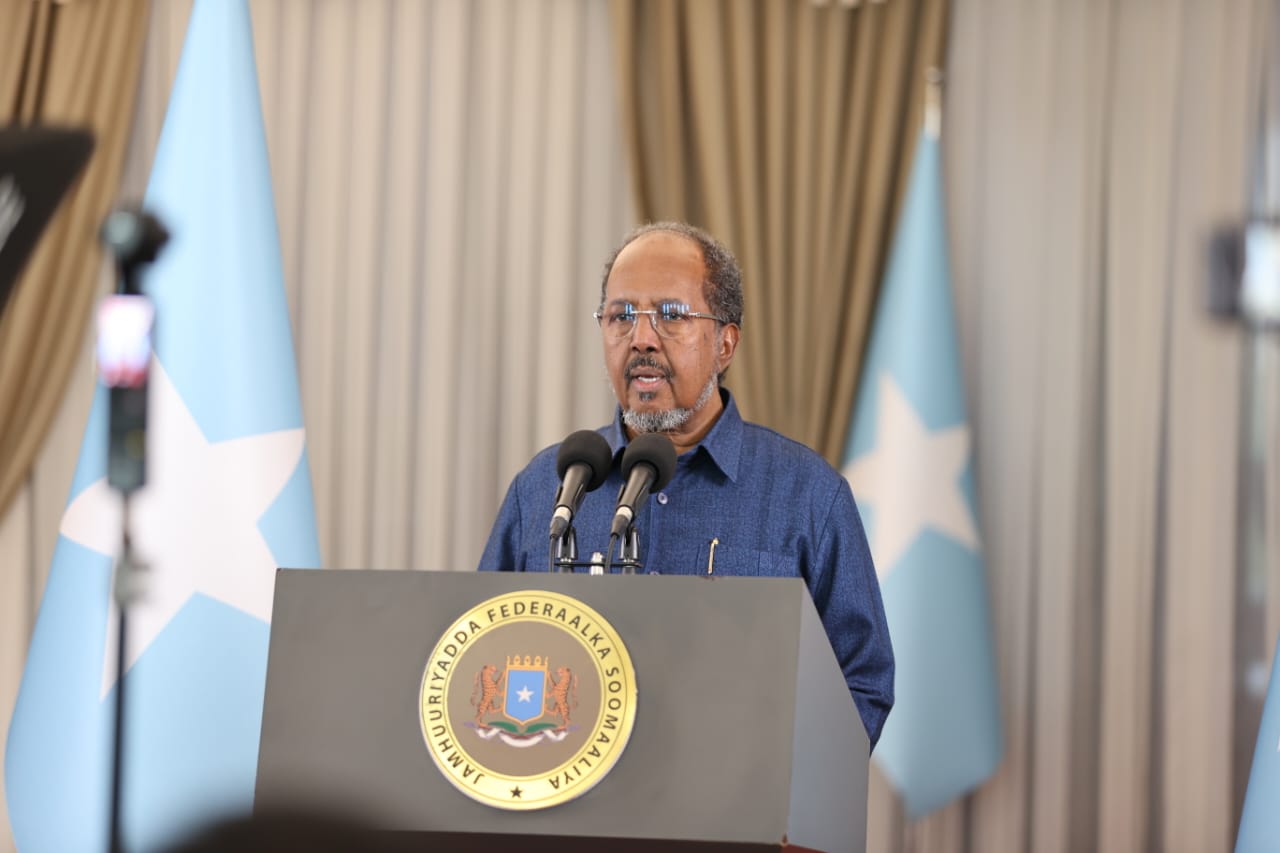
Mogadishu (SONNA) - When the Council of Ministers ordered the Ambassador of the United Arab Emirates to leave Somalia within 72 hours on Thursday, it was acting on a case that President Hassan Sheikh Mohamud had put before the nation two nights earlier. The President's address on Tuesday was the fullest public account any Somali leader has given of the Federal Government's dispute with Abu Dhabi, and it is the ground on which this week's decisions stand.
The address did three things. It set out, point by point, what the President said the UAE has done inside Somalia. It explained why the government waited as long as it did before acting. And it spoke directly to the Somalis the President believes are being drawn away from their own state, while keeping the door open to the Emirati people and, on conditions, to their government.
The case: ports, forces, money and territory
The President began with the ports. He said the UAE had reached agreements with regional administrations over Berbera, Bosaso and Kismayo, three harbours he described as national assets. Agreements over strategic infrastructure, he said, must go through the Federal Government, and these did not.
He then turned to security. The President said the UAE had established military bases and armed forces outside Somalia's national security framework and without federal consent. Those arrangements, he said, weaken the national chain of command and make it harder for Somalia's security institutions to coordinate the fight against terrorism at the very time the army is engaged in it.
The third point was money and political backing. The President said the UAE had given funds and political support to help some regional administrations confront Mogadishu, and that those dealings had deepened divisions among Somalis and were intended to weaken the institutions of the state.
The fourth concerned Israel's recognition of Somalia's northern regions. The President said the UAE had played a significant part in it, and that Abu Dhabi refused to sign the statements in which Arab and Muslim countries condemned the move.
The fifth was the use of Somali soil. In January, the President said, the UAE used Somali territory at Berbera to move a militia leader fleeing Yemen, without informing the Federal Government and without seeking its permission.
Years of patience, then a warning
The President was at pains to show that none of this was sudden. He said Somalia had spent years raising its concerns through diplomatic channels and asking for dialogue, and that the government acted only after those efforts failed.
That action came on 12 January 2026, when the Council of Ministers annulled all agreements with the UAE, including those covering security, defence and economic cooperation, and barred Emirati military and cargo aircraft from Somali airspace. The President described those measures as a warning, and said the government had hoped they would lead the UAE to change course.
They did not. Some ten months later, the President said, Emirati dealings with regional administrations had continued in spite of the annulment and were still feeding political and security tensions. He said the UAE was also strengthening its ties with groups that threaten Somalia and the wider Horn of Africa. If that conduct went on, he said, Somalia would use every measure available to it under its own laws and under international law.
A message to Somalis
Much of the address was spoken not to Abu Dhabi but to Somalis. The President said divisions along regional and administrative lines leave the country open to outside interference, and he appealed by name to the people of the northern regions, Puntland and Jubaland. He told them they are an integral part of the Somali nation, and that political disputes among Somalis can be settled by Somalis, through negotiation.
He pointed to Libya, Yemen and Sudan as a warning. The President said the UAE had contributed to the divisions in Libya and Yemen and was pursuing the same outcome in Sudan and in Somalia, and he asked those who seek Emirati support to look at what that involvement has brought to those countries.
He addressed young Somalis and the armed forces separately. He urged young people to resist offers of money and promises that could undermine their country. He told the men and women in uniform that the security, sovereignty and unity of Somalia are theirs to safeguard.
No quarrel with the Emirati people
The President drew a firm line between the Emirati government and the Emirati people. He recalled generations of trade between the Gulf and the Horn of Africa, and Somalia's decision to join the Arab League in 1974 as part of its place in the wider Arab world.
He also spoke of what the UAE has meant to Somalis. When civil conflict and the collapse of state institutions drove Somalis abroad, he said, thousands found refuge and work in the Emirates. Somali entrepreneurs built businesses there, and the remittances sent through the country helped to sustain families at home. The President expressed gratitude for those opportunities, and told Emirati citizens and Somalis living in the UAE that there is no dispute between the two peoples.
From the address to the Council's decisions
The steps that followed came quickly. On Wednesday the Ministry of Foreign Affairs expressed grave concern over the UAE's continued interference in Somalia's internal affairs and said Somalia would take all necessary lawful steps to protect its sovereignty. The same day an adviser to the UAE President, Anwar Gargash, replied on social media. He described the address as an attack and said the UAE had stood by Somalia, but he did not take up the ports, the forces, the funding or the use of Berbera.
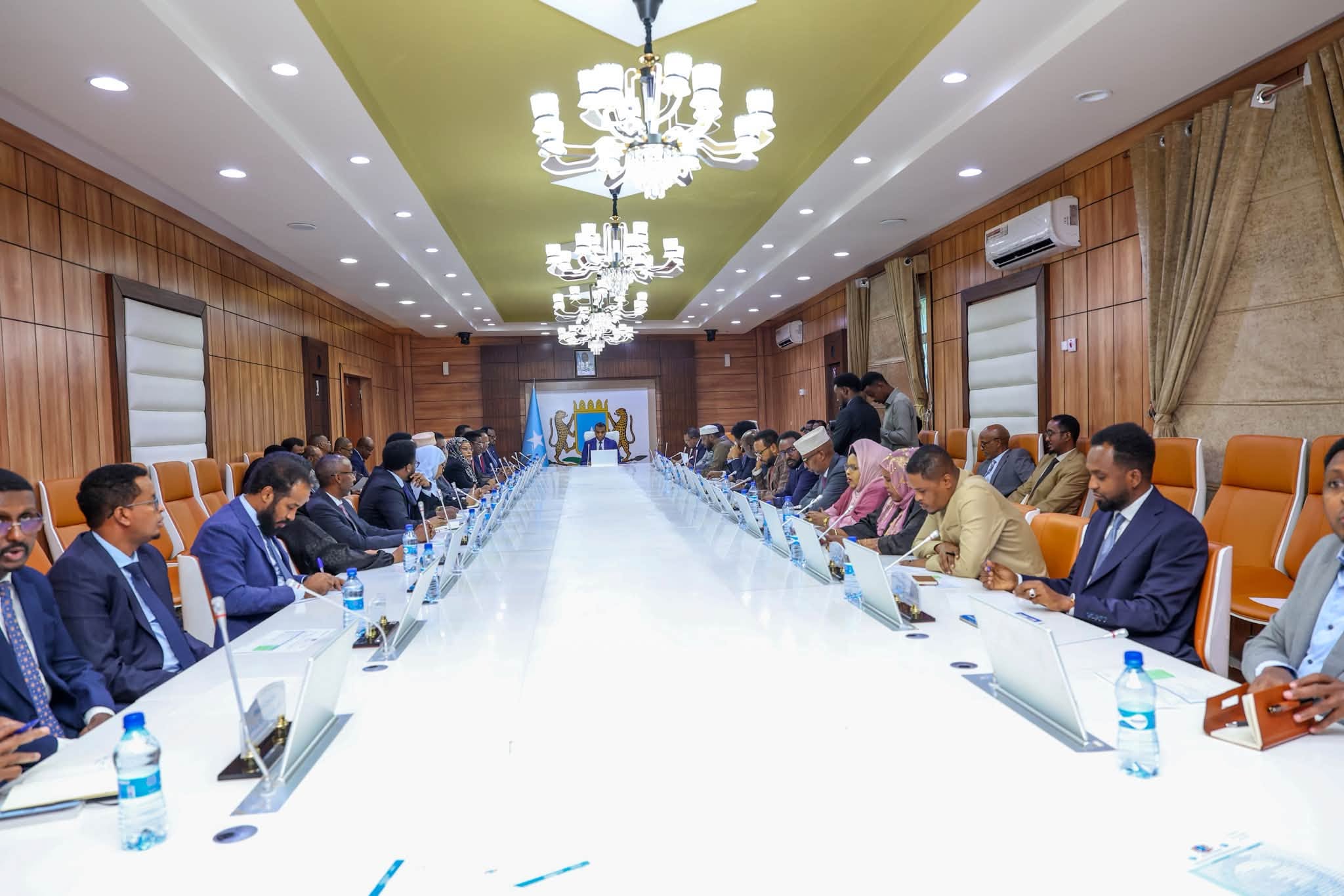
On Thursday the Council of Ministers, meeting under Prime Minister Hamza Abdi Barre, issued five decisions, announced by the Minister of Information, Culture and Tourism, Abdulfatah Kasim Mohamud. Somalia's Ambassador to the UAE has been recalled for consultations and the UAE Ambassador instructed to return to his country. The government will take further steps to defend the unity, sovereignty, security and harmony of the country. The Ministry of Foreign Affairs is to put Somalia's case before the international community. A warning has been issued to anyone who works with the UAE and takes part in aggression against Somalia. And every Somali leader and citizen has been called on to take part in the defence of the country.
The President's address explains why the Council acted, and it also sets the terms on which the dispute can end. Somalia, he said, remains open to a relationship with the UAE based on equality and respect, and asks only that the Emirati government deal with Somalia as what it is: a sovereign state.