Local News
National Security Advisor: protecting Somalia's sovereignty is a shared national duty
Awes Haji Yusuf sets out the security case behind the measures against the UAE, from ports and divided command to the illegal export of minerals and gold.
Advertisement
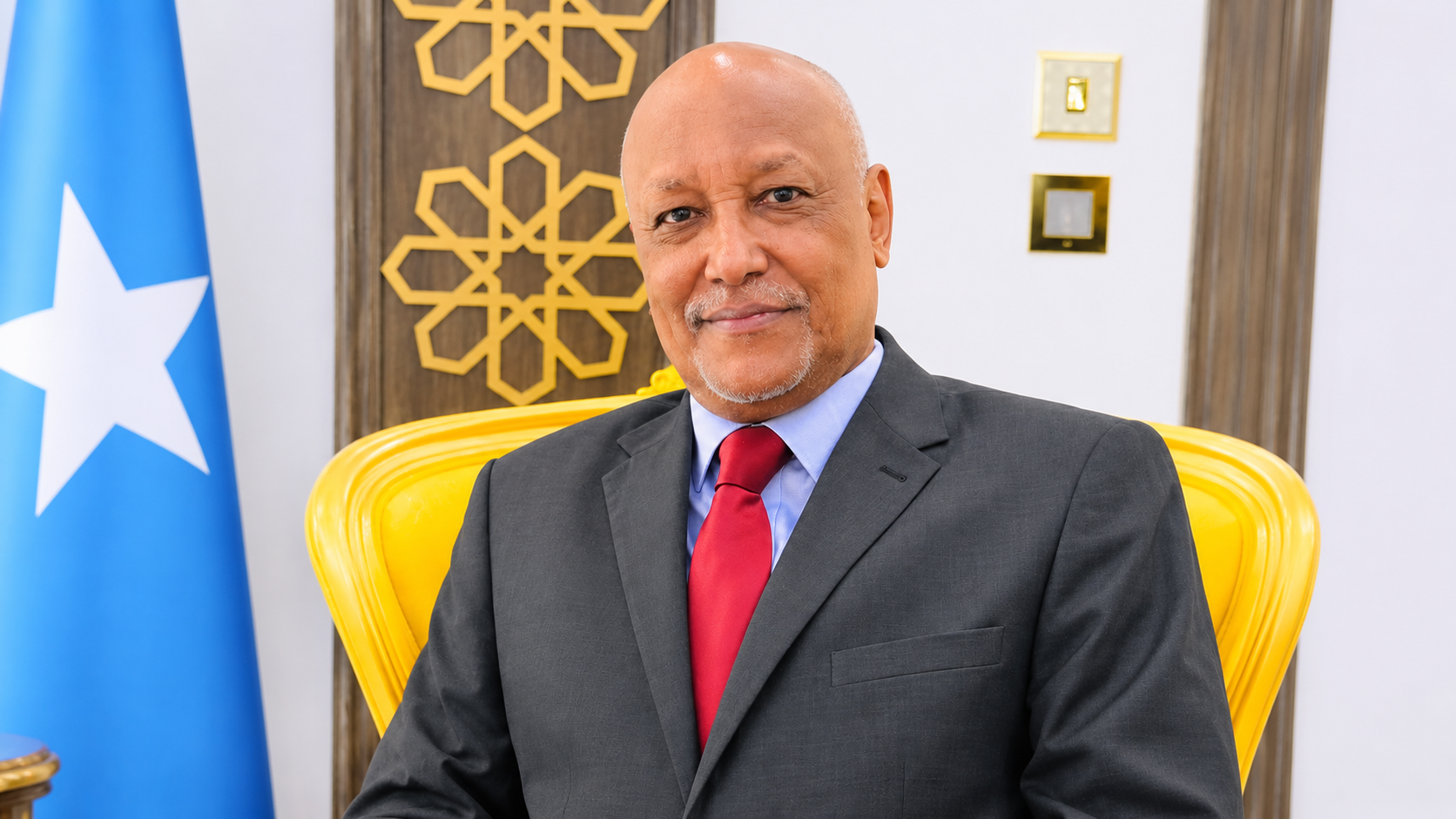
Mogadishu (SONNA) - Somalia's National Security Advisor, Awes Haji Yusuf, has set out the security case behind the Federal Government's measures against the United Arab Emirates, saying the UAE's policies threaten Somalia's national security, sovereignty and unity, and that protecting them is a duty shared by every Somali.
The Advisor was speaking a day after the Council of Ministers recalled Somalia's Ambassador from Abu Dhabi and directed the UAE Ambassador to leave the country. He said the Federal Government took those steps after assessing that Emirati policies posed a direct threat to the security of the state.
He said President Hassan Sheikh Mohamud recognises the support the UAE has given Somalis and the Somali government in the past. National security, however, is not bound by time and has no permanent friends, the Advisor said. It requires a single constitutional authority over the country's land, ports, airspace and armed forces, and a cohesive state capable of defeating Al-Shabaab.
Ports, forces and divided command
The Advisor pointed first to the ports. He said agreements over Berbera, Bosaso and Kismayo reached outside federal authority remove strategic infrastructure from national control.
He then turned to the security forces. Military facilities and armed formations established outside the national security command, he said, divide command and weaken the Somali National Army at a time when it is fighting Al-Shabaab.
The third concern was political and financial backing. The Advisor said support that sets some Federal Member States against the Federal Government amounts to a proxy war against lawful authority, and creates security vulnerabilities that the country's enemies can exploit.
Resources, smuggling and the use of Somali territory
In a second statement, the Advisor raised the illegal export of Somali national resources, particularly minerals and gold. Together with the unauthorised use of Berbera port in January 2026 to move a militia leader fleeing Yemen, he said, it shows that Somali territory has been used as an unauthorised transit route for resources and smuggling.
Somalia, he said, will not allow its land, its ports or its airspace to be used to project conflict into Yemen, Sudan or any other state.
The Advisor also addressed Israel's purported recognition of the self-declared administration in the northern regions of Somalia. He said that move, and the UAE's refusal to join the statements in which Arab and Islamic countries condemned it, infringe on Somalia's territorial integrity. The northern regions, he said, remain part of the Federal Republic of Somalia.
Ten months after the January annulment
The Advisor placed this week's decisions in the context of the steps the government took at the start of the year. On 12 January 2026 the Council of Ministers annulled the port, security, defence and economic cooperation agreements with the UAE and closed Somali airspace to Emirati military and cargo aircraft.
Ten months later, he said, the interference and violations had continued, and the Council of Ministers acted again on Thursday, recalling Somalia's Ambassador and directing the UAE Ambassador to leave.
His statements add the security dimension to a case the Federal Government has set out in stages this week. President Hassan Sheikh Mohamud addressed the nation on Tuesday night, the Ministry of Foreign Affairs followed on Wednesday with a statement rejecting any foreign engagement or parallel security arrangement that bypasses the Federal Government, and the Council of Ministers announced its decisions on Thursday.
The UAE Foreign Ministry has described Somalia's decision as escalatory and hostile, and said the Somali government was drawing the UAE into its internal disputes. It did not address the ports, the forces, the use of Berbera or the export of resources.
A duty for every Somali
The Advisor addressed much of his message to the Somali public. He said defending national unity and sovereignty is not the responsibility of the administration alone, and must not become a political tool used to weaken it. The security of the country's land, ports and airspace, he said, belongs to all Somalis.
Somalia, the Advisor said, will defend its land, its sovereignty and its national unity by every means permitted under Somali law and international law.