Local News
NIMCA concludes inaugural assembly in Johannesburg, admitting Somalia as its only new member
The Network adopted its constitution, mandated its board to complete legal incorporation and agreed that Nigeria will host the next summit, at a meeting where its chairperson told delegates the absence of women was the elephant that is not in the room.
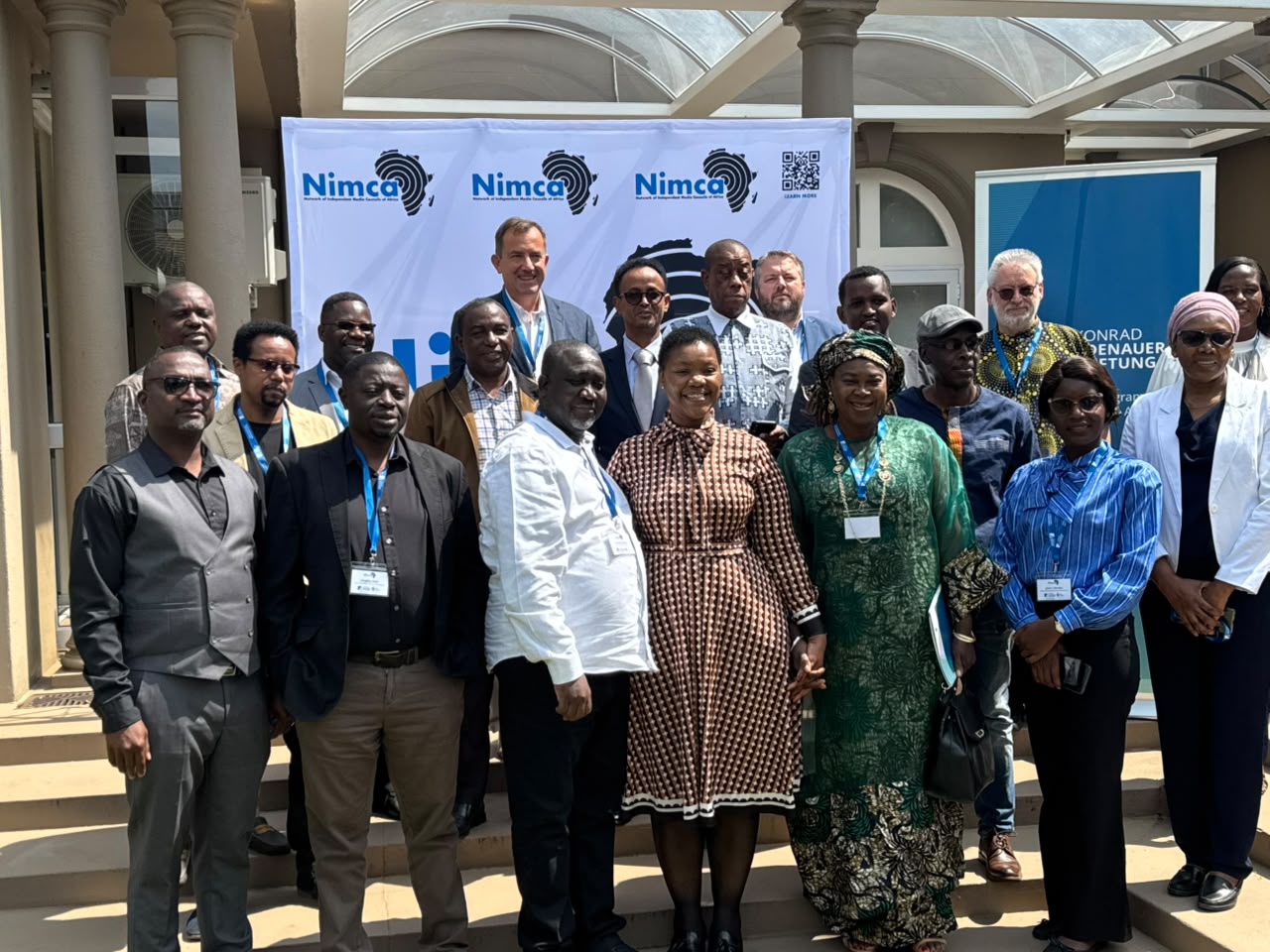
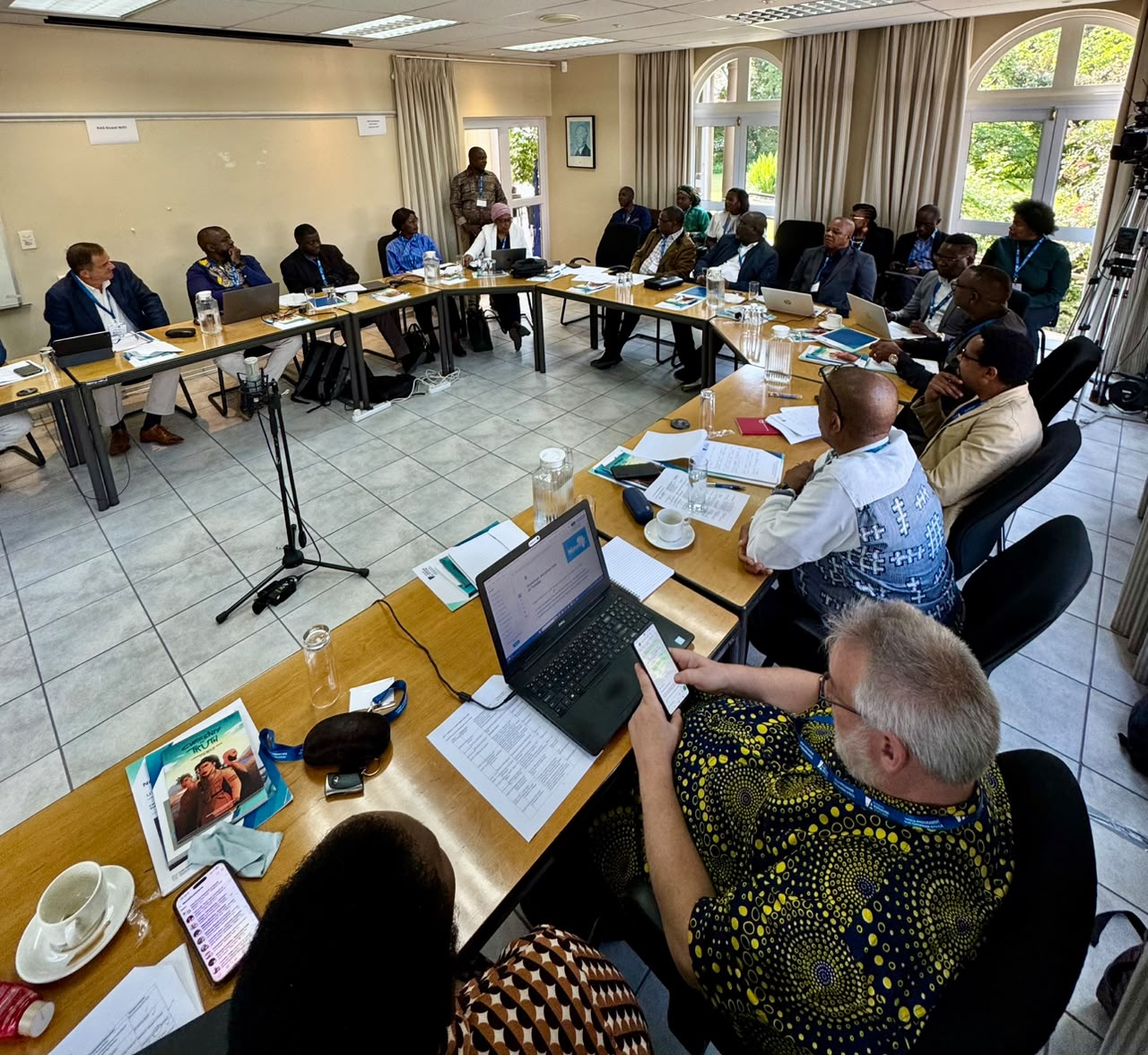
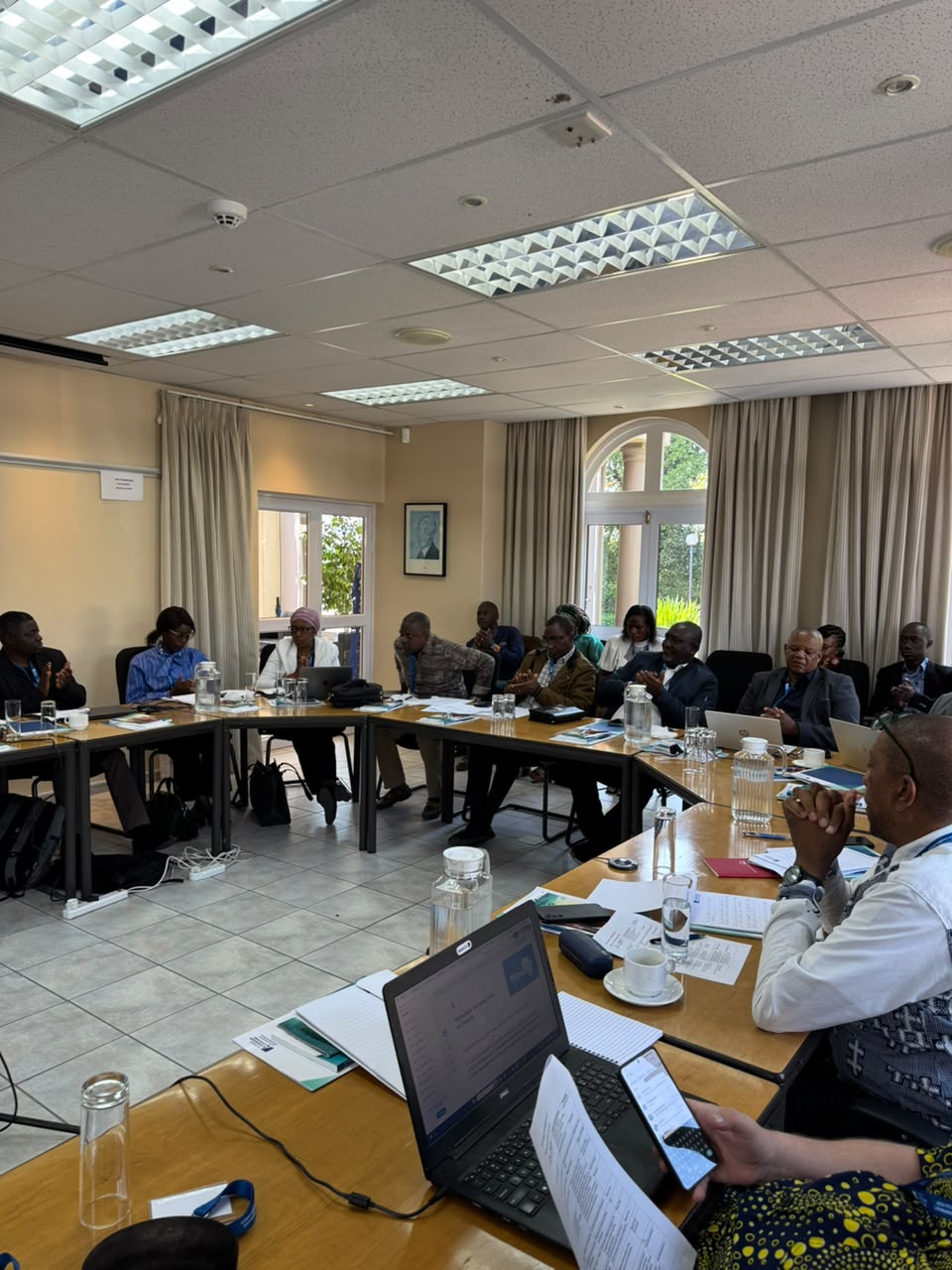
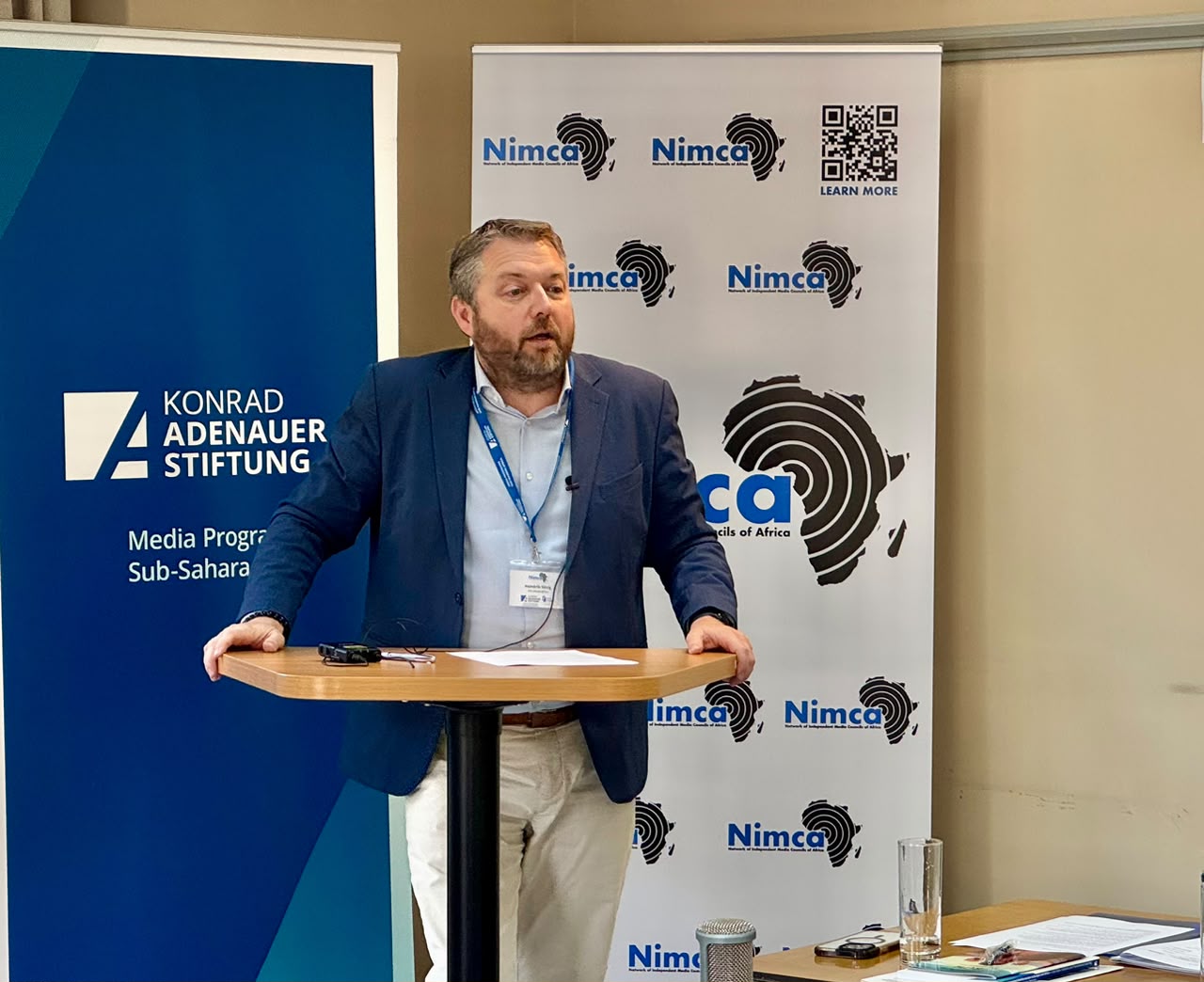
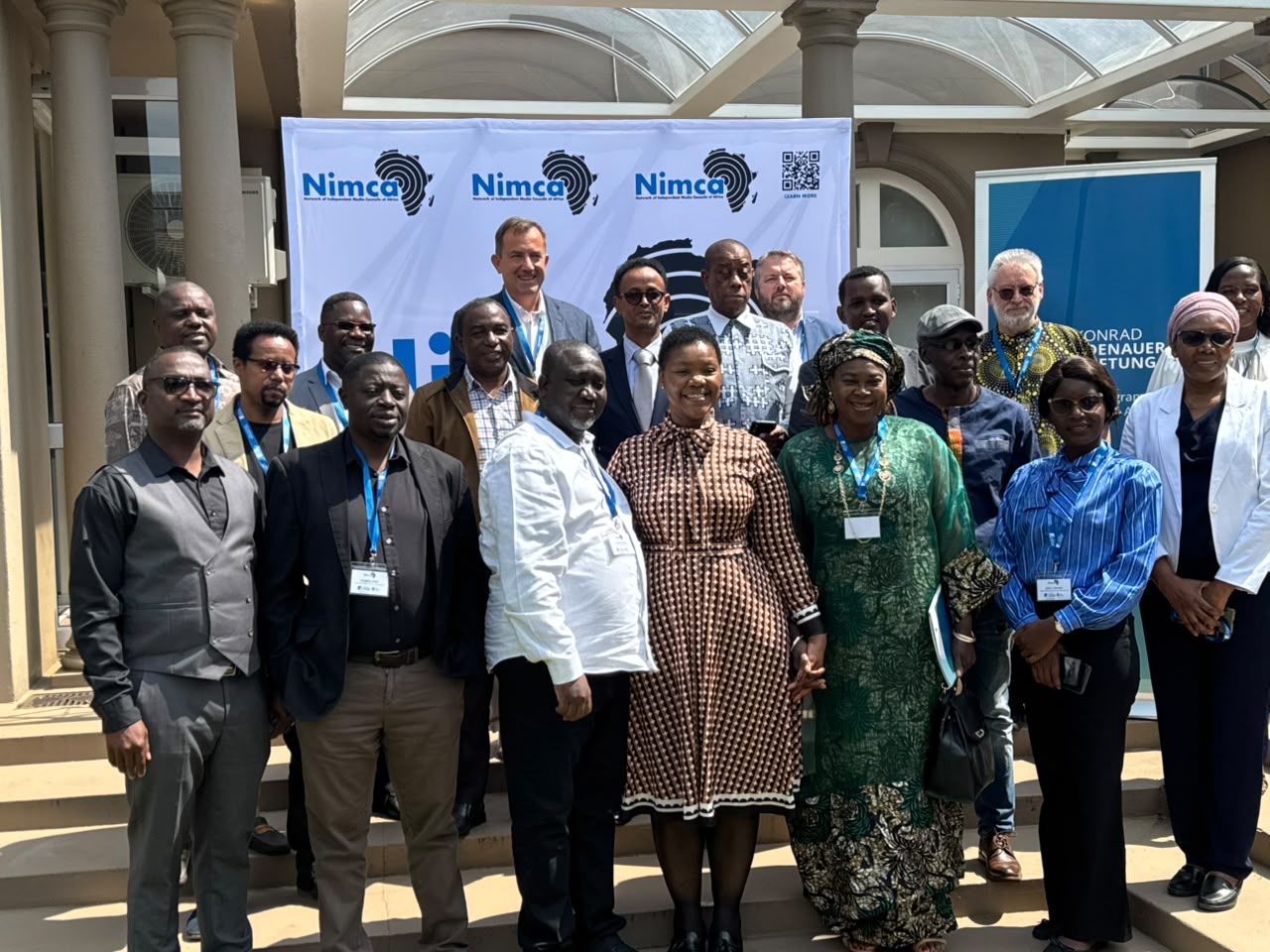
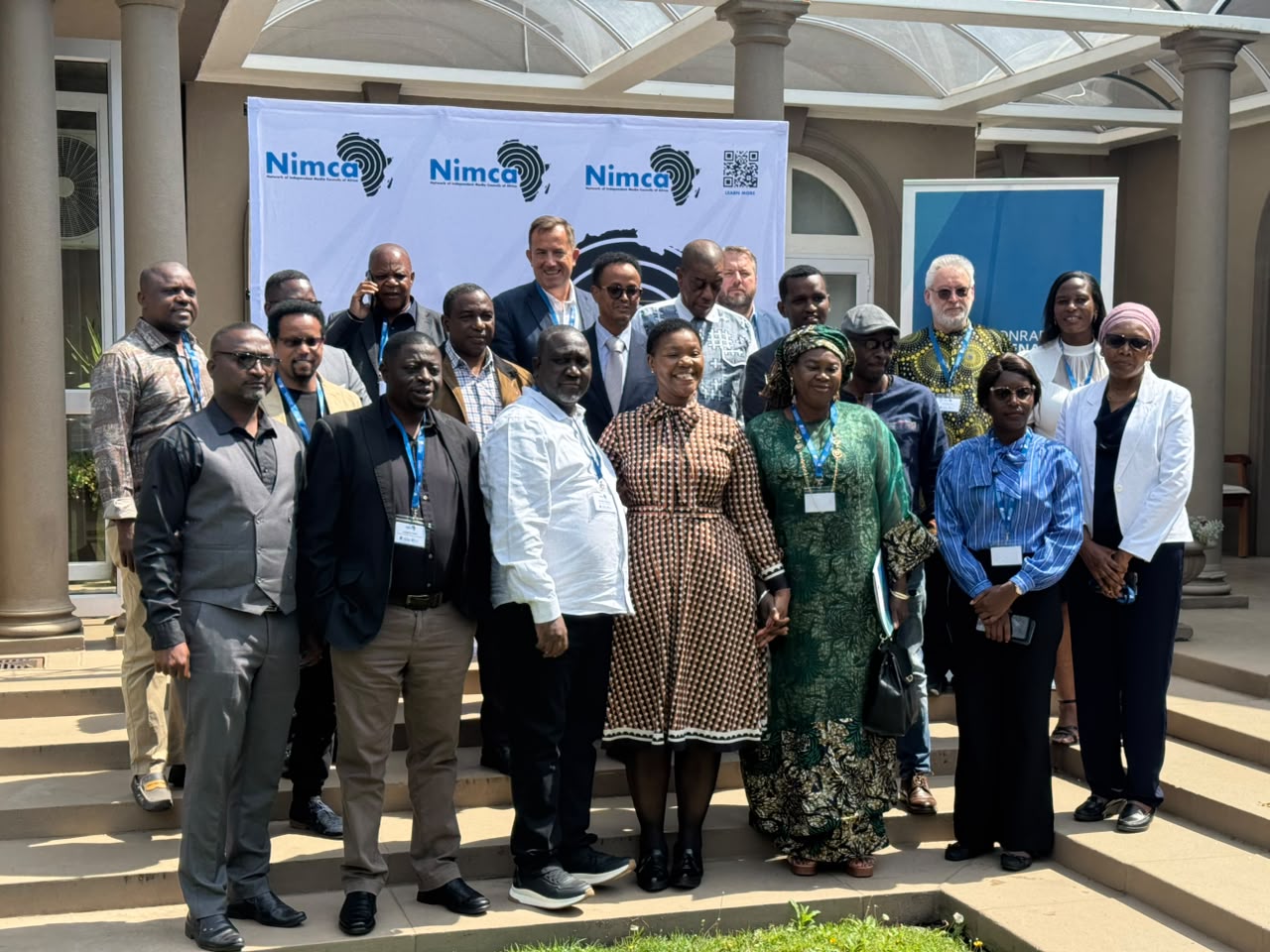
JOHANNESBURG (SONNA): The Network of Independent Media Councils of Africa concluded its Inaugural Assembly and Second Annual General Meeting in Johannesburg on Tuesday, closing two days of governance deliberations in which the Media Council of Somalia was admitted as the only new member accepted at the assembly.
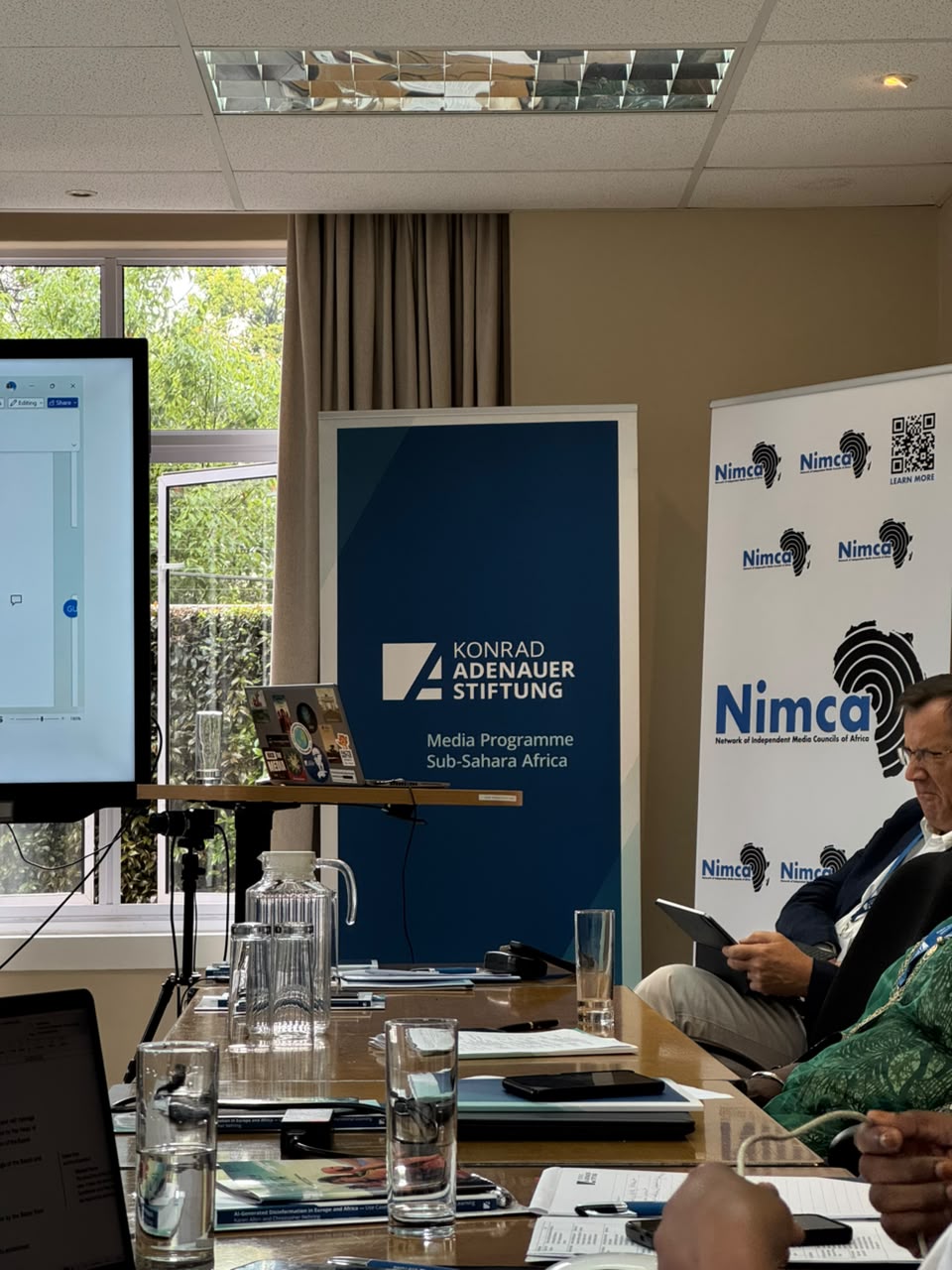
The meeting, hosted by the Press Council of South Africa with support from the Konrad-Adenauer-Stiftung, adopted the Network’s constitution, mandated its board to complete legal incorporation, and agreed that Nigeria will host the next summit.
Somalia was represented by the Media Council’s Chairman and Chief Executive Officer, Abdirahman-Koronto Mohamed Aden, and its Advisor, Abdiqani Abdullahi Ahmed. The admission came at the same sitting that adopted the Network’s principal governance instrument, which meant the Council was assessed against rules the assembly had just settled.
Gender equity described as non-negotiable
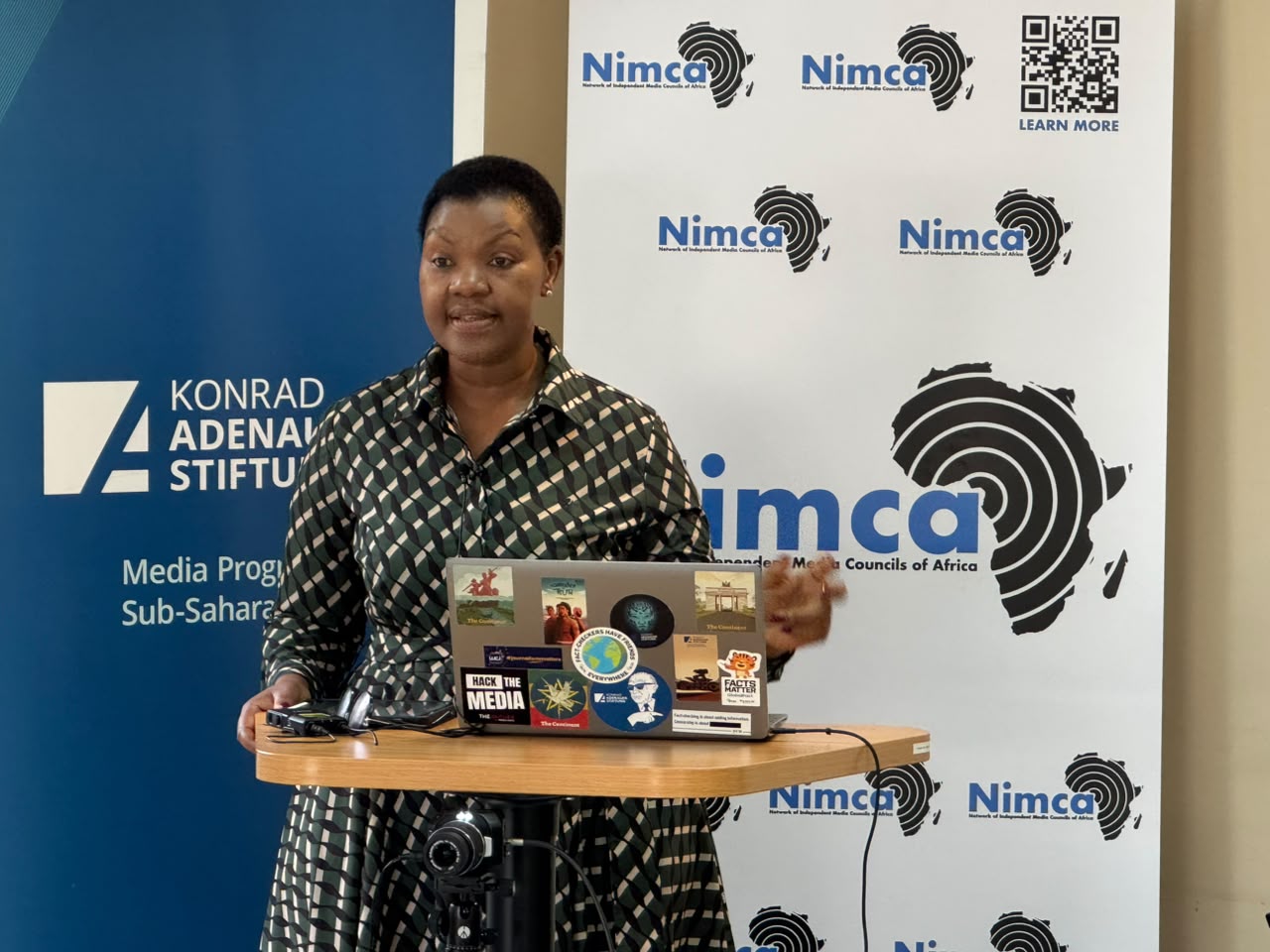
In her closing remarks, Board Chairperson Dr Phathiswa Magopeni turned to what she called the elephant that is not in the room, the absence of women, which she said had been evident in the assembly’s own discussions.
She warned that the Network could ratify every clause of its new constitution and still fail in its mandate. That mandate would not be met, she said, if the newsrooms, adjudication panels and leadership structures overseen by member councils remained places where women’s voices were absent. Gender-inclusive media accountability, she told delegates, was non-negotiable, and gender-transformative practice in African media would be realised only if women’s voices were integrated at every level, in ombuds offices, on adjudication panels, and in the assembly and board themselves.
Assembly and summit separated
The meeting drew a distinction between the annual general meeting, which must convene each year to keep the Network’s governance in order, and the summit, whose frequency the assembly determines. The question had been left unsettled since the body was formed in 2024.
Membership obligations
The assembly agreed that membership carries obligations, with Dr Magopeni telling delegates that ownership and delivery of the mandate come at a cost.
The Network has relied substantially on partner funding and on administrative support provided by the Media Council of Tanzania, which has hosted its secretariat. The board has said that arrangement cannot be permanent, and the assembly considered membership contributions, resource mobilisation and administrative cost recovery as it works towards a financial sustainability framework.
European Commission urges shared database
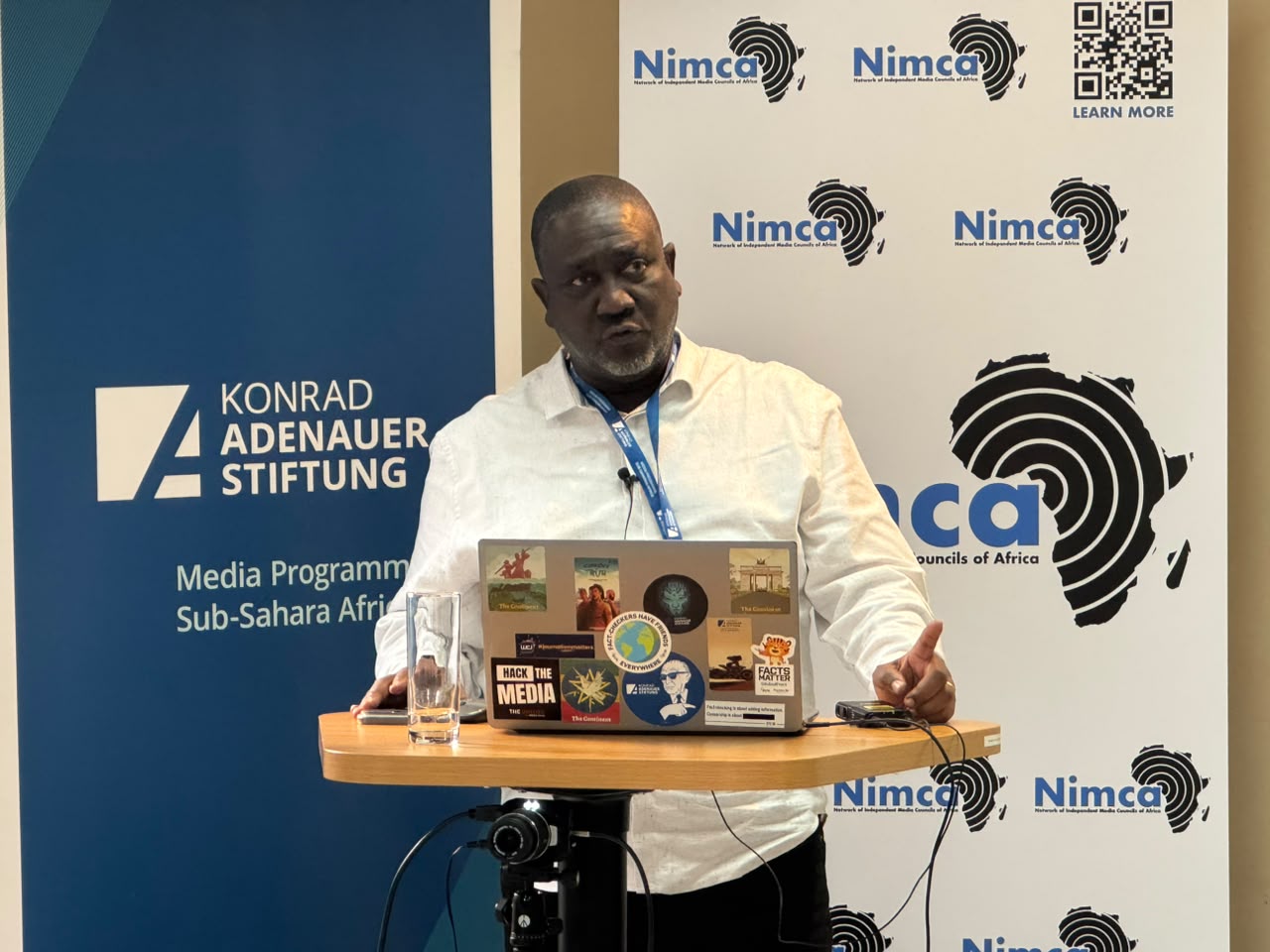
Delivering closing remarks, Ognian Zlatev of the European Commission encouraged the Network to invest in a shared database of decisions and cases, pointing to the equivalent maintained by European press councils.
Europe has no continental structure of the kind being built in Africa, he said, only a loose alliance of national councils. A functioning database, he told delegates, would demonstrate that the Network was a serious organisation rather than a periodic gathering, and would allow it to anticipate emerging trends.
He also urged members to draw on the precedent of the European Media Freedom Act when engaging large technology companies and governments, and said transparency is how councils earn public trust at a time when audiences are losing confidence in institutions. He offered to connect African councils with European counterparts, noting that media self-regulation in Europe is more than a century old.
Go home and do the work
Closing the assembly, Dr Magopeni set out what she described as the next test: whether the constitution is ratified in practice, incorporation completed, fees paid, and the Network’s plan written and funded. She asked delegates to return home and be proof of that commitment in their own councils and countries.
A continent whose citizens cannot trust what they read, she said, cannot claim the rights that depend on knowing the truth.