Local News
Ministers press Somali investors to put capital into fisheries at Mogadishu forum
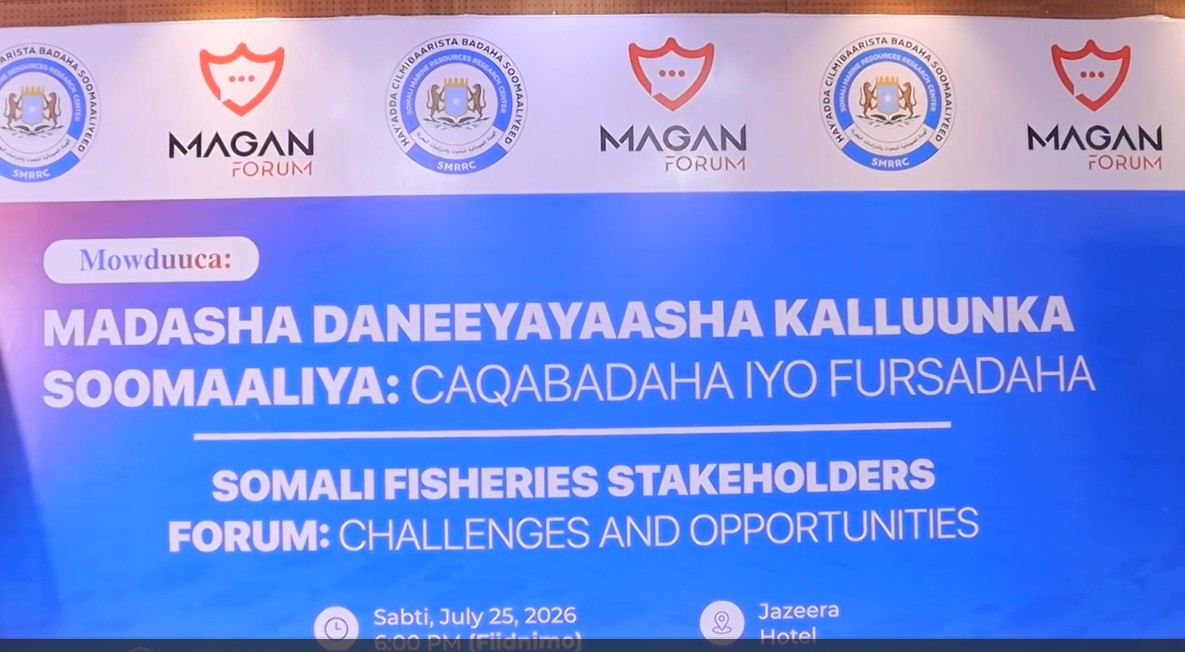
The Somali Fisheries Stakeholders Forum brought ministers, traders, academics and industry figures together at the Jazeera Hotel, where speaker after speaker located the constraint on the sector in capital and habit rather than in the resource itself.
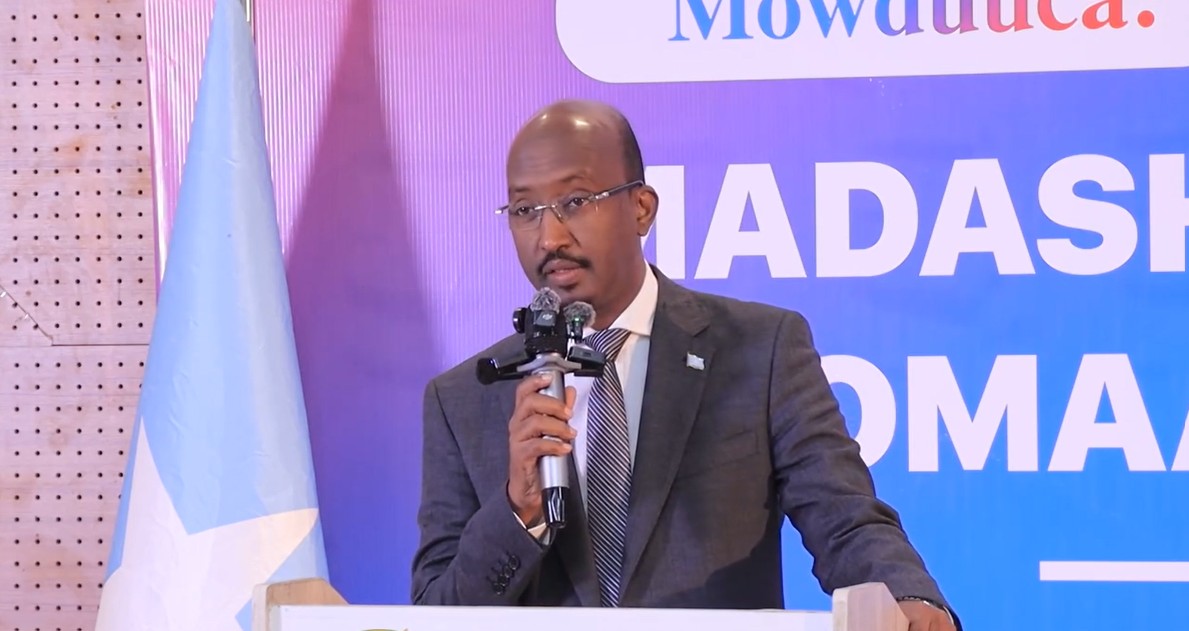
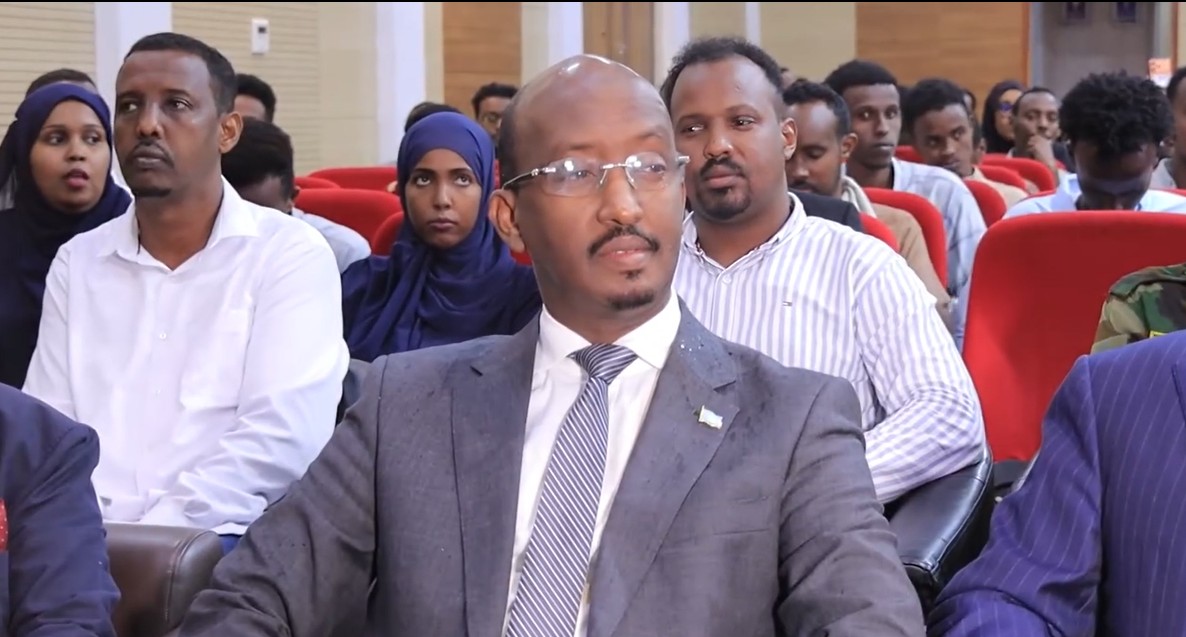
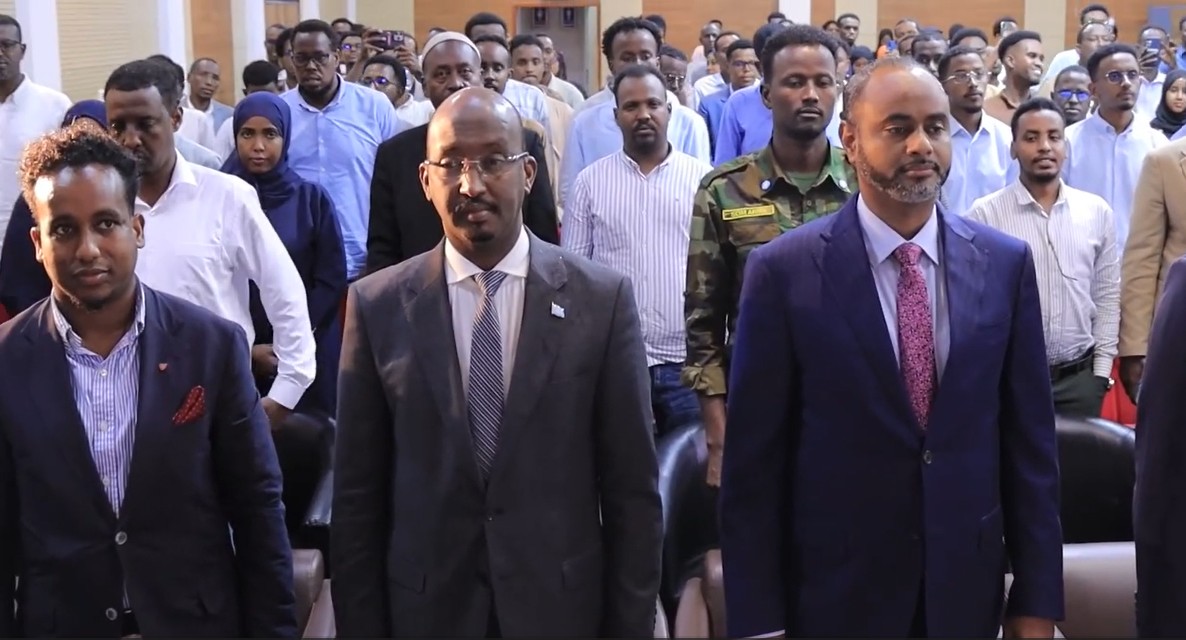
MOGADISHU (SONNA): Ministers of the Federal Government of Somalia joined fishing industry stakeholders, traders, academics and specialists at a forum on the challenges and opportunities facing the country’s fisheries sector, held at the Jazeera Hotel on Saturday evening.
The Somali Fisheries Stakeholders Forum: Challenges and Opportunities was convened by the Somali Marine Resources Research Centre (SMRRC) and the Magan Forum, and brought together participants from across the industry alongside government officials and invited guests.
Mohamed Mahmoud Addo, Chairman of the Supreme Council of the Magan Forum, opened the session by setting out its purpose. He said the aim was to bring the people closest to the sector into one room to examine the pressures on it, to identify who and what stands in the way, and to work out what can be gained once those obstacles are addressed. He said the Magan Forum has previously concentrated on health and education, and has decided to devote this year to public awareness.
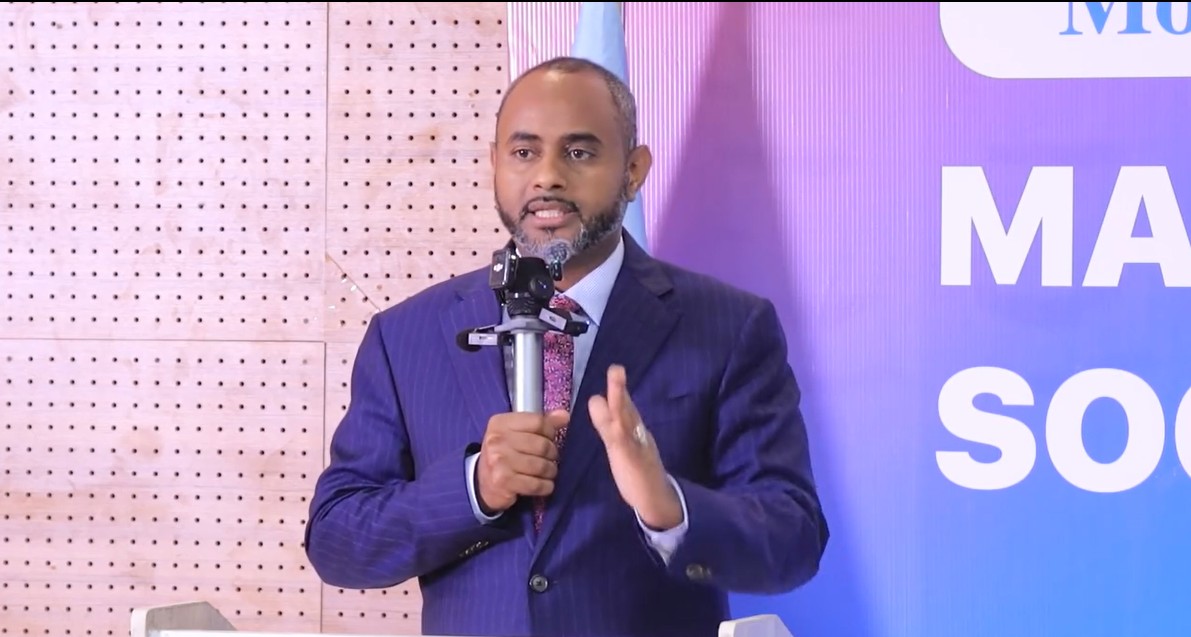
Fisheries Minister Ahmed Hassan told the forum that Somali capital has been slow to reach the sector. He said Somalis are pastoralists by tradition and have not yet developed the habit of depending on the sea, and that traders and people of means have held back from investing in fisheries even as they have moved into construction, ordinary trade, banking and remittances, telecommunications and the energy sector. He described the fisheries sector as open ground and called on investors to enter it.
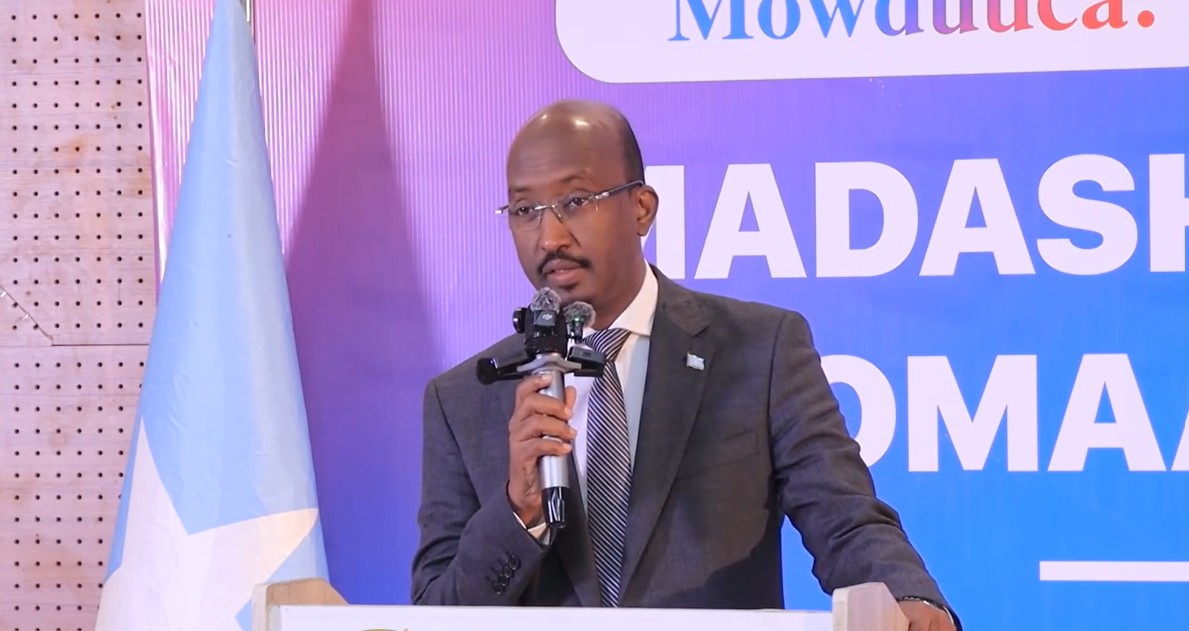
Ports and Marine Transport Minister Abdulkadir Mohamed Nur argued that the economy which can be built from the sea exceeds what land can offer, pointing to maritime transport, logistics, passenger movement, tourism and recreation. He said people crowd onto dry land in search of a living while the sea a kilometre away goes unworked, and noted that although construction has increased sharply in Mogadishu in recent years, the coastline running from beyond Kismayo to Lughaya has seen almost no resort development.
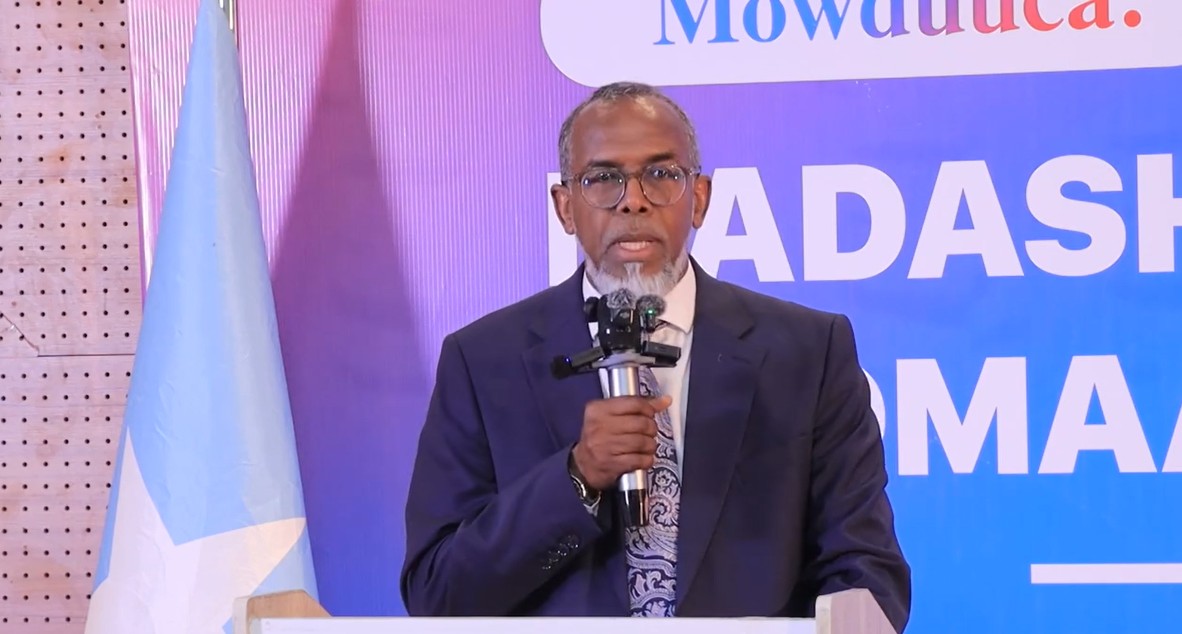
Admiral Farah Qare, Chairman of the Somali Marine Resources Research Centre, and Ambassador Mohamed Ali Nur, known as Americo, addressed the meeting jointly on how the obstacles facing the sector might be overcome and on the part traders have to play. Admiral Qare set the scale of food need in the country against the marine resource that goes unused, describing the sea as food already prepared and waiting.
Ambassador Mohamed Ali Nur said Somali fishermen are the backbone of the national economy and deserve support in what they need. He told the forum that a programme has been drawn up for a new port facility in Mogadishu alongside the existing port, giving fishermen a place to land and store their catch, and said the project would help Somali fish reach regional and international markets, raise exports, create jobs and strengthen the economy.
Academics and other specialists at the forum then debated the opportunities and the obstacles, and put questions to the officials present.
The recurring argument across the session was that the limit on Somali fisheries is not the resource. Speakers returned instead to investment, to infrastructure at the point where fish comes ashore, and to a national habit of looking inland. Those are slower problems than a shortage of fish would be, and none of the plans described at the Jazeera Hotel carries a published timeline. What the forum did establish is that the ministries responsible, the research body and a section of the business community are now describing the same gap in the same terms, which is where work of this kind usually has to begin.