Local News
Media Council of Somalia admitted to Africa’s network of independent media councils
The decision in Johannesburg completes a process the Council began in Arusha fourteen months ago, and follows its admission to the World Association of Press Councils in May.
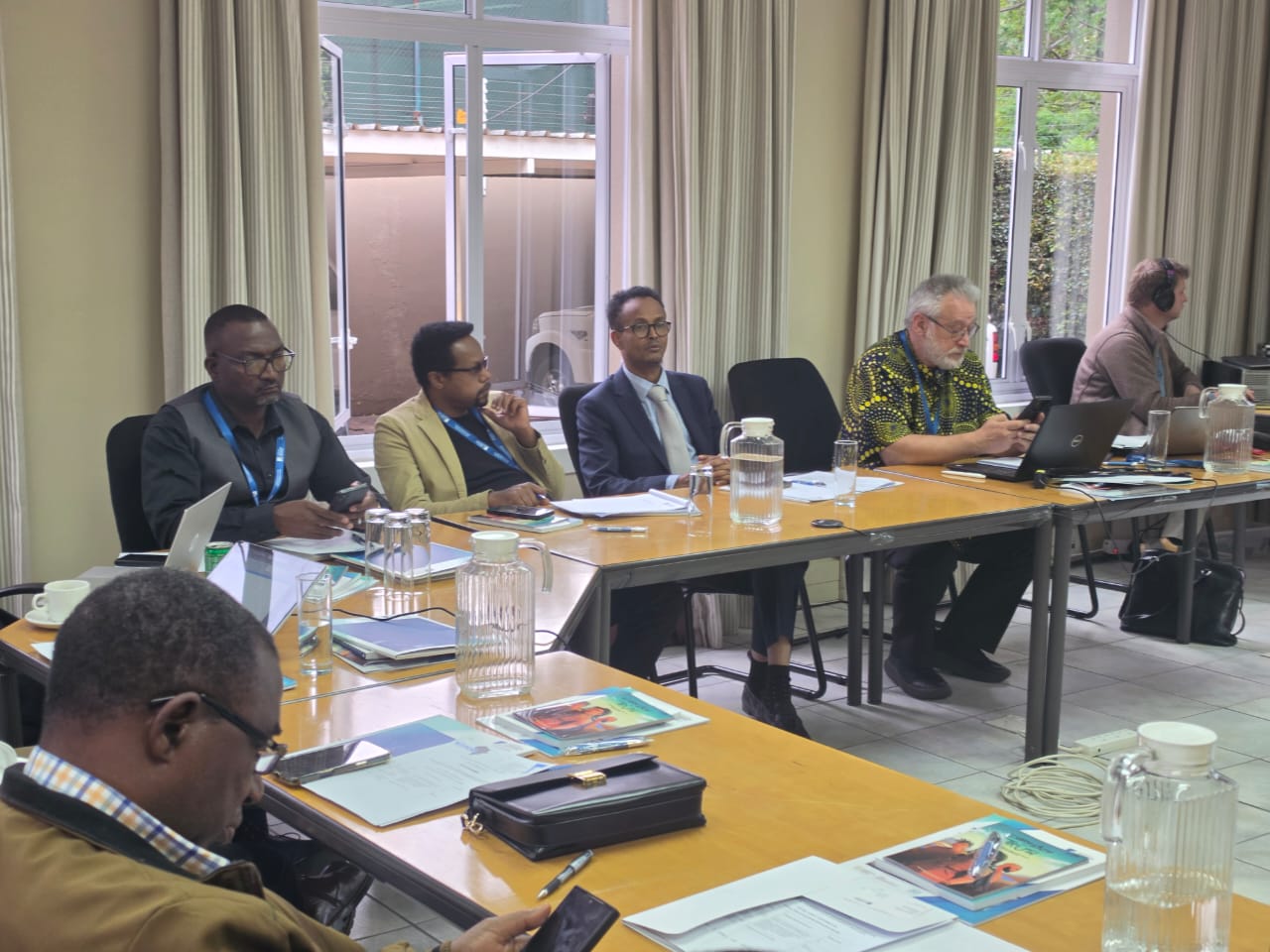
JOHANNESBURG (SONNA): The Media Council of Somalia has been formally admitted to the Network of Independent Media Councils of Africa, placing Somalia inside the continent’s principal body for independent media regulation.
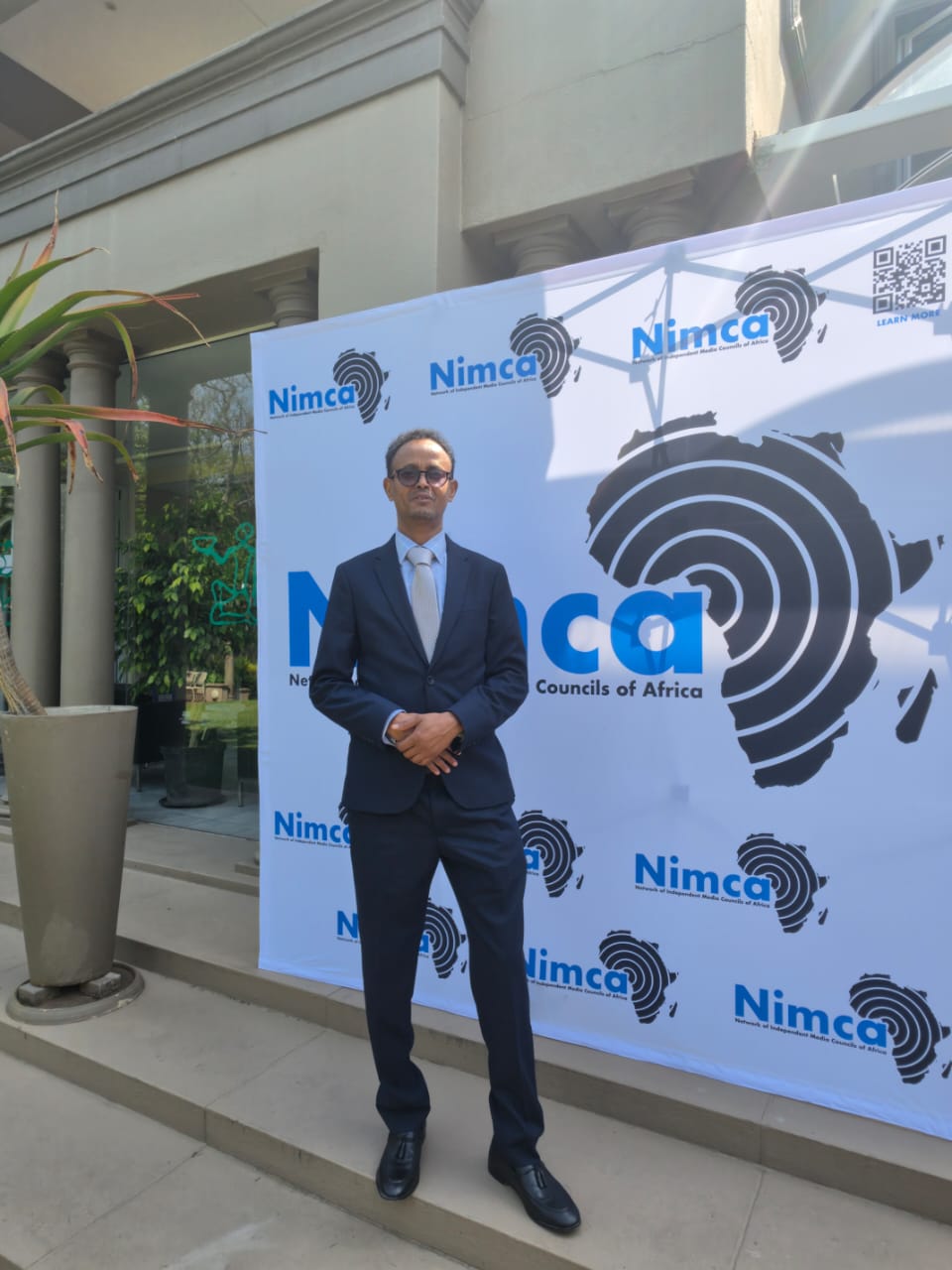
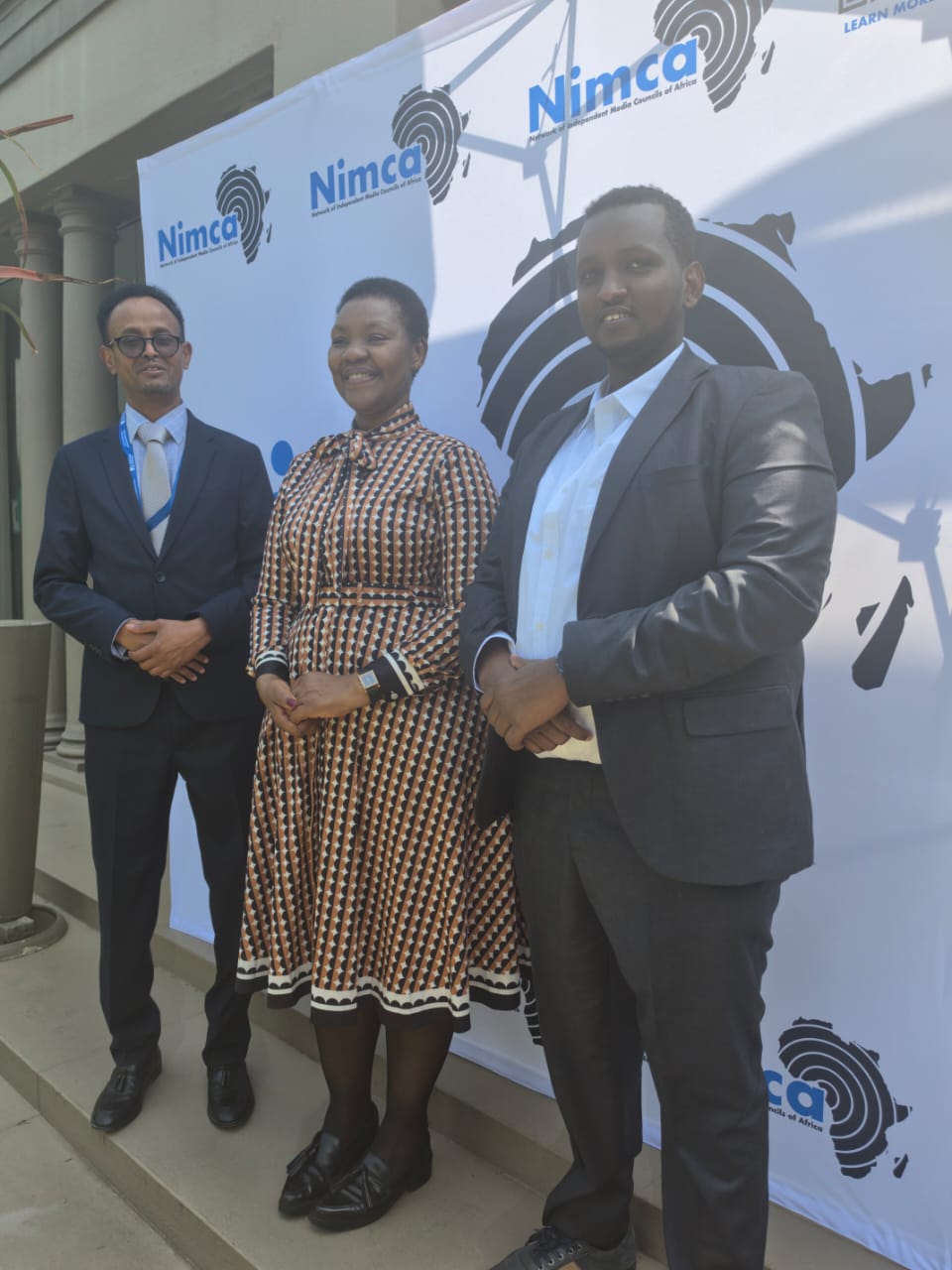
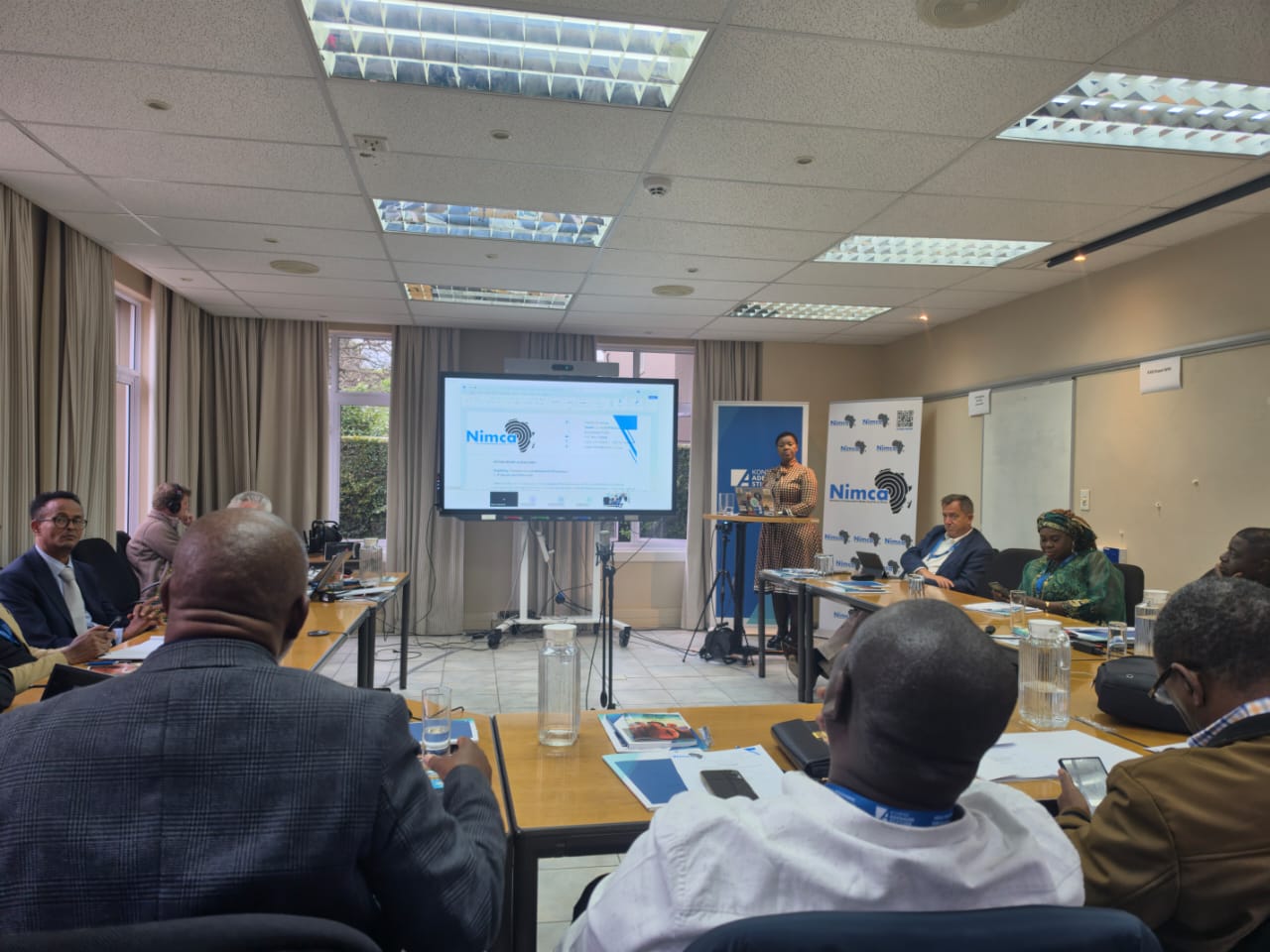
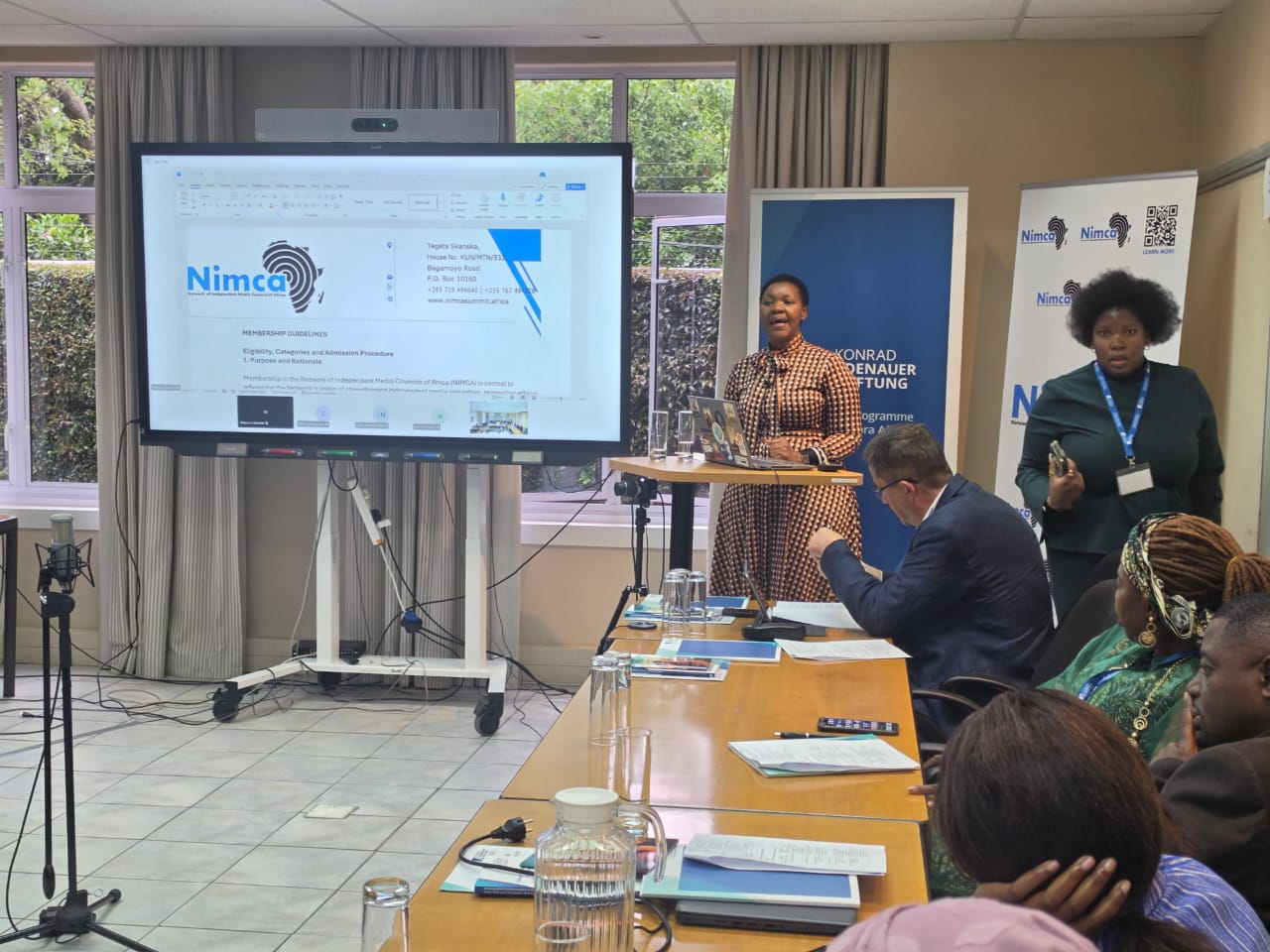
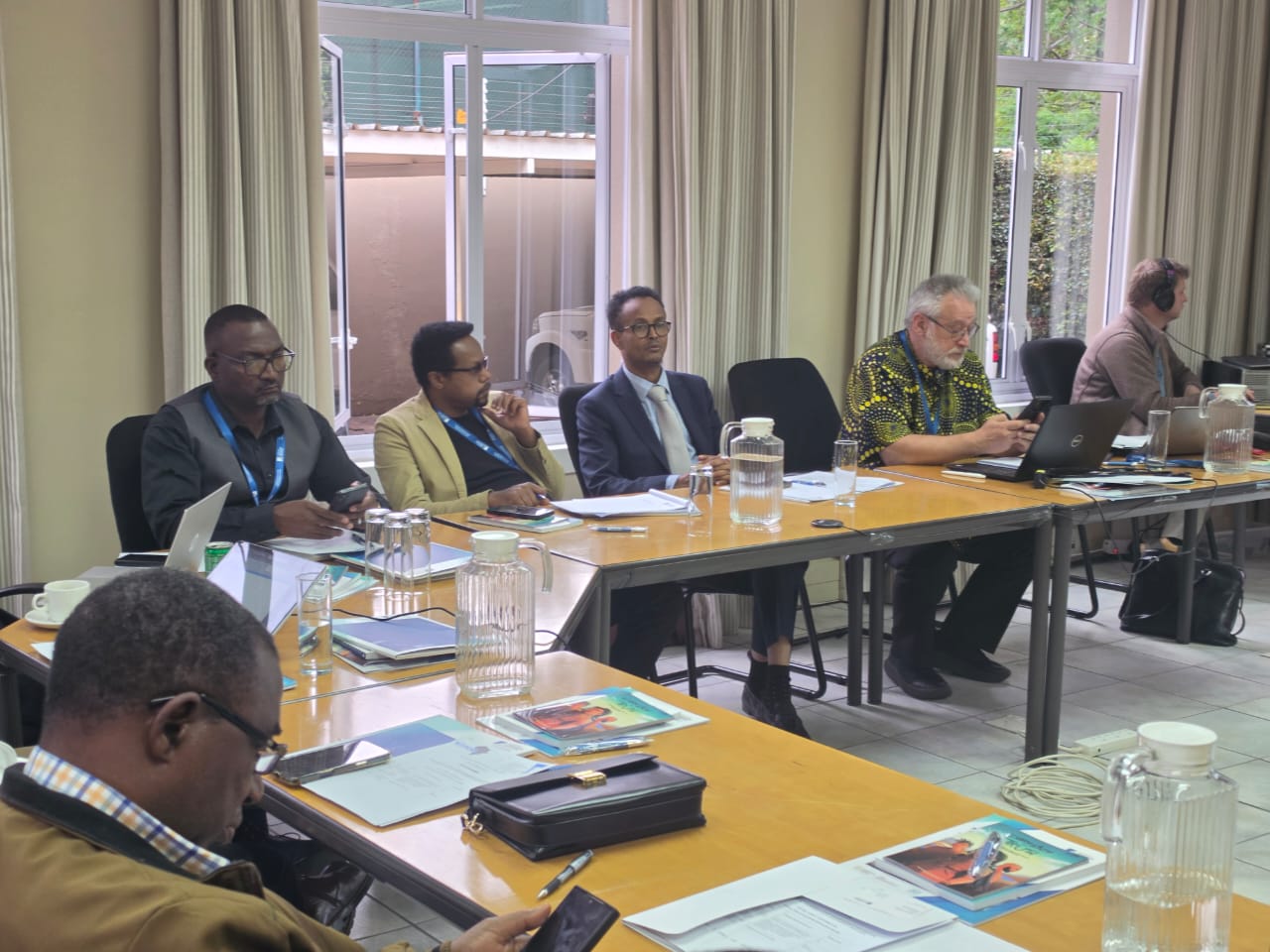
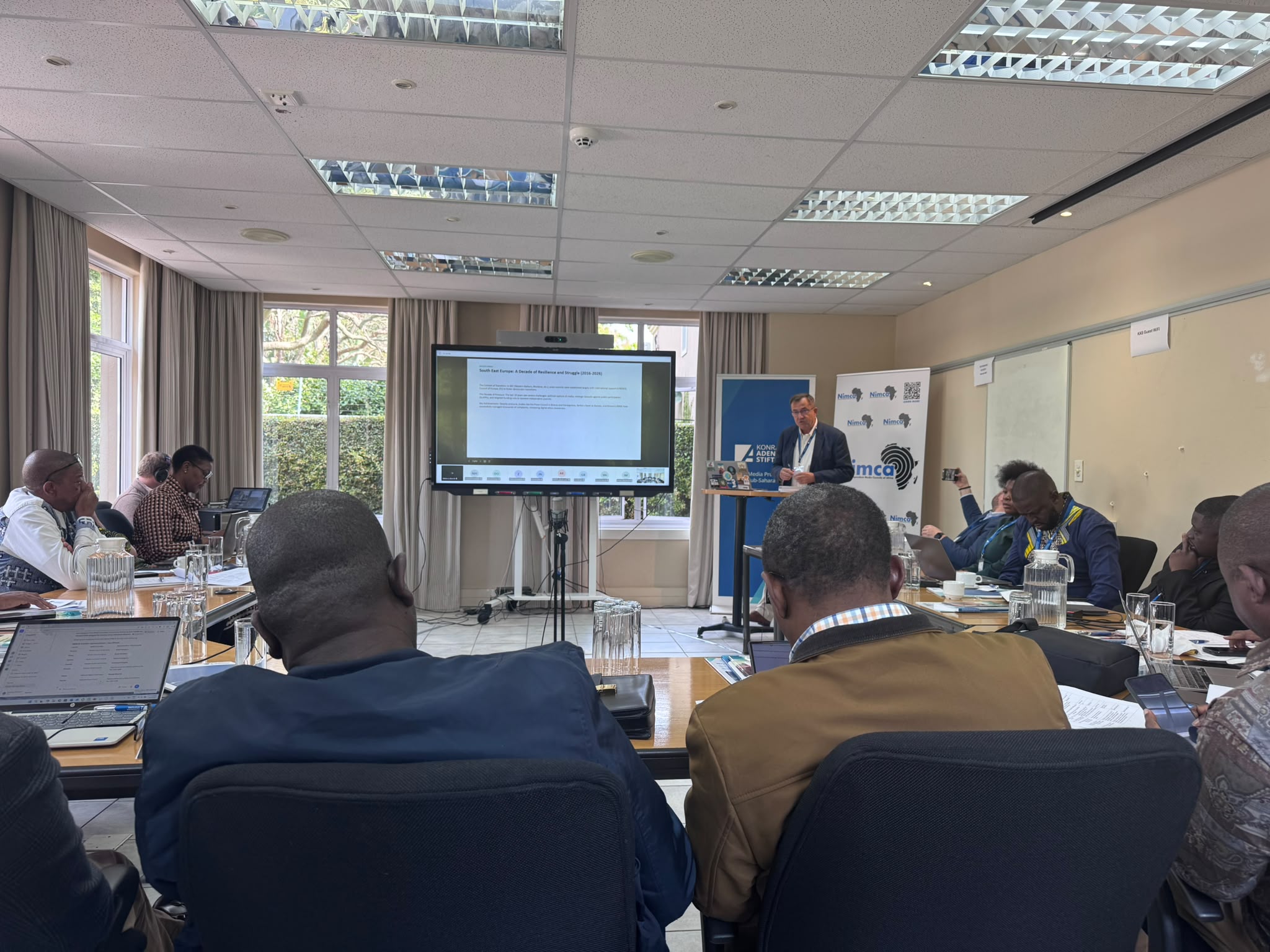
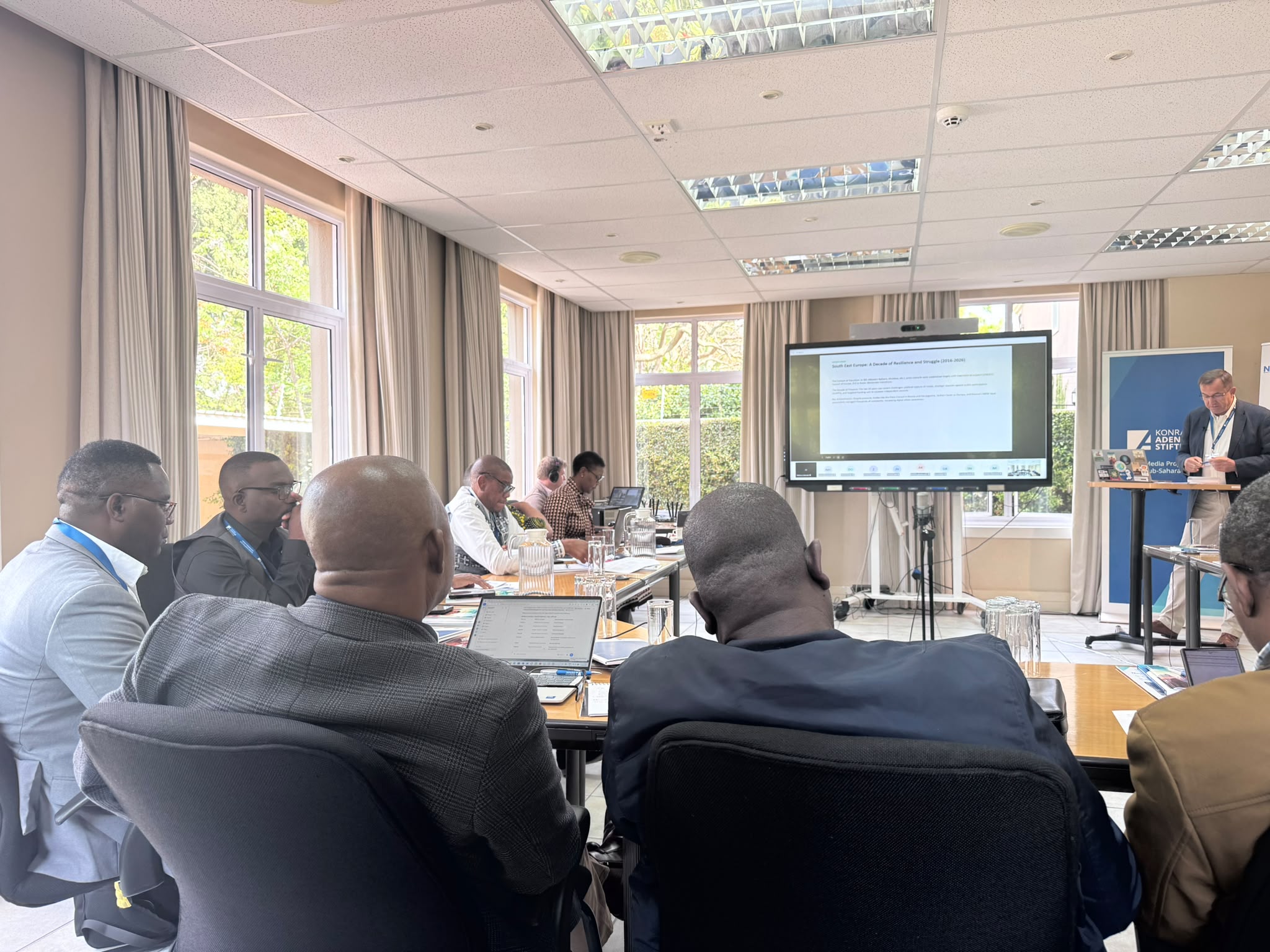
The decision was taken on Monday afternoon at the Network’s Second Annual General Meeting and Inaugural Assembly, held in Johannesburg from 13 to 16 September and hosted by the Press Council of South Africa with the support of the Konrad-Adenauer-Stiftung. Somalia was represented by the Council’s Chairman and Chief Executive Officer, Abdirahman-Koronto Mohamed Aden, and its Advisor, Abdiqani Abdullahi Ahmed.
The admission completes a process that began fourteen months ago. The Council first appeared before the continental body in July 2025, attending the Second Pan-African Media Councils Summit in Arusha, Tanzania, as an observer, and submitting applications for membership of both the Network and the World Association of Press Councils. The first of those was decided in May this year, when the World Association admitted the Council as an Ordinary Member at its General Assembly in Nairobi. Monday’s decision completes what was started at Arusha.
The Network was established in May 2024, when media councils from East, West and Southern Africa met in Cape Town at the invitation of the Press Council of South Africa. It brings together independent media councils and related self-regulatory and co-regulatory bodies from across the continent, with the purpose of promoting media freedom, ethical journalism, accountability and cooperation between national councils.
This year’s Assembly met under the theme of strengthening the foundations of independent media regulation in Africa, entrenching accountability and consolidating governance, sustainability and collective action. Delegates adopted the Network’s constitution as its principal governance instrument before turning to membership, and also considered membership guidelines, criteria for host eligibility and the Network’s financial position.
The opening day included a keynote address by Ognian Zlatev of the European Commission on media regulation, digital governance, information integrity and the ethical coverage of migration in Africa, together with messages of support from UNESCO, The African Editors Forum and the South African National Editors’ Forum. Proceedings continue on Tuesday with the Network’s financial report and external audit, a discussion with the Chairperson of South Africa’s Information Regulator, Advocate Pansy Tlakula, on the adjudication of complaints against digital platforms, and working sessions on the Network’s priorities to 2030.
The Media Council of Somalia was constituted in March 2024 under the country’s media law, with a mandate covering professional ethics, the adjudication and mediation of complaints, the defence of press freedom and journalists’ rights, the accreditation of journalism education, and media monitoring and research. It is a young institution in a field where the older councils on the continent have decades of practice behind them.
That is the substance of what membership provides. The Council now has access to peer institutions with established complaint procedures, published ethical codes and working mechanisms on journalist safety, and can draw on how those were built rather than assembling them alone. It also brings Somalia into the continental discussions that have shaped the Network’s agenda, on disinformation, on artificial intelligence and on the accountability of digital platforms, which are questions no national council anywhere is in a position to answer by itself.
For Somali journalism the practical effect is that matters of professional standards and of safety raised at national level can now be carried to a continental body and measured against the practice of councils elsewhere. Somali media has grown quickly over the past decade in the number of outlets and the reach of its platforms, and the regulatory and ethical framework around it is being built in the same period rather than inherited.
The Assembly concludes on Tuesday with the adoption of a communiqué setting out its principal decisions.