Local News
Fifteen years since Erdoğan came to Mogadishu, and the accounting of what followed
Ministers, the Prime Minister, the Speaker and the Turkish Ambassador marked the anniversary in Mogadishu with figures rather than sentiment, from forty thousand hospital patients a month to a pasta line running inside a prison.
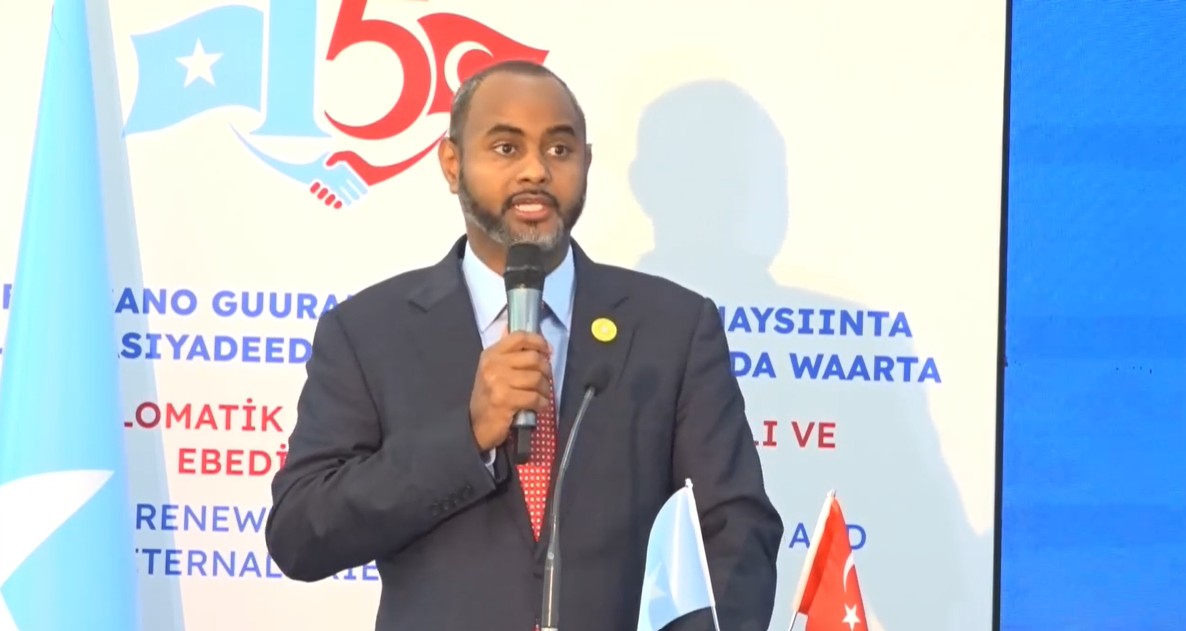
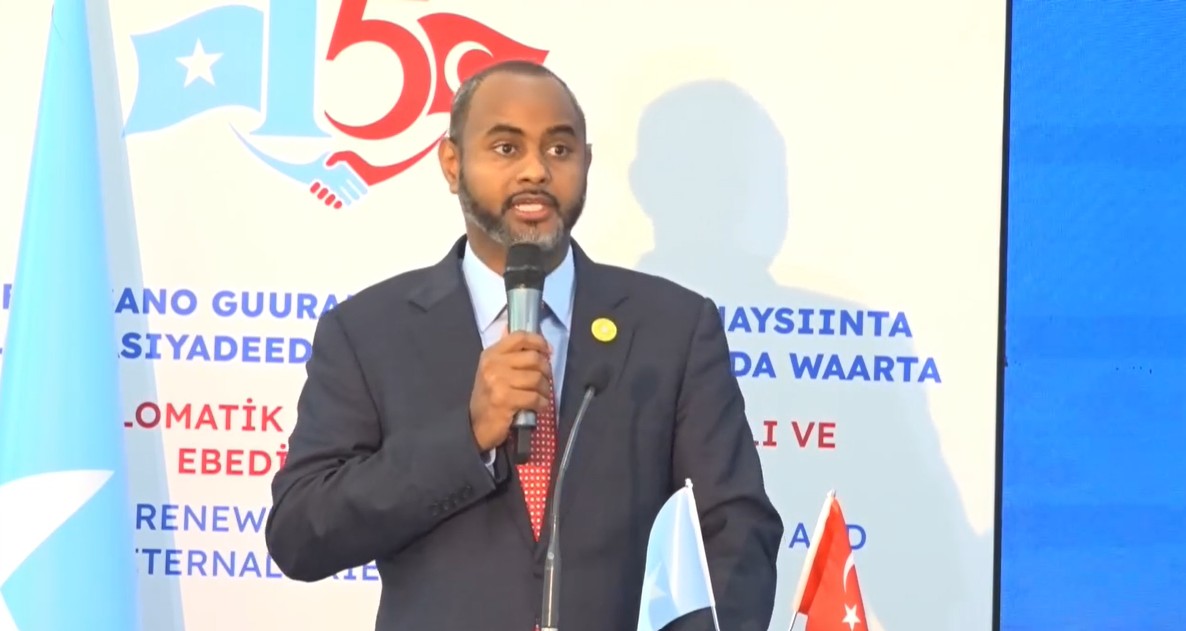
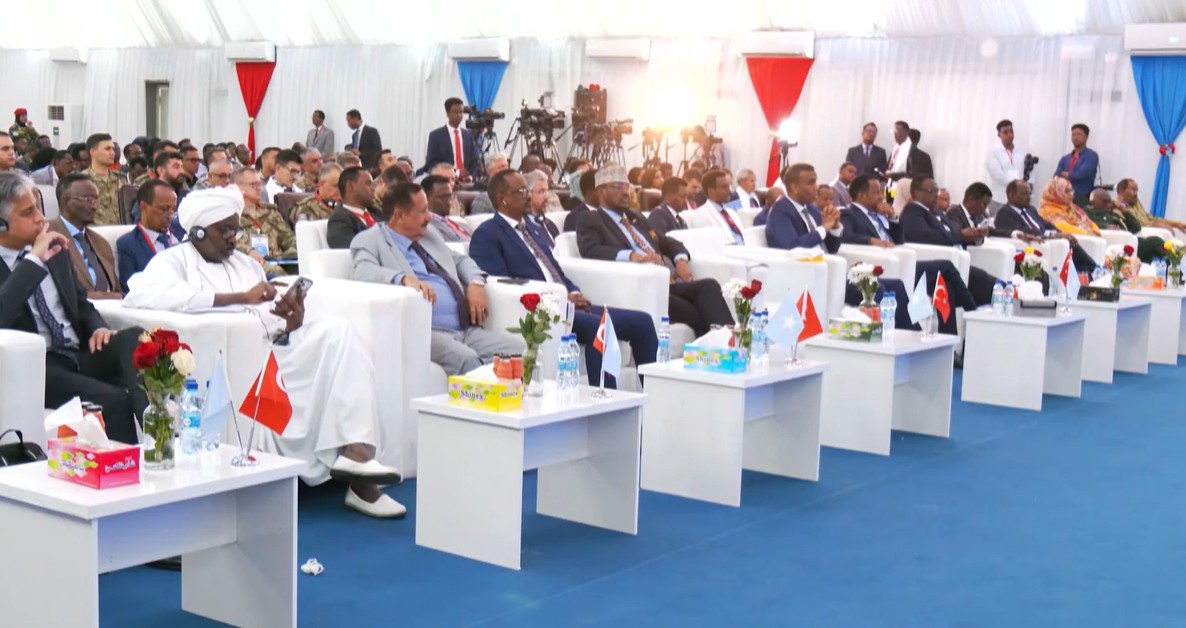
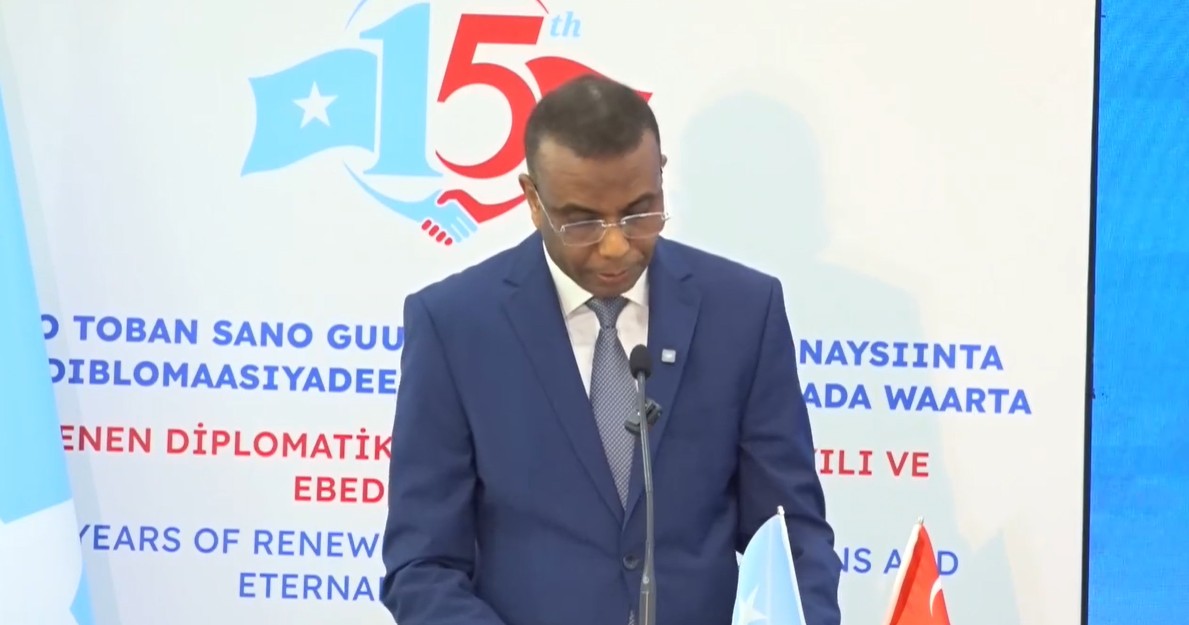
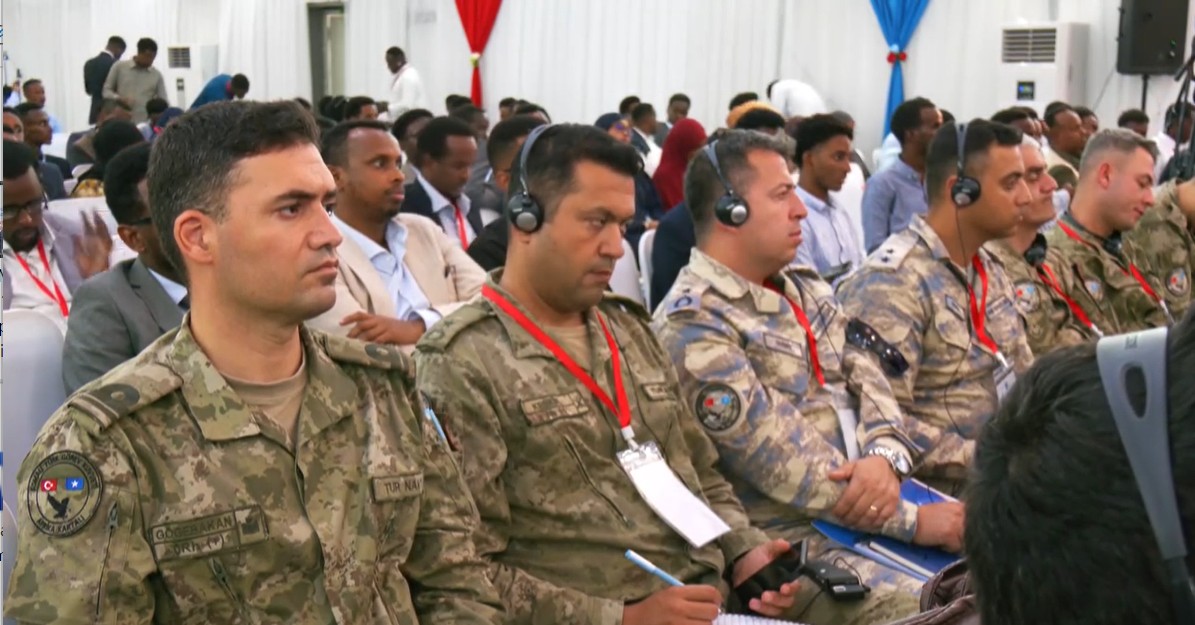
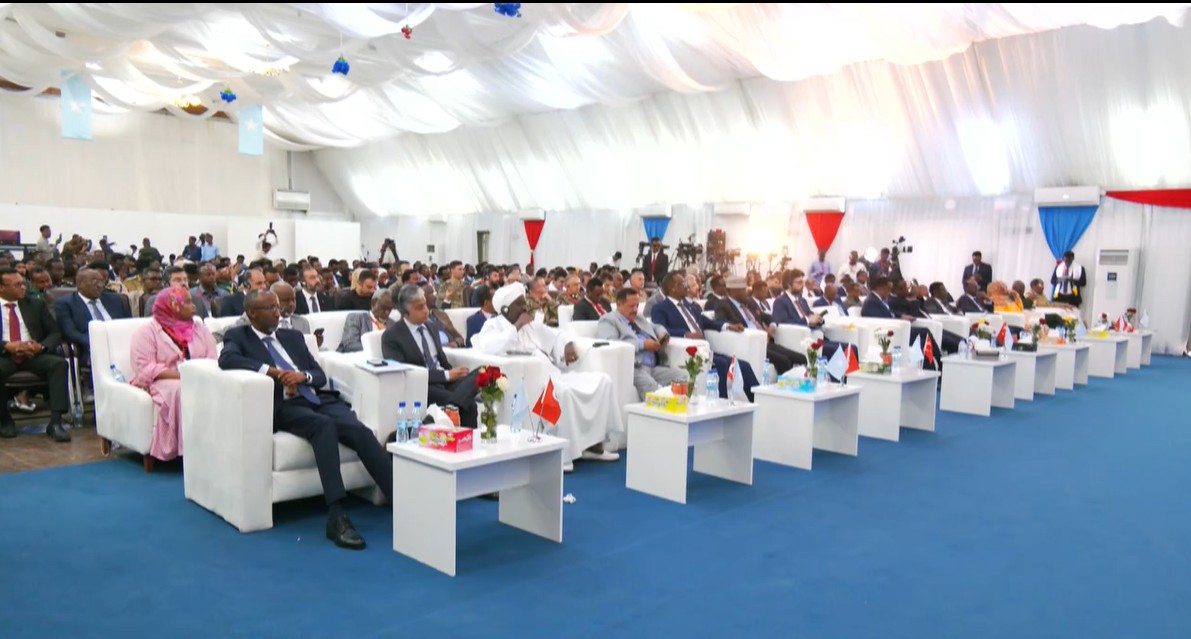
MOGADISHU (SONNA): Somalia has marked fifteen years since Recep Tayyip Erdoğan travelled to Mogadishu as Prime Minister of Türkiye, at an event in the capital attended by the Prime Minister, the Speaker of the House of the People, members of the Council of Ministers, parliamentarians and the diplomatic corps.
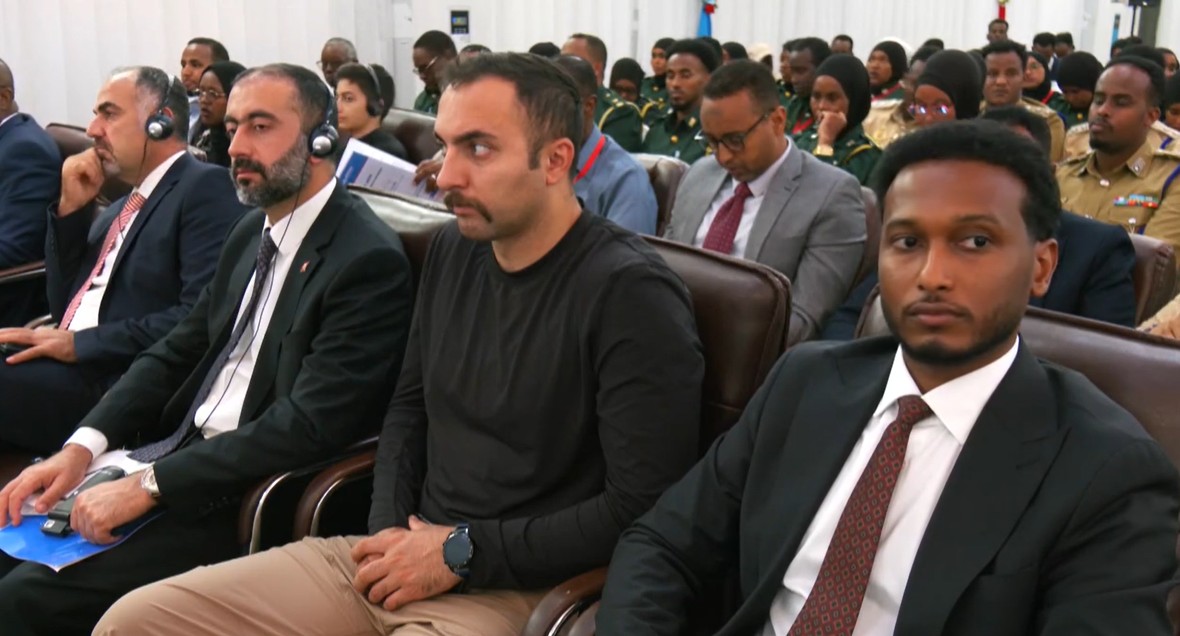
The occasion was organised with the Türkiye Graduates Association and The Peninsula Centre for Strategic Studies, and drew academics, graduates of Turkish universities, business figures and journalists.
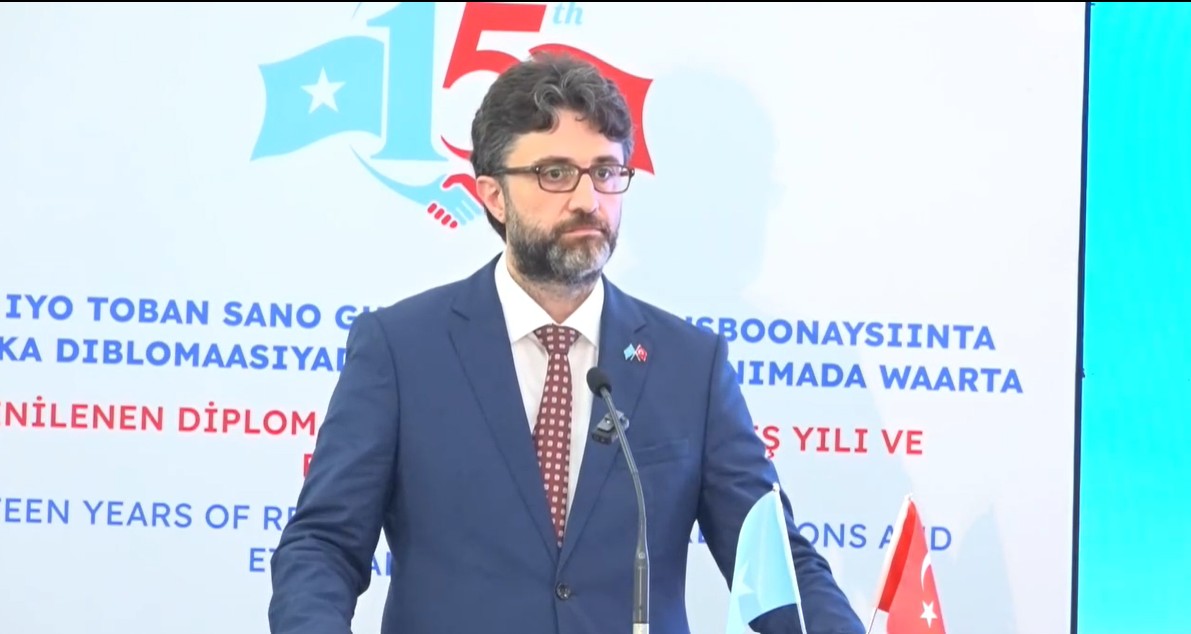
Türkiye’s Ambassador to Somalia, Alper Aktaş, opened by asking the Prime Minister’s permission to address the room in Turkish, on the ground that half of those present understood it. Relations have reached a point, he said, where those who speak Turkish understand Somali and those who speak Somali understand Turkish.
He then set out the conditions of August 2011. Somalia was facing one of the gravest humanitarian crises in its history, with drought and famine threatening millions of lives and years of conflict deepening the disaster, and much of the international community regarded Mogadishu as a city that could not be reached and held little promise. Erdoğan arrived with his family and a delegation drawn from the cabinet, parliament, public institutions, business, the media and civil society. It was not an ordinary official contact, the Ambassador said, but evidence that the Somali people were not alone.
Prime Minister Hamza Abdi Barre described the same moment as a visit made when the rest of the world had turned away, carrying the message that Somalia had not been forgotten and that real friendship shows itself in difficult times.
He identified the most significant investment Türkiye has made in Somalia as an investment in people. Thousands of Somali students have studied in Türkiye and returned as doctors, engineers, teachers, academics, traders and civil servants, and some of them were in the room. Education, he said, builds not only minds but ties that last across generations.
The measurements offered through the morning were more specific than such occasions usually produce. Foreign Minister Abdisalam Abdi Ali said the director of the hospital in Mogadishu now named after the Turkish President had told him it receives forty thousand patients a month, between 1,300 and 1,500 a day. The facility was formerly the Digfeer hospital.
The Commander of the Somalia Custodian Police, Maj. Gen. Mohamed Hassan Hamud, described support reaching a part of the state that rarely features in accounts of foreign assistance. The Turkish Cooperation and Coordination Agency has helped establish workshops inside the prison service, including skills training for women inmates, and a pasta production facility has been brought back into operation to meet inmates’ food needs, with the possibility of supplying local markets later. He also thanked the Turkish Red Crescent, the Turkish Embassy and humanitarian organisations for support to the care of inmates and of orphaned children.
That detail connects to work the desk reported earlier this month, when inmates at the Mogadishu Prison and Court Complex received technical and vocational certificates at a ceremony the same commander attended. Vocational training inside the prison system now has two separate sources of support behind it.
Justice and Constitutional Affairs Minister Hassan Moallin Mahamud, who was serving in government in 2011, said what distinguishes the relationship is that Türkiye’s most senior leaders were willing to come to Somalia when others judged the country too dangerous to enter. The visit opened a door, he said, by showing that Somalia had prospects and could be dealt with. Somalia at that moment needed an older brother to take its hand and a model to learn statehood from, and it found both.
Petroleum Minister Dahir Shire Mohamed opened with an English proverb, that a friend in need is a friend indeed, and said Türkiye had moved beyond friendship into kinship. What began in 2011, he said, now runs to investment in the billions of dollars, support for Somali security and sovereignty, and work intended to make the country’s natural resources serve Somalis generally.
Two speakers turned the account in the other direction. The Justice Minister said Somalia was the first country to condemn the attempted coup in Türkiye in 2016. The Speaker of the House of the People, Abdulkadir Mohamed Nur, closing the event, said Somalis had stood on the streets through the nights of that attempt, and that this showed the Somali public’s own view of the relationship rather than the government’s.
The Speaker also reached further back, to the sixteenth century, when Ottoman forces came to the aid of Imam Ahmed Gurey against a foreign invasion. He said Türkiye had come again at the moment Somalia most needed it, and that the relationship now covers defence, the economy, intelligence and diplomacy.
His own record traces the file through the Somali state. He worked on rebuilding the relationship as a diplomat, later as an intelligence chief, and then as minister of justice, of defence, and of ports and marine transport, before taking the chair of the lower house this month. He said he expects to continue that work in the office he now holds.
The forward-looking material was narrower than the retrospective. The Prime Minister called for more Somali traders doing business with Turkish counterparts, closer links between the universities of the two countries and greater investment in technology and innovation. The Foreign Minister said he hopes the next fifteen years take the strategic partnership beyond where it stands. No new agreement was announced and no figure was attached to any undertaking.
What the morning produced was an accounting rather than an announcement. A hospital treating forty thousand people a month, a prison workshop and a pasta line, thousands of graduates returned and working, and a relationship that six ministers described in materially the same terms. The next fifteen years were spoken of in general language, which is the ordinary condition of anniversaries. The figures given for the last fifteen were not general at all, and they are the part of the record that can be checked.