Local News
El Niño: Why Warning Reports Are Not Enough
In global climate forums, Somalia is routinely framed as a tragic victim of nature. A nation suffering the cruelties of climate shocks it did not cause. We talk endlessly about "resilience" and "adaptation," using diplomatic jargon to soften the blow of every incoming disaster. Yet, as Pacific waters warm and another El Niño cycle approaches, we must confront an uncomfortable truth that our problem is not just bad weather. The destruction that comes with every big flood points to deeper structural challenges, a gap in long-term planning, a loss of institutional memory, and a persistent delay in preparing for predictable climate cycles.
El Niño is a naturally occurring climate cycle characterized by the abnormal warming of surface waters in the central and eastern tropical Pacific Ocean. Operating on an irregular cycle of every two to seven years, it disrupts atmospheric circulation patterns across the globe. While El Niño brings dry conditions and heatwaves to parts of Australia and Southeast Asia, its impact on East Africa, particularly Somalia, is drastically different. It typically triggers intense, above-normal rainfall during the primary Deyr rainy season (October to December). When combined with warm sea surface temperatures in the Indian Ocean, these rains transform from life-giving moisture into an uncontrollable deluge.
El Niño is far from an unprecedented phenomenon. In the Horn of Africa, its arrival is a mathematically guaranteed recurrence. We have lived through cycle after cycle, witnessed the devastation firsthand, and yet we remain trapped in an endless loop of surprise.
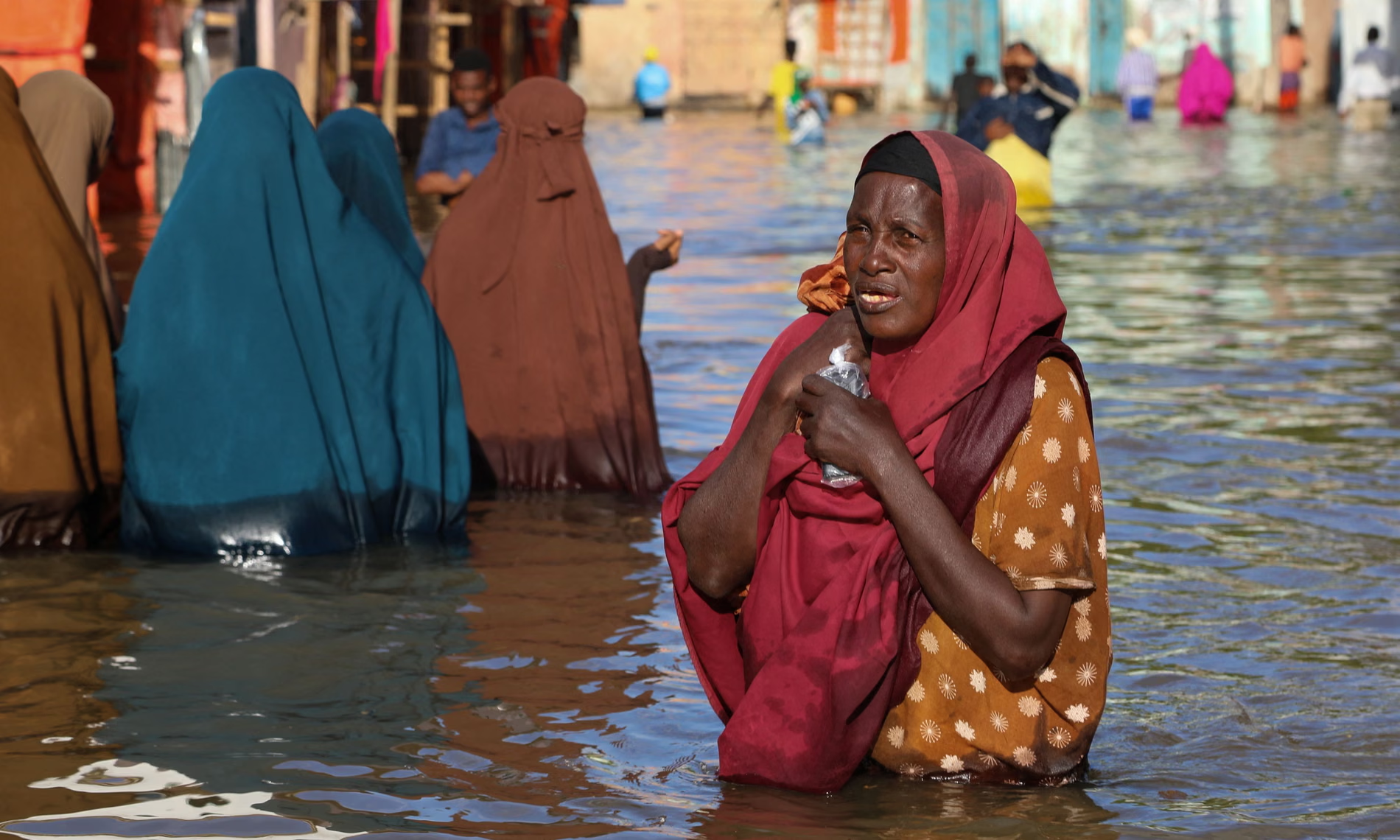
The historic precedent is unmistakable. The 1997-8 (Biyo badan) episode, one of the most severe on record unleashed catastrophic riverine flooding that erased entire villages, decimated harvests, and displaced hundreds of thousands across the Jubba and Shabelle basins. Most recently, the 2023-4 floods struck as a "once-in-a-century" disaster, impacting 2.4 million people and uprooting over a million citizens in a matter of weeks. Now, with another episode expected soon, our historical ledger is once again being written in floodwaters, mass displacement, and destroyed livelihoods.
Despite decades of warnings, every El Niño season is greeted with performative panic. Authorities scramble for emergency aid only after water reaches the rooftops, treating a recurring natural cycle as if it were a sudden, unthinkable surprise. Beyond the raw statistics and numbers, the human toll is far more devastating than most realize. Thousands are forcibly displaced, families suffer without shelter or food, and lives are upended overnight. Towns along the Shabelle and Jubba river basins, such as Beledweyne, Baidoa, Jowhar, Luuq, and Bardhere bear the brutal brunt of upstream rainfall flowing down from the Ethiopian highlands. In Beledweyne, entire commercial sectors and residential districts disappear under water within hours, transforming the city into a submerged sea. In Mogadishu's low-lying neighborhoods and overcrowded informal settlements, flash floods submerge makeshift homes, destroy fragile livelihoods, block and wash out major transport routes, and leave the most vulnerable stranded without basic drainage or emergency protection.
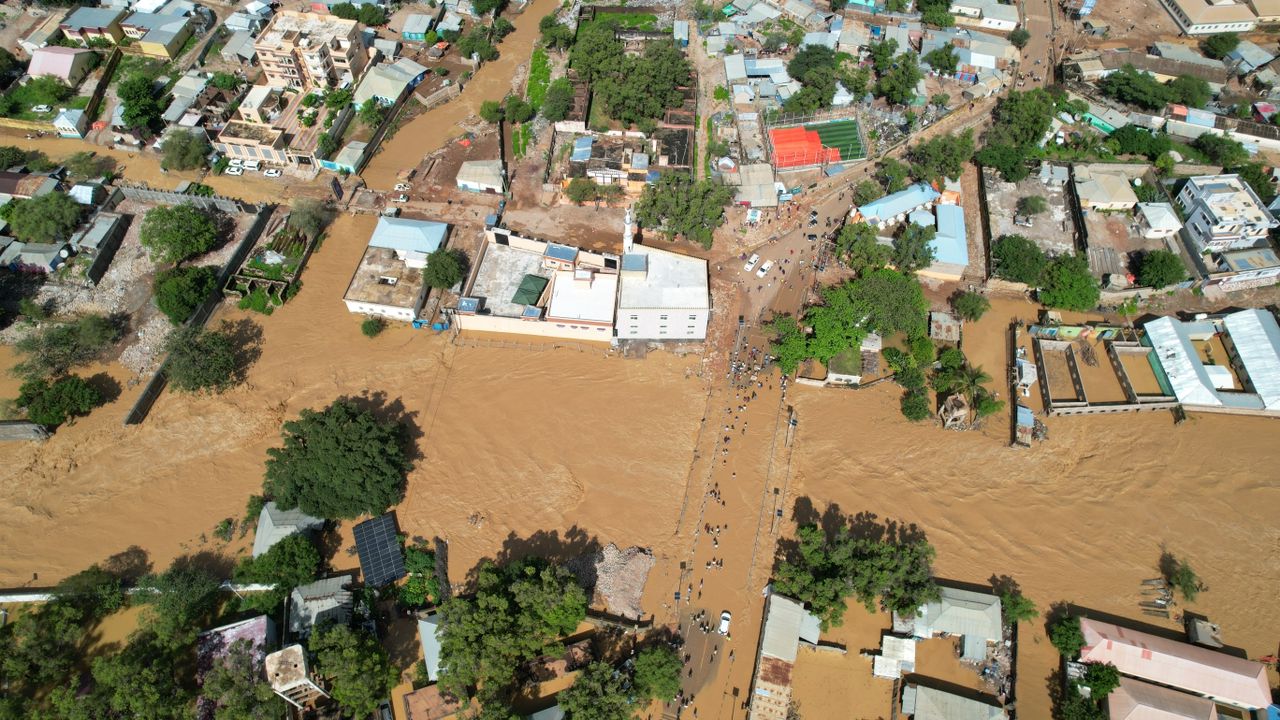
While SoDMA, ministry officials, and international partners have fulfilled their role in issuing alerts and convening briefings, the threat remains imminent. The key challenge now is bridging the gap between awareness and practical readiness. Issuing alerts without building river levees, clearing drainage canals, or fortifying vulnerable cities is not disaster management, it is merely documenting our own impending destruction. Moving beyond this recurring vulnerability requires converting administrative preparedness into concrete, long-term engineering.
Somalia cannot continue to hide its structural unpreparedness behind the narrative of climate victimhood. The Pacific Ocean will warm, and the rain will come. Whether those rains bring life or total destruction depends entirely on whether we choose to build real defenses or wait to be swept away once again.
As someone who may not be a technical expert, I firmly believe that we do not need to be hydrologists or climate scientists to recognize what common sense demands. Just a fundamental shift in mindset followed by decisive action. It is time to transition national and regional budget priorities away from reactive emergency appeals and toward long-term engineering.
By Suad Arif