Local News
Ambassador Hodan holds two days of talks in Tokyo on development, diplomacy and investment
Meetings with the Vice Minister for Foreign Affairs, the Japan International Cooperation Agency, Toyota Tsusho Corporation and the Somali community, days after Dr. Hodan Osman Abdi became the first Somali ambassador fully accredited to Japan since 1990.
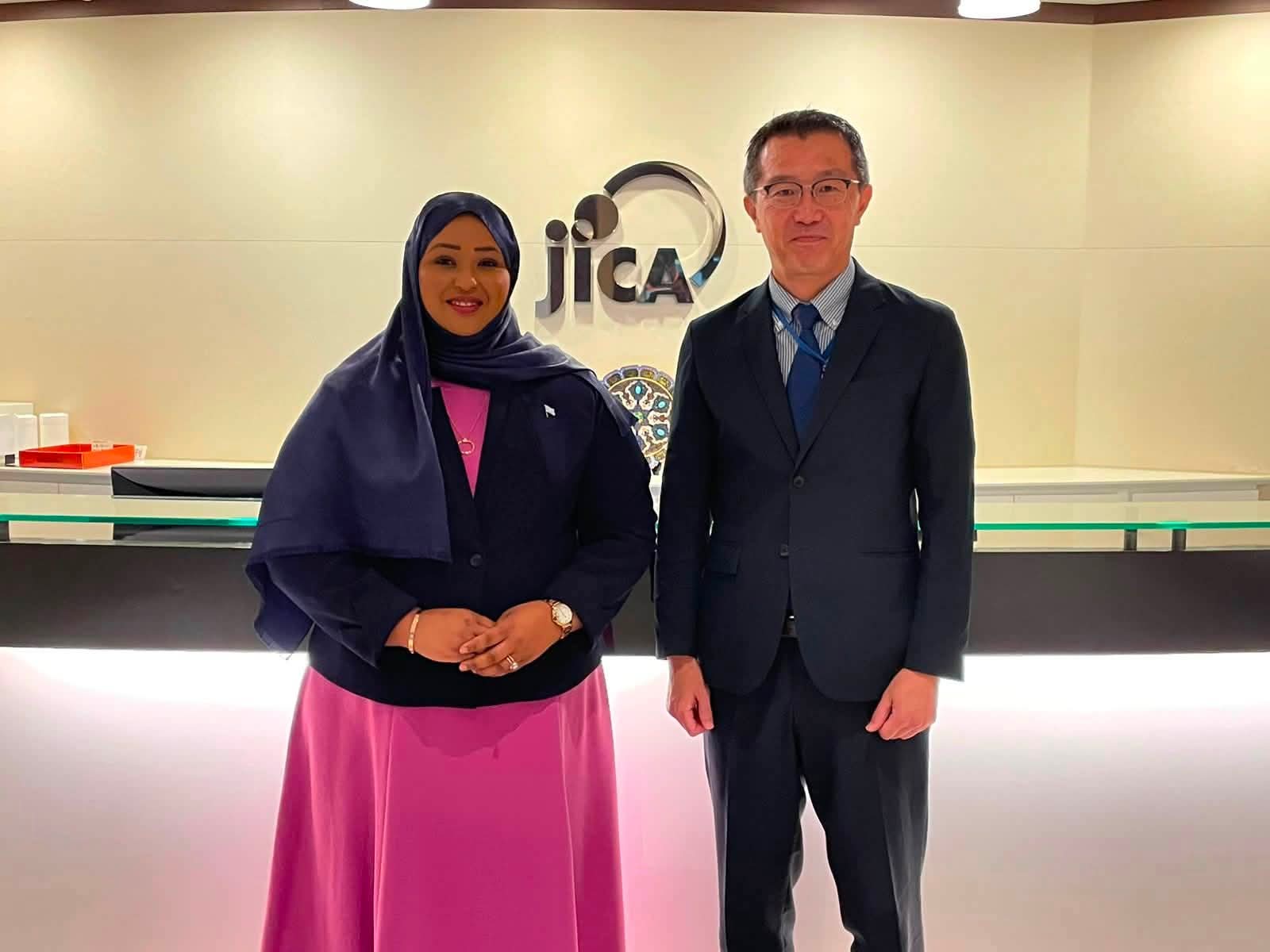
MOGADISHU (SONNA): Somalia’s Ambassador to Japan, Dr. Hodan Osman Abdi, has held two days of meetings in Tokyo with Japanese government officials, development agencies, companies and members of the Somali community, in a working visit aimed at widening cooperation between the two countries.
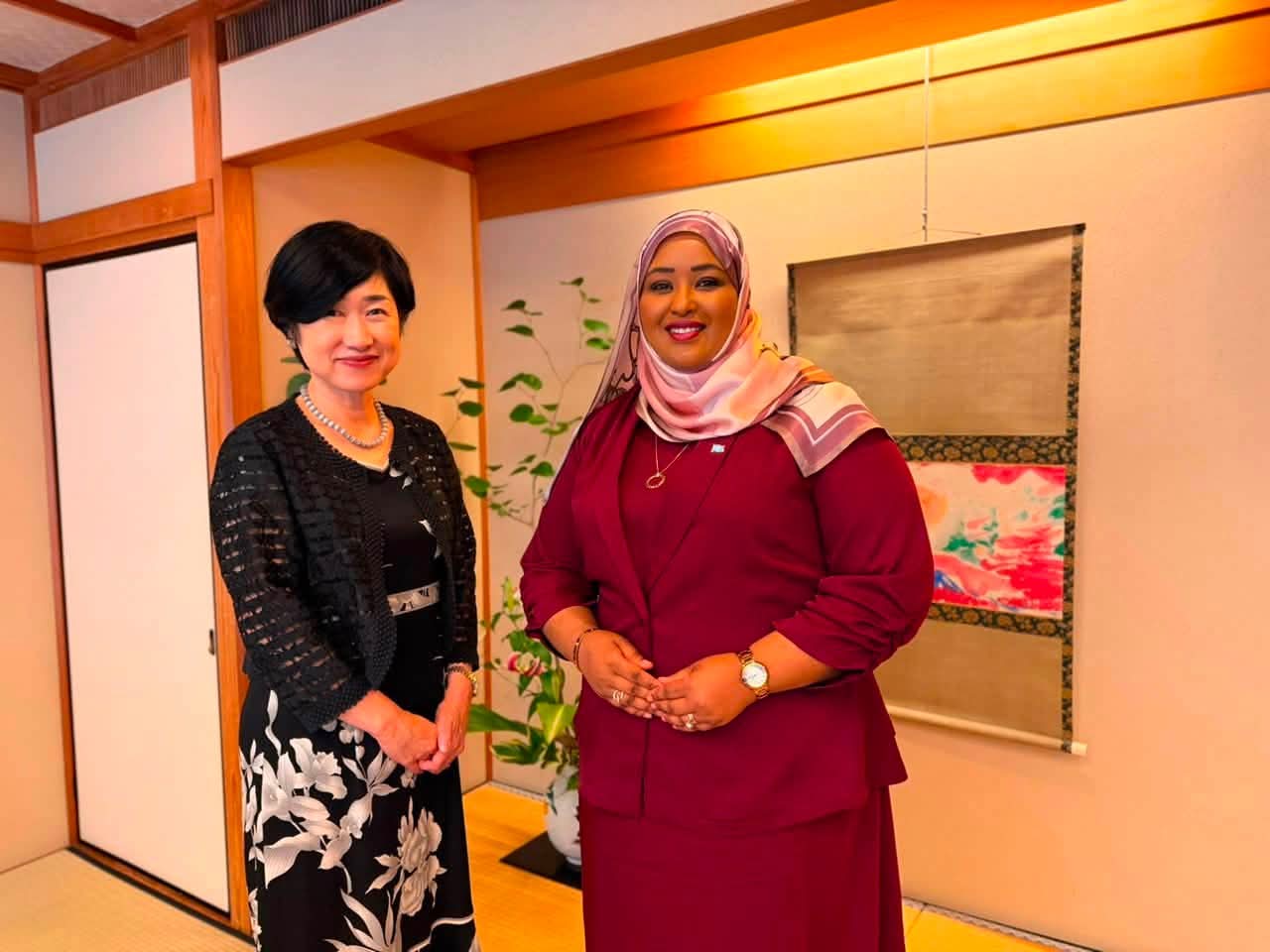
On 30 July the Ambassador met Japan’s Vice Minister for Foreign Affairs, Onishi Yohei, in talks the embassy said concentrated on strengthening relations between the two countries and widening cooperation between them.
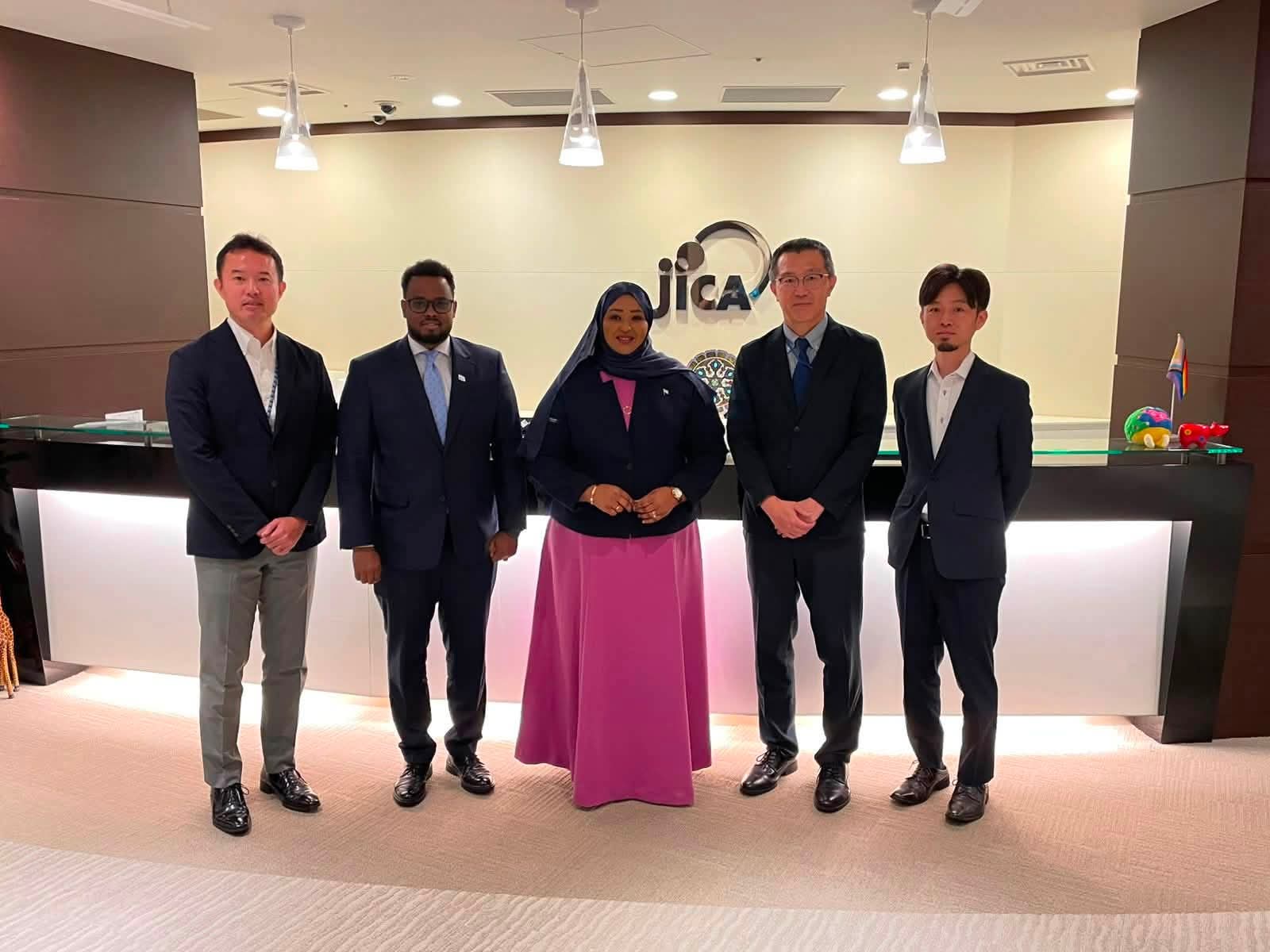
At the Japan International Cooperation Agency, known as JICA, she met the Director General for Africa for discussions on development cooperation, training, the building of capacity in Somali government institutions and the support Japan extends to Somalia. At the Ministry of Foreign Affairs she met the Director General for Africa, where the subject was diplomatic relations and the widening of cooperation between the two states.
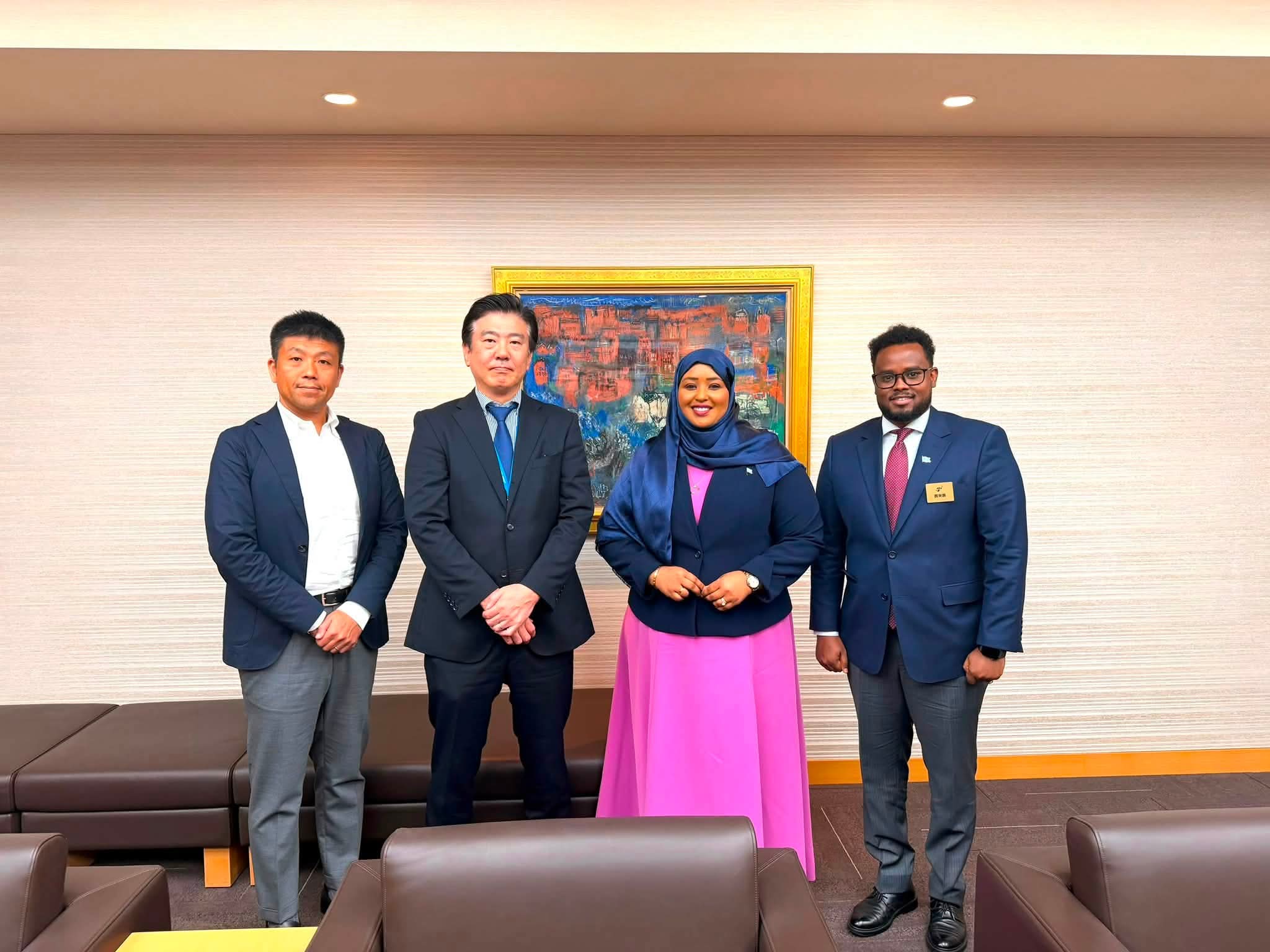
The commercial side of the visit took her to Toyota Tsusho Corporation, where she met the head of the company’s Africa department for talks on the economic change under way in Somalia, the investment opportunities the country offers, and the part Japanese companies might take in developing the Somali economy. Toyota Tsusho is among the larger Japanese trading houses operating on the African continent, which makes the meeting a point of contact with the part of the Japanese economy that decides where capital goes.
The Ambassador also met members of the Somali community long resident in Japan, discussing the country’s progress and the openings now available between the two states, and thanking them for the part the community plays in holding the relationship together. She was accompanied through the visit by the First Consul and Deputy Ambassador, Abdisalam Suleyman Kodar.
The meetings were held days after the Ambassador presented her Letters of Credence to Emperor Naruhito, becoming the first Somali ambassador to be fully accredited to Japan since the closure of the Somali embassy in Tokyo in 1990. She described the ceremony as the opening of a new page in relations between the two countries. The presentation of credentials to a head of state completes an accreditation and marks the point at which an ambassador may formally act on behalf of the sending state, which means the gap it closes is one of thirty six years.
The accreditation follows a period of increasing contact. In August last year Somalia took part in the ninth Tokyo International Conference on African Development, held in Yokohama, where the Minister of Planning, Investment and Economic Development, Mohamud Abdirahman Sheikh Farah, met the Japanese Foreign Minister, Iwaya Takeshi, and the Vice President of JICA, Miyazaki Katsura, along with members of the Japan Africa Parliamentary Friendship Committee. Ambassador Hodan accompanied that delegation, as did the Chairman of the Somalia Development and Reconstruction Bank and the Prime Minister’s economic adviser.
The Japanese account of the ministerial meeting records what Somalia asked for. The Minister set out the country’s efforts to attract investment and named fisheries, renewable energy, infrastructure, human resource development and youth exchange as the fields in which he hoped cooperation would grow. The Japanese Foreign Minister referred to his country’s work towards peace and stability in Somalia, including support for the African Union Support and Stabilisation Mission, and said Japan would continue to provide assistance in line with Somali needs.
The relationship being rebuilt is older than its current phase. JICA worked in Somalia before 1990, and Japan maintained a form of engagement through the years that followed, including relief supplies during the conflict. Bilateral assistance was formally resumed in 2013, when Prime Minister Shinzo Abe announced the decision at a special session on Somalia convened on the margins of TICAD V in Yokohama, attended by President Hassan Sheikh Mohamud. A package of around forty million dollars followed, along with the resumption of grant assistance for grassroots human security projects, and vocational training for young people was identified at the time as the most urgent need. Cooperation against piracy off the Somali coast ran alongside it.
The list Somalia put forward in Yokohama maps closely onto what the government has been working on since, with fisheries and the wider blue economy now at the centre of economic policy and infrastructure and skills running through every part of that effort. What has changed is the standing from which the case can be made. An ambassador accredited to a head of state is a different proposition from a visiting delegation, and two days of meetings held in that capacity are the first use made of it.