Local News
AfCFTA chief meets Somali labour federation as implementation begins
Wamkele Mene held talks with the Federation of Somali Trade Unions during his first official visit to the country, three weeks after Somalia completed its domestic ratification of the continental free trade agreement.
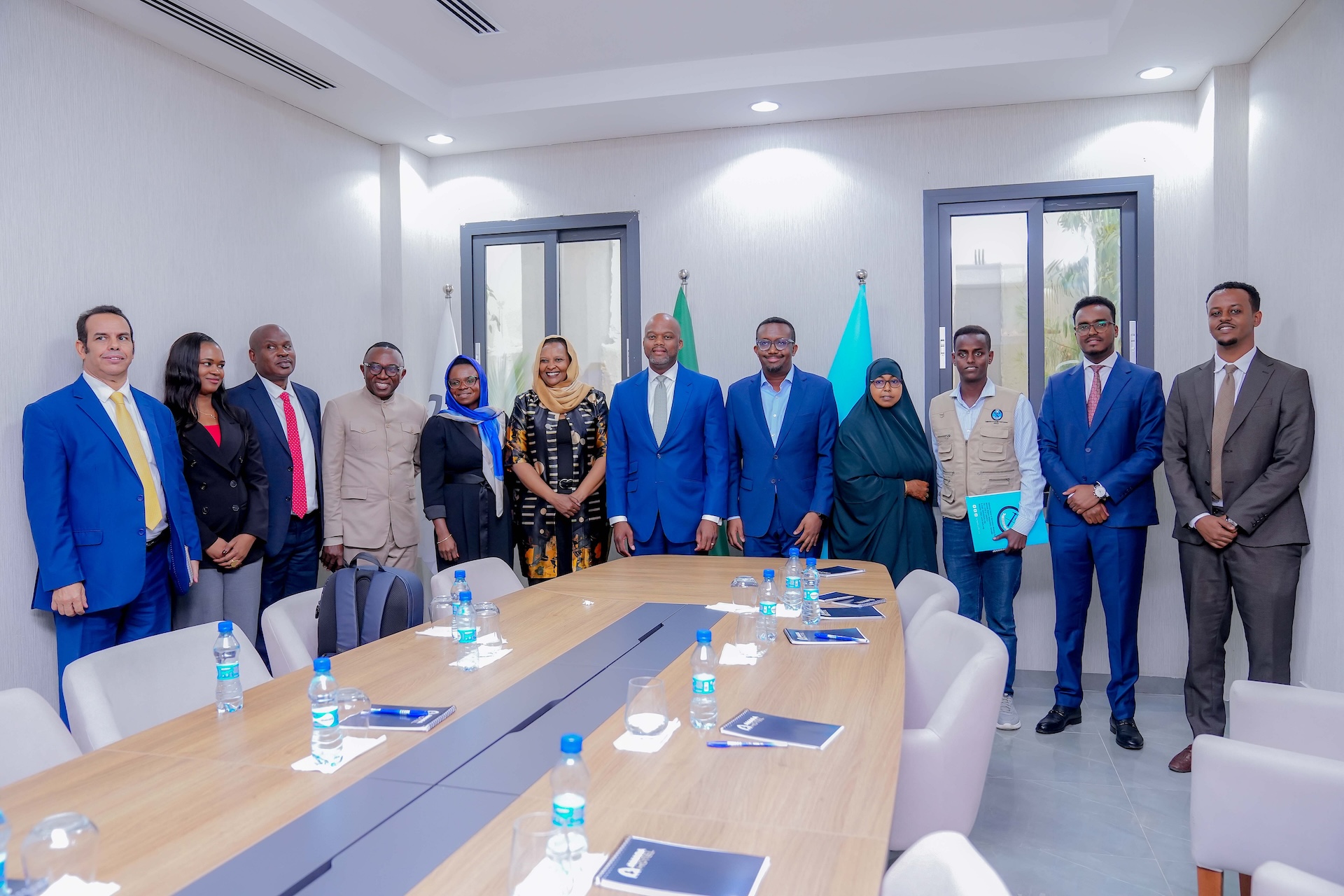
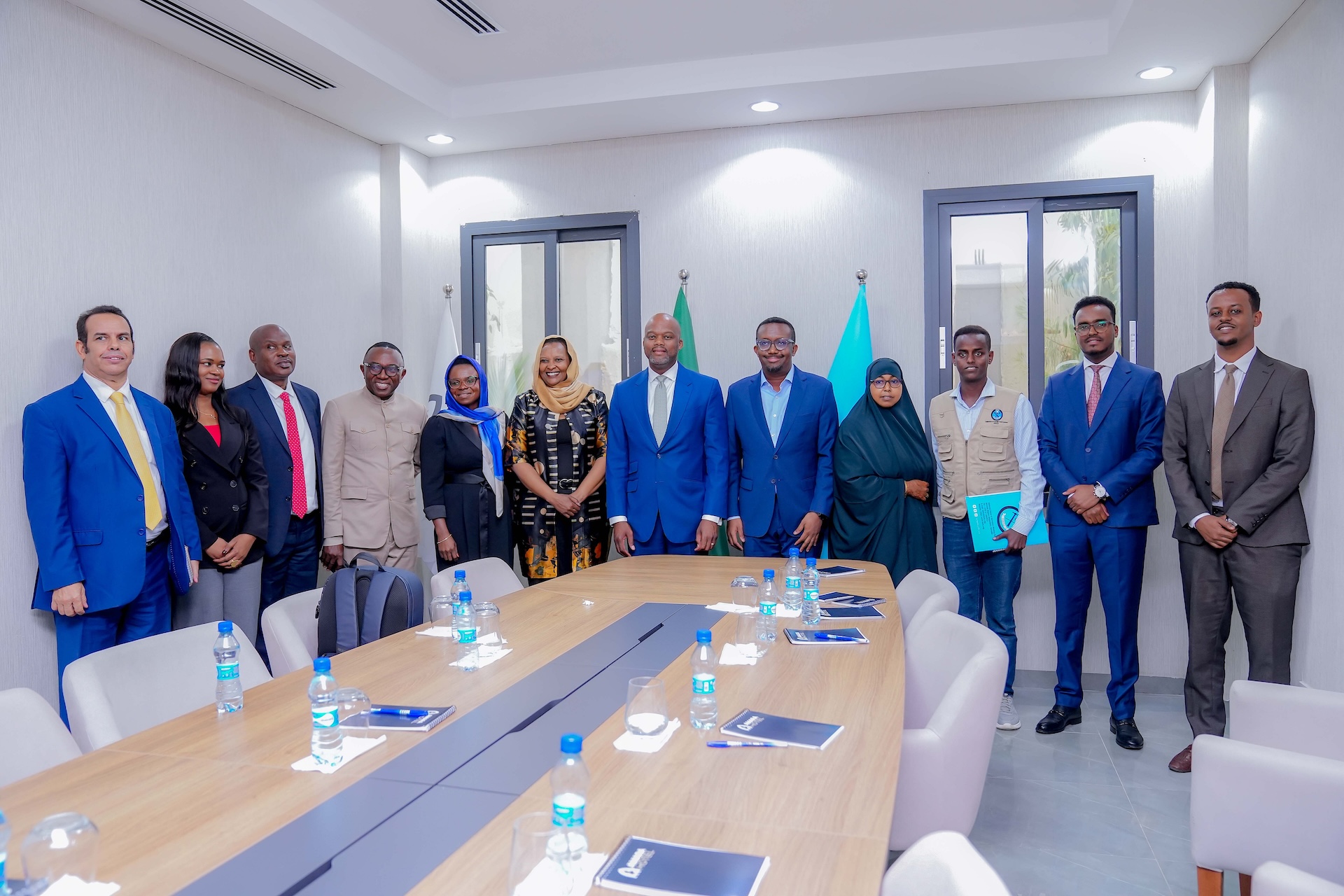
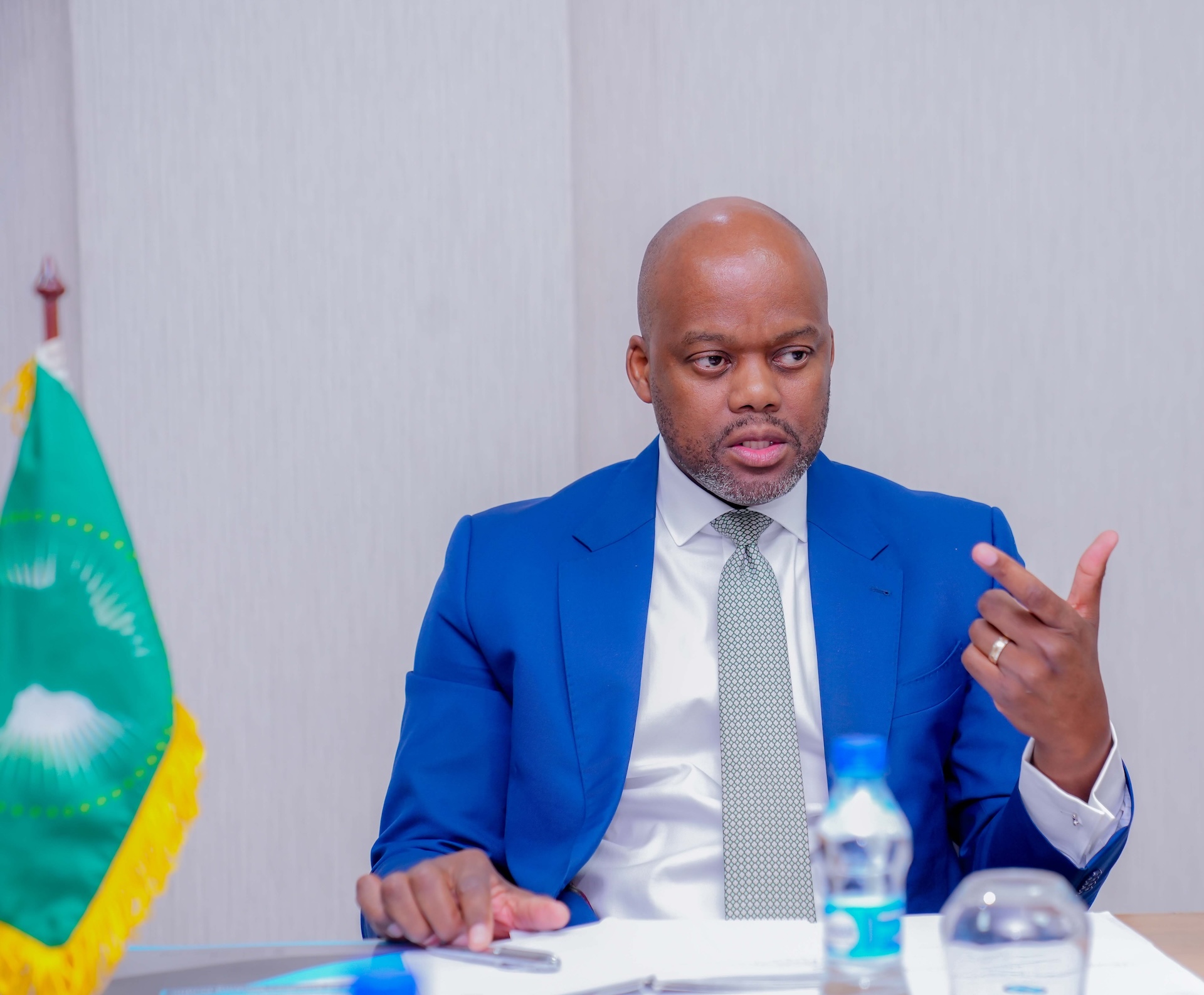
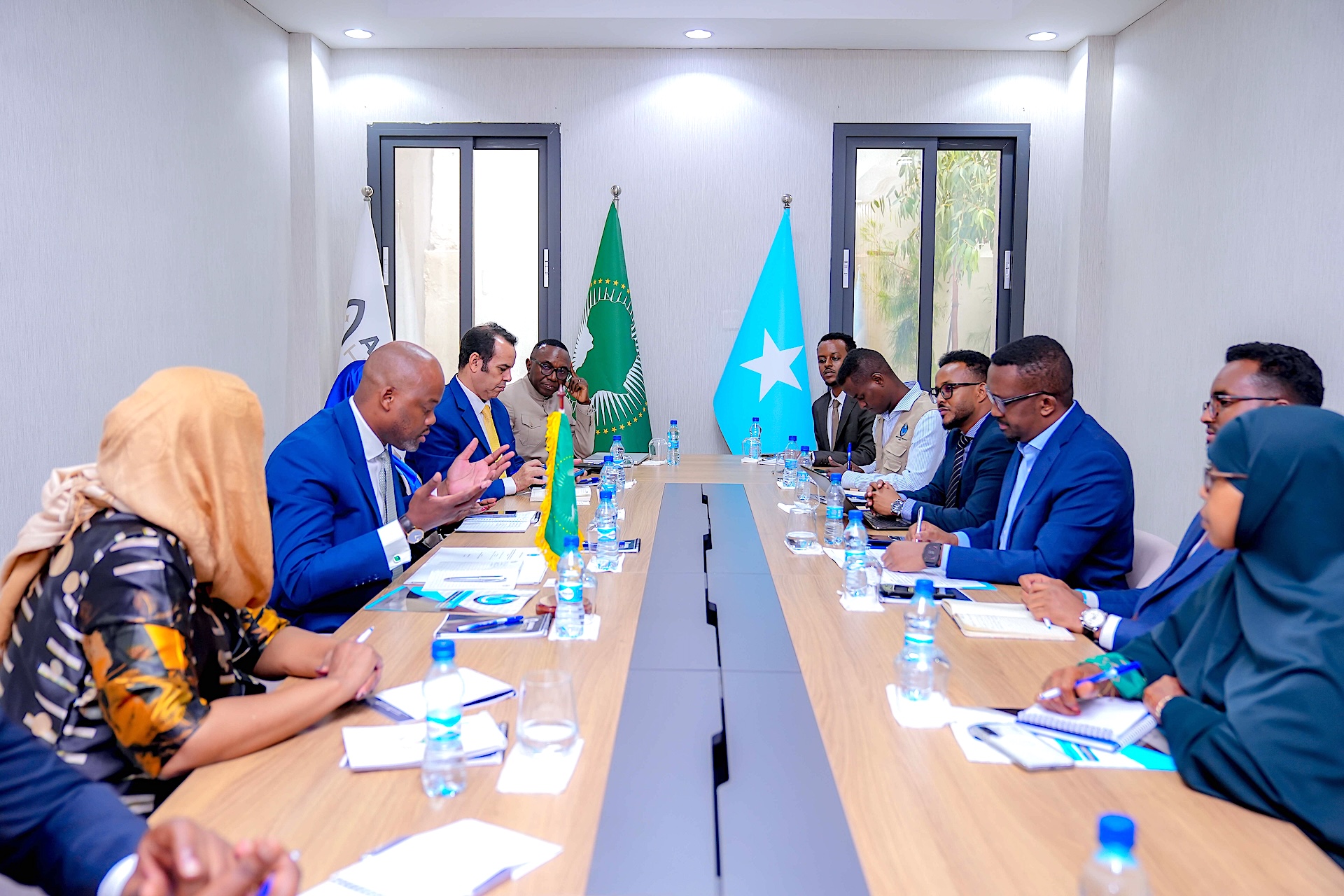
MOGADISHU (SONNA): The Secretary-General of the African Continental Free Trade Area (AfCFTA), Wamkele Mene, held talks with leaders of the Federation of Somali Trade Unions (FESTU) in Mogadishu as Somalia moves forward with implementing the continental free trade agreement.
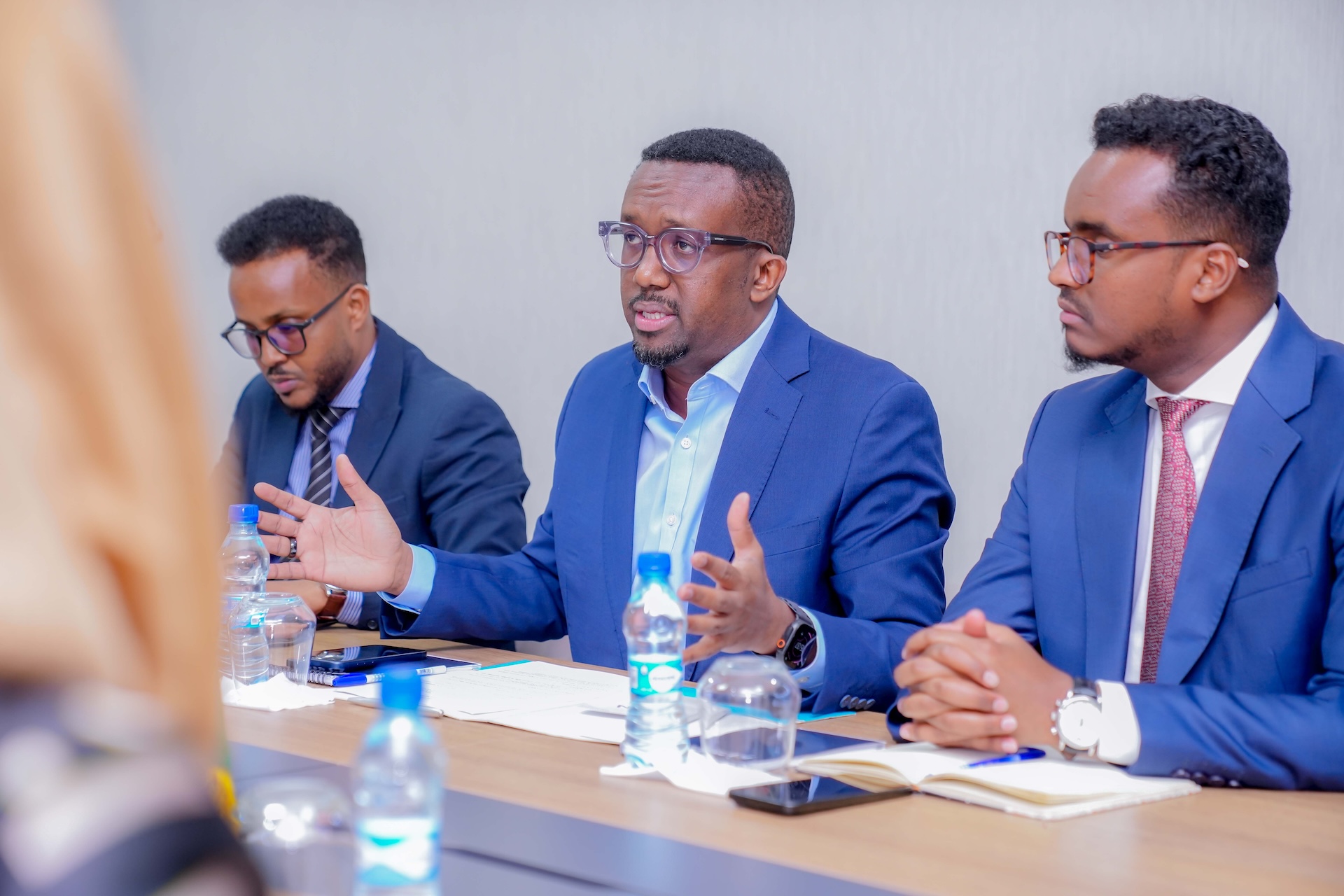
The meeting, held on Monday, brought together an AfCFTA delegation led by Mene and FESTU leaders headed by General Secretary Omar Faruk Osman. Discussions focused on Somalia’s participation in the continental free trade market, protection of labour rights in the trade integration process, decent job creation and the role of social dialogue.
The talks took place during Mene’s first official visit to Somalia from 16 to 18 August and followed Somalia’s completion of its domestic ratification process on 31 July 2026. The country is now turning its attention to implementation and preparing its businesses, producers and workforce to benefit from access to the wider African market.
During the discussions, FESTU welcomed Mene’s decision to engage directly with organised labour and emphasised that Somalia’s participation in the AfCFTA should help strengthen domestic production, value addition and exports rather than position the country primarily as a consumer of goods produced elsewhere.
The federation said greater access to African markets provides Somalia with opportunities to attract productive investment, develop skills and create decent employment while strengthening the capacity of Somali businesses and producers to compete across the continent.
FESTU also highlighted the importance of involving trade unions in AfCFTA implementation, pointing to its participation in Somalia’s National AfCFTA Implementation Committee as a positive example of social dialogue among government, business and organised labour.
The national trade union federation stressed that decisions on trade and investment have direct implications for employment, wages, working conditions and labour standards. Workers’ organisations should therefore have a meaningful voice in shaping policies and decisions arising from the economic integration process.
Reflecting positions advanced by the International Trade Union Confederation (ITUC) and ITUC-Africa, FESTU advocated permanent and structured dialogue between the AfCFTA Secretariat and organised labour, including trade union representation within relevant continental structures.
“Workers are at the heart of production, services and trade. As Somalia advances its participation in the AfCFTA, we want to see trade and investment creating decent jobs, protecting labour rights and delivering real benefits to working people and their families,” Osman said.
He added that a permanent channel between trade unions and the AfCFTA, in Somalia and across the continent, would help ensure that Africa’s free trade agenda remains people-centred and delivers tangible economic and social benefits to working people.
Mene welcomed FESTU’s role in Somalia’s economic integration process, including its advocacy for the ratification of the AfCFTA Agreement and its efforts to promote social dialogue with the Federal Government.
The AfCFTA Secretary-General cited FESTU’s active participation in Somalia’s implementation process as a positive example and highlighted wider efforts to strengthen relations between the AfCFTA Secretariat and organised labour across Africa.
The meeting also addressed the importance of cooperation among government, the private sector and trade unions as increased intra-African trade opens new opportunities for production, investment and employment.
FESTU and the AfCFTA leadership are ready to collaborate as Somalia implements its AfCFTA commitments and organised labour seeks a greater role in Africa’s evolving free trade architecture.