Local News
Thirty-Four Women Lawyers Complete First National Legal Empowerment Internship as Somalia Opens Justice to Its Daughters
At the closing ceremony in Mogadishu, the Minister of Justice and Constitutional Affairs said justice is not complete if women are absent from those who serve it, as the first cohort of a national internship programme finished five months inside the country's courts, prosecution service and ministry.
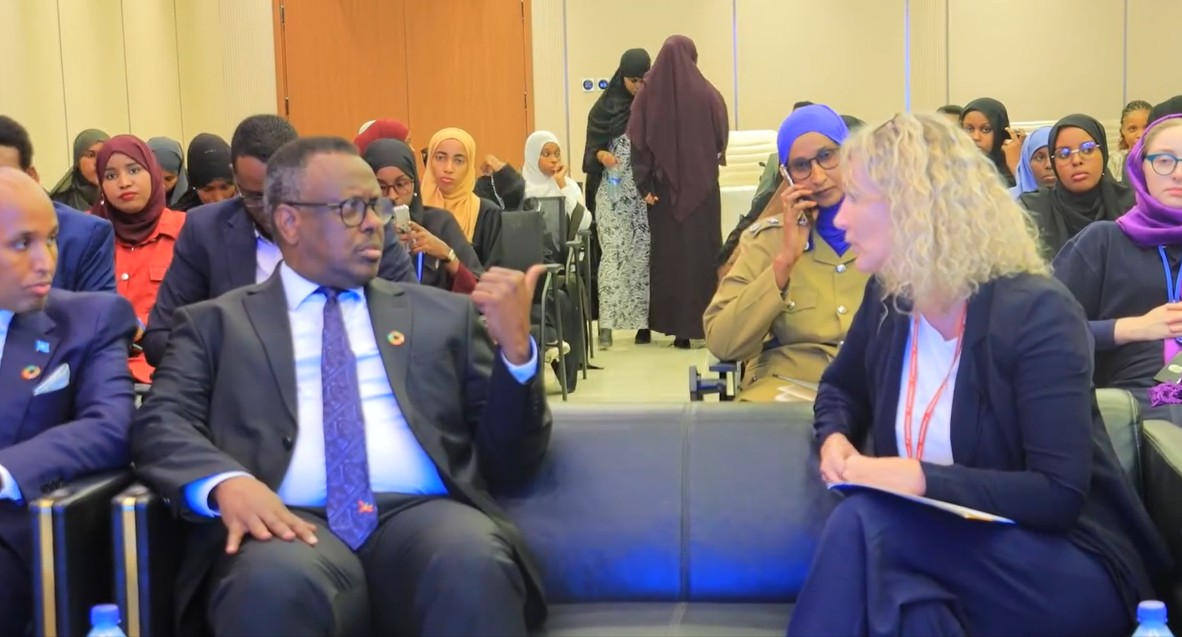
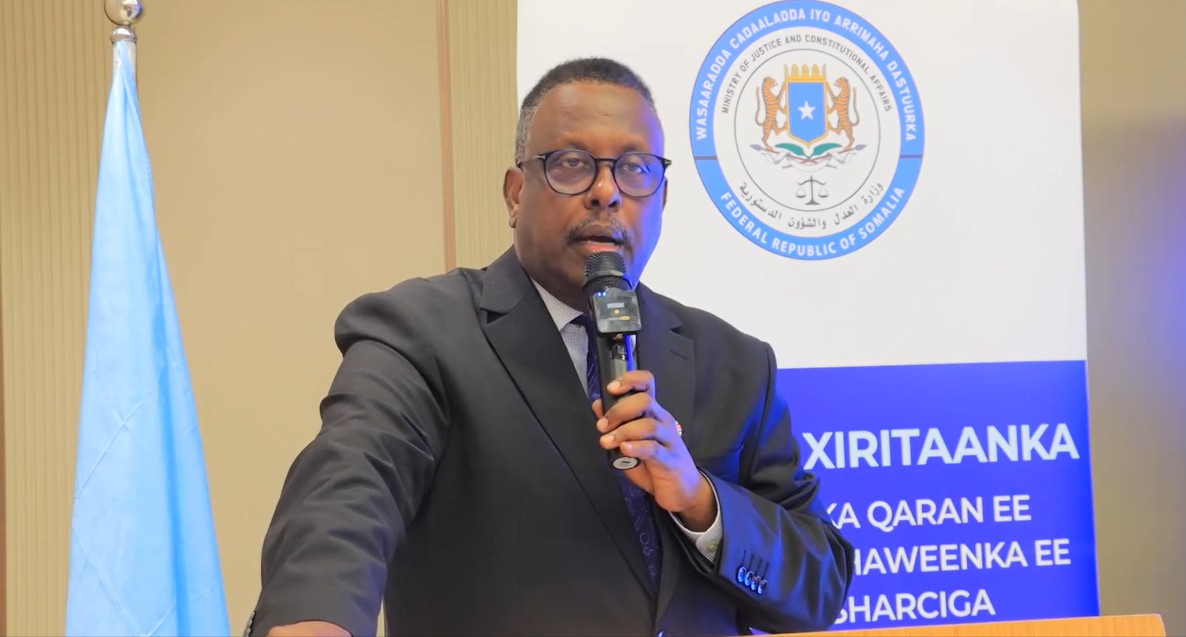
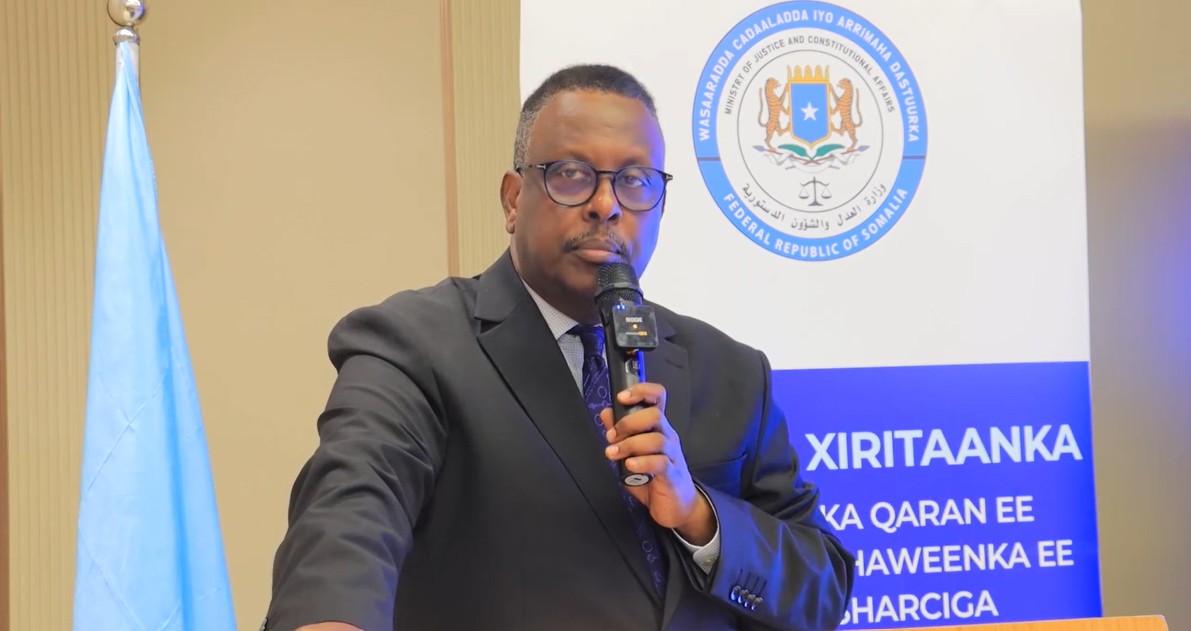
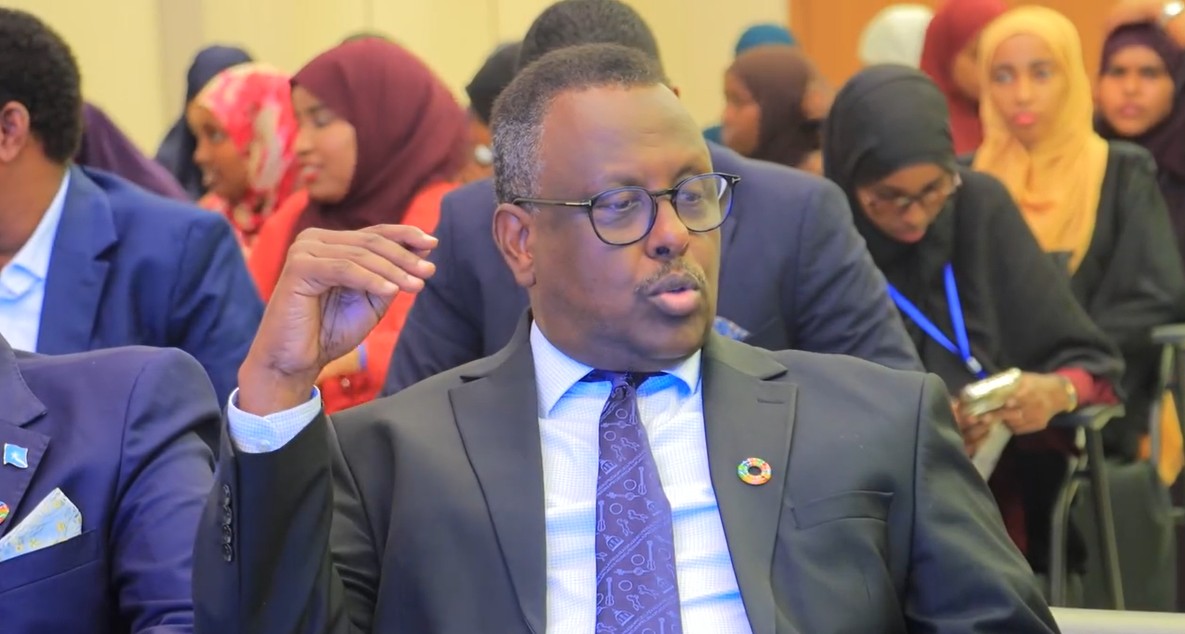
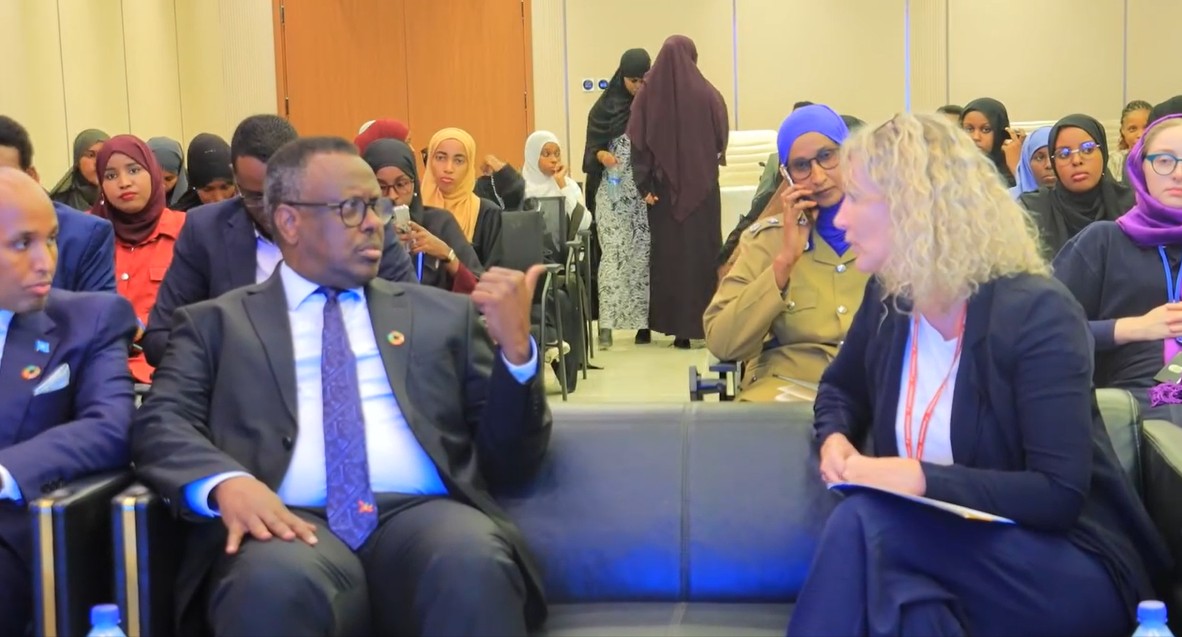
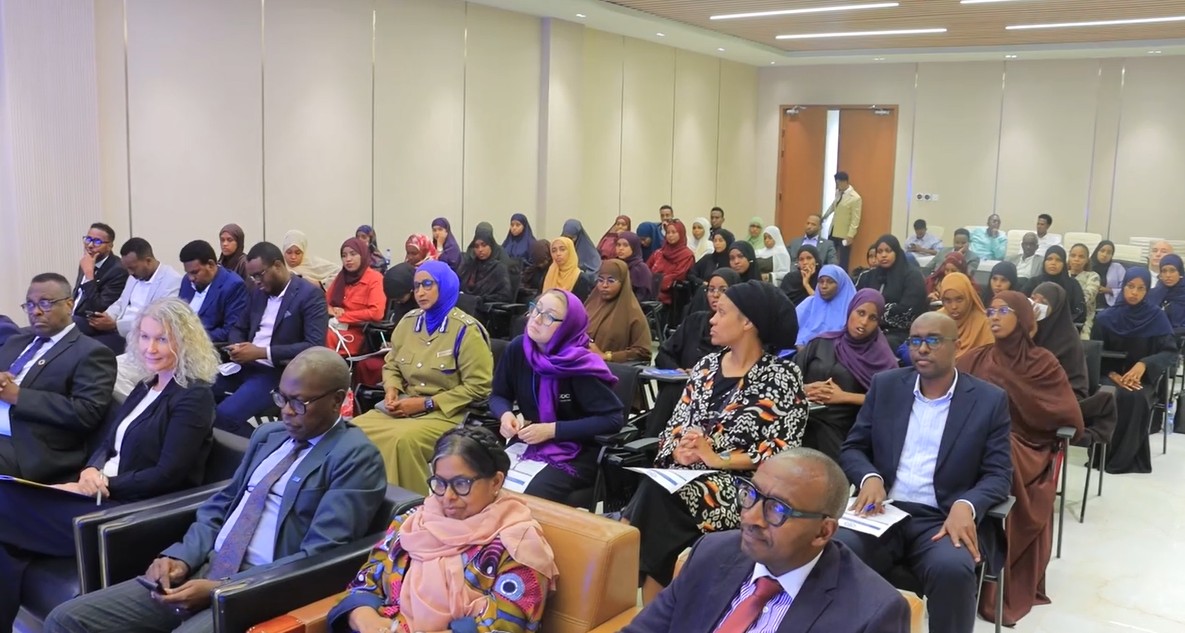
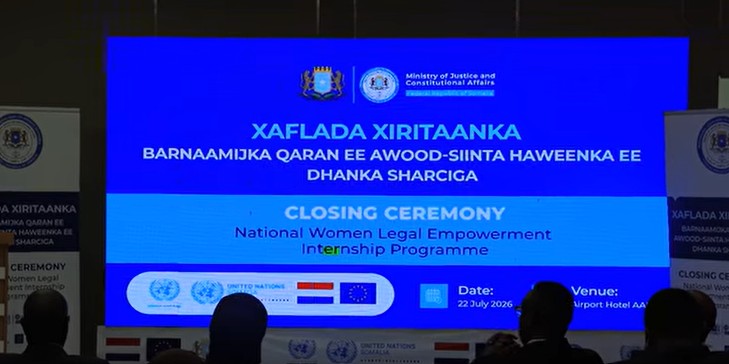
MOGADISHU (SONNA): The Minister of Justice and Constitutional Affairs of the Federal Government of Somalia, Hon. Hassan Moallin Mahamud, has presided over the closing ceremony of the National Women Legal Empowerment Internship Programme, marking the completion of a five-month internship by its first cohort of 34 women law graduates within the country's justice institutions.
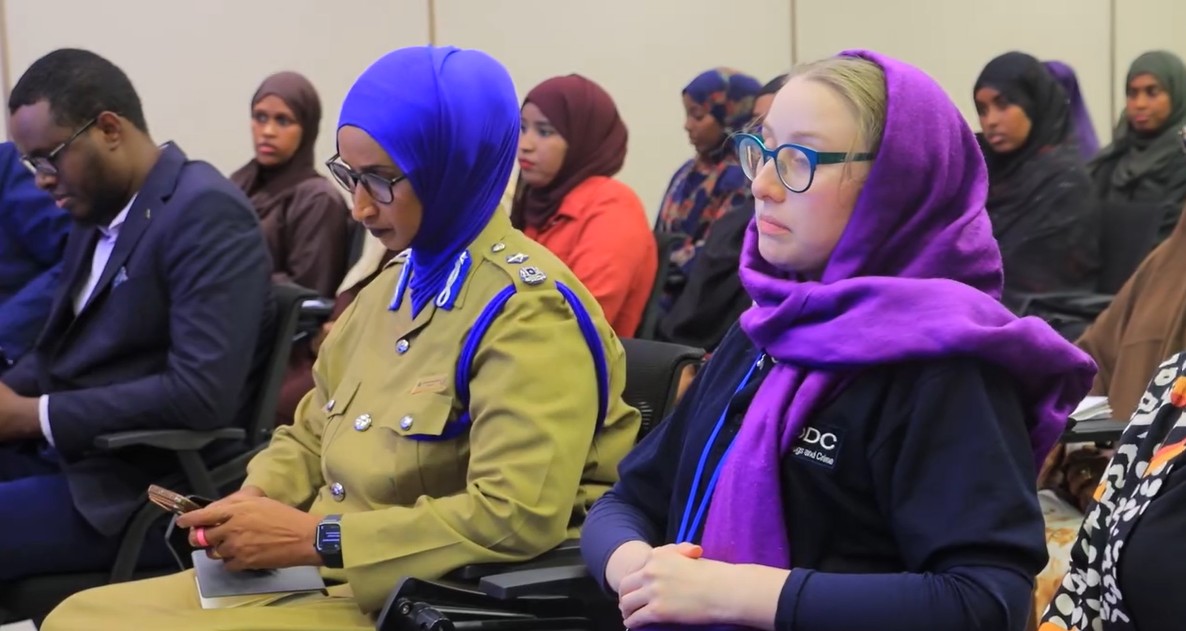
The ceremony, held in Mogadishu, brought together directors of justice ministries from the federal member states, representatives of the judiciary and the Custodian Police, and United Nations and donor partners supporting the justice and corrections programme, among them the European Union and the Netherlands. The internship phase now completed is the opening stage of a national programme that runs until May 2027, under the government's wider agenda for the legal empowerment of Somali women.
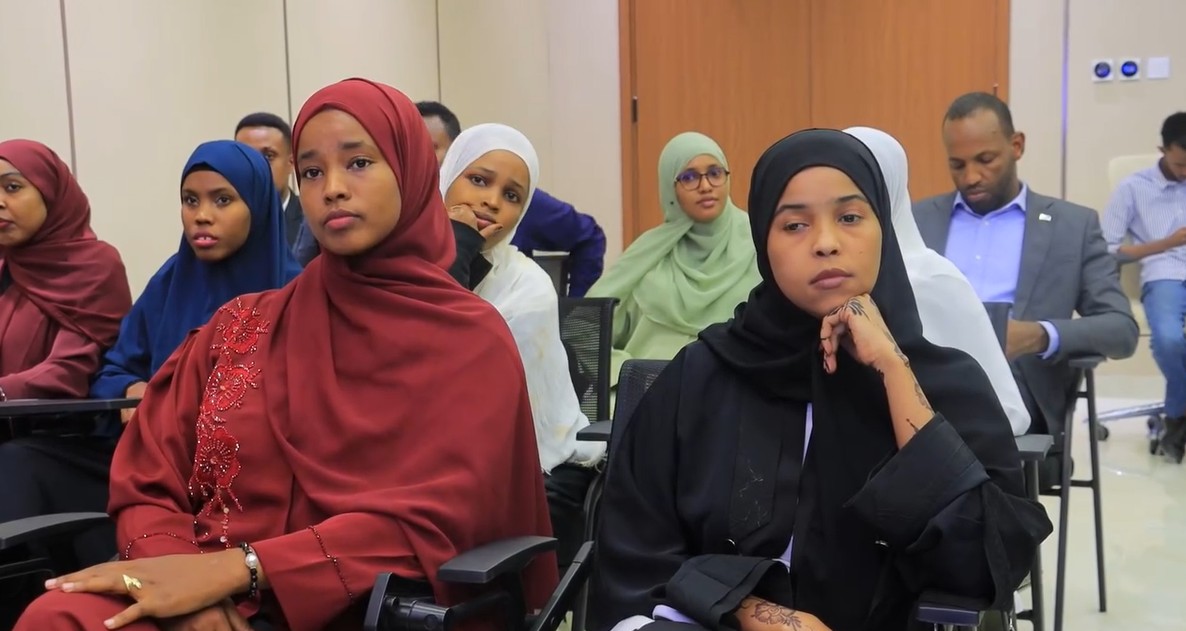
The Permanent Secretary of the Ministry, Faysal Adan Hassan, set out how the cohort was chosen. An open competition was held across the whole country for women who had graduated in law within the past two years, he said, with candidates assessed purely on their suitability for the work. The 34 selected, drawn largely from the regions, were then placed inside the institutions of the justice chain according to their ambitions, in the ministry itself for those drawn to legislation and policy, in the courts, the prosecution service, and the professions surrounding them, from advocacy to notarial work.
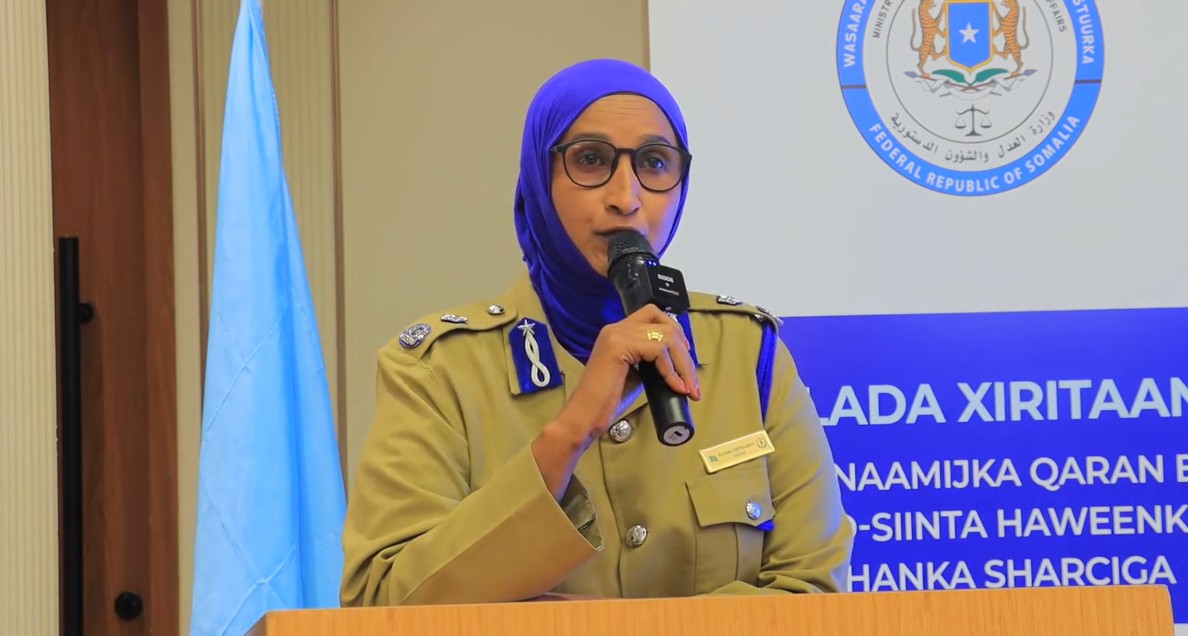
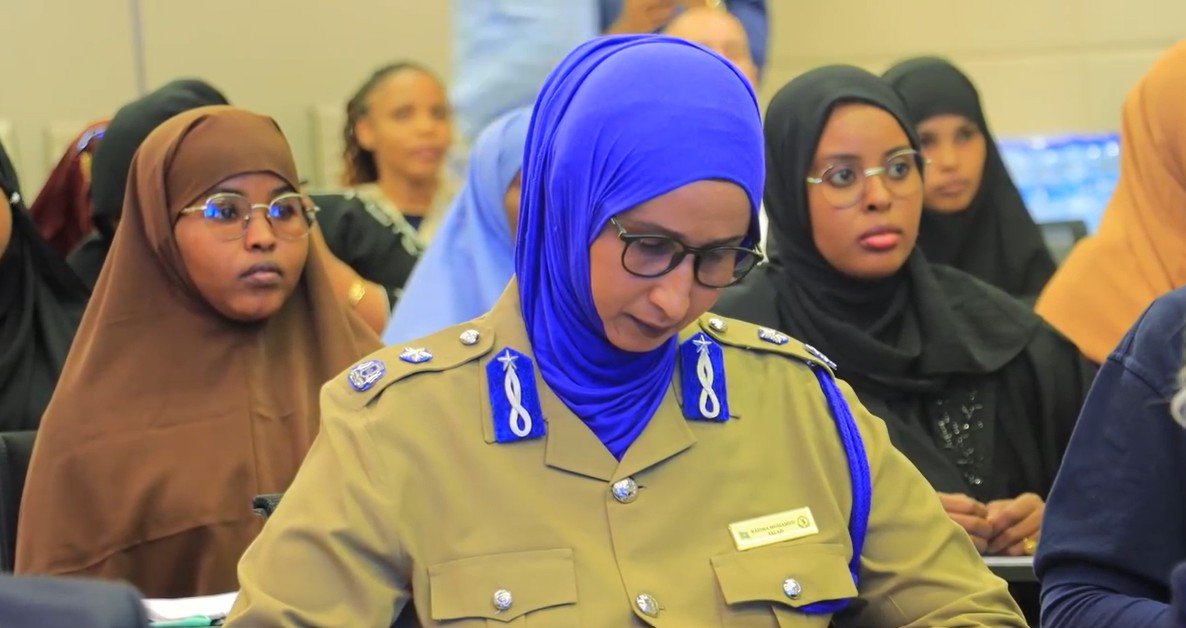
Two of the most striking voices at the ceremony came from women already serving inside the system. Lt. Col. Rahmo Salaad, the commander of Hamar Jajab police station, and Meymun, a judge in Afgoye district, spoke of what the presence of women in the justice institutions has already changed. Doubts about women's capacity to lead in the judiciary persist, the judge observed, but a person should be measured by knowledge, ability, honesty and service to the community, not by whether they are a man or a woman.
The station commander described the change in practical terms. There was a time, she said, when the justice institutions had no women at all. When women first entered the prosecution service, mothers who had carried their grievances in silence began to come forward and speak. Placing women officers in police stations meant that a woman's complaint could begin its journey with a woman on the other side of the desk. With the opportunities now being opened by the Ministry, she said, the day is coming when no woman will abandon her own case or fear the pursuit of justice, and she urged the Minister to follow the interns into their careers and see that the opportunity given to them is carried through.
That testimony points at the deeper logic of the programme. The justice system's reach depends not only on its laws but on who the public sees when they walk through its doors. Where half the population hesitates to bring its cases, the system is half blind, and the surest remedy is the visible presence of women at every level of the chain, taking complaints, prosecuting cases, and sitting in judgment. An internship programme does not transform that picture in one cohort. What it does is build the pipeline, giving women graduates the institutional experience that appointments and careers are made of, so that the question in a few years is not whether qualified women exist, but which of them to promote.
The pipeline is visibly filling. This week the 2026 Bar Examination results showed 88 of the 102 women who sat the examination passing, a pass rate of 86.3 percent, slightly higher than that of their male counterparts. Between the law faculties producing graduates, the bar admitting them, and programmes of this kind seasoning them inside the institutions, the elements of a justice system that looks like the society it serves are coming into place.
Closing the ceremony, Minister Hassan Moallin Mahamud told the gathering that justice is not complete if women are absent from those who serve it, and that in training the first 34 women of the programme inside the courts, the prosecution and the ministry, the country is investing in its own future and in the state it is building. The programme now continues toward May 2027, and further cohorts will follow the path the first has opened. For the 34 who completed their internships this week, the ceremony was an ending only in name. The careers it was designed to begin are now theirs to build, and the institutions they served for five months will be measured, in time, by how many of them it welcomes back for good.