Local News
Somalia to begin issuing East African Community e-Passport in January 2027
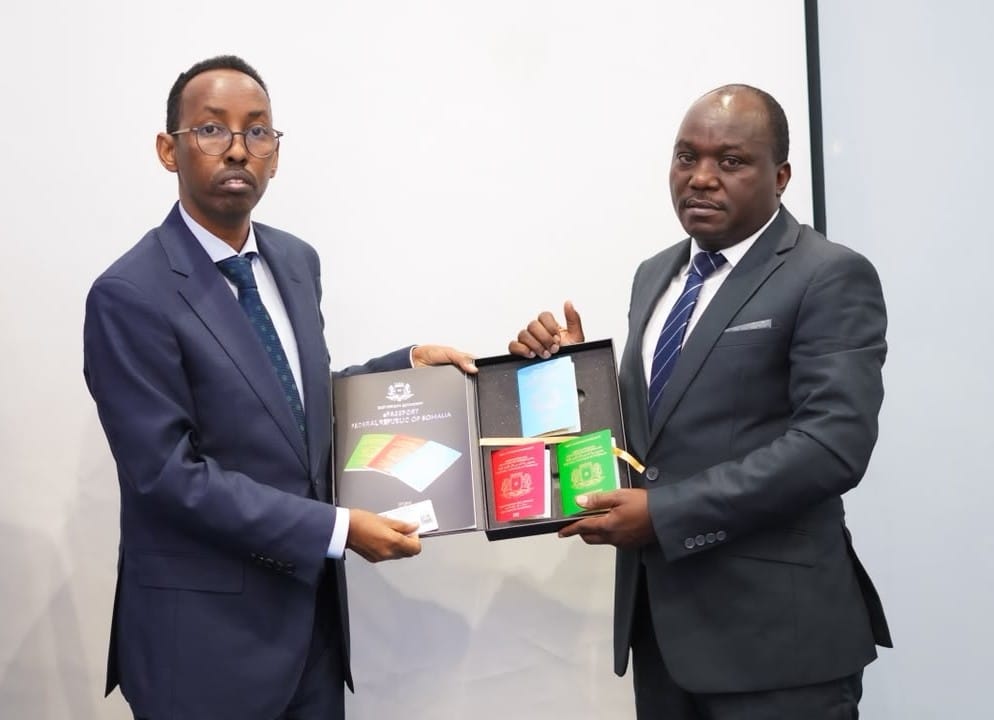
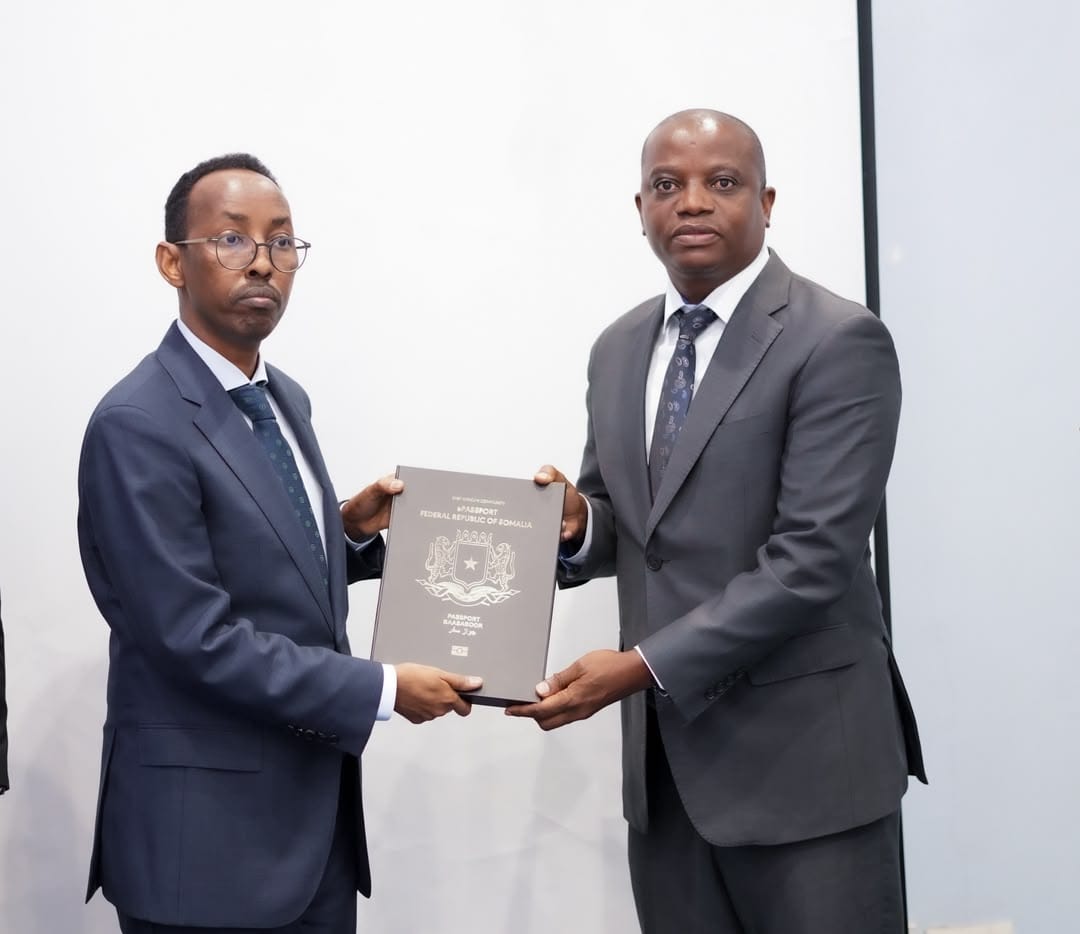
Production of the passport is complete, the Chiefs of Immigration meeting in Kampala was told, and the new document will be linked to the national ID system and issued through Somali missions abroad.
Advertisement
Mogadishu (SONNA) - Somalia will begin issuing the East African Community (EAC) electronic passport in January 2027, the EAC Secretariat has announced, in a step that brings the Community's newest Partner State into the region's shared travel document and moves it closer to the free movement of people across East Africa.
The announcement was made at the EAC Meeting of Chiefs of Immigration, held in Kampala, Uganda, on 26 November 2026, where Somalia reported that production of the East African e-Passport has been completed. The EAC Secretariat confirmed the development in a statement issued from its headquarters in Arusha, Tanzania, on Friday.
The new passport will be linked to Somalia's national identification system, and Somali diplomatic missions abroad are expected to offer issuance services, so that citizens living outside the country can also obtain the document.
Somalia at the table
Somalia's Chief of Immigration, Hussein Qasim Yusuf, told the meeting that the country took its place among the Partner States with pride. "Somalia, as the newest Partner State, is honoured to sit fully at this table," he said.
He said immigration is central to regional integration, because it is where citizens experience the Community most directly. "Our citizens judge the EAC by how easily, safely and predictably they can move, work and reside across our borders," he said.
The Chief of Immigration said Somalia is building a single, verifiable chain of identity that runs from civil registration to the National ID, and from there to e-Passports that meet the standards of the International Civil Aviation Organization and carry the EAC insignia, and on to the country's border systems. "This is how we intend to deliver EAC free movement that is both facilitated and secure," he said.
A shared regional identity
The EAC Deputy Secretary General in charge of Infrastructure, Productive, Social and Political Sectors, Andrea Ariik Malueth, said Somalia's move to begin issuing the passport shows how commitments made at the regional level turn into practical benefits for citizens. "Beyond the document itself, this is about bringing our citizens closer together," he said.
He said the free movement of people supports trade, employment and family ties across the region, and that immigration authorities have a duty to facilitate legitimate movement while protecting the security of borders.
The Chairperson of the meeting, Marcelino Bwesigye, Acting Commissioner for Foreign Nationals and Border Management at Uganda's Ministry of Internal Affairs, welcomed Somalia's progress. "The East African e-Passport is not only a secure travel document, but also an expression of our shared regional identity," he said.
What the passport offers
The East African e-Passport is designed as a secure, modern and internationally compliant travel document. Under regional rules, ordinary East African e-Passports may be valid for up to 10 years, and Partner States are required to make them affordable and accessible to their citizens.
Burundi, Kenya, Rwanda, Uganda and Tanzania already issue the passport. South Sudan reported progress towards issuance to the Kampala meeting, following the domestication of the EAC Treaty.
The Chiefs of Immigration also reviewed regional commitments on the use of electronic national identity cards as travel documents, on visa-free entry, and on harmonising the procedures and fees for entry, work and residence permits. The meeting commended Kenya, Rwanda, Uganda, Somalia, South Sudan and Tanzania for their progress on electronic national identity cards, and called for national identity documents to be standardised across the Community.
Somalia and the Community
Somalia was admitted to the East African Community in November 2023 and became a full member in March 2024, joining a common market of eight Partner States. The commitments reviewed in Kampala flow from the EAC Common Market Protocol, which provides for the free movement of persons, workers and services among them.
For Somali citizens, the start of issuance in January will mean a travel document recognised across the region and tied to a national identity system built at home, and a further step in the country's integration into East Africa.