Local News
Somalia prepares for heavy rain before it has recovered from drought
A national summit opened in Mogadishu on the effects expected from a Super El Niño this year, days after the World Food Programme set out figures showing six million people in acute food insecurity and a credible risk of famine in five areas by late 2026.
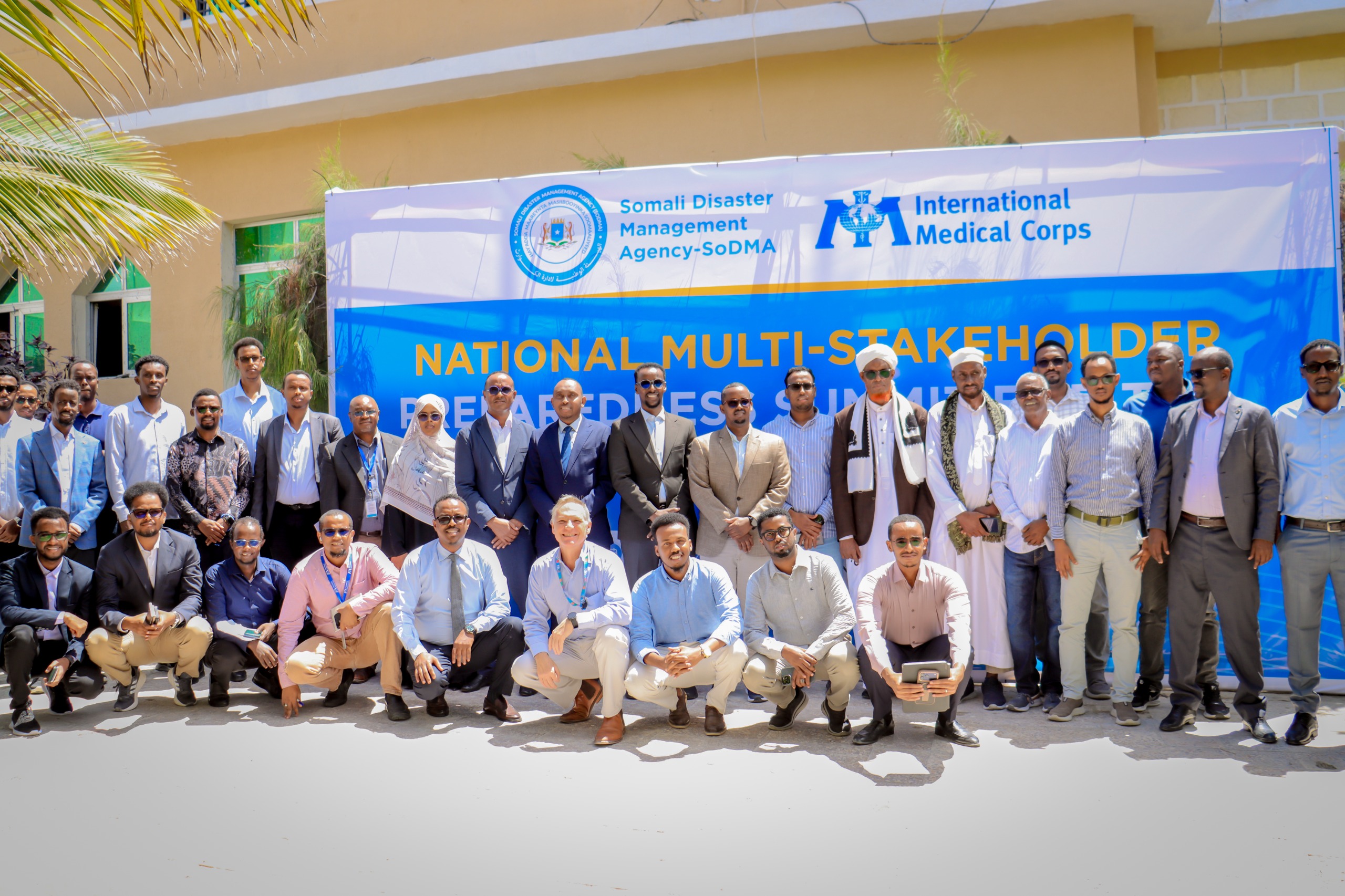
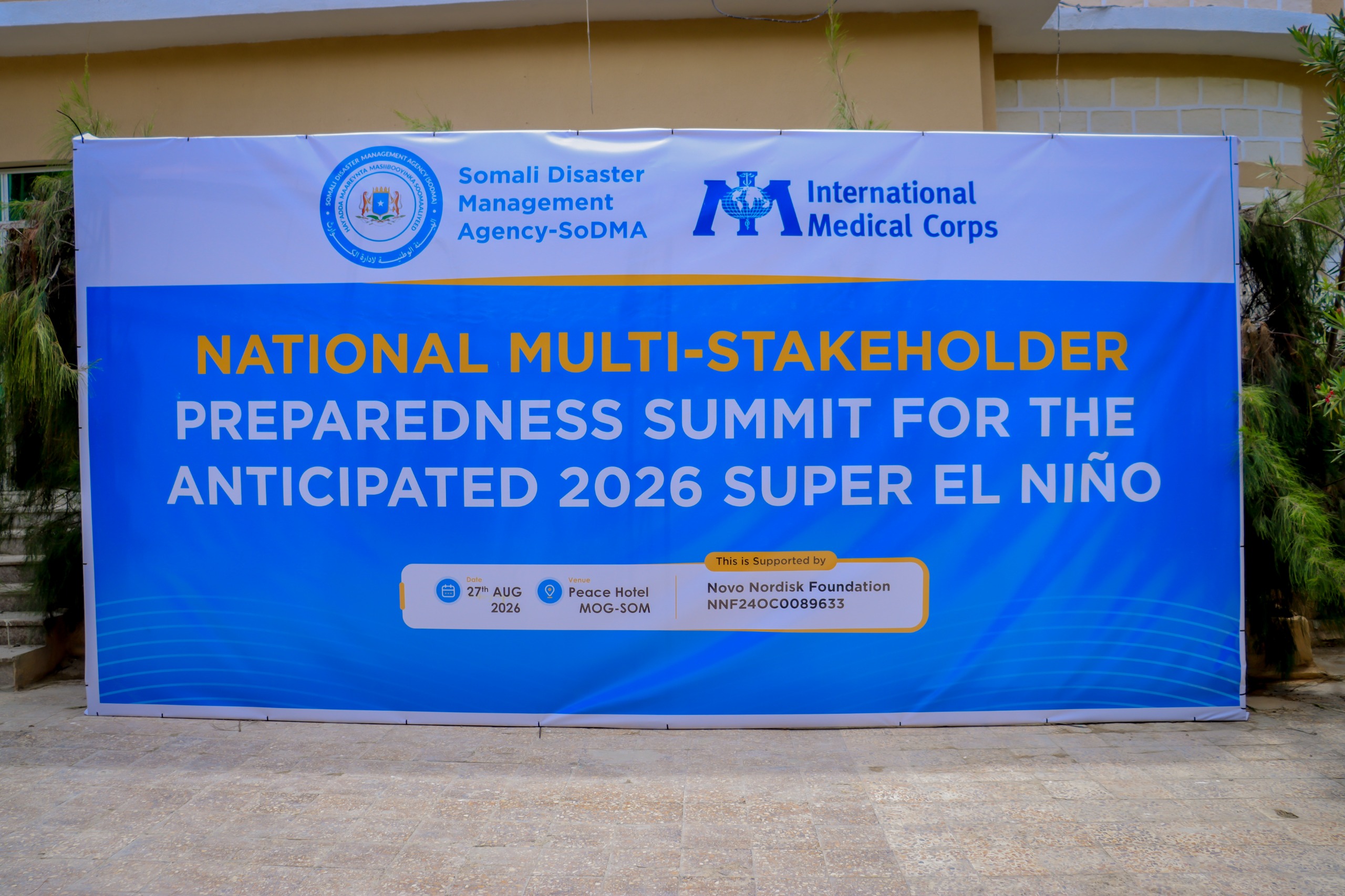
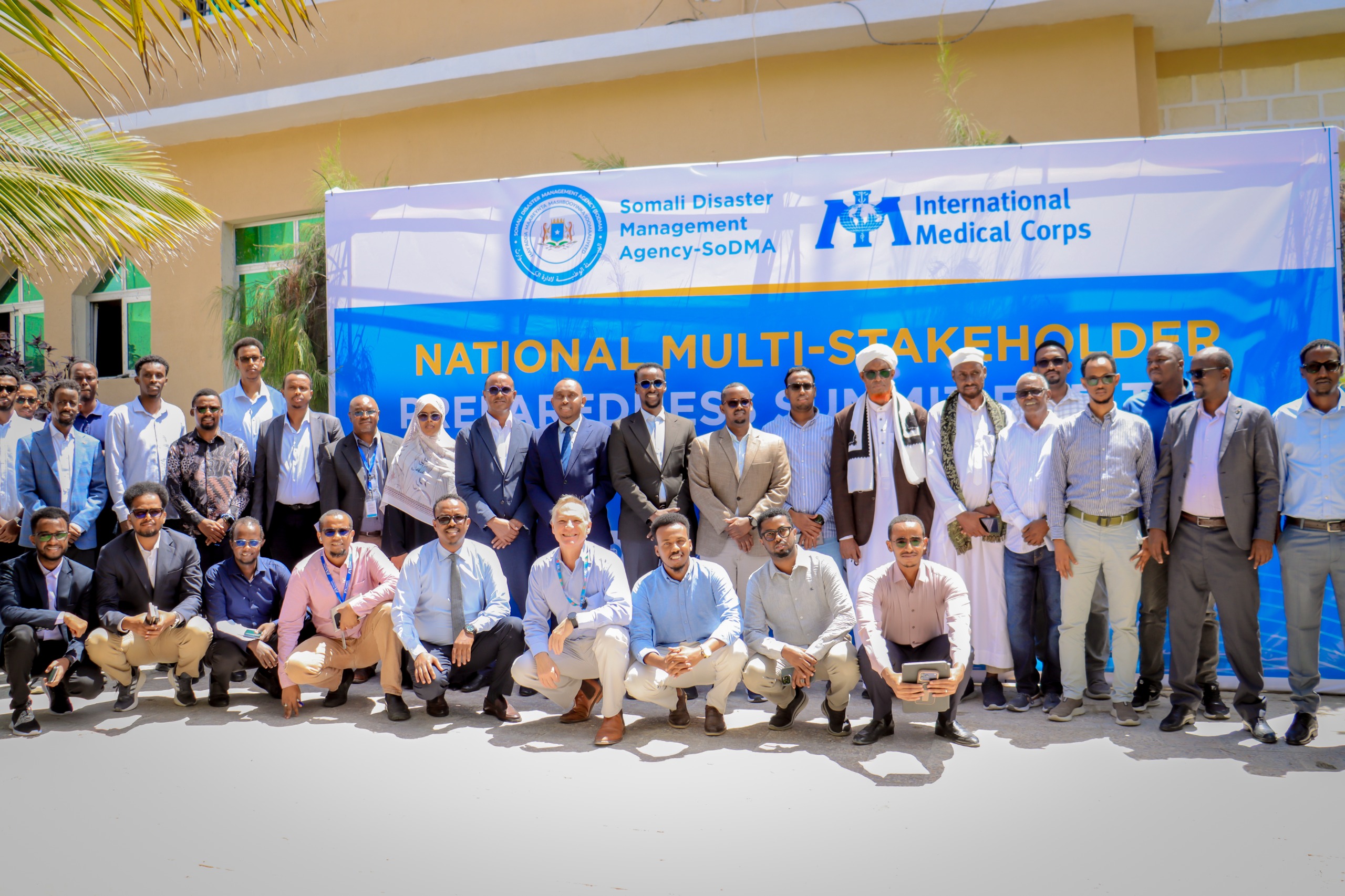
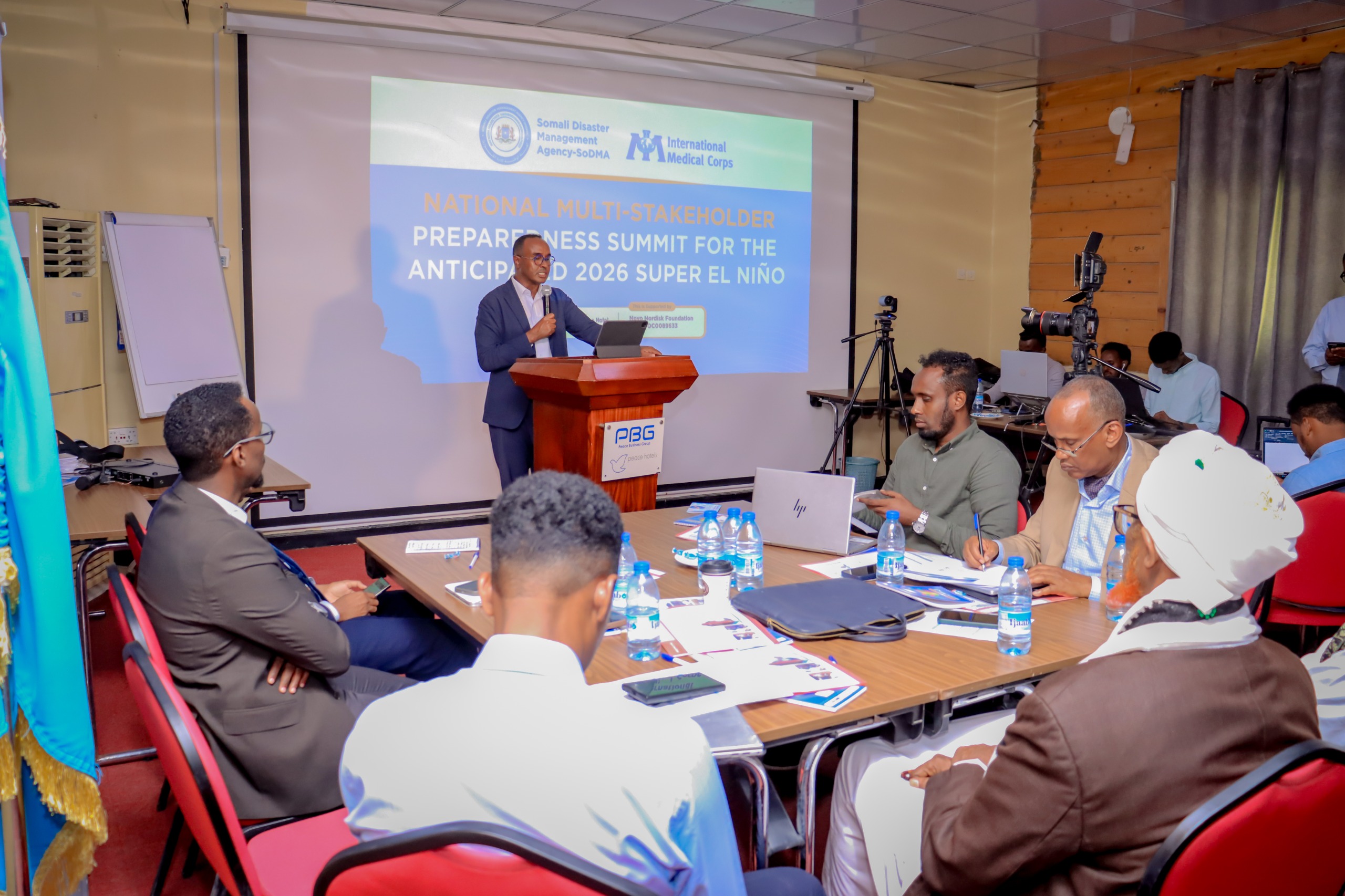
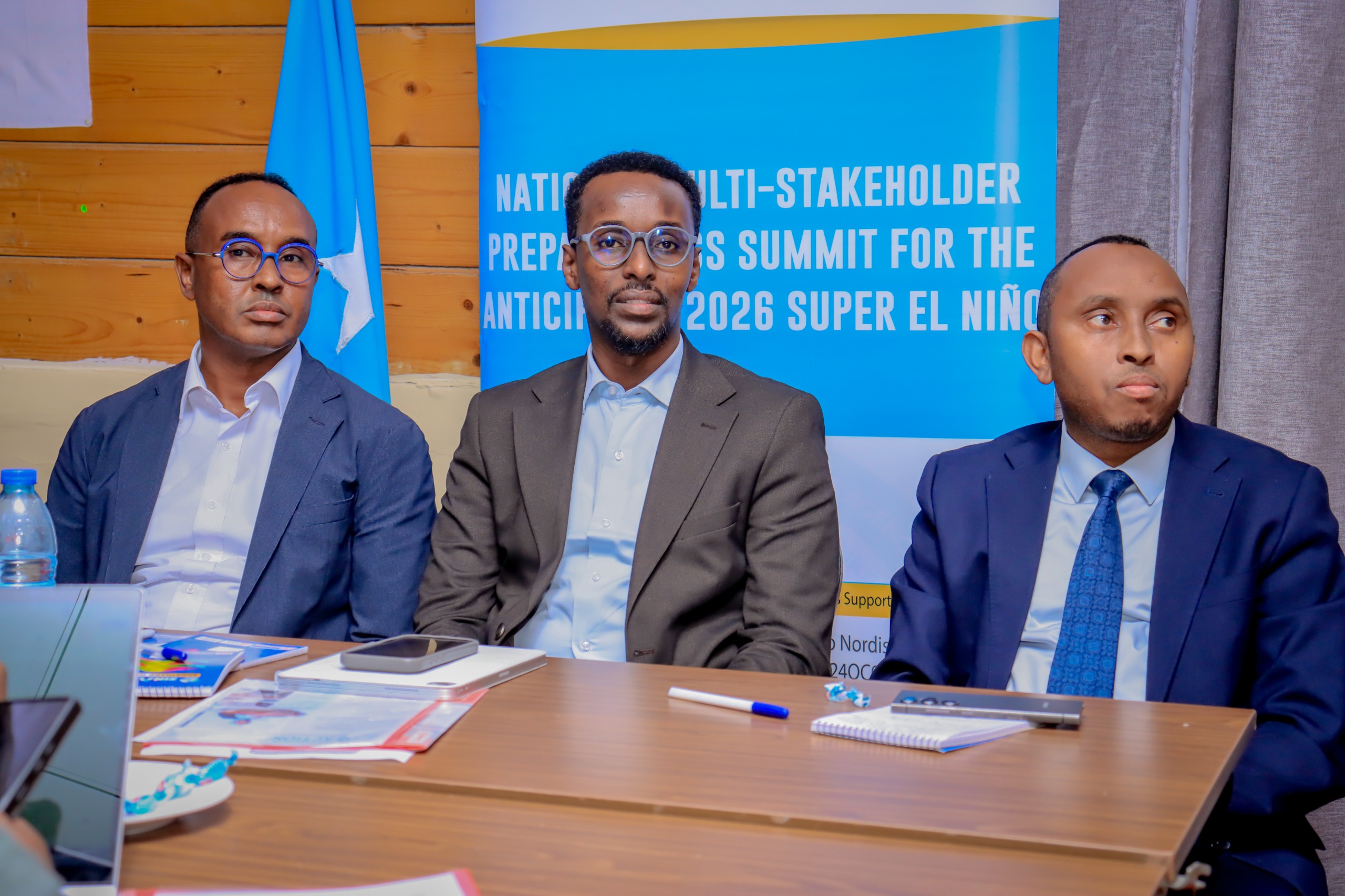
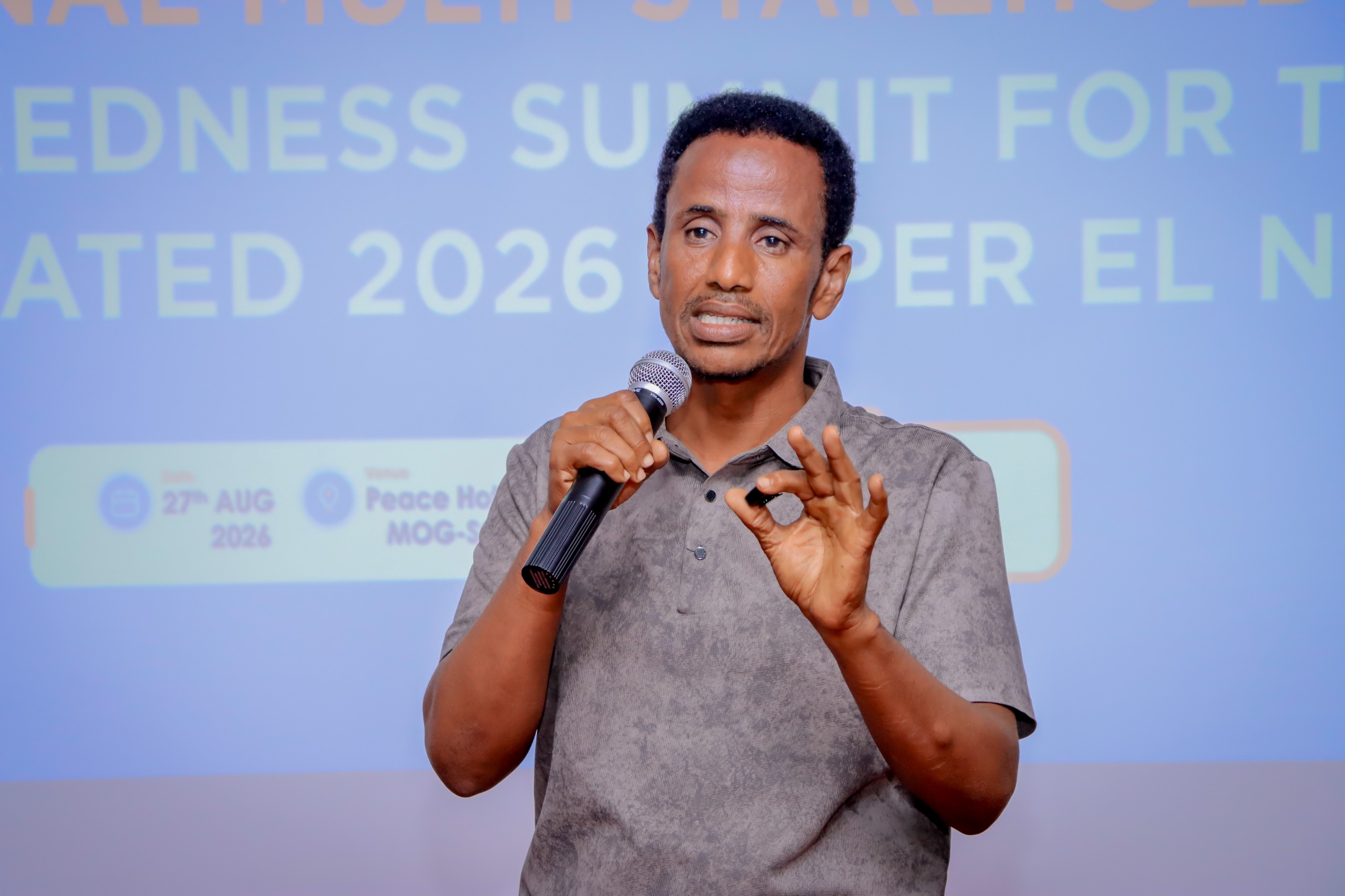
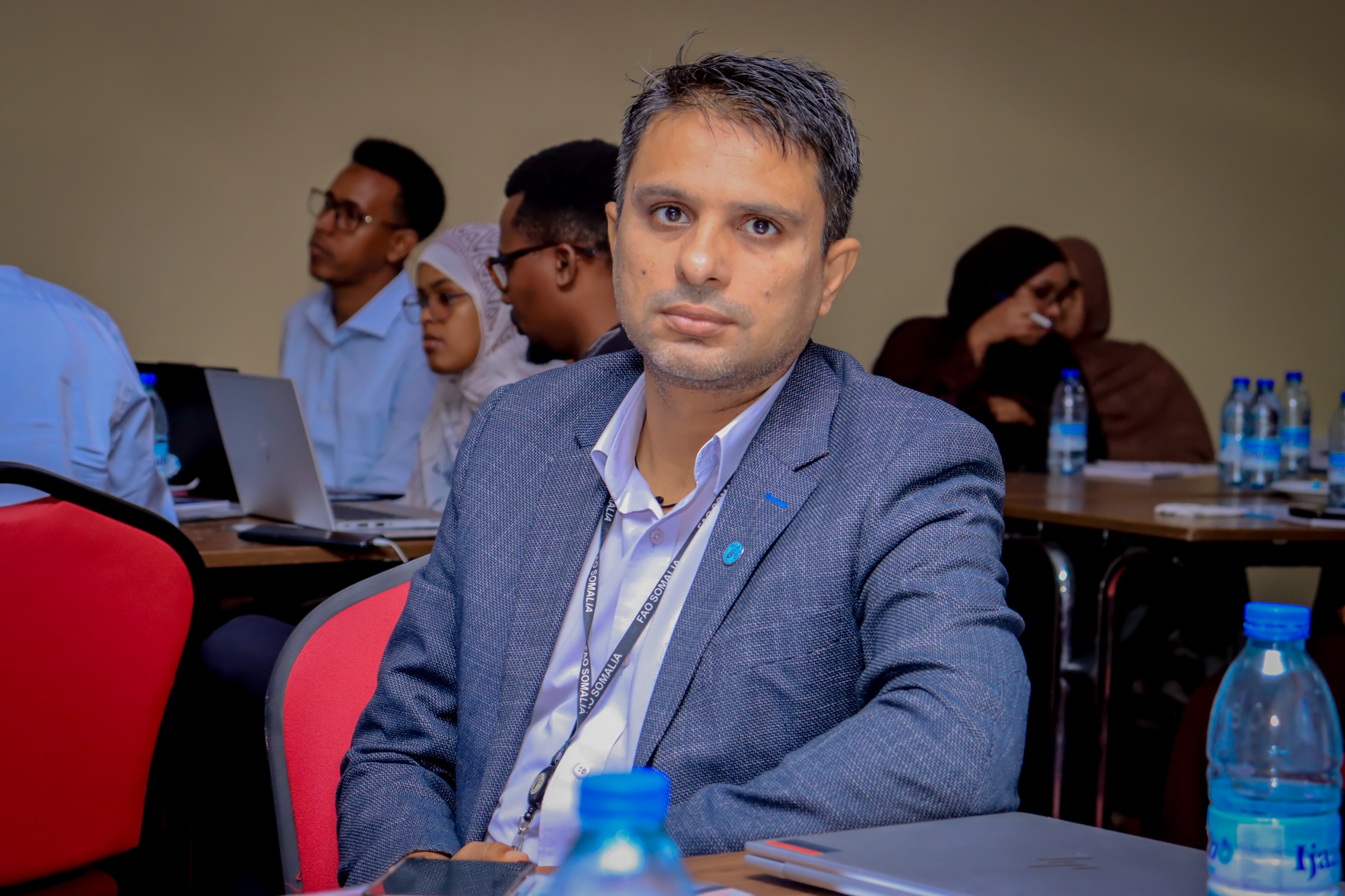
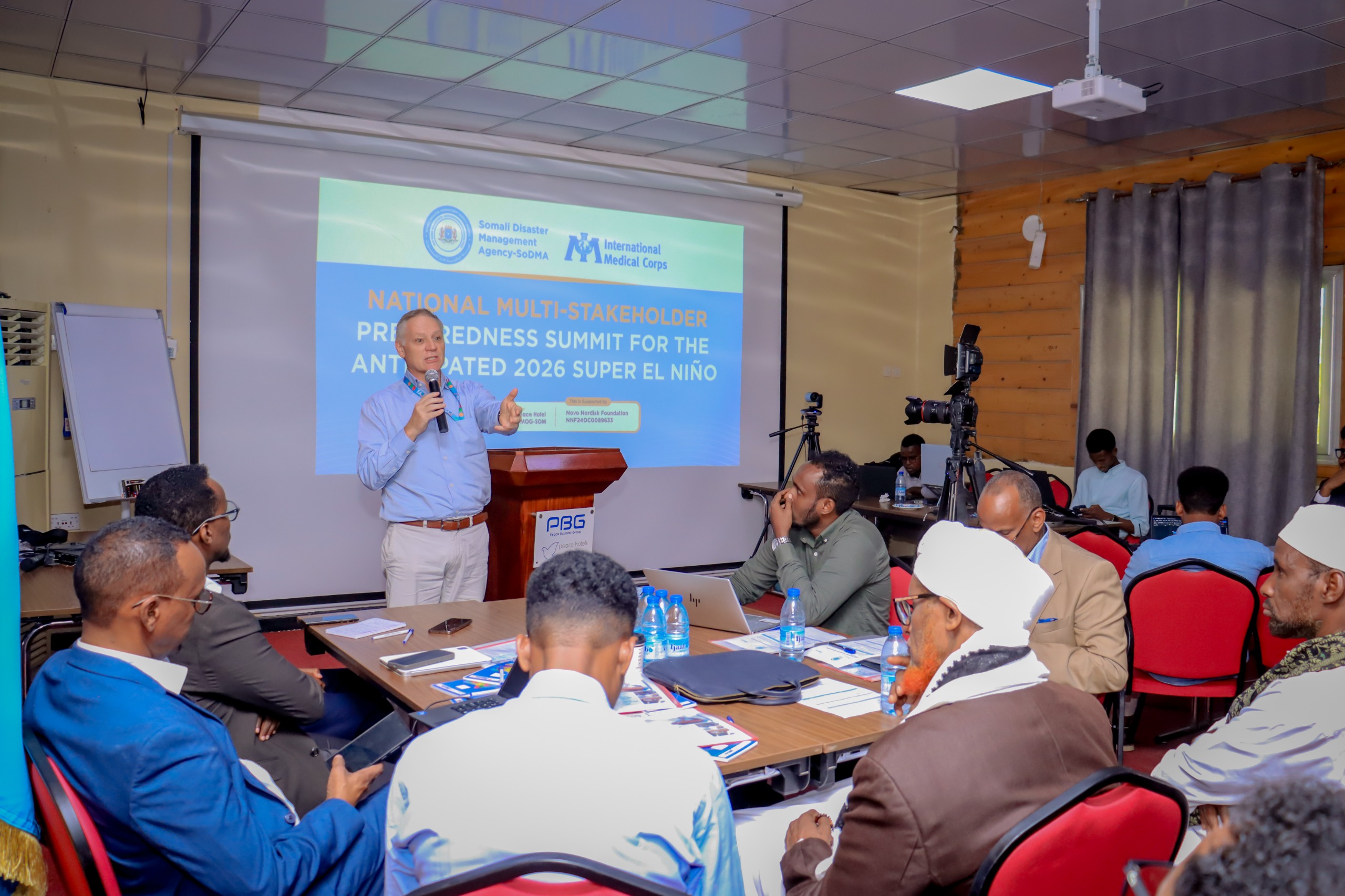
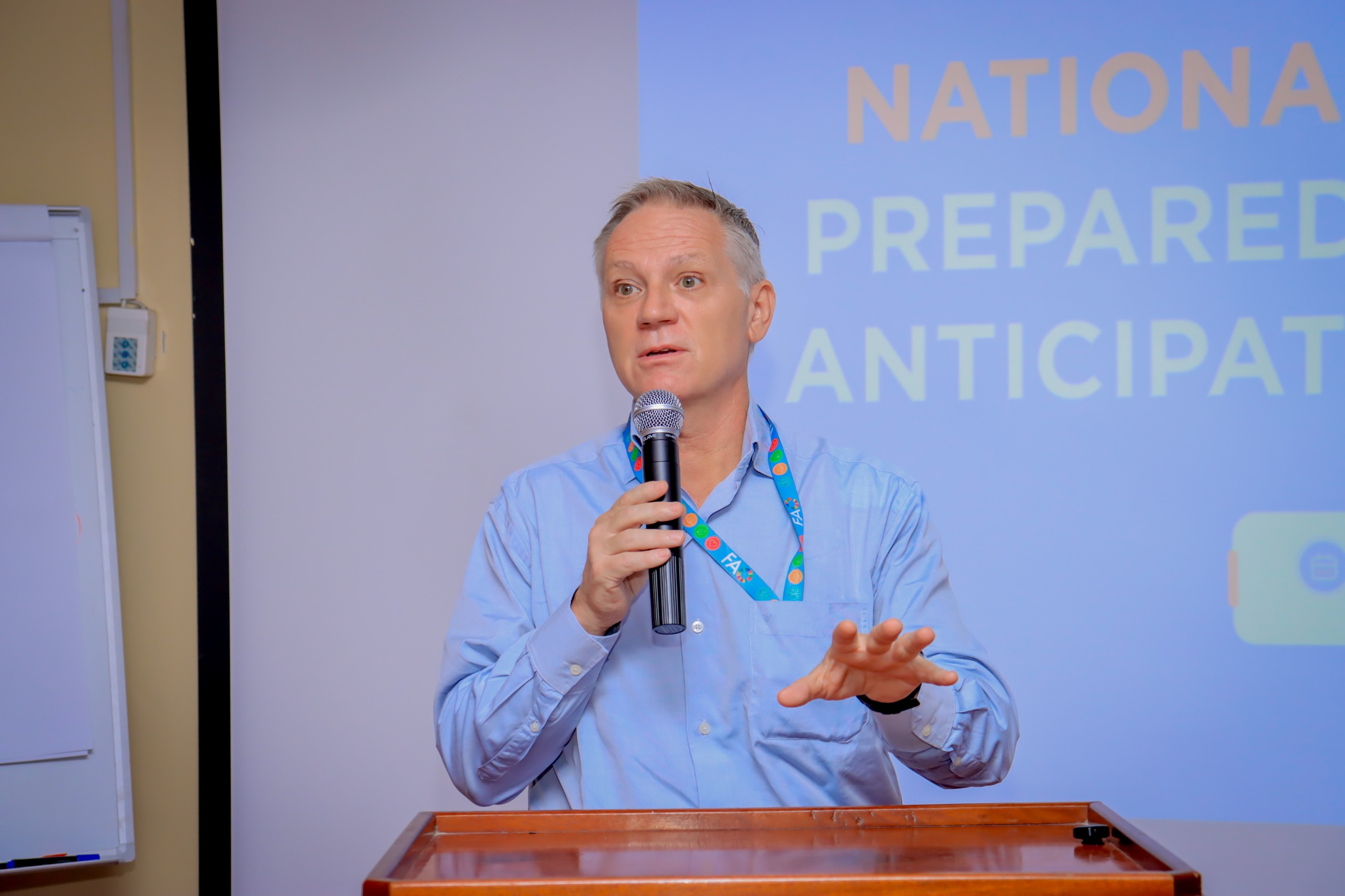
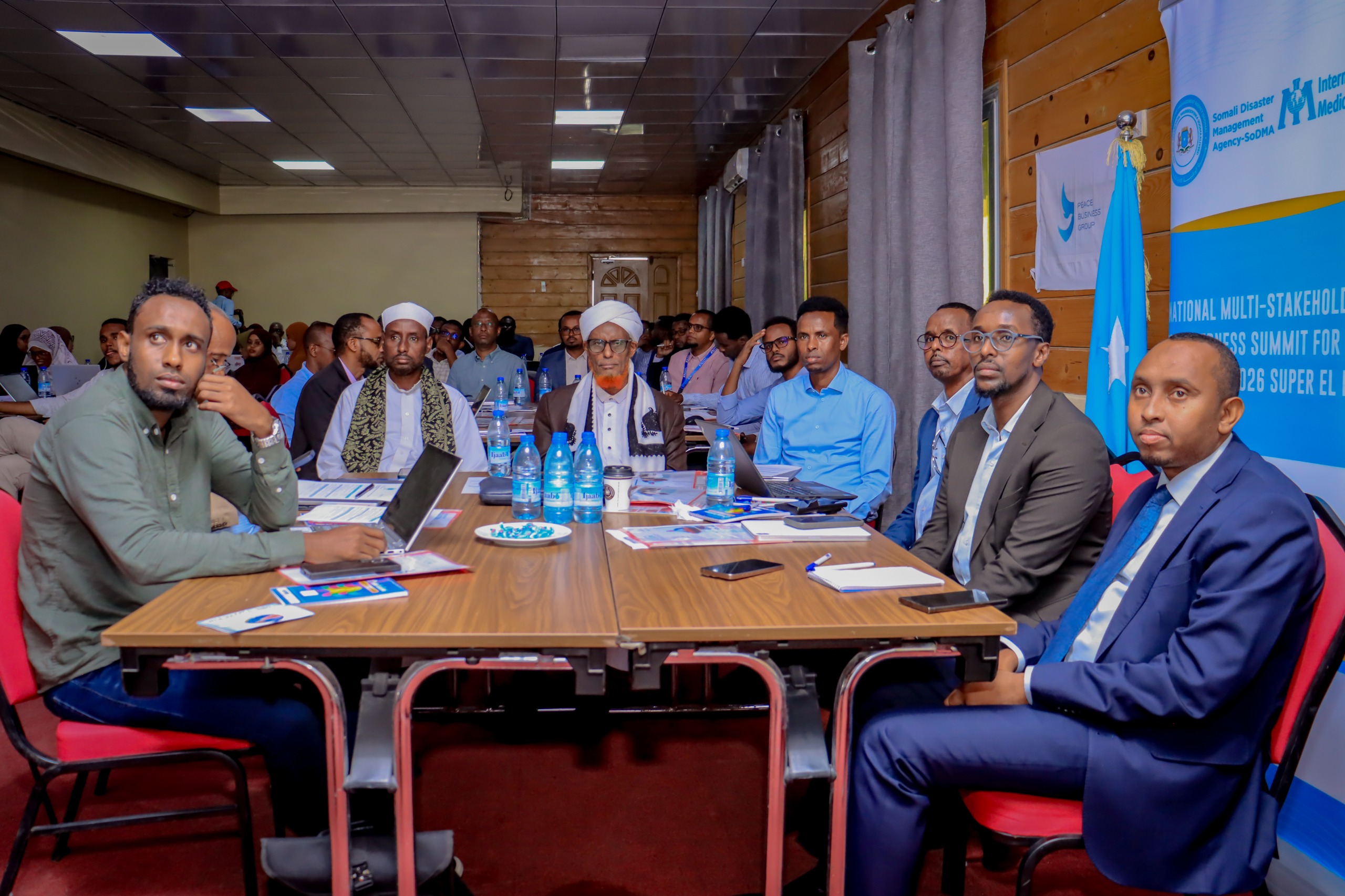
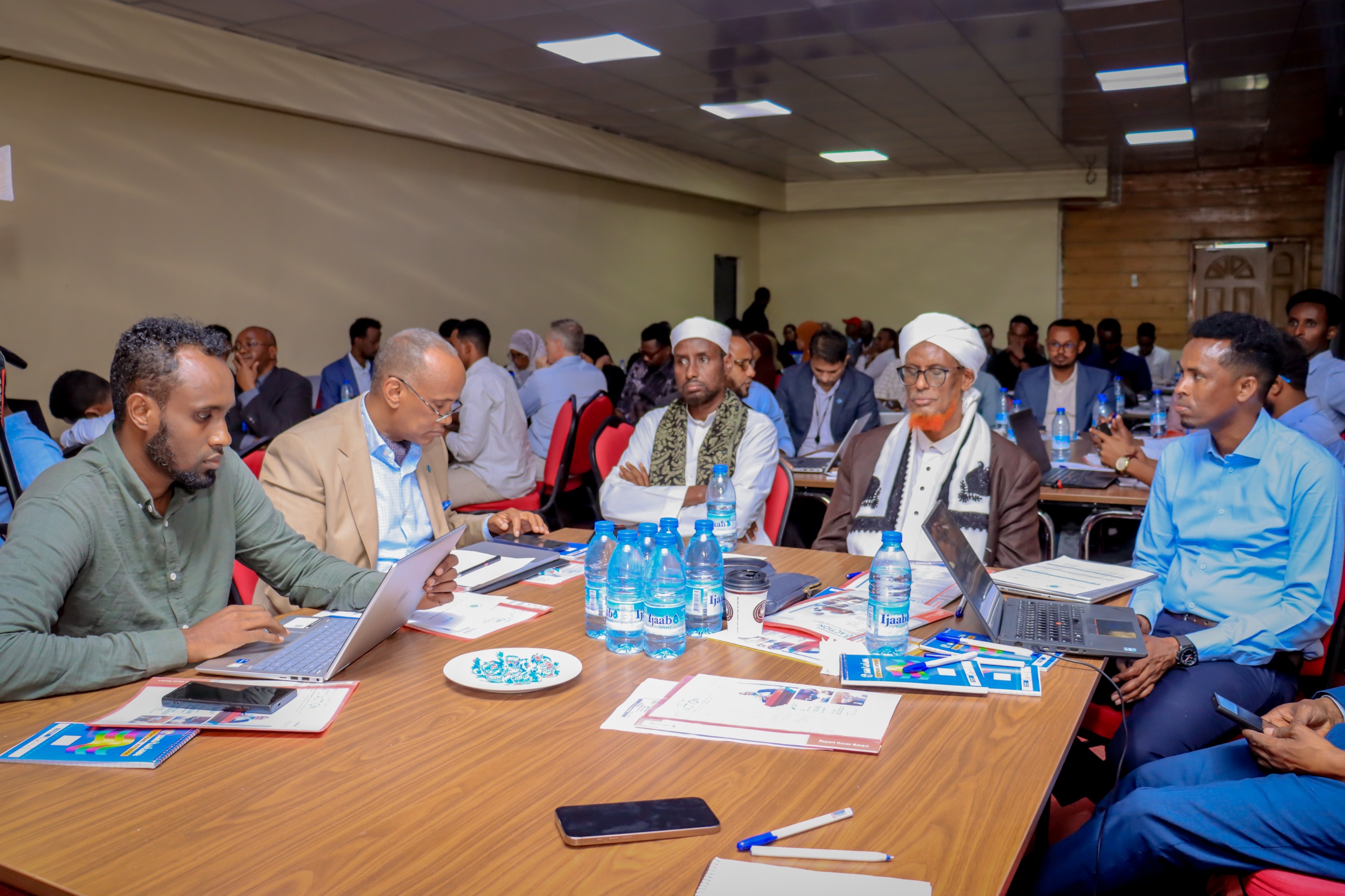
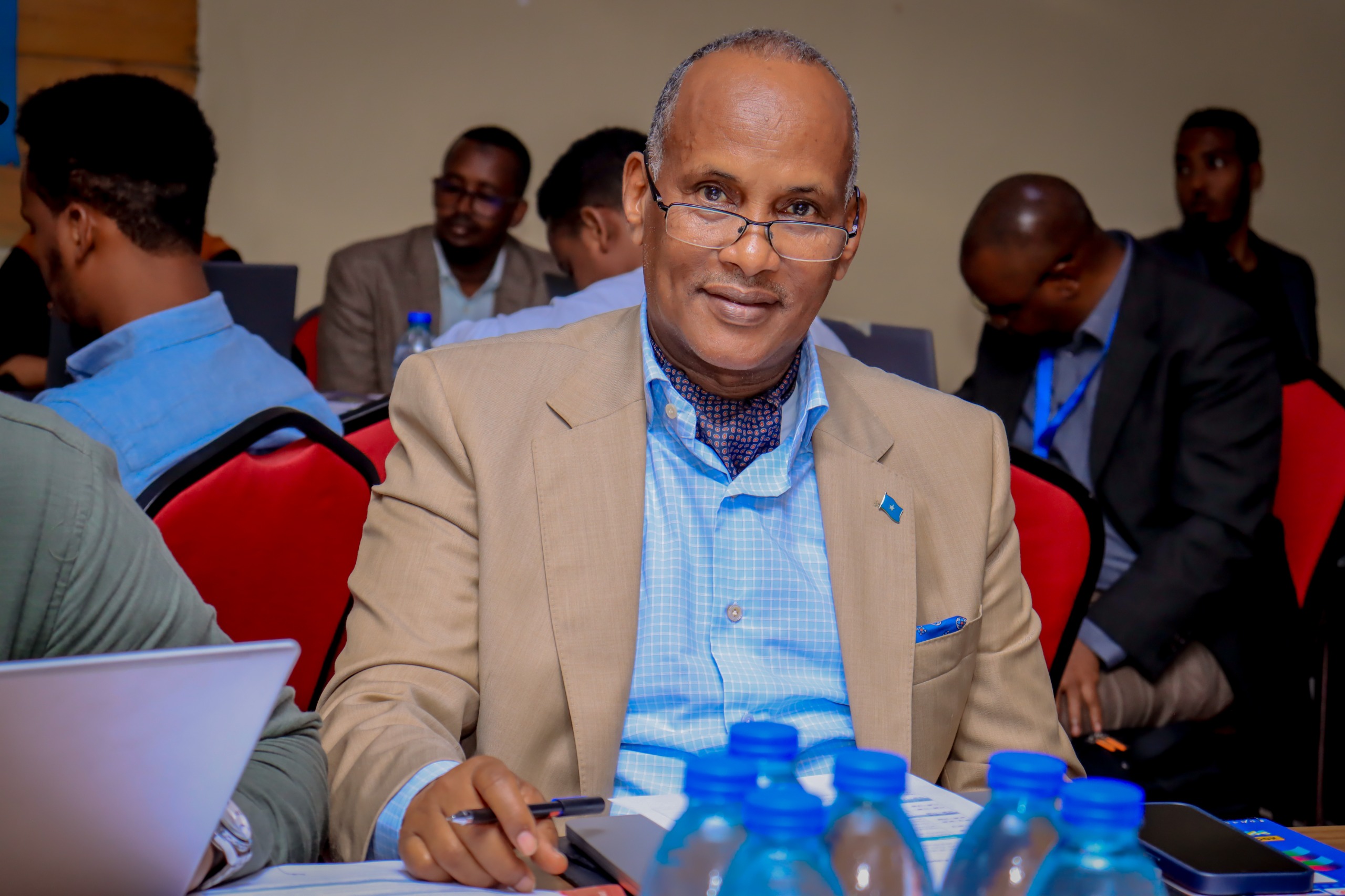
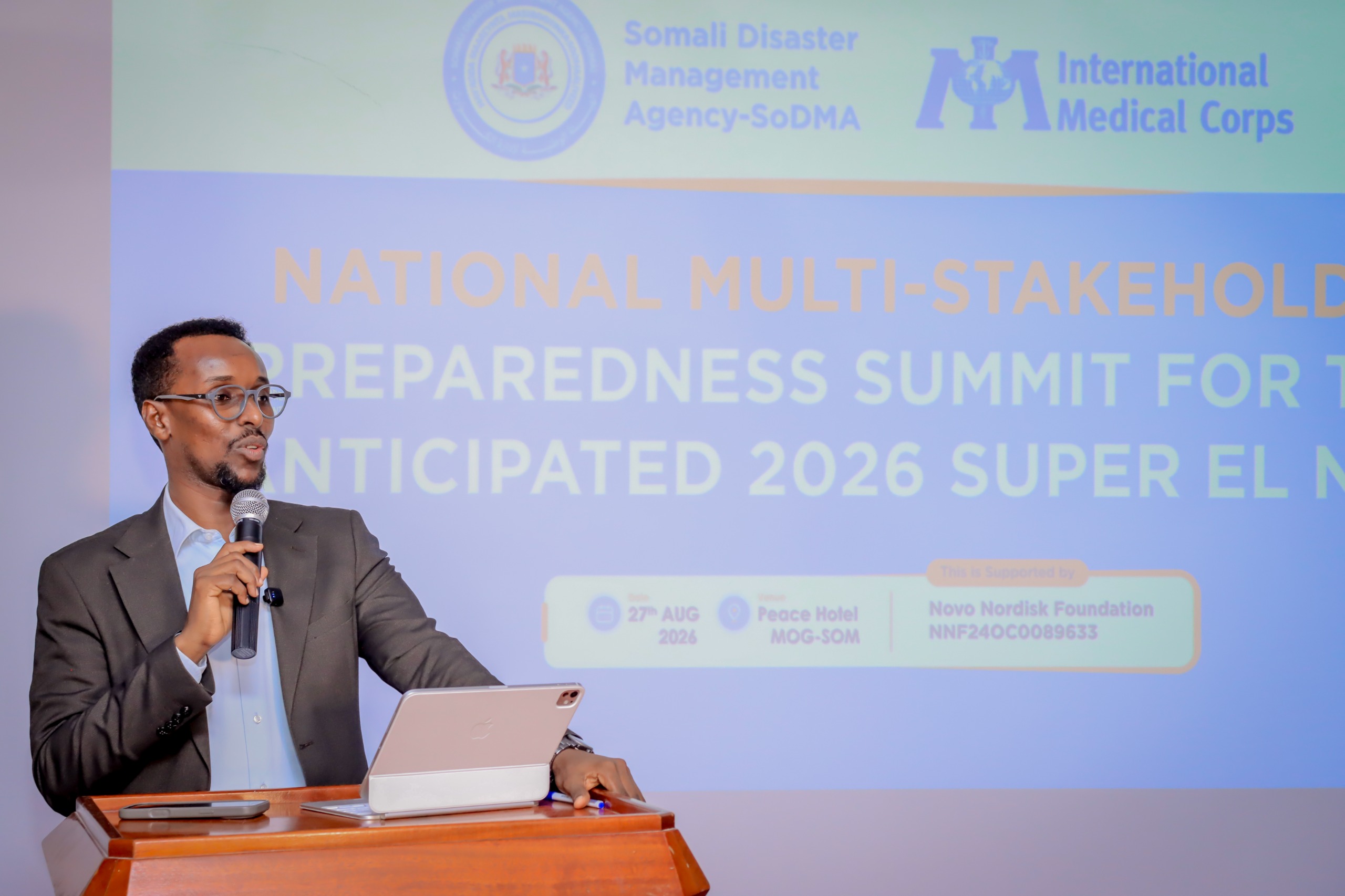
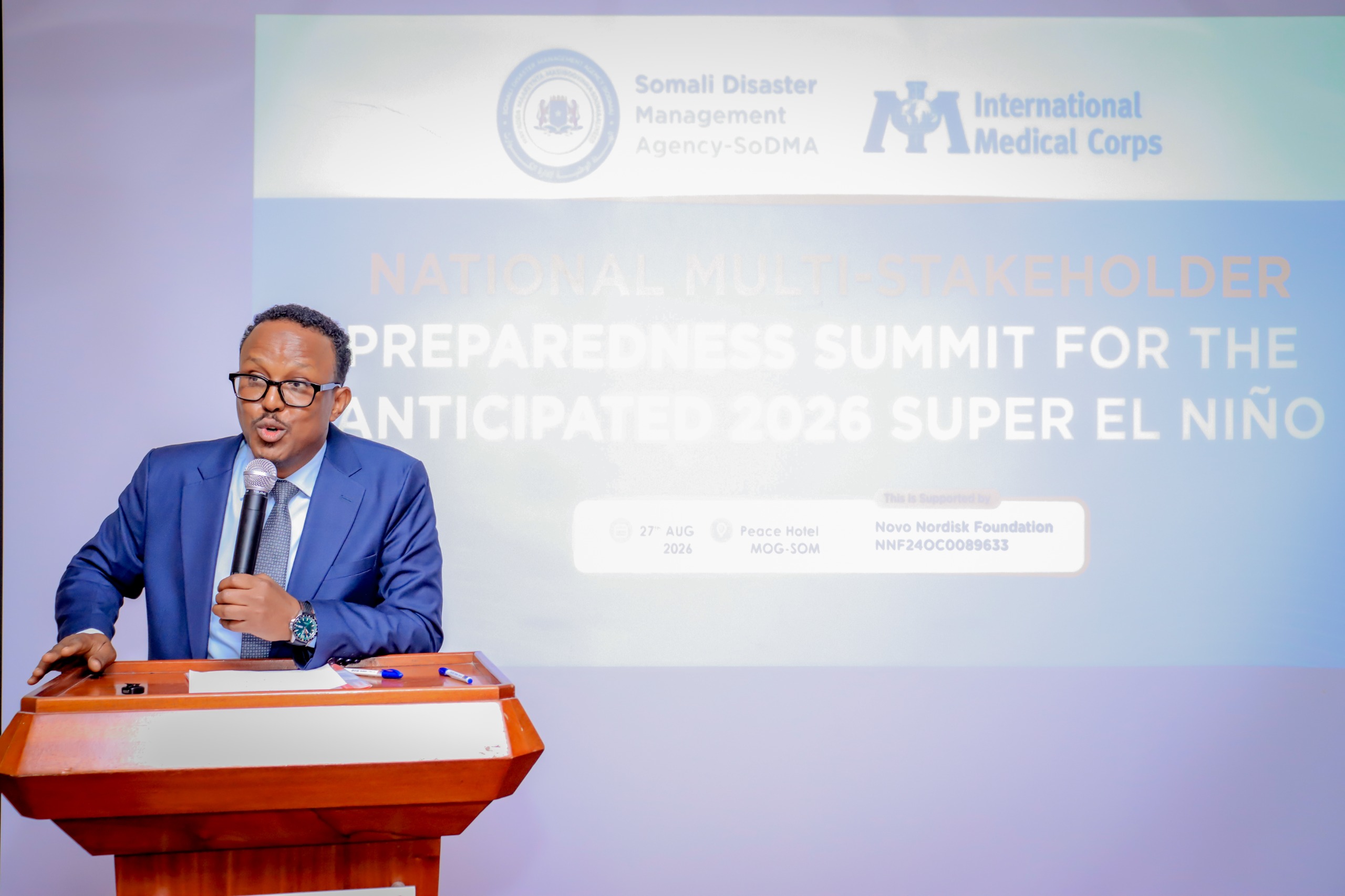
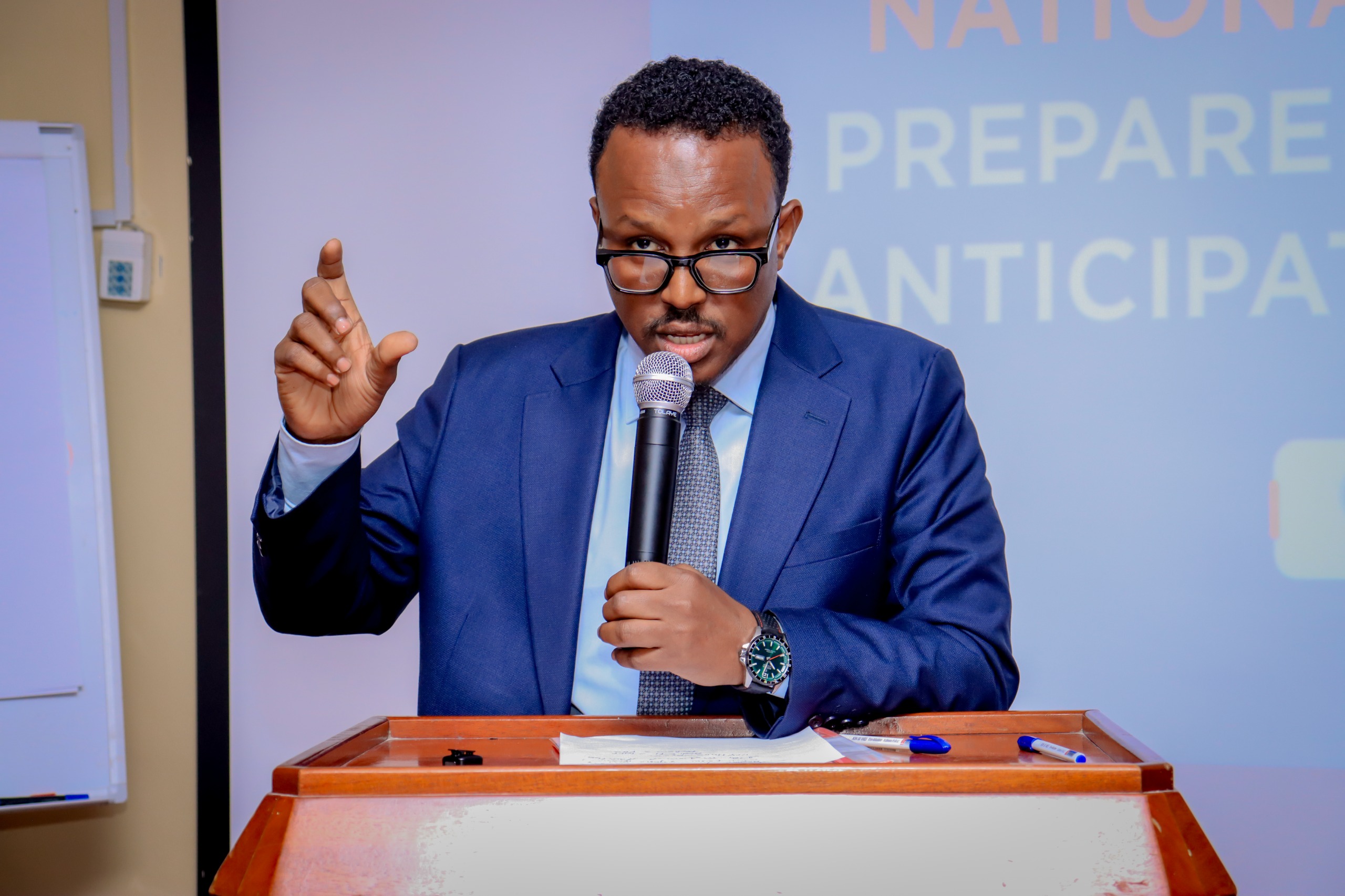
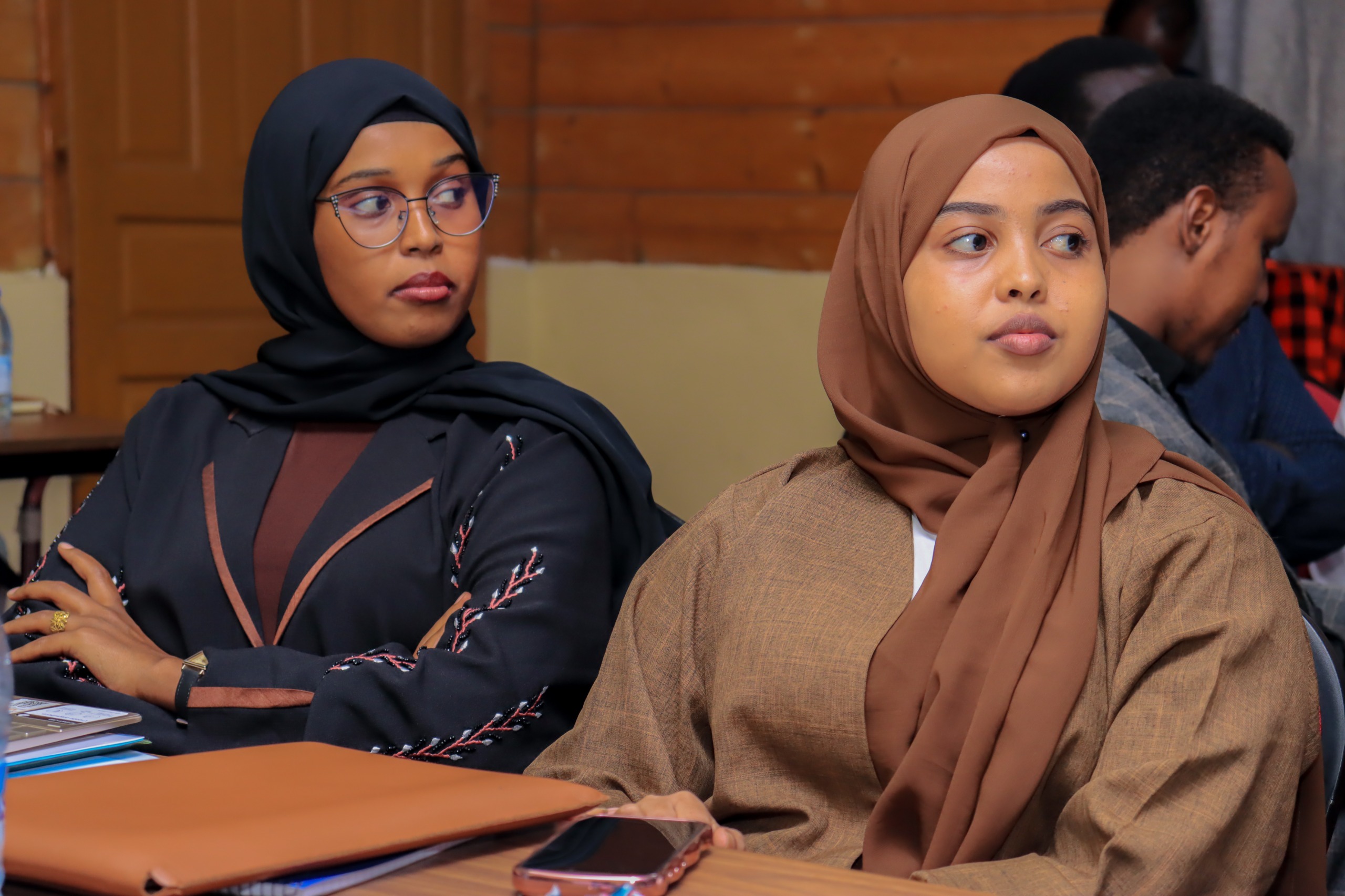
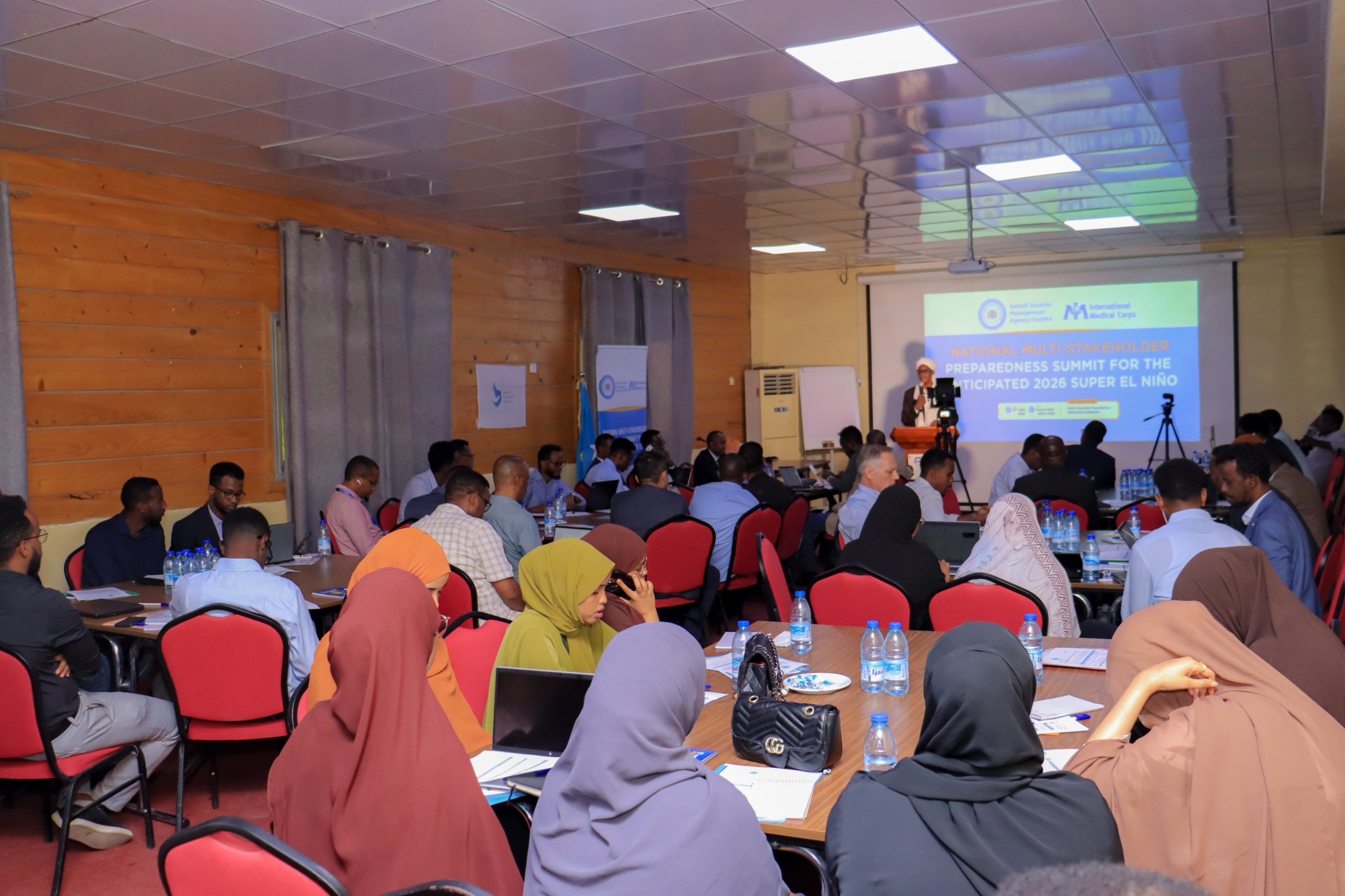
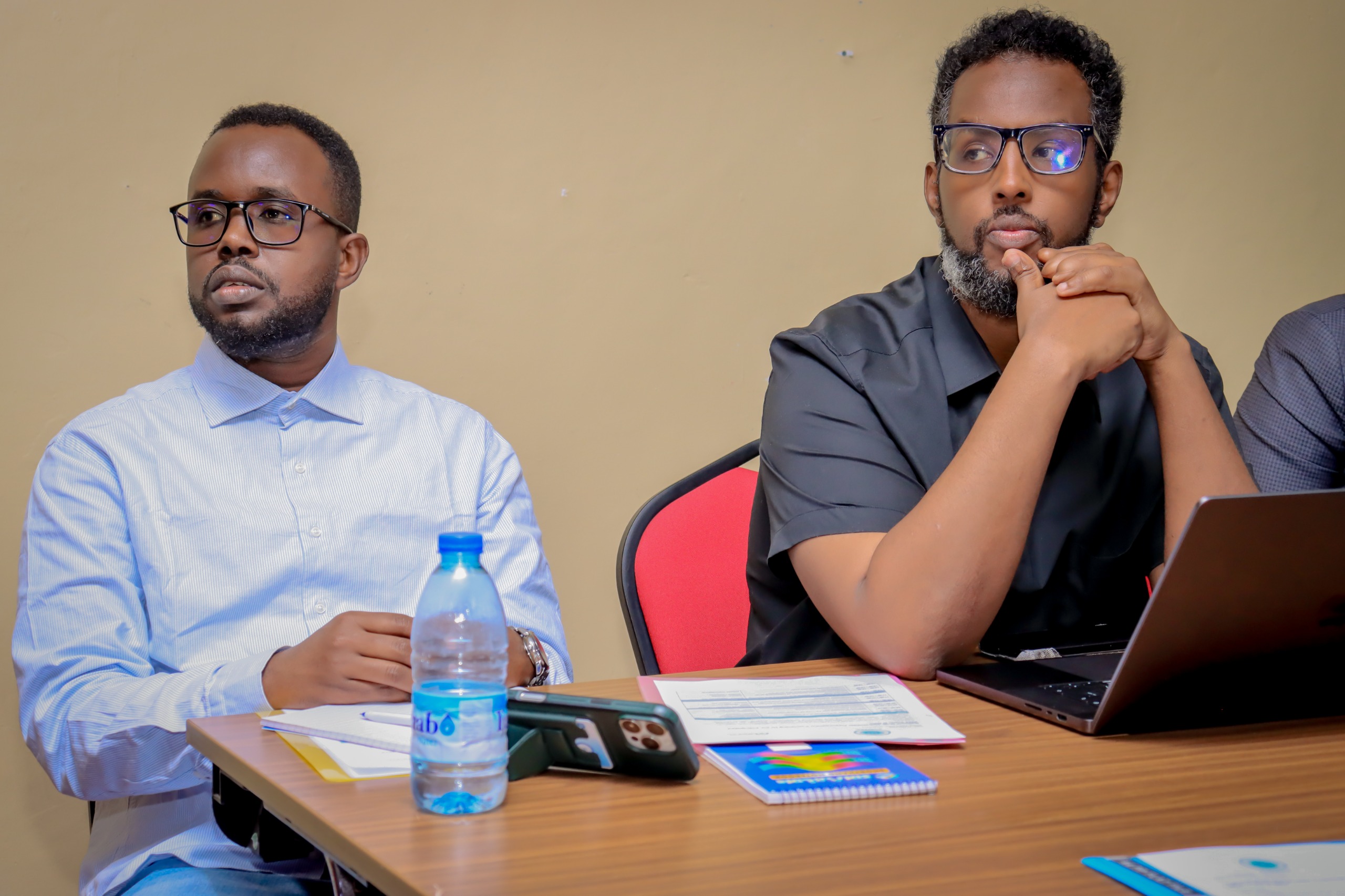
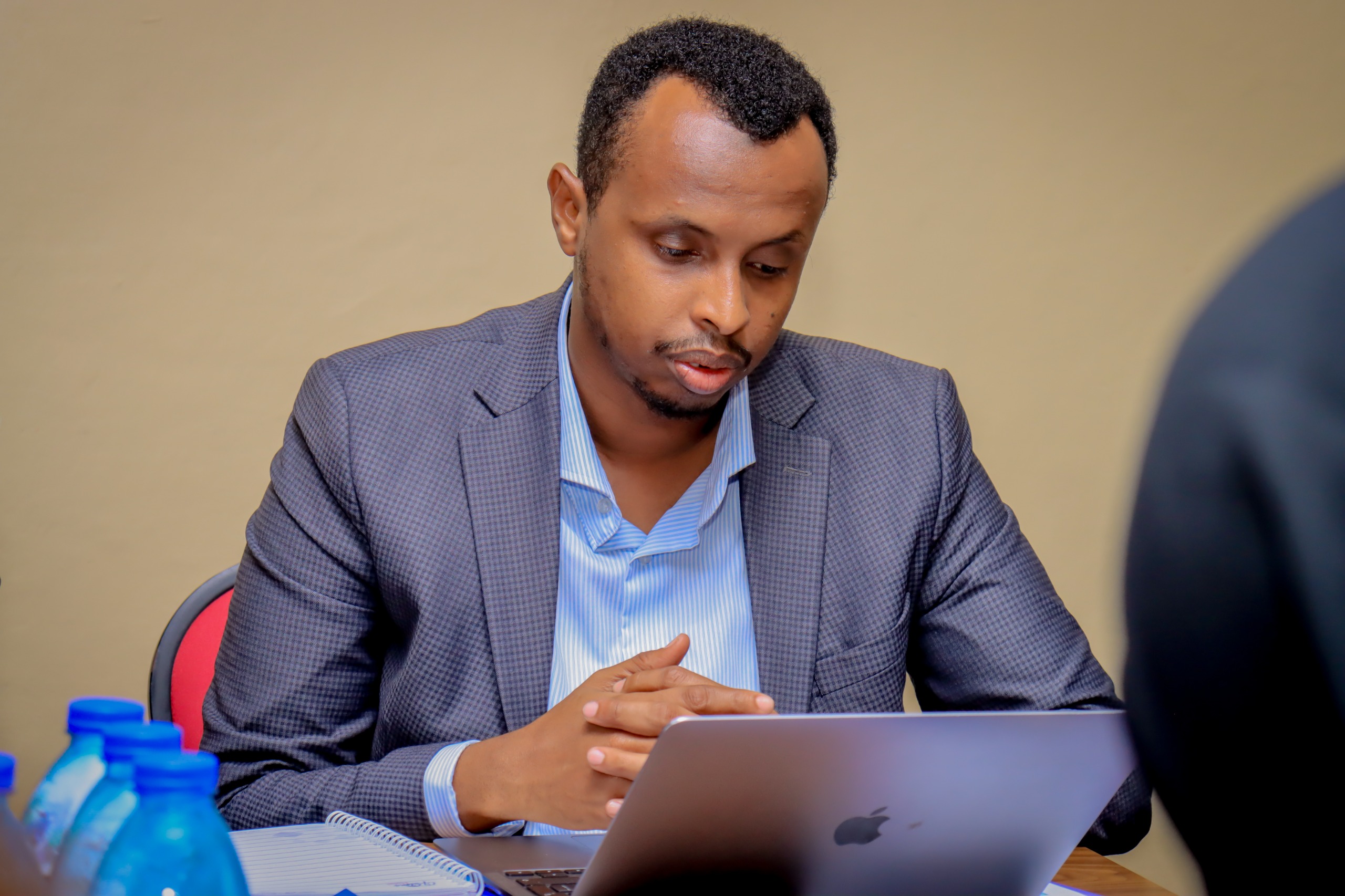
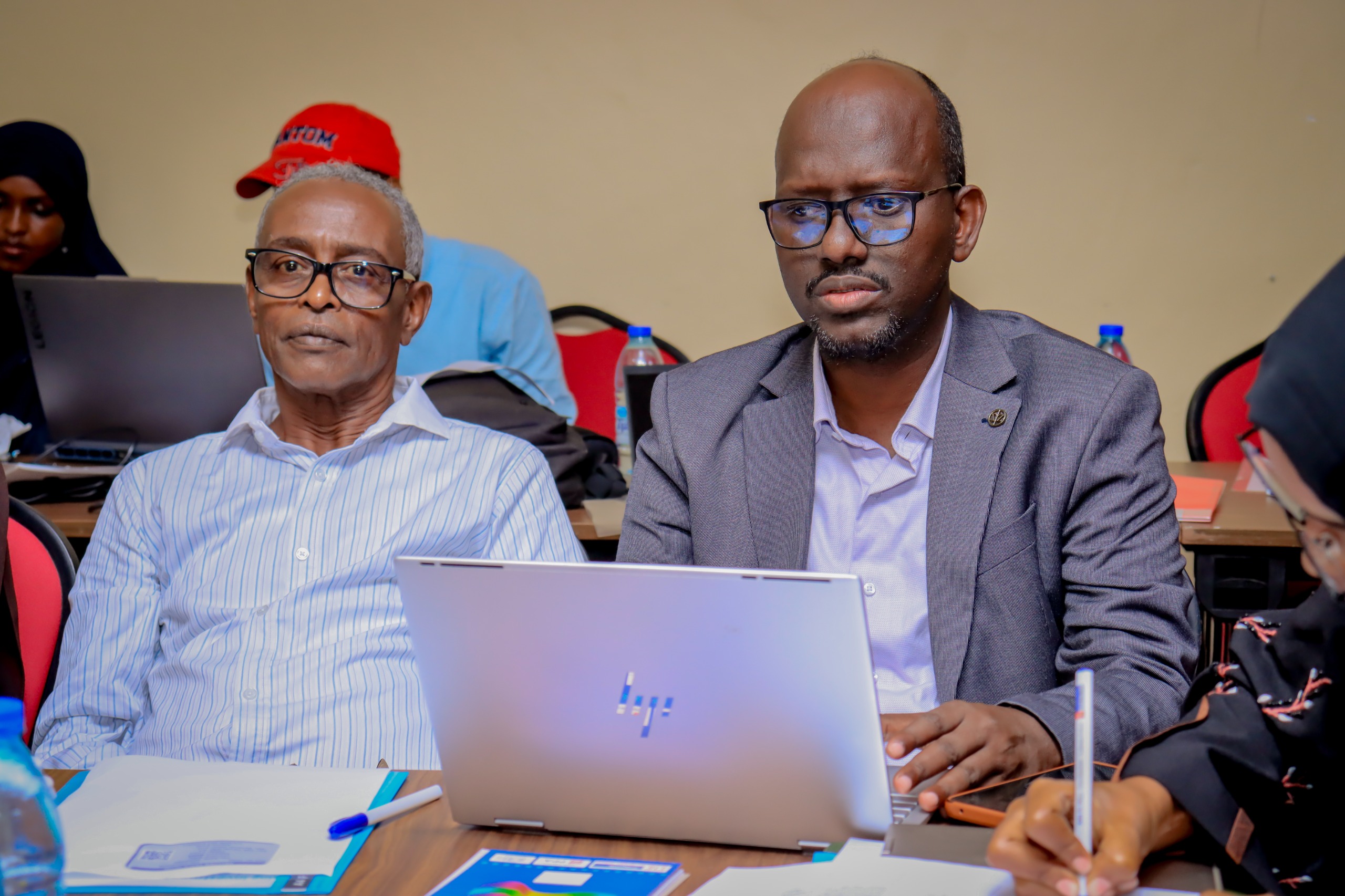
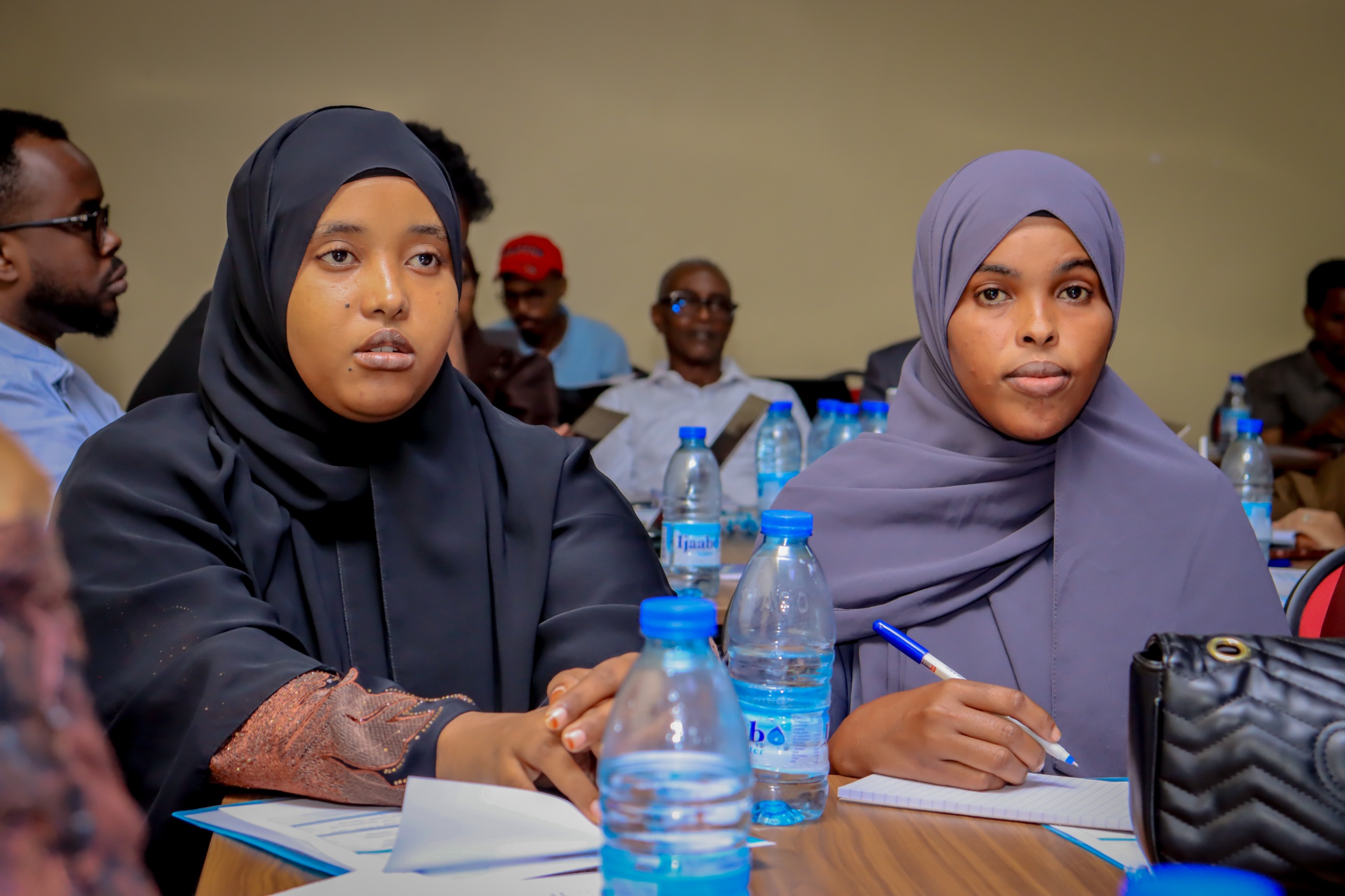
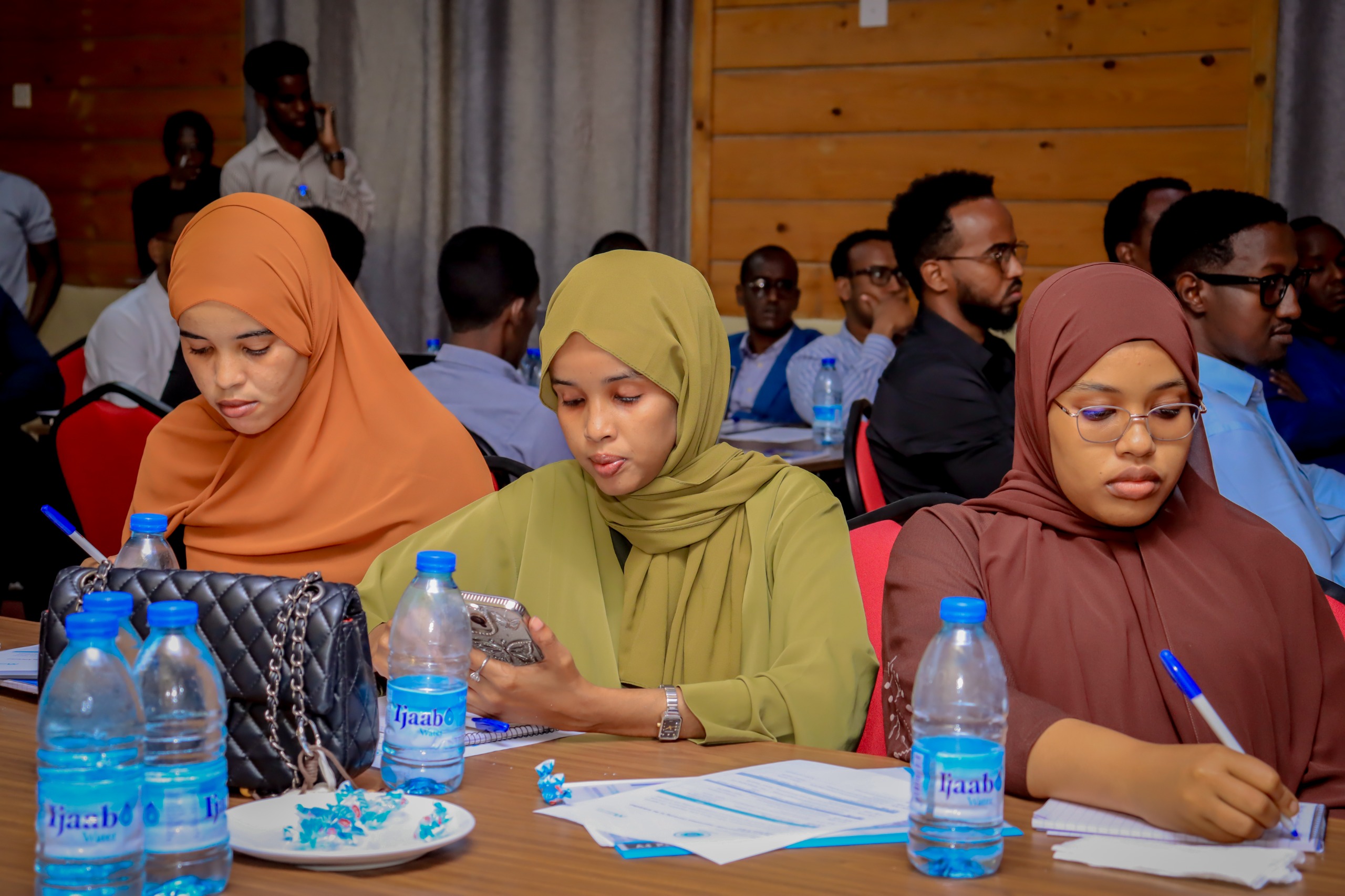
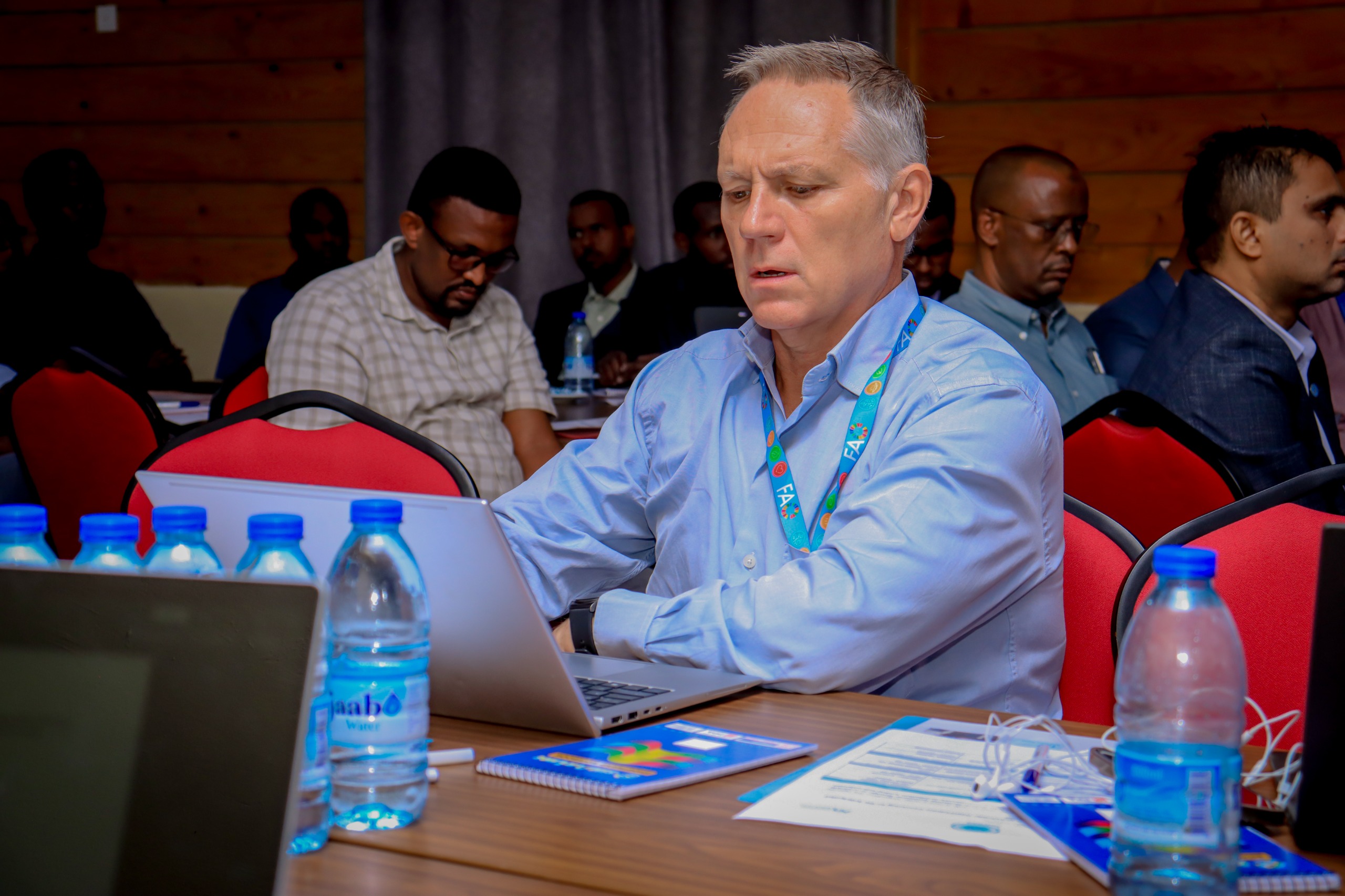
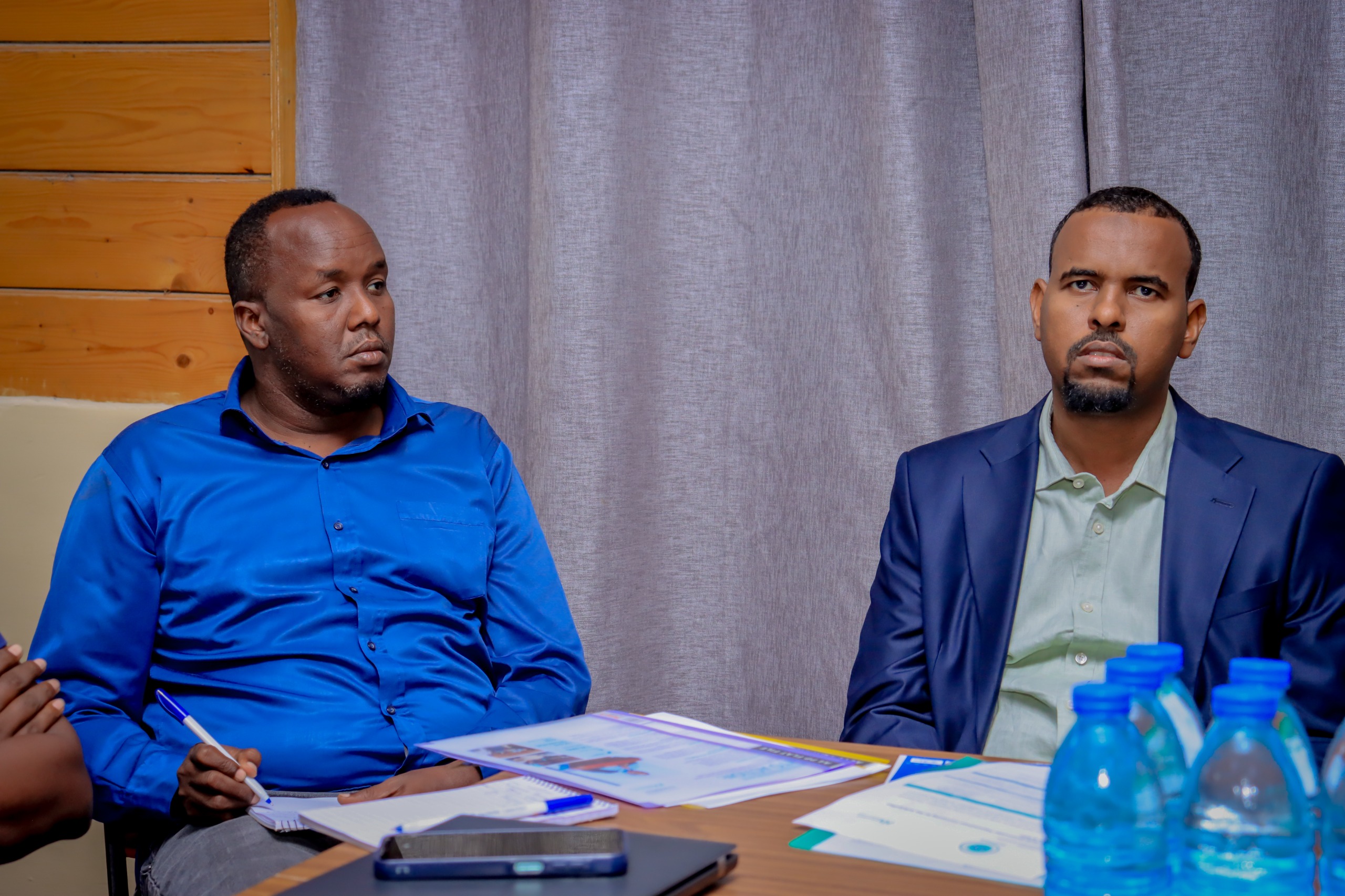
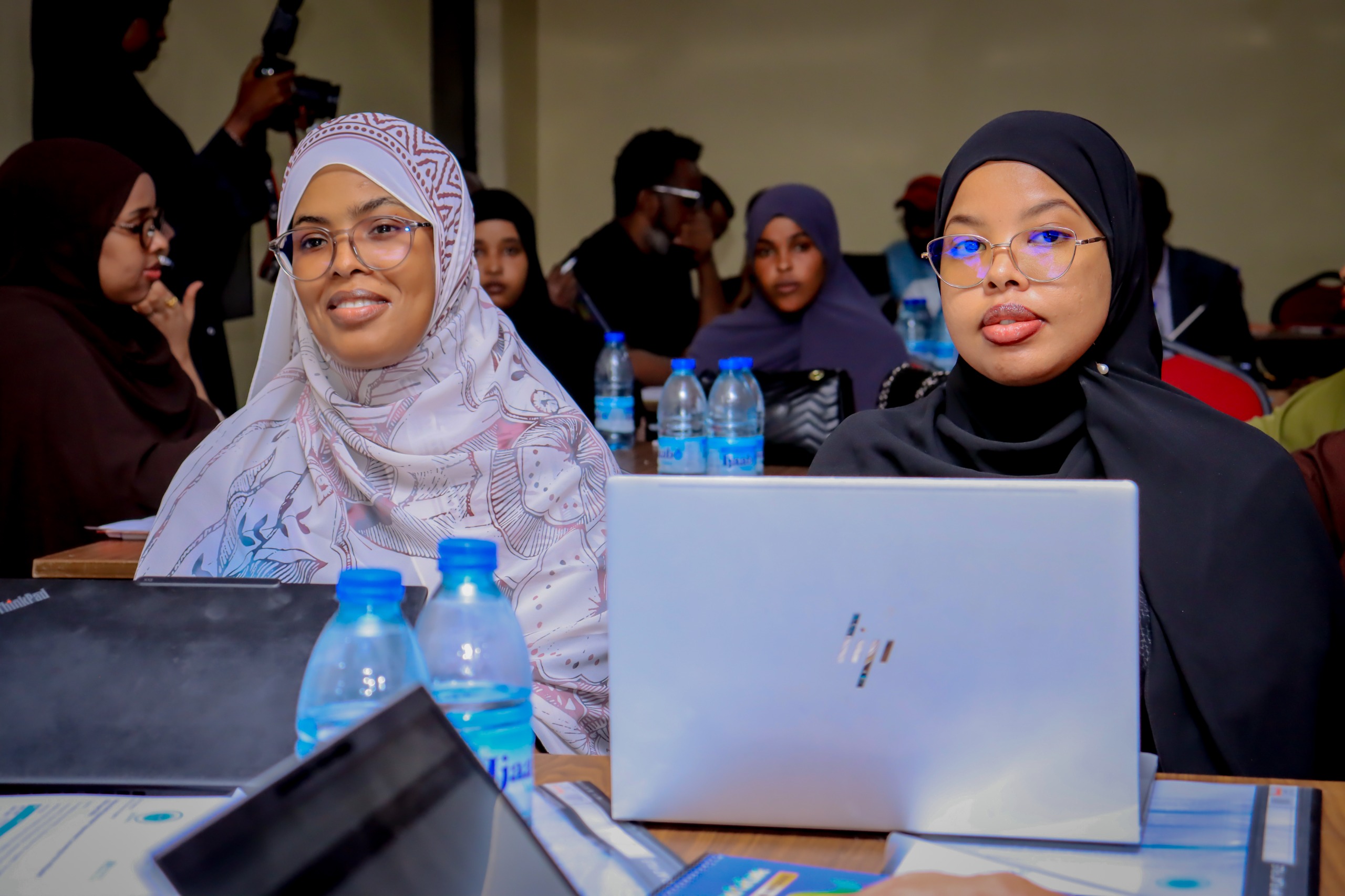
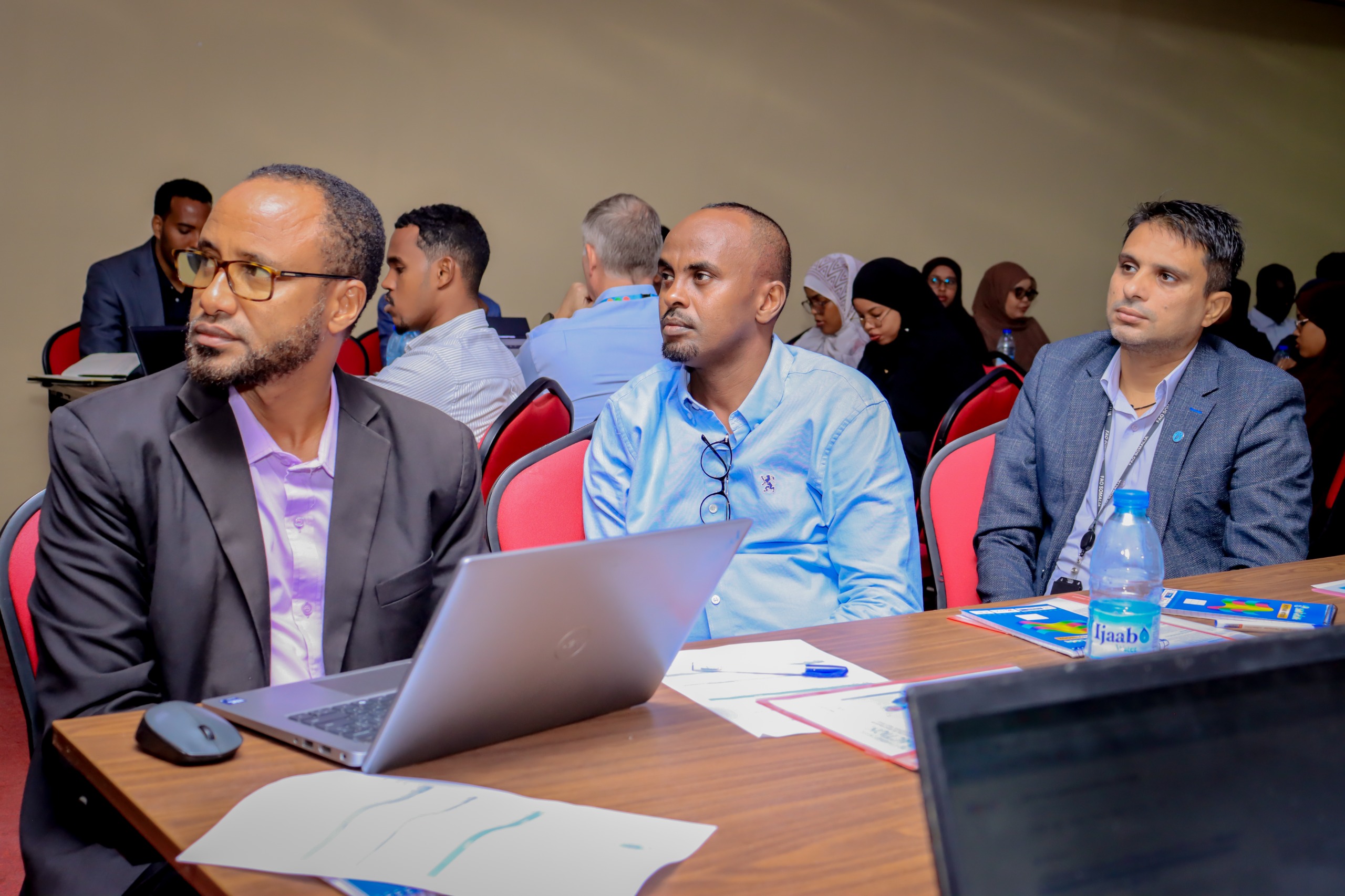
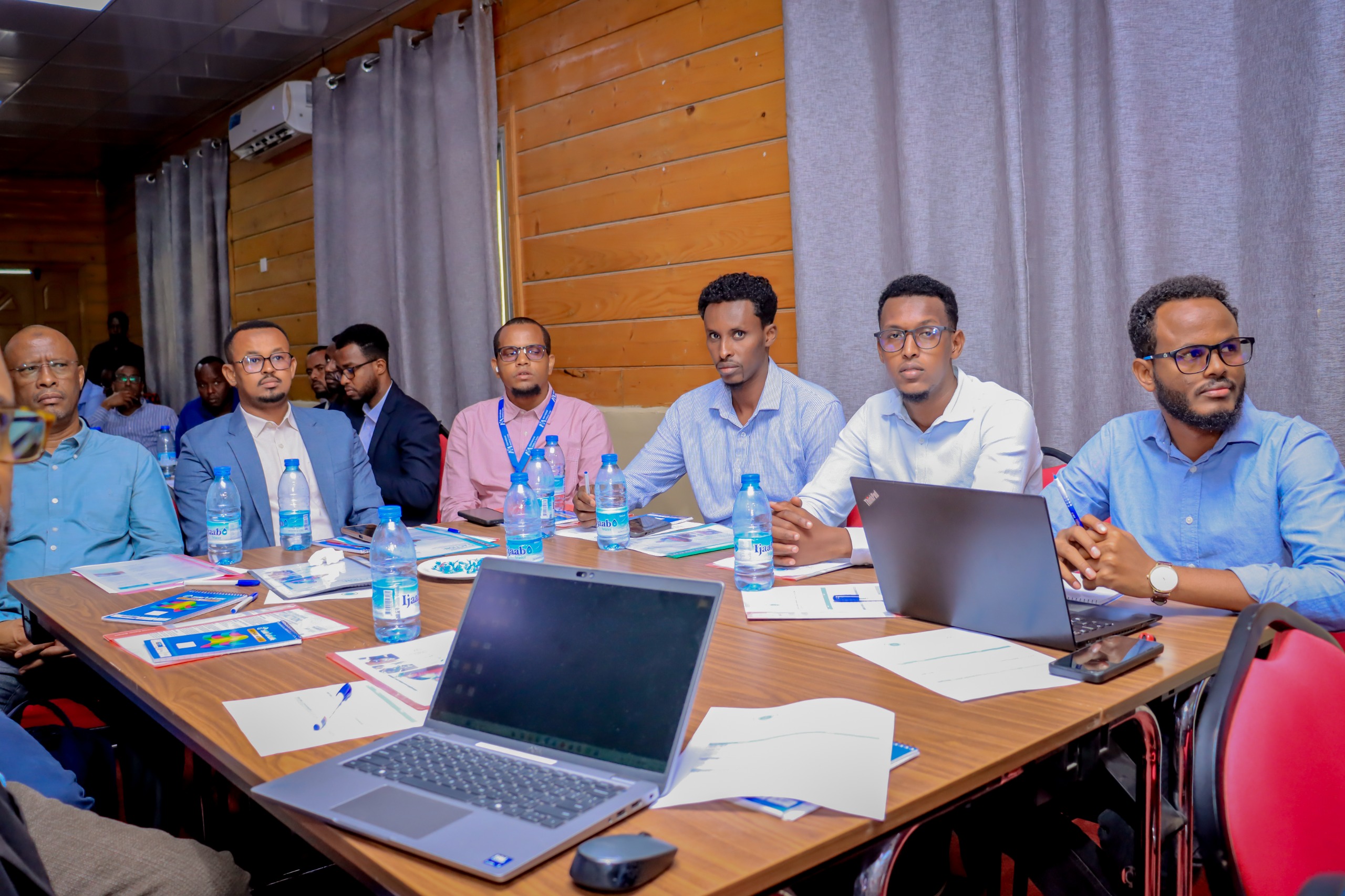
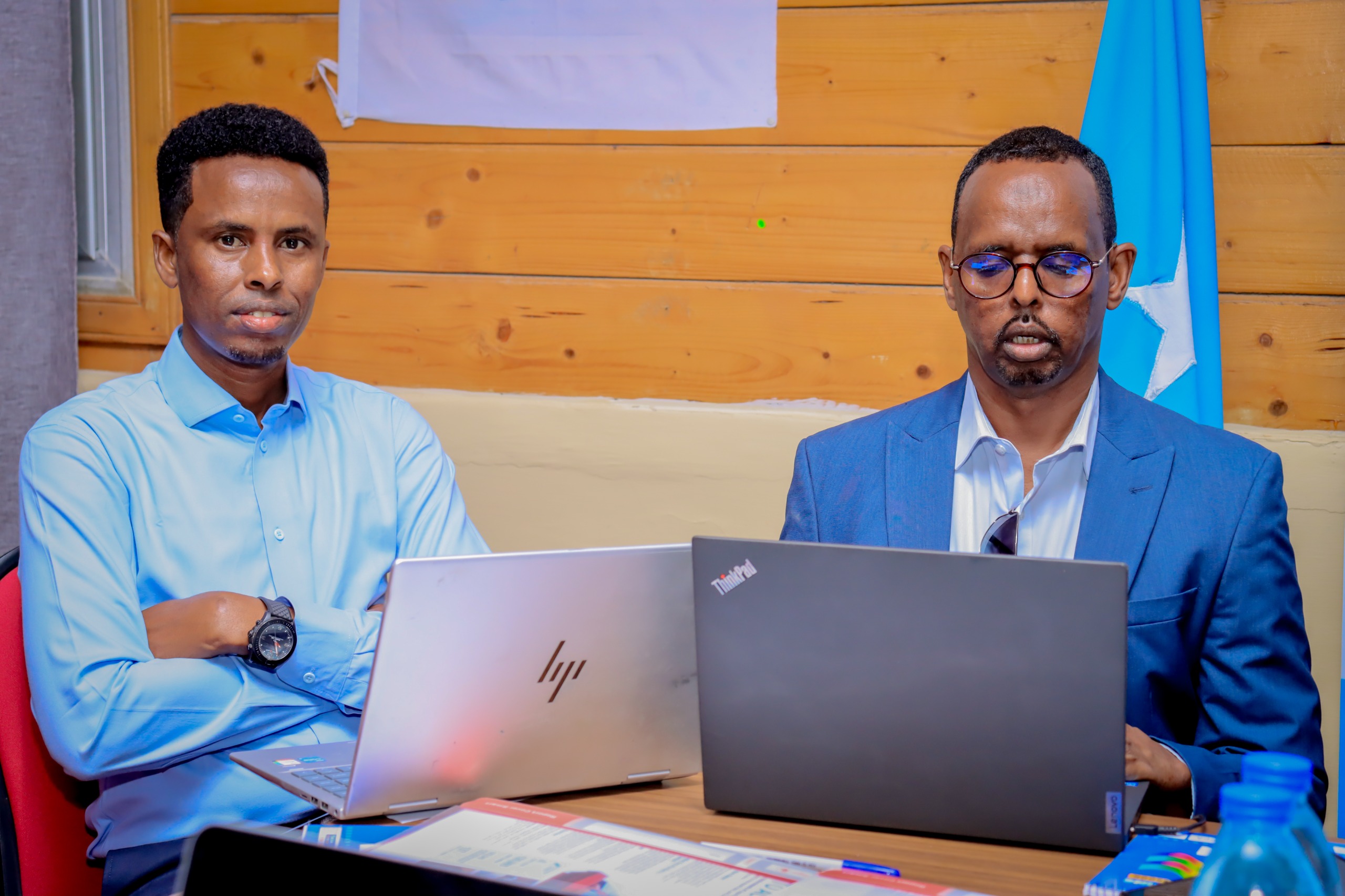
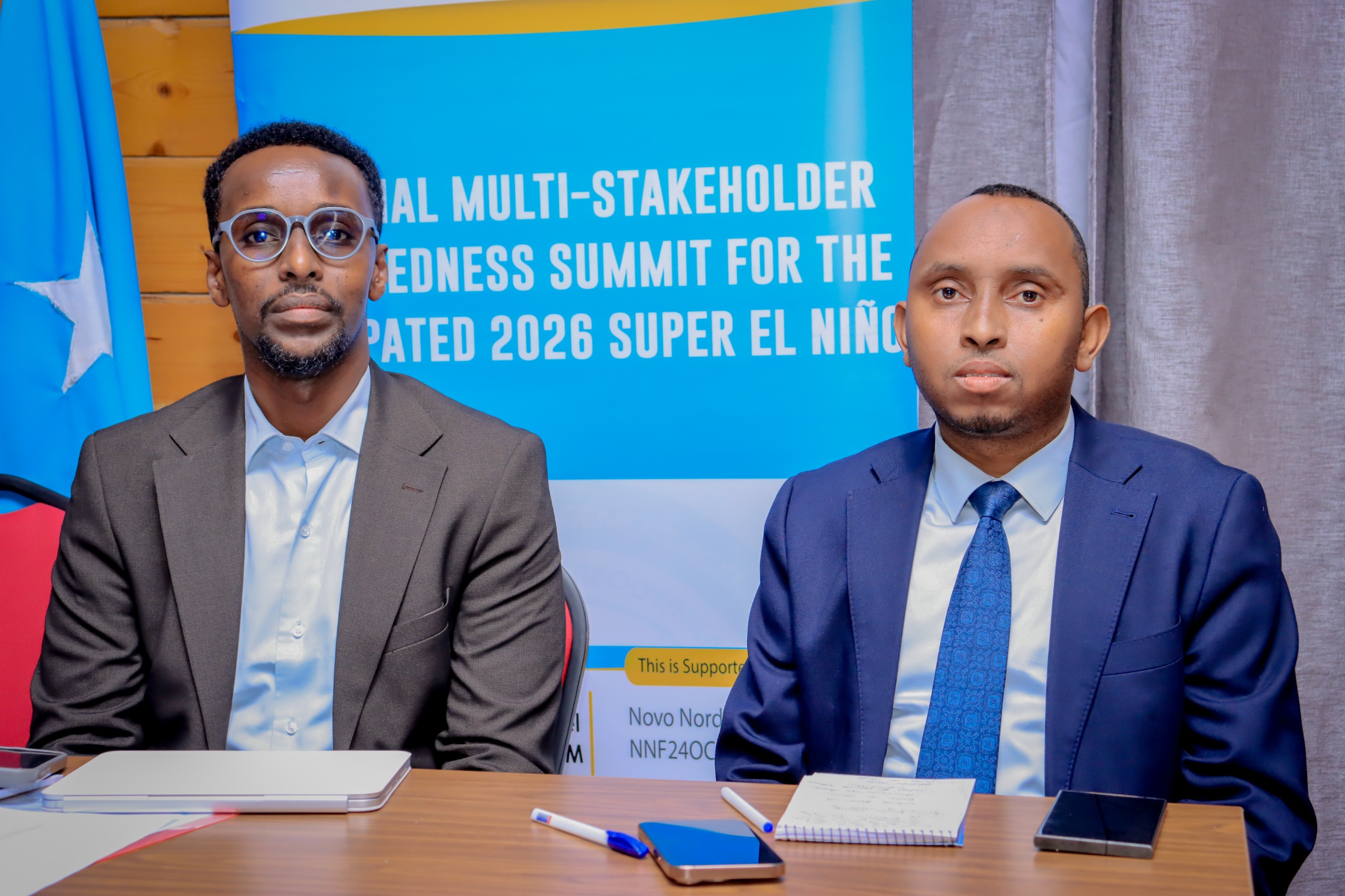
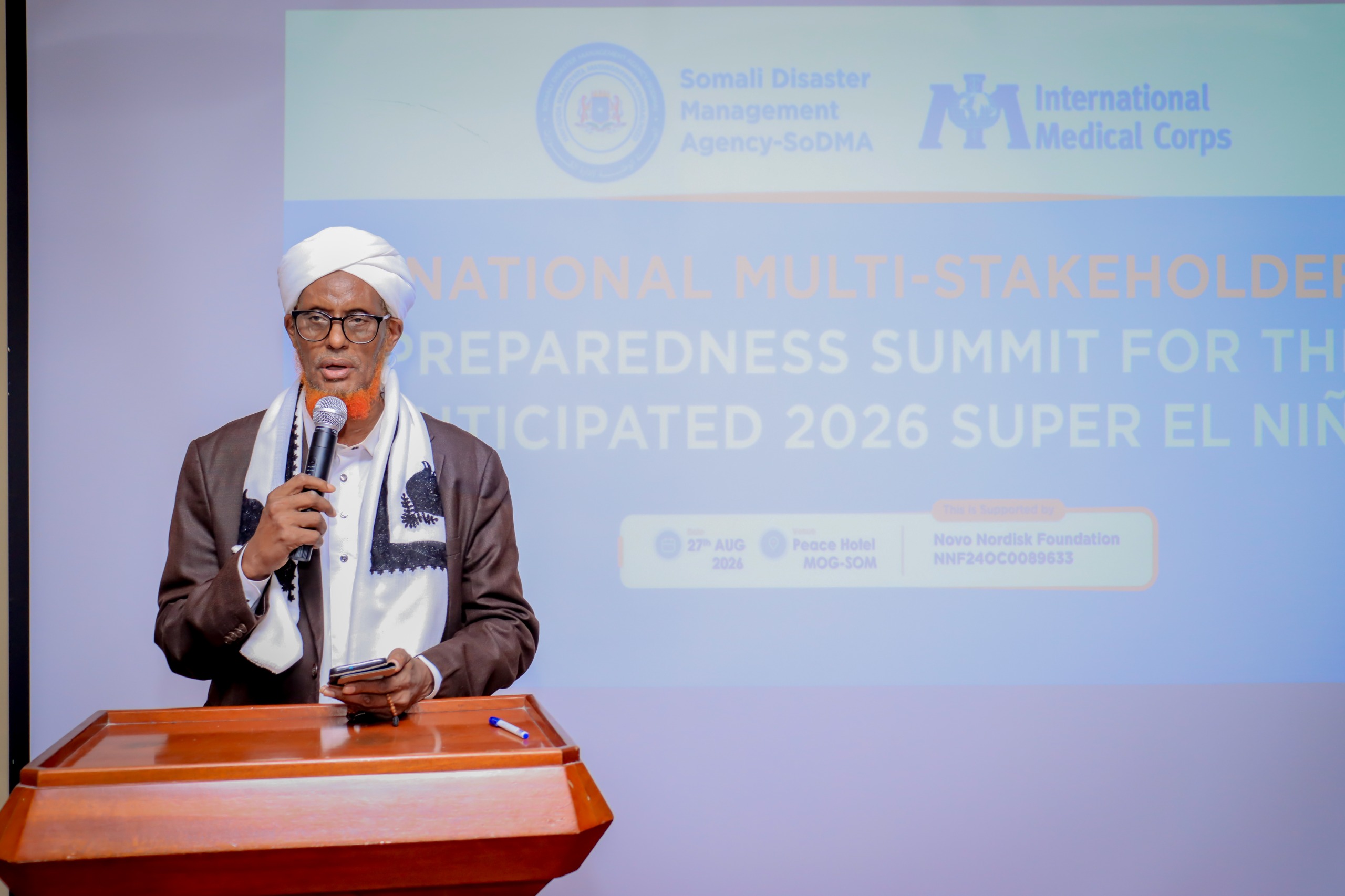
MOGADISHU (SONNA): The Somali Disaster Management Agency has opened a national summit in Mogadishu on preparing for the effects expected from a Super El Niño this year, held with the International Medical Corps and attended by federal and state ministries, the Office of the President, the Chamber of Commerce, religious scholars and international and local organisations.
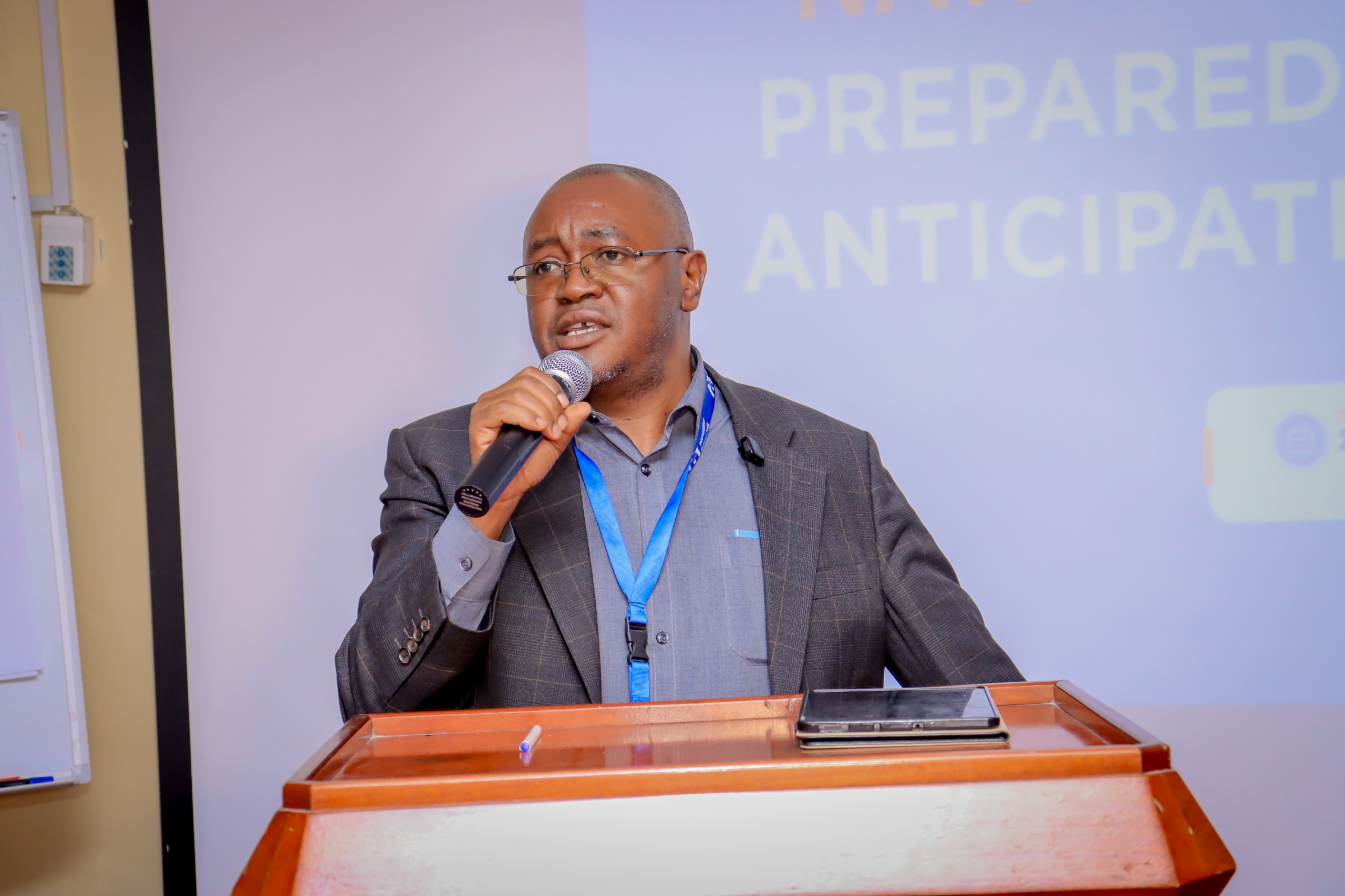
The Agency’s Commissioner, Mahamuud Moallim, opened the meeting and said the humanitarian situation in the country requires urgent coordination and cooperation, so that assistance reaches vulnerable communities in time. Participants were presented with forecasts indicating a high likelihood of a Super El Niño and heavy rainfall, at a moment when many parts of the country are still recovering from the effects of drought.
That sequence is the difficulty. El Niño is the warm phase of a cycle in the Pacific Ocean that shifts rainfall patterns across the world, and in the Horn of Africa a strong event typically brings rain well above normal. Ordinarily rain after drought is relief. Arriving on ground baked hard by successive failed seasons, and on communities that have already sold or lost their livestock, it runs off rather than soaking in, and takes topsoil, shelters and roads with it.
The state of that recovery was set out in Mogadishu this week. The World Food Programme presented figures placing six million people, 31 percent of the population, in acute food insecurity at level three or above on the Integrated Food Security Phase Classification, with 1.9 million children aged between six and 59 months acutely malnourished this year. It said FEWS NET assesses a credible risk of famine in Bay, Bakool, Gedo, Hiiraan and the northern and central pastoral areas by late 2026, and that global acute malnutrition in Buur Hakaba has passed 30 percent.
The trajectory behind those figures runs back two years. The Gu rains of 2025 failed. The Deyr that followed was among the driest on record and brought widespread loss of livestock. The Jilaal dry season of 2026 was entered with assets already depleted, and this year’s Gu brought only average rains after consecutive poor seasons. The country now sits in a harsh Hagaa dry season, rebuilding on an incomplete recovery, with the Deyr ahead of it.
Somalia has been through this before within recent memory. The El Niño floods of late 2023 displaced more than a million people and killed over a hundred, arriving directly after the longest drought in the country’s recorded history. Riverine communities along the Shabelle and the Juba bore most of it, and Beledweyne was largely submerged.
The composition of the summit reflects what preparedness requires. Federal ministries and the state ministries responsible for disaster management were present alongside the Office of the President, which places the coordination question at the centre of government. The Chamber of Commerce was represented, since private transport and storage carry much of what moves in an emergency. Religious scholars attended, and the Commissioner met the Supreme Council of Somali Religious Scholars separately to ask them to carry regular messages to communities on vigilance and readiness, a channel that reaches households no bulletin does.
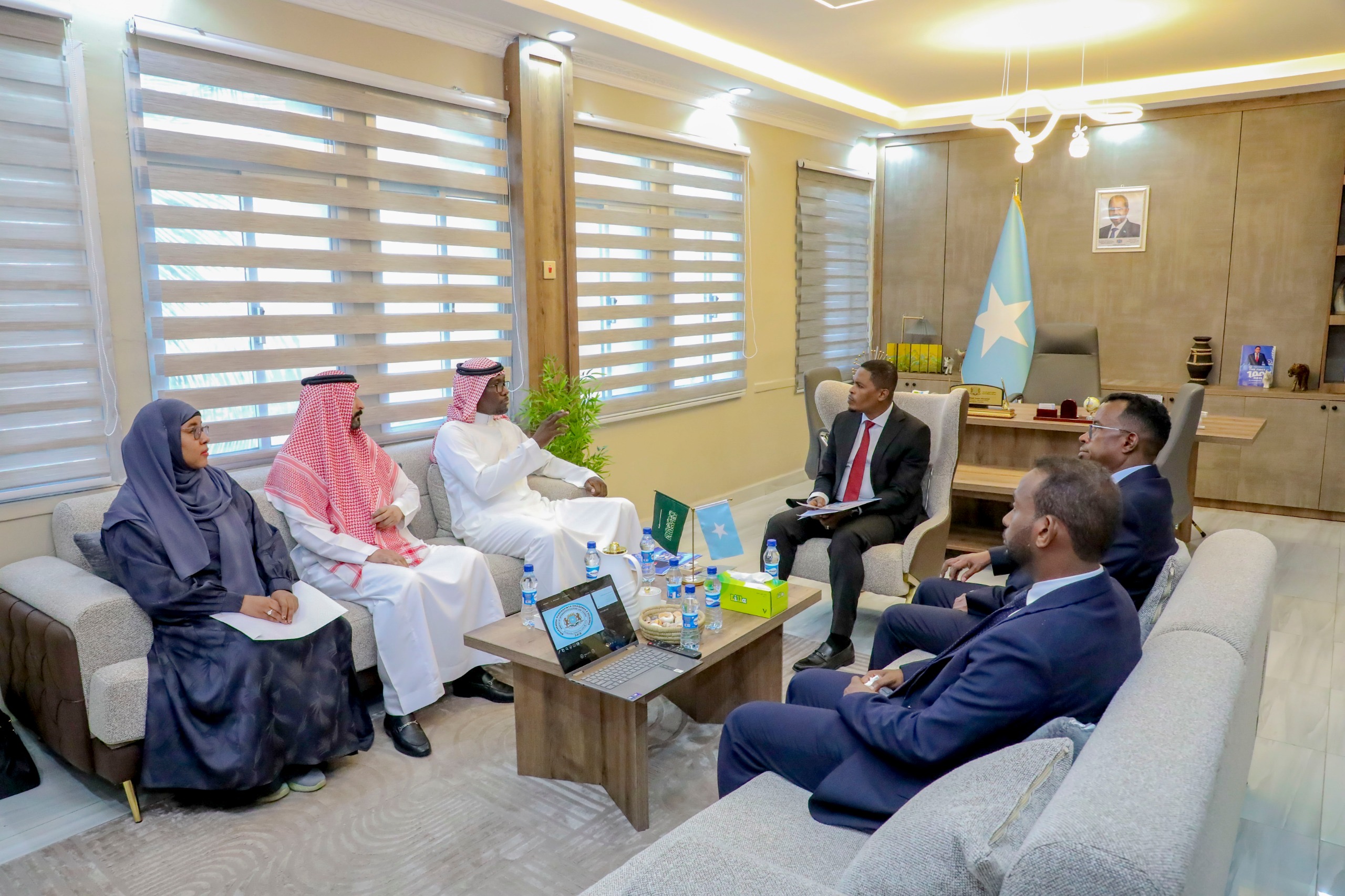
The Agency has been building those relationships for some time. It has worked with the Chinese embassy on strengthening climate emergency response, and the Commissioner received the Secretary-General of the Norwegian Refugee Council, Jan Egeland, at the Agency’s headquarters this week for talks that covered drought, flooding and the risk of a Super El Niño.
What the summit has produced so far is a shared assessment rather than a plan with resources attached. No figure has been published for what preparedness will cost, and the humanitarian funding available to Somalia was listed by the World Food Programme among the drivers of the current crisis, on the grounds that it is shrinking. Preparing for a flood while an unfunded hunger emergency is still running is the position the country is in, and the summit was convened to face it rather than to resolve it.