Local News
Somalia chairs first meeting of Horn of Africa trade ministers
Commerce and Industry Minister Gamal Mohamed Hassan opened the meeting in Addis Ababa, calling for a shared economic space and for the region to move from political commitments to measures traders can see.
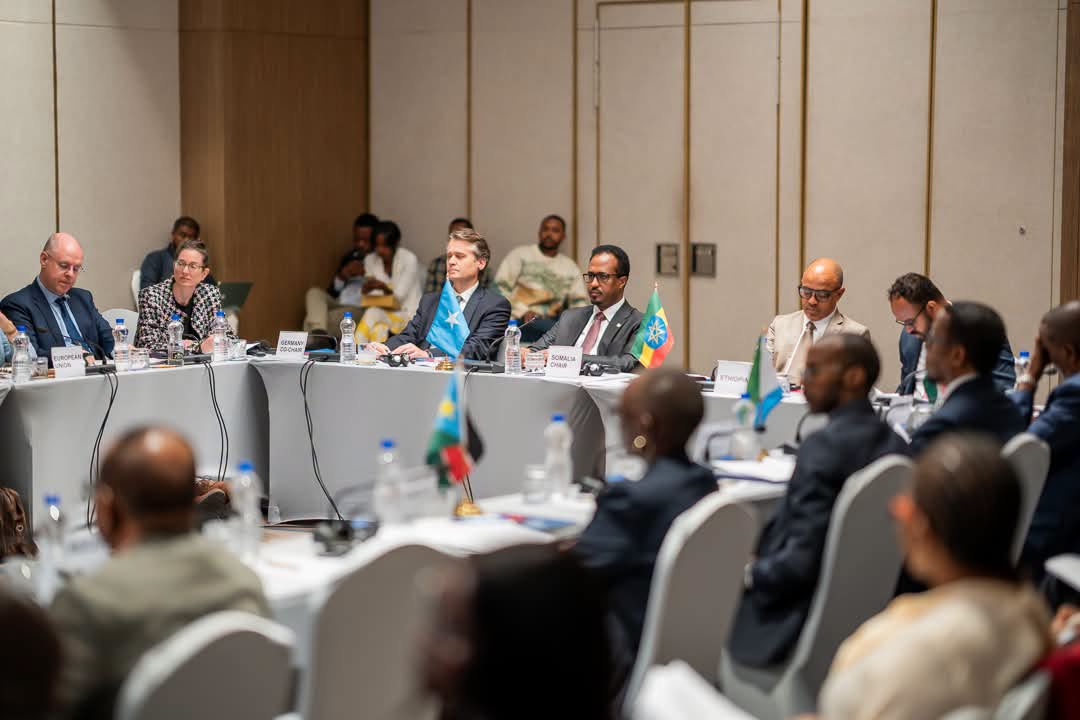
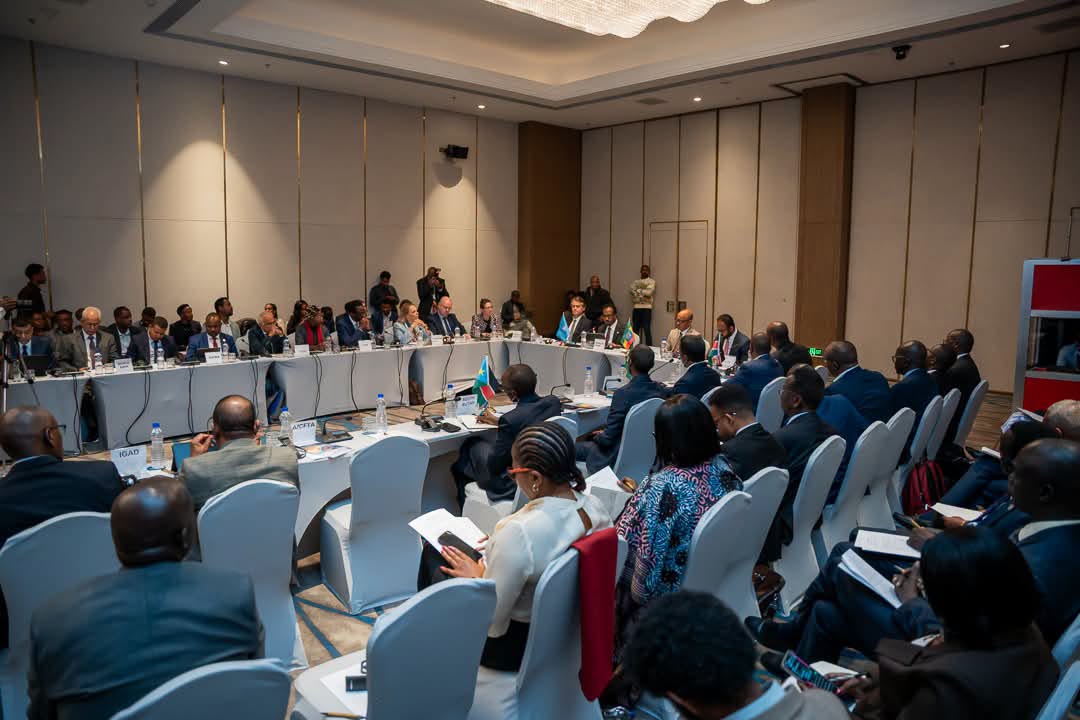
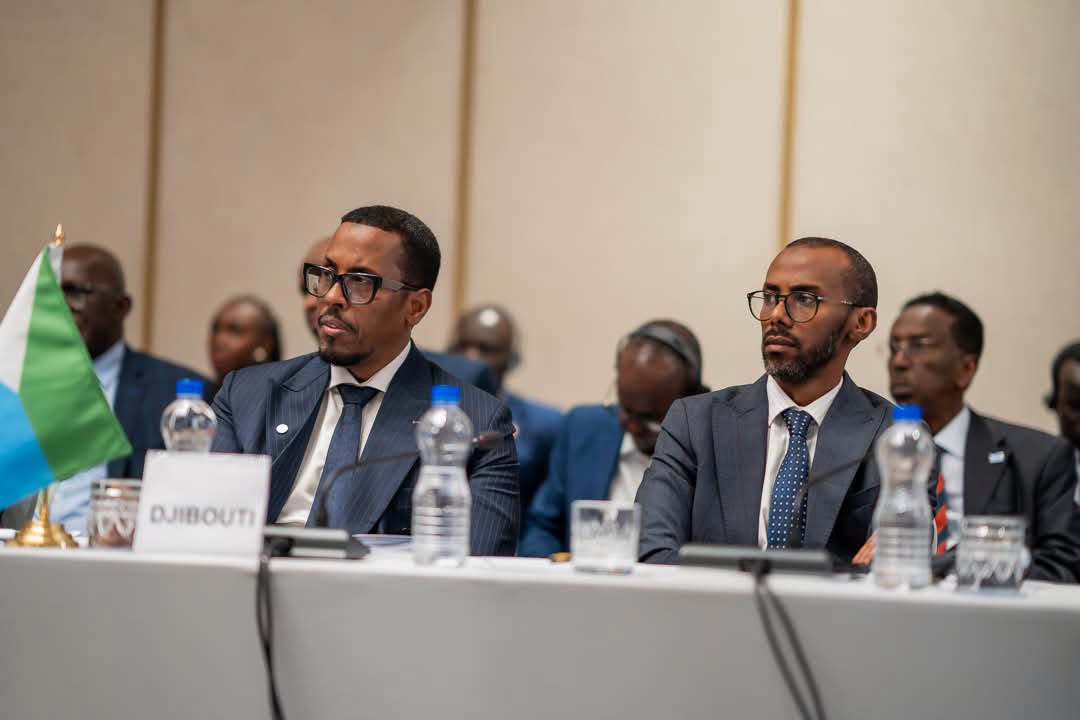
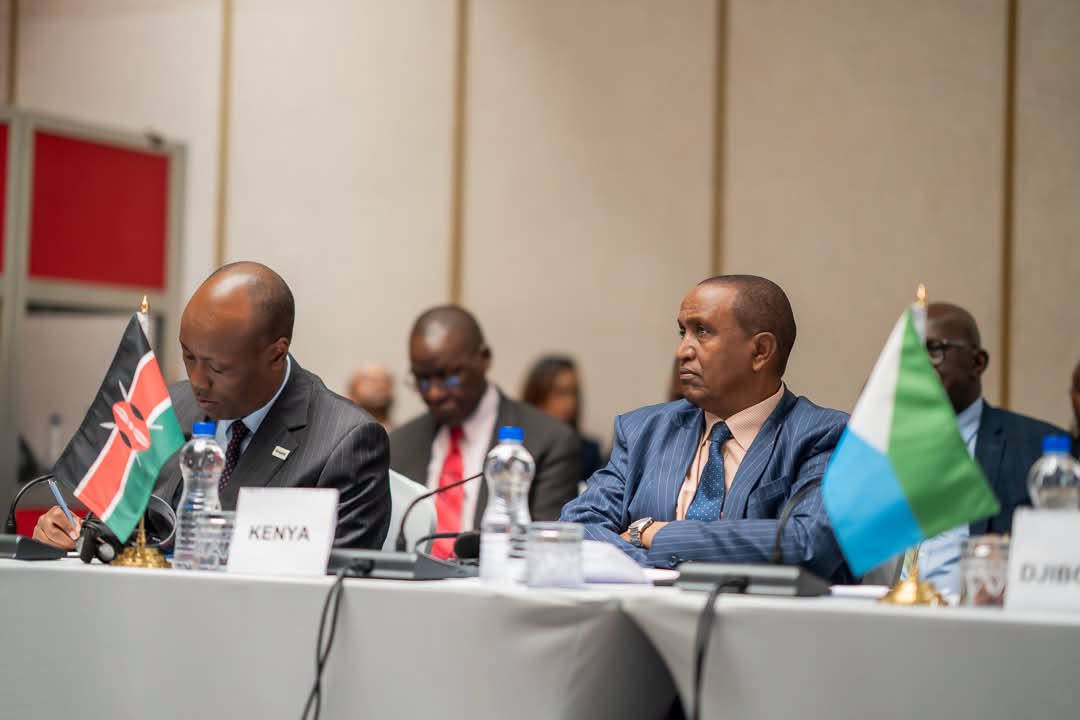
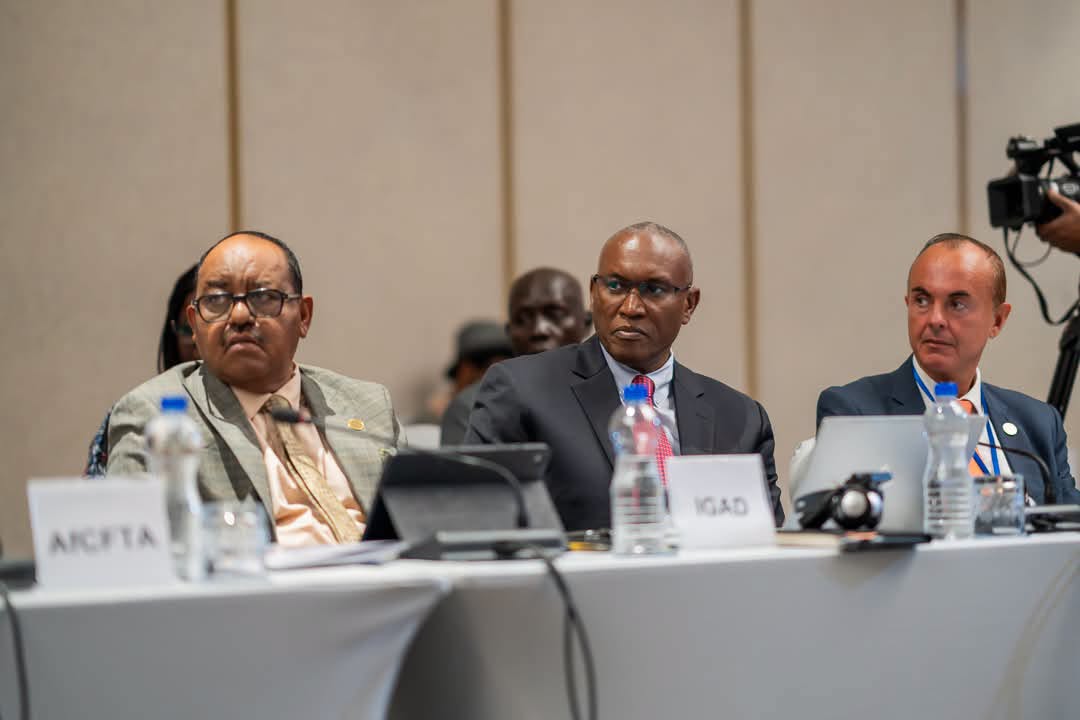
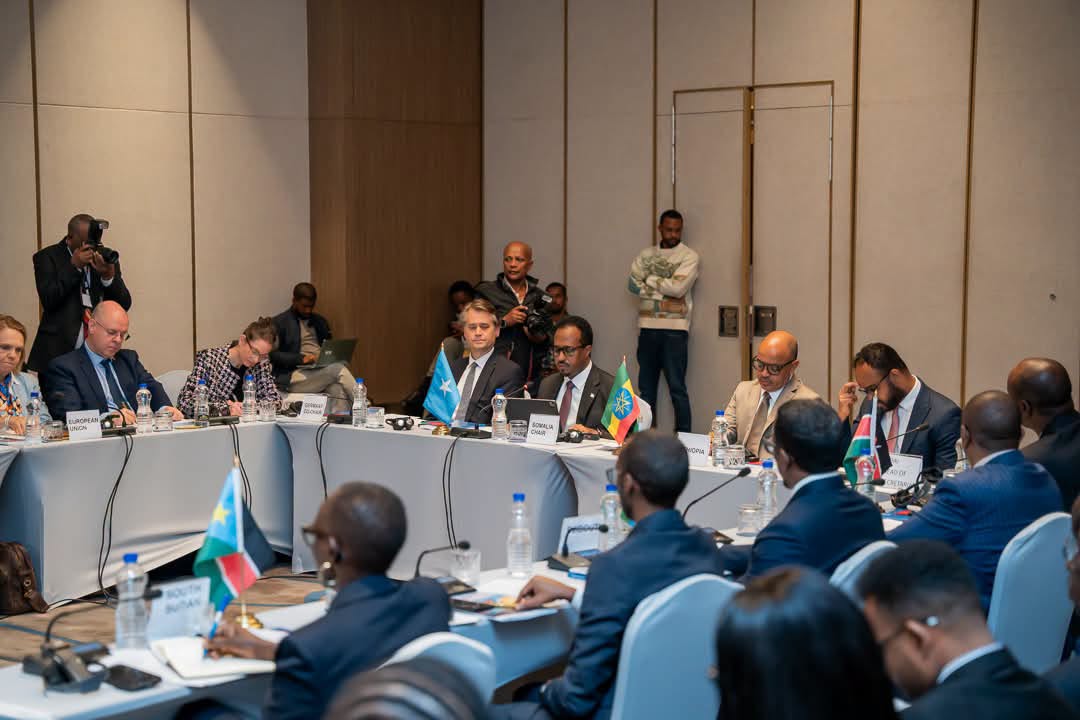
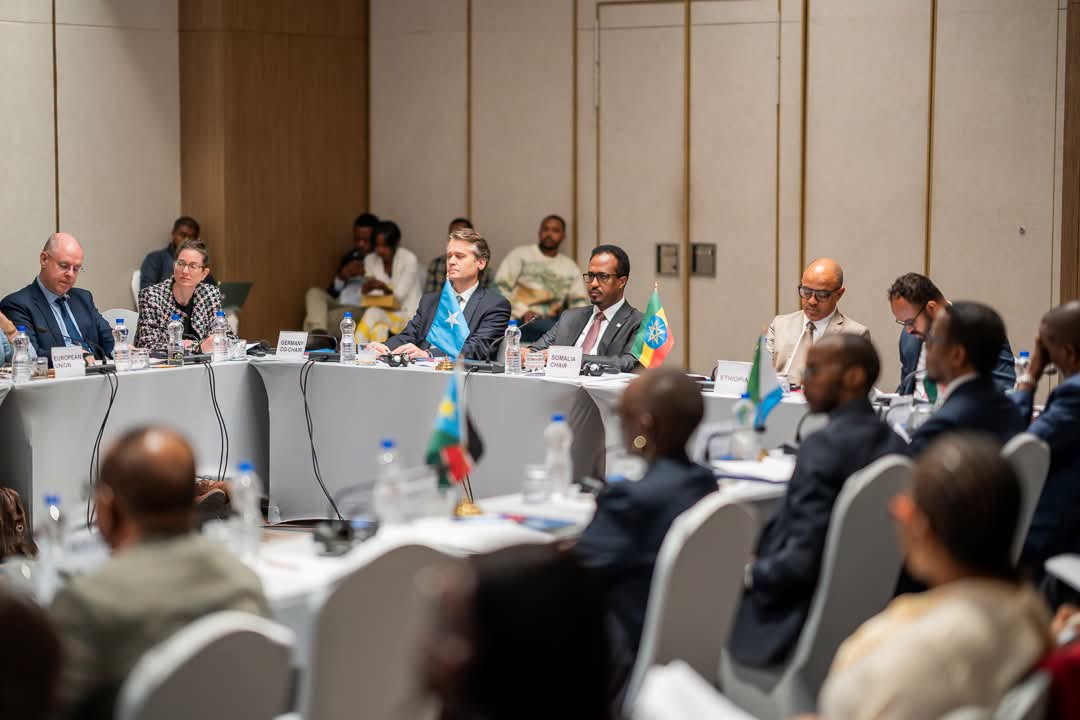
ADDIS ABABA (SONNA): Somalia has chaired the first meeting of trade ministers of the Horn of Africa Initiative, held in Addis Ababa, with ministers from Ethiopia, Djibouti, Kenya, South Sudan and Sudan attending.
The Minister of Commerce and Industry, Ambassador Gamal Mohamed Hassan, opened the meeting speaking on behalf of the member countries. He called for the region to move together towards a single shared economic space, and to pass from political commitments to measures with results that traders and the public can see.
He urged the approval and implementation of the Regional Trade Facilitation Action Plan for 2026 to 2031, the establishment of a Regional Trade Facilitation Committee, and the nomination by member states of their representatives to that committee within the time set. He also called for closer coordination between the countries, adequate financing, and genuine participation by traders and the private sector, so that the regional plan becomes measurable work rather than a document.
The ambition he set out was of a Horn of Africa whose borders connect the region economically rather than divide it, in which goods, services and opportunities move easily between the member countries.
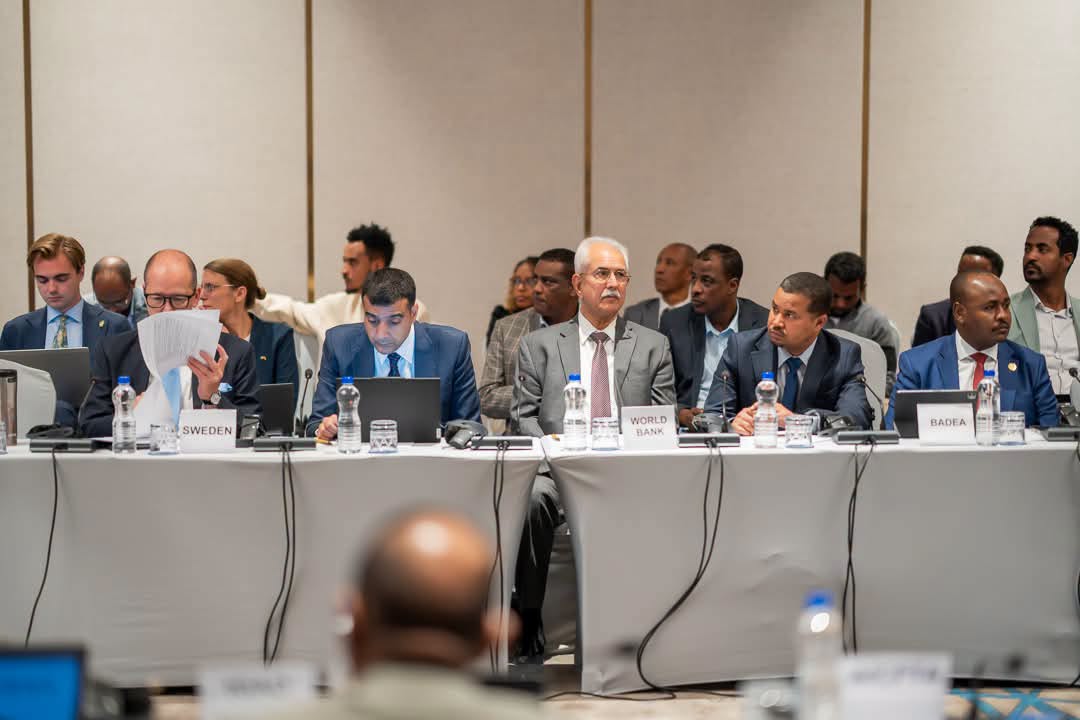
The ministers focused on the development of trade corridors, the simplification of customs procedures, connecting ports to landlocked countries, the modernisation of border posts, digital services and the involvement of traders. Germany, speaking on behalf of the development partners, confirmed continued support for the regional trade agenda and stressed the importance of leadership by the countries themselves, coordination of technical and financial assistance, and a clear implementation framework.
The Initiative within which the meeting sits was established in October 2019 by the finance ministers of Djibouti, Ethiopia, Eritrea, Kenya and Somalia, with the African Development Bank, the European Union and the World Bank as its original partners. Germany, the United Kingdom and the Arab Bank for Economic Development in Africa joined later, and South Sudan and Sudan have since become members. IGAD holds permanent observer status. Approximately ten billion United States dollars has been mobilised or programmed towards the Initiative’s pillars.
Its work on trade rests on a roadmap endorsed in 2022 setting out reforms to bring the trade, customs and transport policies of member states closer together, and designed to be compatible with the regulatory frameworks of the regional communities the countries belong to and with the African Continental Free Trade Area. At a ministerial meeting in Washington in April 2025, ministers endorsed an action plan of nine priority measures and laid the groundwork for a Horn of Africa simplified trade regime and for the committee whose establishment the Somali Minister has now pressed for.
That Somalia chairs the first ministerial meeting devoted specifically to trade places it at the head of the file at a point when its own position has changed substantially. The country acceded to the East African Community and has been aligning supervision and payment systems with the Community’s standards. It completed domestic ratification of the African Continental Free Trade Area agreement on 31 July, and the Council of Ministers approved a Rules of Origin Bill on 6 August under which goods with thirty percent or more Somali content qualify for exemption from duty in the markets they are sent to.
The Minister who chaired in Addis Ababa is the same one who presented that bill to the Cabinet, and the argument is continuous. Rules of origin, customs simplification and trade corridors are the machinery through which a country with a long coastline and landlocked neighbours turns its position into revenue.
The meeting confirms that the countries of the Horn are moving towards organised cooperation intended to reduce the obstacles to trade between them, improve the movement of goods and build a connected regional economy. What follows is the nomination of the committee members and the financing of the action plan, and both fall within the timeframe the Minister asked the meeting to keep to.