Local News
Somalia Takes Its Seat Among Africa's Navies at the Fourth African Maritime Forces Summit in Rabat
The Commander of the Somali Navy and Coastal Defence told more than forty African nations that Somalia has turned the tide against piracy, illegal fishing and maritime terrorism along its coasts, as the country rebuilds a navy worthy of the longest coastline on the African mainland.
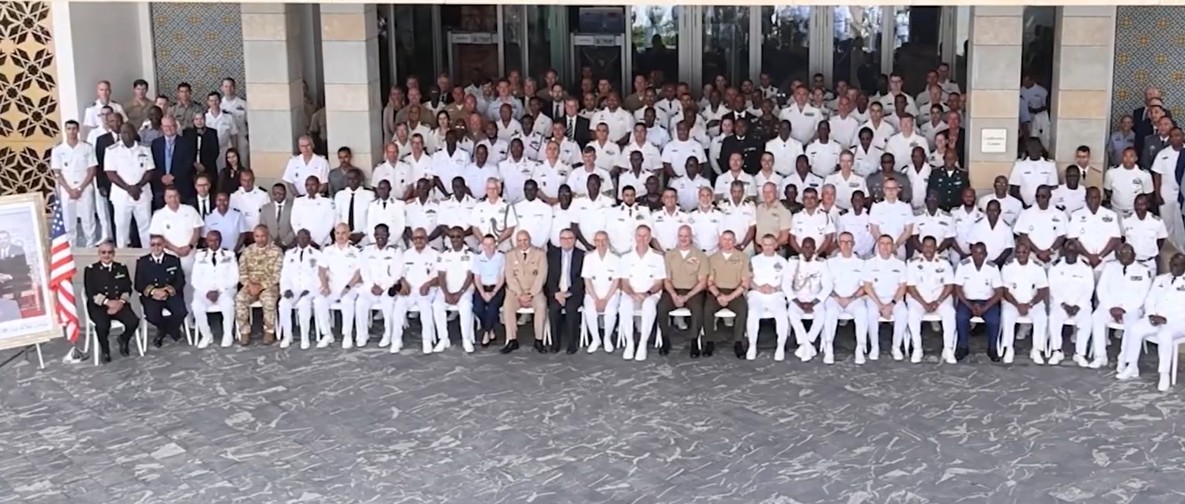
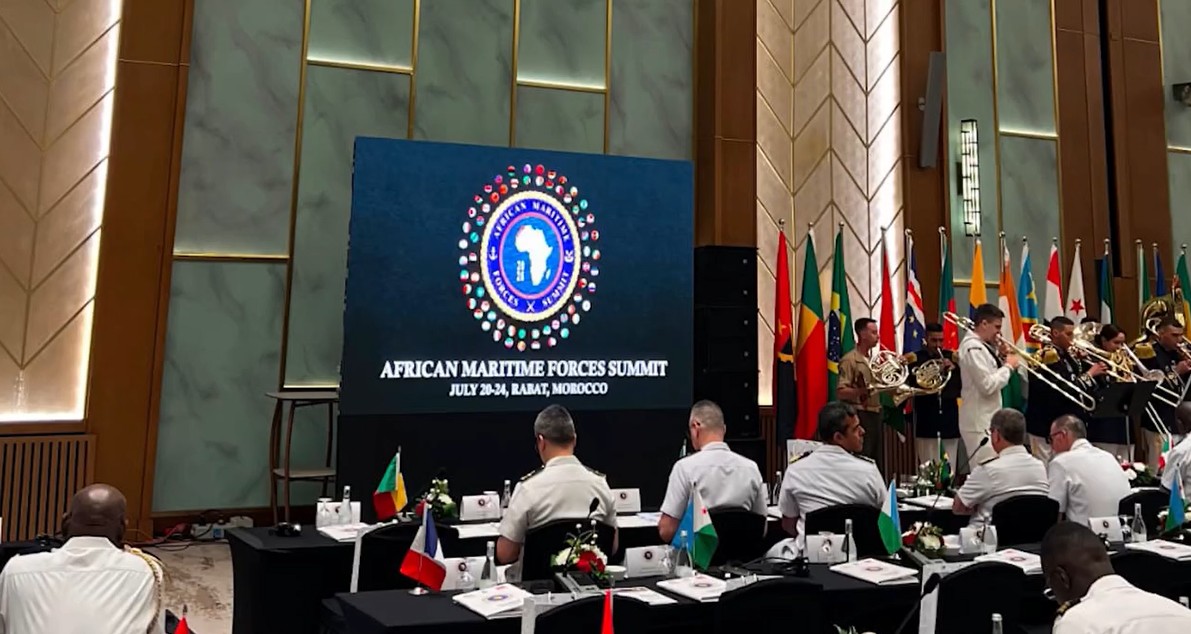
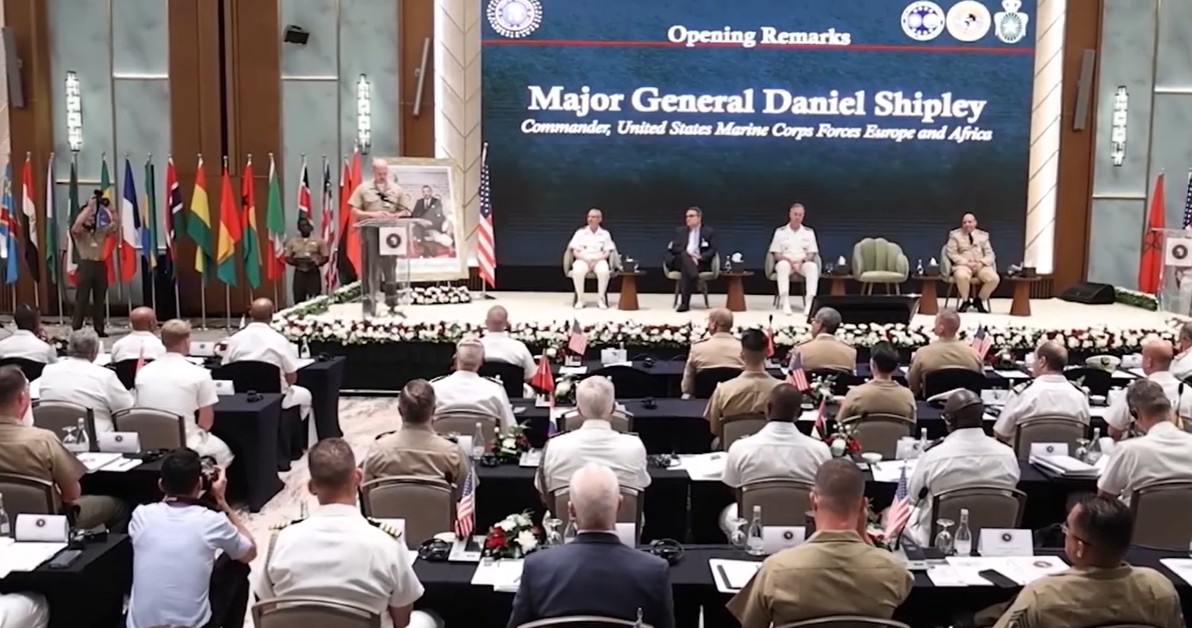
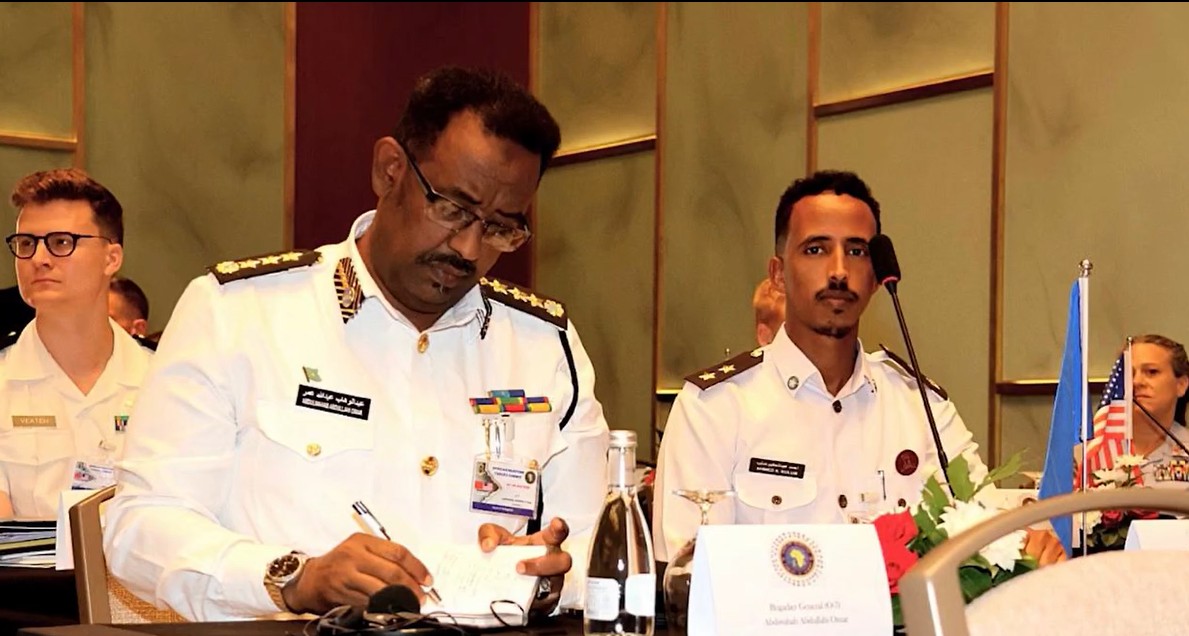
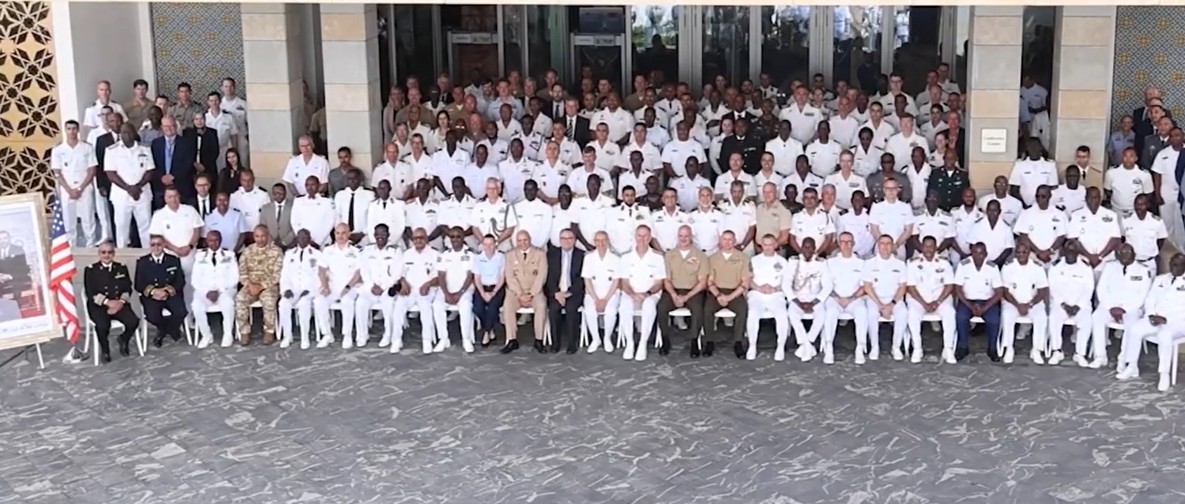
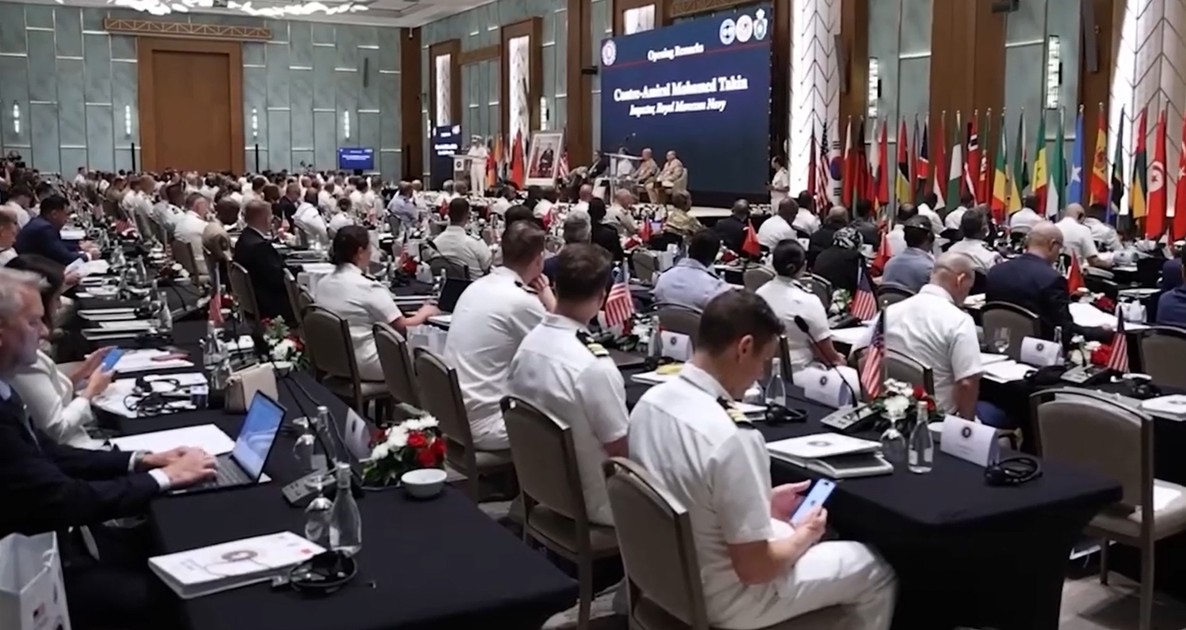
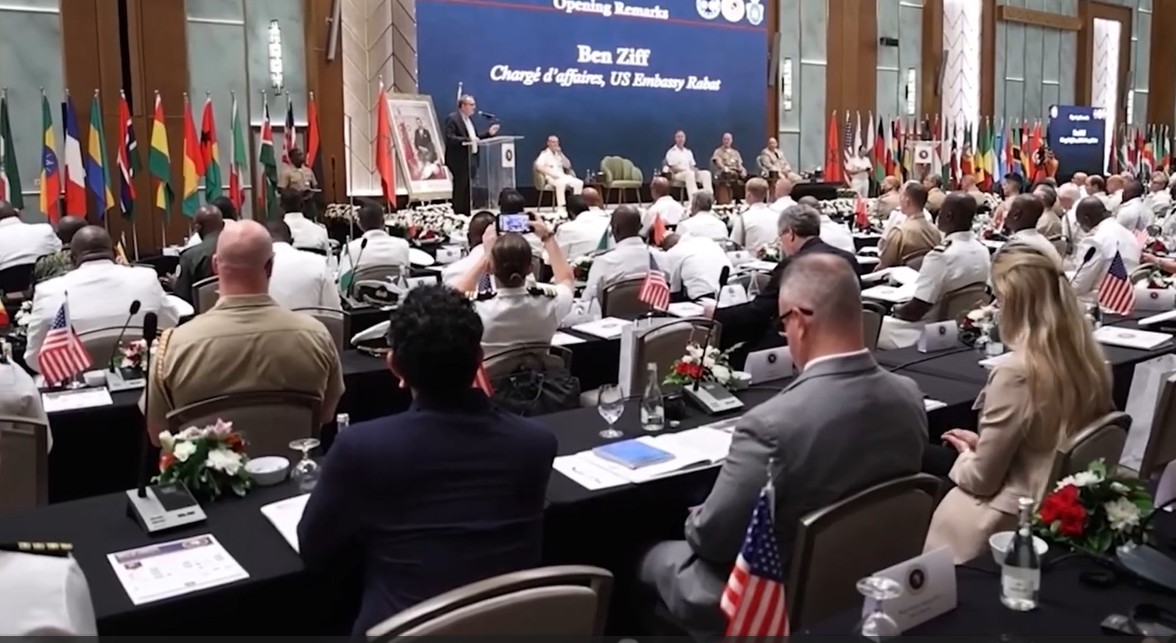
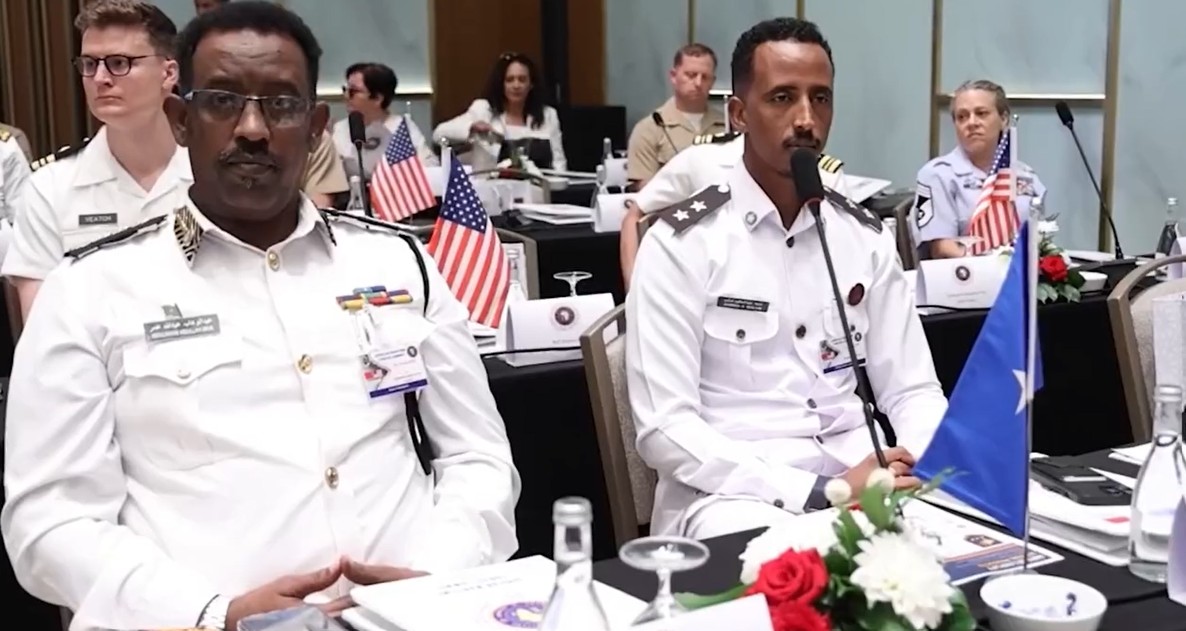
RABAT (SONNA): The Commander of the Somali Navy and Coastal Defence, Brig. Gen. Abdulwahab Abdullahi Omar, has represented Somalia at the Fourth African Maritime Forces Summit in Rabat, Morocco, a gathering of more than forty African nations organised by U.S. Africa Command that brought together most of the commanders of the continent's naval forces.
The summit's agenda centred on the development of Africa's navies, the exchange of expertise among them, the fight against illegal fishing, the countering of maritime terrorism and emerging technological threats, and the strengthening of cooperation between the maritime forces of the continent. Briefing the national media on the summit and its communiqué, the Commander said the participating nations had agreed to deepen collaboration among Africa's naval forces.
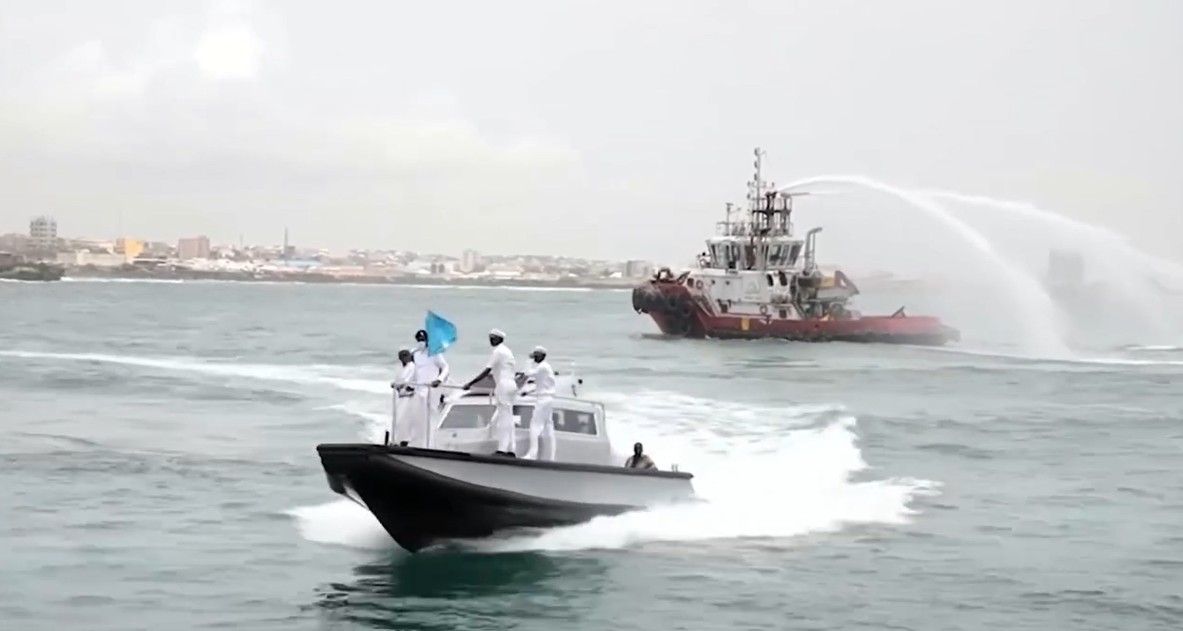
Addressing the summit, Brig. Gen. Abdulwahab Abdullahi Omar set out the gains Somalia has made in securing the country, and its coastline in particular. He said Somalia has asserted control in the fight against piracy, illegal fishing and the threats posed by terrorist groups at sea, and that work continues to raise the quality and capability of the Somali Navy so that it is equal to the protection of the nation's coasts. He thanked the international community for the support it extends to the Somali National Armed Forces.
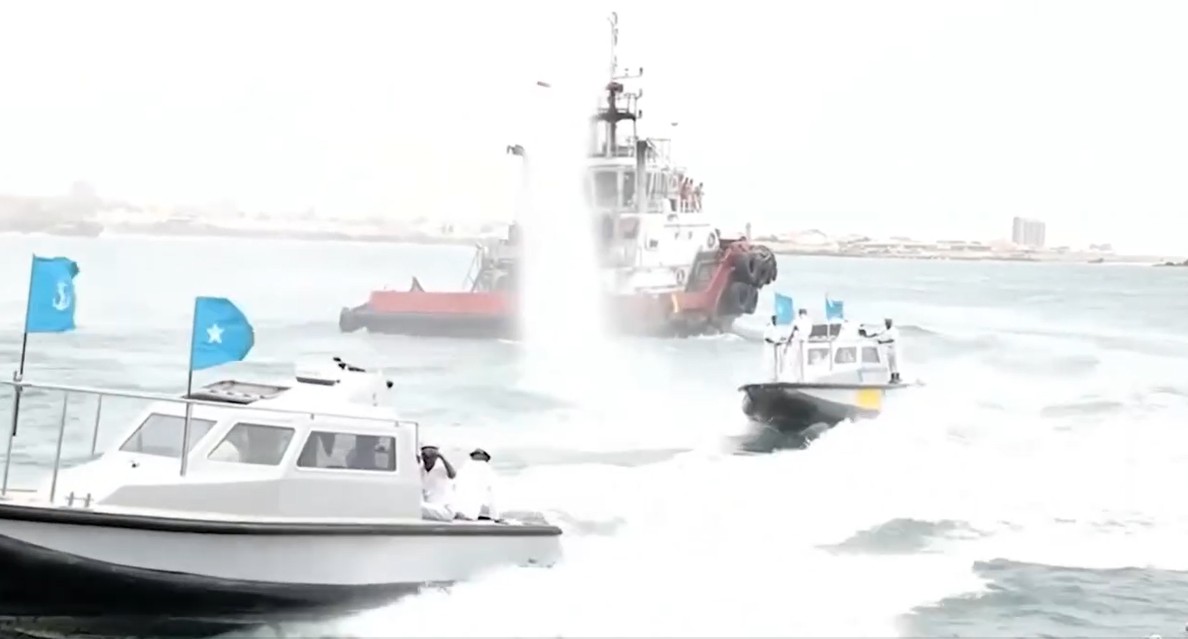
The setting gave the address a particular weight. Somalia possesses the longest coastline on the African mainland, a maritime frontage on the Indian Ocean and the Gulf of Aden that places it astride some of the busiest shipping lanes in the world. For years, that geography was known internationally chiefly for the piracy that flourished off Somali waters at the height of the country's crisis, when foreign navies patrolled the coast that Somalia itself could not. The decline of piracy, achieved through international naval effort and, increasingly, through Somali capability and coastal governance ashore, has shifted the story, and the Commander's presence in Rabat as the head of a rebuilding navy is part of that shift.
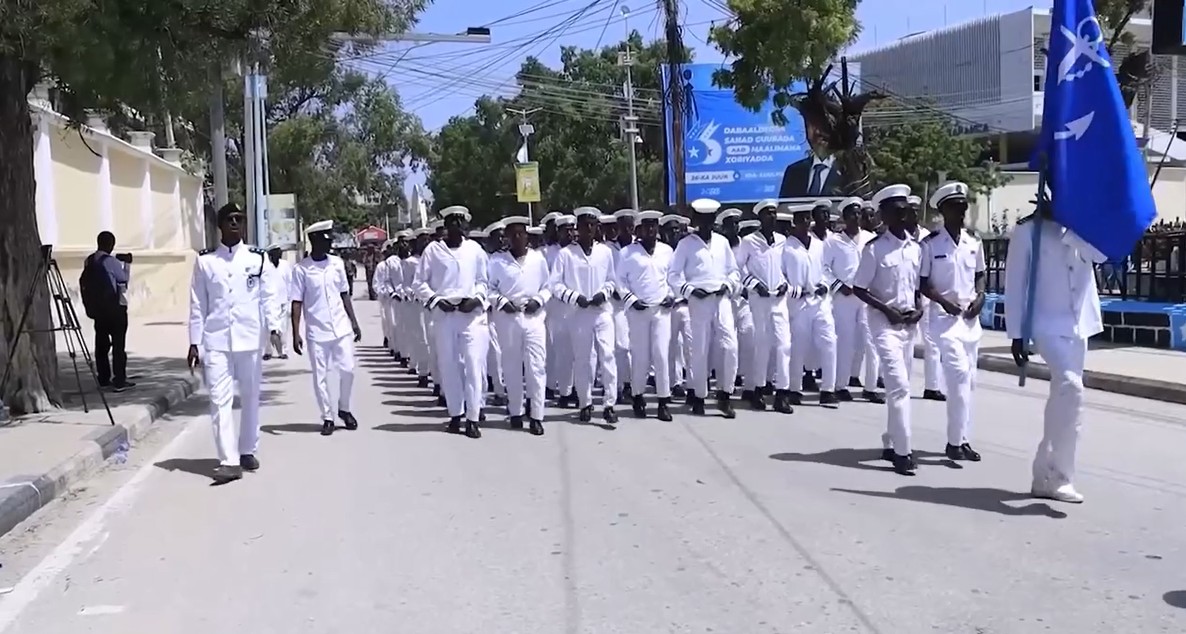
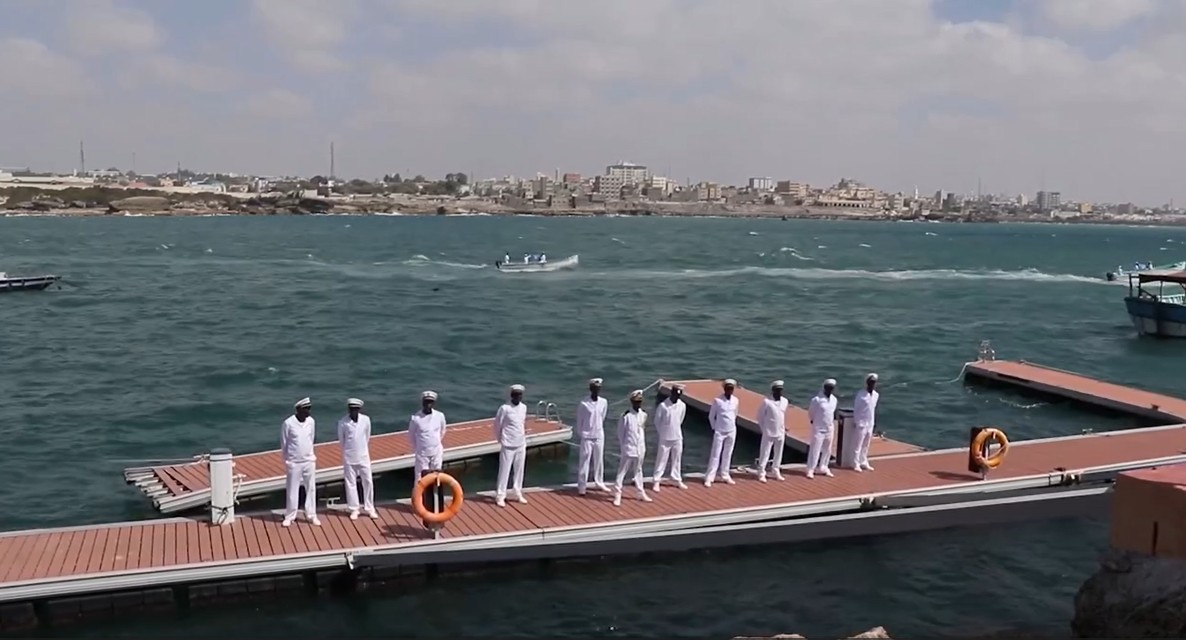
The rebuilding is deliberate and recent. The Somali Navy and its coastal defence arm are being reconstituted after decades in which the state's collapse left its waters effectively unguarded, exposing them to the illegal fishing that stripped Somali stocks and the smuggling and militant movement that exploited an open coast. Restoring a naval capability equal to that coastline is generational work, and the Commander has in recent months pressed a sustained effort to raise the quality and capacity of the force.
The summit also reflects how Somalia now approaches the task, through partnership on every available front. Within the past week alone, the Minister of Internal Security received the Ambassador of the Republic of Korea for talks centred on maritime security, counter-piracy and the capacity of the Somali Police, Coast Guard and Navy, while Somalia's discussions with the United States in Cairo took in the security of the Red Sea. Set beside the continental cooperation agreed in Rabat, the pattern is consistent: a coastal state rebuilding its maritime strength by connecting itself to the navies, partners and frameworks that share its waters and its interests.
The stakes reach well beyond security. A protected coastline is the precondition for the blue economy Somalia intends to build, for fisheries harvested by Somalis rather than stripped by illegal fleets, for ports that anchor trade, and for the confidence of the shipping and investment that a stable coast attracts. Every gain the Navy consolidates at sea is, in that sense, an economic policy as much as a military one.
For most of a generation, Somalia's seas were spoken of as a problem belonging to others to manage. In Rabat this week, the country's naval commander stood among the commanders of Africa's fleets and spoke of coasts being secured by Somalis and a navy being built to keep them so. The distance between those two positions is a measure of the country's recovery, and the direction of travel, from the edge of the continent's maritime map toward its counsels, is now plainly set.