Local News
Somalia Launches National Immunization Training Drive to Widen Vaccine Coverage
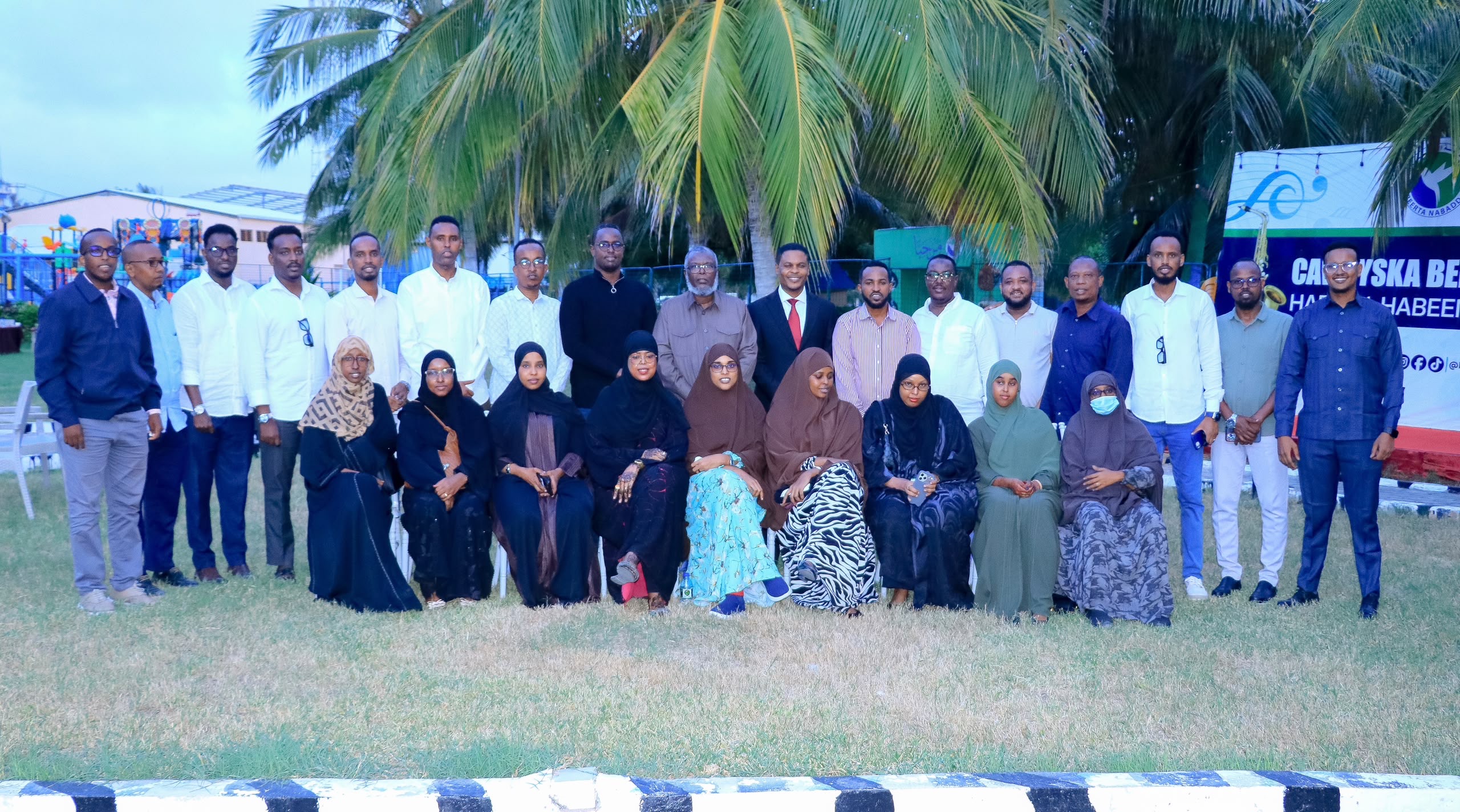
The Ministry of Health has opened a Training of Trainers programme in Mogadishu, backed by Gavi, WHO, UNICEF and Jazeera University, aimed at building a national corps of instructors able to carry vaccination expertise into every federal member state, district and community.
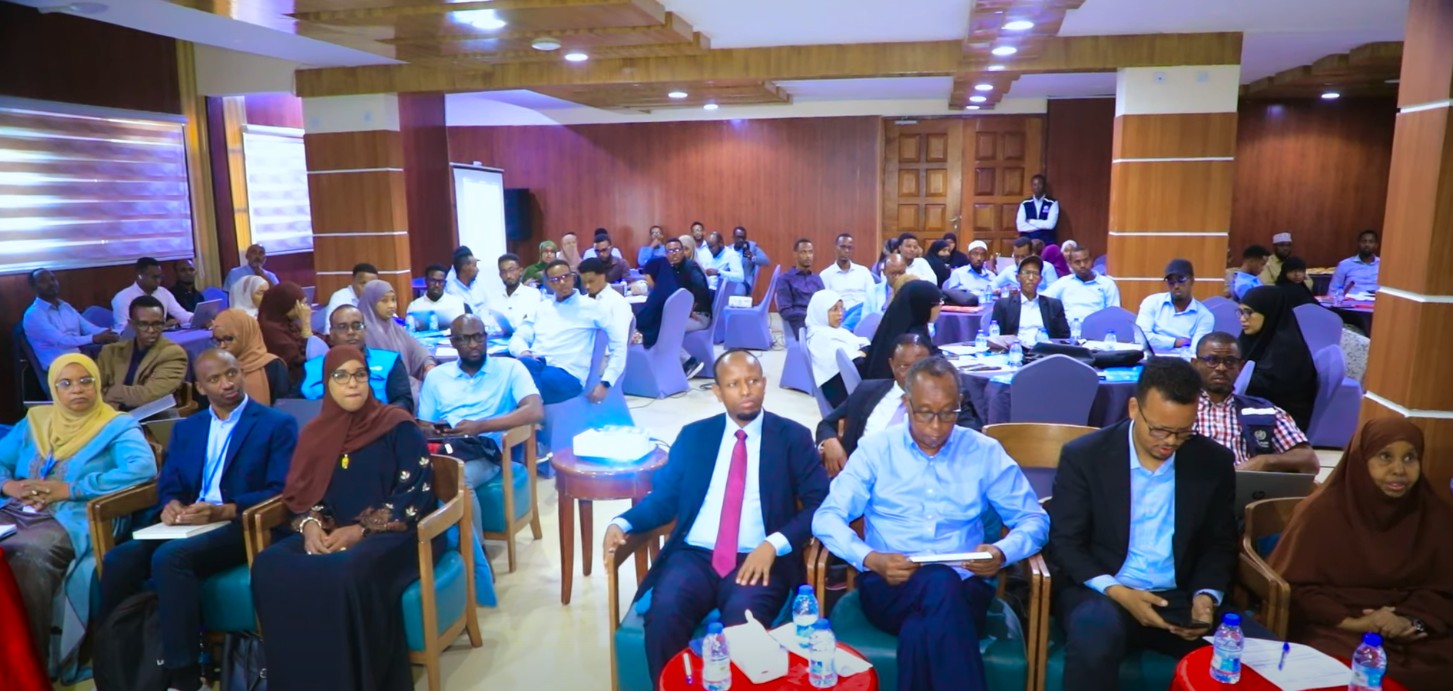
MOGADISHU (SONNA): The Federal Ministry of Health and Human Services has launched a Training of Trainers programme for the Integrated Training Package for Immunization in Practice, an initiative aimed at strengthening the quality and reach of vaccination services across Somalia.
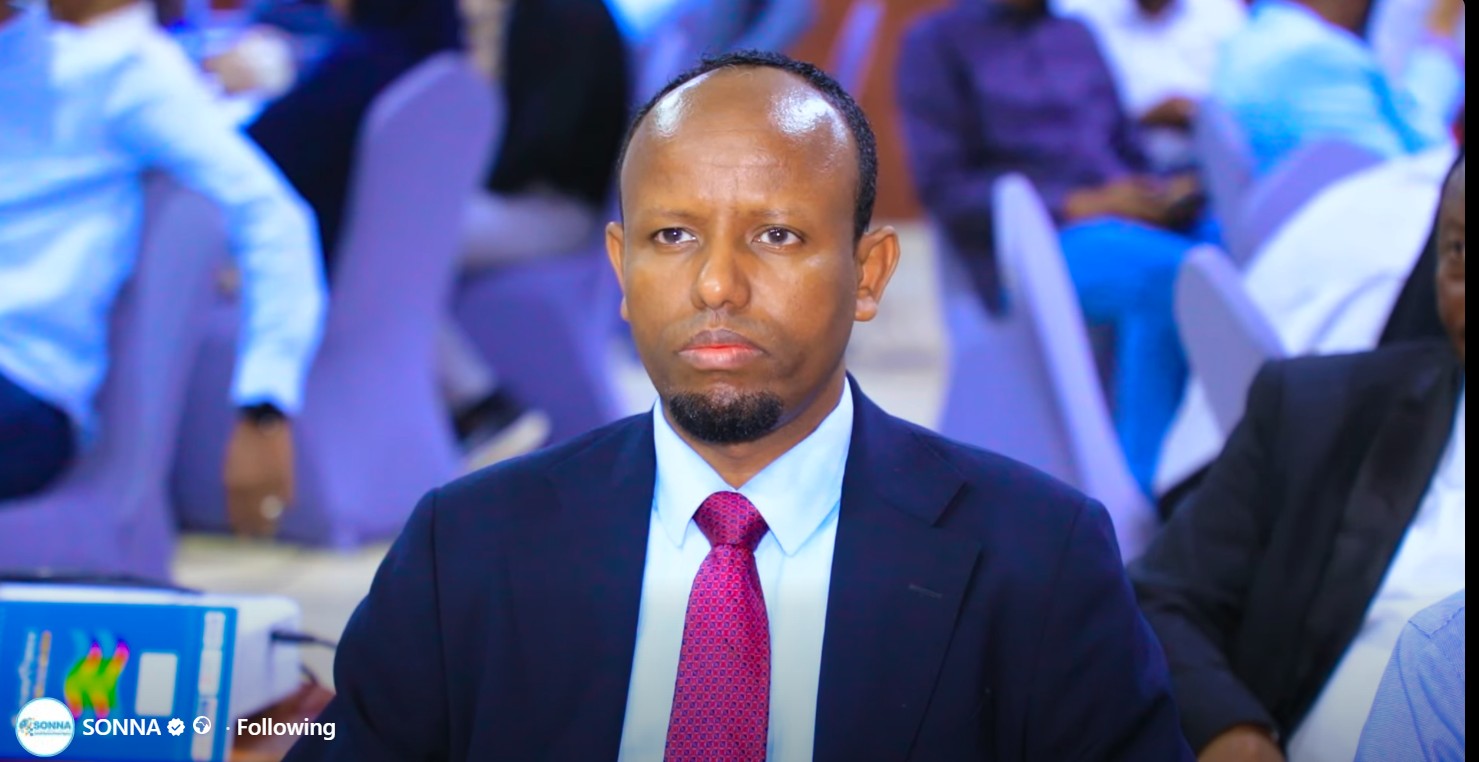
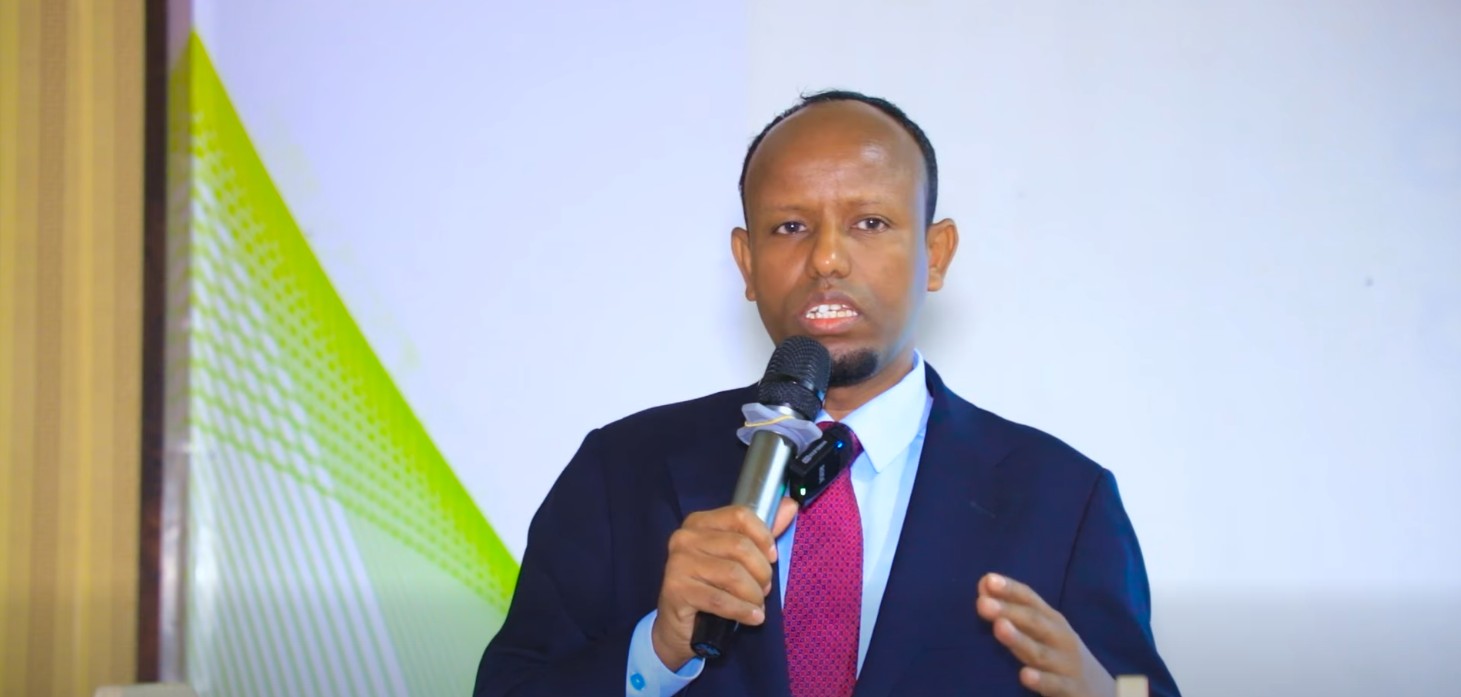
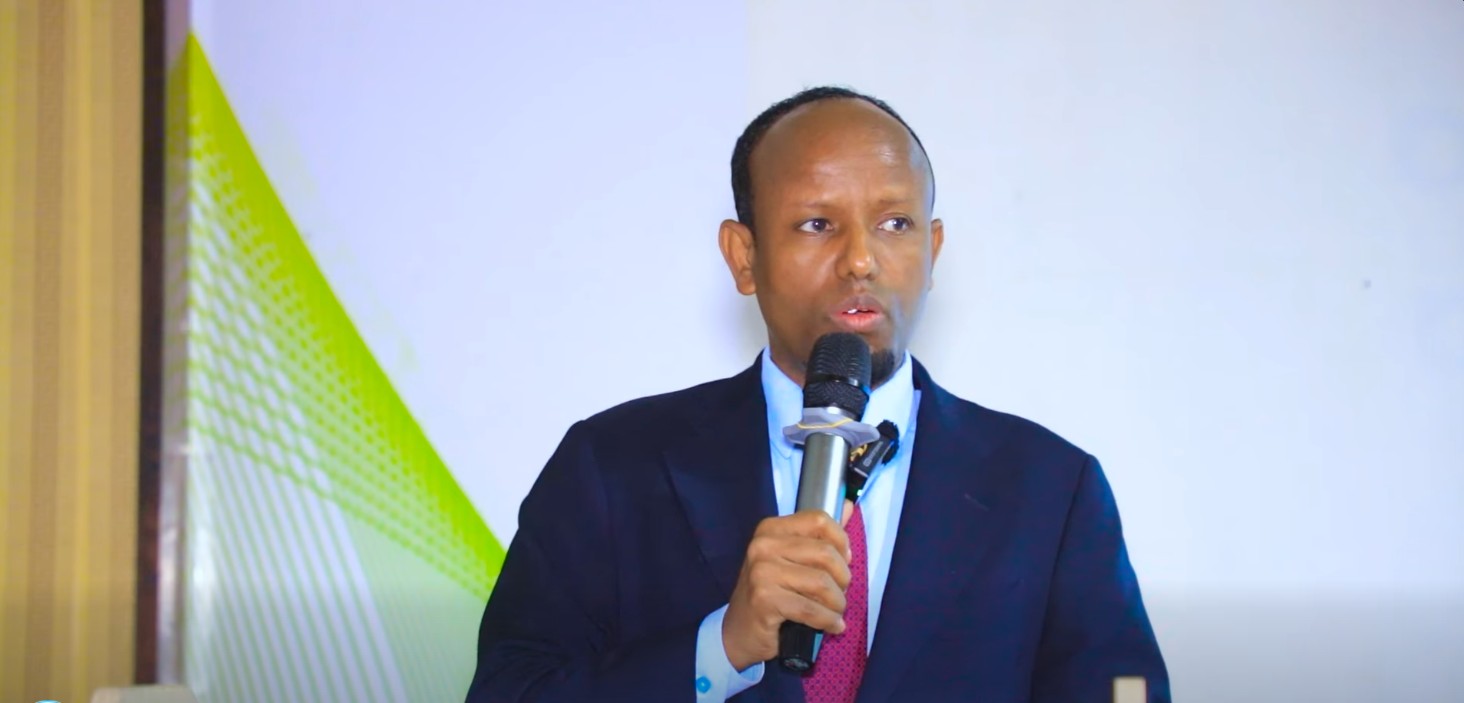
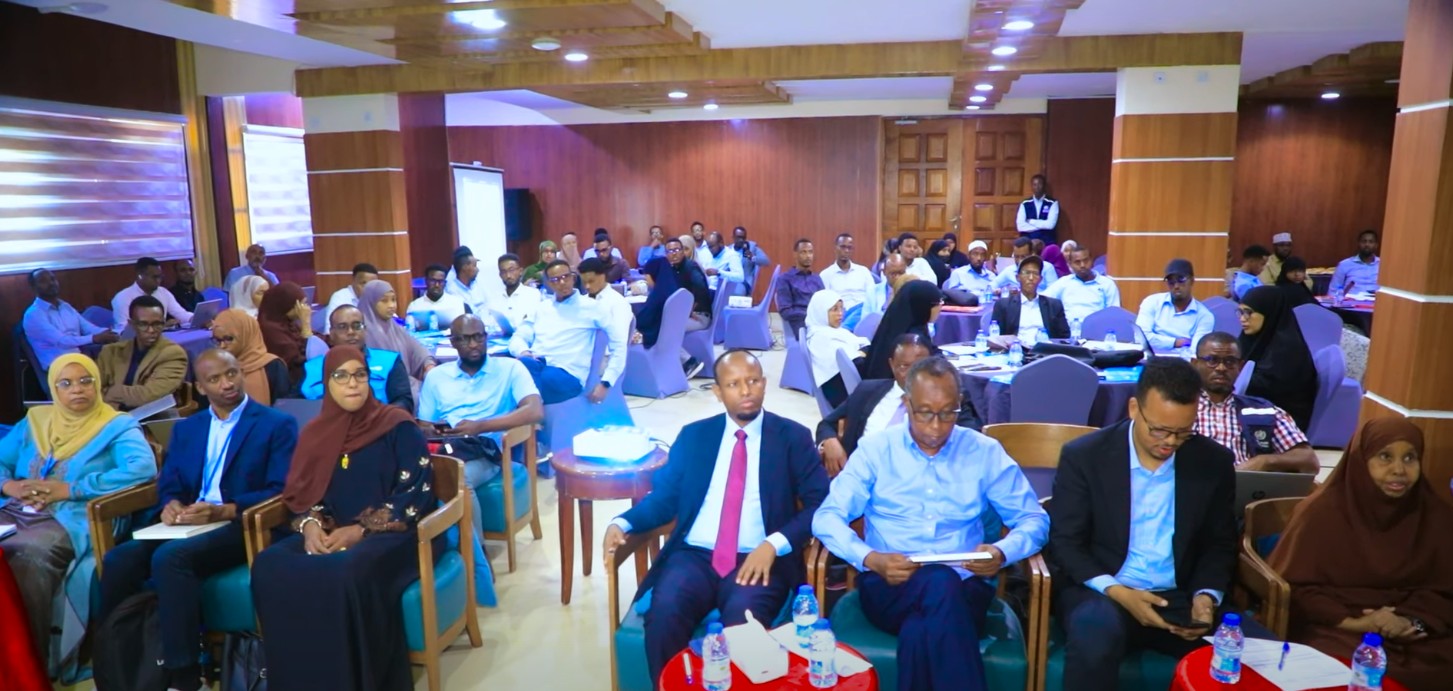
The programme was opened in Mogadishu by the Minister of Health, Dr. Ali Haji Adan Abubakar, at a ceremony held at the Jazeera Hotel. It is supported by a partnership bringing together Gavi, the Vaccine Alliance, the World Health Organization, UNICEF and Jazeera University, and is designed to build a body of Somali medical professionals capable of passing vaccination expertise down through the health system to the federal member states, districts and local communities.
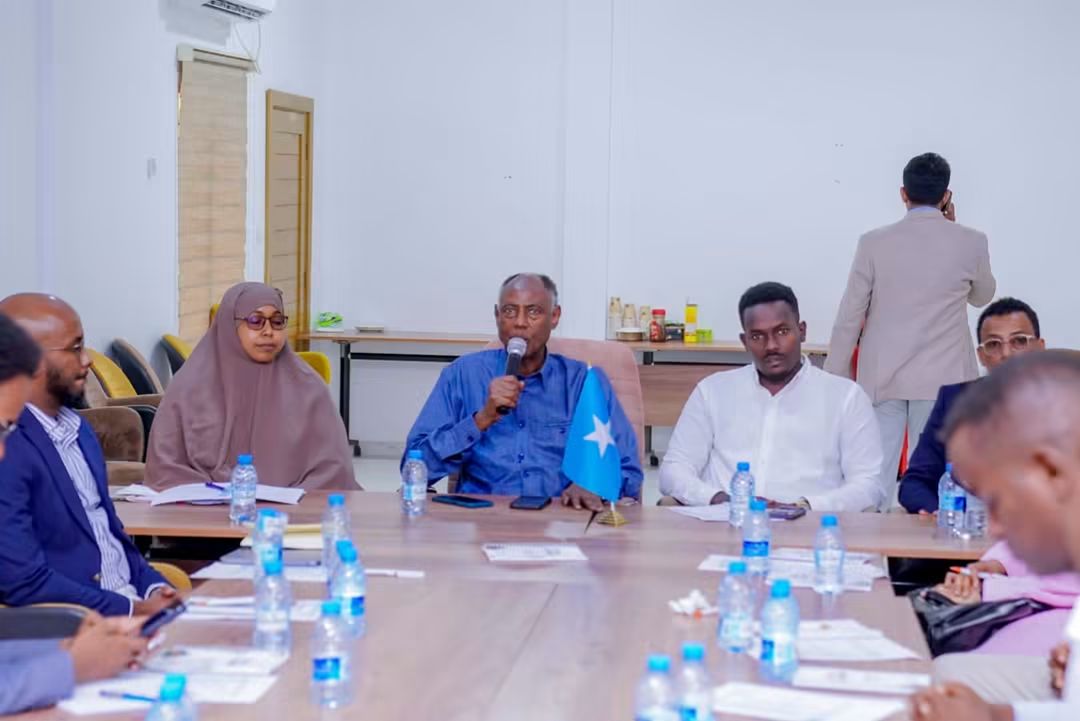
Addressing participants, the Minister called for the expansion of national immunization coverage and for a stronger response to recent disease outbreaks, singling out the threat posed by diphtheria. He said the effort depends on closer coordination between government institutions, the private sector, academic institutions and international partners, and that decentralising training would put capability closer to the frontline health workers who deliver vaccines in communities.
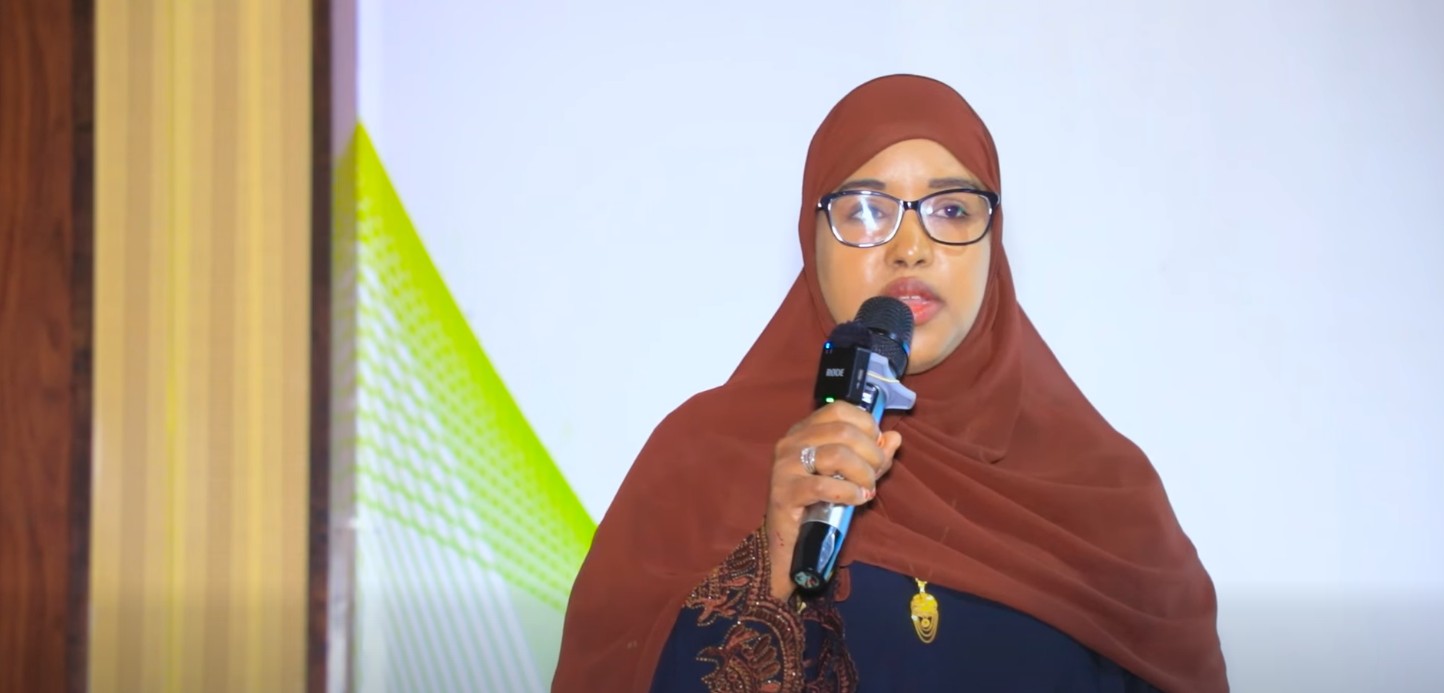
The Head of the Human Resources Department at the Ministry, Dr. Fartun Sharif Mohamed, set out the accountability expected of those taking part. She said the central purpose of the work is to reduce maternal and infant mortality through effective vaccination, and described the allocation of a budget of 20 million dollars directed to the Somali public, calling for close oversight and measurable results from every professional deployed to the field. The Head of the Immunization Programme, Dr. Mohamed Mohamud Derow, confirmed that an initial 60 trained instructors would be deployed to establish the foundational training network across the country.
The initiative addresses a long-standing weakness in Somalia's health system. Decades of conflict and institutional collapse left routine immunization coverage among the lowest in the world, with large numbers of children never reached by basic childhood vaccines and wide variation in access between urban centres and rural or insecure districts. Rebuilding that coverage is a slow undertaking that depends less on any single campaign than on the presence of trained health workers able to deliver vaccines reliably, year after year, in the places where children live.
The emphasis on diphtheria reflects that reality. A vaccine-preventable disease that has largely disappeared in countries with strong routine immunization, its reappearance is generally read by public health authorities as a signal that coverage has fallen below the threshold at which communities are protected. Outbreaks of this kind tend to concentrate among children who were never vaccinated or who received incomplete courses, which makes the strengthening of routine services, rather than emergency response alone, the durable answer.
The training model chosen reflects that logic. Rather than concentrating expertise in the capital, a cascade approach trains instructors who in turn train others, multiplying capability outward through the system and leaving skills embedded in the states and districts once external support ends. It is an approach designed for sustainability, and its success will depend on whether the instructors trained in Mogadishu are supported to carry out the training role they have been prepared for.
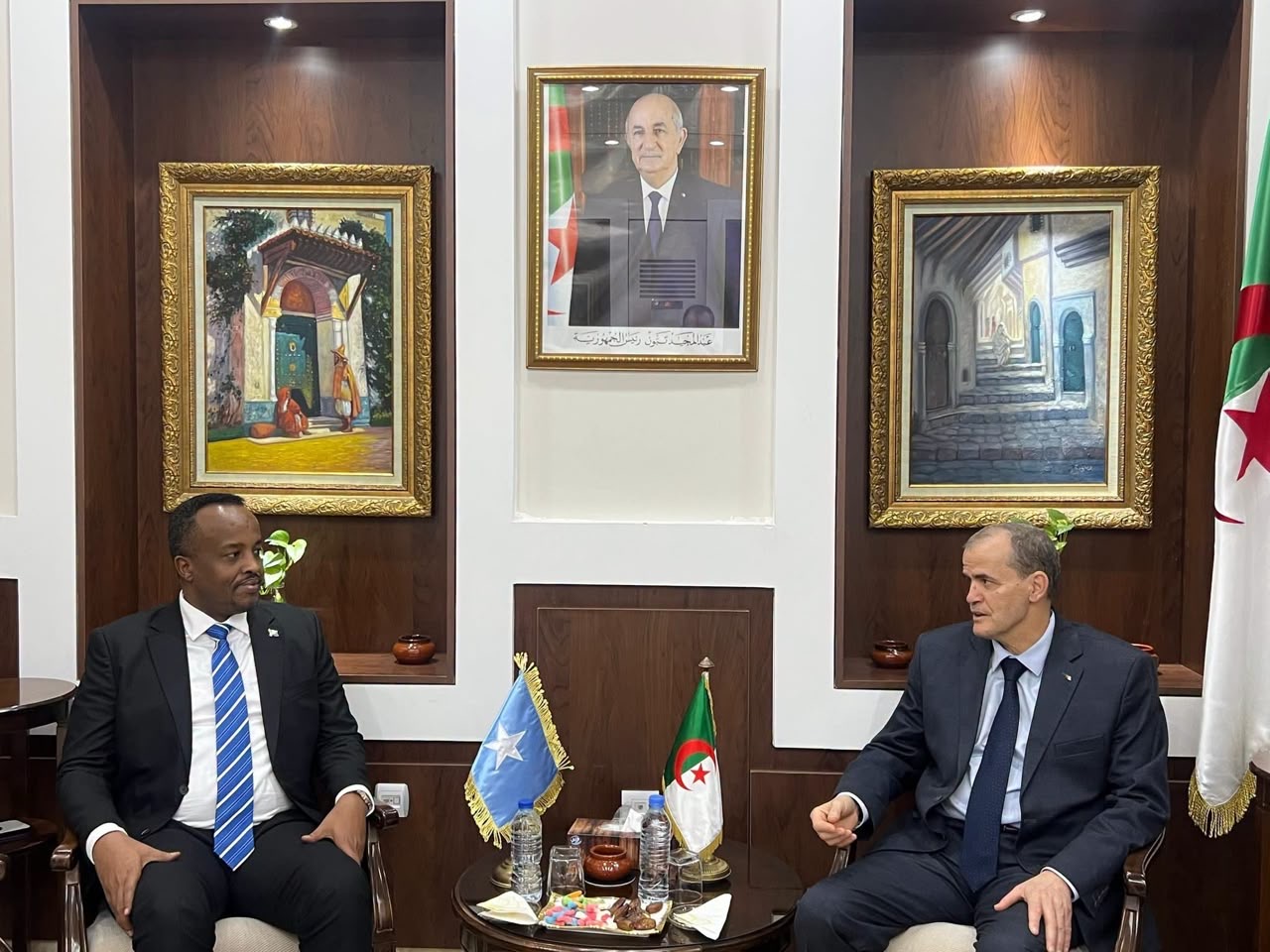
The launch also forms part of a wider health agenda the Ministry has pursued on several fronts. Days earlier, the Minister took part in a regional forum on health investment in Nouakchott, where he presented Somalia's health sector reforms and argued for regional cooperation, local pharmaceutical production and sustainable financing as the route to stronger services and universal health coverage. The Mogadishu training carries that same argument into practice, turning the case for investment in health systems into the concrete work of building the workforce that operates them.
For the families the programme is ultimately meant to reach, its measure will be simple enough. It will be found in whether a child in a district far from the capital can receive a full course of vaccines from a health worker who has been properly trained to give them, and in whether the diseases that thrive on gaps in coverage find fewer of those gaps in the years ahead.