Local News
Somalia Between External Dependence and Internal Responsibility
"If the owner of the house does not repair his own house, who can be expected to do it on his behalf?"
This wisdom reflects the reality of Somalia today. Nations are not built through dependence on others, and their sovereignty cannot be preserved if their own people are unable to manage their affairs and fulfil their national responsibilities.
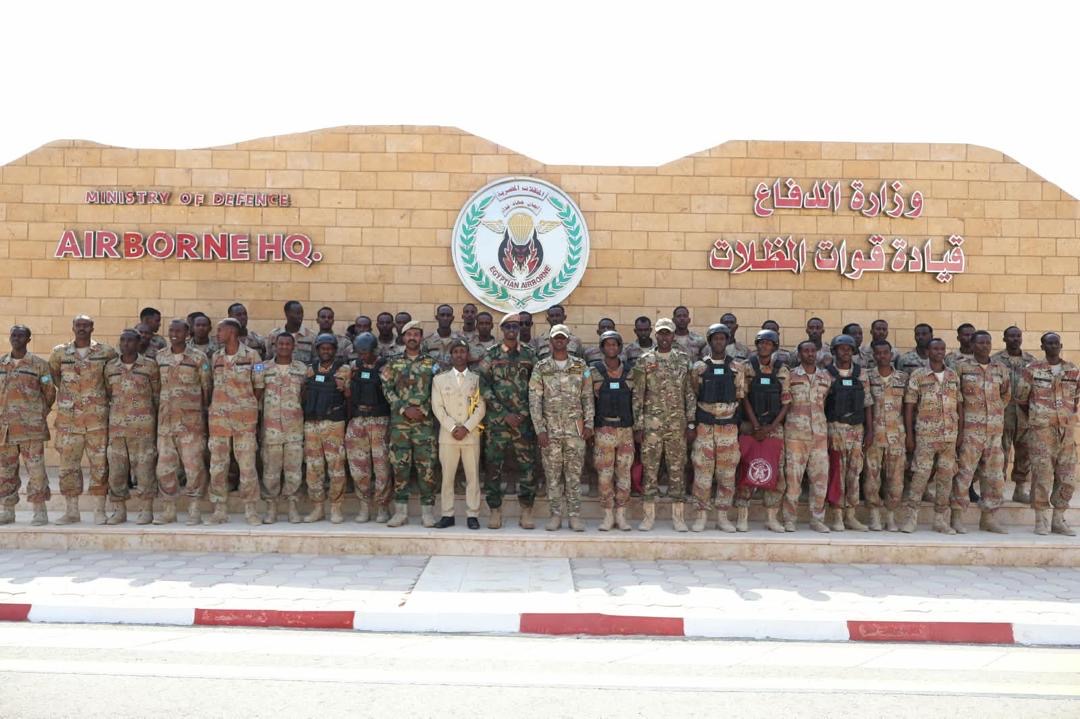
After more than three decades since the collapse of the state, Somalia continues its struggle to build strong institutions capable of managing the country independently. Despite the progress achieved in several areas, reliance on international partners remains evident in many sectors, including security, economy, politics, humanitarian assistance, and some aspects of institution building.
There is no doubt that the international community has played an important role in supporting the reconstruction of the Somali state. Many countries and organizations have contributed significantly in areas such as security, development, humanitarian support, and capacity building. However, external assistance, regardless of its importance, cannot replace national ownership or become a permanent foundation for the stability of a state.
One of the greatest challenges facing successive Somali governments has been the weakness of institutions, persistent forms of corruption and poor governance, as well as political disagreements that have often consumed national efforts and slowed the process of reform and development. As a result, the country continues to face difficulties in achieving lasting political stability and strengthening citizens’ trust in state institutions.
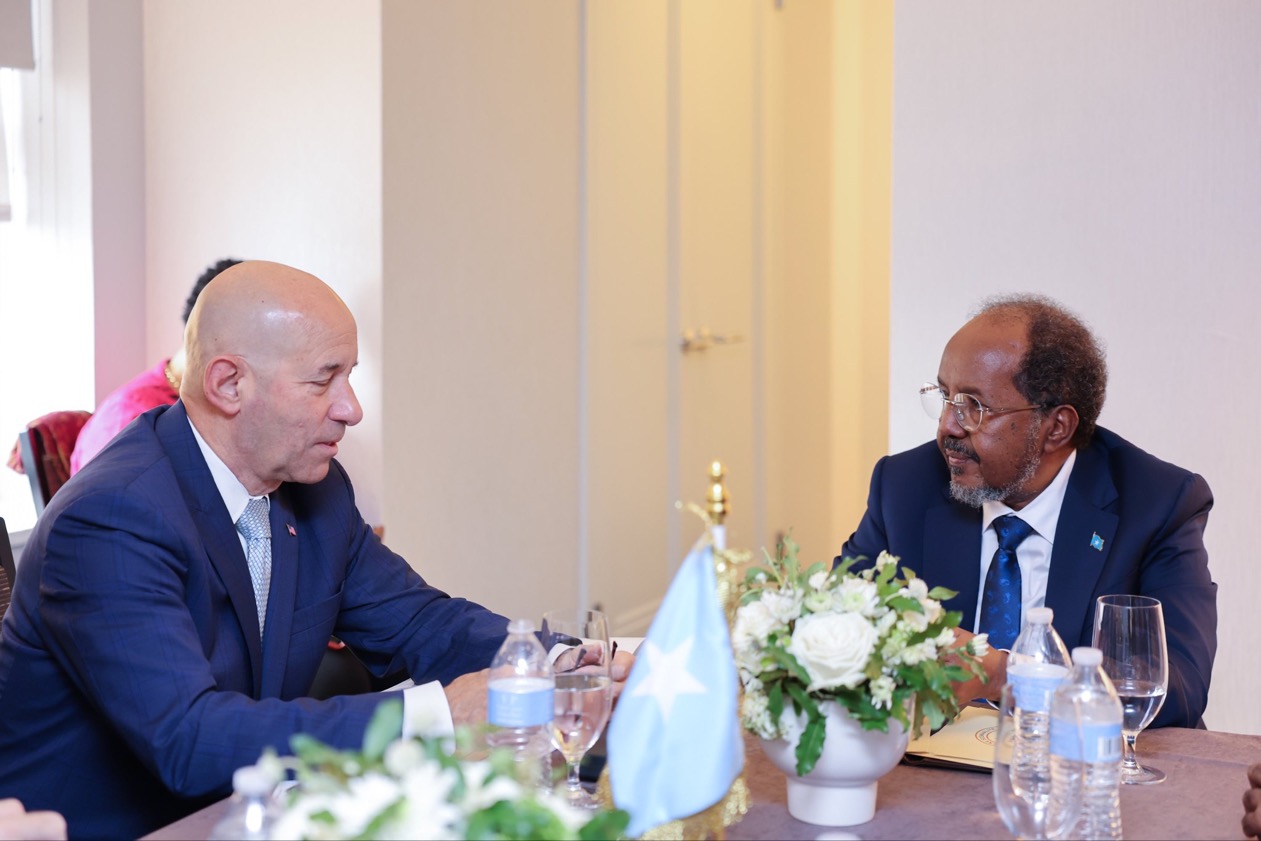
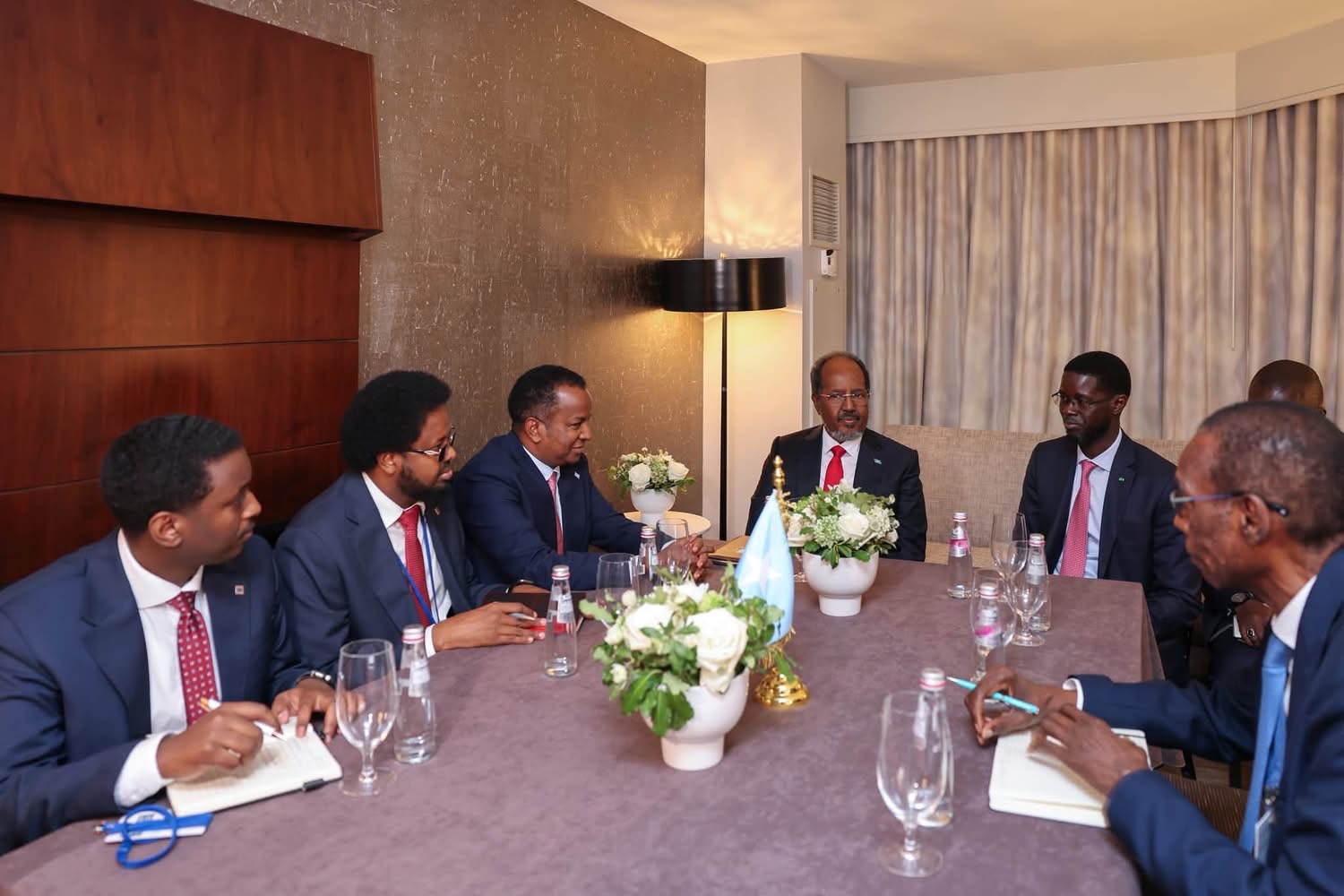
In recent months, the Somali political landscape has witnessed meetings and consultations among various Somali stakeholders, supported and facilitated by international partners such as the United States, Türkiye, the United Kingdom, the European Union, and others. These efforts reflect international interest in Somalia’s stability; however, achieving lasting solutions depends primarily on the willingness of Somali leaders themselves to prioritize national interests over narrow political considerations.
History teaches us that agreements supported or encouraged from outside may help ease crises, but they alone cannot build a stable state. True stability begins when citizens unite around a shared national vision based on the rule of law, justice, transparency, peaceful transfer of power, and respect for the constitution.
The future of Somalia will not be determined by external powers; it will be shaped by Somalis themselves. The stronger national institutions become, the weaker internal divisions become, and the more accountability and good governance are strengthened, the closer the country moves toward self-reliance and away from dependence on external supervision or mediation.
It is time for political dialogue to move from competition for power to competition in serving the nation; from managing crises to creating the future. Somalia possesses the human and natural resources necessary for development and progress, but above all, it needs visionary leadership, strong institutions, and a shared national vision.
The building of nations does not begin from outside; it begins from within, when everyone recognizes that the national interest stands above all other considerations, and that repairing the house is the responsibility of its own people before anyone else.
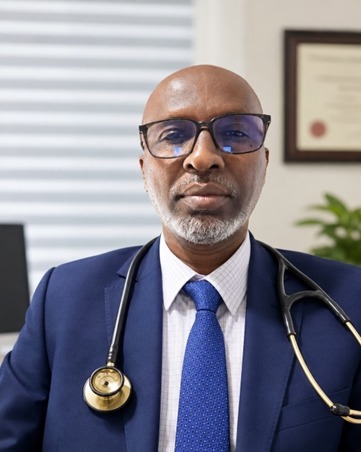
Prof. Abdinur Farah Moahmud. MD.
PhD in Paediatrics and child Health
Former Dean of Faculty of Medicine and Surgery
Somali National University