Local News
Inmates receive vocational certificates as second course opens at Mogadishu prison complex
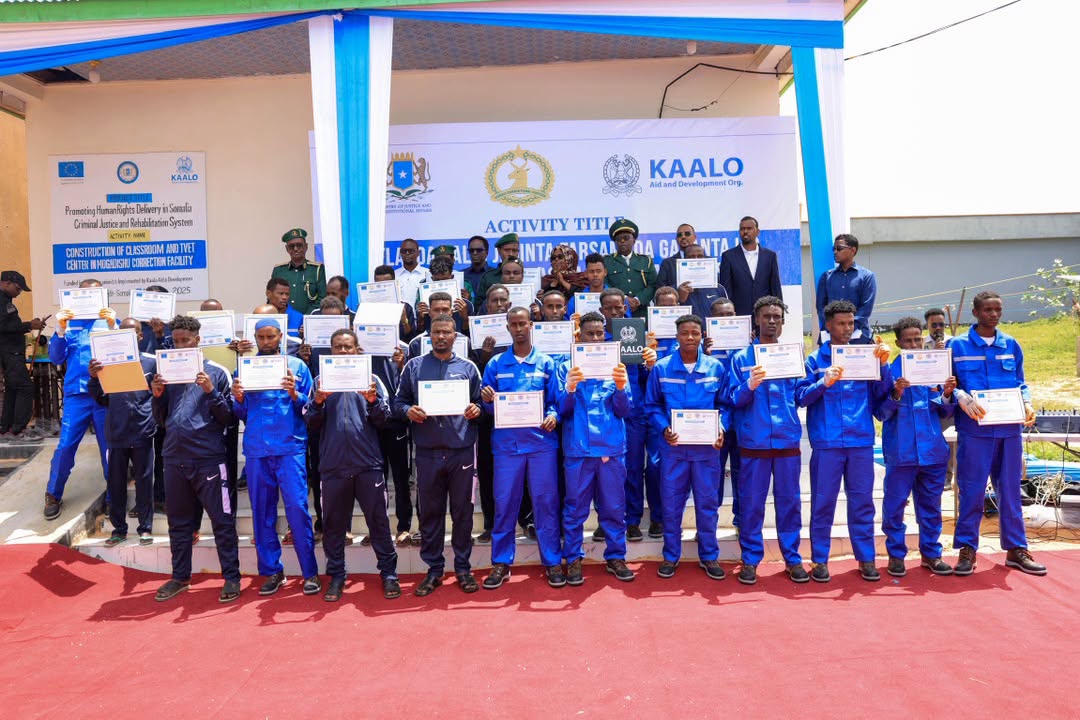
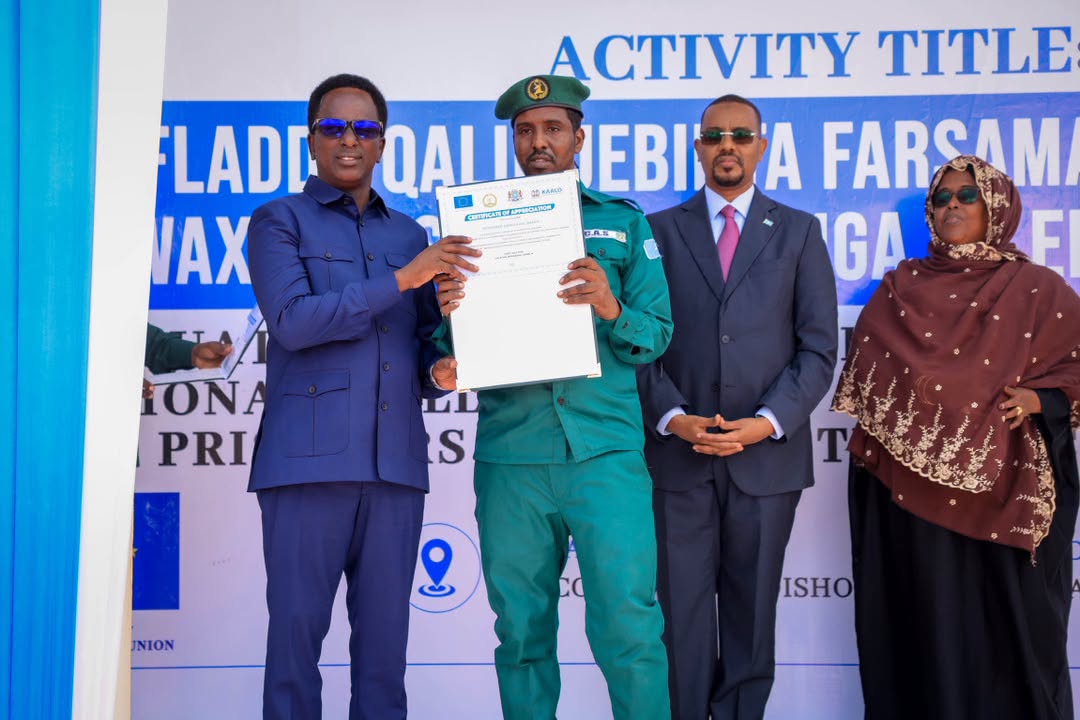
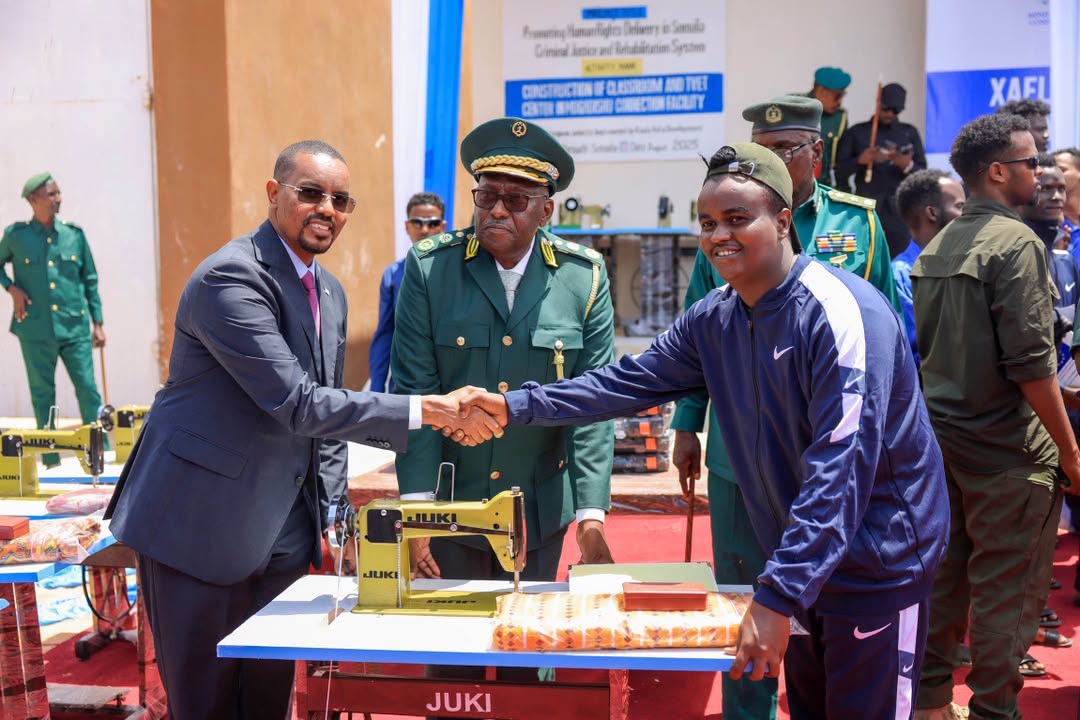
The State Minister for Justice and Constitutional Affairs closed one technical and vocational course and opened another on the same day at the Mogadishu Prison and Court Complex, where a training centre has been built inside the facility.
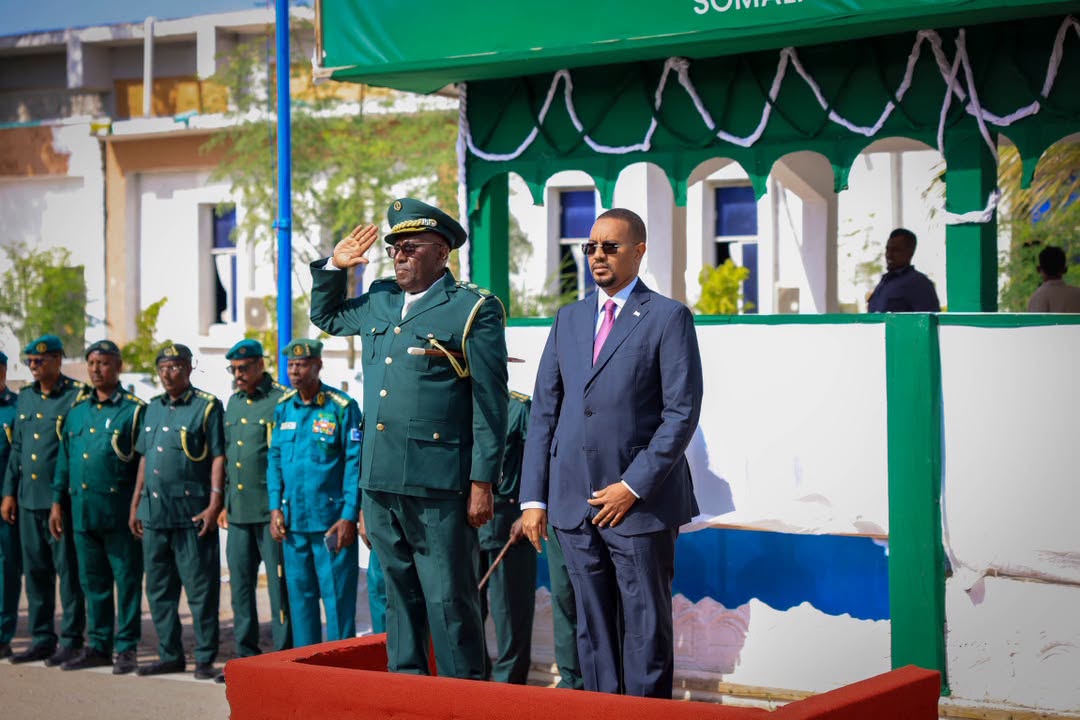
MOGADISHU (SONNA): State Minister for Justice and Constitutional Affairs Ambassador Ilyas Sheikh Omar has closed a technical and vocational training course for a group of inmates at the Mogadishu Prison and Court Complex, and opened a further course for a second group at the same facility.
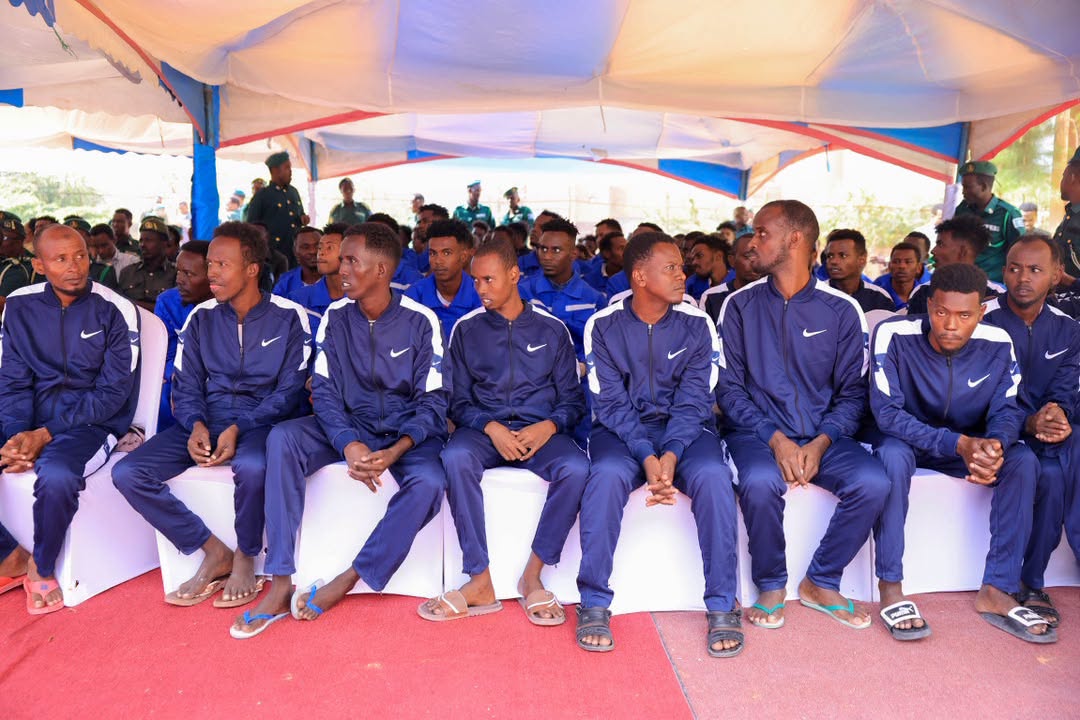
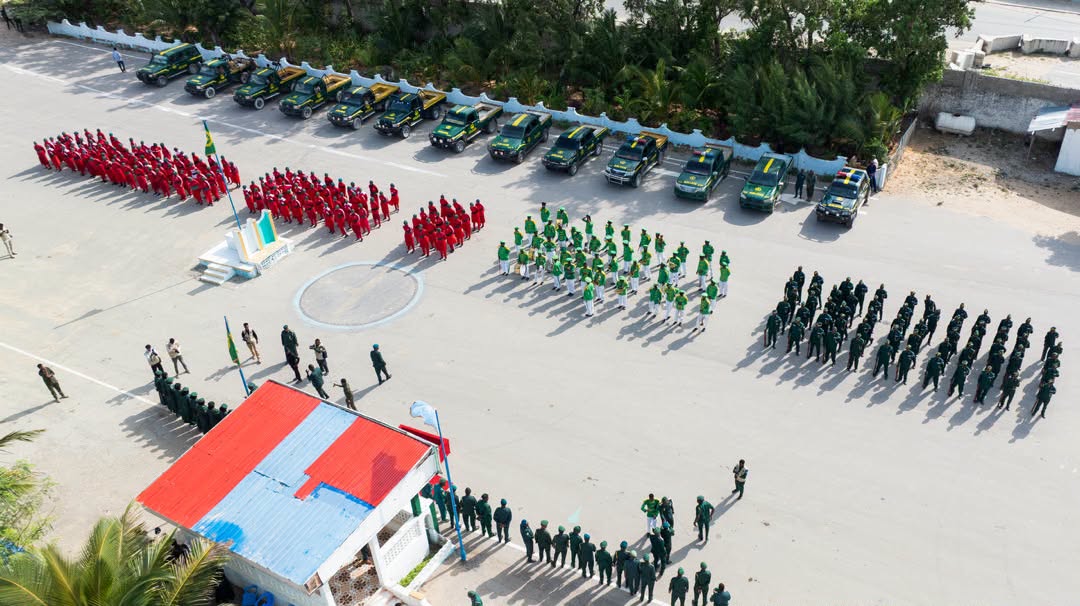
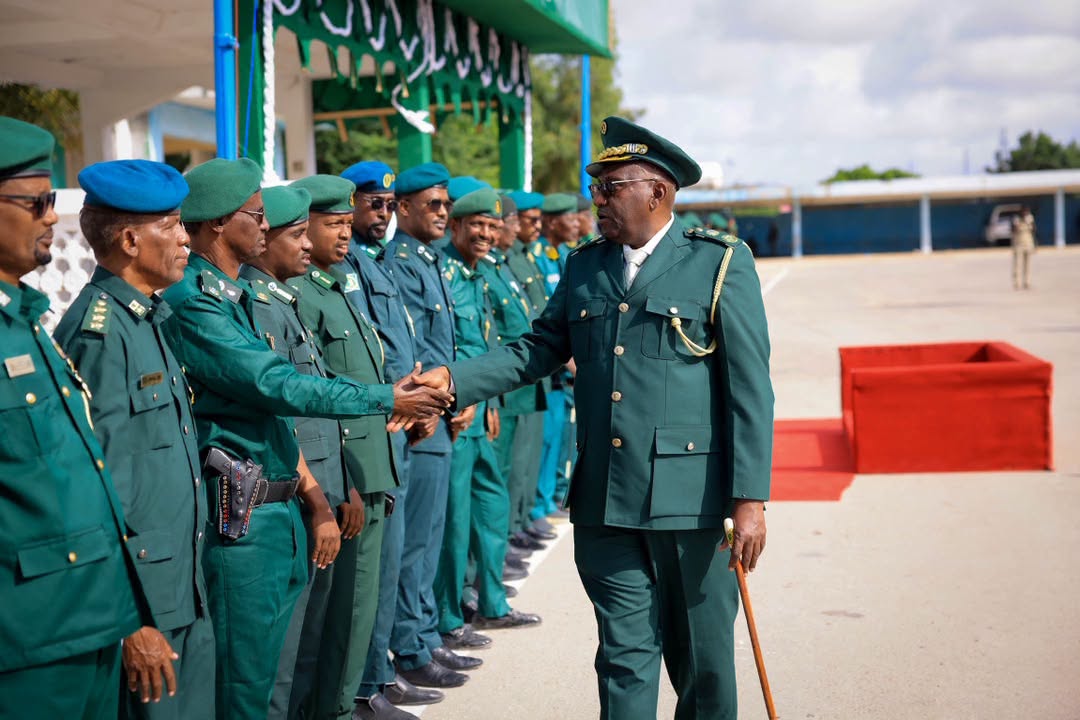
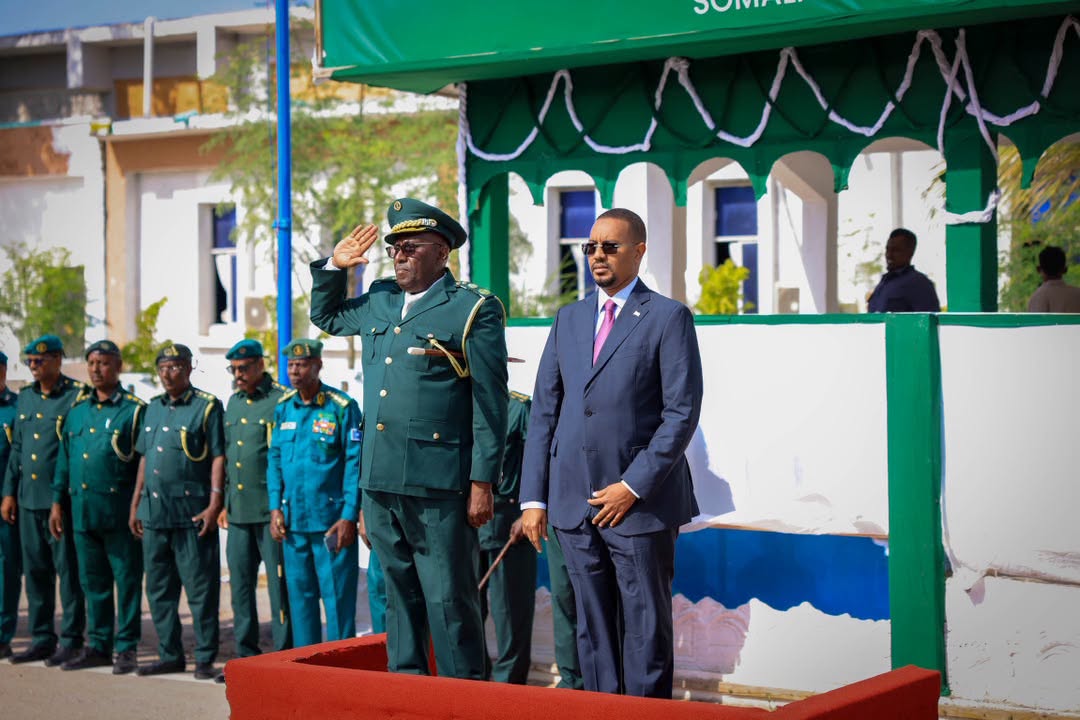
He was accompanied by the Commander of the Somalia Custodian Police, Maj. Gen. Mohamed Sheikh Hassan Hamud. The ceremony was organised by the Custodian Police command and attended by government officials, United Nations agencies, members of the justice sector and civil society organisations.
The training is delivered through a classroom and technical and vocational education and training centre built inside the complex. The construction was carried out under a project promoting human rights delivery in Somalia’s criminal justice and rehabilitation system, implemented by KAALO Aid and Development Org.
The Mogadishu Prison and Court Complex stands at KM7 in the capital. It was built to hold prisoners in conditions meeting modern standards and contains courtrooms and training facilities within the same site as the prison itself. That arrangement addresses a practical difficulty in the Somali justice system, since moving detainees between prisons and courthouses carries both security risk and delay, and a complex that houses both removes the journey.
Vocational training inside prisons rests on a straightforward proposition. A person released with a trade and a certificate has an alternative to the circumstances that brought him into custody, and corrections services in a number of countries have built such programmes for that reason. In Somalia the argument carries additional weight, given the recruitment pressures that operate on young men without work.
The wider effort of which the training forms part concerns the treatment of people in custody. Building classrooms inside a prison, running certified courses and holding a public ceremony at which inmates receive their certificates in the presence of United Nations agencies and civil society organisations are all measures that place the conditions of detention in view rather than out of it.