Local News
Cabinet approves diplomatic training and consultation agreements with Mauritania
The two instruments now go to parliament, where the ratification of international agreements is among the tasks the President set for the current session.
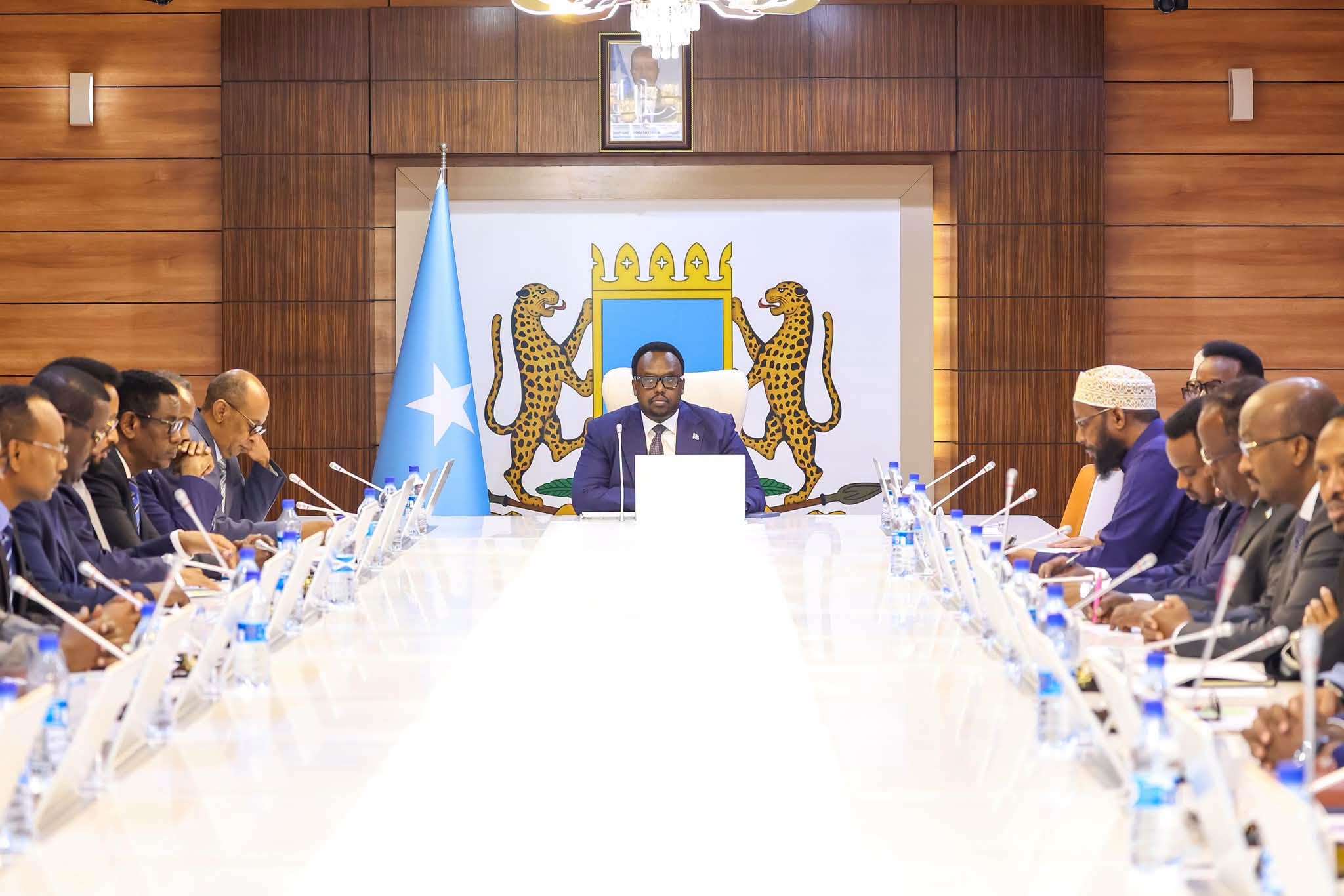
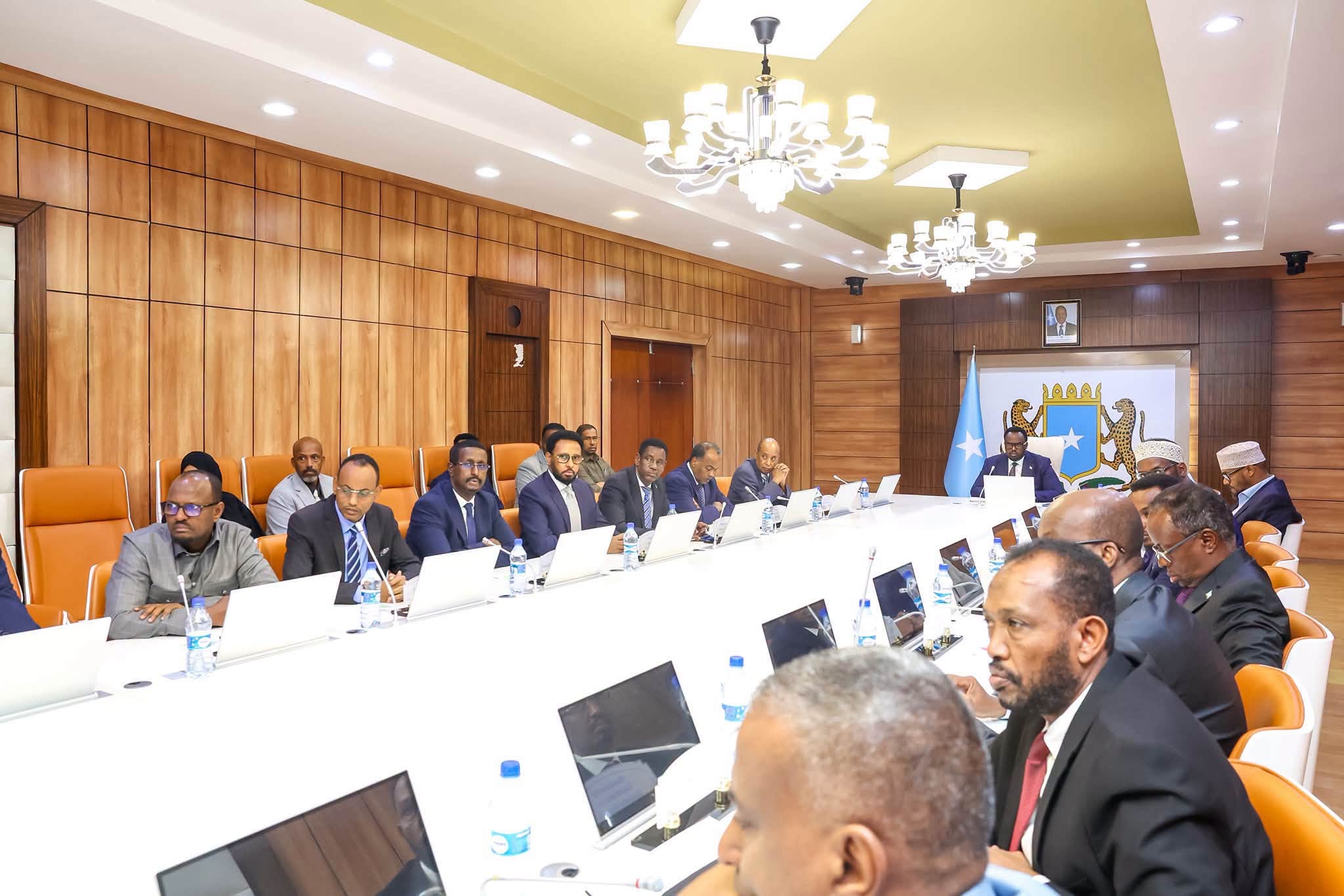
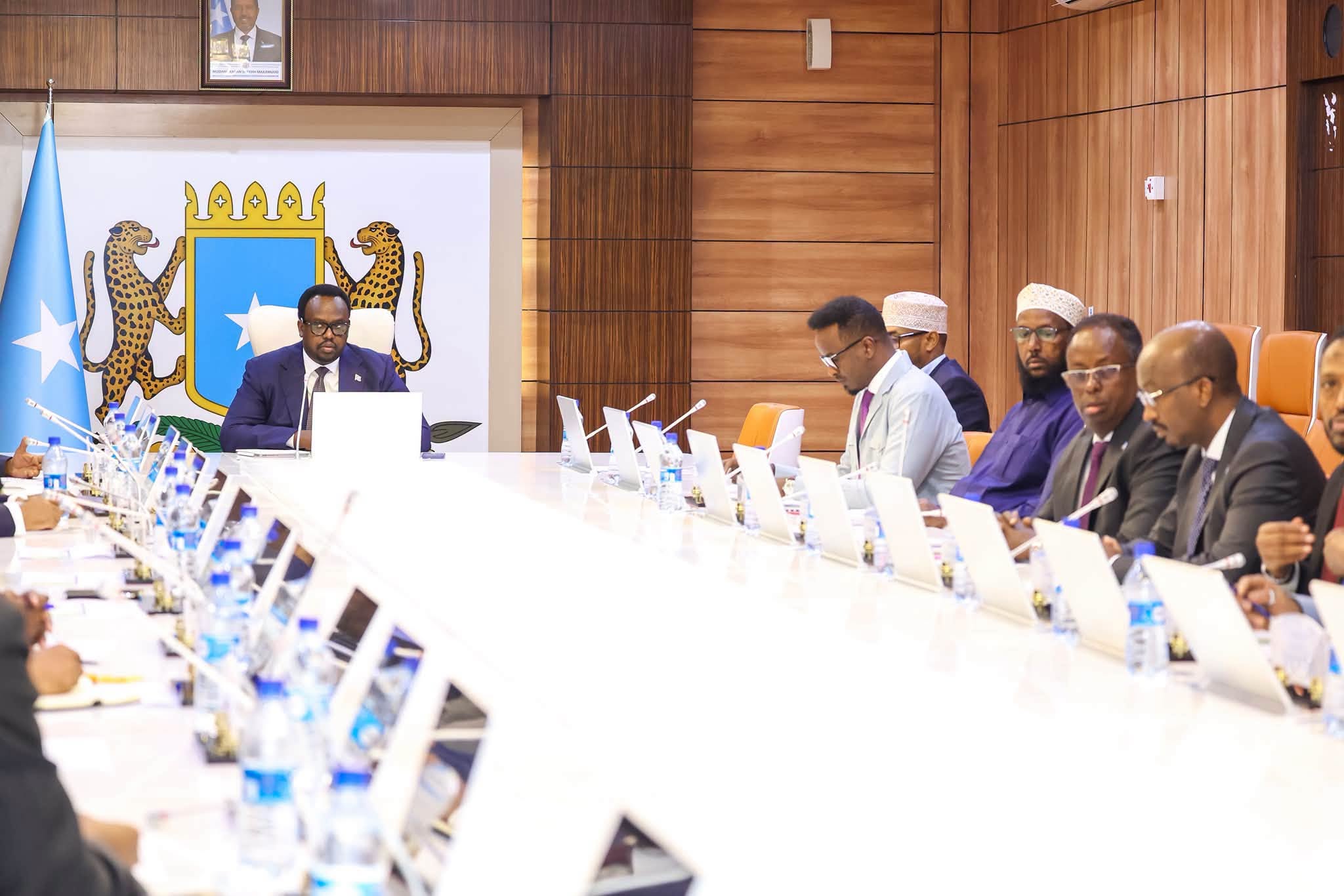
MOGADISHU (SONNA): The Council of Ministers has approved two agreements between Somalia and Mauritania at its weekly meeting, one providing for political consultations between the two governments and one for cooperation in diplomatic training.
The meeting was chaired by Deputy Prime Minister Salah Ahmed Jama, acting as Prime Minister while Hamza Abdi Barre is in Qatar on an official visit. Ministers said the agreements give particular weight to the training of diplomats and to consultation on political affairs, and will strengthen relations between the two countries.
Agreements of this kind are among the less visible instruments of foreign policy and among the more useful. A political consultations agreement establishes a standing channel between two foreign ministries, so that positions can be exchanged before international meetings rather than discovered at them. Diplomatic training cooperation gives one country access to the other’s institute for the education of its own diplomats.
For Somalia the second carries the greater practical weight. The country has spent the past two years rebuilding its diplomatic network, and the constraint on that work is people rather than premises. Somalia has this month completed the accreditation of an ambassador to Japan for the first time since 1990, received the credentials of seven new ambassadors at Villa Somalia, and seen its ambassador in Khartoum present credentials at the presidential palace there. Each of those missions requires staff trained to run it.
Mauritania is a fellow member of the Arab League, the Organisation of Islamic Cooperation and the African Union, and has maintained a diplomatic service of long standing. Somalia has had little public engagement with it in recent years, and the agreements represent the opening of a relationship rather than the deepening of an established one.
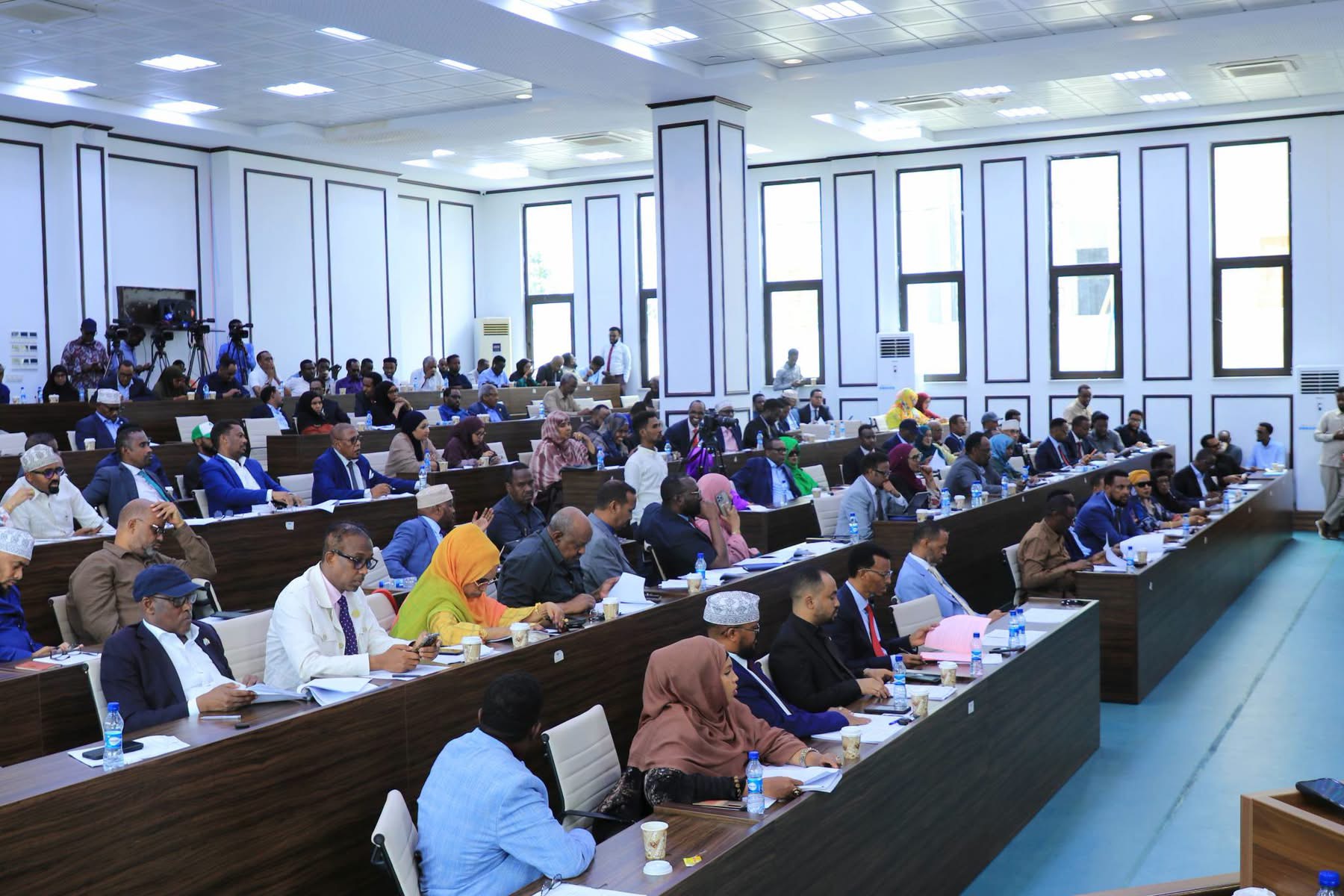
Both instruments now require ratification by the Federal Parliament. Opening the eighth session on 1 August, President Hassan Sheikh Mohamud told members that the ratification of international agreements important to national interests was among the tasks before them, and named the eighth session and the ninth and tenth that follow as the window for completing the legislative work outstanding. The agreements will reach the House of the People under its new Speaker, Abdulkadir Mohamed Nur, who was elected on 10 August.
The Council also took up the general situation in the country, with particular attention to security and the campaign against Khawaarij.
What has been agreed is a framework rather than a programme. No figures have been published for how many Somali diplomats would train in Mauritania, over what period, or at whose expense, and no date has been set for the first round of political consultations. Those are the details that will determine whether the agreements amount to more than the signatures on them.