Mogadishu – The Horn of Africa, already burdened by chronic food insecurity and economic fragility, is now facing intensified inflationary pressures as a direct consequence of two ongoing geopolitical conflicts: the Iran-U.S. proxy tensions in the Middle East and the Russia-Ukraine war. Regional and international diplomatic sources confirm that these conflicts have severely disrupted global supply chains for fuel, wheat, fertilizer, and cooking oil — essential goods upon which Horn nations heavily rely.
Impact of Iran-U.S. Tensions on Energy Prices
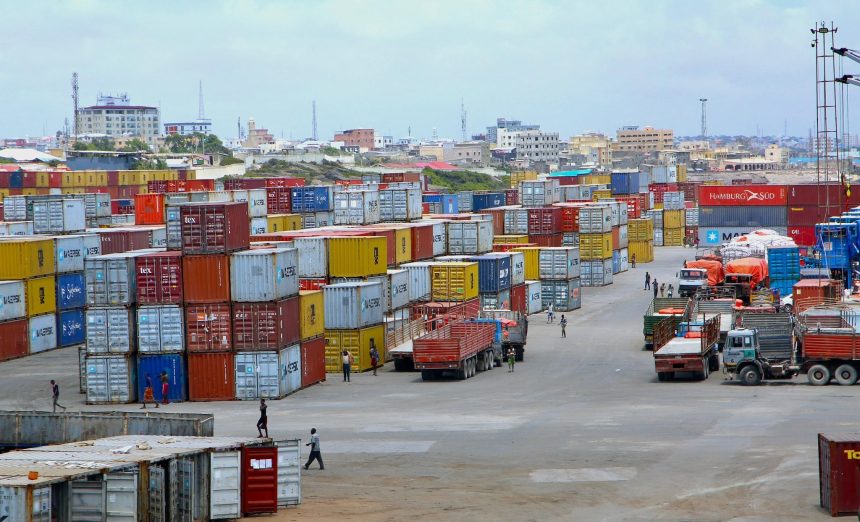
Diplomatic observers note that hostilities in the Red Sea and Gulf of Aden, including targeted strikes on commercial vessels, have disrupted maritime routes critical for fuel imports to Djibouti, Somalia, Ethiopia, and Eritrea. Consequently, global oil price volatility has translated into a steep rise in domestic fuel costs.
Average petrol prices increased from approximately $1.10 per liter (pre-2021) to between $1.80 and $2.50 across the region.
This energy shock has had cascading effects: higher transport costs for food and medical supplies, increased household energy expenses, and reduced purchasing power for low-income families. Diplomatic missions in the region have repeatedly called for de-escalation in the Red Sea to restore navigational security under international maritime law.
Russia-Ukraine War and the Wheat Crisis
The Horn of Africa imports up to 90% of its wheat from Russia and Ukraine. Since the outbreak of war, Black Sea export routes have been repeatedly disrupted, leading to a global grain supply deficit. Although the Black Sea Grain Initiative temporarily eased pressures, its intermittent implementation and subsequent termination have left regional markets highly unstable.
As a result:
· The price of a standard sack of wheat has risen from $300 (2021) to between $900 and $1,200.
· Staples such as bread, pasta, and flour have become unaffordable for many urban households.
· The UN reports that over 20 million people across the Horn now face acute food insecurity, with some areas approaching famine-like conditions.
Regional Economic Indicators
According to central bank and international financial institution data (2024–2025), annual inflation rates in the Horn reflect the compounded shocks:
· Somalia: 7.5%
· Ethiopia: 28% (highest in three decades)
· Kenya: 6.3%
· Djibouti: 5.9%
Vegetable oil prices have risen by 65%, pasta by 80%, bottled water by 40%, and cooking gas by 55%. Diplomatic notes from the African Union and IGAD emphasize that such inflationary trends risk exacerbating social unrest and displacement.
International and Regional Diplomatic Response
In response, the following measures have been pursued through diplomatic channels:
· The African Union (AU) and IGAD have issued joint appeals for humanitarian exemptions on sanctions affecting food and fertilizer trade.
· The UN World Food Programme (WFP) has increased its food assistance target for the Horn of Africa to 4.5 million additional beneficiaries.
· The United States, European Union, and China have held consultative meetings with Horn governments on debt relief and food import financing.
· Turkey and Qatar, as key diplomatic actors in Somalia and Sudan, have proposed regional food reserves to mitigate future supply shocks.
However, Horn governments face limited fiscal space to subsidize fuel or food, and repeated calls for a ceasefire in Ukraine and de-escalation in the Red Sea remain unresolved at the UN Security Council level.
Diplomatic Conclusion
From a diplomatic standpoint, the Horn of Africa is a clear case of remote conflict leading to proximate humanitarian crisis. While the region plays no role in the Iran-U.S. or Russia-Ukraine confrontations, it bears disproportionate socioeconomic costs. Diplomatic envoys stress that durable solutions require not only humanitarian aid but also renewed multilateral efforts to stabilize global energy and grain markets, secure maritime trade routes, and provide targeted debt relief to import-dependent nations.Best regards
By Salim Abdullahi Elmi
Senior Advisor
Ministry of Foreign Affairs & International Cooperation Federal Republic of Somalia.
Email: SalimQalinle5@Gmail.com